
Quick Take
- England's last golden eagle survived well into the 21st century, and the place where it held on reveals exactly where the next ones could thrive. Explore the recovery zones →
- Bringing back a top predator sounds risky, but the real ecological danger may actually be leaving them out. See the ecological case →
- The reintroduction method hinges on one specific age window for the birds. See the translocation method →
After more than 150 years of absence, one of Britain’s most iconic birds of prey—the golden eagle—may soon soar again over England’s uplands. A new government-backed proposal, informed by scientific studies and modeled on successful conservation efforts in Scotland, aims to restore this apex predator to landscapes where it once ruled the skies. The plan is ambitious and complex, but it represents a broader shift toward rewilding and ecological restoration across the United Kingdom.
Why Golden Eagles Vanished from England
Golden eagles were once a familiar sight across England, particularly in upland and mountainous regions. Historical references suggest that these birds were not only present but culturally significant. However, by the 19th century, their numbers had collapsed, and they were effectively eradicated from England.
The primary cause of their disappearance was sustained persecution by humans. Farmers and gamekeepers viewed golden eagles as a threat to livestock, especially lambs, and to game birds raised for hunting. As a result, eagles were systematically shot, trapped, and poisoned.
For a time, a single golden eagle lingered in the Lake District, serving as a solitary reminder of what had been lost. That bird disappeared in 2015, marking the final chapter in England’s long association with the species—at least until now.
Why Bring Them Back Now?
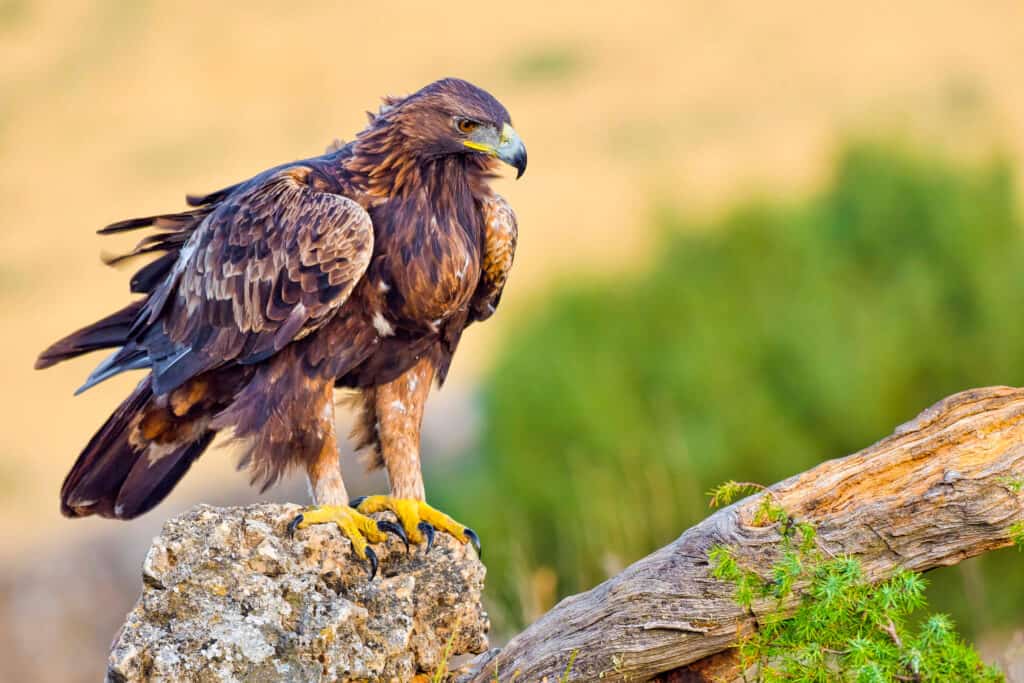
The return of the golden eagle could help to reduce an overwhelming rabbit population.
©Al Carrera/Shutterstock.com
The proposal to reintroduce golden eagles is part of a broader movement to restore lost species and rebuild ecosystems. In recent decades, conservationists have increasingly recognized the importance of apex predators in maintaining ecological balance.
Golden eagles sit at the top of the food chain. They prey on small to medium-sized mammals such as rabbits and hares, as well as birds like grouse, and they also scavenge carrion. By regulating prey populations, they help prevent overgrazing and support healthier, more diverse ecosystems.
Their absence can have cascading effects. Without natural predators, prey species can become overabundant, leading to habitat degradation and reduced biodiversity. Reintroducing eagles, therefore, is not just about restoring a single species. It is also about repairing ecological relationships.
There is also a symbolic and cultural dimension. Golden eagles are often seen as a symbol of wilderness and natural heritage. Their return would signal a broader commitment to reversing biodiversity loss, a growing concern in the UK and globally.
The timing of the proposal is tied to national environmental goals. The UK government has pledged to halt species decline by 2030 and reduce extinction risks by 2042. Reintroducing iconic species, such as the golden eagle, is viewed as a tangible step toward meeting those targets.
Where Could Golden Eagles Return?
A key question for any reintroduction effort is whether suitable habitat still exists. In the case of golden eagles, the answer appears to be yes.
A feasibility study conducted by Forestry England identified multiple potential “recovery zones” across northern England. These areas, largely in upland regions, offer the combination of open landscapes, low human disturbance, and sufficient prey needed to support eagle populations.
Golden eagles prefer remote environments, such as cliff faces, rugged hills, and expansive moorlands, where they can nest and hunt without frequent human interference. In Britain, such conditions are most commonly found in the north, particularly in areas like the Lake District, Northumberland, and parts of the Pennines.
It is important to note that these regions are not entirely devoid of eagles today. Birds from a growing population in southern Scotland have occasionally been spotted crossing into northern England, suggesting that the habitat is already suitable for a larger eagle population.
The study’s identification of eight potential recovery zones provides a roadmap for where reintroduction efforts could begin. However, selecting sites is only the first step. Each location must be carefully evaluated for factors such as prey availability, human activity, and potential land-use conflicts.
How the Reintroduction Would Work
If the plan moves forward, the reintroduction process will likely involve releasing juvenile eagles, typically aged 6 to 8 weeks, into the area. These young birds would be sourced from healthy populations, most likely in Scotland, and carefully relocated to selected sites in England.
This method, known as translocation, has already been used successfully in other conservation projects. Young birds are chosen because they are more adaptable and more likely to establish new territories in unfamiliar environments.
Once released, the eagles would be closely monitored using tracking technology to assess their movements, survival rates, and interactions with the landscape. Conservationists would also work with local communities, landowners, and farmers to address concerns and build support.
Community engagement is considered essential. Golden eagles have large territories and can travel long distances, meaning their presence will inevitably intersect with human activities. Ensuring local buy-in and addressing concerns about livestock predation are critical components of the plan.
Challenges and Controversies
Despite its promise, the proposal faces several challenges.
First, there are concerns from farmers and land managers. Although golden eagles primarily hunt wild prey, they are capable of taking lambs under certain conditions. Even the perception of risk can generate opposition, particularly in regions where livestock farming is economically important.
Second, there is the issue of land use. England’s landscapes are more intensively managed than those in Scotland, with higher population densities and more infrastructure. Finding areas that provide sufficient space and minimal disturbance is more difficult.
Finally, there is the question of long-term viability. Reintroducing a species is not a one-time event but an ongoing process that requires sustained funding, monitoring, and management. The initial £1 million allocated to the project is a starting point, but long-term success will depend on continued investment.
What Success Would Look Like
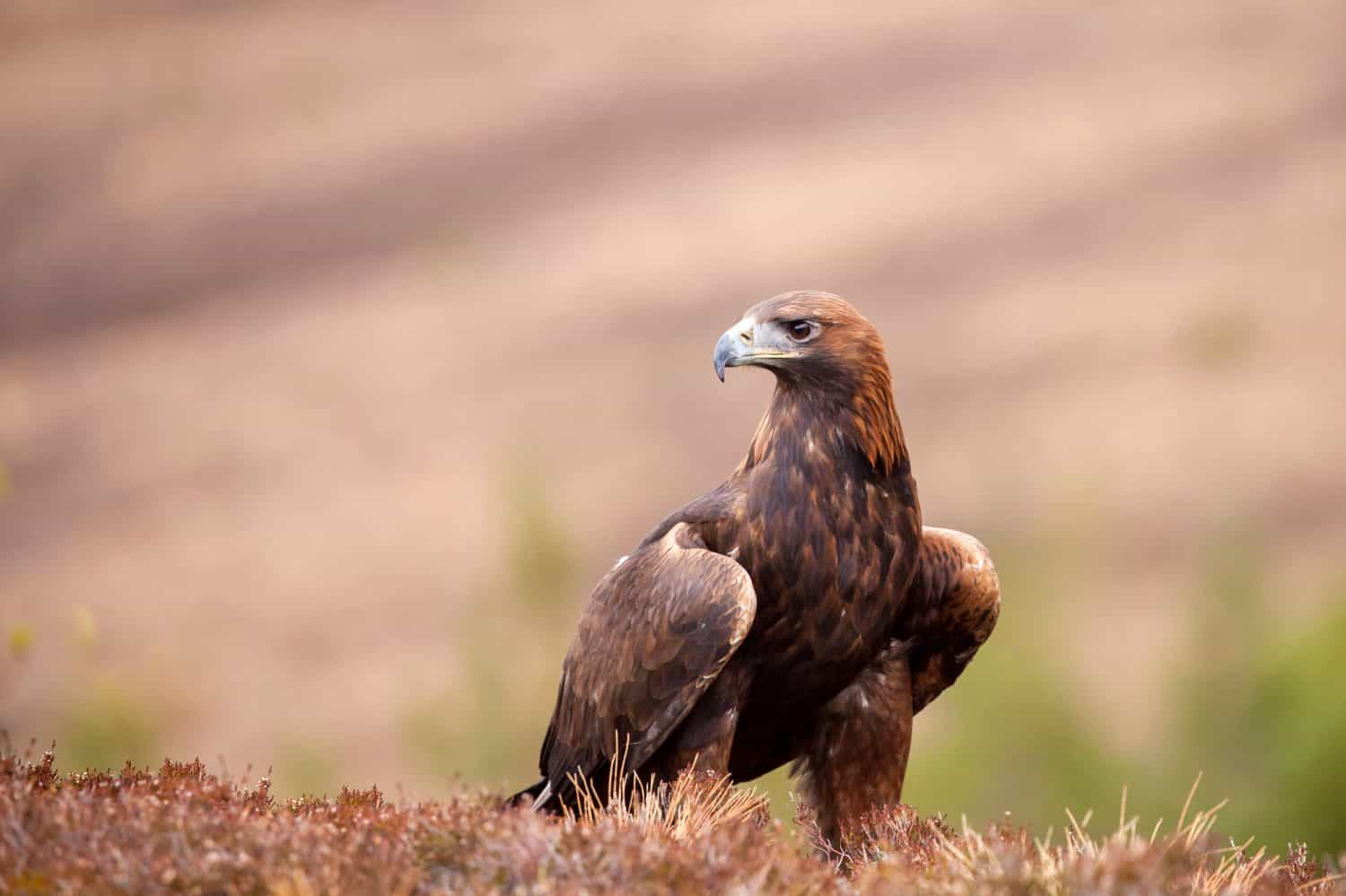
An ideal future would have golden eagles reproducing and repopulating for years to come.
©Magdanatka/Shutterstock.com
Success for the golden eagle reintroduction would not be measured simply by the release of birds, but by the establishment of a self-sustaining population.
In the short term, success would involve released eagles surviving, adapting to their new environment, and establishing territories. Over time, the key milestone would see the eagles breeding and raising chicks in the wild.
Conservationists estimate that it could take a decade or more for a stable breeding population to become established in England. This timeline reflects the slow life history of eagles, which takes several years to reach maturity and reproduce.
Beyond population numbers, success would also be measured in ecological and social terms. Ecologically, the presence of golden eagles should contribute to healthier, more balanced ecosystems. Socially, success would mean achieving coexistence between eagles and human communities, with minimal conflict.
There are also potential economic benefits. In Scotland, golden eagles have become a draw for wildlife tourism, attracting visitors and supporting local economies. A similar effect could occur in England, particularly in rural areas seeking sustainable development opportunities.
A Symbol of Restoration
The proposed return of golden eagles to England is about more than a single species. It reflects a broader shift in how humans relate to the natural world—from domination and control to restoration and coexistence.
Whether the project ultimately succeeds will depend on science, funding, and public support. But if golden eagles once again take to England’s skies, it will mark a significant milestone in the country’s environmental history. A sign that even after 150 years, nature can find a way back.