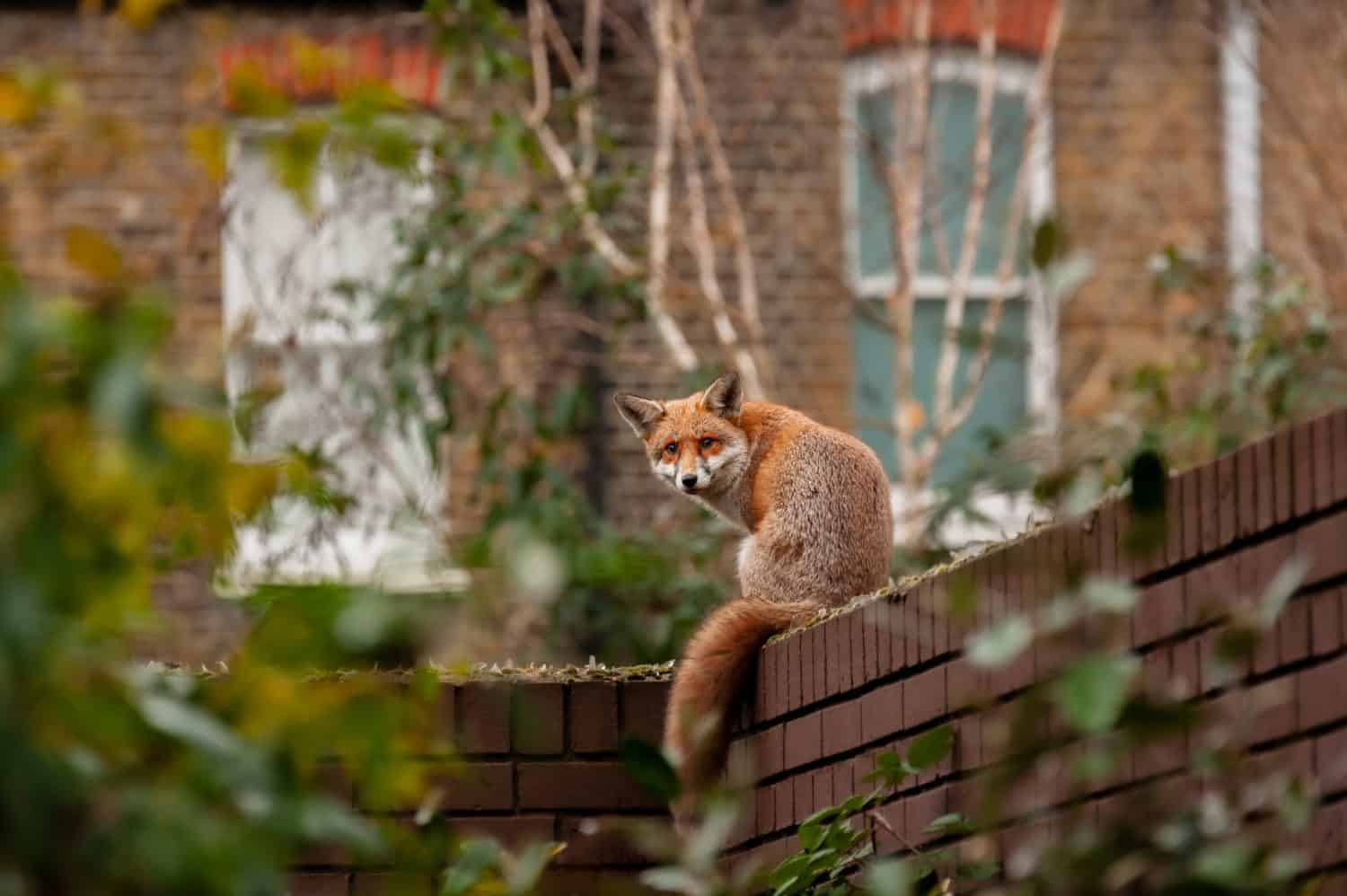

Many people prioritize their backyards because they value the wildlife that calls the space home. While your yard is certainly full of activity during the warmer months, it’s a common misconception that all wildlife activity stops during winter. However, you’d be surprised at how many animals and insects will continue to thrive even during the coldest seasons, and they need a place to stay. If you want to create a palace of comfort for the winter wildlife visitors in your area, then we have some tips for you.
By knowing what to add to your yard and what to leave undisturbed, you can create an ideal ecosystem for birds, bees, deer, reptiles, and more. This guide will provide tips on what to do and what to avoid so the creatures in your town have a safe place to call home.
Create Areas Where Critters Want to Go
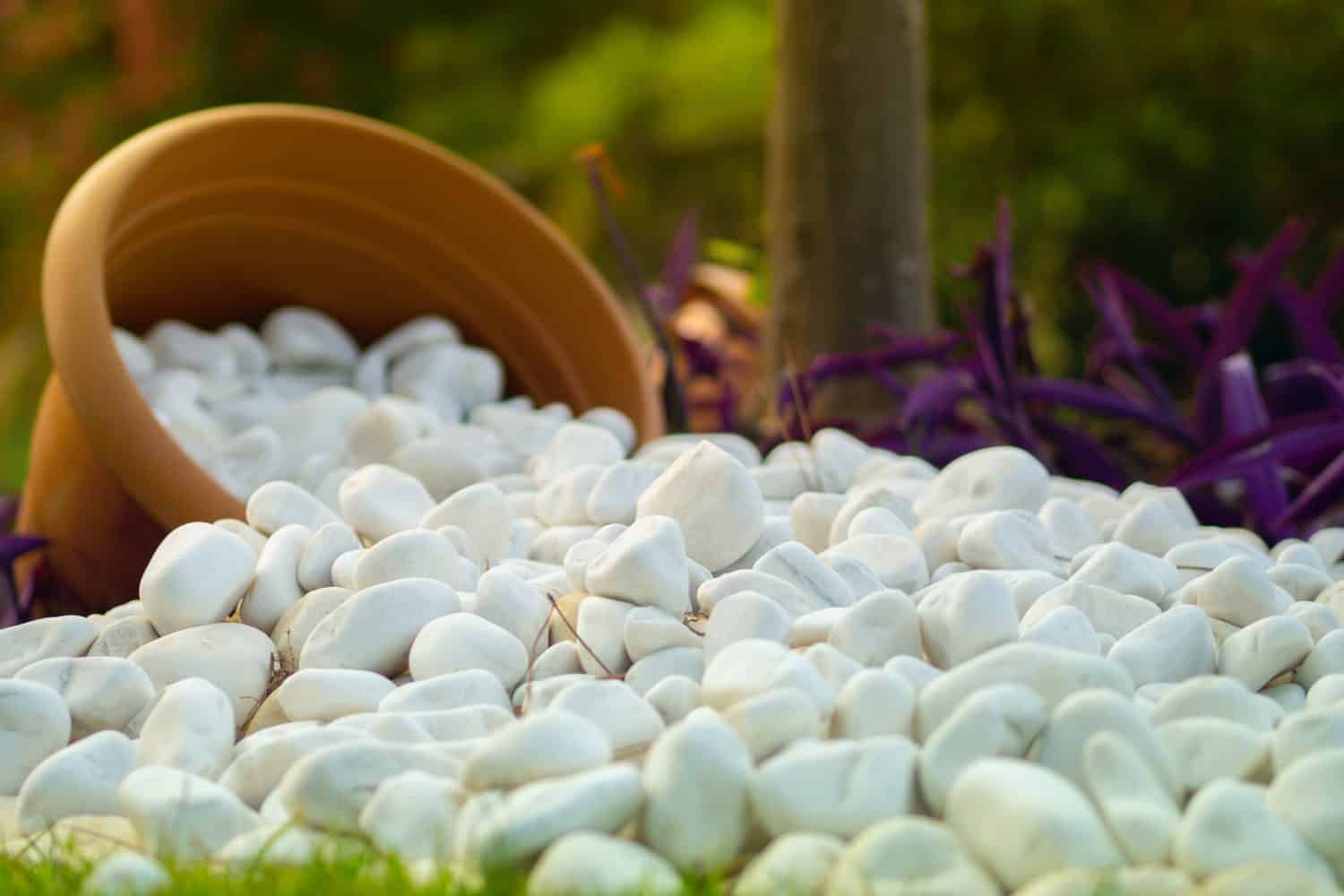
Rock piles may seem arbitrary, but they can provide shelter for various tiny critters.
©cas.tula/Shutterstock.com
One of the best ways to attract winter wildlife to your yard is to provide comfort and shelter. For instance, if you have a pile of dead branches in your yard, don’t discard them. Leave them in place, and you may see a variety of animals, from rabbits to skunks, turning the branches into temporary homes.
Also, you may feel inclined to rake the leaves in your yard, but if you want wildlife to come around, consider leaving them where they are. You may not realize it, but you could be providing nesting sites for overwintering inhabitants, like bees and butterflies. Most bugs survive the long winter by taking shelter around dead leaves. A pile of leaves can be warm, protect insects from predators, and even serve as a food source. To you, it may look like just a pile of leaves. But it could actually be home to a community of life. If, for some reason, you must rake the leaves, don’t throw them away; instead, place them in a garden bed for the insects.
Flower Maintenance
While you may feel inclined to clear some space by removing flowers from your yard, consider keeping them there. Many small birds, from sparrows and goldfinches to nuthatches and chickadees, depend on the seedheads of those flowers for food during the colder season. Some of the best types of flowers to leave around include:
- Coneflower
- Sunflowers
- Black-eyed Susan
- Sedums
- Sneezeweed
During your tour of the backyard, keep an eye out for dead stems as well. Again, you may be inclined to dig them out, but they, too, can be a shelter for small creatures. Wasps, bees, and other stem-nesting insects will happily make a home out of them. Many insects tunnel through stems and remain there in a state of dormancy until the seasons change.
Make Rock Piles
If you’re looking to add texture to your backyard while creating a winter sanctuary for wildlife visitors, consider adding rocks. Many tiny animal species enjoy making shelters in the crevices and cracks of rock piles. Add them in strategic places, and you can also beautify your space at the same time.
You’ll attract some interesting critters, including bumblebees and chipmunks. The latter will often burrow underground where there is a pile of rocks. You may also attract some cold-blooded animals, like turtles, snakes, lizards, and frogs. They will use the rocks to absorb the sun’s heat so they can stay comfortable throughout the season.
Whenever you’re cleaning your yard, consider what you can leave behind, and you may provide shelter or food for a plethora of winter wildlife visitors.
Plant Trees That Encourage Winter Wildlife Visitors
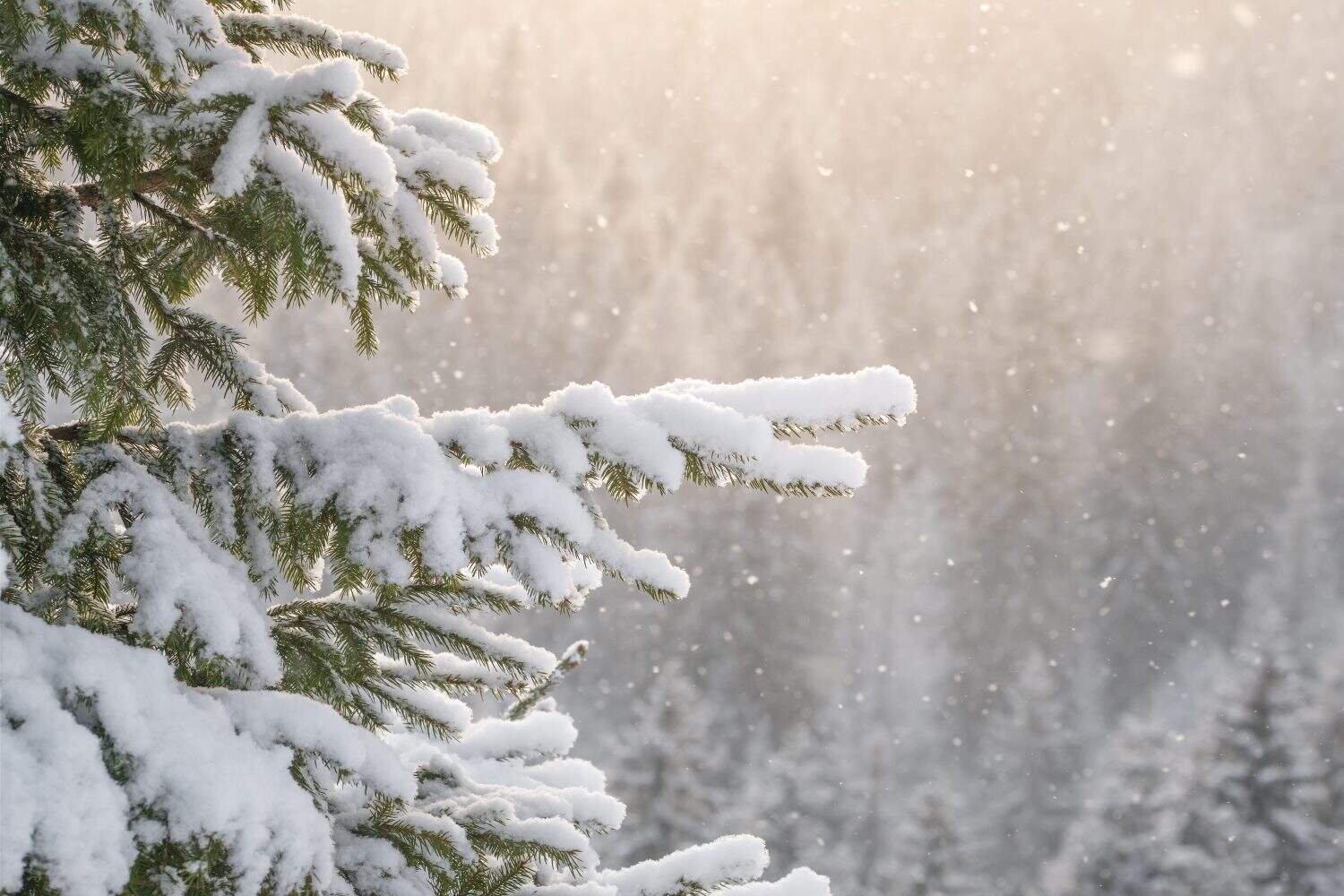
If you don’t already have lovely trees, like spruce, in your yard, plant them and you’ll invite wildlife.
©Mazur Travel/Shutterstock.com
A great way to entice various creatures into your backyard is to plant trees that they like. The trees on this list are great because they provide shelter, food, or places to rest for the wildlife you’re likely to see. Consider planting the following trees:
- Sargent crabapple – It’s a gorgeous tree for small yards that attracts rabbits, foxes, and various birds, including mockingbirds and robins.
- Canadian hemlock – This plant works well as a privacy hedge, and it attracts chickadees, juncos, warblers, and other birds.
- Colorado blue spruce – One of the most popular and beautiful conifers, it also attracts crossbills and siskins.
- Washington hawthorn – A lovely tree with red berries that attracts various bees and birds.
- Downy serviceberry – This gorgeous tree makes berries that are great in pies, and they attract many winter birds.
- White spruce – This tree is like the equivalent of a water cooler in an office. It’s a cute tree that attracts crossbills, deer, rabbits, and more.
- American holly – Plant this around your yard and you’ll put yourself in the holiday spirit while attracting quail, wild turkey, songbirds, and bees to your home.
- Deodar cedar – If you want to add some privacy to your yard and attract a variety of winter birds, plant this cedar and reap all of the benefits.
The more trees and greenery you have in your yard, the better the chance you have of attracting wildlife, even when the winter season comes around.
Provide Water Sources
A proven method for attracting winter wildlife visitors to your yard is to provide a water source of some type. Many backyard creatures need water to survive, and that need doesn’t end when the weather grows colder.
To start, place a bird bath outside and fill it regularly. If you live in a snowy or freezing climate, look into a bird bath with a heater. You might also plug in a portable heater and point it up at the bird bath. Another solution is to heat a brick in the oven and put it in the water in the morning. It will keep the water at a decent temperature throughout the day.
If you don’t have a bird bath, you can also put out a shallow pan with water. Just be sure to place it far enough away from trees so that predators won’t ambush the friendly animals.
What Do Backyard Visitors Like to Eat?
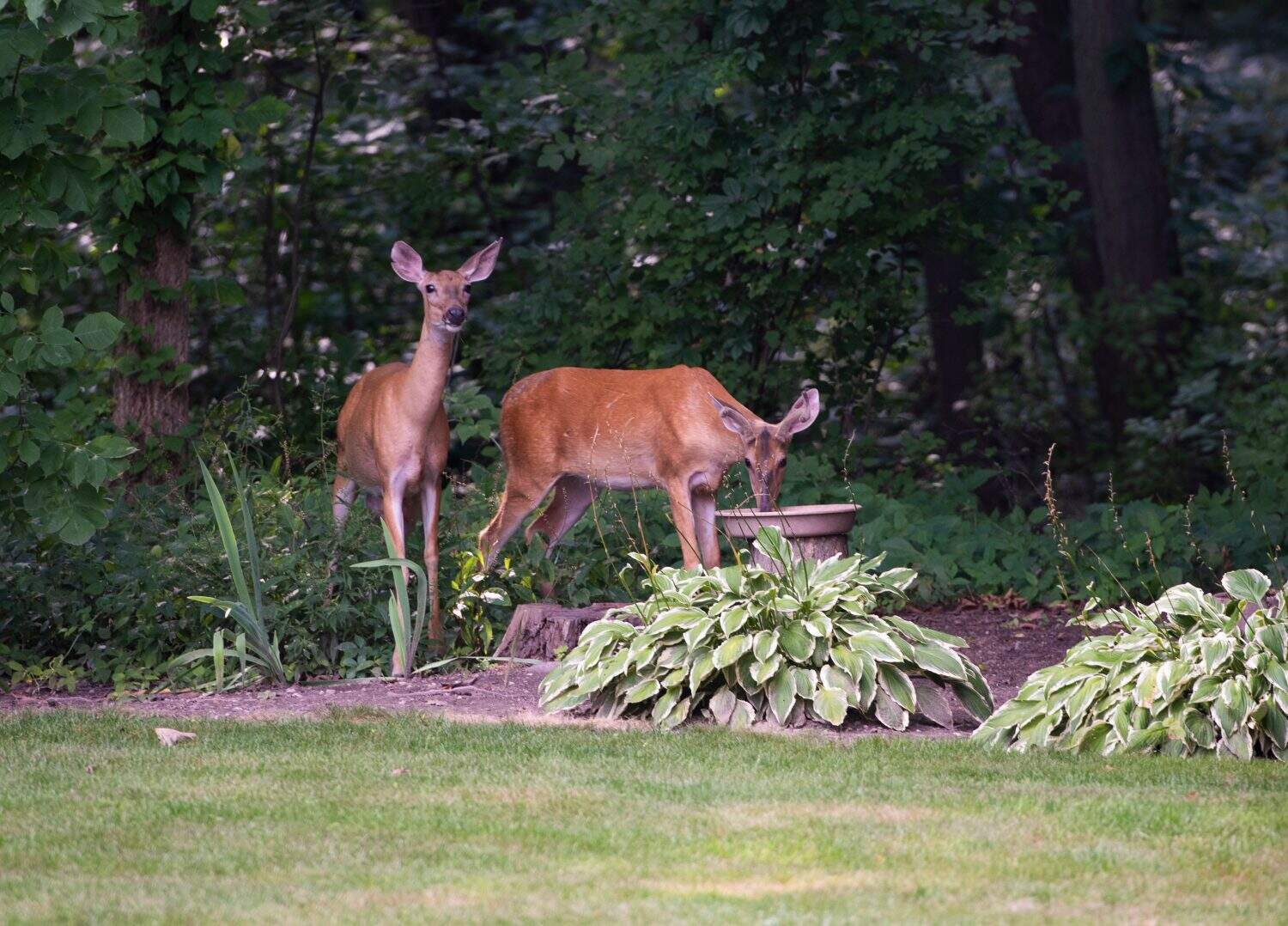
Put out the right food and you can attract deer, rabbits, foxes, and other wildlife into your backyard.
©Chris Converse/Shutterstock.com
The winter wildlife visitors to your home will depend greatly on where you live and the local climate. That said, if you’re looking to attract certain animals, the food you put out will matter. Here are some examples:
Deer
When it comes to feeding deer, you have some options. However, don’t go overboard with what you supply, or it could upset their digestion. Foods they enjoy include corn, oats, and alfalfa pellets. You can also put out the occasional carrot or apple.
Chipmunks and Squirrels
Both of these critters will always be happy with walnuts, hazelnuts, acorns, and other nuts that are still in the shell. For an extra treat, you can also offer pumpkin seeds or dried corn on the cob.
Raccoons, Foxes, and Opossums
For a wider range of winter animals, you can put bits of meat or cooked eggs in the yard. Foxes and opossums also like unsalted seeds and nuts. Raccoons love berries and cut fruit.
Rabbits
If you want rabbits to hop into your yard, consider options that are both tasty and healthy. Rabbits truly love carrot tops, leafy greens, and apple peels. If you have any twigs from willow or birch trees, toss them out as well. These twigs not only taste good but also help rabbits wear down their teeth. Finally, provide some hay or alfalfa to add necessary fiber to their diets.
Feeding the Birds
You will likely see a variety of birds visiting your backyard, especially if you provide the seeds they love. Here are some seed options and the birds they’ll attract:
- Black oil sunflower seeds – Cardinals, finches, and chickadees love these high-fat snacks that help them keep their energy levels elevated.
- Suet blocks – High-energy food made from rendered vegetable and animal fat. It’s a common treat that’s great for jays, wrens, and woodpeckers.
- Unshelled and unsweetened peanuts – Blue jays love them, but so do squirrels, so be cautious.
- Nyjer seeds – Tiny seeds that attract pine siskins and goldfinches.
- Cracked corn – A favorite of sparrows and doves.
- Fruit pieces – Attract robins, bluebirds, and waxwings.
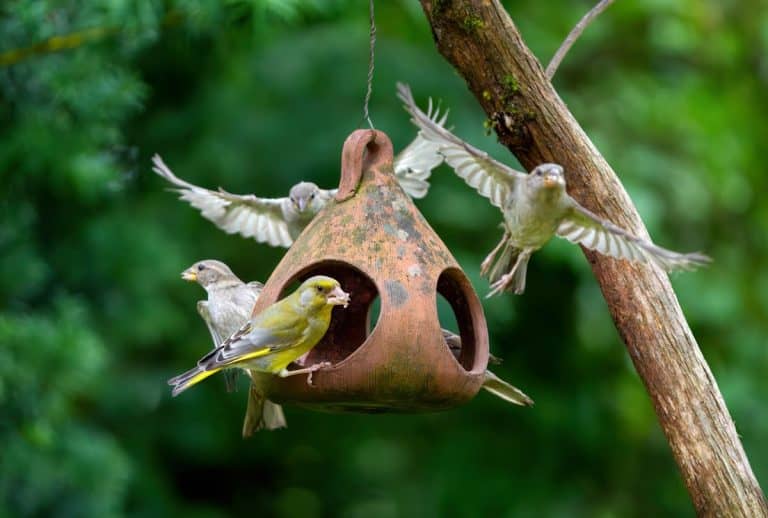
If you live in snowy or gusty climates, extra care is required when feeding the birds, especially when it comes to your bird feeder. Choose a feeder with a top that overhangs the food to keep it dry. Make it a point to clean off the bird feeder whenever it snows. Failure to maintain the feeder could lead to mold that could harm the birds. A good way to stay on top of things is to add seed to the feeder daily, but don’t add more seed than the birds will finish during the day, so you don’t have to worry about inviting hungry but unwanted animal guests at night.
The key to creating a backyard sanctuary for local wildlife is to consider what to keep in place, such as leaves, rock piles, and strategically placed birdhouses. Take time to think about the layout of your backyard, and you’ll have a variety of wild visitors all winter long.