
Quick Take
- The twinkling display in your backyard is not just a show but a conversation, and something you do every night may be cutting it off mid-sentence. See how lights disrupt fireflies →
- One color of light is far less harmful to fireflies than the bulbs most people already have installed, and that difference could determine whether fireflies return to your yard at all. Find the safer lighting options →
- Western Americans largely don't know their region has fireflies, and that blind spot is quietly making a conservation crisis worse. Explore the East-West divide →
- Firefly larvae lead a secret double life that makes them valuable to your garden. Discover the larval life cycle →
Whether you call them fireflies or lightning bugs, you probably feel a sense of nostalgia when you see these incredible insects putting on their summer light show. Few things feel more magical to a kid than staying up late and chasing twinkling lights across soft grass on a warm summer night.
Unfortunately, our favorite American summer pastime is at risk. According to The Xerces Society for Invertebrate Conservation, “one in three assessed North American fireflies may be at risk of extinction.”
We spoke with Candace Fallon, Senior Endangered Species Conservation Biologist at The Xerces Society, to learn how ecological light pollution is creating a hidden crisis for our beloved North American fireflies.
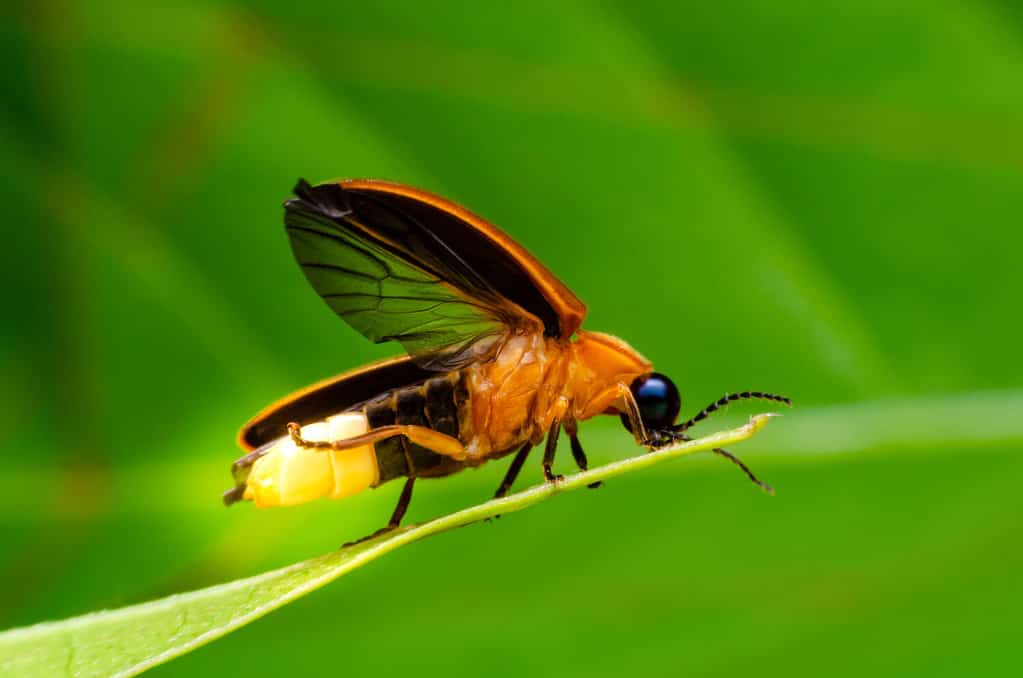
Male fireflies flash their light in patterns to attract females for mating.
©khlungcenter/Shutterstock.com
From Hungry Hunters to Summer Sparks
When we see fireflies glowing in the dark, we are witnessing the adults in the final stage of their life cycles. Fireflies are beetles in the family Lampyridae. Their life cycle includes four stages: egg, larva, pupa, and adult.
Larval fireflies are hungry predators that eat snails, slugs, worms, and other larvae, making them incredibly beneficial to gardens. As adults, they live for only about two weeks, and their main goal is to mate and lay eggs.
How Light Pollution Interrupts Courtship
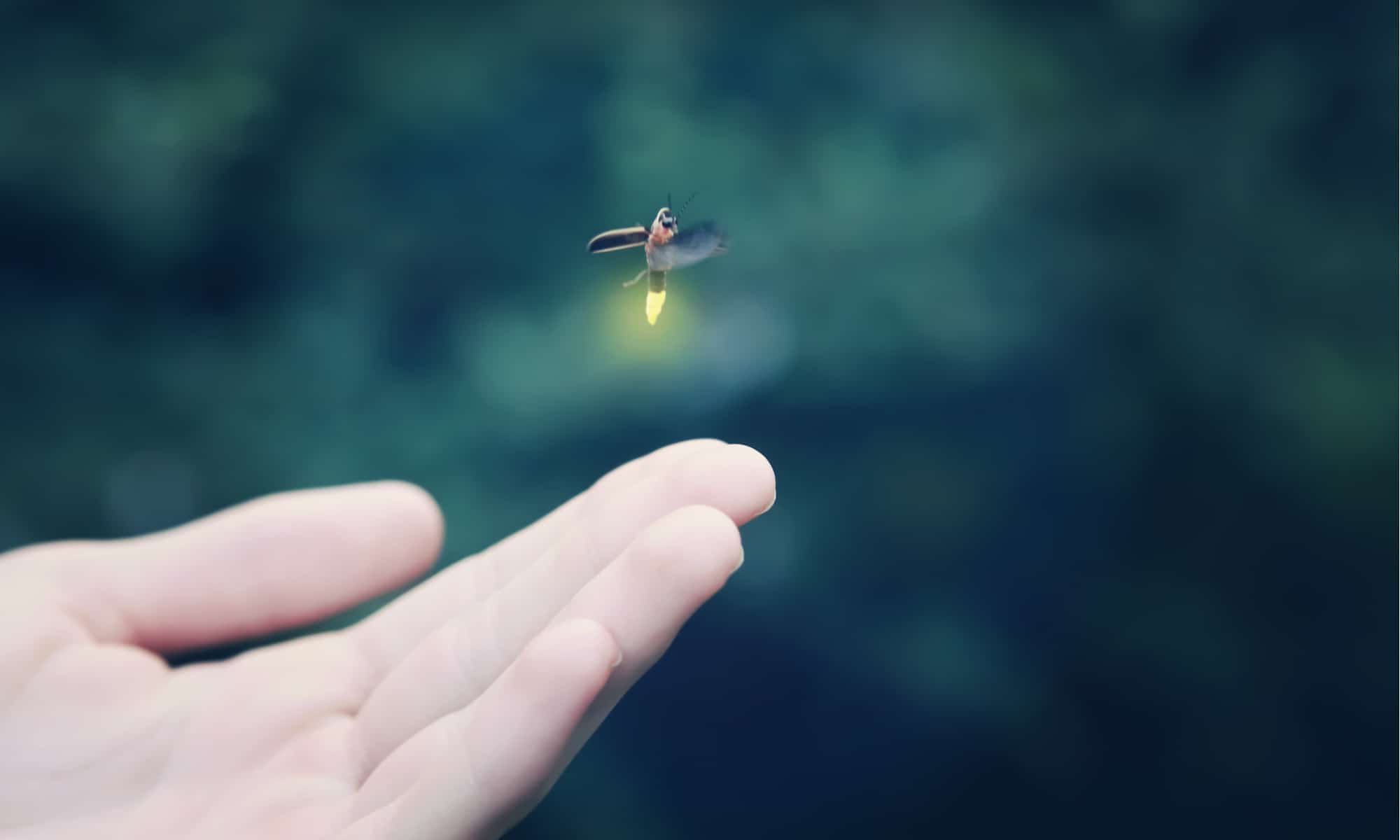
Fireflies are bioluminescent. They have special organs under their abdomens dedicated to producing light. When they take in oxygen, it combines with a chemical called luciferin. This produces light without heat.
Fireflies use species-specific light patterns to communicate. For example, in the big dipper firefly species (Photinus pyralis), the male uses a special signal to attract female mates. If the female is interested in the male’s light, she will flash her own signal back to him.
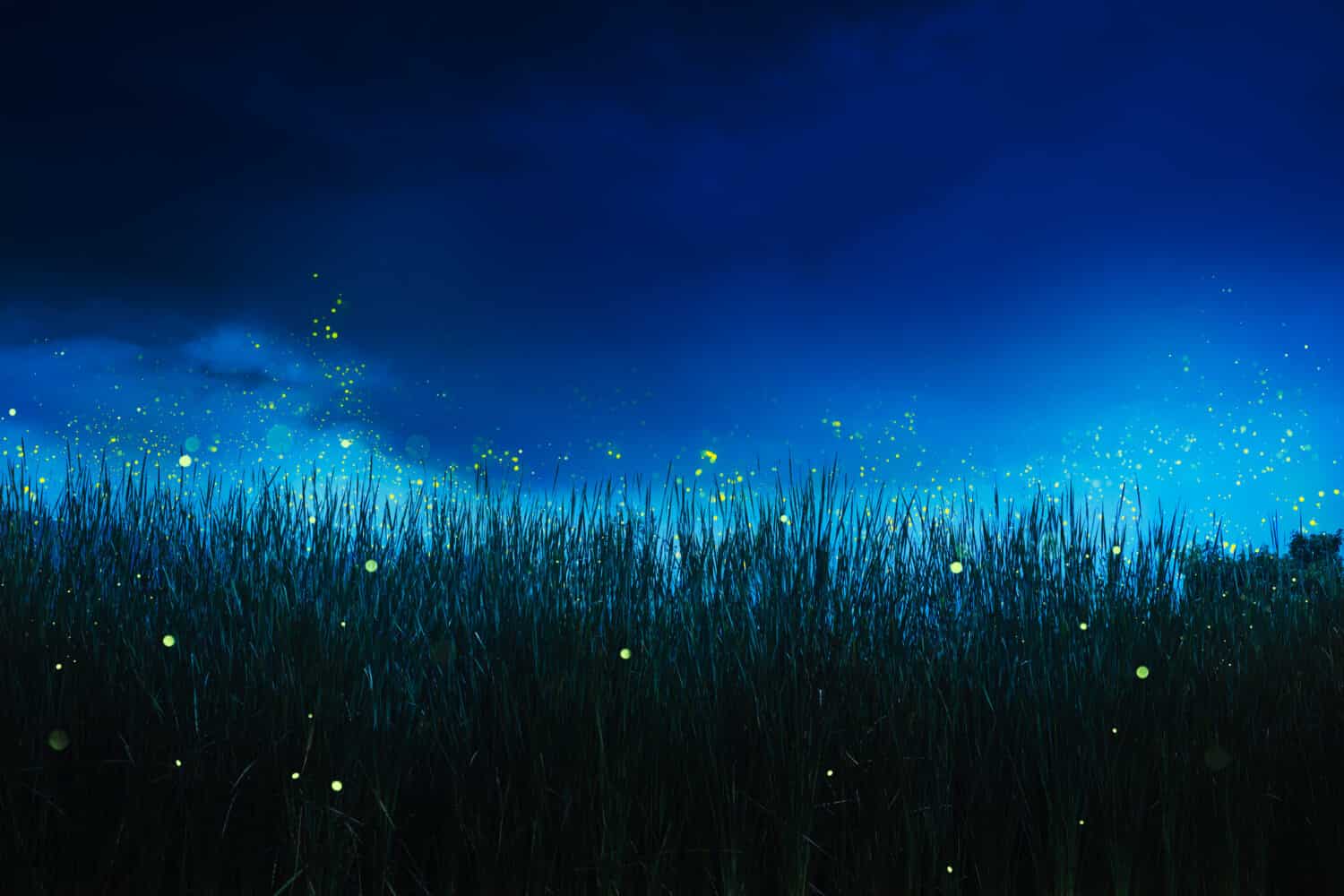
Artificial light can confuse firefly communication during mating.
©Fer Gregory/Shutterstock.com
Artificial light at night can disrupt firefly communication by making it difficult for them to see each other’s flashes. Fallon explains, “Artificial light at night (also known as ALAN) can flood a firefly’s vision, making it difficult for males and females to see one another’s flashes.”
She continues, “The light shows we witness are actually love songs between fireflies—males have species-specific flash patterns that they use to court females. If a female is interested, she flashes back. Back and forth they go, using their light to find one another, unless the female loses interest and goes dark. Studies have shown that ALAN can interfere with this courtship or even lead fireflies to change their behavior, resulting in lower mating success and fewer future fireflies.”
The Data Deficiency and the East vs. West Geographical Split
Scientists assessed 132 North American firefly species. Although one in three species is near threatened, an even greater number face more serious threats. Climate change, habitat loss, and light pollution threaten roughly one in seven (14%) firefly species with extinction. A lack of sufficient data for roughly half of these species severely hampers conservation efforts.
Fallon says, “Flashing fireflies are less common in the West, which is instead dominated by glow-worms and daytime dark fireflies. Because glow-worms and daytime dark fireflies aren’t as flashy or obvious, and many don’t occur in heavily populated areas, these two groups tend to be overlooked.”
She went on to explain, “There are also far more firefly researchers and associated labs and institutions on the East Coast, which no doubt fuels more research into firefly species of the central and eastern US. Many people in the West are not even aware that fireflies occur in the region, although this is starting to change! Firefly Atlas participants are helping us fill the gaps in our knowledge by going out into their communities to look for fireflies and report what they find.”
The light shows we witness are actually love songs between fireflies—males have species-specific flash patterns that they use to court females. If a female is interested, she flashes back.
Candace Fallon, Senior Endangered Species Conservation Biologist at The Xerces Society
The Power of Community Science in Tracking Missing Populations
According to Fallon, “Our biggest hurdle is the enormity of the area we need to cover during such a short time period when adults are active in the summer! Our primary firefly team at Xerces is just three people, although we work with a wonderful network of fellow firefly researchers, agency biologists, and community scientists.”
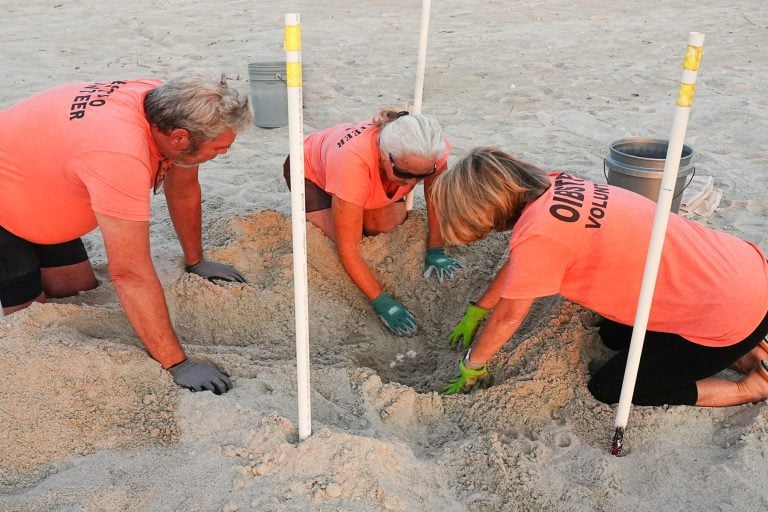
However, the public can work with scientists to help fireflies recover. “Community scientists play an enormous role in firefly conservation and research,” says Fallon. “Across the country, they submit sightings, conduct surveys, and share their data on platforms like Xerces’ Firefly Atlas and iNaturalist. We could not do this work without them.”
Practical Solutions: Retrofitting Our Nights for Fireflies
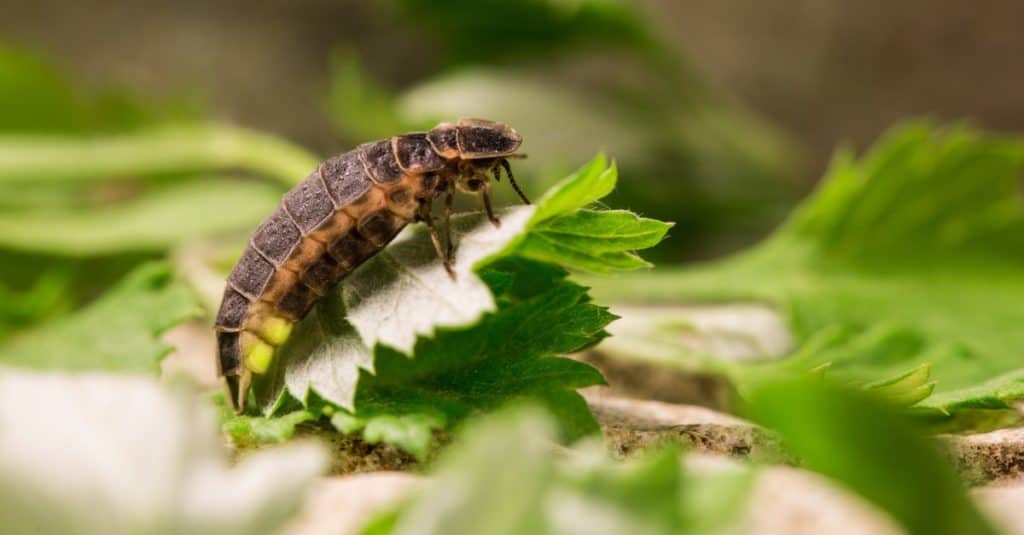
Firefly larvae are voracious predators and will eat a garden’s snails and slugs.
©Karelian/Shutterstock.com
If you’re wondering how you can help restore firefly populations, there are some simple changes anyone can make in their own backyard.
The first begins with thinking about the lights you may be leaving on overnight. Fallon suggests, “The best thing people can do is turn off unnecessary outdoor lights at night and use curtains and blinds to block indoor light from shining outside. When light is needed for safety or visibility, we recommend targeting it to the specific area required (using shields or other devices), limiting its duration with motion sensors or timers, and dimming the light while using red filters, which are less detrimental to firefly vision than the white/blue light common in LEDs.”
Aside from keeping your space dark overnight, there are ways to attract fireflies to your yard. Fallon says, “Fireflies thrive with moist habitats, dark nights, and undisturbed habitat free from pesticides. To attract more fireflies, consider planting native wildflowers, trees, and shrubs, minimizing mowing to let grasses grow taller, leaving microhabitat such as leaf litter and fallen logs for larvae and flightless females, and eliminating any pesticide use that isn’t necessary for human health reasons.”
You can also help firefly populations by making thoughtful landscaping choices. “Deep-rooted grasses and other plants can help aerate the soil, lock in moisture, and contribute to overall soil health, which is important for developing fireflies and their prey (soft-bodied creatures like worms, snails, and slugs),” says Fallon. “Trees and shrubs can also help block light pollution and increase humidity, both of which are beneficial to fireflies.”
Bringing Back the Dark
Some conservation needs are overwhelming. For example, the average person may feel helpless when thinking about diminishing rainforests and warming oceans. But firefly conservation is one of those rare areas where everyday citizens can make a real difference in their own backyards.
Fallon says, “Even though there’s a lot we have yet to learn about fireflies, we know enough about the threats to their populations and the actions we need to take to make a difference now. Firefly conservation is something anyone can contribute to, whether by learning more about what fireflies need and sharing that information with others, turning off your outdoor lights on summer nights, or leaving some corners of your yard or garden a little messy. Contributing to community science efforts like Xerces’ Firefly Atlas (fireflyatlas.org) helps researchers better understand where fireflies live, when they are active, and the threats they might face.”