
Quick Take
- A fossil spotted as a new species in 1994 sat unidentified for nearly 30 years, and the wait may well have been worth it. Find out why. 30 years in storage →
- A genus once thought to be found only in South America has now been identified on another continent, a discovery that is reshuffling dinosaur history. Dinodontosaurus crosses continents →
- Finding one herbivore fossil in the wrong place forced scientists to rethink when and where dinosaurs first appeared. Fossil reshapes dinosaur origins →
- Museum storage rooms may be holding discoveries that fieldwork can't match, and here is the proof. Museum collections yield secrets →
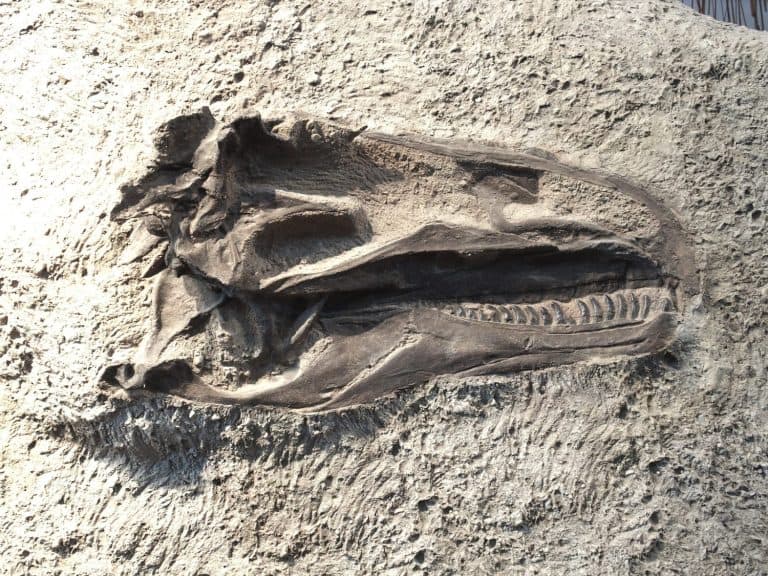
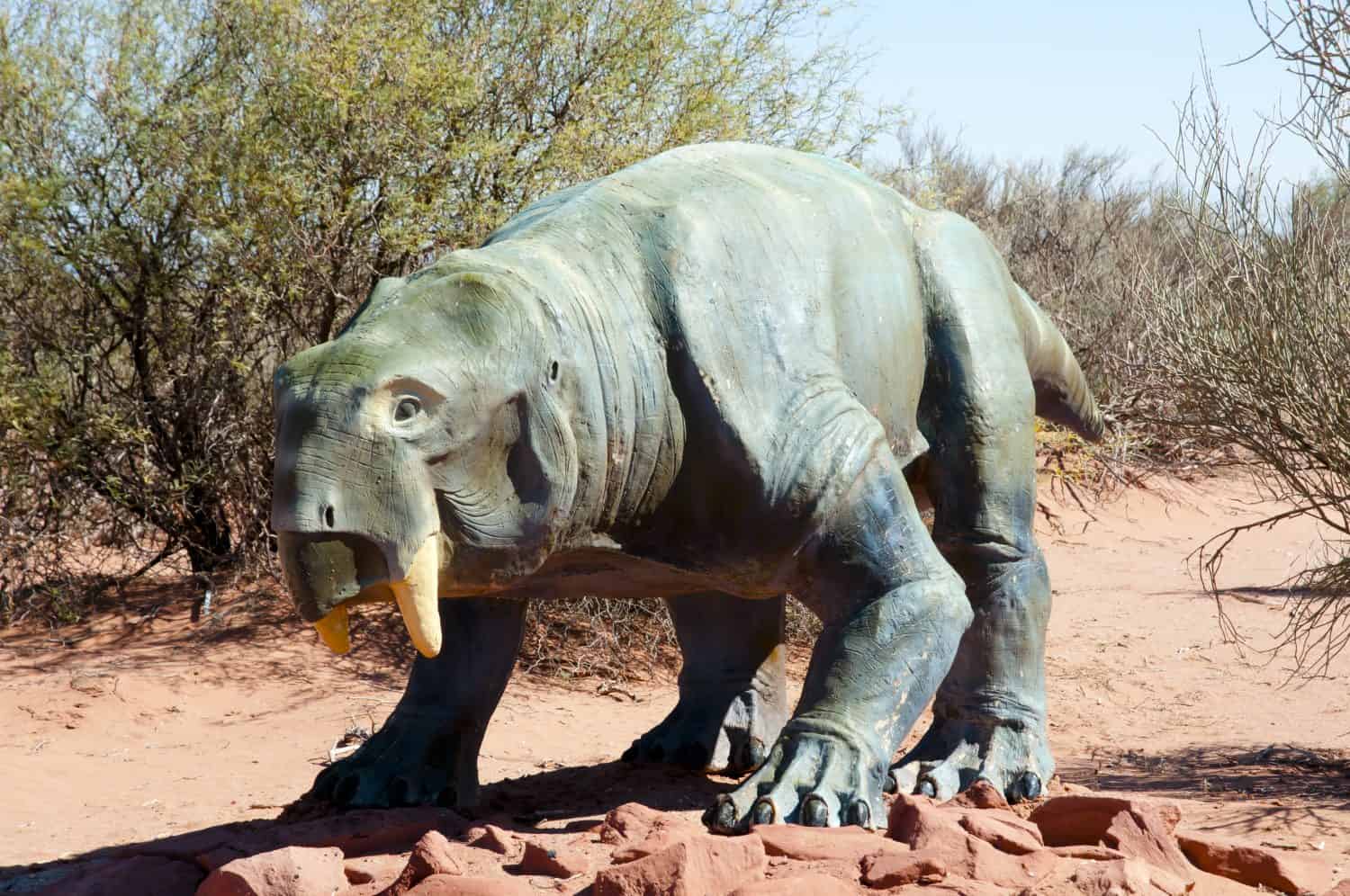
Once again, fossils preserved in museum collections are revealing age-old secrets. Over sixty years ago, a British expedition into Tanzania netted a large assortment of synapsid fossils. These mammal-lineage vertebrates lived right before and alongside the rise of the dinosaurs. Those bones, however, were only partially studied after their discovery. Now, with decades passing and fresh sets of scientific eyes focused on analysis, those bones have received renewed scrutiny. That renewed research ultimately led to the identification of an entirely new species: Dinodontosaurus isiyavamanda.
Upon closer examination, scientists discovered that those old bones from Tanzania contained a species previously unknown to science. It belongs to Dinodontosaurus, a genus of herbivorous synapsids that lived over two hundred million years ago. What surprised experts was that the genus had previously been found only in South America. Finding one an ocean away, on a separate continent, might very well rewrite the timeline of the period’s fauna. Let’s explore this discovery, how it happened, and what it reveals about a period so ancient it remains shrouded in mystery.
Continue reading
Digging Up Bones
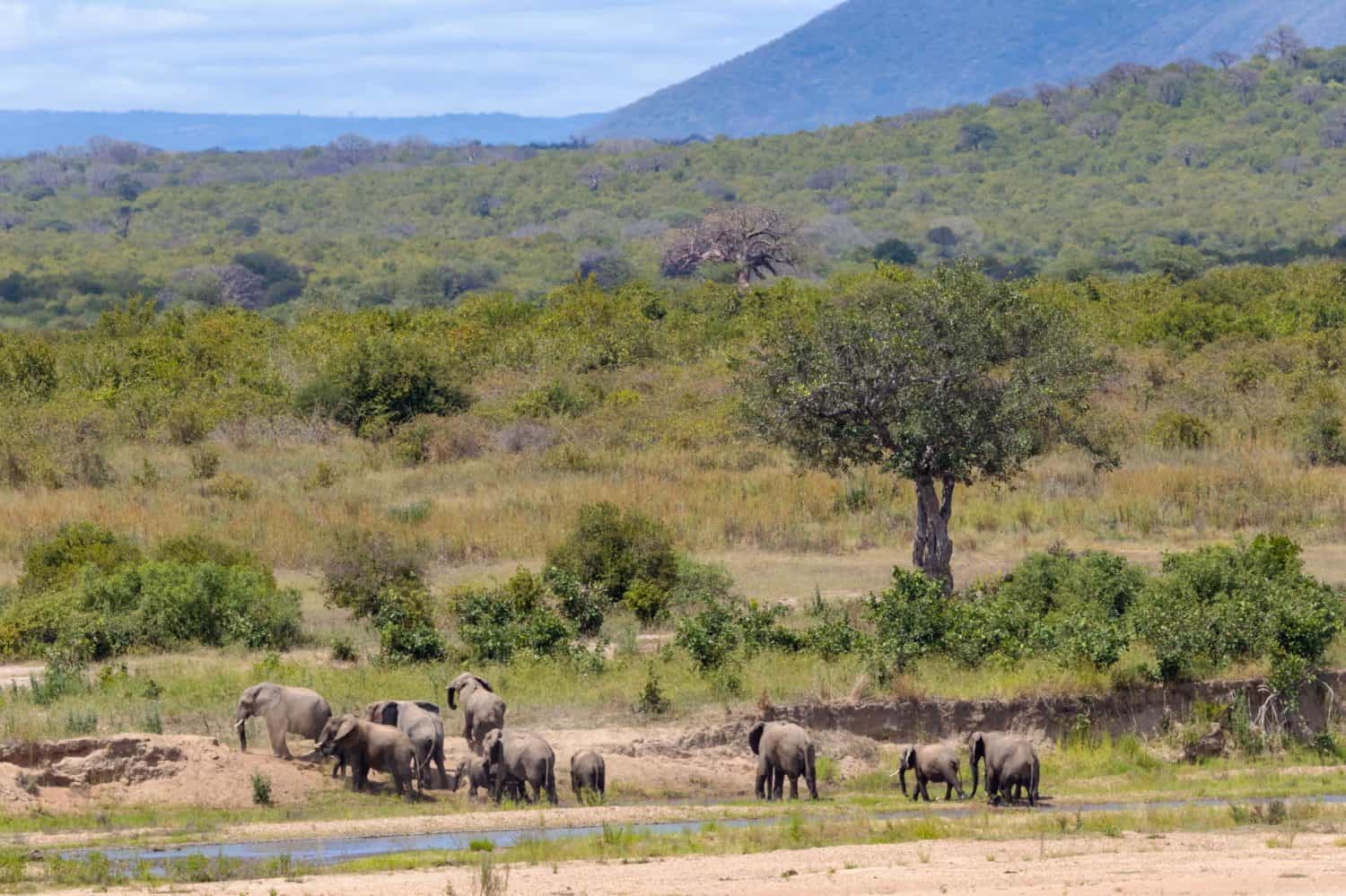
The newly discovered species came from a fossil deposit found in the 1960s in what is now Tanzania.
©Nick Greaves/Shutterstock.com
In the early 1960s, a team of British researchers uncovered an extensive collection of fossils in what is now Tanzania. They belonged to synapsids, a major group of proto-mammals that lived over two hundred million years ago. Some of these fossils were studied, but most were tagged and stored deep within London’s Natural History Museum. There was, however, an inkling that something new might be waiting to be discovered in that museum collection.
Over 30 years ago, paleontologist Nigel Larkin studied the skeleton in question. He knew it was something novel, but didn’t have the resources or foresight to have it properly identified. As Larkin explained to Science Daily, “I studied this dicynodont skeleton for my MSc thesis at University College London back in 1994 and judged it to be a species new to science, but it took me nearly 30 years to start the process of writing it up for publication.”
A New Discovery
Further study of this skeleton confirmed that it represents a previously unknown species, now named Dinodontosaurus isiyavamanda. This name references the land of the Wamanda people, who live in the part of modern-day Tanzania where the fossil came from. What is interesting about this fossil is that it reveals a hidden link between vastly different regions. The geological deposits containing the newly identified species were previously thought to correspond to fossil deposits from South Africa.
Now, it appears that Dinodontosaurus existed in both Tanzania and South America. This means the South American samples are up to 10 million years younger than the Tanzanian ones. This also necessitates a reassessment of when and where these creatures evolved. The study’s lead author, Hady George, told Science Daily, “Our discovery marks the first confirmed record of the genus Dinodontosaurus outside South America. The finding links the Tanzanian and South American fossil-bearing rocks, showing they are of equivalent age.”
Redefining Timelines
Pinpointing the timeline of creatures that lived hundreds of millions of years ago is inherently challenging. The discovery of a new Dinodontosaurus species in an unexpected place, however, does narrow things down somewhat. As Hady George said, “This helps confirm that the oldest dinosaur-bearing rocks from Tanzania are probably no older than those from South America, refining the timeline of dinosaur origins. Forthcoming research projects will examine the remaining fossil material and explore the biomechanics and ecology of Triassic dicynodonts.”
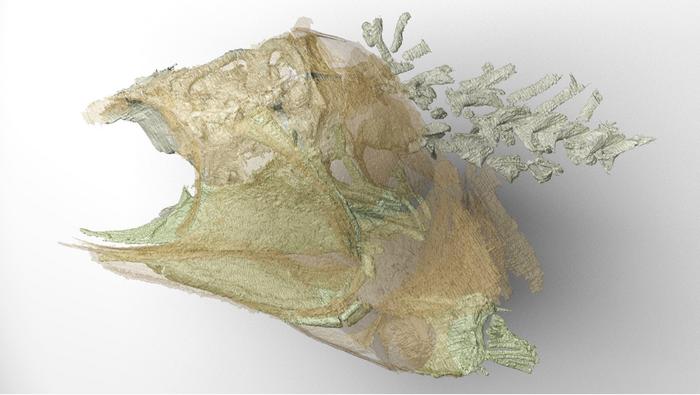
As for the study’s co-author, Nigel Larkin, he’s glad he waited to properly identify the species he first spotted in the Natural History Museum’s collection several decades ago. He said, “Techniques have improved vastly over the last 30 years, too — we can do so much more with micro-CT scanning to examine such specimens than we ever could have imagined in the 1990s, and international collaboration is so much easier. And what’s 30 years? It’s the blink of an eye compared to the age of this prehistoric specimen.”
Lurking in Museum Drawers
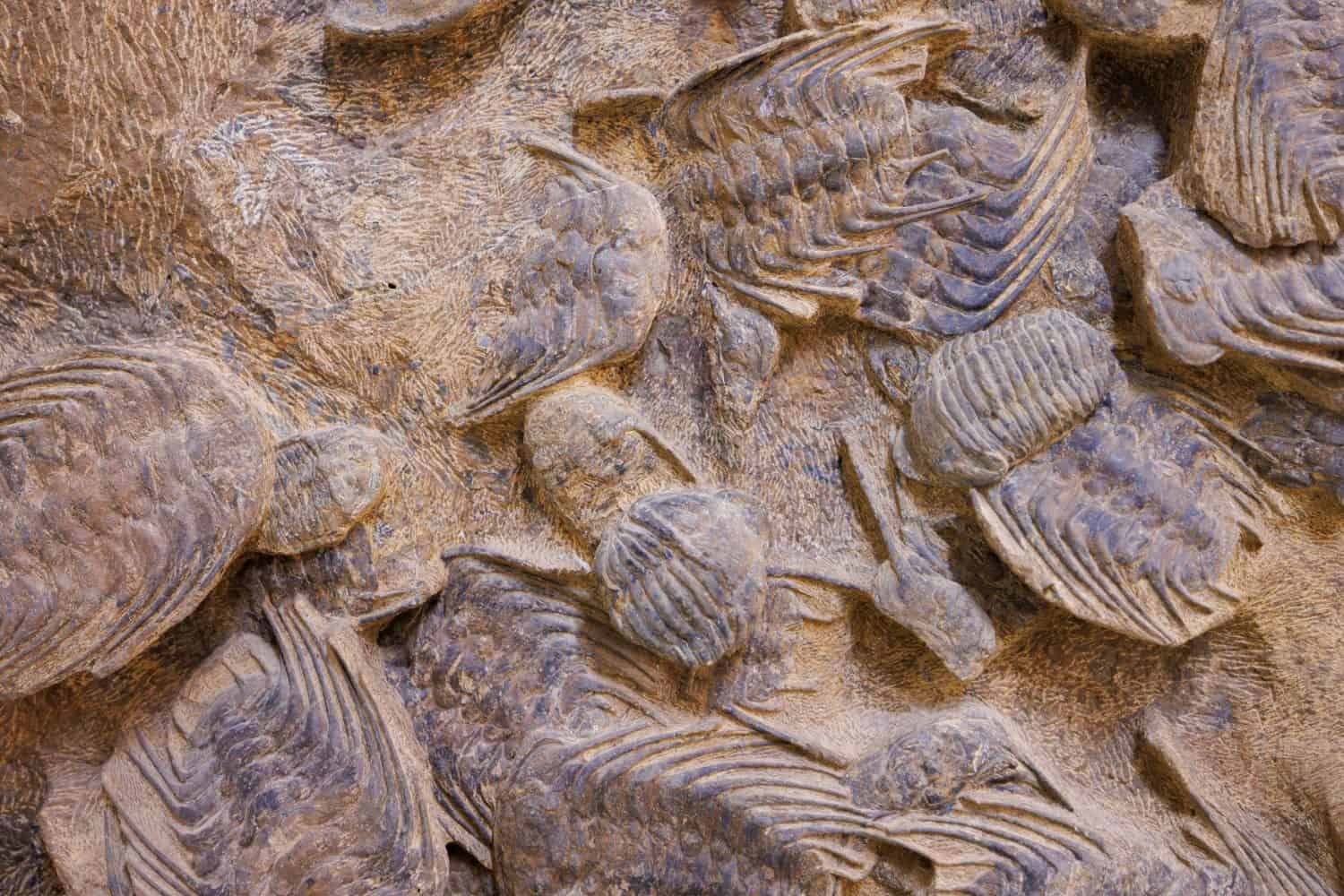
The researchers anticipate more discoveries hiding in the Dinodontosaurus material from Tanzania housed at the Museum of Natural History.
©Hyserb/Shutterstock.com
There are plenty of stories about . Even the researchers know there are bound to be more gems waiting to be uncovered. This holds especially true for the collection at the Museum of Natural History. A large portion of the Dinodontosaurus material from Tanzania has yet to be examined, including a postcranial skeleton. The researchers plan further study on these fossils, as well as a deeper analysis of Dinodontosaurus biomechanics.
As Dr. Mike Day, the curator of non-mammalian tetrapods at the Natural History Museum, told Science Daily, revisiting old collections always holds potential for new insight. He said, “It goes to show how revisiting museum collections can change our understanding of the past just as much as finding new fossils in the field, underscoring the importance of preserving these invaluable records of life on Earth.”