
Quick Take
- A fossil sat mislabeled in U.S. museum drawers for over 150 years, and what finally exposed the mistake was not new technology. See how the mistake was caught →
- For decades, scientists dismissed the size difference between two mosasaur species, and their excuse turns out to be embarrassingly simple. Discover the size difference →
- One fossil nicknamed 'The Black Knight' tells a disturbing story about how violent this creature really was toward its own kind. Meet the Black Knight →
- Most people call mosasaurs dinosaurs, though this label is not accurate. Find out what mosasaurs really are →
Ancient oceans were filled with massive, fearsome creatures. Based on sheer size alone, these animals put today’s aquatic giants to shame.
One such creature is a newly named “sea tyrant” that ruled ancient Texas waters. Unlike a newly discovered fossil, this sea reptile has been hiding in plain sight for decades. Thanks to some observant eyes, the Tylosaurus rex has now become its own species.
Tylosaurus rex Is One of the Largest Mosasaurs Ever Discovered
Mosasaurs were once the apex predators of ancient shallow, inland seas. One of the most aggressive was the Tylosaurus. Known for its ability to swallow prey whole, this sea reptile was truly one of a kind. That is, until it wasn’t.
According to a new study published in the Bulletin of the American Museum of Natural History, a new species of Tylosaurus has been identified and Tylosaurus proriger is no longer alone. A larger, more aggressive species, the Tylosaurus rex, once ruled the seas as well.
The discovery that led to the known existence of T. rex is quite unusual. The massive aquatic reptile was actually discovered decades ago and has been locked away in a museum ever since. Classified as T. proriger, it received no second thought.
However, Amelia Zietlow, the lead author of the study, began looking more closely at the fossils of what are now known as T. rex and T. proriger when she was a PhD student at the American Museum of Natural History’s Richard Gilder Graduate School. It was her keen observation that led to the recognition that an unknown fossil had been misidentified as T. proriger.
This led to other fossils identified as T. proriger also receiving a second look. The conclusion was that several fossils in multiple museums across the United States had been misidentified as T. proriger.
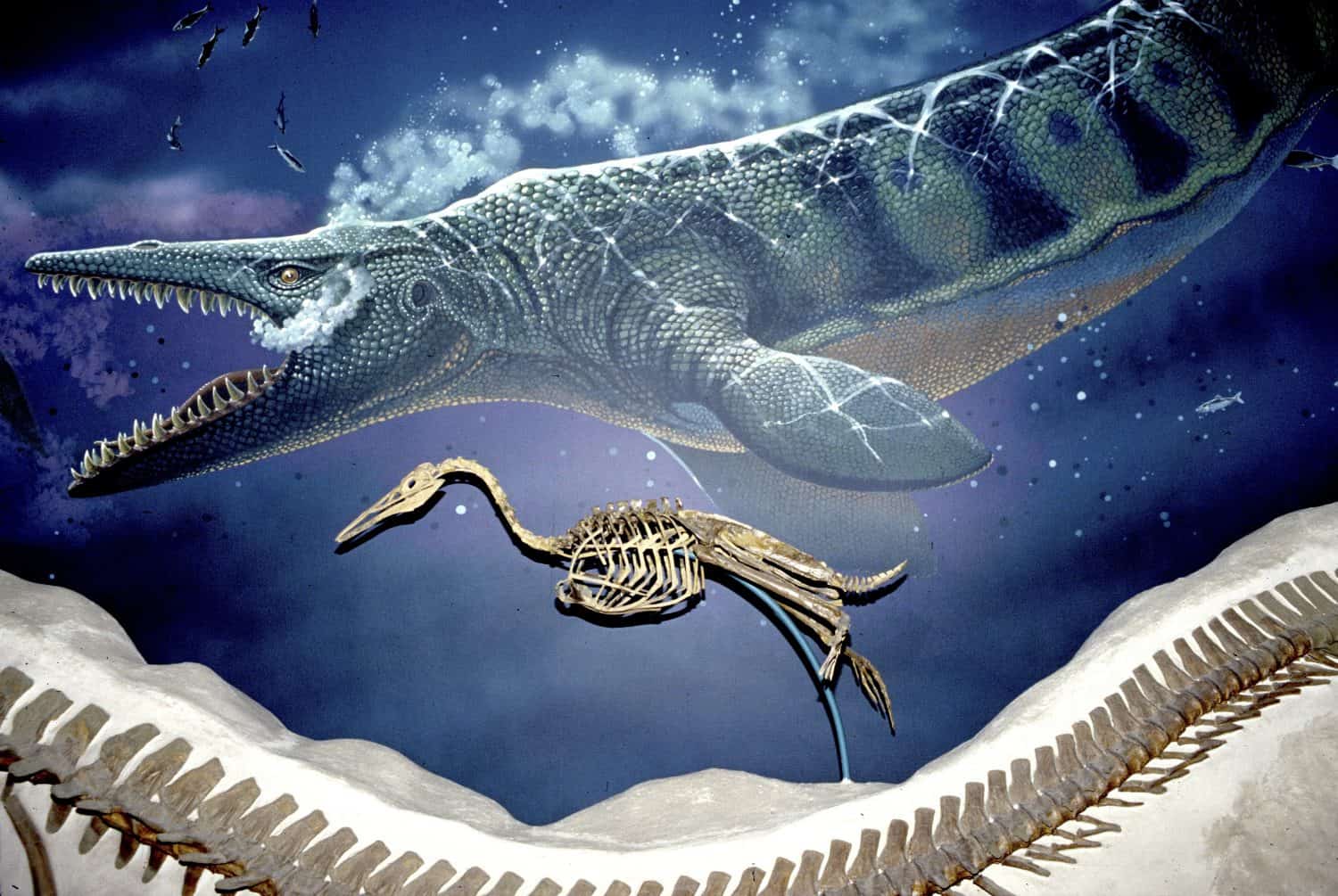
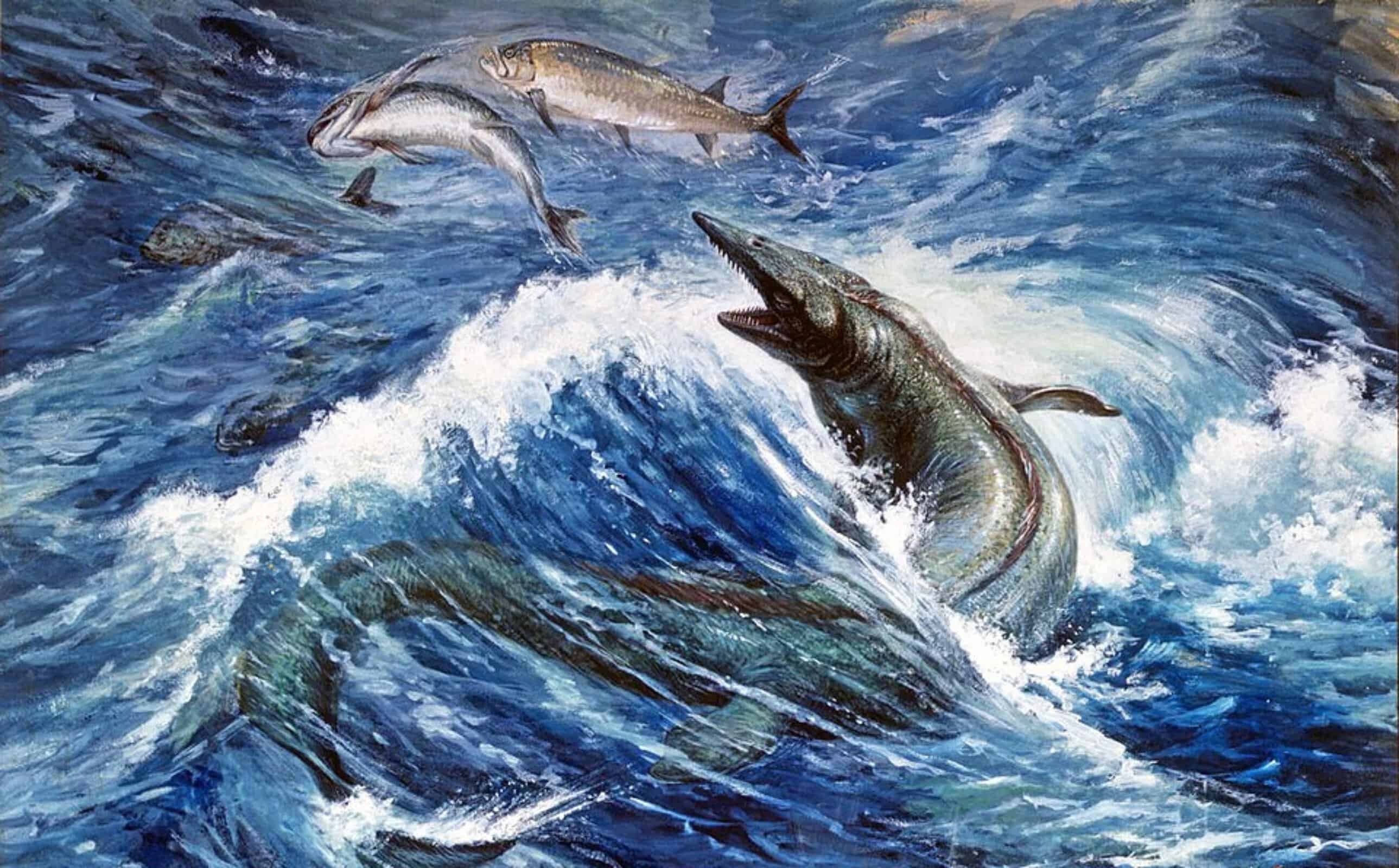
Tylosaurus rex was a massive marine reptile that lived in shallow oceans in what is now Texas.
©Arthur E Gurmankin/Shutterstock.com
“Everything is bigger in Texas,” Zietlow stated in a press release, “and that includes the mosasaurs, apparently.”
The new species, Tylosaurus rex, can reach a length of 43 feet. It is only smaller than Mosasaurus hoffmannii, which can reach 56 feet in length. The aquatic creature was named for paleontologist John Thurmond, who believed the larger fossils found in Texas were of a separate species of mosasaur from those typically found in Kansas. He referred to the creatures as “Tylosaurus thalassotyrannus,” which translates to “sea tyrant.”
Thurmond was correct all along that there were separate species of Tylosaurus. Why it took so long to verify this remains undisclosed.
What is a Mosasaur?
Often referred to as dinosaurs, mosasaurs were not dinosaurs at all. Instead, they were marine reptiles that dominated ocean and freshwater environments as apex predators.
Dinosaurs never lived in aquatic environments, although some, such as the Baryonyx and Spinosaurus, were comfortable in the water. Mosasaurs were part of the family Mosasauridae, which includes snakes and lizards.
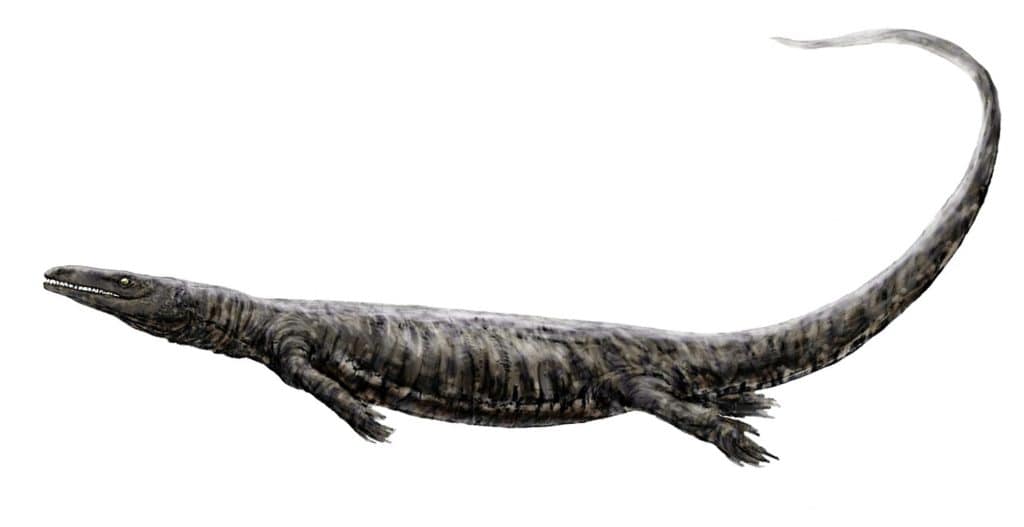
Mosasaurs were massive marine reptiles, not dinosaurs.
© – Original
Like other aquatic animals, such as whales and dolphins, mosasaurs had live births. This trait again differentiates the mosasaurs from dinosaurs, as dinosaurs laid eggs.
Mosasaurs lived about 82 to 86 million years ago during the Late Cretaceous period. They went extinct during the mass extinction event 66 million years ago, which also killed other aquatic reptiles and many non-avian dinosaurs.
Tylosaurus rex was Misclassified as a Different Species
Since its fossil was discovered decades ago near a reservoir on the outskirts of Dallas, Tylosaurus rex was believed to be Tylosaurus proriger. While both of these species are mosasaurs, they are quite different from one another. Yet paleontologists decades ago dismissed any visible differences as traits of an aging mosasaur.
Upon thorough comparison, it was clear that Tylosaurus rex and Tylosaurus proriger were not the same species. Aside from the fact that the two species were located in different regions of the United States, with T. rex located in Texas and T. proriger located in Kansas, the size of the two species varies dramatically.
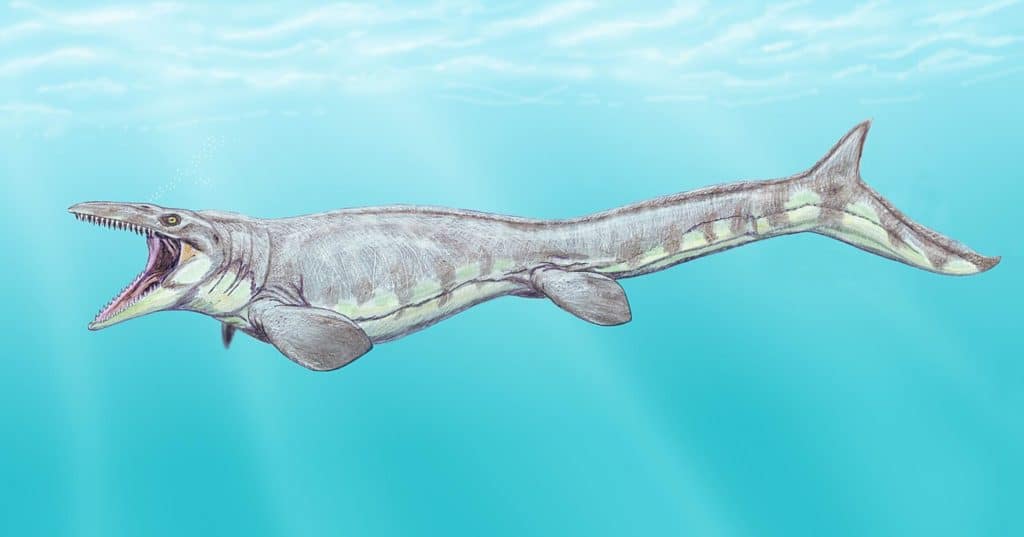
Tylosaurus rex was misclassified as Tylosaurus proriger, seen above, for decades.
© – Original
T. rex was approximately 43 feet long, versus T. proriger being 25 to 30 feet long. Both were hefty creatures, but there were more anomalies than just their size. T. rex had serrated teeth and jaws adapted for strength and crushing, a trait not observed in T. proriger.
Finally, the two species lived at different times. T. rex lived approximately 80 million years ago. T. proriger lived 84 million years ago.
Tylosaurus rex Was Aggressive and Violent
Mosasaurs have a reputation for being aggressive apex hunters. However, Tylosaurus rex is in a class of its own, according to Ron Tykoski, vice-president of science and curator of vertebrate paleontology at the Perot Museum and a study co-author. This mosasaur evolved into a fearsome, violent predator.
“Besides being huge, roughly twice the length of the largest great white sharks, T. rex appeared to be a much meaner animal than other mosasaurs,” Tykoski explained in a press release. “Through our study and examination of well-preserved fossils collected throughout the north Texas region, we have evidence of violence within this species to a degree not previously seen in other Tylosaurus specimens.”
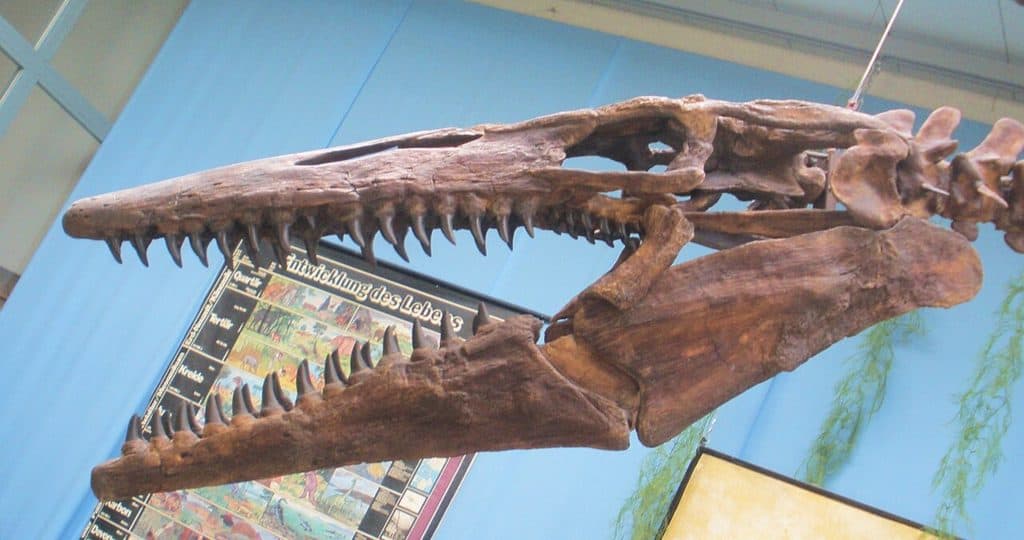
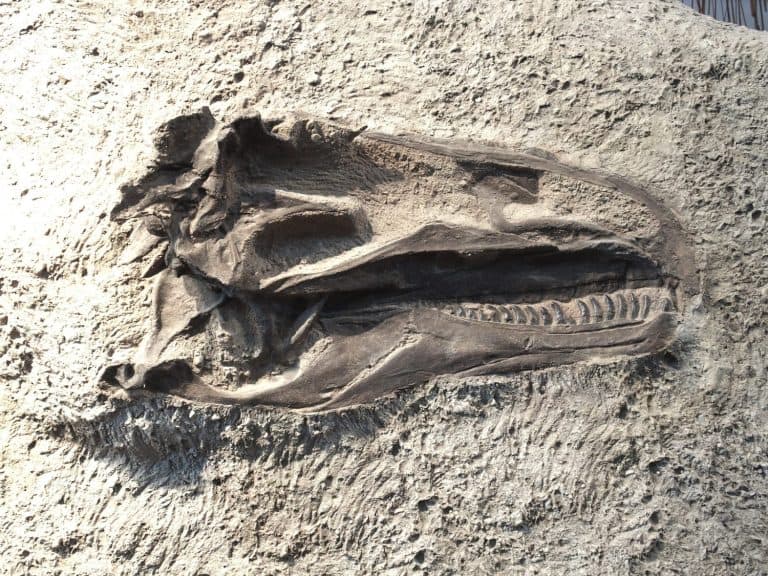
Massive skull of Tylosaurus rex shows just how sharp its teeth were.
© – Original
Unlike Tylosaurus proriger, which had “blunt teeth,” T. rex had sharp, serrated teeth much like knives. This allowed T. rex not only to be an incredible predator but also to aggressively fight off other members of its species. One such member, called The Black Knight, is evidence of how violent T. rex could be. Also housed at the Perot Museum, this T. rex is missing part of its snout and has broken jaw bones. Paleontologists believe it was another T. rex that caused this damage.
With the discovery of T. rex, the field of research on mosasaurs will evolve. Additionally, according to Michael Polcyn from Southern Methodist University and co-author of the study, the ecosystems where these massive marine animals will be better understood.
“These findings reshape both the physical and evolutionary picture of mosasaurs,” Polcyn stated in the press release, “underscoring Texas as a key region for understanding ancient marine ecosystems and signaling a new era of research into the evolutionary history of these formidable predators.”
What will be discovered about mosasaurs, their environment, and other creatures that lived with them remains to be seen. Only time will tell!