
Though the nonstop sounds of urban life may disturb many animals, for squirrels, the roar of traffic is not always a threat. New research shows that steady road noise can make urban squirrels feel safer from predators, changing how they weigh danger and find food in the places they share with humans. Understanding this counterintuitive effect helps explain how human activity shapes risk, refuge, and survival in modern habitats.
Urban Squirrels: Quiet Experts at City Living
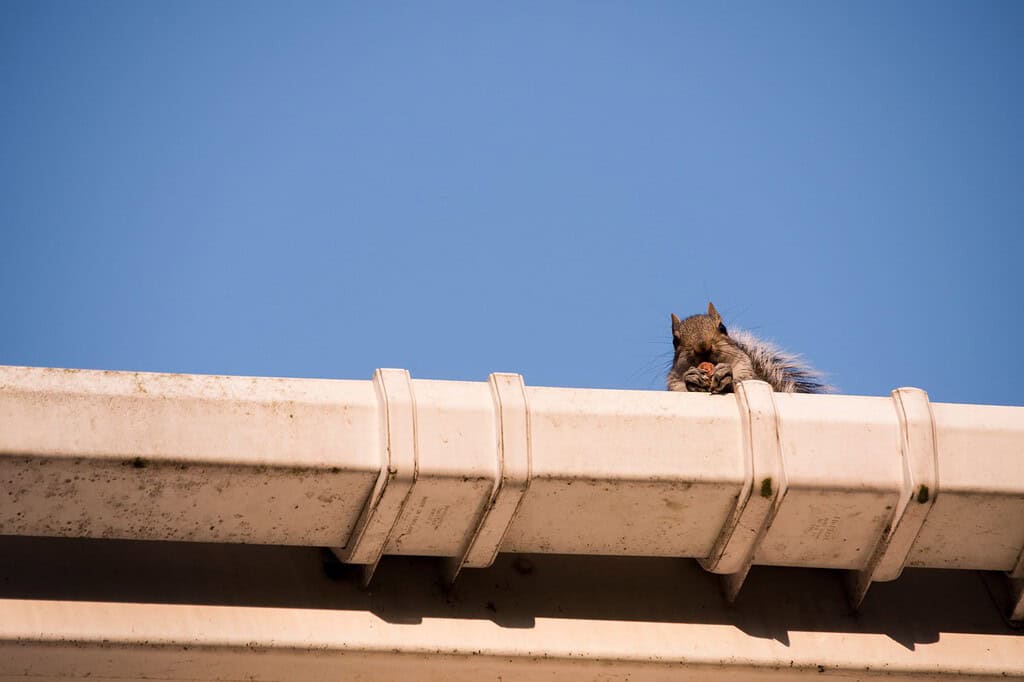
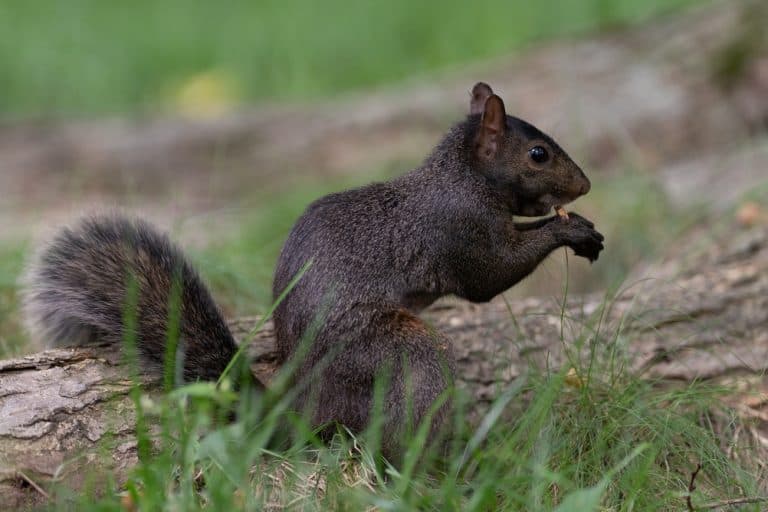
Squirrels have adapted comfortably to urban and suburban life.
©Ms Deborah Waters/Shutterstock.com
Squirrels are known for quick leaps and flashy tails. Less obvious is how well they adjust to streets and parks. The eastern gray squirrel often lives alone, yet it thrives wherever trees, water, and food exist. Individuals keep fairly small home ranges, remember cache sites, and nest in leafy dreys or tree hollows. Many populations started in forests, then adapted to towns that offered oaks, shelter, and new hazards. Over time they shortened their flight distance from people and learned to time foraging around daily traffic rhythms. In fall, activity rises as they store food for winter, and their memory skills carry them through lean months.
The Study: Predictable Road Noise Changes Risk
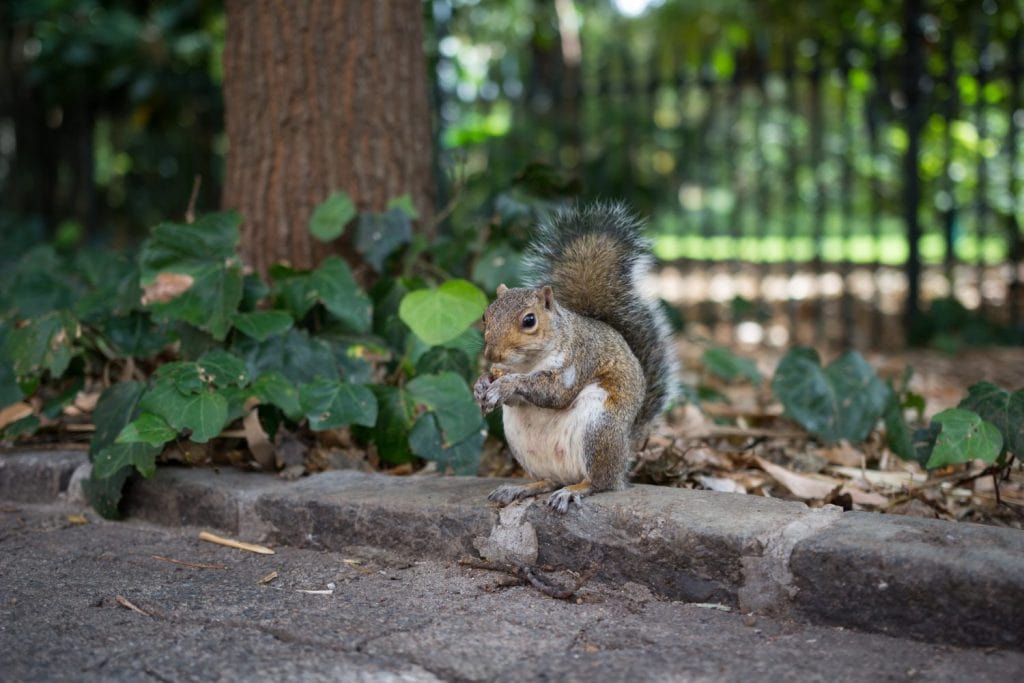
The study showed squirrels behaved as if eating near loud, steady traffic was safer.
©Timothy Reinhardt/Shutterstock.com
A 2025 study by a team at the University of Exeter tested how noise near roads affects gray squirrel foraging. Researchers placed standardized food patches across urban sites and measured the food left behind, a common indicator of perceived risk known as a “giving-up density.” The pattern was clear. Near roads with a loud but steady sound profile, squirrels behaved as if the area were safer and left less food behind. Where traffic noise rose and fell in bursts, squirrels quit sooner, as if danger were higher. In short, predictability mattered as much as volume.
Why Predictable Noise Lowers Fear
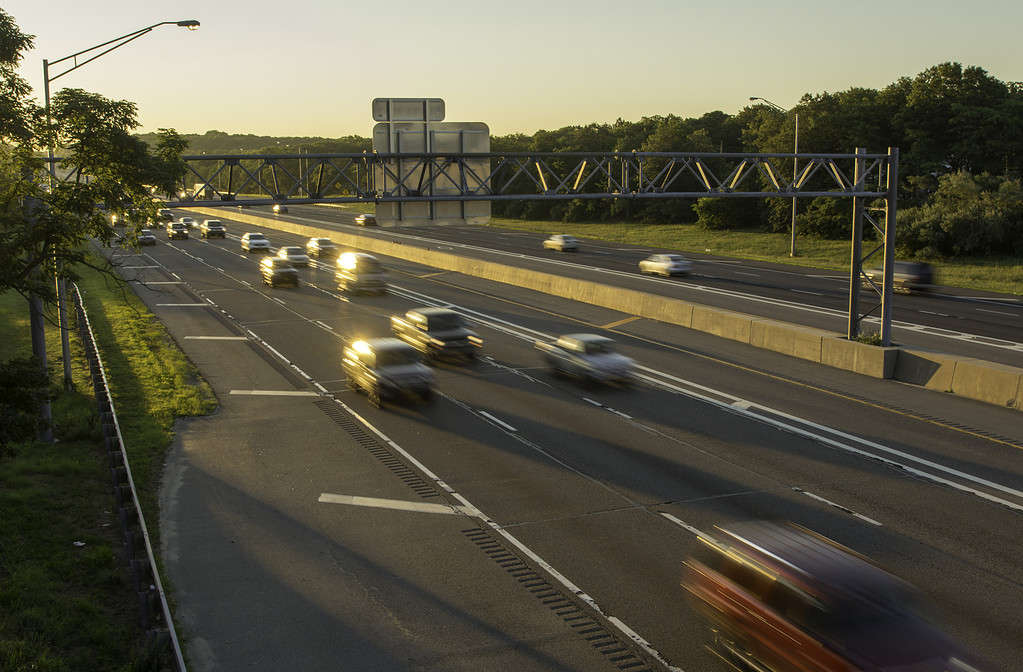
The noise of traffic obscures small sounds of danger like light rustles or wingbeats.
©Joan D Squared/iStock via Getty Images
Sudden sounds grab attention. A constant hum does not. When background noise stays level, it can blur small cues that usually signal danger, such as light rustles or wingbeats. With warning sounds masked, squirrels take slightly larger risks to reach calorie-dense patches in the open. They are not reckless; they still watch for movement and keep escape paths in mind. Yet they invest more time in feeding because the audio landscape is stable. This aligns with earlier work showing that gray squirrels read other species’ everyday chatter as a sign that conditions are safe.
Species and Sensory Skills
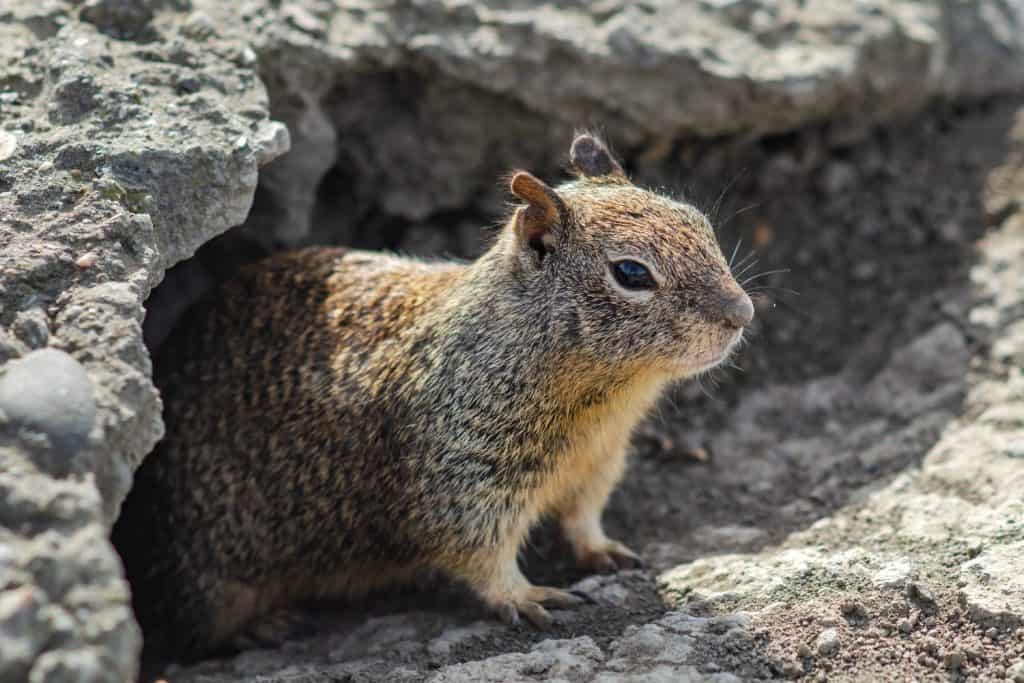
Squirrels of more than one species, including the California ground squirrel, show flexible behavior in noisy places.
©Iv-olga/Shutterstock.com
The eastern gray squirrel is not the only city survivor. California ground squirrels occupy open areas, including roadsides, and show flexible behavior in noisy places. Studies suggest California ground squirrels alter their vigilance and foraging behavior in response to background noise. Red squirrels, found in conifer stands and some urban parks, remain highly vigilant and use trees as rapid escape routes. Noise can disrupt feeding for these species, yet in certain settings it may also mask approaching predators, changing how long they remain exposed on the ground.
Predators and the Urban Landscape

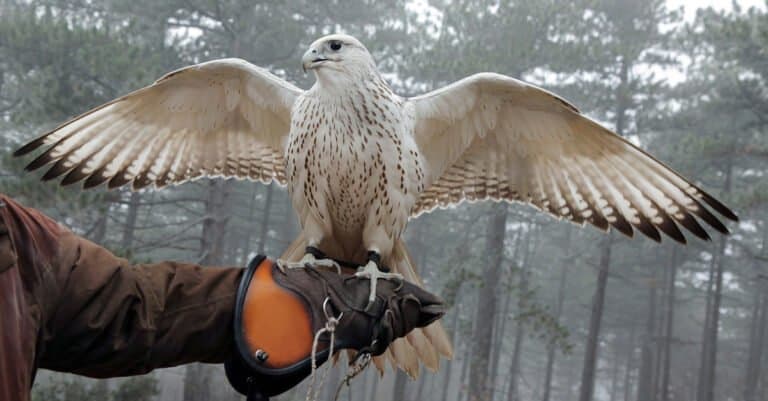
The red-tailed hawk is one of the most deadly predators of squirrels.
©Ondrej Prosicky/Shutterstock.com
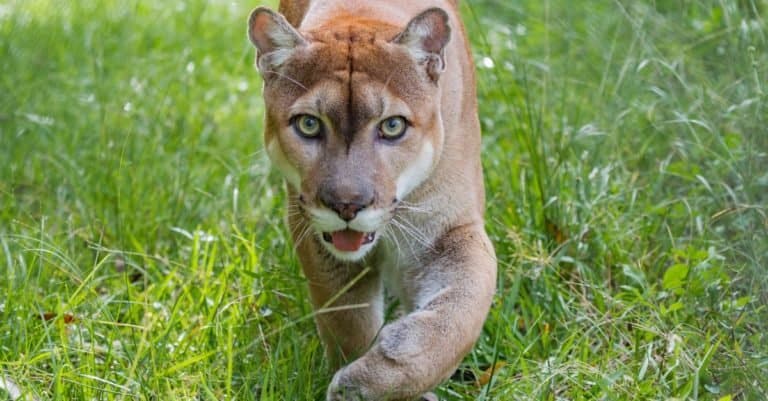
Is it possible that squirrels feel safer by roads because their predators are scared of cars and avoid hunting there? Does research support this possibility? Short answer: not consistently. Hawks are major squirrel predators, and many raptors actually use roadsides to hunt because open verges improve visibility and poles make easy perches. Coyotes commonly move along road edges at night as they provide a movement corridor and they also like to scavenge roadkill when its available.
So, behavior depends on the time of day, traffic level, and the specific urban layout of trees, grass, fences, and pavement. Urban sound can dull a predator’s ability to detect prey, but it can also mask the sound of the predator from the prey. A green corridor may invite hunting or make it harder for the hawk to notice prey at all. The result is a patchy map of risk where sound, cover, and sightlines shift block by block.
What Predictability Really Means
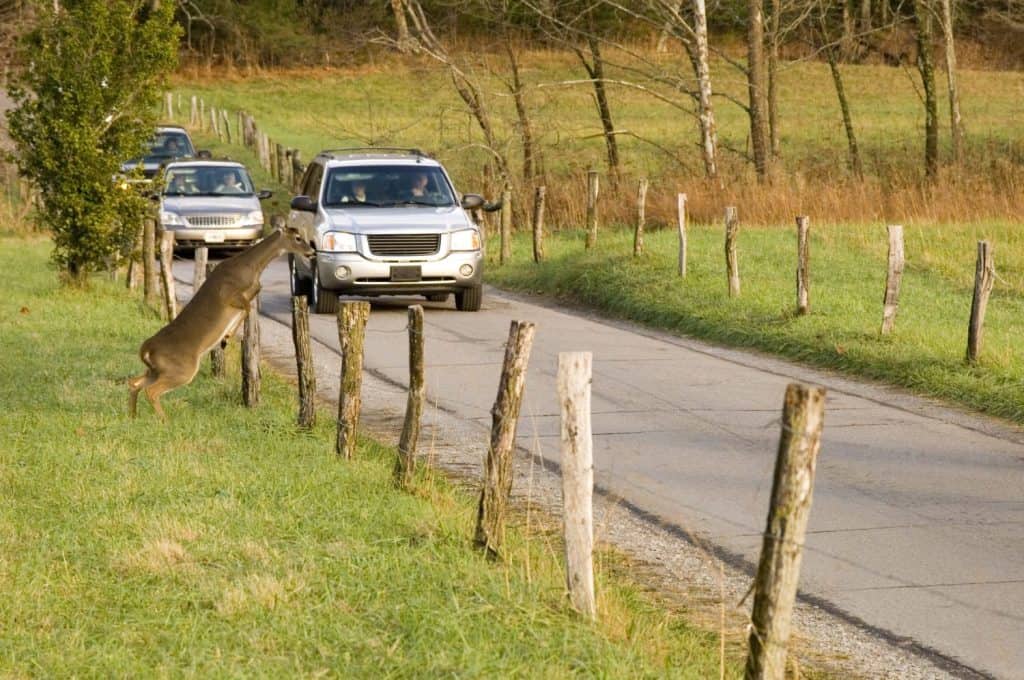
Squirrel behavior changes depending on how steady the traffic is on a road.
©Tony Campbell/Shutterstock.com
The Exeter study points to the simple idea that squirrels respond not only to volume, but also to how reliable noise is over time. Consistent traffic created the lowest giving-up densities near roads. Sites with choppy or irregular noise saw quicker quitting. That difference suggests animals track patterns and update their behavior day by day. A calm, steady hum signals that the soundscape is unlikely to hold fresh clues about a nearby threat. Spiky noise hints at surprises, so squirrels cut feeding short. This fine-tuned reading of sound may be part of why some populations flourish in cities.
Limits and Open Questions

The study was limited to gray squirrels in specific cities.
©Lensw0rId/Shutterstock.com
Important caveats remain. The findings describe patterns for gray squirrels in specific cities, not every squirrel everywhere. Different layouts, seasons, and predator densities could produce other outcomes. Noise may help prey in one context but raise other risks, such as luring animals close to roads where vehicle strikes occur. Future work could test how wind, leaf cover, and building canyons interact with noise, and whether young squirrels learn these rules from experience or inherit them as tendencies. Understanding those pieces would sharpen models of survival in sound-heavy habitats.
Planning and Conservation Implications

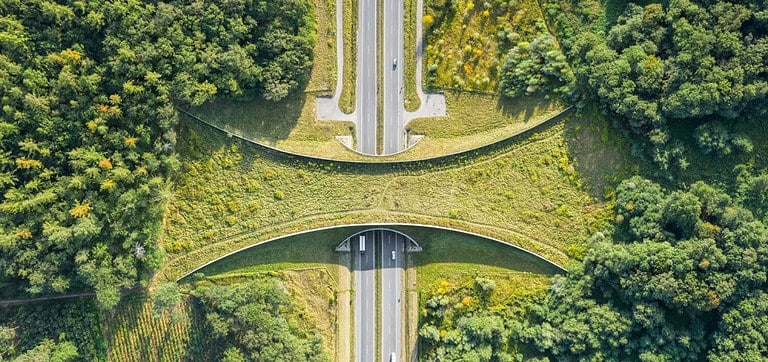
Knowledge about squirrel behavior near traffic can help planners think about strategies to guide animal movement to safer crossing areas.
If steady noise near roads makes squirrels feel safer, animals may cluster where collision risk is higher. That could change seed dispersal, because squirrels move and bury seeds as they travel.
The same study design used for squirrels can help test risk in other species that forage in the open, such as pigeons, crows, or small mammals along rail lines. If predictability guides behavior across taxa, planners could forecast where animals will feed, rest, and cross, then match those forecasts with traffic patterns to reduce accidents.
Planners designing green connections can use this knowledge to route paths that steer wildlife toward safer crossings and away from vehicle choke points. Buffers like vegetated berms and quiet corridors may reduce risky congregation near lanes without removing needed habitat. Managers can also pair plantings with structures that guide movement across roads at safer points.
Communication in Noisy Neighborhoods
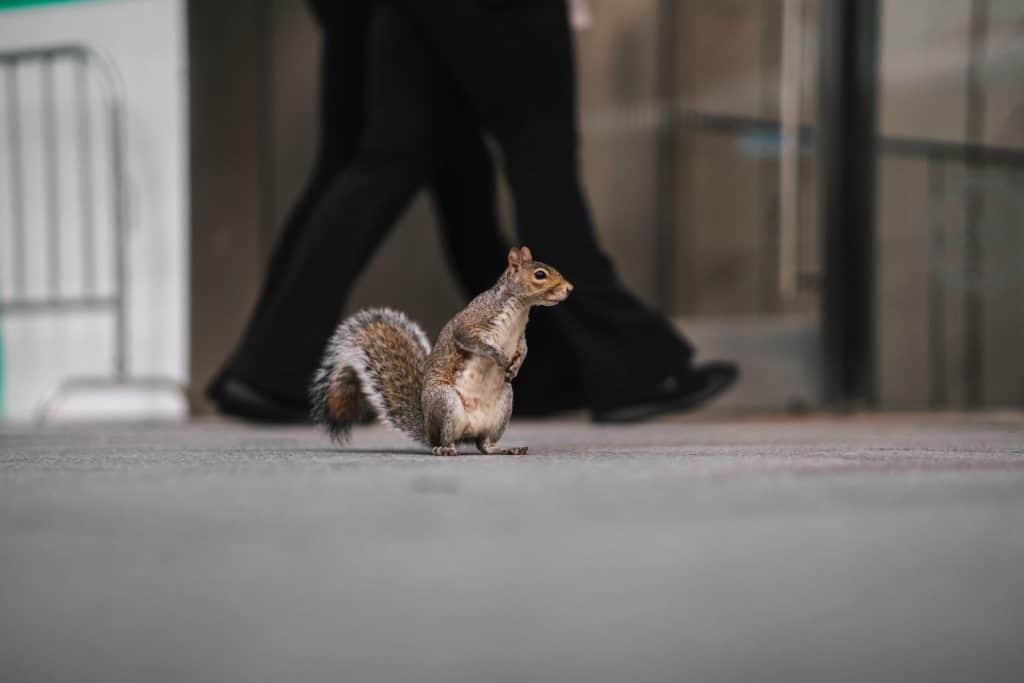
Squirrels react to the whole soundscape, not just traffic.
©Adam Rhodes UK/Shutterstock.com
Noise does not just shape risk; it shapes messages. California ground squirrels show call structures that improve clarity against low-frequency backgrounds, likely increasing the reach of warnings and social signals. Gray squirrels respond to normal bird chatter by lowering vigilance, which shows they read a wide set of sounds to decide what to do. Together, these findings paint a picture of animals building rules of thumb for sound. They extract meaning from the whole scene, not one cue at a time, then adjust feeding, posture, and escape routes accordingly.
A Wider Lens on Risk
©GenadiyGM/Shutterstock.com
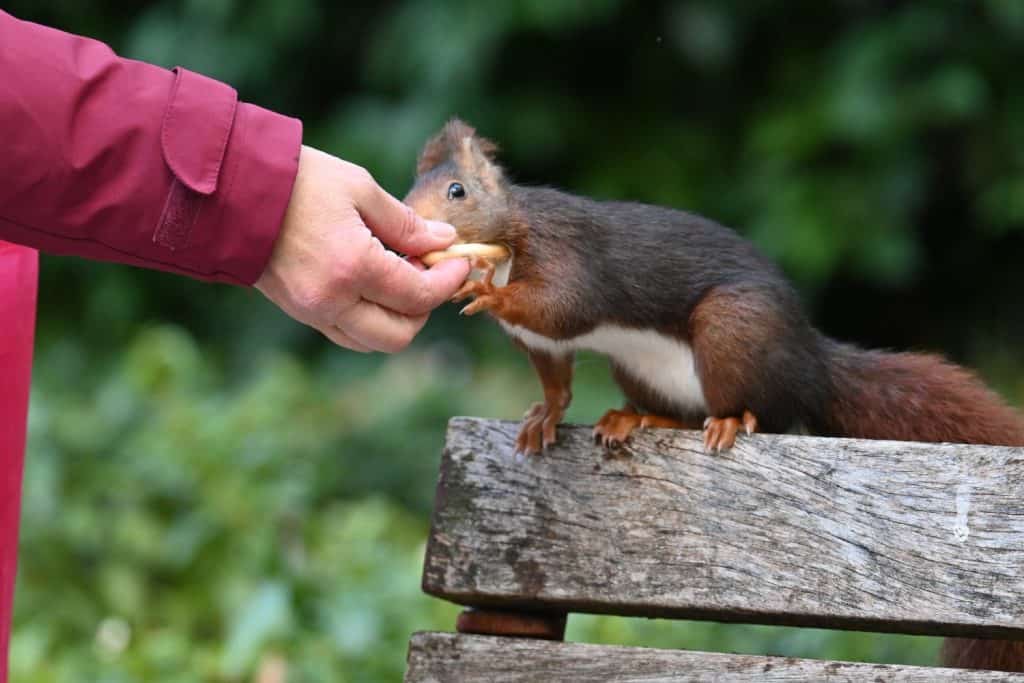
Urban ecology often focuses on habitat loss or direct hazards. Sound is a quieter force that runs through every block. The same study design used for squirrels can help test risk in other species that forage in the open, such as pigeons, crows, or small mammals along rail lines. If predictability guides behavior across taxa, planners could forecast where animals will feed, rest, and cross, then match those forecasts with traffic patterns to reduce accidents. Sound maps would join light maps and vegetation maps as routine tools for city design.
Roads, Risks, and Rewards
Steady road noise may seem like an odd ally for squirrels, yet the reasoning is simple. A stable hum suggests fewer surprises, so foraging feels safer. Irregular noise hints at sudden change, so caution rises. Urban life pushes animals to read those patterns with care and to adjust in ways that keep them fed while avoiding harm. When we plan with sound in mind, we help make room for wildlife that has learned our rhythms and now survives among them.