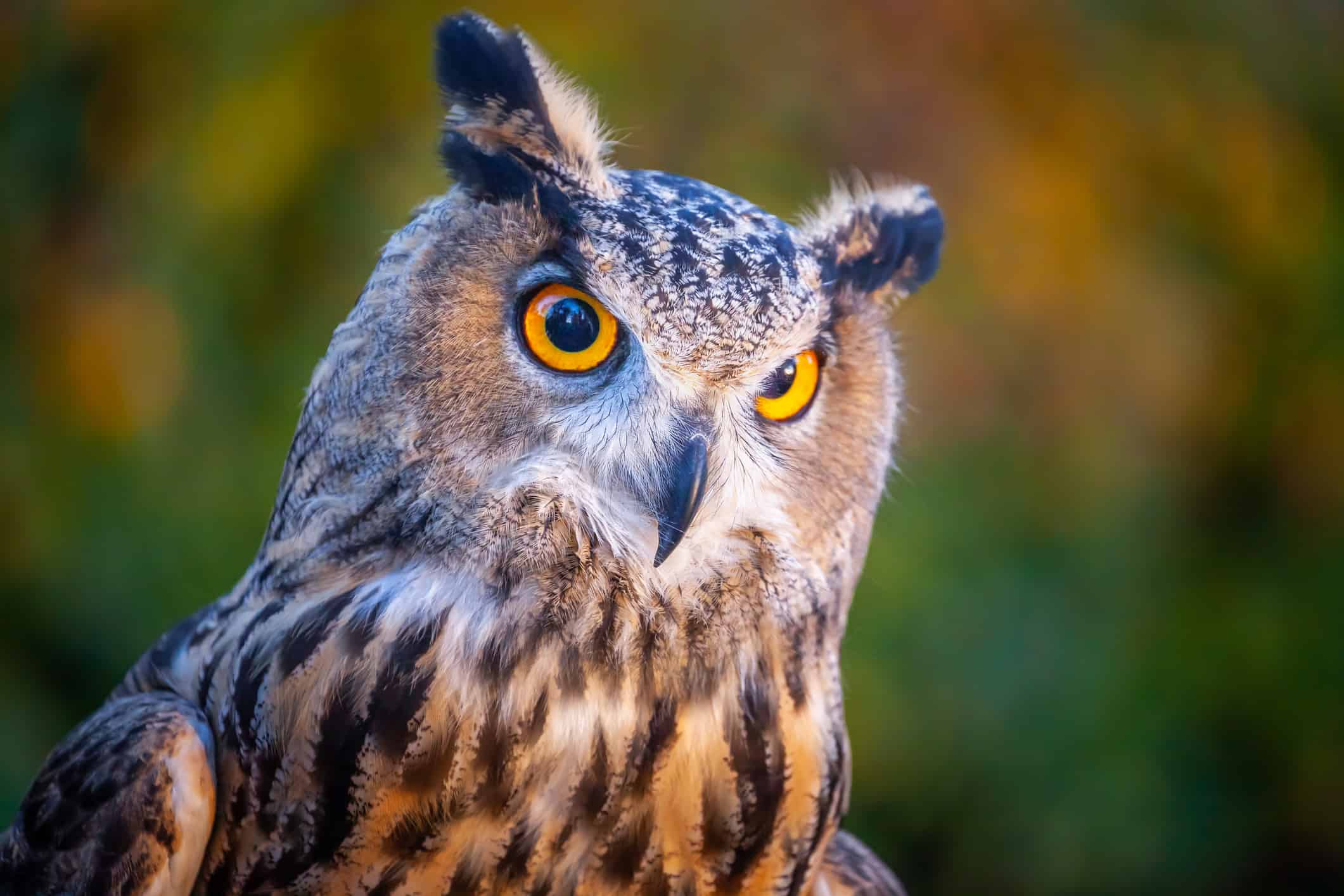

Quick Take
- A full recovery for a Great Horned Owl that fell into cement was only possible thanks to the help of a quick-thinking construction crew and a rehabilitation center.
- Implementing 20-minute bathing cycles introduced a dangerous anesthesia requirement during the cleaning process, but was necessary for cleaning the owl safely.
- Unfortunately, the concrete exposure created a whoosh sound in the wings that prevents the owl from successfully hunting.
- Extending the owl’s stay until the next molt window was necessary to restore feather integrity.
In Utah, construction workers heard something strange in the middle of a normal day, a screeching sound they couldn’t blame on any of their machines or equipment. At a construction site tied to Utah’s Black Desert Resort project, a great horned owl inexplicably ended up inside a concrete mixer, coated in wet cement and dust and crying out for help.
For an owl, landing in concrete is a true nightmare. Covered in hardening cement, this great horned owl faced a life-or-death situation. With a construction crew tuned into its cries, this owl had a chance. But could it be saved?
The owl was alive, breathing, and reachable, albeit a little messy. So long as the right choices were made in the right order, this construction crew could save the suffering bird. This is the story of what happened to one unfortunate great horned owl and how it was saved, as well as the entire rehabilitation process involved.
Finding a Great Horned Owl in Cement
Workers noticed a noise during a standard cement pour and soon saw an owl emerging from the wet mixture. The team became immediately worried about the bird’s eyes, as cement dust and wet concrete can harm delicate tissue. Once the crew pulled the owl from the muck, they focused on keeping the owl stable and preventing the situation from getting worse while help was on the way.
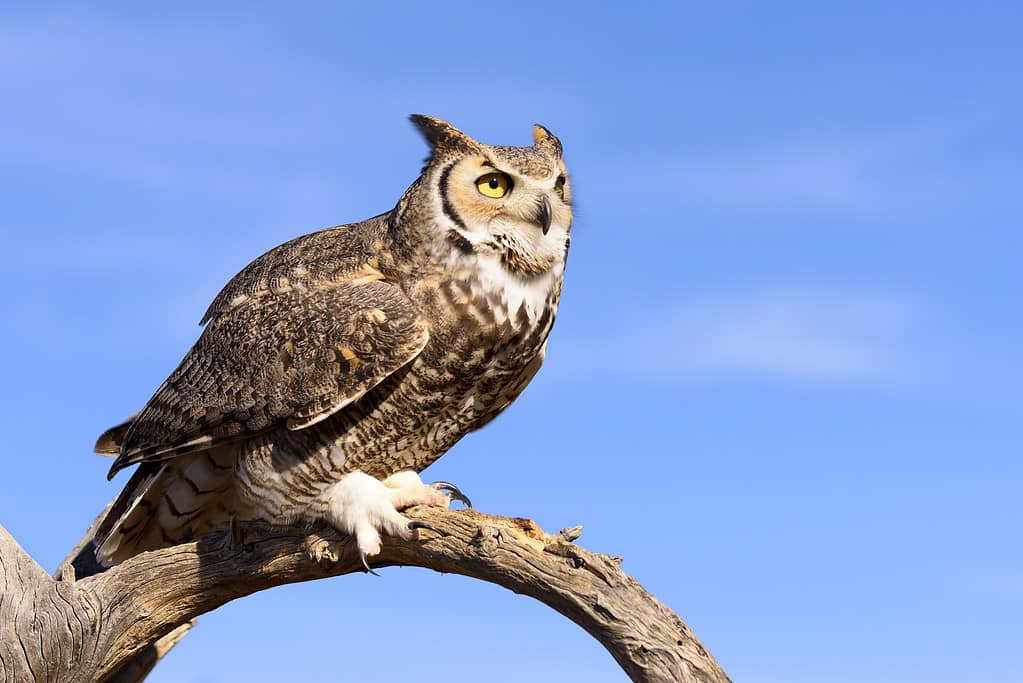
It is unclear how one unfortunate owl found itself in a cement mixer, but rescue operations moved quickly.
©kojihirano/iStock via Getty Images
While the owl looked rough, it was not beyond saving, though its exhaustion was obvious. The crew kept the owl stabilized and secure while they waited for an expert to arrive, including a bird rehabilitation specialist.
Stabilizing the Rescued Owl
A raptor rescue typically follows a certain set of standard practices, ones outlined in the NWRA/IWRC “Minimum Standards for Wildlife Rehabilitation”. This guidance stresses the following tips and methods of stabilizing a potentially injured animal:
- Confirm breathing and airway safety so the bird isn’t aspirating debris or struggling to breathe.
- Control stress and movement, as panic burns energy and can worsen injuries, especially in raptors.
- Prevent hypothermia or overheating since shock and wet contamination can destabilize body temperature.
- Do a fast injury scan for fractures, bleeding, or any neurological signs before proceeding.
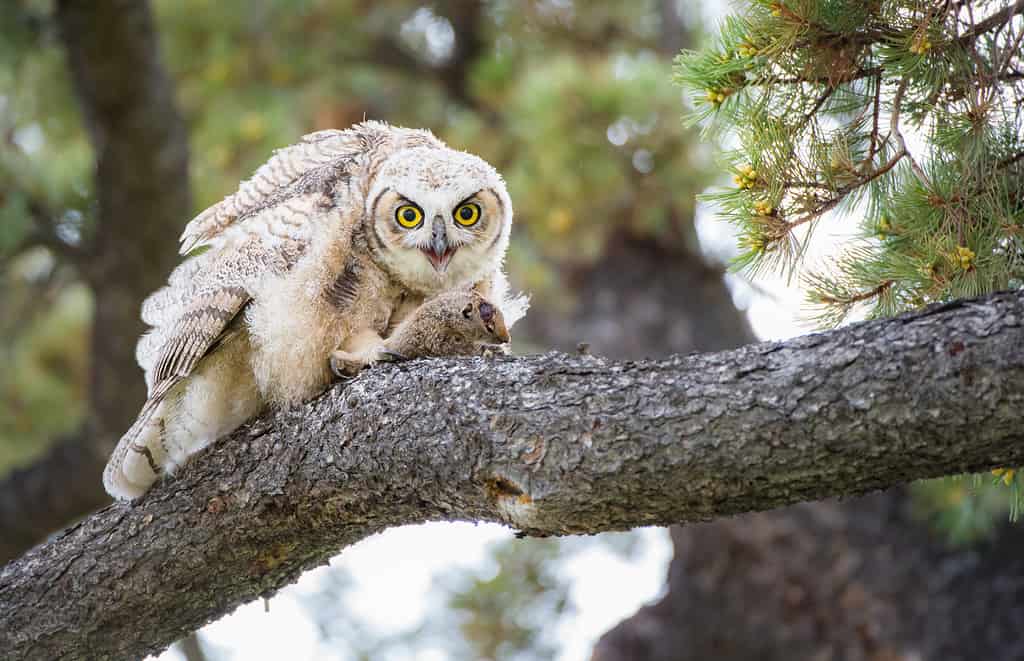
With delicate feathers, the rescued owl needed special care in order to get the concrete removed safely.
©Jillian Cooper/iStock via Getty Images
The construction crew debated cleaning the bird but, just as guidance suggests, that should come later. What matters most is ensuring the owl remains safe and unharmed.
Getting the Owl to a Rehab Team
After its rescue, the owl was brought to the Best Friends Animal Sanctuary in Kanab, Utah, where the Wild Friends program handles wildlife rehabilitation. The bird arrived covered in concrete, and the sanctuary’s own account of the event mentioned that staff recognized they were dealing with something so unusual that they reached out to other rehab centers for advice.
This was largely because concrete creates a special kind of medical challenge for birds, including:
- It sets and locks feathers together, which can destroy the feather structure if it’s forced off.
- It can harm skin during removal, especially around the face and eyelids.
- It can cause feather fraying, leading to functional flying damage.
- It can’t always be removed in one go without harming the bird or ripping feathers.
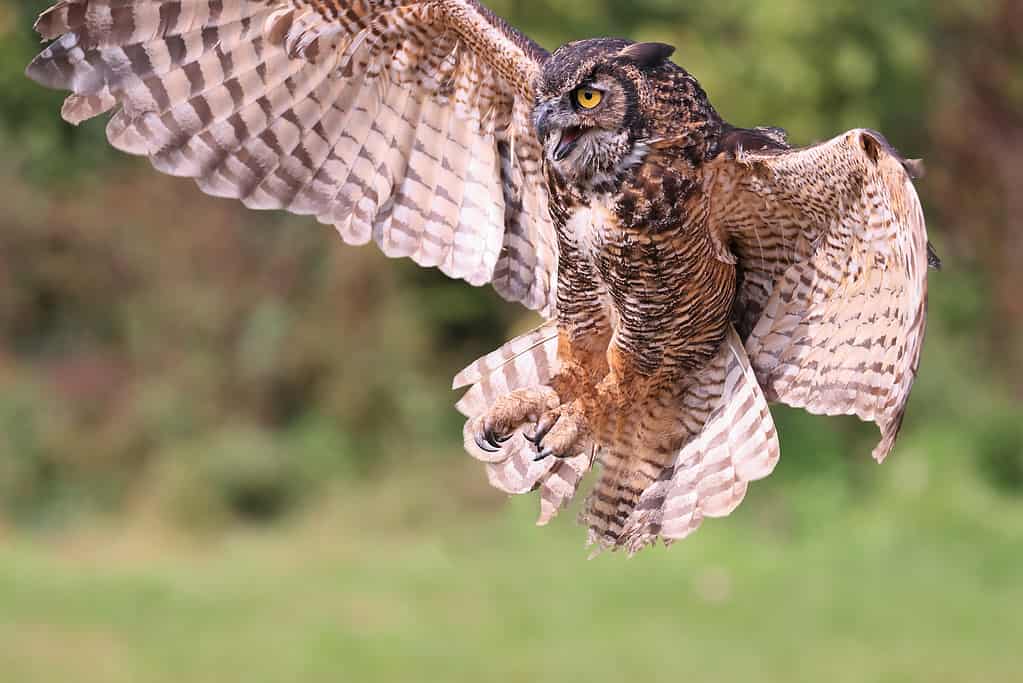
The rescued owl was put under anesthesia in order to keep it safe while the cement was removed, piece by piece.
©Vladone/iStock via Getty Images
With this in mind, the Best Friends Animal Sanctuary staff gave the owl a 20-minute daily bath while under anesthesia, repeated across multiple days, so the concrete could be softened and removed gradually instead of being chipped off aggressively.
Anesthesia was vital to this process, as birds can become stressed or injured during prolonged handling. Plus, removing hardened material near eyes and sensitive feather tracts is delicate work. Short, controlled sessions reduce thrashing risk and help the team be precise, ultimately keeping all parties safer in the long run.
How the Rehab Team Removed the Concrete from the Owl
There were multiple steps involved in removing concrete from the great horned owl. Some of the hands-on steps included:
- Controlled softening of the material using warm-water baths to loosen concrete without tearing feathers.
- Targeted removal using tools like forceps, and gentle brushing to break up and lift material in small sections, over multiple days.
- Feather cleaning, where staff used mild soap and careful manual work to restore feather function as much as possible without stripping natural feather oils too aggressively.
- Ongoing reassessment, checking whether the bird was stable enough for another session and whether any areas were becoming irritated or damaged.
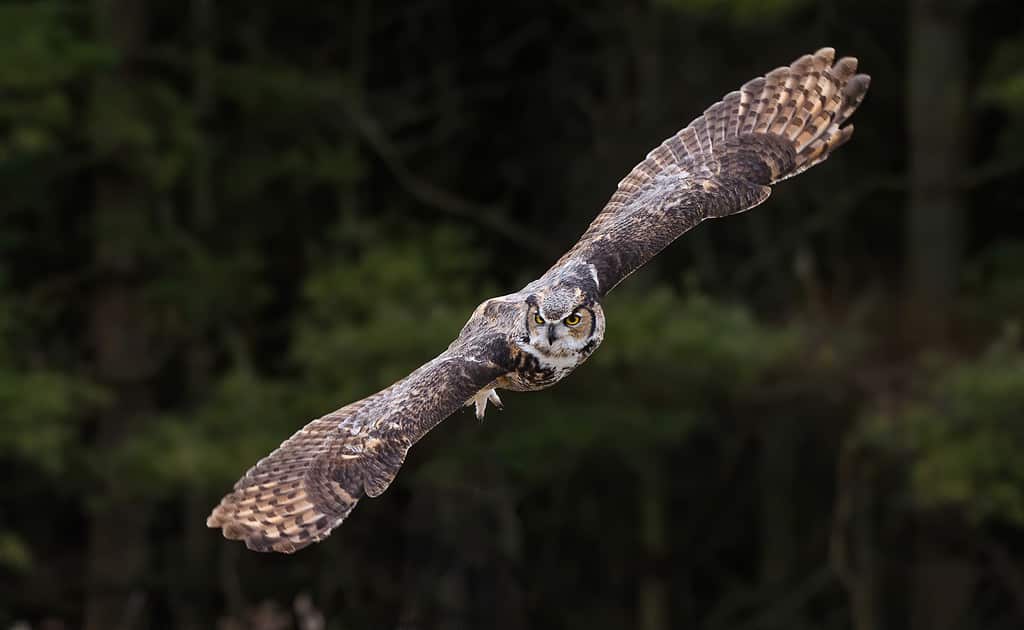
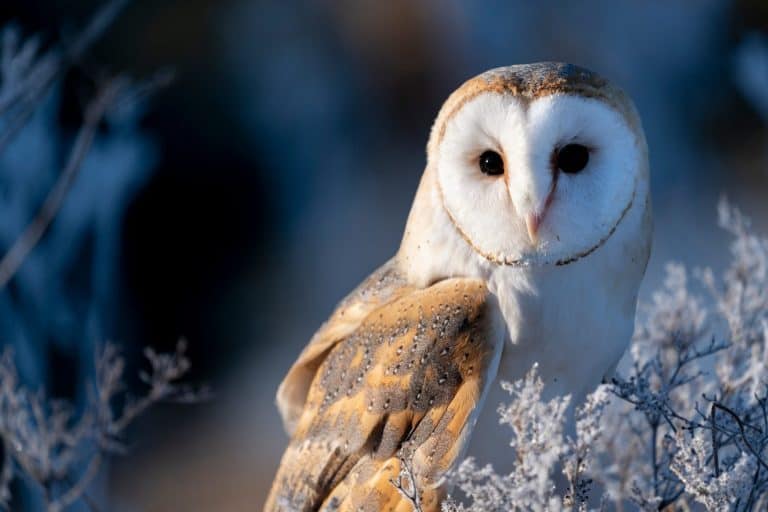
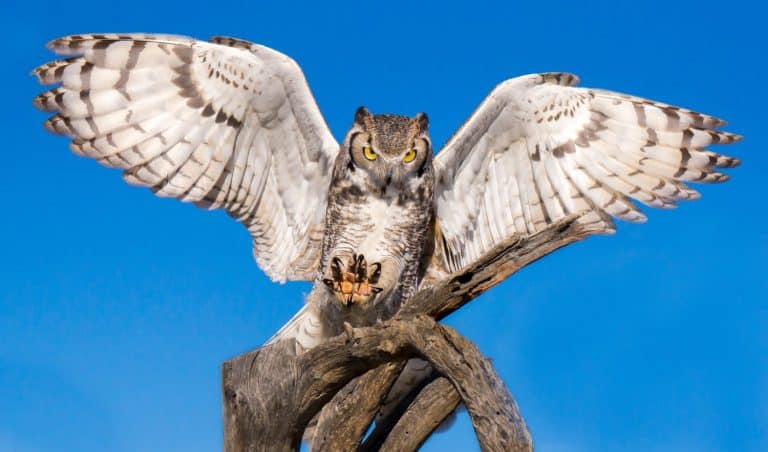
Great horned owls need silence while flying in order to hunt successfully, which was why the cement situation proved more harmful than first suspected.
©yongsheng chen/Shutterstock.com
Frayed Feathers: Problems in the Owl’s Recovery
As Best Friends’ employees worked, they began to notice something devastating: the concrete frayed the owl’s feathers, and the bird began making a noticeable whoosh sound in flight. For a hunting owl, this sound can be life-threatening, as they rely on stealth more than any other element to hunt successfully.
However, the staff had ideas as to how to fix this issue; rehab for this owl became a longer, more methodical process, involving the following steps:
- Strength rebuilding, given the fact that an injured bird often loses muscle quickly.
- Flight conditioning, done in an aviary where the bird could build endurance and control, and feather damage could be monitored closely.
- Behavioral readiness, as a releasable raptor needs appropriate fear of humans and normal hunting responses.
- Release assessment, where rehabilitators look at welfare indicators and functional fitness before sending the bird back out; a final test, in a way.
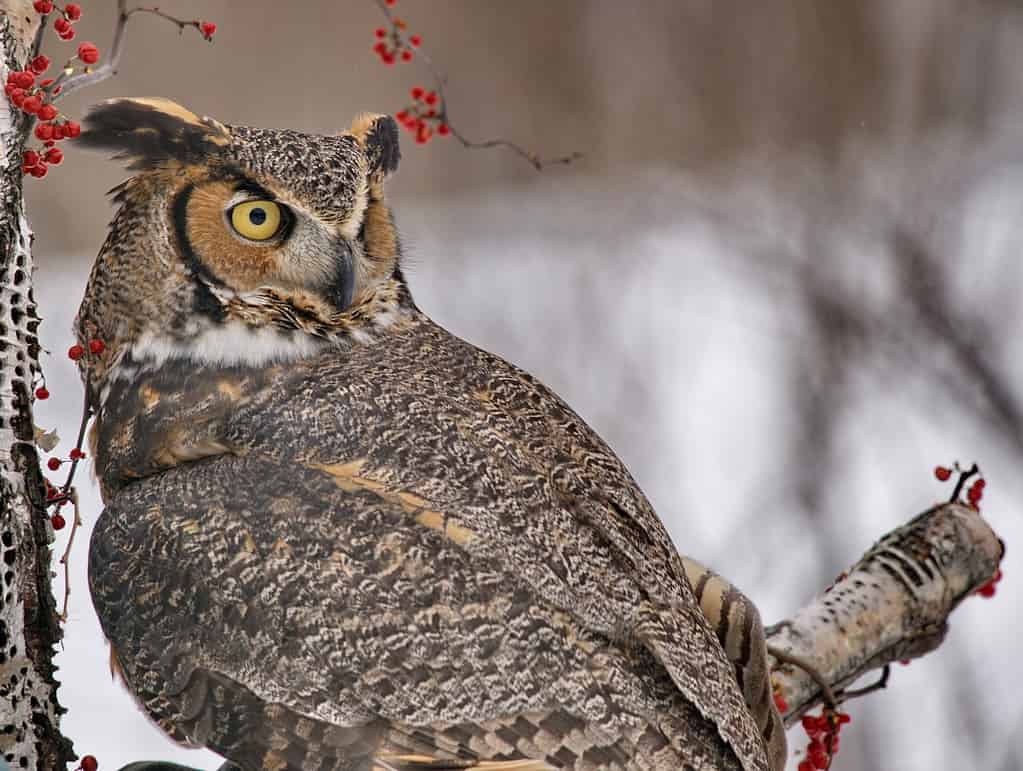
As of now, the rescued owl is currently resting at the rehab center, planned for release once it molts and its feathers regrow.
©cindylindowphotography/Shutterstock.com
For this owl, its healing timeline is also tied to molting. Best Friends staff members said they expect to hold the bird until it sheds its damaged feathers and regrows the structures needed for silent flight. The sanctuary anticipates release after the next molt window in spring or summer once stealth flight returns and the owl can once again hunt in absolute silence.
Why This Owl Rescue Worked
The intricacies of modern wildlife rehabilitation can truly save animal lives. But it wasn’t just the rehab team that helped save this great horned owl’s life. The construction crew recognized a problem quickly and got help instead of improvising.
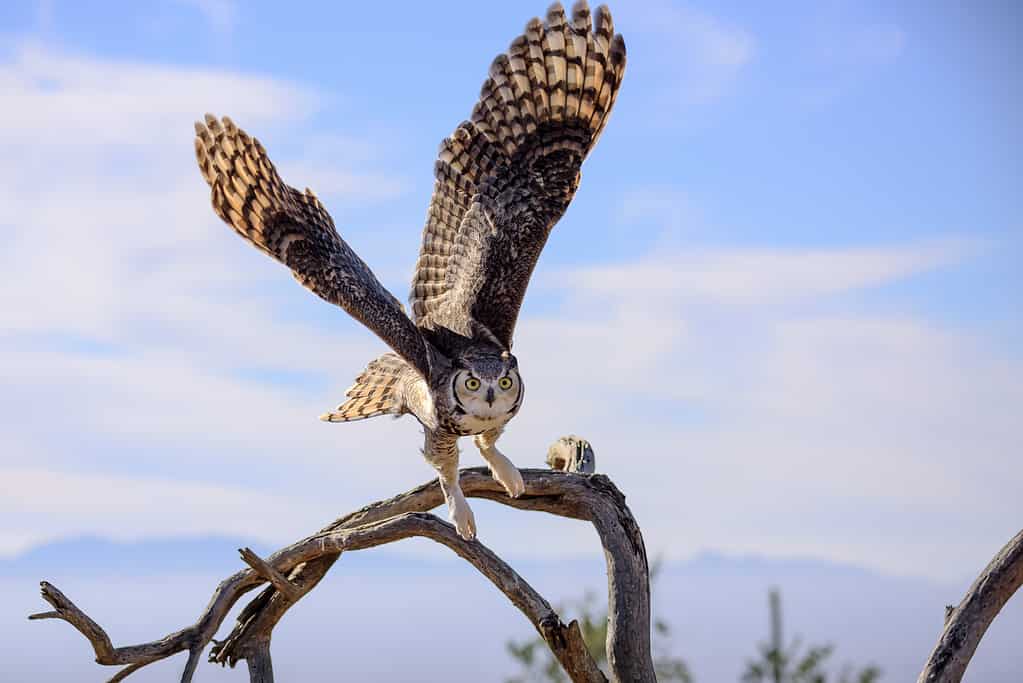
Thanks to a specialized rehab program, the rescued great horned owl will make a full recovery.
©iStock.com/kojihirano
The goal was always to create the least invasive plan, one that still gave the owl a real chance to return to the wild with the skills it needs to hunt and live normally. As it molts and completes its healing, we’ll no doubt hear about the successful release of this owl in the future, thanks to all the many rescuers involved in the process!