The world’s most remote national park sits on 13,238 square miles of remote, practically unreachable land. It has no roads or trails, and can only be accessed by plane or a bush road miles from the entrance. It’s the least-visited park in America, its untamed wilderness reserved only for those with expert backcountry experience. Its location directly above the Arctic Circle makes for harsh terrain, with winter weather conditions among some of the most unforgiving. The summer months bring beautiful wildflower fields and greenery, but not another soul in sight. Even so, Gates of the Arctic still sees between 11,000 and 12,000 visitors annually.
What draws many to the park are its diverse activities. It’s dark enough to watch one of the best northern lights shows in the world, and many visit for its peaceful solitude. Abundant fishing at Galbraith Lake or the Kobuk River draws others, while some partake in rafting and canoeing down its scenic waterways. While these are all bucket list reasons for traveling to the world’s most remote landscape, there’s one more that outweighs the rest: The chance to be a small part of the Arctic’s wild frontier by observing its wildlife. Whether you’re observing from a flight tour or huffing it on the ground, Gates of the Arctic National Park is home to some of the best wildlife watching on earth. These are the animals anyone would be lucky to spot, and given the park’s remoteness, you’re likely to see them.
Grizzly Bear
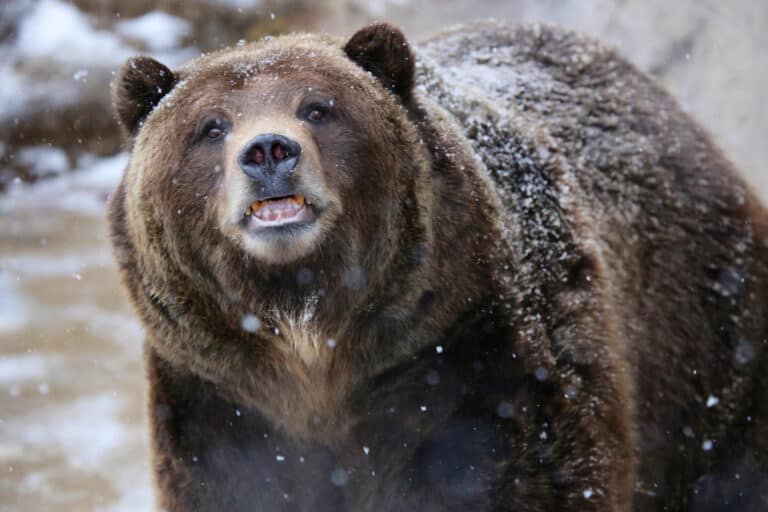
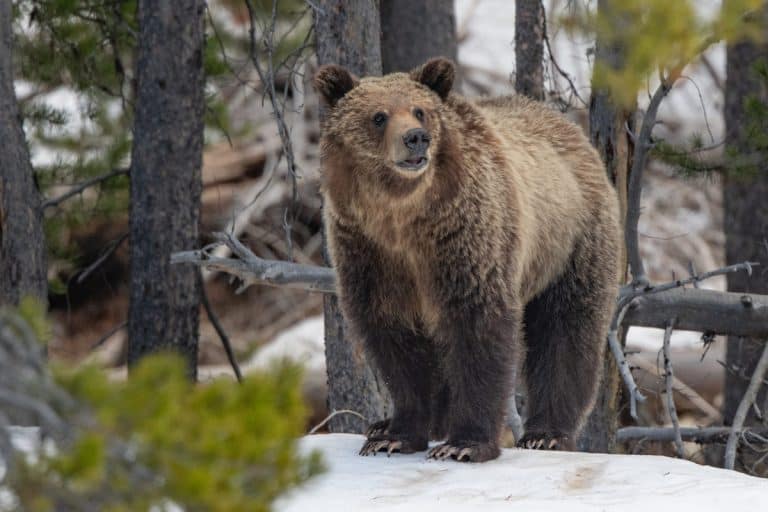
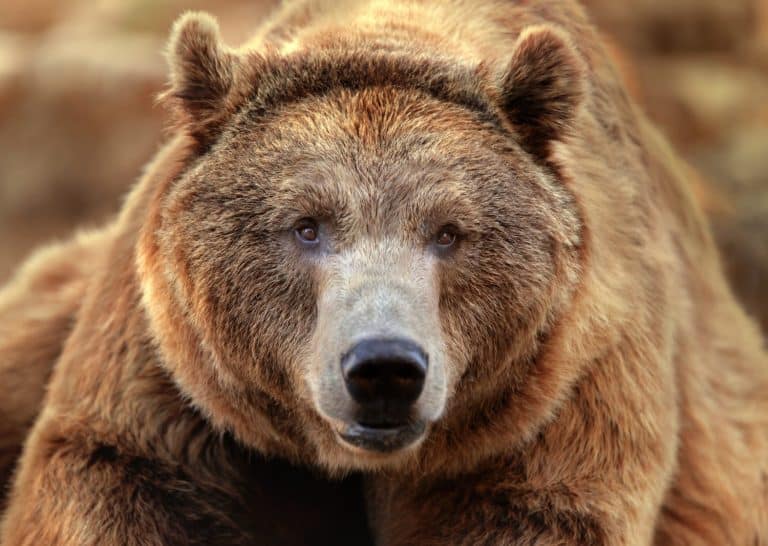
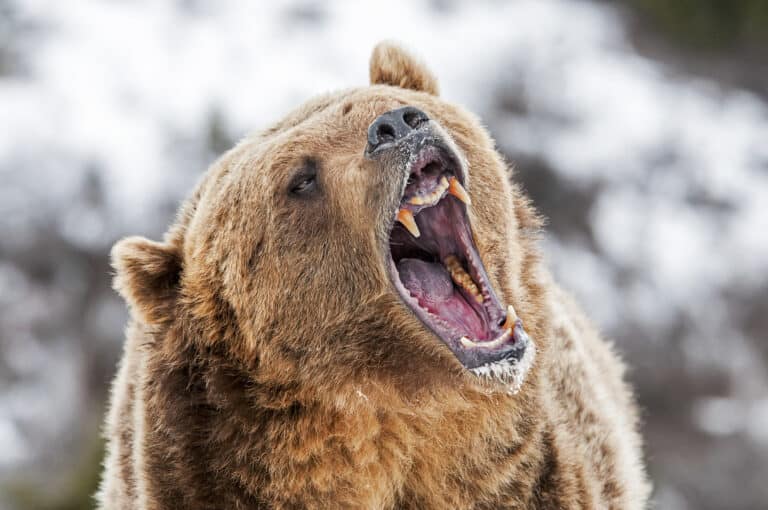
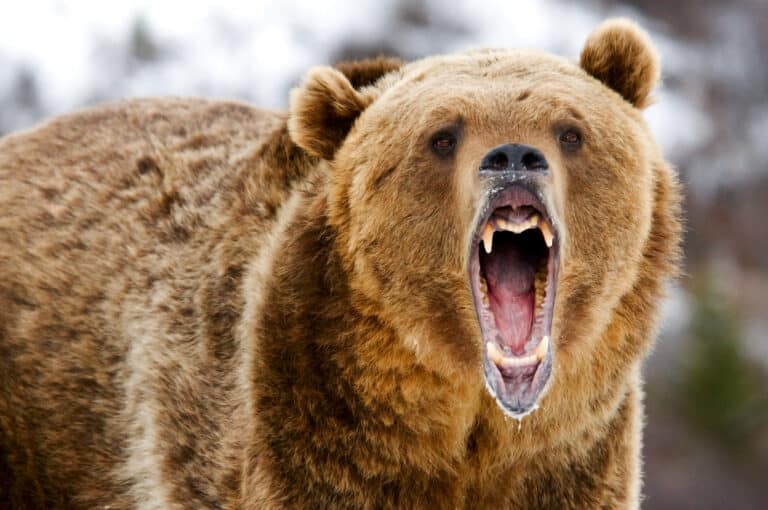
The National Park Service opens with this quote from John Muir on its wildlife page: “To him [the grizzly bear] almost everything is food except granite.” In rural places like Gates of the Arctic National Park, this rings true. Here, a grizzly, also known as a brown bear, is as feral and wild as they come. Without regular human interaction or civilization nearby, a 1,000-pound grizzly views anything as a meal or a threat.
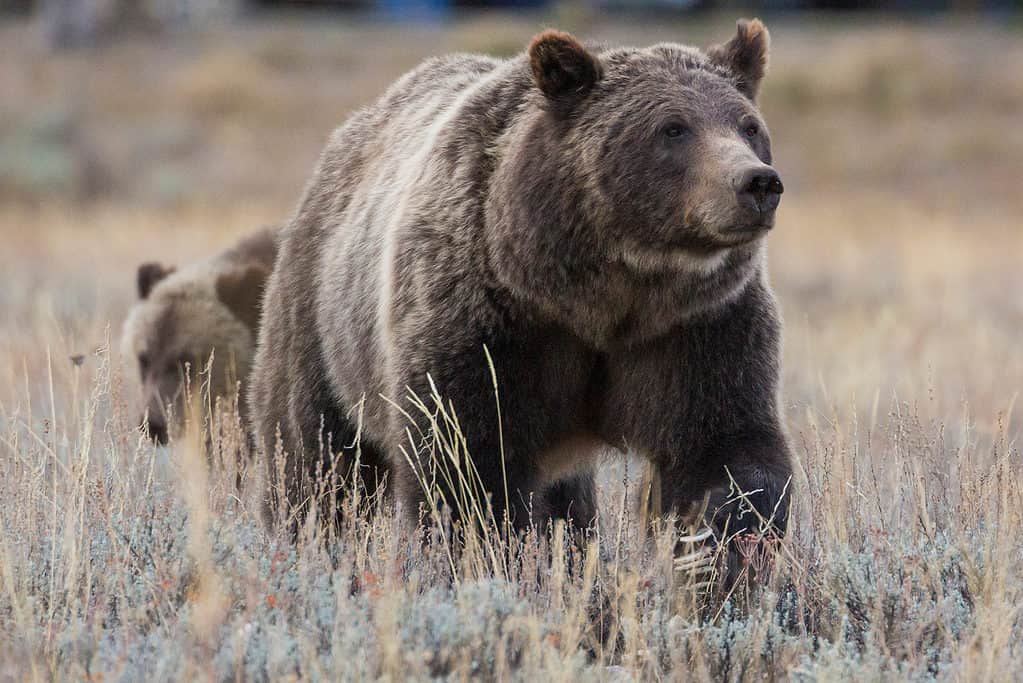
Grizzly bear prey includes small mammals like marmots, voles, and ground squirrels.
©BlueBarronPhoto/Shutterstock.com
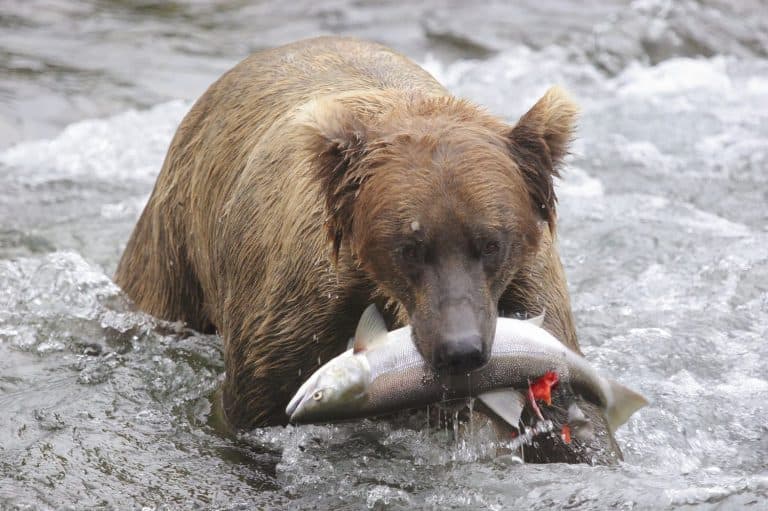
These large bears get a steady diet of Arctic salmon in addition to foraged berries and greens. Their behavior differs from that of bears in other regions due to their lack of human contact. Their solitary nature breeds fierce predators, and they’re at the top of the food chain in Gates of the Arctic.
Black Bear
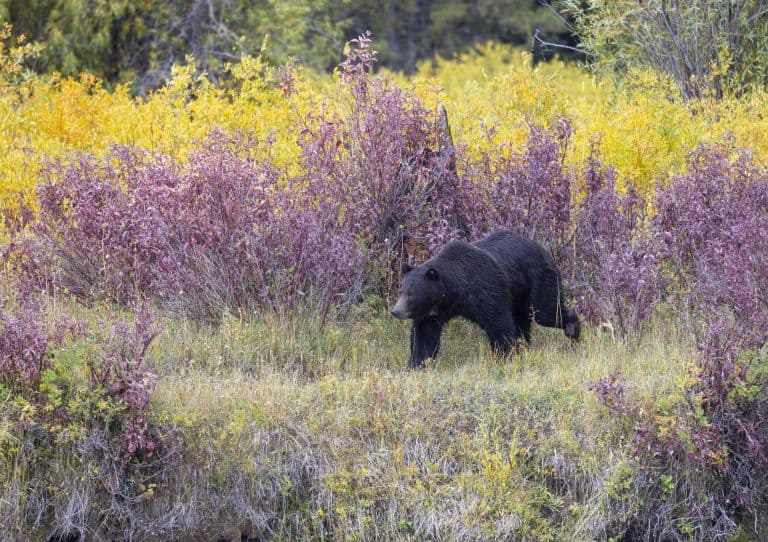
Black bears also inhabit the 8.5 million acres of rural national park land. While not as aggressive as the grizzly, they will defend their cubs if they feel threatened. They coexist with the Arctic’s other wildlife, including grizzlies.
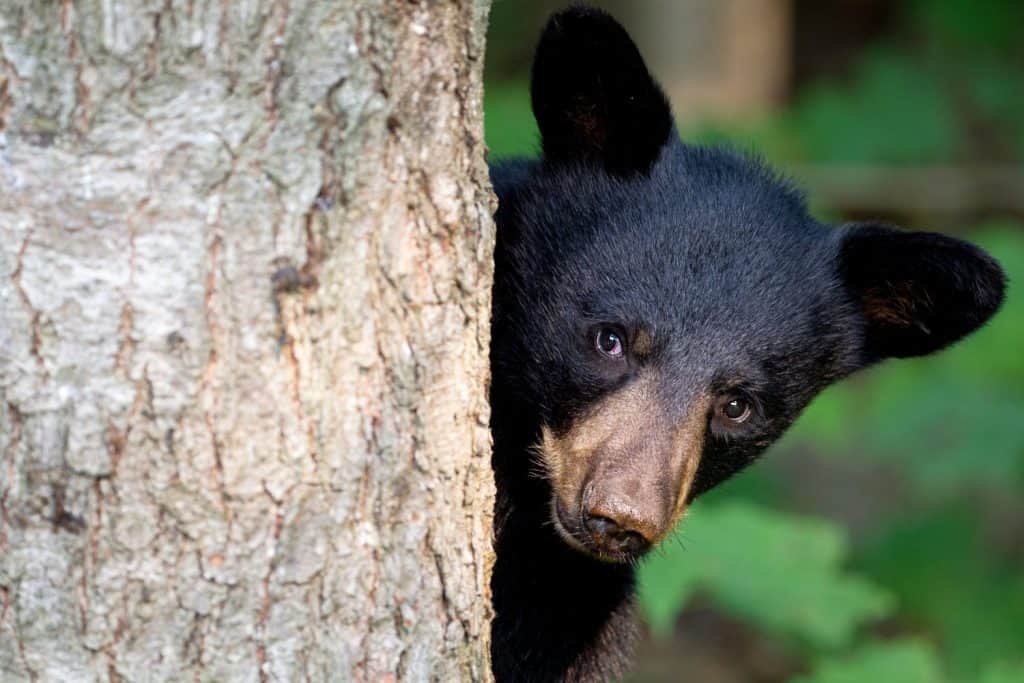
Black bears can sometimes be found scurrying up trees to escape.
©Christopher MacDonald/Shutterstock.com
Therefore, visitors must have extensive knowledge of bear safety when venturing into such remote territory. If a grizzly attacks, the best practice is to cover your vital organs and play dead in the fetal position. If a black bear attacks, fight back—they’re more skittish and typically avoid confrontation.
Caribou
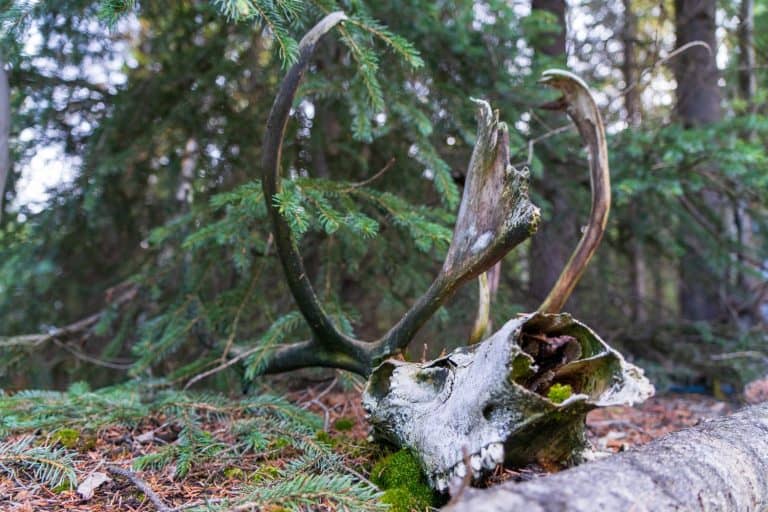
Of all the animals to see in Gates of the Arctic National Park, the caribou are a sight to behold. These large animals are also known as reindeer, if they’re domesticated. Caribou travel as a herd, meaning visitors will rarely see just one. Their C-shaped antlers are characteristic of their species, and both males and females have this trait.
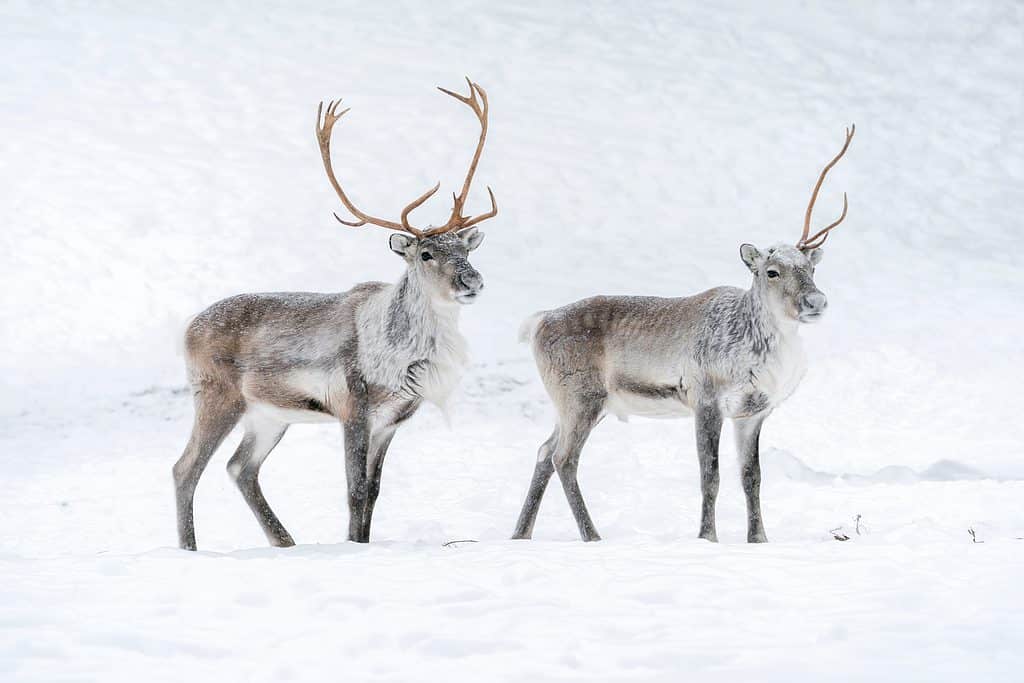
In North America, reindeer are also called caribou.
©Tam and Trace Photography/Shutterstock.com
Caribou are some of the most important animals in the Arctic’s ecosystem. They’re herbivores and consume lichen, grass, and moss growing throughout the Gates of the Arctic. In turn, they’re also prey for predatory mammals, such as grizzlies and wolves. They’re also highly significant to Alaska’s native residents, often referred to as the “caribou people.”
Dall’s Sheep
Every animal in the Arctic is connected to another, which is what makes the Gates of the Arctic such a beautiful ecosystem to observe. Dall’s Sheep play a significant role in this interconnectedness. They survive on the alpine plants that grow along high elevations such as the Brooks Range. Since this is their primary food source, they also live among its rocky outcroppings.
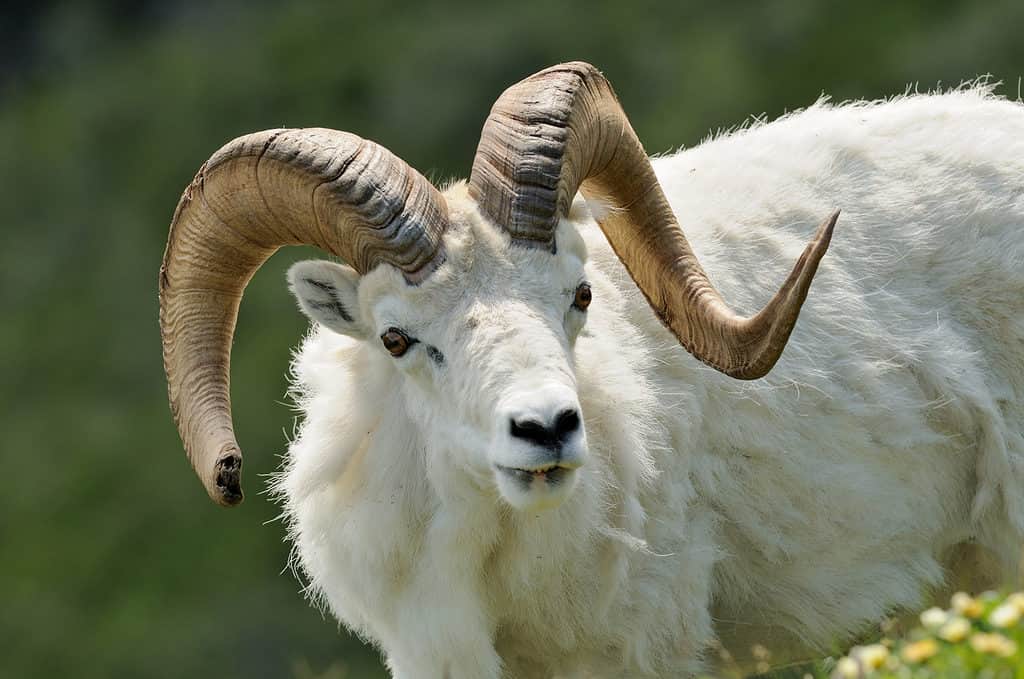
Dall’s sheep are uniquely adapted to live in the Arctic.
©iStock.com/mlharing
Their penchant for staying put makes them extremely sensitive to environmental changes. Dall’s sheep rarely migrate or move between locations unless necessary. According to the National Park Service, these factors are key indicators of Arctic conditions, particularly concerning vegetation. Their high-elevation homes make them challenging to see in the wild, but spotting their large, curled horns is a fantastic sight.
Muskox
If any animal is an Arctic survival expert, it’s the muskox. Its roots date back to the last Ice Age, where they likely walked alongside legendary animals such as the woolly mammoth and sabertooth tiger. The muskox’s double layer of coarse fur protects it from the outside in, helping insulate its body during Arctic winters. The helmet of horns on its head is both a weapon and a shield, protecting the muskox’s head during fights.
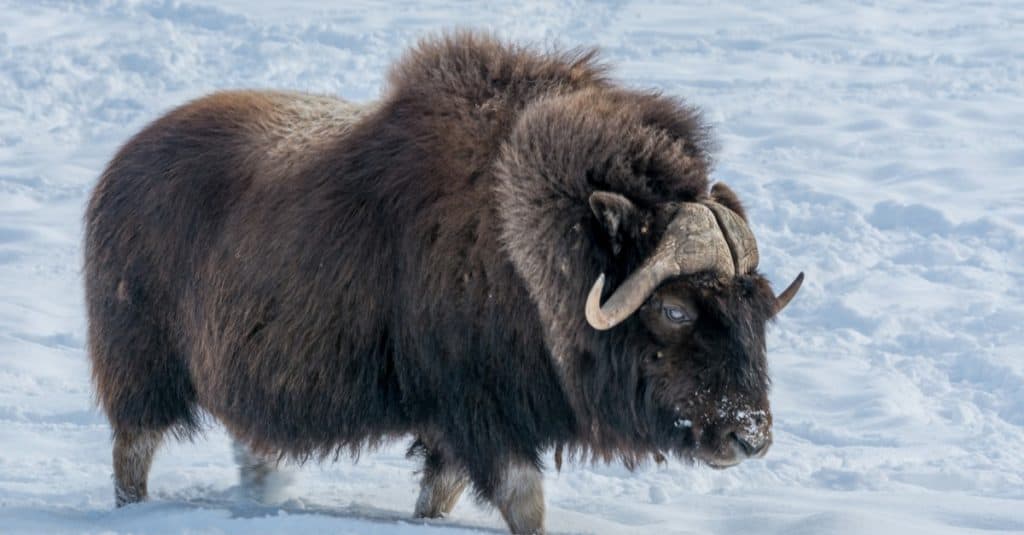
Muskoxen have two layers of fur that insulate their bodies.
©Fitawoman/Shutterstock.com
Those visiting in the late spring or early summer may have the chance to see muskox calves. They’re born during the warmer months to give them the best chance of survival going into the winter. Females only give birth to one calf a year, so this is a special, but rare sight. In the Inupiaq Eskimo language, muskox are called “Oomingmak,” or “bearded one.”
Lynx
Alaska’s famed lynx is iconic for a reason. It’s the only big cat native to the state, and typically inhabits its boreal forests. The lynx is a solitary animal, rarely socializing outside of mating season. It can sometimes be spotted in the alpine regions of Gates of the Arctic in search of food, but prefers to remain at lower elevations.
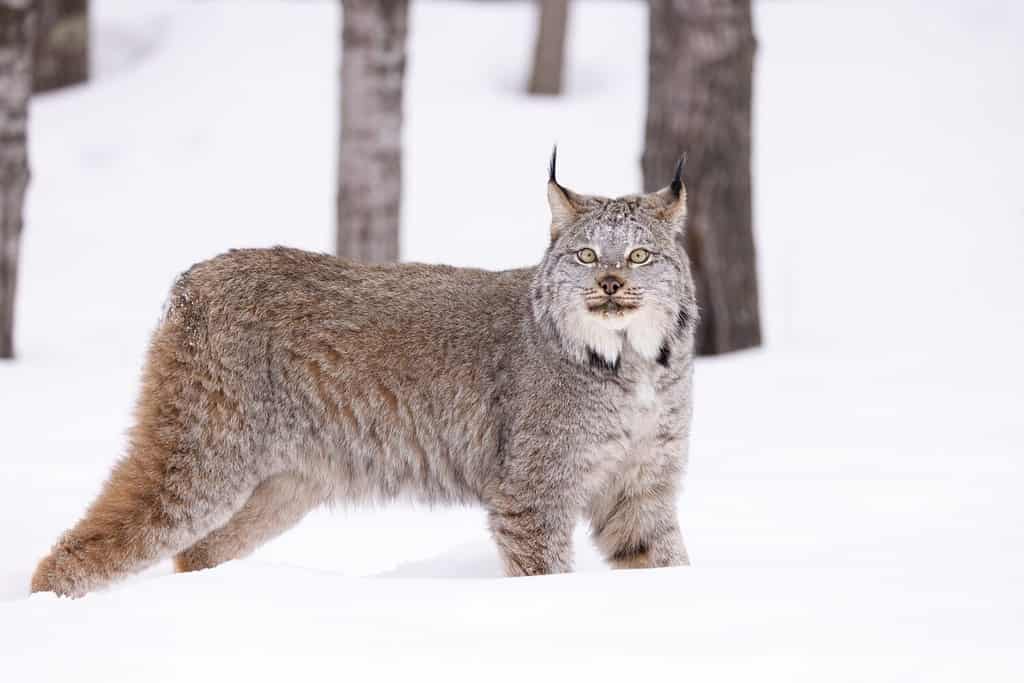
The lynx is elusive in Gates of the Arctic, but ideally suited for its winters.
©Agnieszka Bacal/Shutterstock.com
While similar-looking to the bobcat, the lynx has a fluffier coat that protects it from the elements. Its design is naturally moisture-wicking, keeping heat close to its body when traversing snow and ice. The National Park Service tracks many of Alaska’s lynxes, and data shows that many are long-distance travellers.
Gray Wolf
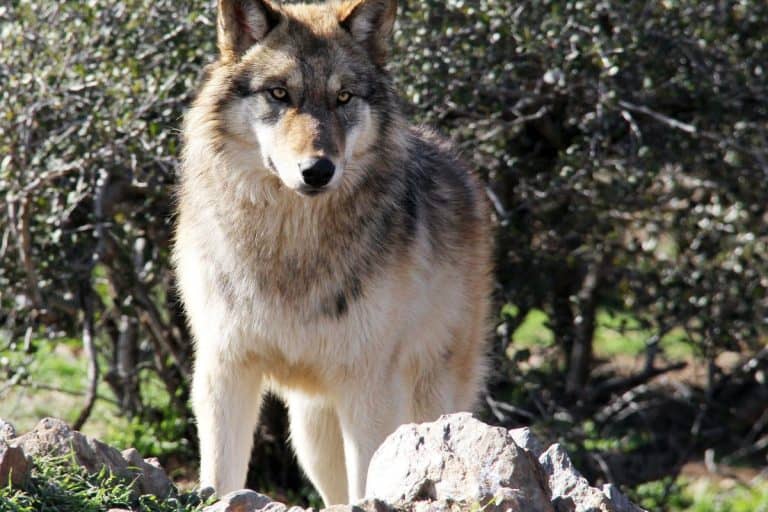
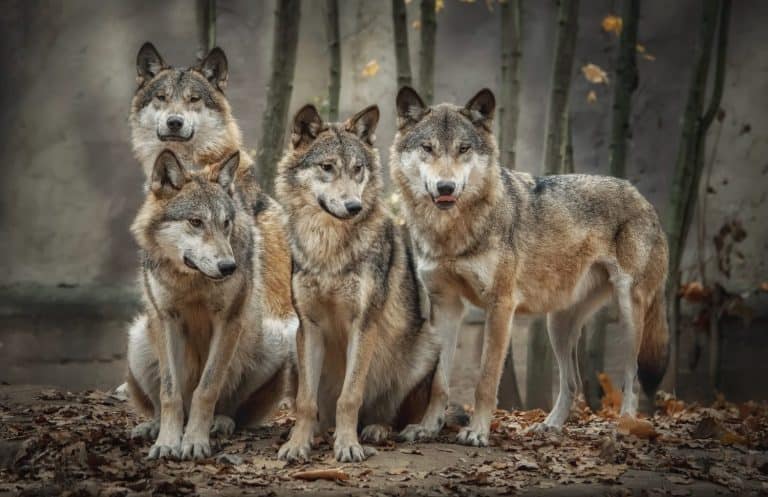
Bears aren’t the only animals at the top of the food chain in Gates of the Arctic National Park. It’s also home to a healthy population of gray wolves, which inhabit the park’s lowlands. They prey on caribou, moose, Dall’s Sheep, and occasionally smaller mammals.
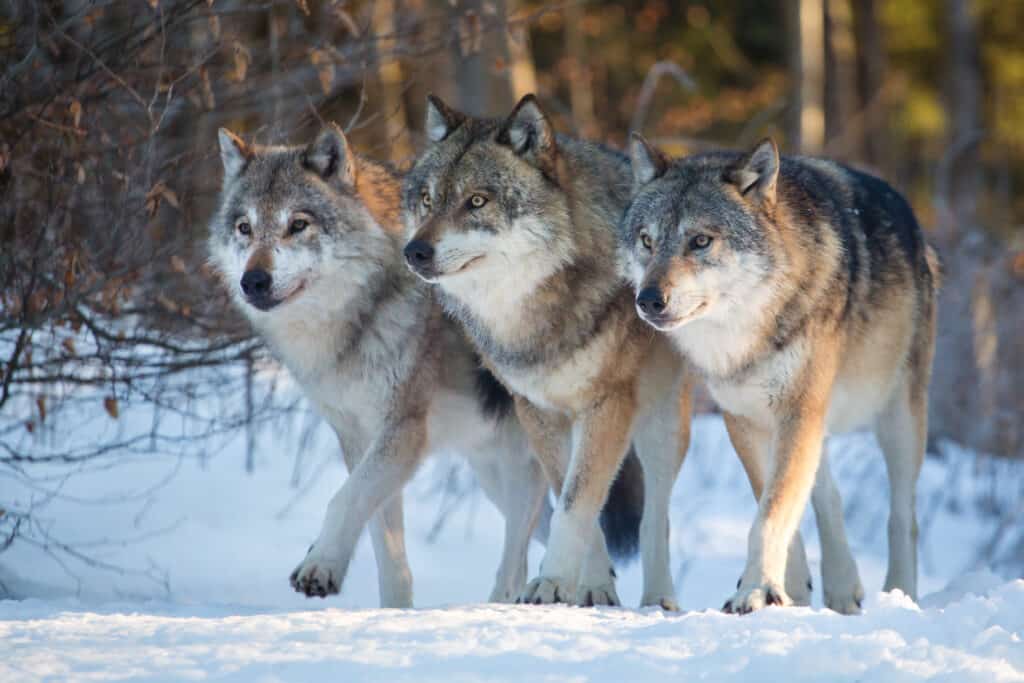
There are two species of wolves in the world: the red wolf and the gray wolf.
©David Dirga/Shutterstock.com
They hunt in packs, and their canine nature dictates that an alpha leads the pack. While visitors are sometimes privy to seeing these packs on the move, they’re more active at dusk and after dark. Caribou are their primary source of food, so it’s sometimes possible to observe wolves hunting a herd.
Wolverine
The elusive wolverine is one of the best examples of how a single animal can defy the odds and thrive in harsh conditions. Despite weighing less than 50 pounds, the wolverine can take down an animal as big as a caribou. It’s a master at storing carrion for the frigid winter months, and can traverse up to 30 miles a day. There’s seemingly nothing this small carnivore can’t do in Arctic territory.
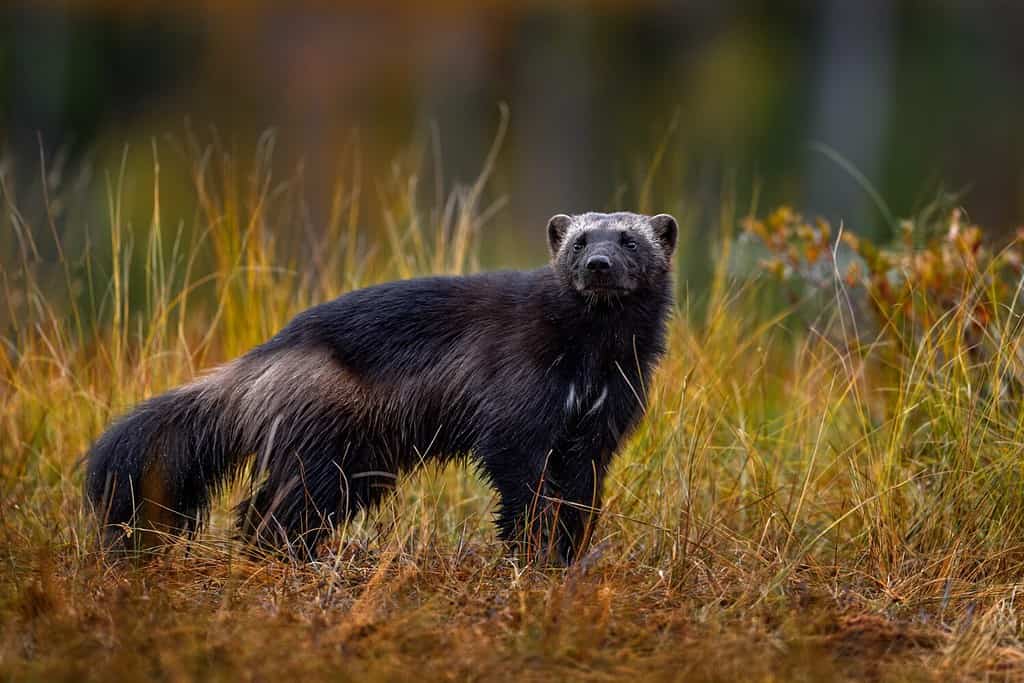
The wolverine is an unsuspecting predator in the Arctic.
©Ondrej Prosicky/Shutterstock.com
They’re a rare sighting in Gates of the Arctic National Park, and that’s probably a good thing, given the attitude of a wolverine. According to Trustees for Alaska, it won’t hesitate to defend food from a grizzly, let alone a human. Its bravado makes up for its small stature, and it’s one of Gates of the Arctic’s most revered animals.
Moose
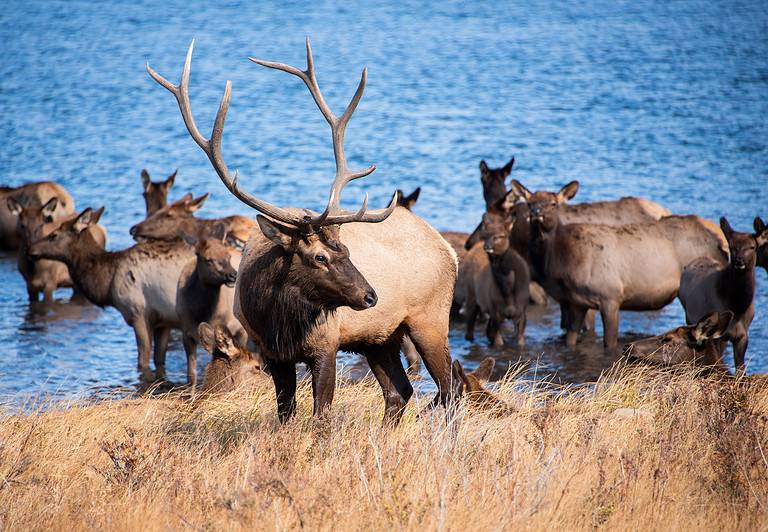
Although Alaska is home to more than 175,000 moose, their numbers in Gates of the Arctic National Park are low. They do inhabit the lower elevations, but are big prey for gray wolves and grizzlies. Seeing a moose in the park is a rarity, but one could be found in the park’s boreal forests or river valleys.
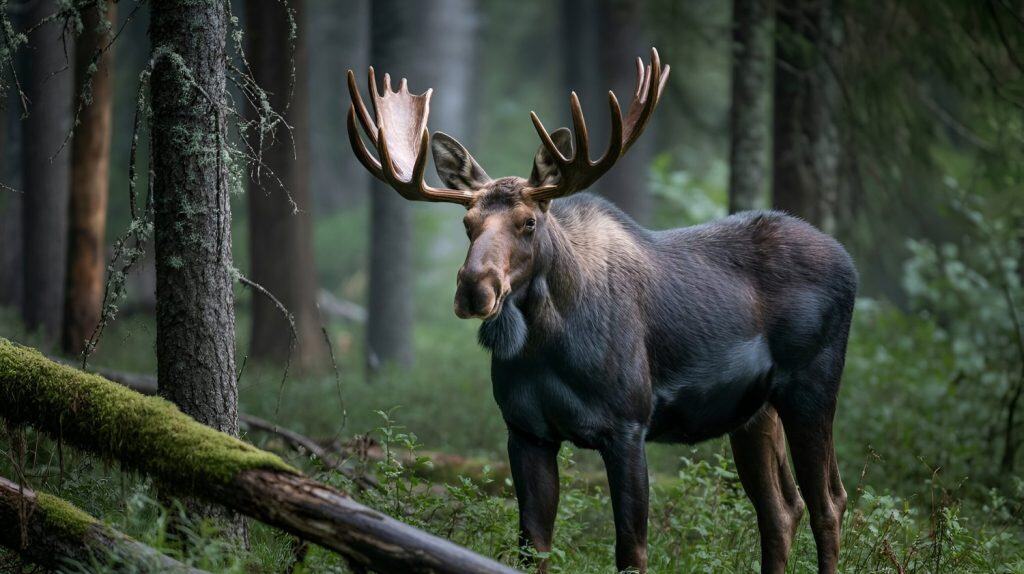
Moose can be highly aggressive when they sense a threat.
©Happy Vector/Shutterstock.com
Moose typically prefer to stay near water and are surprisingly good swimmers. During the warmer summer months, moose often migrate to shady areas of the park. They’re sensitive to extreme temperatures, and usually shelter underneath trees or within forest canopies.
Arctic Fox and Red Fox
The Arctic fox and red foxes of Gates to the Arctic National Park are easily distinguished from one another. The red fox is relatively common and is identifiable thanks to its rusty-red or brown coat. In the summer months, this provides excellent camouflage against Alaska’s underbrush.
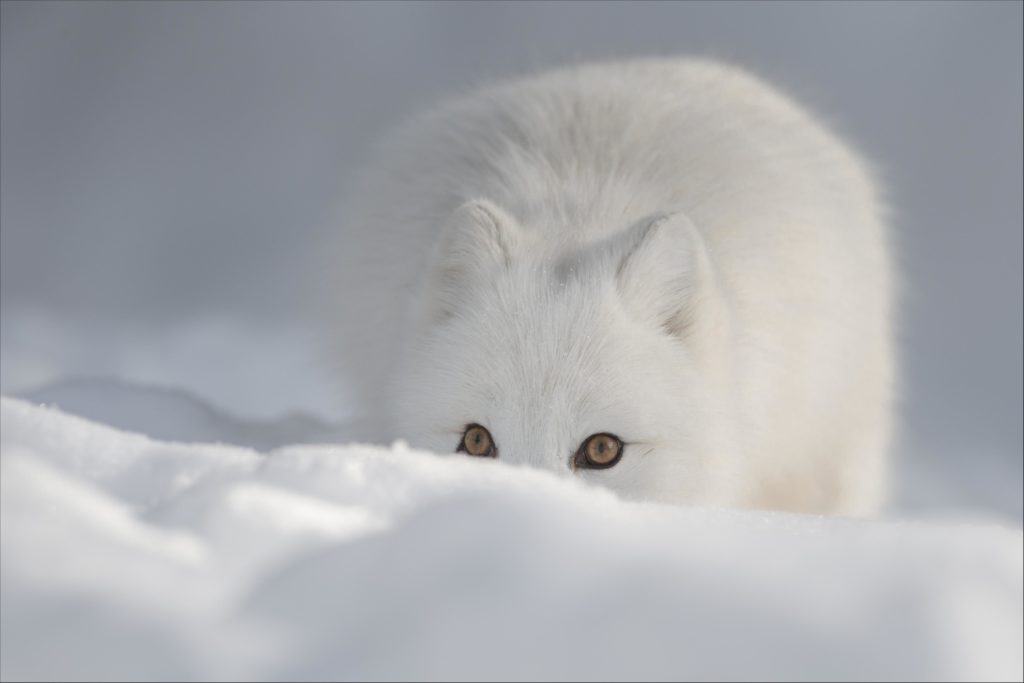
Arctic fox perfectly mimic their winter surroundings.
©Andrew Astbury/Shutterstock.com
Alternatively, the Arctic fox is a master of camouflage during the winter months. Its white coat helps it disappear among snow drifts and during blizzards, making it practically invisible on the Arctic terrain. This is top-notch defense against predators, especially those such as gray wolves and lynxes, which are just as skilled in the tundra.
Snowshoe Hare
The animals of the Arctic have many tricks up their sleeves, and the snowshoe hare is one of them. With few defenses against the many predators that would quickly prey on it, the snowshoe hare uses camouflage as its first defense. This tactic is especially well-suited to its environment, making it practically invisible in Gates of the Arctic.
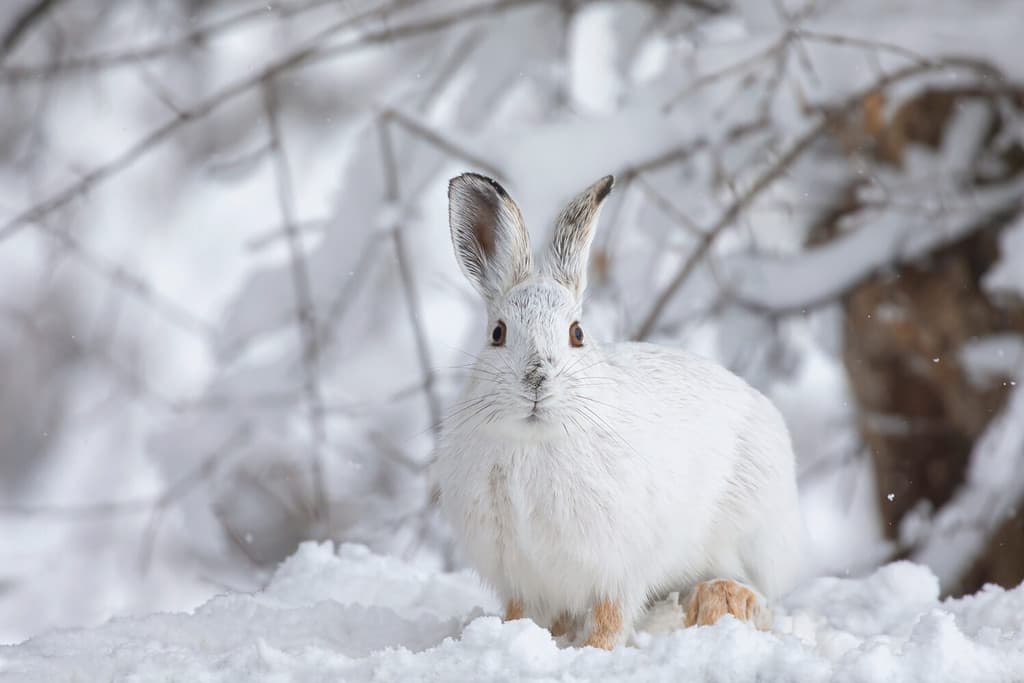
Although it’s preyed on by many animals, the snowshoe hare has good defense.
©Jim Cumming/Shutterstock.com
During the summer months, snowshoe hares have a coat made of brown and tan fur. This helps them blend into the surrounding boreal forests that cover much of the Gates of the Arctic National Park. In the winter, their fur turns completely white, allowing them to become one with a snowy backdrop.
Beaver
Beavers are surprisingly adaptive rodents. They can be found throughout the lowlands of Gates of the Arctic National Park, particularly in its rivers. As natural builders, beavers build dams in Arctic waters, which is also where they find shelter.
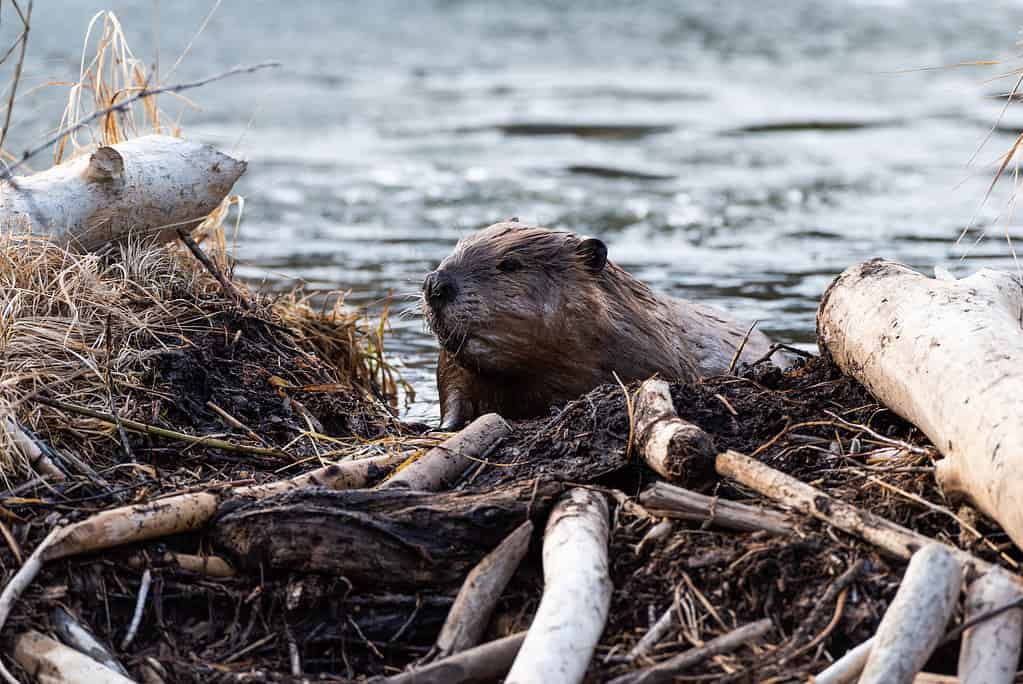
Beavers are at home in many rivers, including those in the Arctic Circle.
©Dan Pepper/iStock via Getty Images
Visitors to the park in the spring and summer might be lucky enough to find one of these dams on the park’s many rivers. However, it’s also possible to catch a glimpse of a beaver navigating the riverside in search of food.
Vole and Arctic Ground Squirrel
Arctic ground squirrels and voles are two more rodents that are built to withstand the harsh weather conditions of the tundra. Both are master scavengers and squirrel away food–pun intended–to survive the winter months when the ground is frozen.
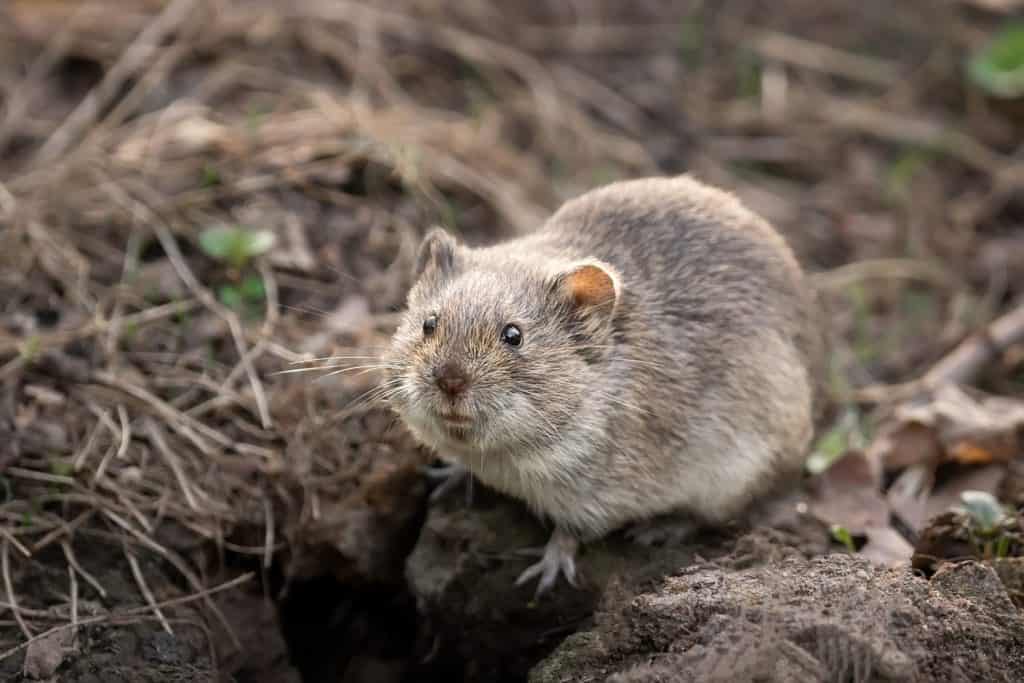
Voles use a series of underground tunnels for shelter.
©BushAlex/Shutterstock.com
Both burrow underground, but voles prefer the Brooks Range and river valleys. Hikers traversing the Arctic slope have a good chance at seeing one of these animals as they scurry up trees or down inclines. They’re relatively common in Gates of the Arctic National Park, and are among the most frequently sighted animals.
Wood Frog
It might come as a surprise to know that an amphibian can survive Arctic conditions, but that’s a specialty of the wood frog. The species is widespread throughout North America, but it’s the only frog to be found so far north. In the warmer months, it inhabits the forests of Gates of the Arctic National Park, typically inhabiting ponds and lakes.
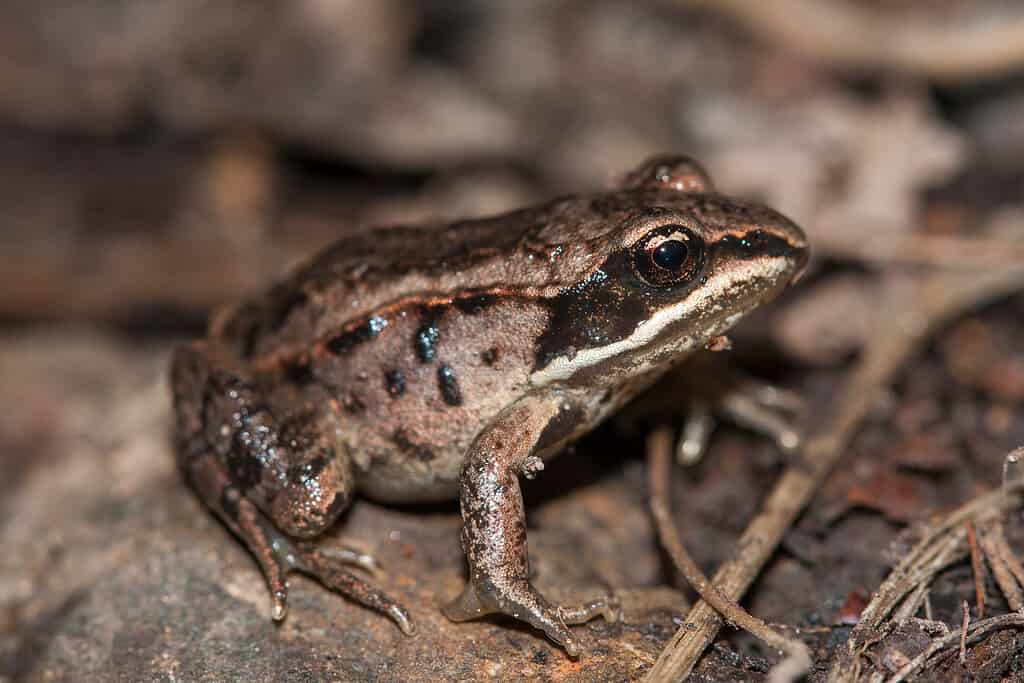
Wood frogs are found throughout North America, including the Arctic.
©Viktor Loki/Shutterstock.com
This little guy has one incredible ability that allows it to remain so far north. During the winter, the wood frog freezes. It remains in solid form through the harshest season in Alaska, and thaws once spring arrives. Its evolutionary adaptation makes it one of the most fascinating species in the Arctic.
Raptors and Songbirds
Gates of the Arctic is home to a variety of birds that can withstand harsh winter weather. This includes an array of raptors, including peregrine falcons, golden eagles, bald eagles, great horned owls, northern hawk-owls, and rough-legged hawks. These typically remain along the park’s steep slopes, using their elevation as an advantage in catching rodents and small mammals.
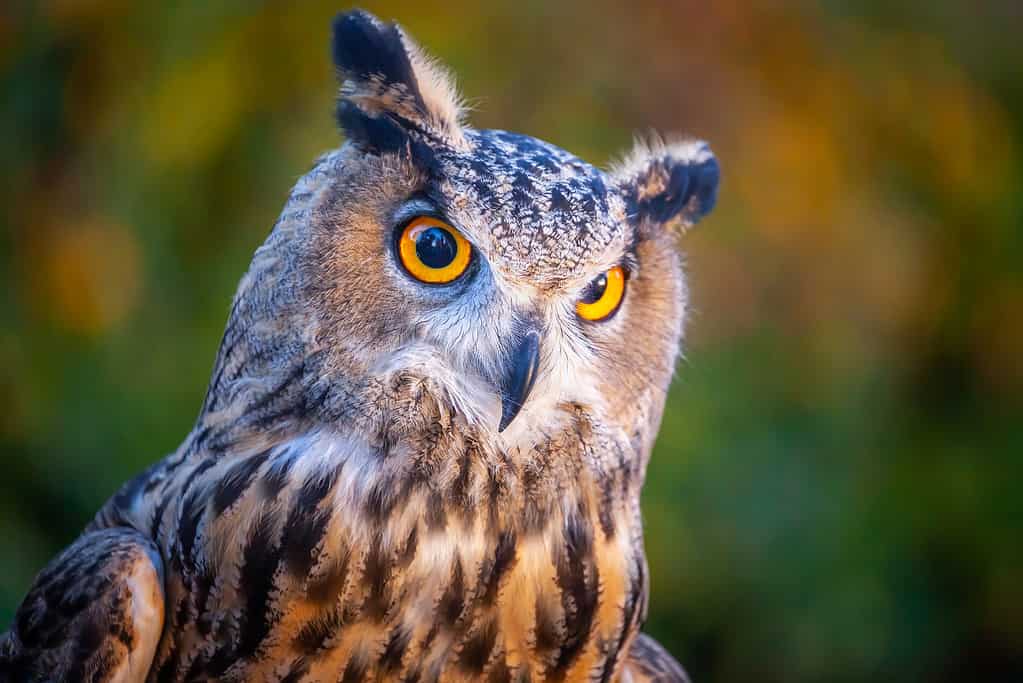
Great horned owls are stealthy and skilled birds of prey.
©agustavop/iStock via Getty Images
Non-raptors include loons, finches, the American pipit, Smith’s longspur, and Willow Ptarmigan, to name a few. These birds prey on insects and forage for nuts and berries. They inhabit the boreal forests except the loon, which prefers to stay near bodies of water.
Fish
Fishing is a huge draw for fishermen looking to reel in a catch you can’t find anywhere else in Alaska. Gates of the Arctic National Park provides plenty of chances for this at its lakes and rivers, which are home to hardy, cold-weather species. Some of the fish found in its waters include Arctic char, northern pike, lake trout, Arctic grayling, sheefish, whitefish, and chum salmon.
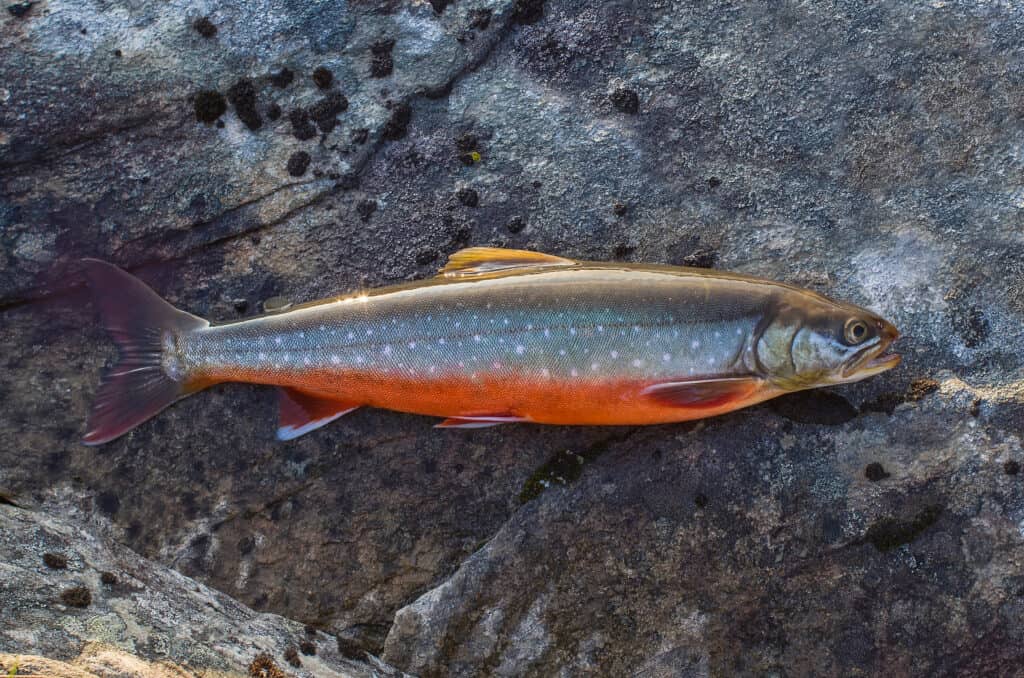
Arctic char is a delicacy in Alaska.
©FedBul/Shutterstock.com
While visitors fishing have their eye on their next catch, they should also have an eye on their surroundings. Grizzlies aren’t used to sharing rivers with humans, and often wander along riverbanks in search of their next meal.