Quick Take
- Purdue scientists created a vaccine targeting sperm protein IZUMO1 to reduce fertility in animals.
- Mouse tests showed pregnancies and litter sizes dropped by about two‑thirds.
- Contraceptive vaccines lower births instead of killing animals.
- More field testing in species like wild horses is still needed.
News footage these days sometimes shows wild horses crowding dry rangelands in the American West or deer wandering through suburban streets, highlighting the growing problem of wildlife overpopulation. When animal numbers rise beyond what ecosystems or communities can support, grazing can damage vegetation, soil may erode, and animals may move into roads or neighborhoods.
Wildlife managers have traditionally relied on hunting or culling to control these populations, but these methods often lead to controversy and practical challenges. Researchers at Purdue University are now studying a contraceptive vaccine that reduces fertility in female mammals, which may offer a way to slow population growth while allowing animals to remain in their natural habitats.
Why Wildlife Overpopulation Is Increasing
Wildlife populations naturally rise and fall, but several modern trends allow some species to grow quickly. Human development often changes ecosystems by removing predators or altering habitats, which reduces natural limits on herbivores and omnivores. In some regions, hunting also plays a smaller role in population control.
Regulations often restrict hunting seasons or limit the number of animals that can be taken. Overall, hunting participation in the U.S. has declined compared to previous decades, although trends vary by region and species. Together, these factors can allow wildlife populations to grow beyond what local environments can easily support.

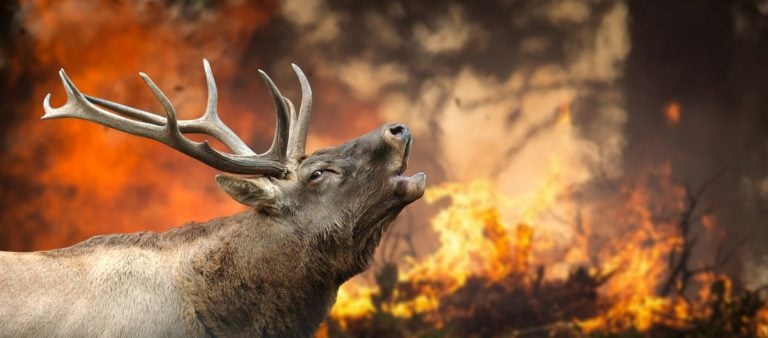
Uncontrolled wild animal populations can create environmental damage, pose a hazard to people, and suffer from malnutrition and disease.
©RedStarImaging/Shutterstock.com
As a result, animals such as deer, wild pigs, and feral horses may exceed the carrying capacity of local ecosystems. When populations grow too large, the effects can spread across farms, forests, and suburban communities, leading to disease and malnutrition among uncontrolled animal populations.
Environmental and Economic Costs of Overpopulation
Feral horses, deer, and wild pigs show how overpopulation can affect ecosystems and people. Horses may graze large areas of vegetation, leaving less food for other wildlife, while deer often consume young trees and crops, slowing forest growth and harming agriculture.
Wild pigs root through soil in fields and wetlands, damaging plants and habitats. These impacts also create economic costs, such as crop losses for farmers, disease transmission to livestock, and expenses for land managers to repair damaged areas and install fencing. As animals move into suburban areas, vehicle collisions and property damage can also increase.
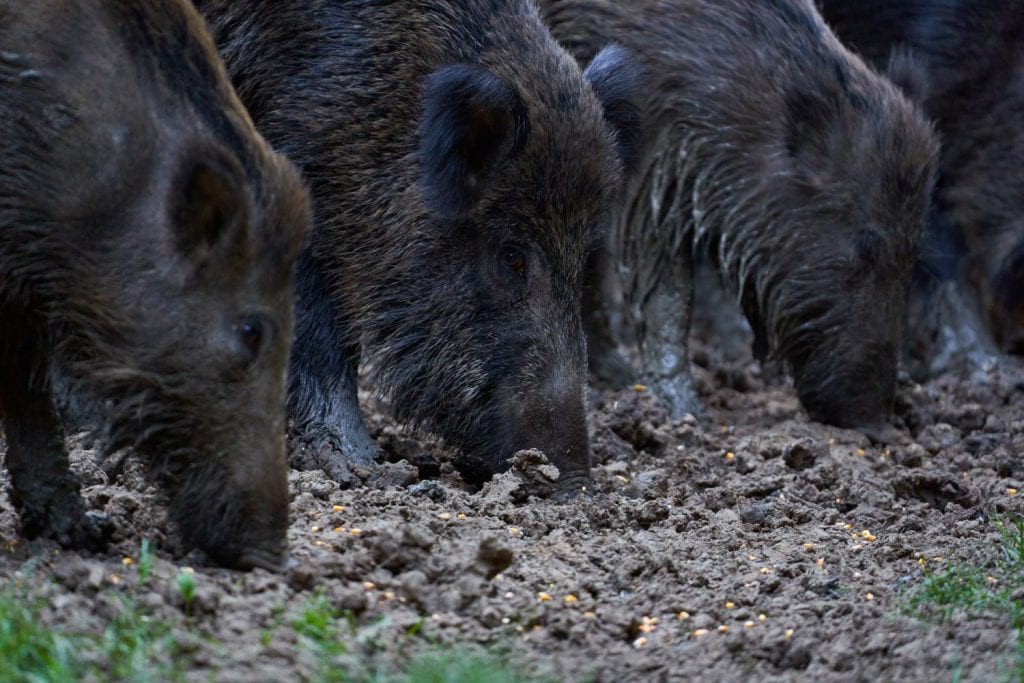
Feral pigs destroy plants and habitat for ground-nesting birds and other animals, as well as polluting waterways with their wallowing.
©Slatan/Shutterstock.com
Lethal Control: A Controversial Method
For decades, lethal control has been the primary method used to reduce wildlife populations. Regulated hunting seasons remove animals in a controlled way, and wildlife agencies sometimes organize targeted culls when populations grow far beyond management goals. These actions can quickly lower numbers and may be necessary when animals threaten public safety or sensitive ecosystems, with humans effectively filling the ecological role once held by predators such as wolves or mountain lions.
However, lethal control remains controversial. Some people support hunting or culls as practical management tools, while others oppose killing animals they view as part of nature. The issue becomes more complex in urban and suburban areas, where firearms or traps may not be safe or practical to use.
How Lethal Control Can Backfire
Beyond the standard debate positions, many people do not realize that lethal control can actually backfire if the goal is to limit overpopulation and the resulting environmental damage. Removing animals can disrupt social structures within herds or groups. In some species, reproduction rates can increase after population reductions, allowing numbers to rebound rapidly.
In coyote packs, for example, reproduction is usually limited to the dominant breeding pair. If one of these animals is killed, the pack’s social structure can break down. Subordinate females may begin breeding, and new coyotes may move into the territory. This process, known as compensatory reproduction and immigration, can temporarily increase reproduction and allow populations to rebound quickly.
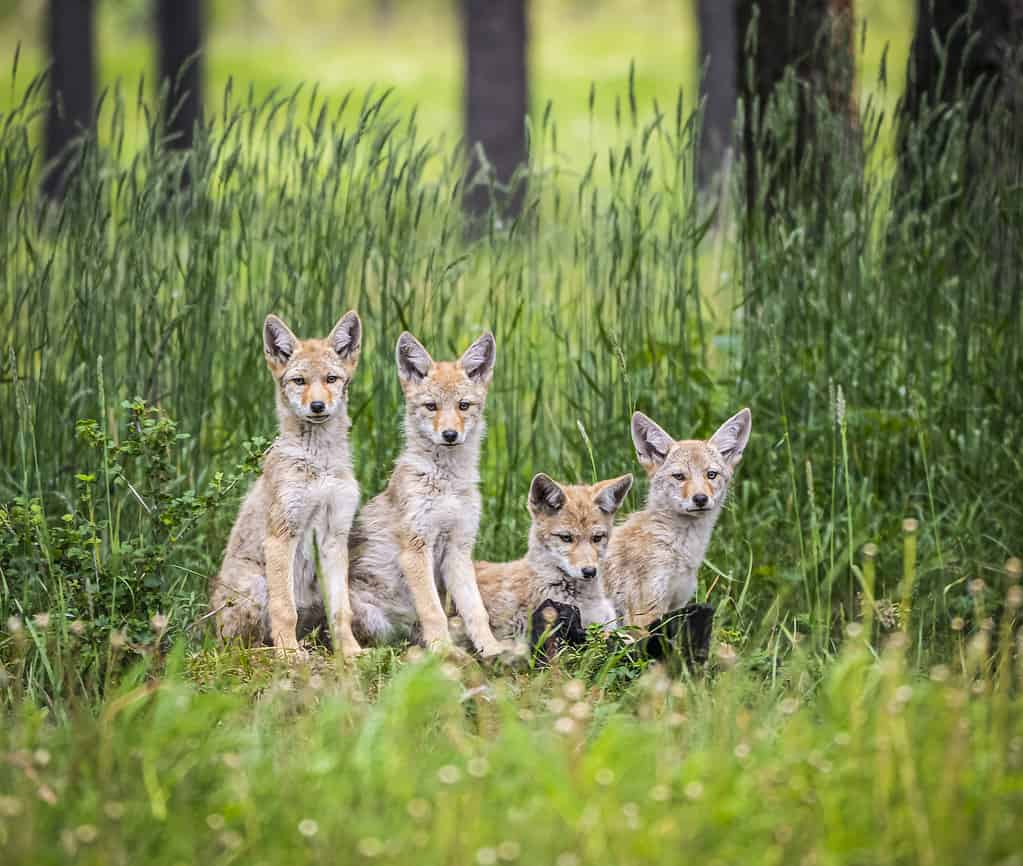
When dominant coyote breeding pairs are killed, subordinate females may begin breeding, creating a population explosion.
©Annie Hewitt/iStock via Getty Images
Feral pigs are highly intelligent and adaptable animals, which makes them difficult to control through hunting alone. When hunting pressure increases, pigs often become more cautious and move into new areas. Their family groups, called sounders, may break apart when repeatedly disturbed.
As scattered pigs search for food and shelter, they may move into nearby farms, wetlands, or forests, causing damage by rooting through soil and destroying crops. For this reason, hunting may reduce local numbers temporarily, but it can also push pigs into new territories, spreading their impact across a wider area.
Understanding Immunocontraception
Immunocontraception uses the immune system to interfere with reproduction rather than killing animals. These vaccines stimulate the body to produce antibodies that block key steps in fertilization. Some wildlife contraceptive vaccines target gonadotropin-releasing hormone (GnRH), which controls reproductive hormones, while others target proteins around the egg that sperm must bind to before fertilization.
When antibodies block these targets, fertilization becomes difficult or impossible, allowing animals to live normal lives while producing fewer offspring. These vaccines are usually delivered by injection—sometimes through darting or brief capture—and may require booster doses to maintain long-lasting effects. Despite these challenges, fertility control offers a way to slow population growth without removing animals from the environment.
The Purdue IZUMO1 Vaccine
Researchers at Purdue University have designed a contraceptive vaccine that targets a sperm protein called IZUMO1. This protein plays a key role during fertilization. Without it, sperm cannot fuse with the egg. The research team produced a laboratory version of the IZUMO1 protein and combined it with compounds designed to stimulate the immune system. When injected, the vaccine encourages the body to produce antibodies that recognize the protein.
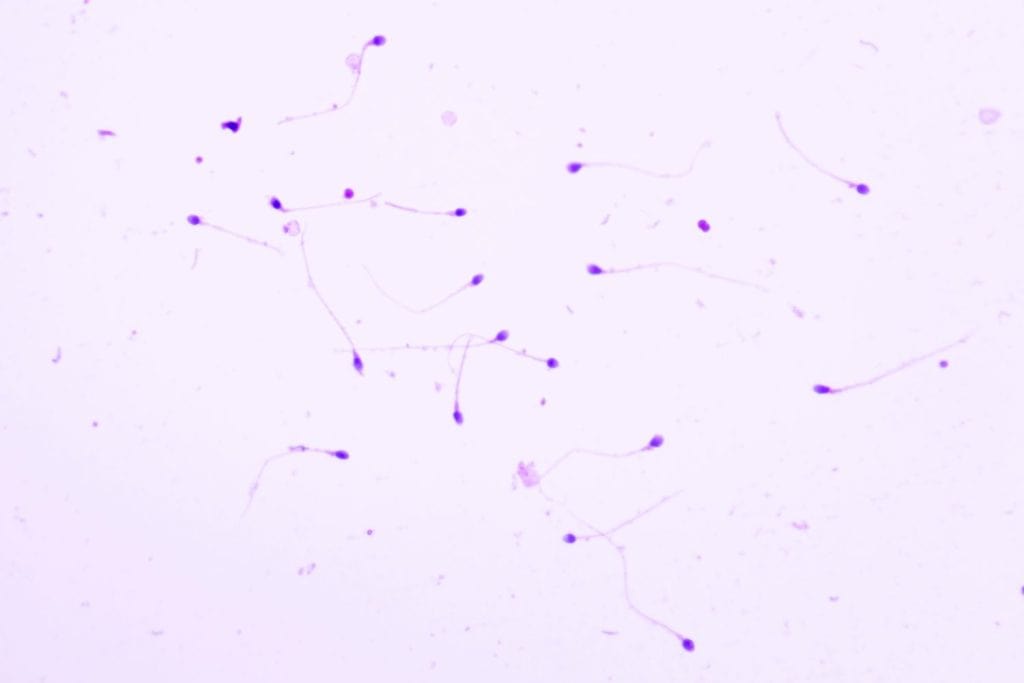
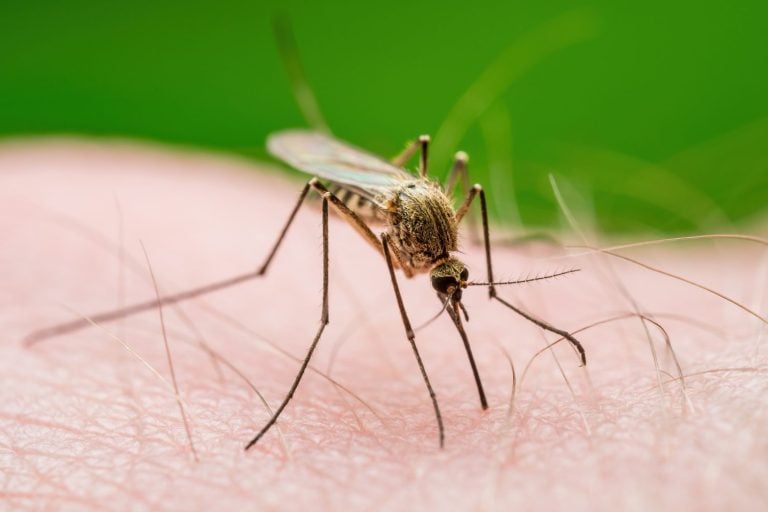
The Purdue research focused on provoking the body to have an immune reaction against a specific sperm protein.
©Komsan Loonprom/Shutterstock.com
In vaccinated females, these antibodies attach to sperm cells after mating. This interaction prevents fertilization without interfering with hormone systems that regulate normal bodily functions. Scientists verified the structure of the vaccine proteins using laboratory analyses, including gel electrophoresis and antibody detection tests.
These procedures confirmed that the vaccine components matched the intended design. The research team developed the vaccine with wildlife management in mind. Species such as feral horses, deer, and wild pigs often create population challenges across large regions.
Results From Mouse Experiments
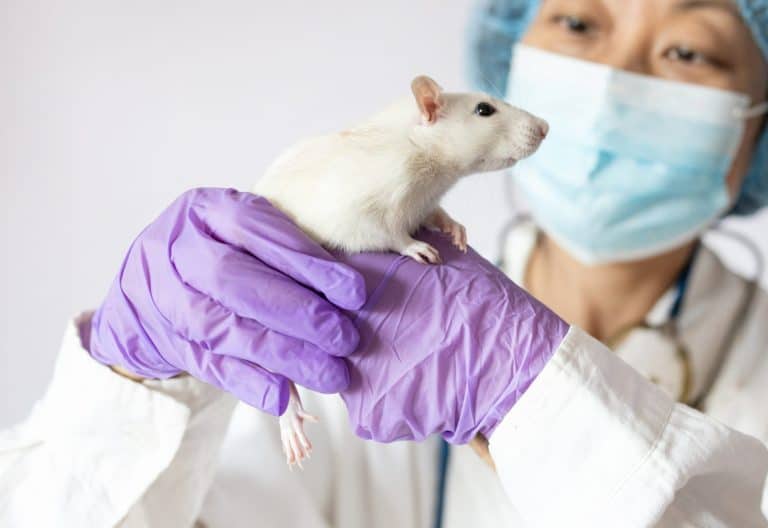
Researchers tested the vaccine in controlled laboratory studies with mice to determine whether it could reduce fertility. Female mice received injections containing different versions of the vaccine and were later allowed to mate. Scientists then measured pregnancy rates and litter sizes to compare vaccinated mice with untreated control groups. The results showed clear effects on reproduction.
Vaccinated mice produced far fewer offspring, with pregnancy rates dropping and litter sizes decreasing significantly. Across the experimental groups, fertility declined by about 59 to 67 percent, and the mice developed strong antibody responses against the IZUMO1 protein. These results show that the immune system recognized the target protein and interfered with fertilization, suggesting that targeting sperm proteins could be a useful strategy for wildlife contraception.
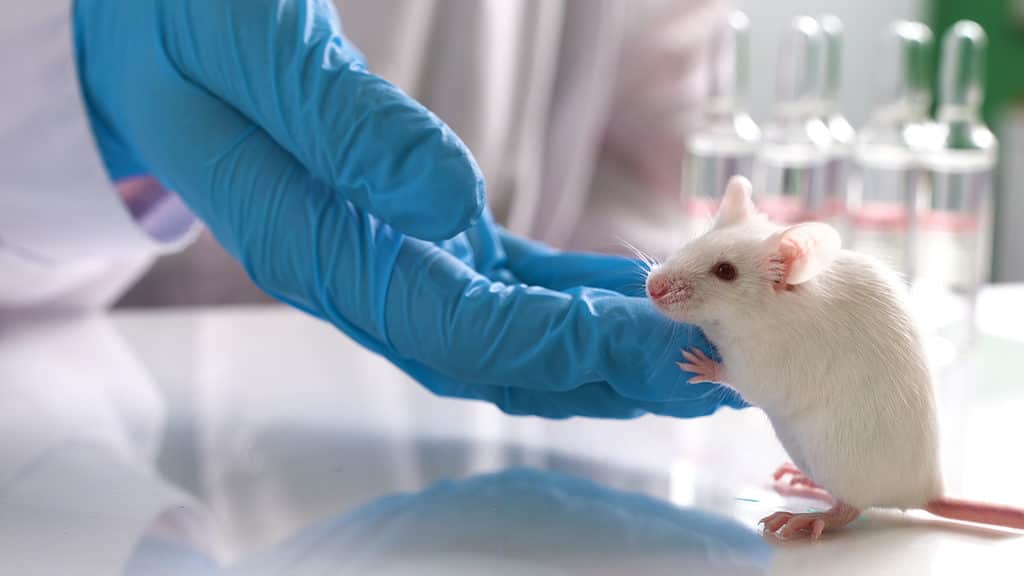
Mice in lab experiments had lower fertility when injected with the new vaccine.
©Egoreichenkov Evgenii/Shutterstock.com
The Role of Nanoparticle Delivery
Researchers also studied how different vaccine delivery methods affect effectiveness. One formulation used a nanoparticle system called NanoST. Nanoparticles are extremely small particles that can carry substances such as proteins or medicines into the body and help deliver them to immune cells. The NanoST system uses modified starch particles along with a compound that activates the STING immune pathway.
This strengthens the immune response. When the IZUMO1 protein was delivered using these nanoparticles, fertility declined more sharply than with several other formulations; fewer females became pregnant, and the number of offspring dropped significantly. Scientists are interested in nanoparticle delivery because it may create stronger and longer-lasting immune responses, which is important when treating wild animals that are difficult to capture repeatedly for booster injections.
What Are the Dangers of Environmental Contamination?
Nanoparticles used in the Purdue vaccine are made from modified starch. This is a plant-based material that breaks down naturally in soil and water. Unlike some industrial nanoparticles made from metals or synthetic compounds, starch particles degrade through sunlight, moisture, and microbial activity. Most nanoparticles remain inside vaccinated animals and are broken down during normal biological processes. Any particles that reach the environment are expected to break down relatively quickly rather than accumulate.
Another concern is whether the vaccine could affect animals that were not intended to receive it. The active ingredient is a protein that triggers an immune response against a sperm protein needed for fertilization. Proteins break down quickly during digestion. This means predators or scavengers that eat vaccinated animals are not expected to experience contraceptive effects.
The same applies to feces, since enzymes and microbes usually break down the proteins before another animal could receive an effective dose. A greater risk would involve non-target animals directly consuming vaccine bait if an oral version were developed. This is why wildlife managers design species-specific bait stations and control where treatments are used.
What Animals Could the Vaccine Work On?
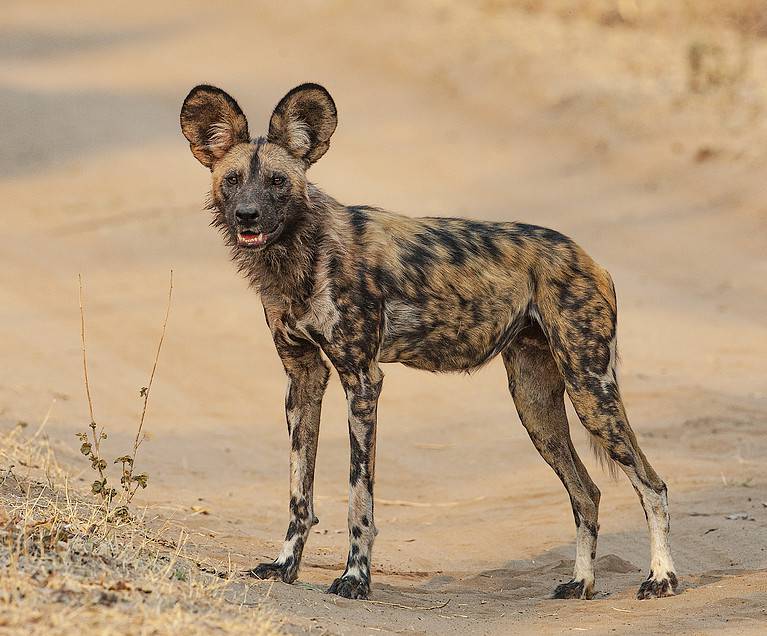
The contraceptive vaccine could be effective on many different mammal species.
©Georgi Baird/Shutterstock.com
The contraceptive vaccine being developed at Purdue is designed for mammals. It targets IZUMO1, a sperm protein that mammals use during fertilization when sperm fuses with an egg. Because this process is shared across mammal species, the vaccine could potentially be used in animals such as feral horses, deer, and wild pigs, which often experience overpopulation problems.
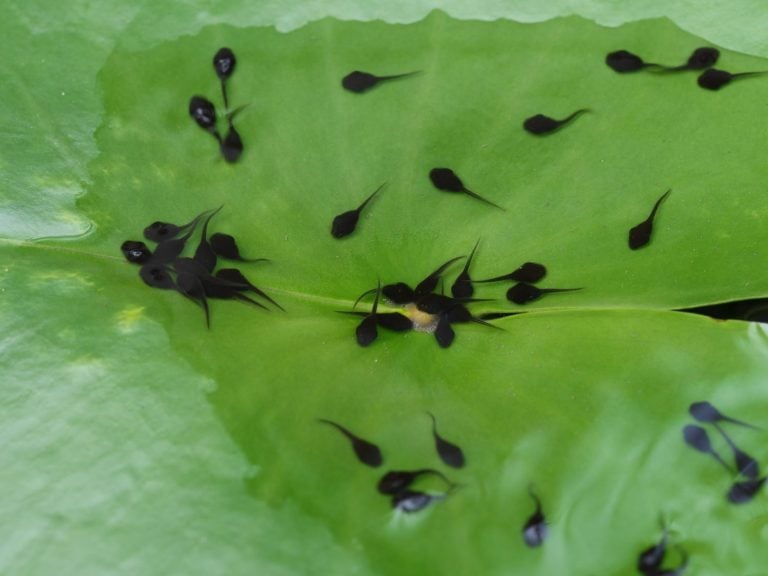
It would not work the same way in most birds, reptiles, amphibians, or fish. This is because many of these animals reproduce through external fertilization, where eggs and sperm meet outside the body. In those cases, antibodies produced by a vaccine inside the female’s body would not be able to block fertilization in the same way.
How Does It Compare to Human Contraceptives?
This experimental wildlife vaccine works very differently from most forms of human birth control. The Purdue vaccine trains the immune system to recognize a sperm protein called IZUMO1, which sperm need in order to fuse with an egg during fertilization. After vaccination, the body produces antibodies that attach to sperm and block this process.
Human contraceptives usually work in other ways. Many birth control methods use hormones to prevent ovulation, change cervical mucus, or alter the lining of the uterus. Others use physical barriers, such as condoms, or devices like intrauterine devices that prevent fertilization.
A vaccine like the one being studied for wildlife would likely not be used in humans. When the immune system learns to attack a protein, that response can last a long time and may be difficult to reverse. Human birth control methods are designed to allow fertility to return when a person stops using them.
An immune-based contraceptive could potentially cause infertility for years or permanently. This means it would be unsuitable for most people who want reliable but reversible contraception. For this reason, researchers focus on hormonal methods, barrier methods, and other technologies that provide more predictable and reversible fertility control.
Toward Humane Wildlife Management
Although laboratory results are promising, the vaccine is still under development and must be tested in larger mammals. Researchers hope to create a formulation in which a single injection could prevent reproduction for several years. Scientists are also studying delivery methods such as remote darting or oral baits. A project funded by the U.S. Bureau of Land Management will test the vaccine in wild horses to determine how well it works under natural conditions and how long the infertility effect lasts.
If future trials confirm the vaccine’s safety and effectiveness in free-ranging animals, wildlife managers may gain an additional tool for addressing population growth. Fertility control could complement existing management methods. It could also reduce reliance on lethal control in some situations. This would offer a way to manage wildlife populations while allowing animals to remain in their natural habitats.