
Quick Take
- Where a bee lives may decide whether it survives Australia's rising temperatures, more so than its species, and one type of home offers zero protection. See the research findings →
- Underground bees have a built-in climate shield that stem-nesting bees completely lack, and this advantage has nothing to do with biology. Explore the soil advantage →
- If stem-nesting bees disappear from Australia's tropics, the damage won't stop at wildflowers. It will reach supermarket shelves. See the crop impacts →
- Saving these bees may come down to one thing most gardeners do every autumn without a second thought. Discover the simple fix →
Australia is home to over 1,700 bee species. These species fall into categories that burrow in the ground, use trees to build hives, or use stems as a home for the colony. Native Australian stem-nesting bees have nowhere to hide when extreme heat scorches the country. Consequently, climate change may push them to extinction.
Australia’s Stem-Nesting Bees Are Vulnerable to Heat
Bees around the world are struggling to survive due to climate change. In Australia, the stem-nesting varieties are having an especially difficult time as extreme temperatures are becoming the norm rather than the exception.
According to a new study published in Nature Communications, stem-nesting bees are proving to be the most vulnerable to climate change. As the temperatures spike, these bees have nowhere to hide from the heat. Consequently, according to Dr. Carmen da Silva, lead author of the study and Research Fellow in the Pollinator Futures Research Centre at Macquarie University in Sydney, these are the bees that will be affected most in the short term.
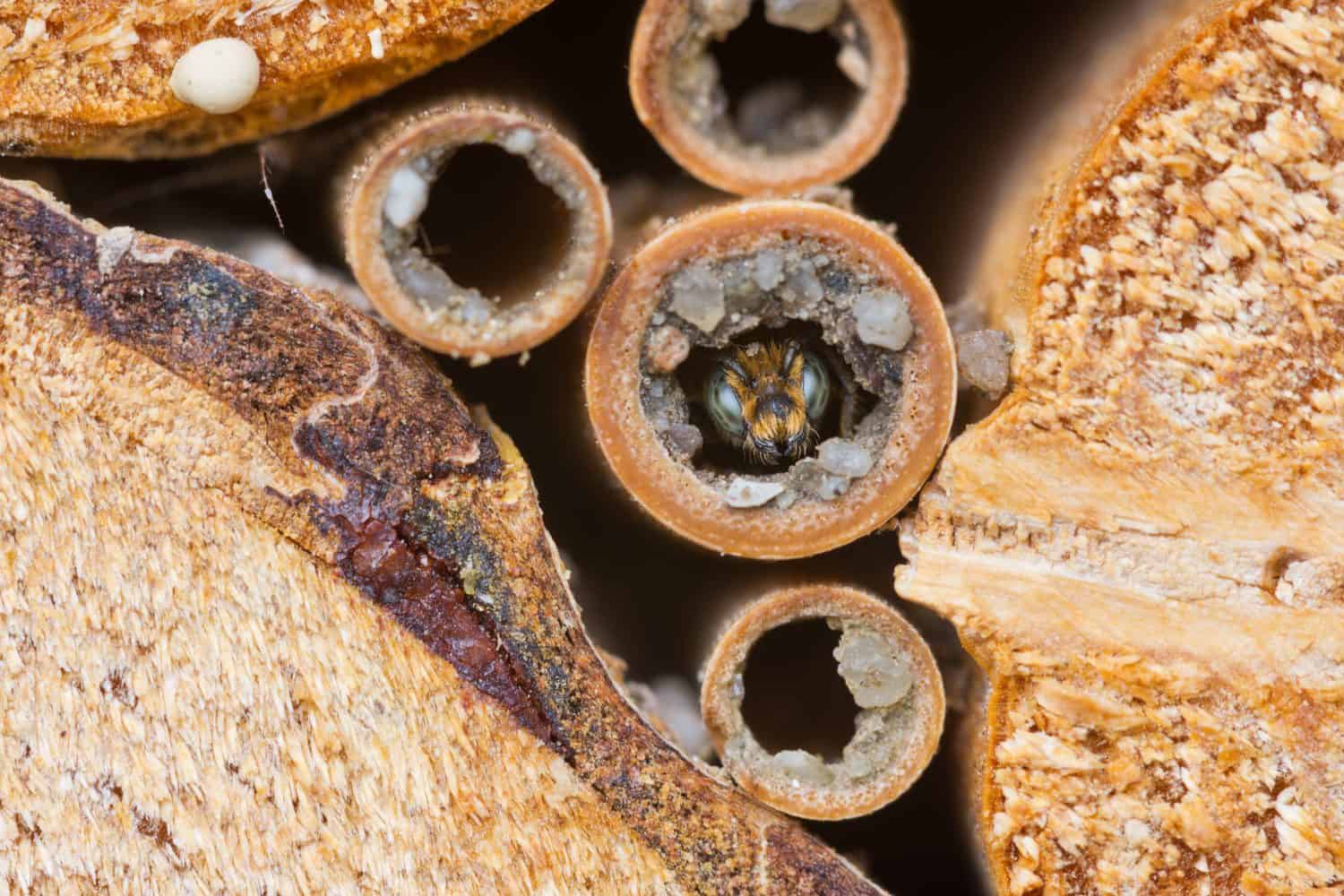
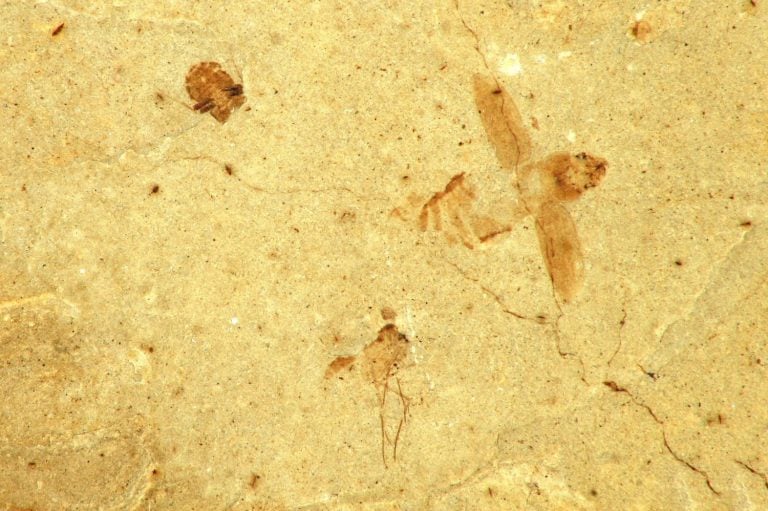
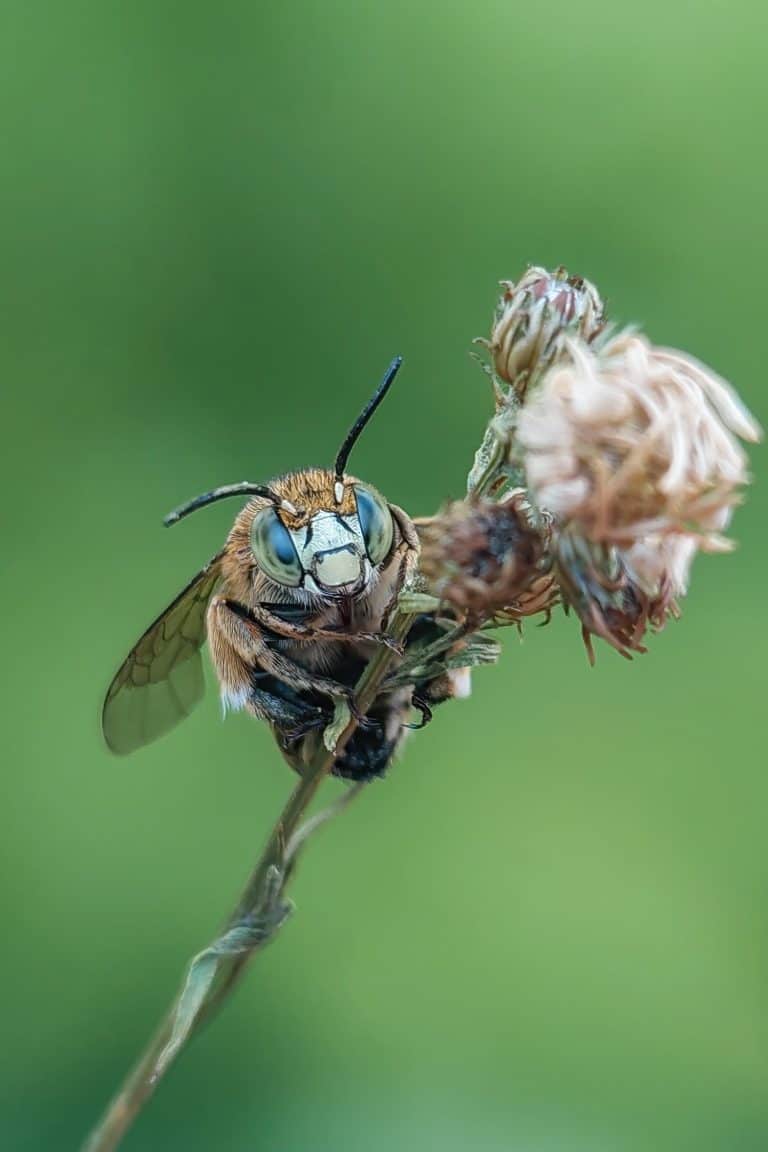
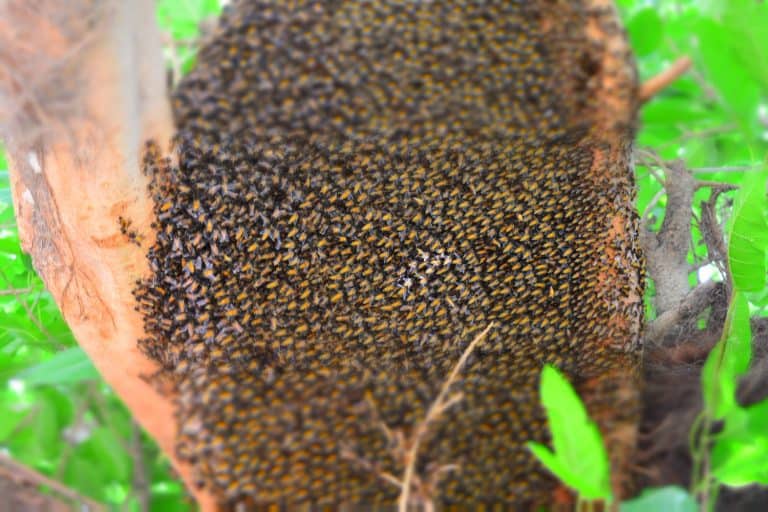
Stem-nesting bees are threatened by climate change and extreme temperature swings.
©Timelynx/Shutterstock.com
“Stem-nesting species appear to have the lowest capacity to escape unfavorable environmental temperatures,” da Silva stated in a press release, “and are likely to be the most impacted by anthropogenic climate change in the near term.”
The study, conducted by researchers from several Australian universities, found that among stem-nesting bee species, those living in tropical conditions near the equator were most at risk. This was determined after 95 different native species of stem-nesting bees found throughout Australia were examined.
However, this does not mean those living further from the equator are safe. Even in the cooler climates, the stem-nesting bees are being pushed to their temperature threshold. Therefore, the more extreme temperature spikes Australia experiences, the worse the chances are for the survival of stem-nesting bees.
Why Are Underground Bee Species Better Adept at High Temperatures?
Unlike stem-nesting bees, which essentially have no protection from rising temperatures, underground bees are quite well protected. This has to do with the ability to maintain stable temperatures in subterranean hives, thanks to soil insulation.
According to da Silva, underground bees experience fewer temperature swings than those living in stems.
“Bees that nest underground can hide from extreme heat,” da Silva explained in a press release, “as a result, they don’t experience temperatures as high as those that live above ground, particularly species that live in thin plant stems that offer very little insulation from the heat outside.”
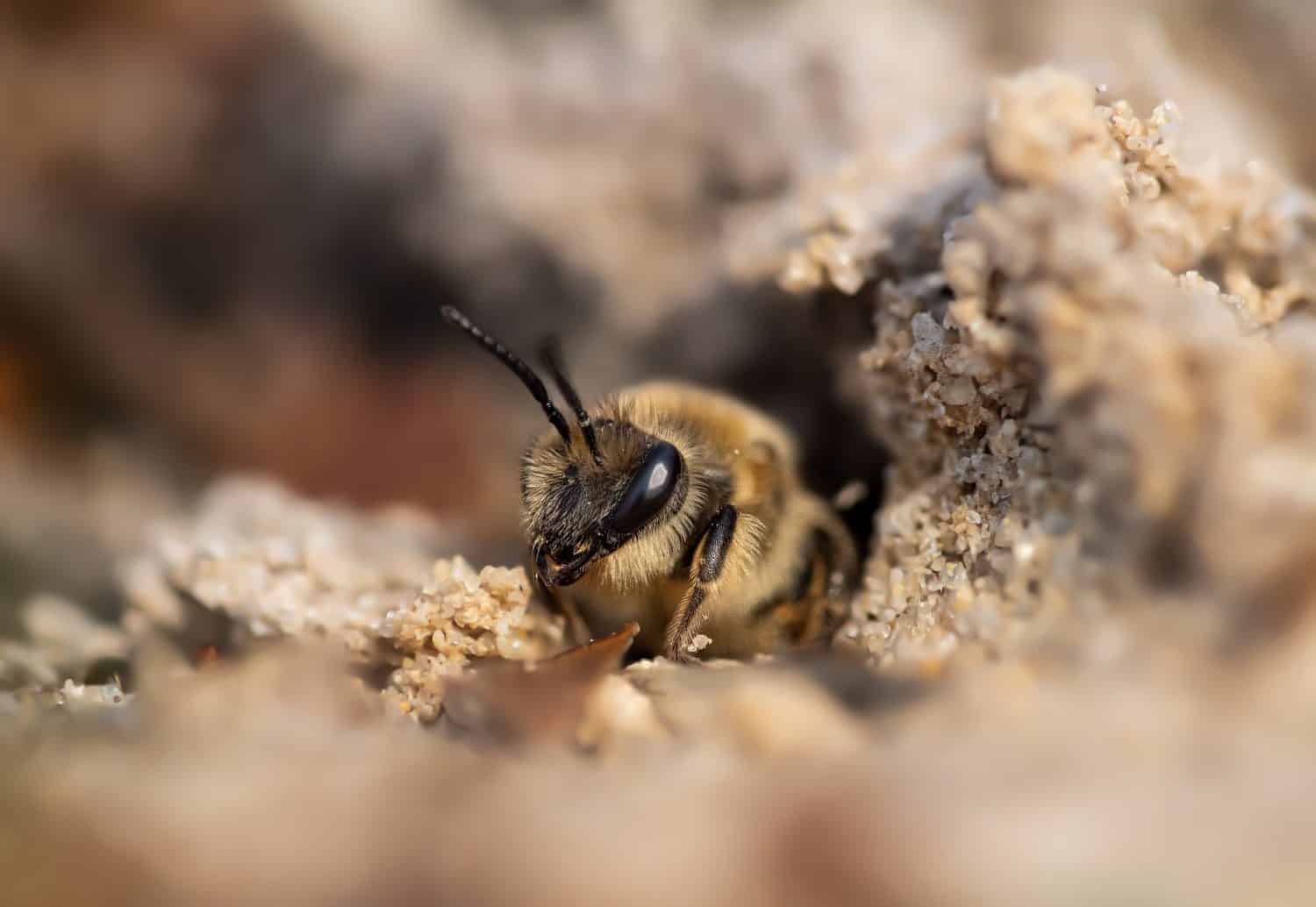
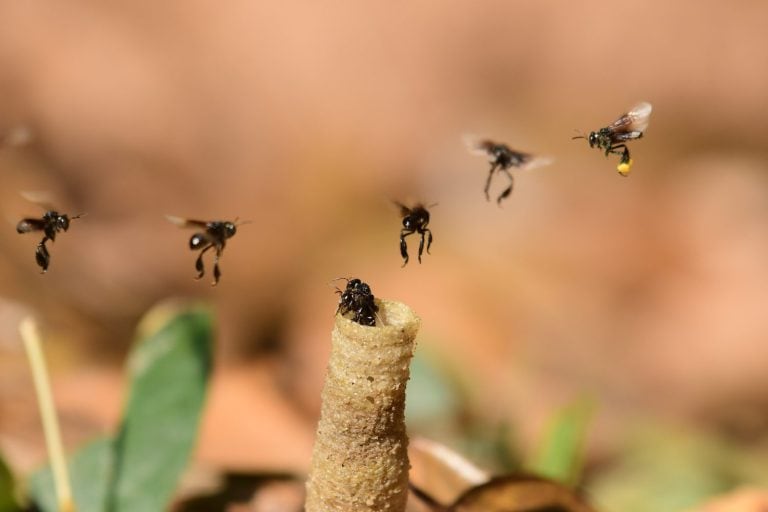
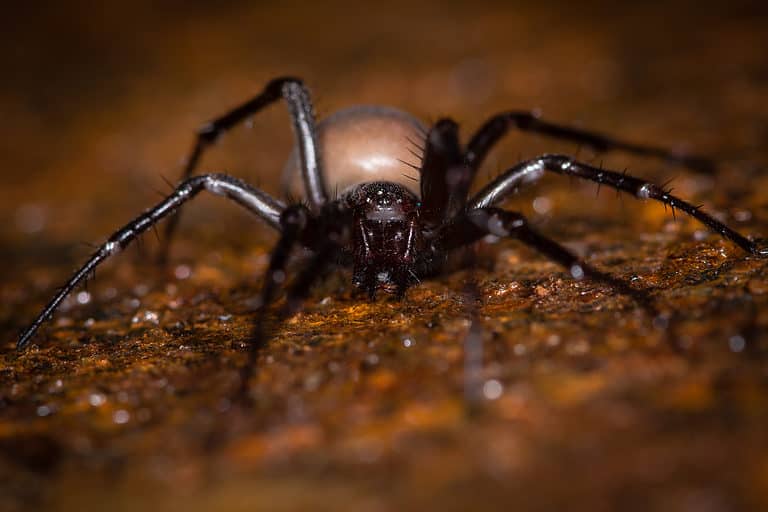
Subterranean bees have more insulation from temperature swings thanks to the soil that surrounds them.
©JKZ Photography/Shutterstock.com
The ideal temperature for bee species living underground is between 90°F and 97°F. This allows for proper larval development, which in turn strengthens the colony by increasing the population. Typically, this temperature range can be sustained by the colony. However, extreme temperature swings will harm the bees.
If temperatures dip between 40°F and 45°F for extended periods, or fall below freezing for more than seven days, according to Biology Insights, the internal temperature of the hive will plummet. Conversely, prolonged temperatures above 104°F will also be detrimental to subterranean bees.
Species of bees that live underground will fare better in the short term than stem-nesting bees as the planet’s temperatures increase. What the long-term effects will be has yet to be determined.
Why Stem-Nesting Bees Are a Critical Part of Their Ecosystem
Stem-nesting bees play an important role in their ecosystems by serving as pollinators. While not considered a keystone species, the bees have keystone-like qualities, making them a critical key in habitat health.
Were tropical regions not pollinated by stem-nesting bees, biodiversity would be lost. Not only would there be far fewer wildflowers, but fruit and nut crops would be negatively affected. This would cause financial strain for farmers in Australia with mango, avocado, lychee, and macadamia orchards, as their crops would not grow without the pollination provided by stem-nesting bees.
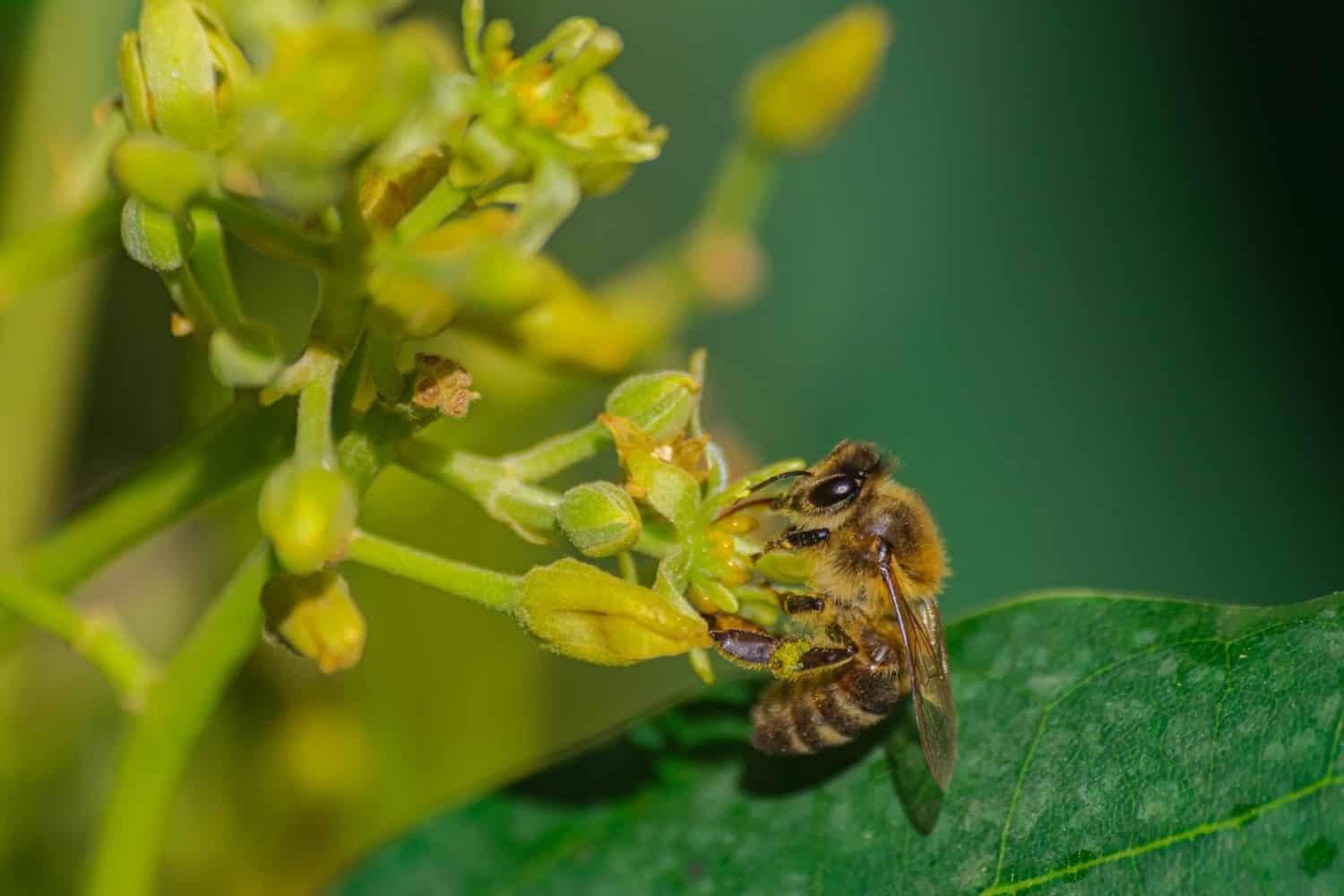
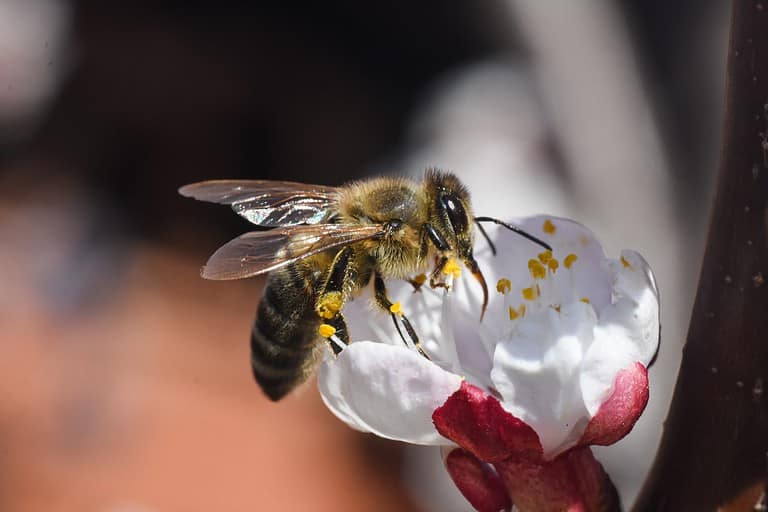
Avocado flowers will not produce fruit if stem-nesting bees are not around to pollinate them.
©Martin Leber/Shutterstock.com
However, stem-nesting bees cannot effectively pollinate if their habitats are cleared. Due to habitat loss and fragmentation, there are fewer places where bees can build their nests. Exact figures on how many stem-nesting bees have been lost in recent decades due to habitat loss are not available. However, due to both habitat loss and higher temperatures, these bees are a high-risk species group whose loss will be felt if they are pushed to the brink.
How to Save Stem-Nesting Bees
As global temperatures continue to rise annually, stem-nesting bees have to work harder than ever to survive. Does this mean that there is no hope for the bees, or is there still time for change to save them?
Compared to other bee species worldwide, much less is known about stem-nesting bees. According to Dr. Ros Gloag, co-senior author of the study and Evolutionary Biology Senior Lecturer at the University of Sydney, saving these bees lies in better understanding them.
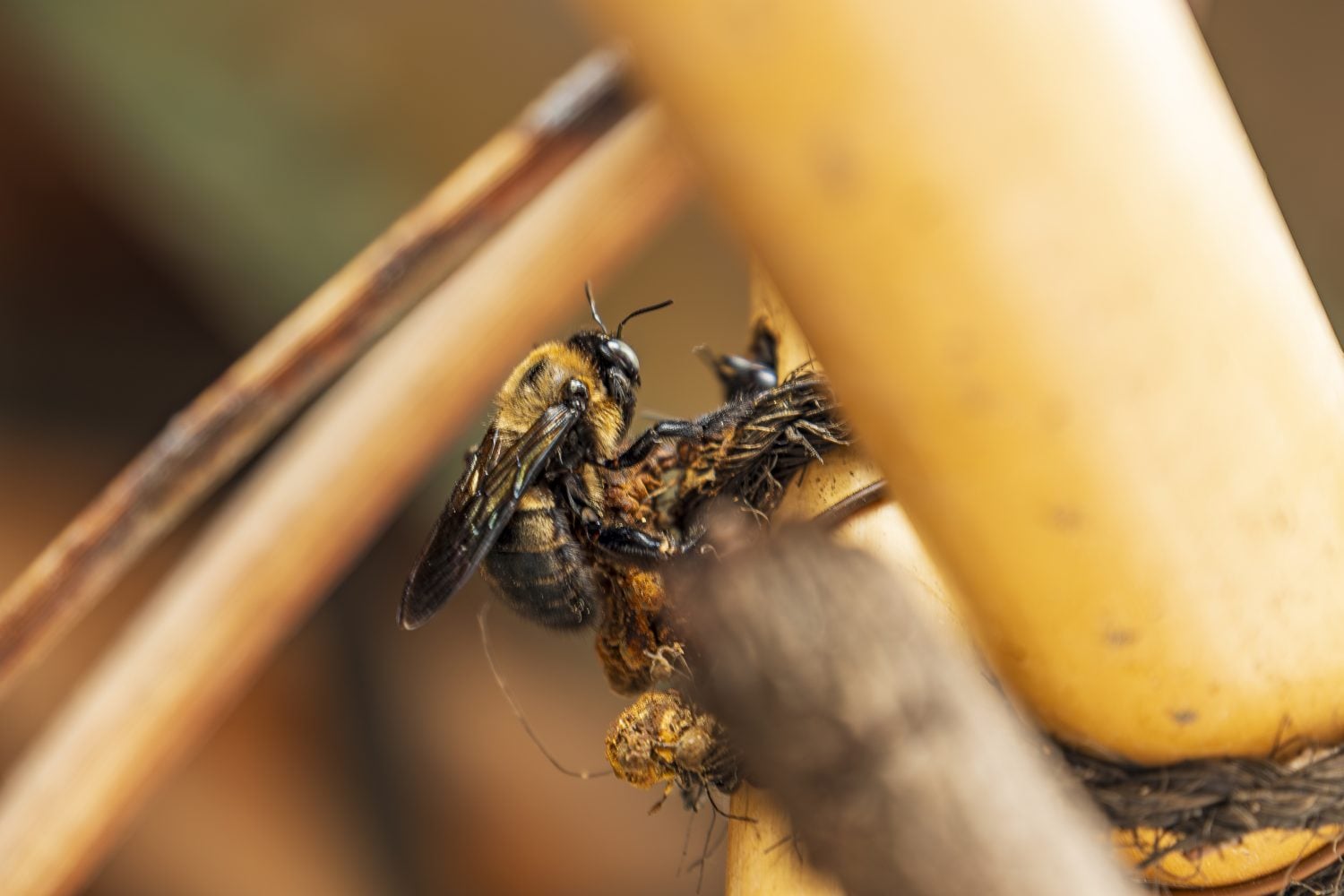
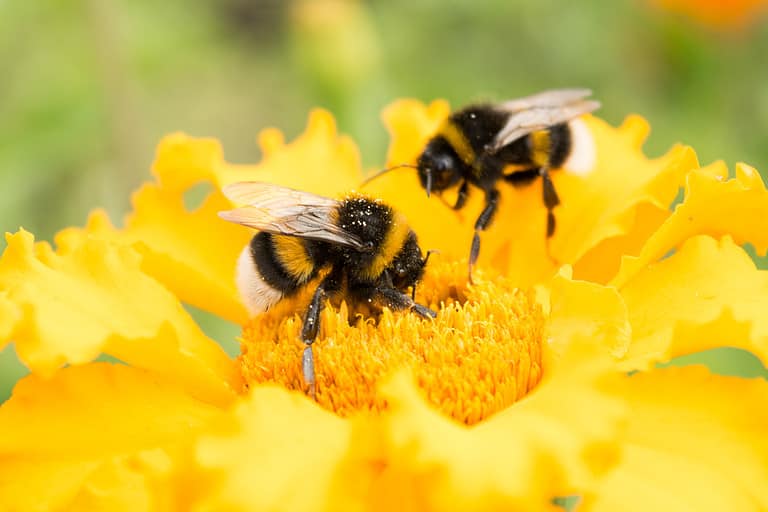
Conservationists believe stem-nesting bees can be saved if action is taken sooner rather than later.
©Hanneke Wetzer/Shutterstock.com
“We still know so little about most of Australia’s amazing native bees,” Gloag explained in a press release. “This study helps us recognize that having a better understanding of native bee behavior is key to identifying the greatest threats to their wild populations.”
Conservationists state that saving the bees can be done by protecting their habitats. Ways to help include:
- Do not clear stems at the end of the season, but leave them for bees to nest in the following year
- Trim stems after the first frost so as to not potentially disturb nests
- Do not use pesticides in gardens
- Contact professionals to relocate nests if they are located in an inconvenient spot in the yard
Currently, stem-nesting bees in Australia have managed to survive as global temperatures climb. But with these bees near their heat threshold, it is unclear whether they will be able to adapt to hotter temperatures or will be driven to extinction.