
Quick Take
- A pesticide designed to be safer than its predecessors is harming bees in a way no one thought to look for until now. See the approval history →
- Scientists found a connection between this pesticide and bumblebee reproduction that could reshape discussions about crop protection. Explore the reproduction findings →
- The EPA still calls it safe, but a new study reveals what that approval didn't account for. See what the EPA missed →
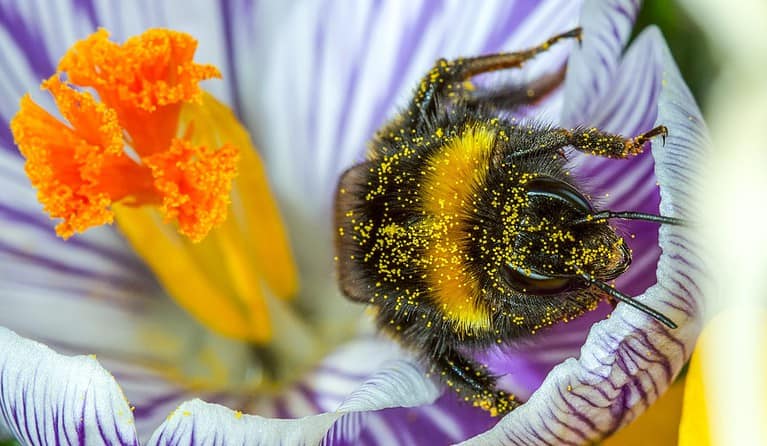
The American bumblebee population has declined by 90% over the last two decades, while other North American bumblebee species have also experienced significant, varying declines. Pesticide use is a driving force behind the decline of many vulnerable and threatened species. Some bumblebee species have already disappeared from certain states, with factors such as climate change increasing the harmful effects of pesticide toxicity.
A recent study by Georgia Tech reveals a new connection between sulfoxaflor — a next-generation pesticide — and disruptions to bumblebee reproduction and gene expression. And while its use may be well-intentioned, it’s also crippling the DNA of many worker bees responsible for our pollination. This link matters more than ever as the world slowly watches our pollinators meet an uncertain fate.
What Is Sulfoxaflor?
Sulfoxaflor was approved by the Environmental Protection Agency for insecticidal use in 2013. According to the EPA, it poses no significant risk to humans and is low-risk to wildlife. This was based on studies conducted prior to its registration, compared with other pesticides that pose a greater threat to pollinators. It was also approved because of its short shelf life.

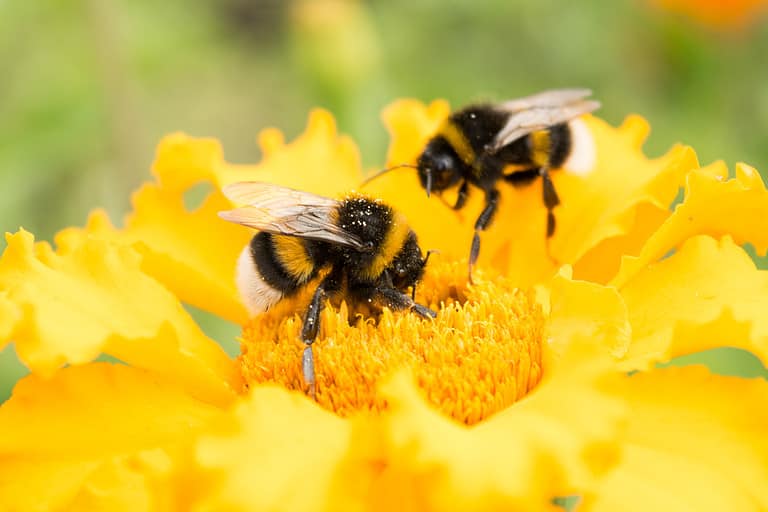
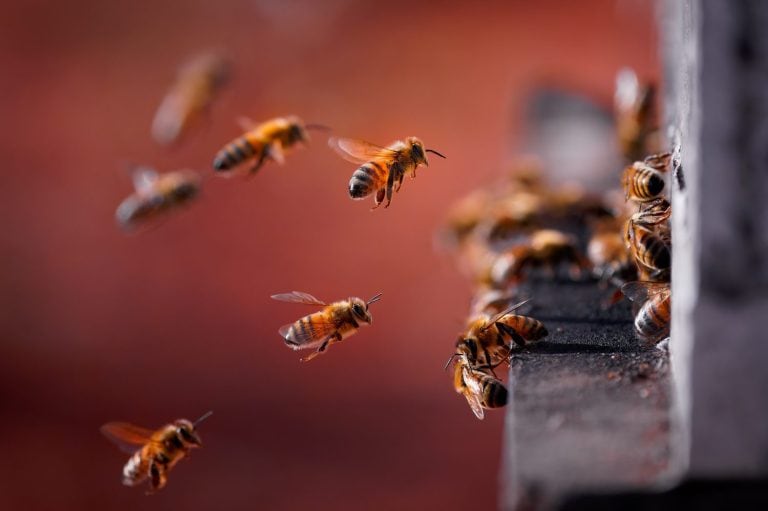
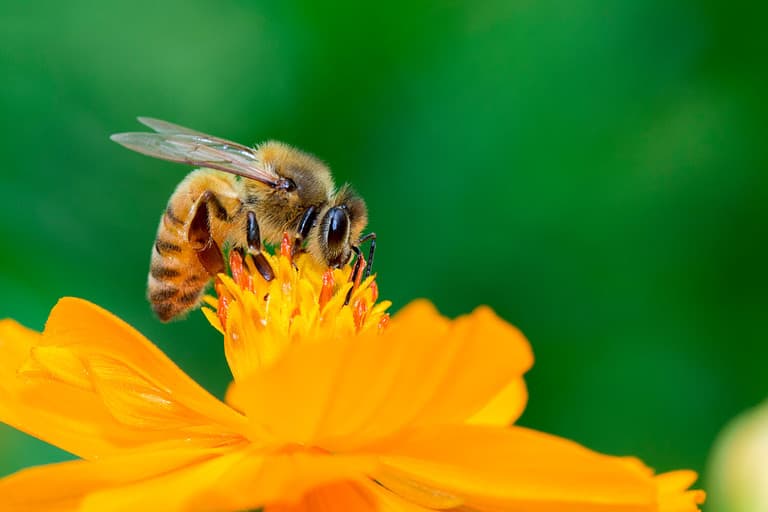
Sulfoxaflor was approved for use in 2013, but its long-term effects on pollinators are still being studied.
©Valentin Valkov/Shutterstock.com
Unlike neonicotinoids, which are derived from nicotine and to which many pests have developed resistance, sulfoxaflor is a sulfoximine. Its unique chemical structure is intended to overcome high resistance rates, making it a more effective pesticide overall. Because sulfoxaflor breaks down more quickly in the environment than neonicotinoids, the EPA considers it safer, as the exposure risk to non-target wildlife is lower.
As the targeted plant absorbs the pesticide, new growth is protected from pests that feed on its sap. In theory, this makes sulfoxaflor marginally safer for pollinators compared to other pesticides used in the past. However, sulfoxaflor can still cause acute and chronic toxicity. Georgia Tech’s study explains why this occurs and what the long-term risks are for pollinators such as bumblebees.
Sulfoxaflor Disrupts Bumblebees At a Molecular Level
Researchers at Georgia Tech found that sulfoxaflor not only causes acute symptoms in bumblebees but also disrupts reproduction and suppresses certain genes. The study, funded by the U.S. Department of Agriculture, focused on small test groups of bumblebees that were exposed to the pesticide. Over a short period, the researchers closely monitored the bumblebees and recorded any changes in their behavior and physiology.
To analyze gene activity, tissue from the bees was flash-frozen. Researchers then analyzed the RNA sequences in the tissue, noting significant differences pre- and post-exposure to sulfoxaflor. This led the team to a startling discovery.
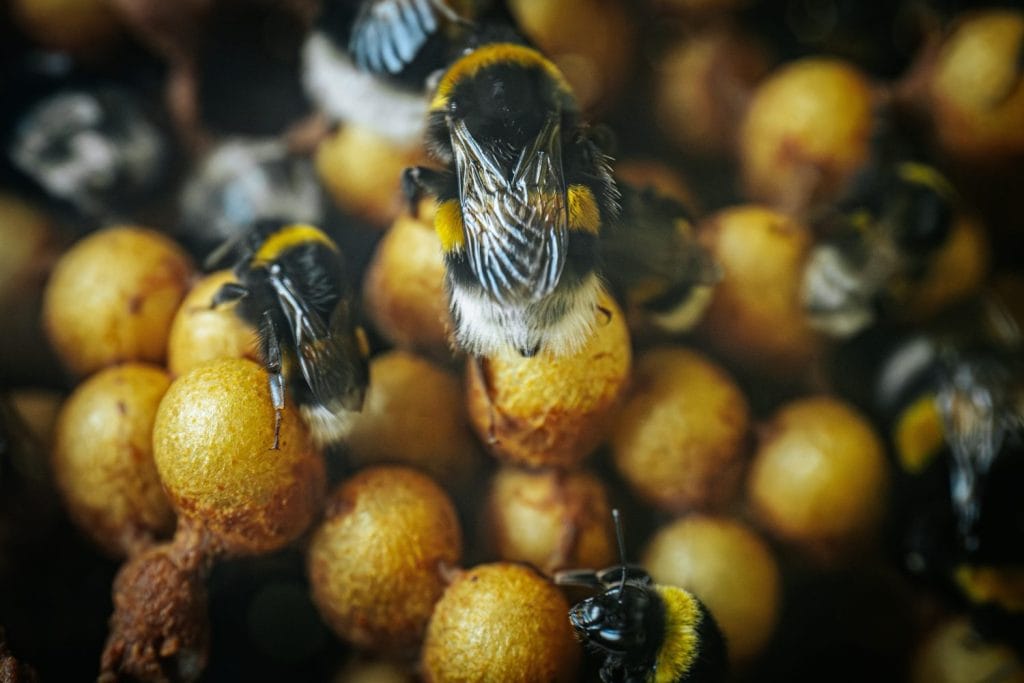
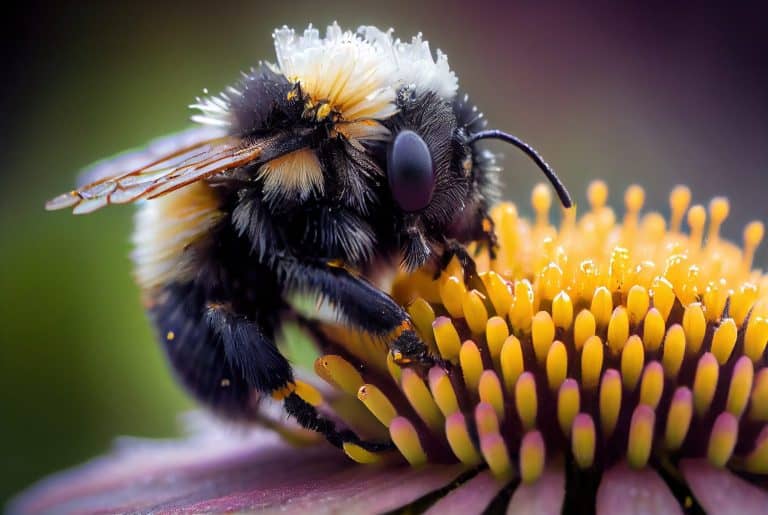
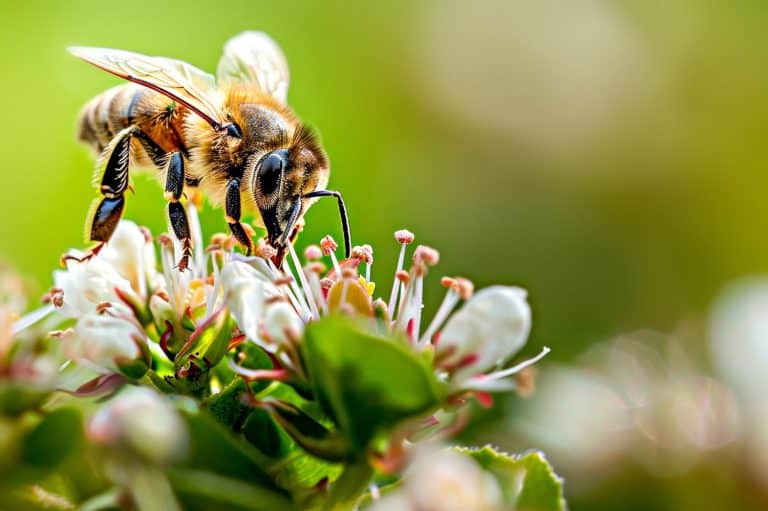
If bumblebee reproduction rates decline, we could face an even more dire scenario with fewer pollinators to grow crops.
©Emvat Mosakovskis/Shutterstock.com
At the molecular level, the pesticide altered gene expression in the bumblebees, primarily affecting their ovaries. This suggests that exposure to sulfoxaflor could decrease bumblebee reproductive rates. “What makes this study exciting is that it connects molecular changes in gene expression to real-world consequences for individual bees and their colonies. That type of connection is rare and gives us a much clearer picture of how pesticides affect bees,” said Michael Goodisman, a professor in the School of Biological Sciences.
The Discovery Creates a Tricky Challenge
The hard truth, according to Sarah Orr, who led the research as a postdoctoral fellow at Georgia Tech, is that pesticides are necessary to control crop pests. However, she adds that we also have an environmental responsibility to protect the pollinators that help those crops grow. It’s a challenging tightrope to walk when bees are at stake, as pests have the potential to devastate entire fields of crops. We simply can’t have crops without pollinators, nor can we ignore the need to control pests.
Similarly, if bumblebee populations decline due to lower reproduction rates, crops will also suffer. If this occurs, the amount of pesticide used by farmers will be irrelevant if their fields are not being pollinated. The Georgia Tech study is drawing much-needed attention to the catch-22 that the agricultural industry is currently facing.
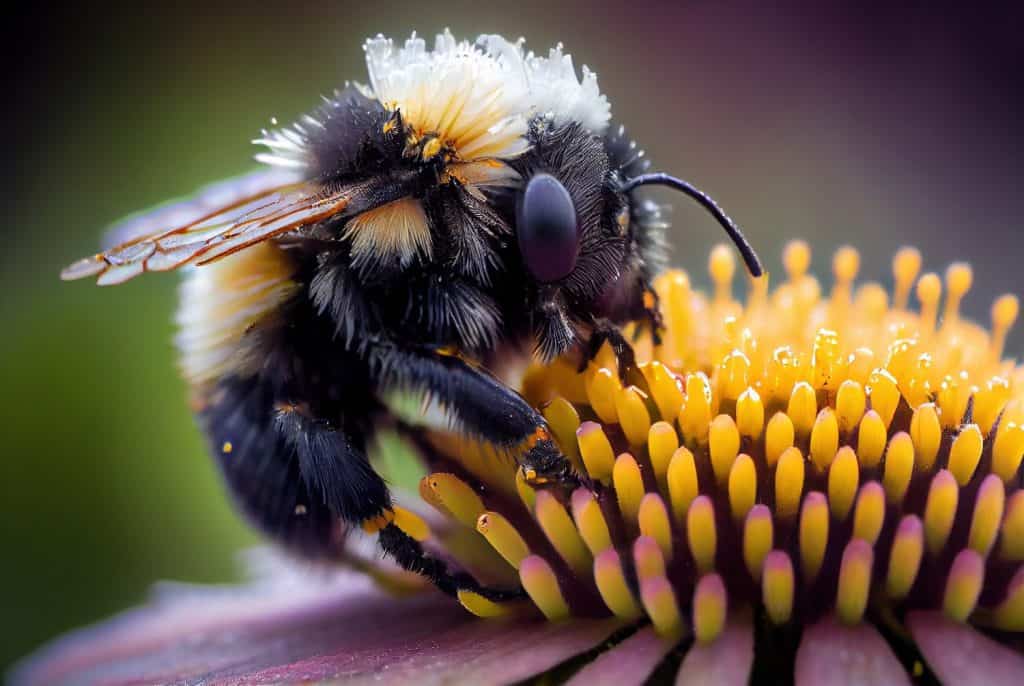
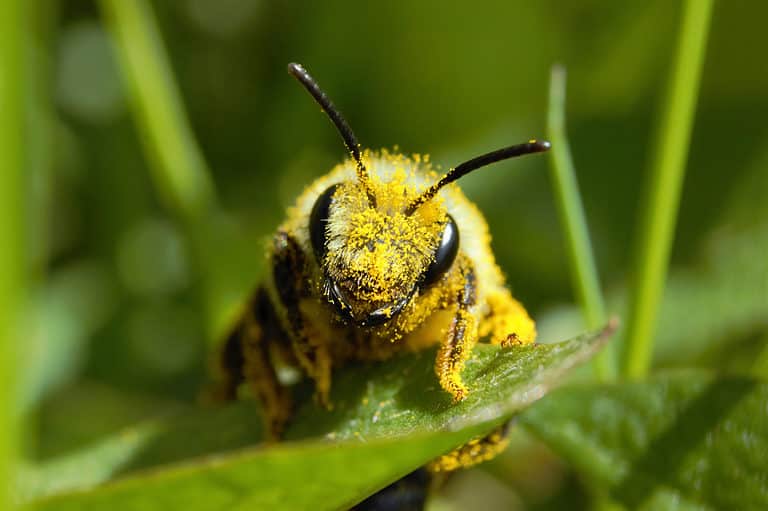
All pesticides carry risks because they are designed to affect living organisms.
©ArtEvent ET/Shutterstock.com
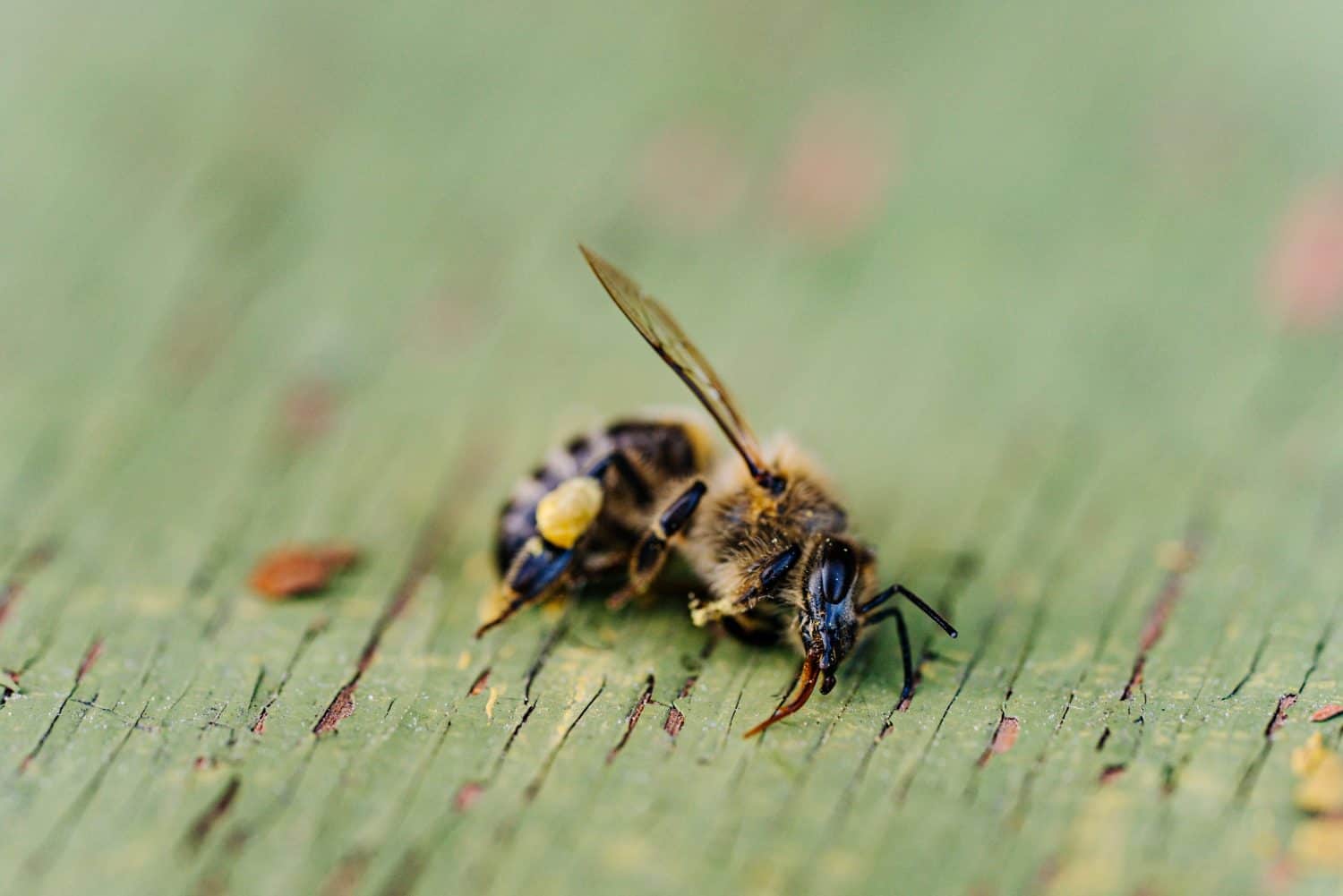
The EPA still deems sulfoxaflor a safe pesticide, but its long-term ramifications on pollinators are not yet fully understood. Its neurotoxins are highly effective at killing many unwanted pests almost instantly, but the pollinators exposed to the chemicals still suffer, even if the exposure is not fatal. Although the study focused solely on bumblebees, research is ongoing to determine the pesticide’s effect on other insects, such as honeybees and butterflies.