
Quick Take
- Elephants drink water in a way that no bottle mimics, and the article explains why that matters to a calf.
- Nearly seven months of confinement had one purpose, and a missing 'hook' kept the next step on hold.
- Meeting the herd stirred up jealousy, a defender and an unexpected adoption.
- Her slow feeding routine created a new problem among the other orphans, and someone unexpected stepped in.
Serenget was about 2 years old, still nursing age, when she arrived at the Sheldrick Wildlife Trust‘s Voi unit in Kenya with a bullet wound in her front leg. Keepers offered her milk from a bottle, from a bucket and in different formulas. She “flatly refused every attempt,” the Trust wrote in its rescue account, published March 10, 2026.
The refusal helped keep her confined. With the calf in a “tenuous state,” the Trust wrote, keepers were hesitant to take her on an excursion without the “hook” of the milk.
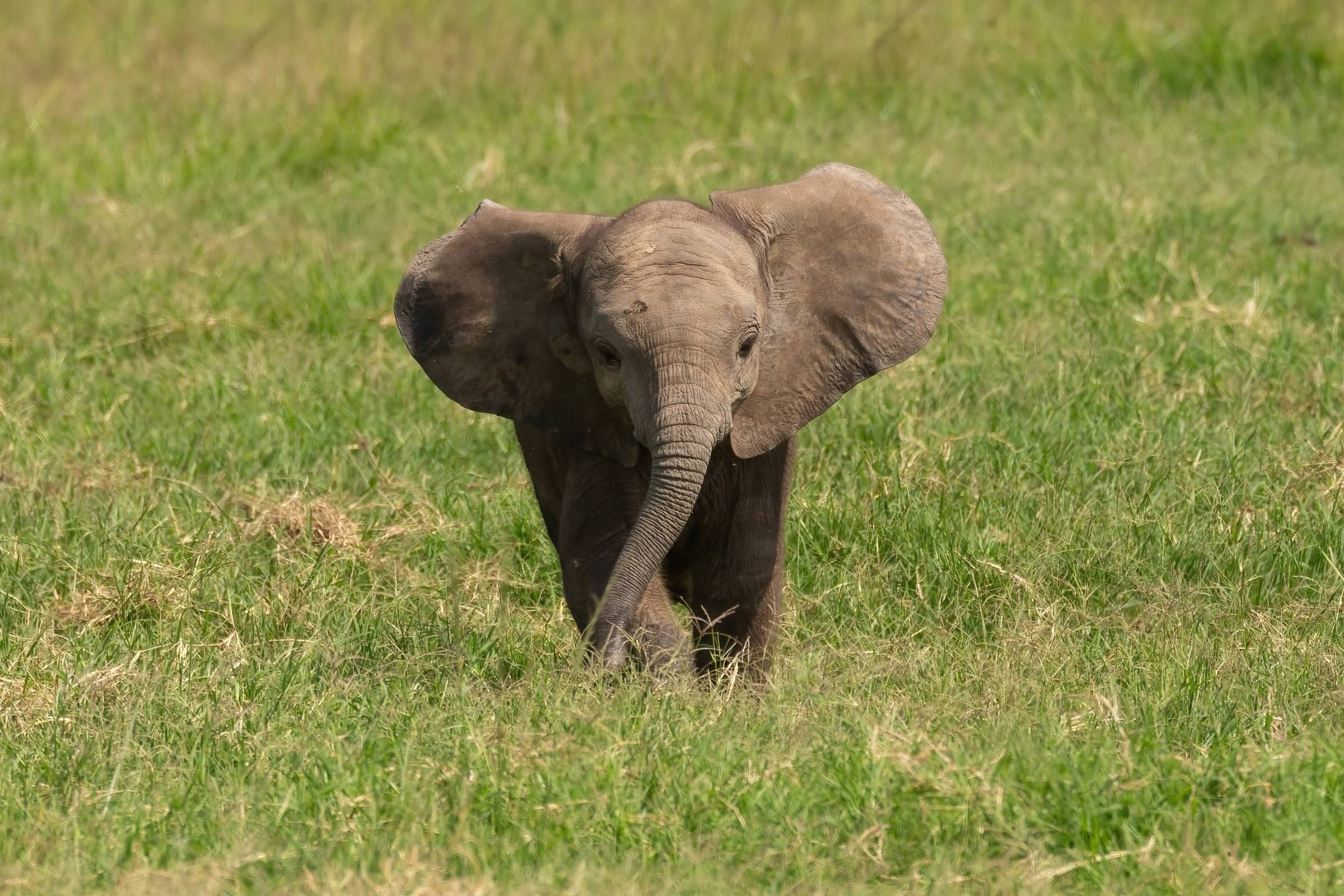
The fix came early in 2026, after her wound was declared healed. A keeper poured milk into the tip of her trunk, Serenget signaled when it was full to the brim, and she tilted it into her mouth. Sip by sip, she finished two full bottles.
It’s slow, and the other orphans noticed. Keepers wrote in the Trust’s March 2026 Voi diary that two of them, Epiya and Losoito, hung back one afternoon hoping to pinch her milk, and keepers had to stand guard. By July an elephant was doing the guarding: Busara, a youngster who had once been jealous of her.
A water-truck driver spotted her under a tree
On July 23, 2025, a Trust driver delivering water to the Lake Jipe anti-poaching team in Tsavo West National Park saw a lone baby elephant huddled beneath a tree. The team sent to check found her thin, frightened and able to manage only a few hobbling steps. She had a deep bullet wound on her front leg joint, which the Trust suspects came from human-wildlife conflict.
Kenya Wildlife Service authorized the rescue, and she was taken to Voi, where the Trust’s “Voi Hospital” neighbors a mobile vet unit’s headquarters.
Nearly seven months on bed rest
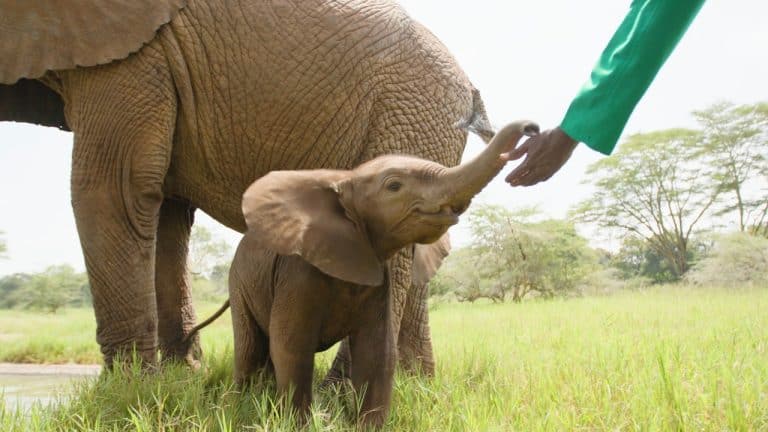
A week after the rescue, Dr. Limo, the vet treating her, was guarded about her prognosis and advised that she stay in her stockade so the leg could heal without added stress. Keepers filled it with a bed of hay and tied fresh grewia branches to every post. The shy calf who once hid in the far corner began stepping toward them, then reaching out her trunk.
The bed rest lasted nearly seven months. In January 2026 she was still refusing milk.
She drinks milk the way adult elephants drink water
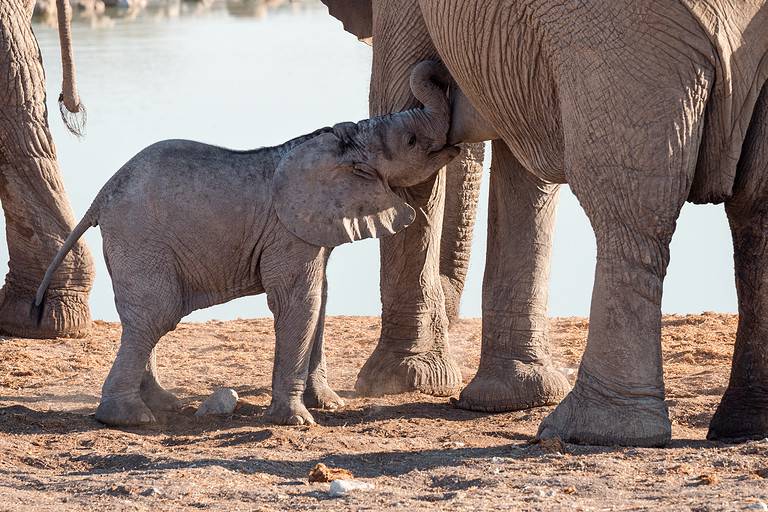
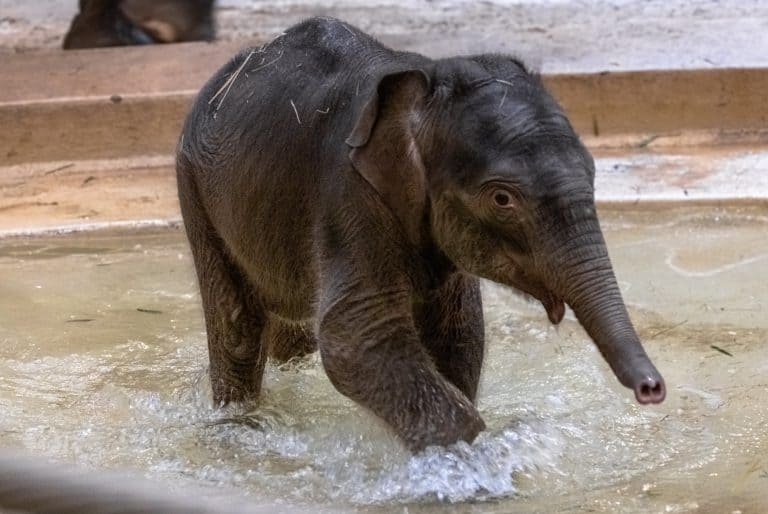
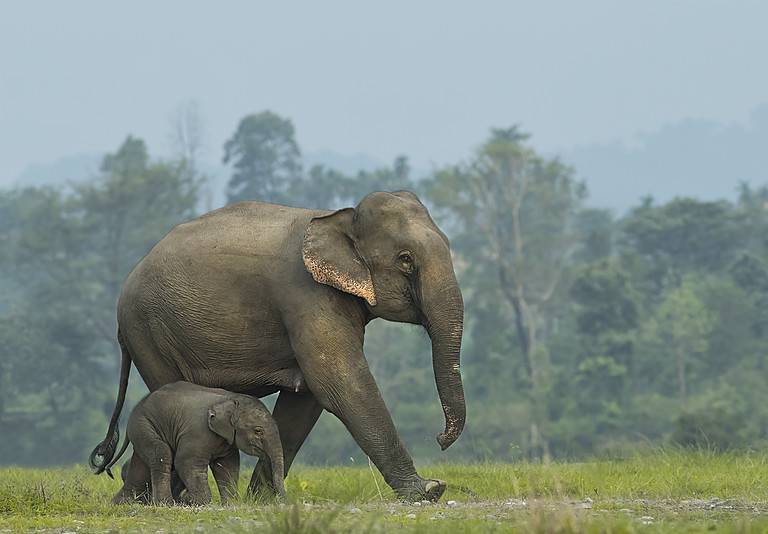
A calf nurses with its mouth and is clumsy with its trunk at first, according to San Diego Zoo Wildlife Alliance. Calves gain 2 to 3 pounds a day on average in their first year and no longer need to nurse by 2 to 3 years old. Serenget was at the young end of that window when she was rescued.
Adult elephants drink by sucking water only part way up the trunk, curling it toward the mouth and letting it pour in. Serenget does the same with milk, with a keeper doing the filling. In the February 2026 diary, keepers wrote that they hoped she would pick up regular bottle feeding as the month went on.
The two oldest elephants introduced her to the herd
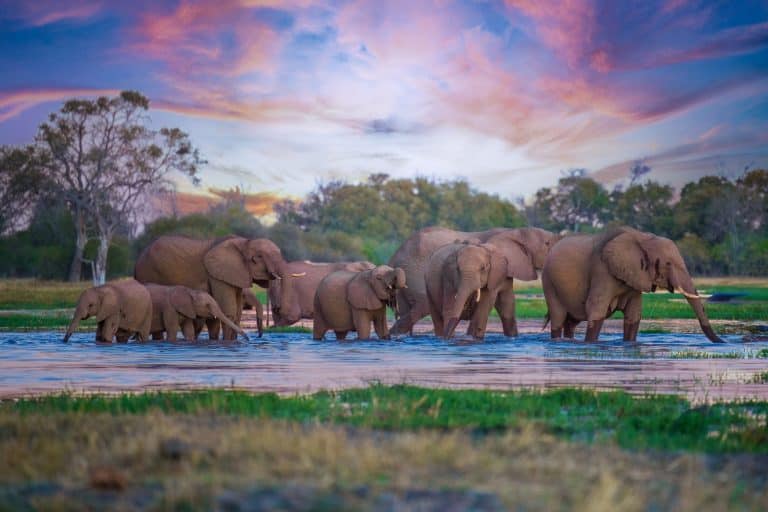
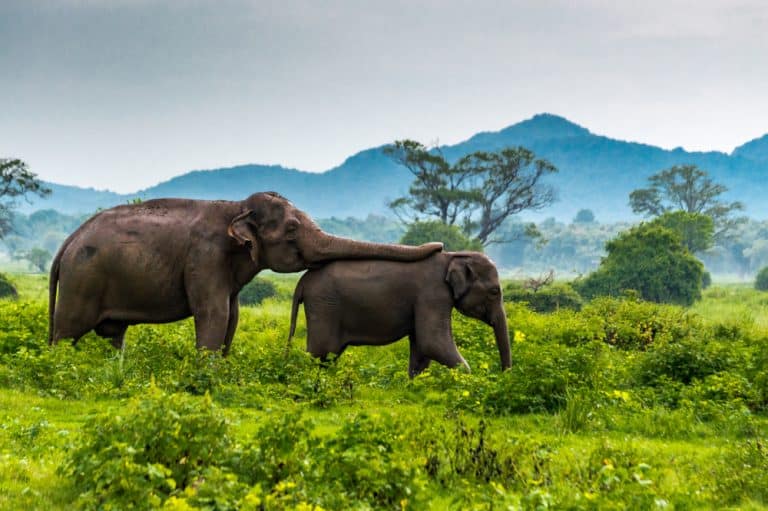
On the morning of Feb. 5, 2026, Serenget was ushered out of her stockade to meet Lemeki and Thamana, the herd’s two oldest elephants. They laid their trunks over her head and along her back, then introduced her to every member.
Busara and two other youngsters, Baraka and Losoito, saw they’d been replaced as the smallest and made jealous moves to push her, until Lemeki stood tall to defend her.
In April, keepers wrote in the Voi diary, Losoito sprinted up behind Serenget on the way to a feed, trumpeting loudly in her ear. Serenget got so overwhelmed that she ran straight past the keeper holding her bottle and kept going. Keepers had to walk over to make sure she got her two bottles.
The jealous youngsters became her guards
Rokka, one of the older females, adopted Serenget first, and by June a herd mate named Ushindi had taken over.
One afternoon in July 2026, keepers wrote in that month’s diary, Losoito tried to snatch Serenget’s bottle while she was slowly finishing it. Busara, who had finished her own milk and was standing guard, pushed Losoito away.
Another morning, keepers wrote, Busara held back from the lucerne while Serenget, a slow eater, worked through her pellets. When Busara tired of waiting, she “rumbled for reinforcements.” Ushindi came running, the two swapped places, and Busara walked off, “satisfied that Serenget had a protector.”
On Aug. 4, 2026, the Trust posted on Instagram that the herd’s big girls now wait for her at every feed. “Not one of them heads to the mud bath until her very last sip is done,” said Philip, one of her keepers. “They walk as a family. No one is ever left behind.”
Serenget is now 3, the age by which calves no longer need to nurse. As of the July 2026 diary, she still drinks only from her trunk.