
Quick Take
- Killing one elephant can quietly doom an entire generation, and the reason has nothing to do with herd size. See the generational impact →
- Elephants share a cognitive ability with humans that most people assume animals simply can't possess. Explore their cognitive abilities →
- International laws ban ivory trading, yet poaching keeps accelerating. The reason is more straightforward than anyone wants to admit. Understand why poaching persists →
- Without elephants, entire ecosystems don't just struggle. They lose an architect that most other species depend on to survive. See their ecosystem role →
Elephant populations are decreasing rapidly. Some species now have populations that are only 10% of what they were just a few decades ago. Poaching has historically been the main cause of elephants’ decline and remains their biggest threat today. Perhaps most heartbreaking, elephants are memory keepers with incredible emotional and cognitive intelligence. Consequently, they remember both herd and family members killed and the trauma that goes along with it.
The memory and intelligence elephants possess can bring them tragic memories, but these qualities should also be celebrated. It is this intelligence that helps elephants create strong bonds, solve problems, and work together—qualities that can be appreciated on Elephant Appreciation Day, September 22, 2026.
Continue reading
Elephants’ Cognitive and Emotional Intelligence is Similar to Humans’
Elephants display remarkable cognitive and emotional abilities, including memory, problem-solving, self-awareness, and empathy. While their abstract thought may not be as advanced as ours, their cognitive and emotional intelligence is. Despite this, they continue to be targeted by poachers, leaving many elephants with memories and trauma that follow them, in some cases, for a lifetime.
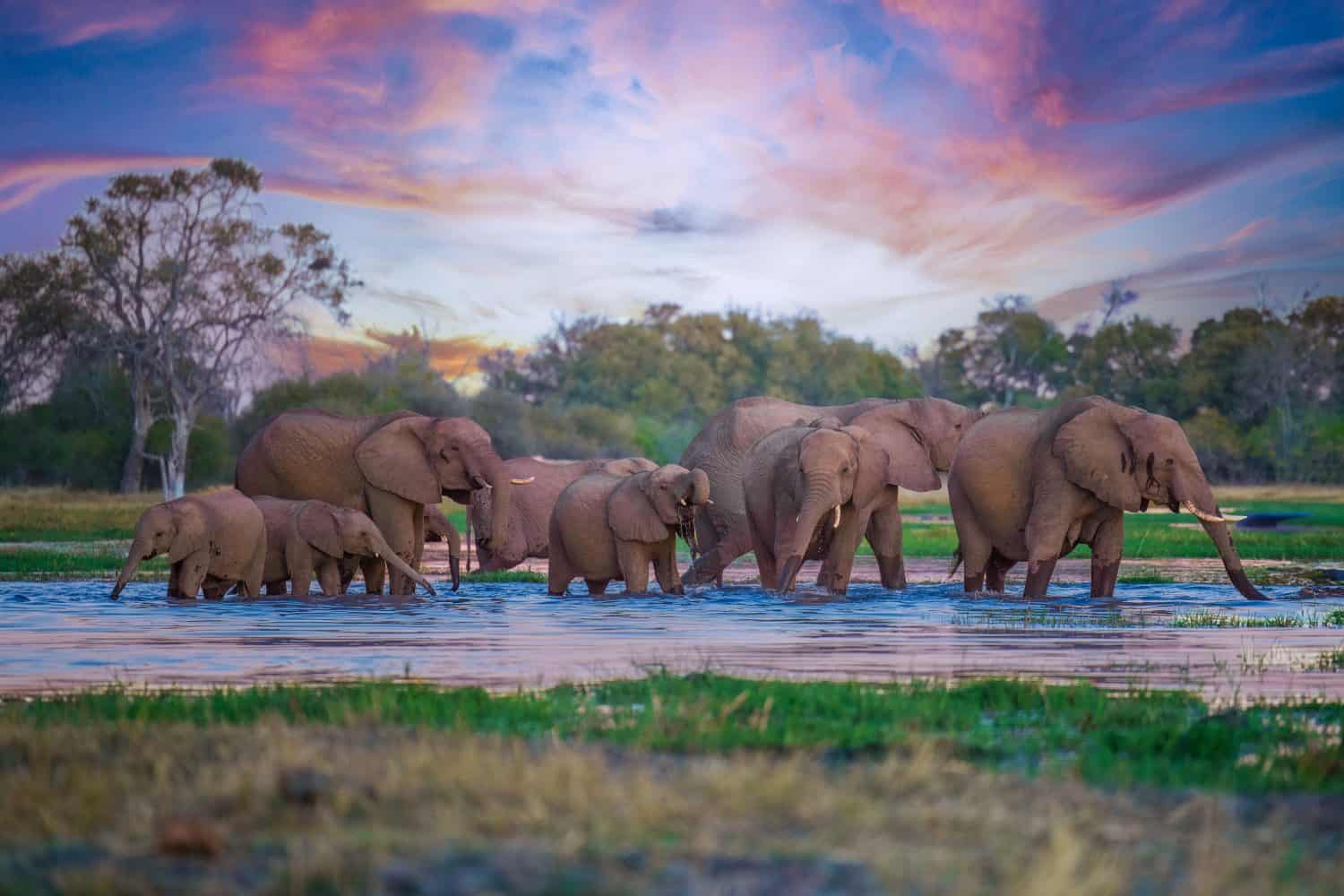
Elephants are highly aware of their herd members’ feelings. They recognize when other elephants in their herd need comfort and provide it. Elephants may detect signs of distress in calves and attempt to comfort them
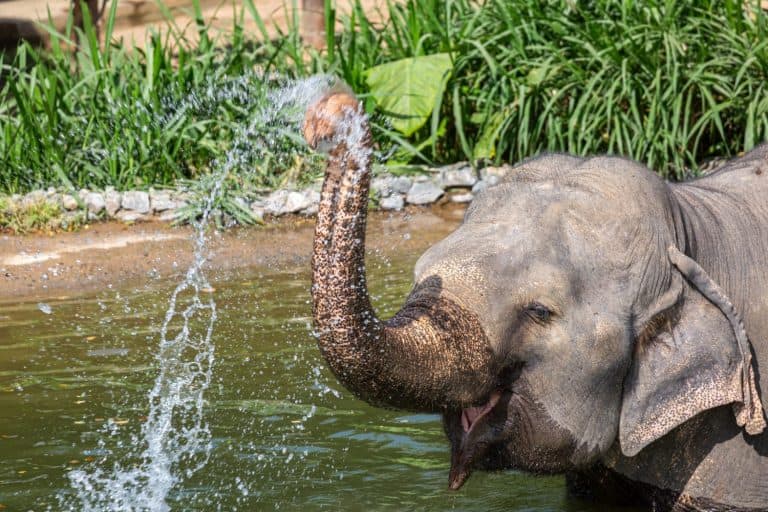
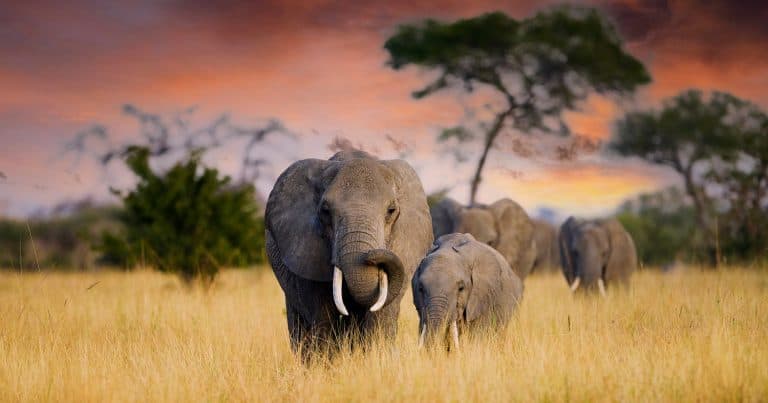
Elephants have incredible emotional and cognitive intelligence that helps them with their social and hierarchical bonds.
©Stu Porter/Shutterstock.com
Elephants are capable of self-awareness as well. Because of this self-awareness, they can adjust their moods. This ability helps elephants maintain relationships and build emotional bonds with herd members.
When it comes to cognitive intelligence, elephants have many strengths that mirror those of humans. Some examples of cognitive intelligence observed in elephants include:
- Long-term memory that can last for decades in some instances
- Social intelligence in the form of family bonds, how elephants mourn, and how elephants work together to achieve a common goal
- Problem-solving, as seen in their use of tools and trial-and-error learning
- Ability to recognize themselves in reflections
Perhaps if people recognized just how intelligent elephants are and how many traits they share with humans, fewer would be needlessly killed for profit. Then elephants might stand a chance of survival rather than facing the fear of their extinction in the coming years.
How Does Losing Family Members to Poaching Affect Elephants?
When discussing the loss of elephants to poaching, the focus tends to be on the reduction in herd size and the amount of ivory seized annually. What is less often discussed is how losing family members affects elephants socially and emotionally.
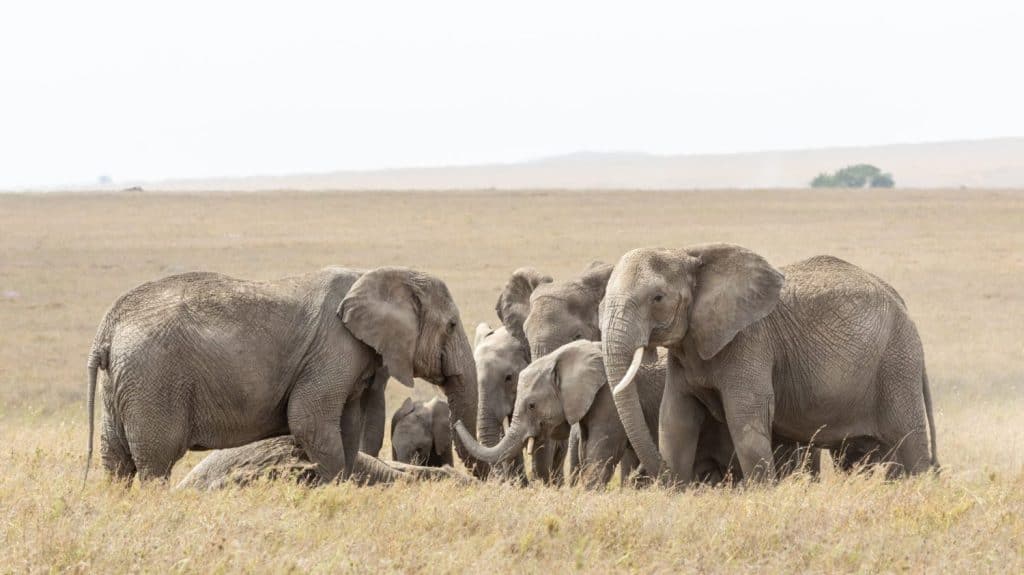
Elephants are very social creatures. They rely on one another for protection, raising calves, and sharing food and water. When a maternal leader is killed, there are repercussions that can ripple through generations. One such way is through the generational knowledge they carry. These elephants teach younger members migration paths, how to protect the herd from threats, how to find resources when scarce, how to use their trunks to forage, and the different dialects in the herd’s language.
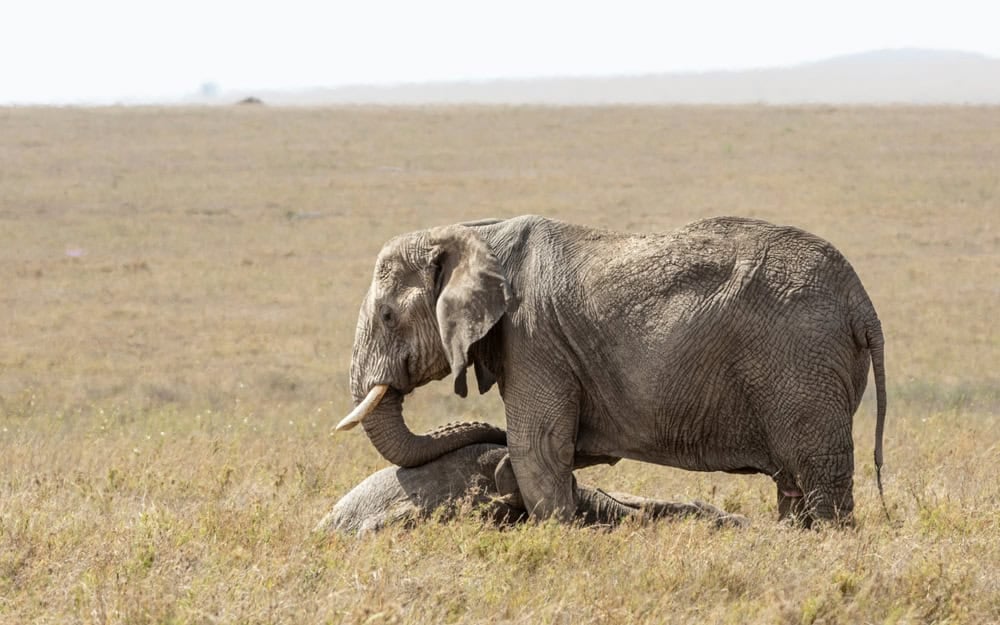
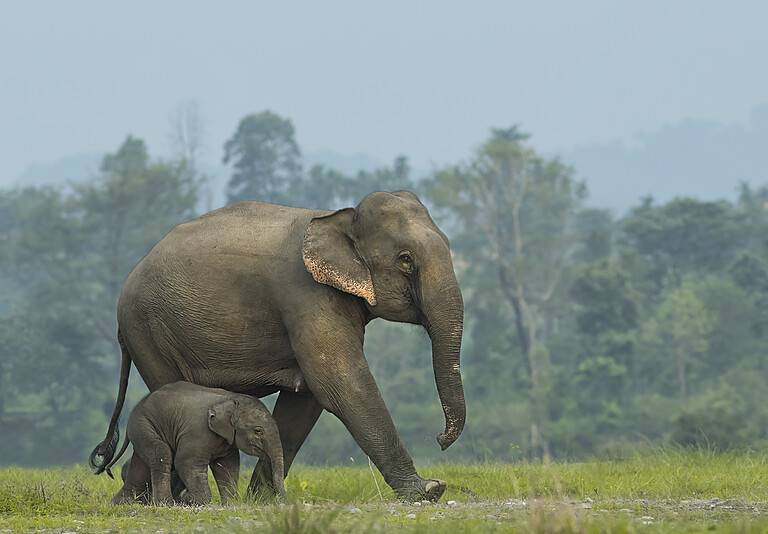
When elephants are killed, herds can lose both family members and the generational knowledge those individuals carry.
©Stu Porter/Shutterstock.com
Additionally, when matriarchs are killed, calves face higher mortality rates. These young elephants rely heavily on their mothers for protection and caregiving. When their mothers are suddenly removed from their lives, the calves are dependent on their herds. While some herd members may step in to protect the youngest, others may not. Therefore, killing a female elephant does not just end her life; it could also mean the end of her calf’s life.
Finally, when matriarchs and herd members are killed, the remaining members of the herd mourn. Elephants will return to the spot where their mother, sister, aunt, or another member’s life was taken, sometimes for days before leaving the body. They show signs of stress and distress. The same is said for male and mixed herds. It does not matter who the elephant was; its loss is felt by the herd, especially when the death is violent—something the remaining herd members remember for decades.
Why Elephants Are Still Being Targeted By Poachers
International laws aim to end elephant poaching. Yet, even with penalties, fines, jail time, and more, poaching continues. Why is this the case? The answer, unsurprisingly, is simple. It pays to poach elephants.
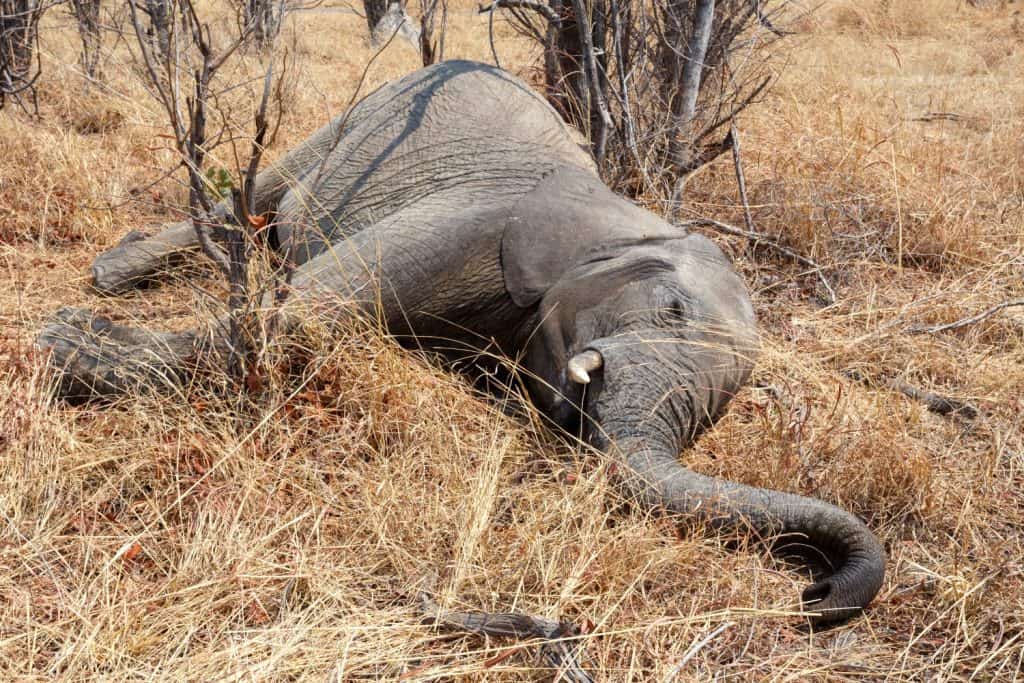
Elephants continue to be poached for monetary gain.
©Artush/Shutterstock.com
The main reason elephants are poached is for their ivory. While ivory has been prized for centuries, its price today is astronomical. Every 2.2 pounds of ivory can be worth hundreds of thousands of dollars. Consequently, poachers see it as worth the risk because of the potential monetary reward.
Additionally, other parts of the elephant are sold on the black market. From elephant meat to their skin, hair, and tail, all are worth something. Without stronger law-enforcement efforts and conservation measures, poaching is likely to continue.
All Species of Elephants are Facing Declining Populations
There is no debating whether elephant populations are in trouble. Both Asian and African elephants have experienced massive declines over the last several decades. While conservation efforts have slowed these losses, all species remain endangered or critically endangered.
The Asian elephant population is estimated at 40,000 to 50,000 elephants. Thanks to conservation efforts, some populations have increased. However, these gains are the exception. With things like poaching, habitat fragmentation, and urban sprawl, Asian elephants are disappearing at an alarming rate. This is why they are categorized as endangered.
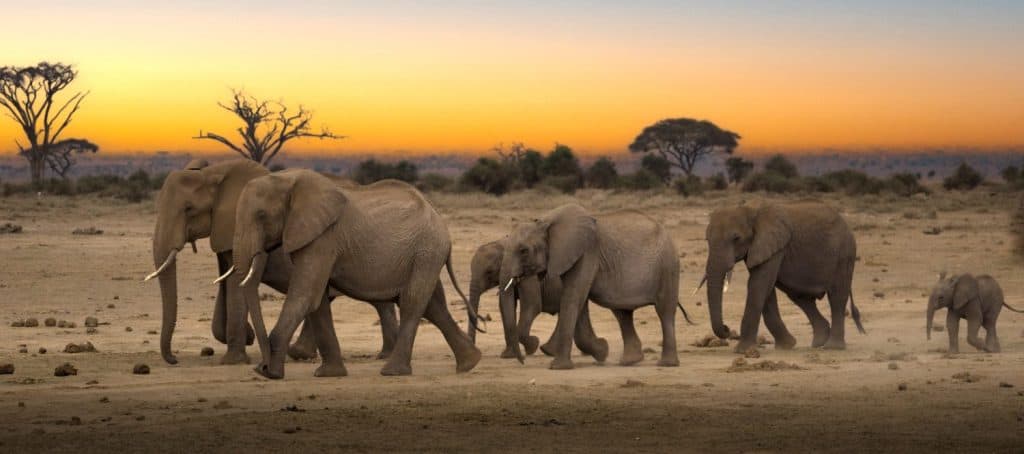
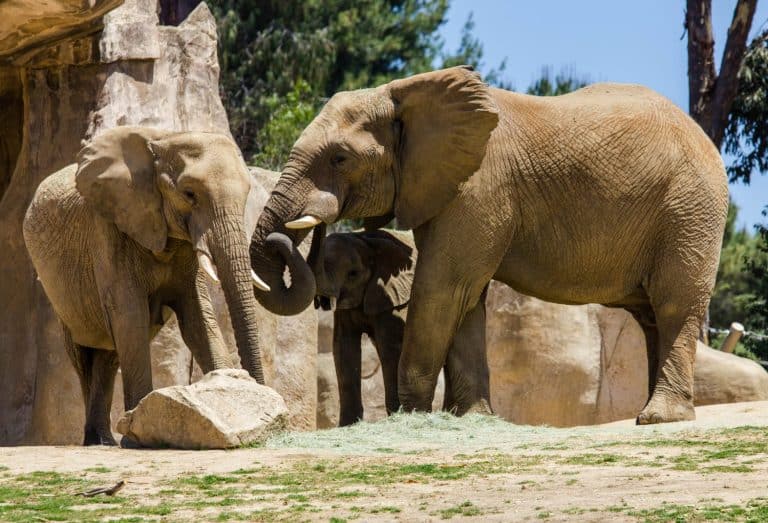
Both African and Asian elephants are at risk of extinction.
©RFerri/Shutterstock.com
African elephants are at greater risk of extinction than Asian elephants. Over the last five decades, a 2024 study found that African savannah elephant populations have declined by 70%. Even more troubling, African forest elephants saw a 90% decline over the same period. Both are affected by poaching, human-elephant encounters, and land taken for agriculture. Consequently, African savannah elephants are categorized as endangered, while African forest elephants are critically endangered.
Role of Elephants in Their Ecosystems
With elephants as the face of conservationism, it can be hard to remember that they are also keystone species in their ecosystem. If elephants were to become extinct, the way their environment functions would change dramatically, if not collapse entirely.
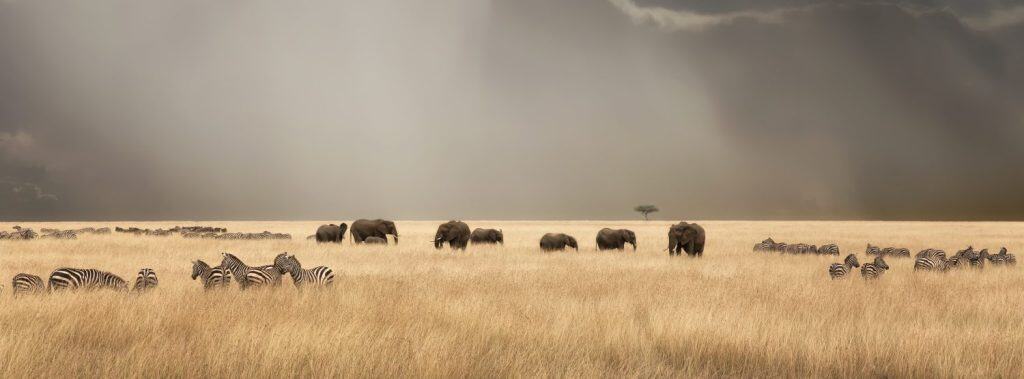
Elephants are keystone species and environmental engineers.
©Jane Rix/Shutterstock.com
In addition to being a keystone species, elephants are also environmental engineers. When elephants are present, they shape habitats in the following ways:
- Disperse seeds over long distances via dung
- Create clearings through dense brush
- Create canopies, allowing for sunlight to penetrate forests
- Creation and enlargement of watering holes
- Participation in fertilization and nutrient cycling
Many species of plants and animals rely on elephants to survive. Whether by spreading seeds that allow plants and trees to propagate far from the parent plant or by creating watering holes for multiple species, elephants are the architects of biodiversity in their ecosystems. This is why the permanent absence of elephants would be profoundly felt, with other species declining or going extinct without elephants in their lives.
How Are Sanctuaries Providing Rescue and Rehabilitation?
When elephants are sick, too young to survive on their own, or need to be rehomed after a life of captivity in subpar conditions, sanctuaries are a lifeline for these massive animals. Because of their tireless efforts, many more elephants are alive and have been returned to the wild than would have been without them.
There are three main ways that sanctuaries support elephants. Those ways include:
- Setting up and executing rescue operations
- Providing medical care
- Providing emotional care
Because elephants that come to rescues often have physical and emotional trauma, veterinary team members are an integral part of the staff. The goal is to treat physical injuries first to stabilize the elephants. Then comes the hard work of helping them overcome psychological trauma resulting from events they have experienced or witnessed.
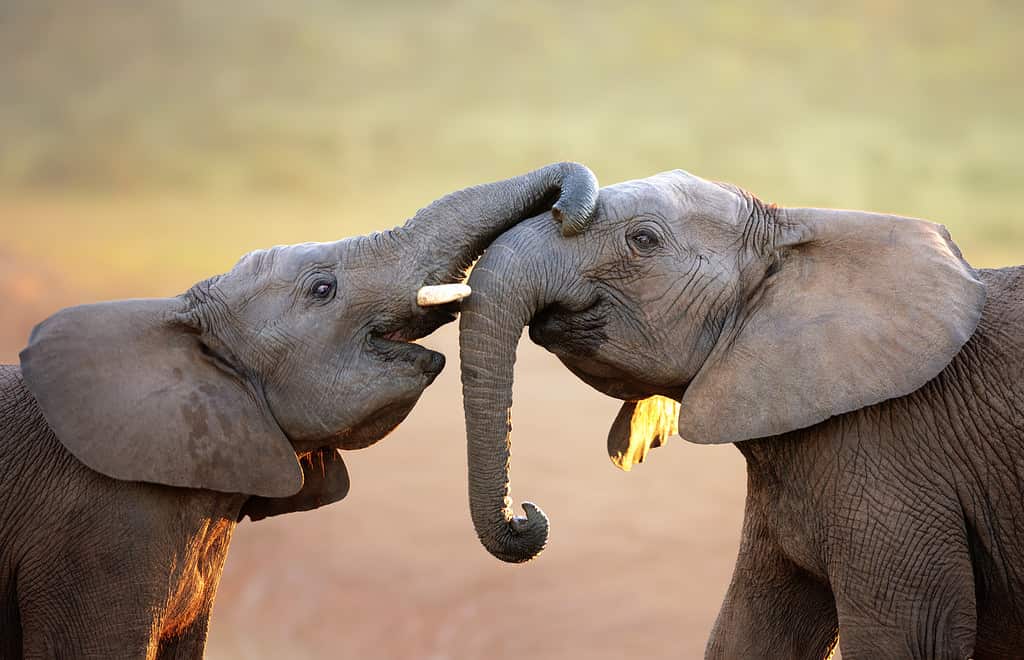
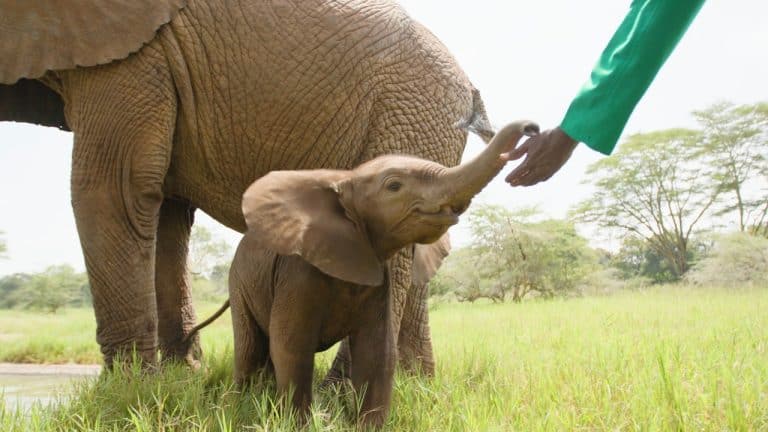
Elephant sanctuaries rescue elephants and provide medical and emotional care to elephants in need.
©Johan Swanepoel/iStock via Getty Images
To overcome this trauma, veterinary staff support social reintegration with a permanent herd at the sanctuary, address any behavioral issues, ensure proper nutrition, and encourage natural behaviors so that injured elephants can eventually return to the wild.
The end goal is always the same: to return elephants to the wild. Unfortunately, this is not always possible. Whether due to an injury that has left the elephant permanently disabled, a young elephant imprinting on people or failing to learn to trust older elephants, or elephants spending most of their lives in captivity, these elephants would not survive without human intervention. Consequently, for some elephants, the only way to live out their lives is within the safety of sanctuaries.
Conservationists would prefer to see all elephants in the wild. But with the pressures of poaching and the damage it causes, sanctuaries have provided a necessary lifeline to elephants. If sanctuaries did not exist, there would be even fewer elephants on the planet—something that, given their already small population numbers, elephants cannot afford.