
Quick Take
- A 550-lb bear named Yellow 2120 successfully maintained a residential occupancy from Thanksgiving through January.
- Daily loss of 6,000 acres of open space forces apex predators into direct conflict with homeowners.
- Modern crawlspaces have become the primary choice for animals entering a state of torpor.
- Specialized electric-shock mats were required for the Yellow 2120 extraction following multiple failed removal attempts.
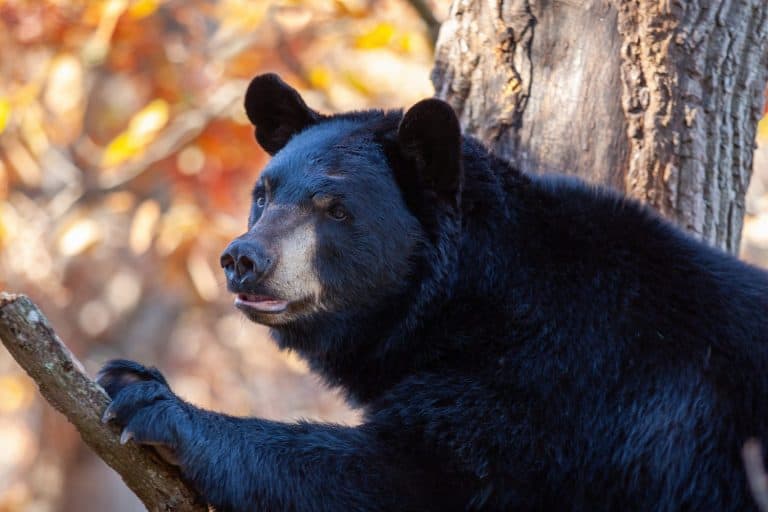
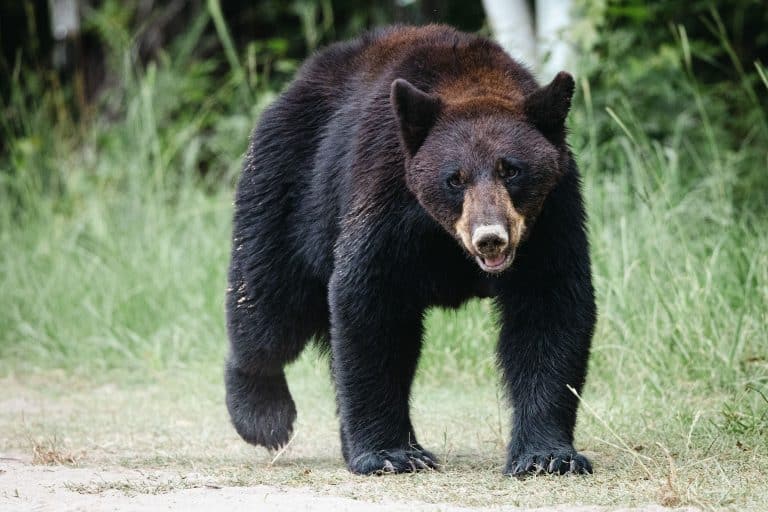
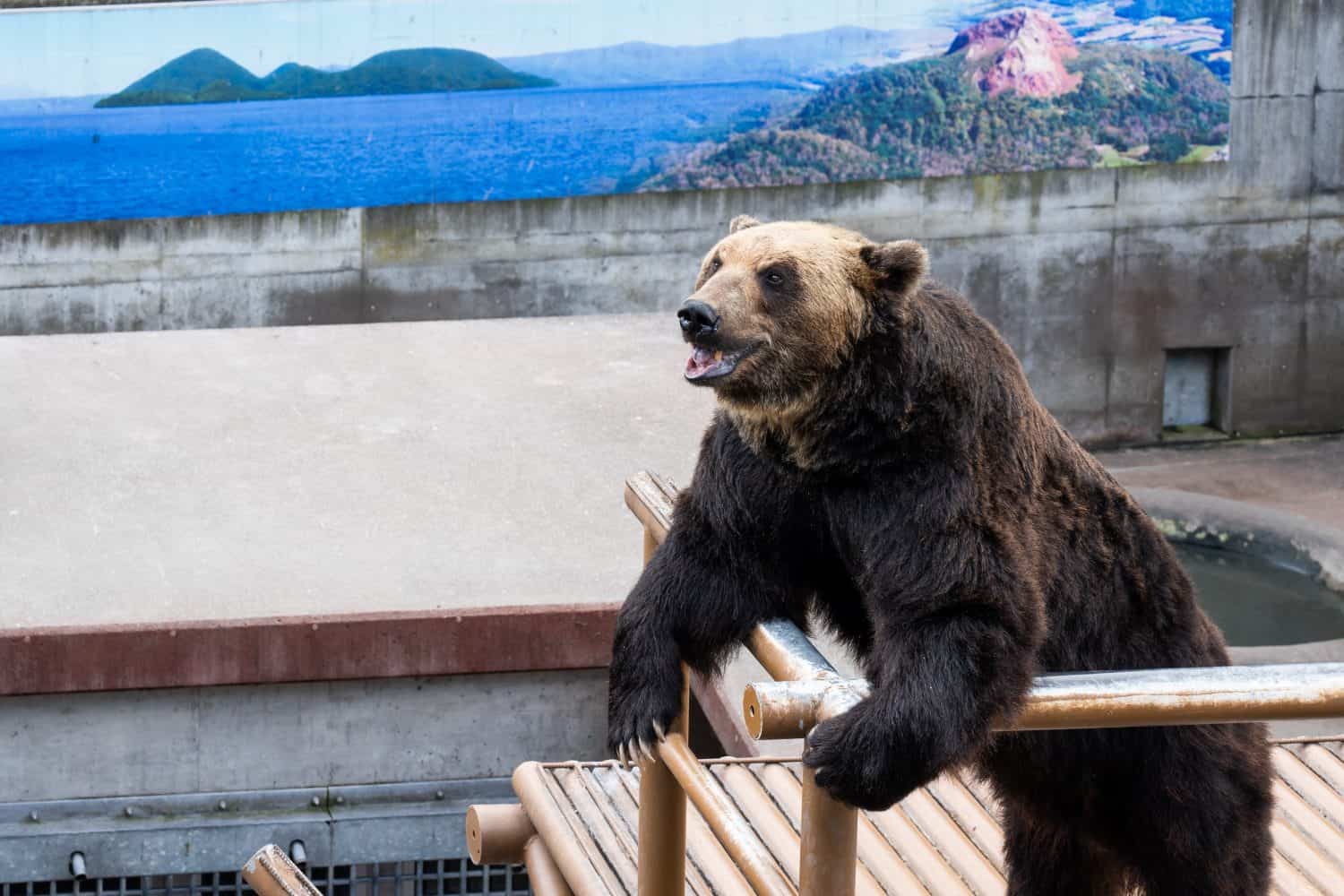
A homeowner in Altadena received an unwelcome surprise when he realized a black bear was living underneath his home. The 550-pound black bear, known as Yellow 2120, used a crawlspace to nest beneath the house. Aside from the obvious fear that comes with such an animal, there’s also concern over why the bear was there in the first place. Is this a glimpse of increased future interactions between humans and wildlife? Or was this incident simply a one-off case of a bear in need of shelter? Experts claim this happens more than you think, and for many of the same reasons.
Do Bears Typically Seek Shelter Underneath Buildings?
The news of a 550-pound bear living under a home is likely to have shaken up many homeowners in bear territory. California is home to more black bears than any other state in the contiguous U.S., which is one reason encounters are so common. However, not everyone encounters them beneath their porches in the dead of winter. Surprisingly, Ken Johnson’s home wasn’t the first overnight stay for Yellow 2120, and some say it might not be the last.
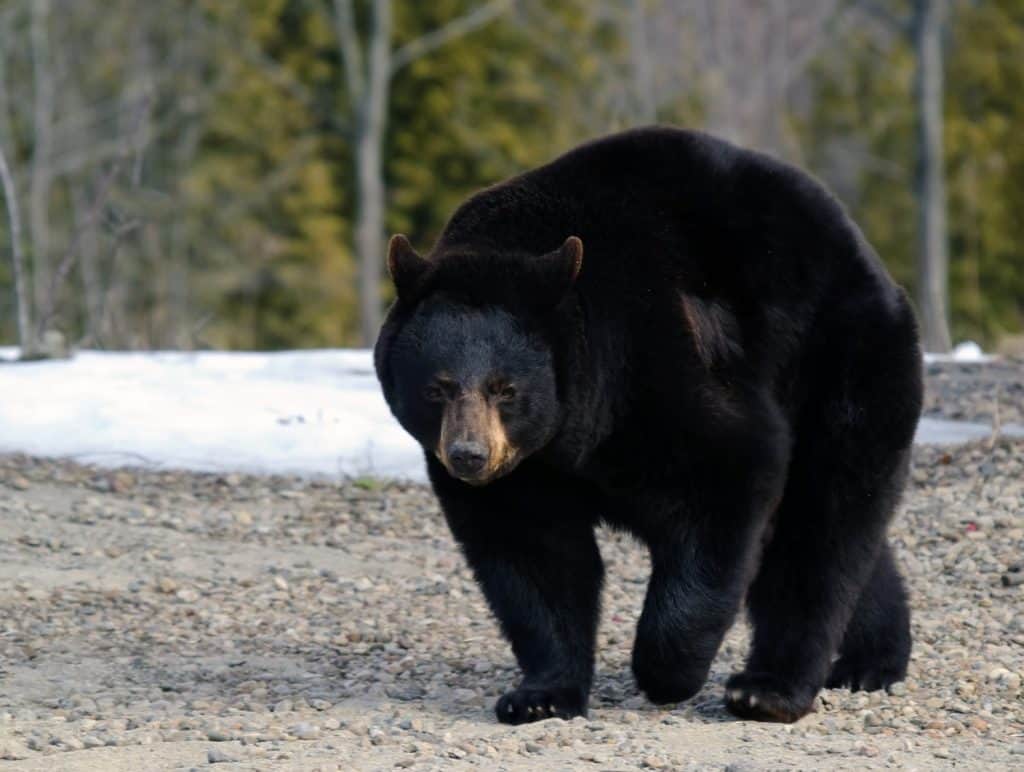
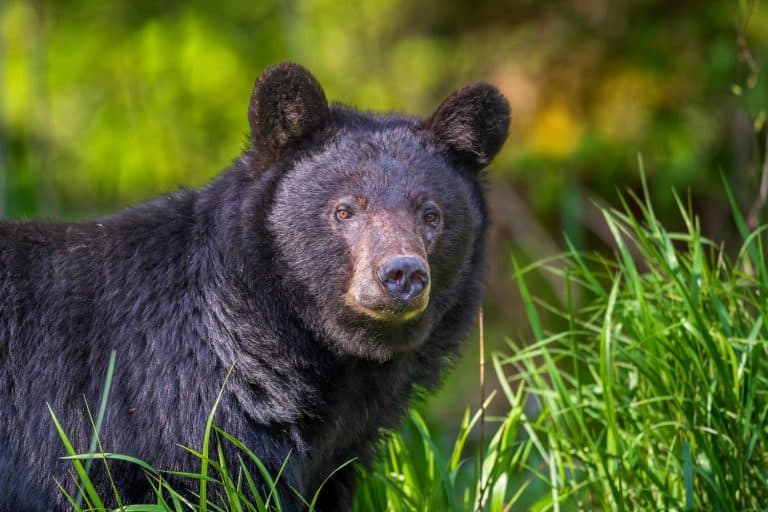
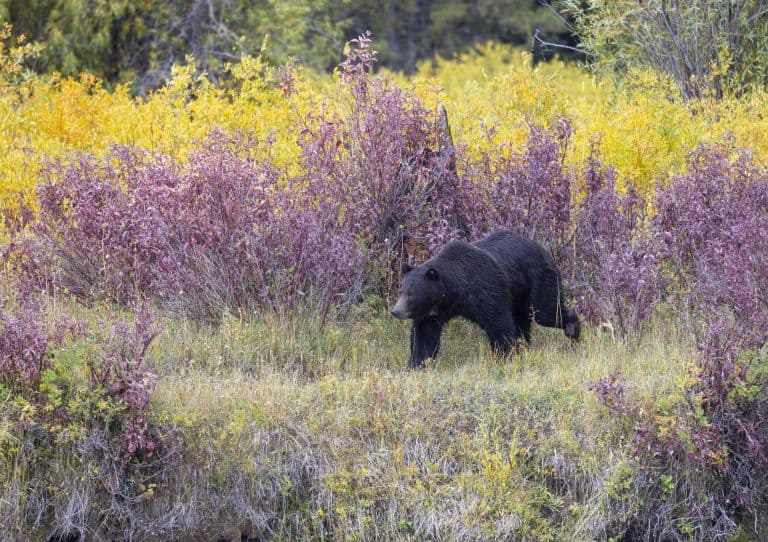
Black bear encounters are becoming more common throughout Southern California.
©nialat/Shutterstock.com
Yellow 2120 remained underneath Johnson’s home from Thanksgiving until late January, when it was successfully evicted by the BEAR League. The nonprofit stepped in after several failed attempts by the California Department of Fish and Wildlife to remove the bear. It was a challenge, to say the least, and required multiple paintball shots, lots of noise, and an electric-shock mat to keep Yellow 2120 at bay. Even so, the bear came back several times and made temporary homes of two other crawlspaces in the meantime.
According to BearWise, this is more common than many homeowners realize. Each fall, bears enter a state of hibernation called torpor. This light sleep allows them to conserve energy after spending months building up their fat reserves. They need a safe place to do it, though, and crawlspaces make the perfect winter den. It’s protected from the elements, usually warm, and it conceals them from predators. And as their natural habitats continue to shrink due to human activity, your home’s crawlspace looks increasingly inviting.
What Causes Bears to Seek Shelter Near Humans?
A bear denning in a human’s home does not mean the animal suddenly trusts humans. Rather, it is because their natural habitats are disappearing due to deforestation, development, and climate change. According to BearWise, roughly 6,000 acres of open space are lost each day to development and other uses. This could potentially displace dozens of bears, along with a slew of other wildlife. As forests disappear, bears are pushed further and further into human territory. In states like California with already high black bear populations, this becomes a significant issue.
In the case of Yellow 2120, the Eaton Fire is partially to blame for the bear’s actions. As the wildfire ripped through Southern California, it burned approximately 14,021 acres. Although it was fully contained by January 30th, the damage was already done. Thousands of acres that once provided habitat for Southern California’s mountain wildlife were destroyed, and as hibernation season approached, bears struggled to find suitable dens.

Climate change is worsening wildfires, which drastically changes our landscape.
©Toa55/Shutterstock.com
Wildfires are often started unintentionally by reckless activity. However, the combination of Santa Ana winds and the effects of climate change on weather patterns worsens the destruction. Increased temperatures, unpredictable storm patterns, and changes in the landscape mean putting out wildfires is now far more challenging. As a result, animal-human encounters are increasing, not just with bears.
Close Encounters of the Animal Kind
Encounters between animals and humans are becoming more common. A deer recently made the news in Ridge, New York, after the buck crashed through the windows of a bank. Harrowing security footage shows the buck jumping through Webster Bank’s window before frantically leaping around the teller stations. It’s clear the buck was disoriented and desperately seeking a way out, which it found thanks to the help of Suffolk County Police. Ridge is a small hamlet on Long Island’s East End, known for its high deer population. It’s not unusual for locals to find herds of deer in their yards or crossing the highway, a problem that increases as more land is developed on the island.
In Southern California, a mountain lion took a cue from Yellow 2120 when it wandered into a home in August 2025. La Verne, a residential neighborhood not known for wildlife encounters, was put on high alert after a big cat was caught on camera. Footage shows the mountain lion walking through the home’s open front door, locking eyes with Jeff Tenney, then making a quick escape through the back slider screen. According to Tenney, who was visiting his mother’s home, the mountain lion jumped into the pool, popped a pool float, and then made a getaway by jumping the fence.
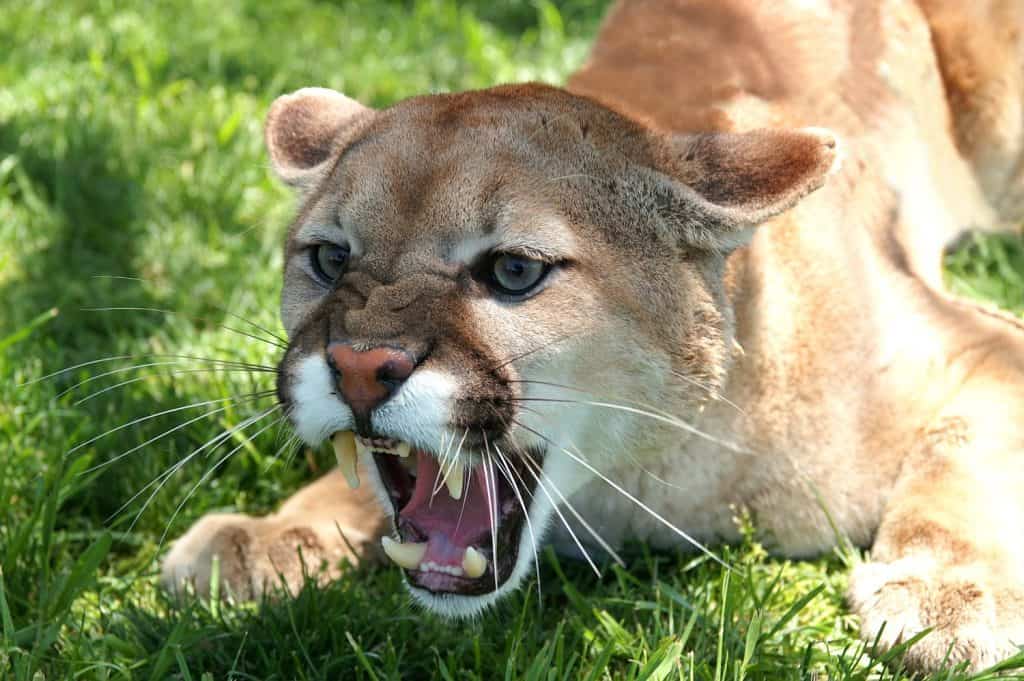
Mountain lions are typically elusive, but as their habitats are lost, they may venture into residential areas.
©Melanie DeFazio/Shutterstock.com
According to locals, mountain lions are rarely, if ever, sighted in La Verne. Some say they’ve never even seen them while hiking the trails behind the town. The presence of such an apex predator suggests that wildlife is encroaching on human territory. In this case, it could very well be due to the same wildfire devastation that forced Yellow 2120 to den underneath a Southern California home.
What These Encounters Teach Us About Coexistence
In places like Southern California, learning to coexist with wildlife is essential. It’s easy to forget that while natural disasters displace humans, they also force wildlife to leave their habitats. When the two happen simultaneously, little choice is left but to learn how to live together. The best course of action is to be proactive. Sealing crawlspaces and blocking openings makes them impenetrable to bears. For those with livestock or other animals, electric fencing or mats may serve as additional preventive measures.
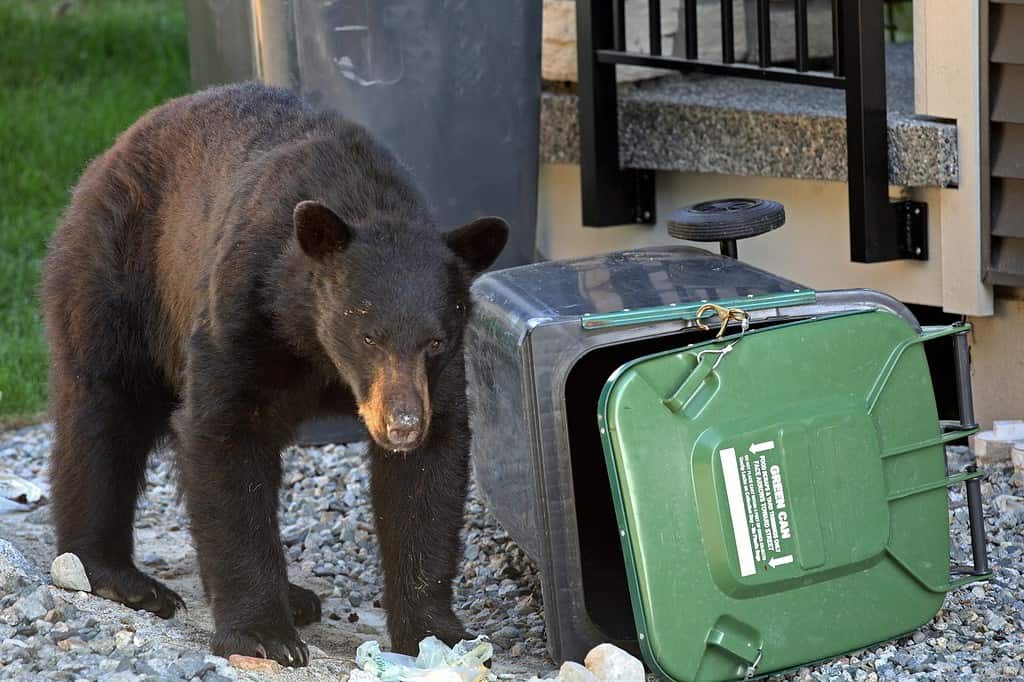
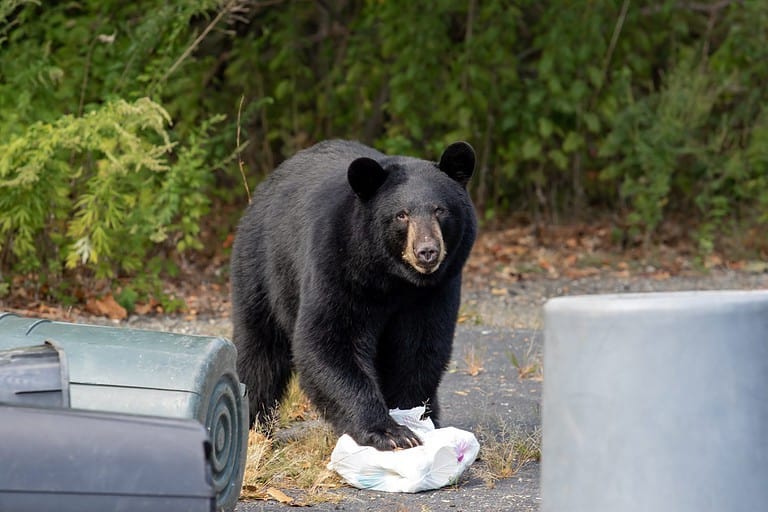
Food and shelter are the top motivators for bears wandering into human territory.
©Tom Middleton/Shutterstock.com
In the case of a mountain lion entering a home, this is more of a rarity. However, that doesn’t mean it can never happen. There have also been cases of bears, other big cats, raccoons, and other small mammals finding their way into people’s homes. To prevent this, doors, windows, chimney chutes, and doggie doors should all be secured. Additionally, wildlife experts recommend not leaving food out, securing or storing trash cans, and cleaning barbecues and other areas where meals are cooked.
Additional Guidelines for Living with Wildlife
As these encounters become more frequent, it is important for those sharing space with wildlife to follow these guidelines. Four walls and a door won’t always keep animals out, and it’s crucial to be aware of your surroundings, as well. Some other tips for mitigating conflicts with wildlife include:
- Safe Deterrents: In bear country, many people carry bear spray, which is effective when used at least 20 feet away. Whistles and bear bells are also effective for spooking wildlife.
- Keep Your Distance: If a wild animal is pacing your property, never go near it. The best practice is to keep your distance and call your local wildlife department.
- Watch Pets: Some animal encounter stories have happy endings, and some don’t, especially when pets are involved. It is recommended to supervise or leash pets during dawn and dusk, when most wildlife is active, and never leave food outside. At night, use spotlights or walk pets on a leash to limit wildlife encounters.
- Native Over Exotic Plants: Some wildlife will forage outside of their territory, which could lead them to your back door. Unfamiliar plants often attract curious animals, which is how many surprise encounters happen. Opt for native plants to avoid attracting unwanted visitors.