
Quick Take
- Black bears in Colorado are increasingly entering neighborhoods due to easily accessible human food sources.
- Trash, bird feeders, and pet food are the leading causes of human-bear conflicts through food conditioning.
- Properly securing attractants is the most effective way to prevent dangerous and recurring bear encounters.
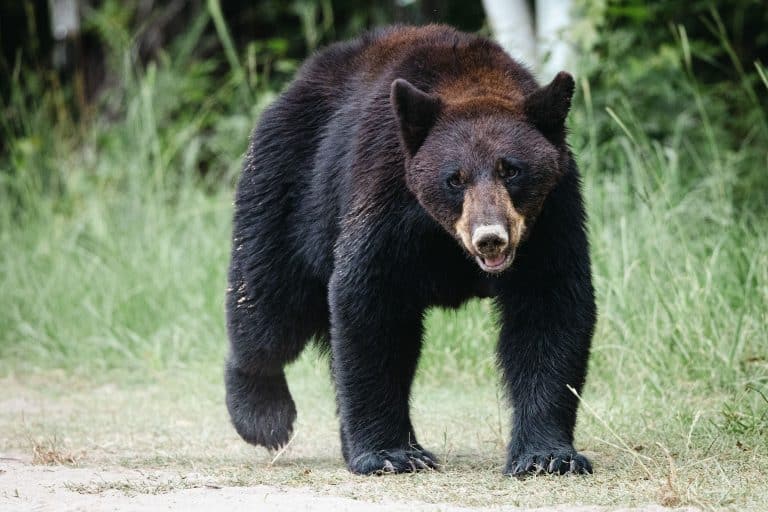
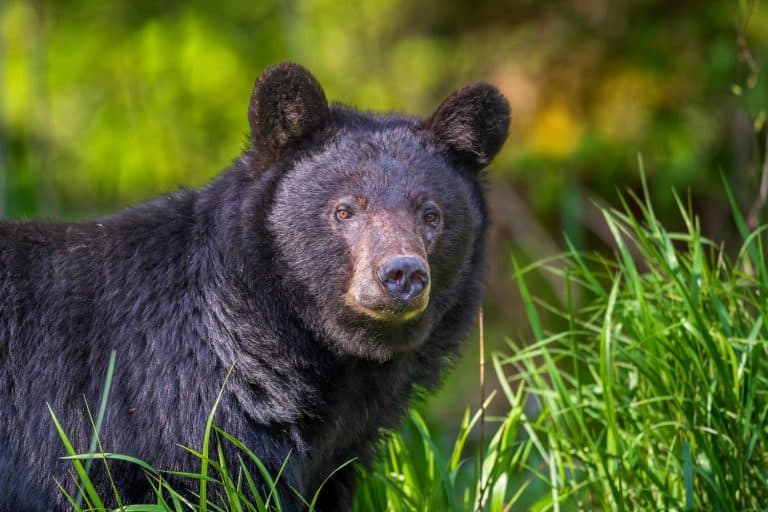
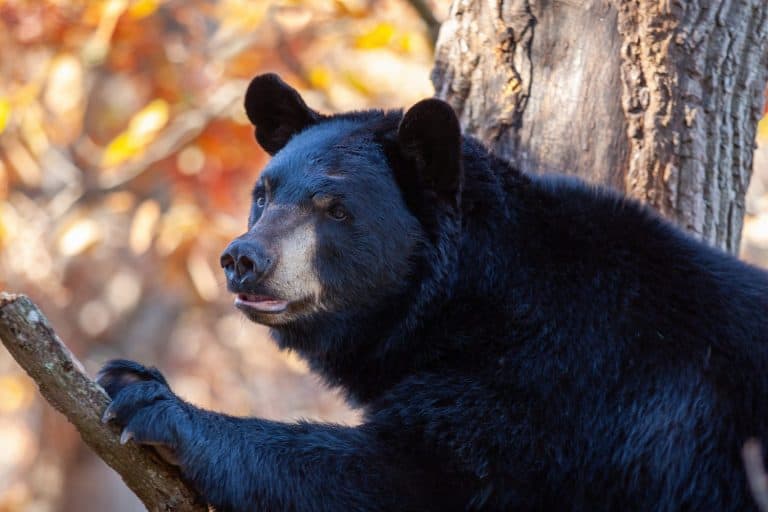
In Colorado, it isn’t outside the imagination to expect bears to exist in your neighborhood. Summertime is a common season for bear sightings in this state; their presence has become a predictable, well-documented pattern that wildlife managers say is largely caused by human activity.
In fact, Colorado Parks and Wildlife (CPW) received 5,299 reports of bear sightings and conflicts in 2025, which was a 15% increase over the previous six-year period. Of those reports, 2,448 resulted in property damage, ranging across sheds, garages, homes, vehicles, and fences. The findings also report that the majority of conflicts were linked to human-related attractants such as unsecured trash, bird feeders, and pet food. Why is this happening, and what do wildlife officials in Colorado have to say about bears showing up in towns?
The reality is simple and can be explained by a well-understood process called food conditioning, which humans can easily set in motion for bears.
A Bear’s Nose Always Finds Food
To understand why bears end up in neighborhoods, let’s discuss the biology of these creatures, including their powerful senses of smell.
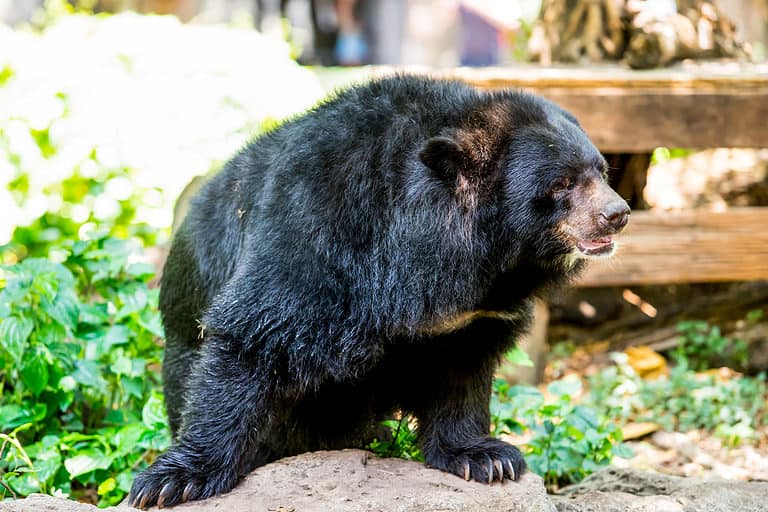
The scent capabilities of bears are astounding and are much more powerful than those of both humans and dogs.
©Tony Campbell/Shutterstock.com
The black bear actually possesses one of the most powerful senses of smell in the animal kingdom. According to Hunter Education’s bear biology reference, a bear’s nasal mucosa, or the internal surface area of a bear’s nose, was found to be roughly 100 times greater than a human’s, with an olfactory bulb at least five times larger.
A bear’s smelling ability was estimated at approximately 2,100 times more sensitive than a human’s, and seven times more sensitive than a bloodhound’s. ScienceInsights reported that conservative estimates placed a bear’s reliable scent detection range at over a mile away, with some estimates running considerably farther under ideal weather and wind conditions.
For humans, this means that a single can of trash or any other food scent left outdoors for long enough has the potential to bring bears to your yard. That potential only grows with statistics: as of 2026, CPW estimates Colorado’s black bear population at 17,000 to 20,000 animals, sharing terrain with millions of people across the state, given Colorado’s diverse blend of wildernesses and suburban areas.
What Does Food Conditioning Mean for Bears in Colorado?
The term food conditioning appears often in wildlife management settings, and in this example, it describes the process when a bear associates human-occupied spaces with a reliable, high-calorie reward. When bears venture into these human-occupied areas, they eventually lose their natural wariness of people.
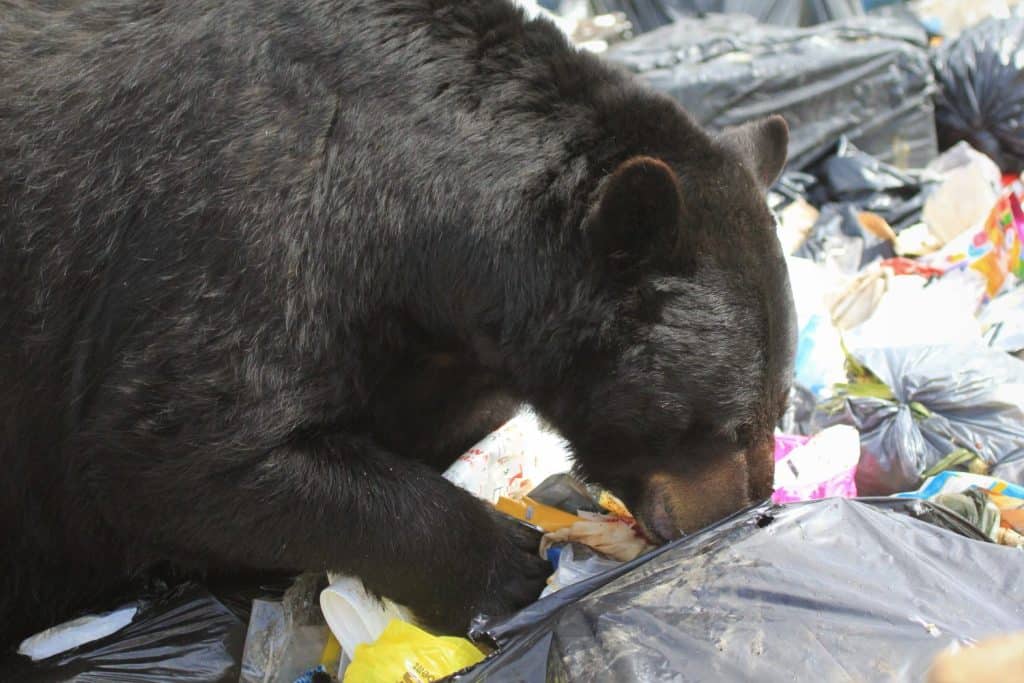
If bears find a high-calorie food source in a particular location, they are likely to return for more.
©Sketchart/Shutterstock.com
Bears may be shy and typically avoid humans, but they are also extraordinarily intelligent and possess excellent memories. CPW’s living-with-bears guidance noted that, once a bear finds a food source near a home, campground, plot of land, or even a vehicle, it tends to return, reinforcing an association between locations and food with every successful visit. Over time, the bear will tolerate human proximity in ways that a wild, unconditioned bear would not.
“Intentionally feeding bears or allowing them to find anything that smells or tastes like food teaches bears to approach homes and people looking for more,” CPW warned in its guidance. “Bears will defend themselves if a person gets too close.”
A 2021 study published in ScienceDirect examining radio-collared brown bears also confirmed this behavioral shift: bears with access to artificial food sources covered smaller home ranges and altered their movement patterns compared to bears foraging naturally, with our food sources restructuring how they navigate the world around them.
Attractants That Bears Seek Out
How can you keep bears from associating your home with regular, reliable food? The first step is understanding what attractants you may have on your property, the things bears can smell and want to pursue. Let’s dive into those attractants now.

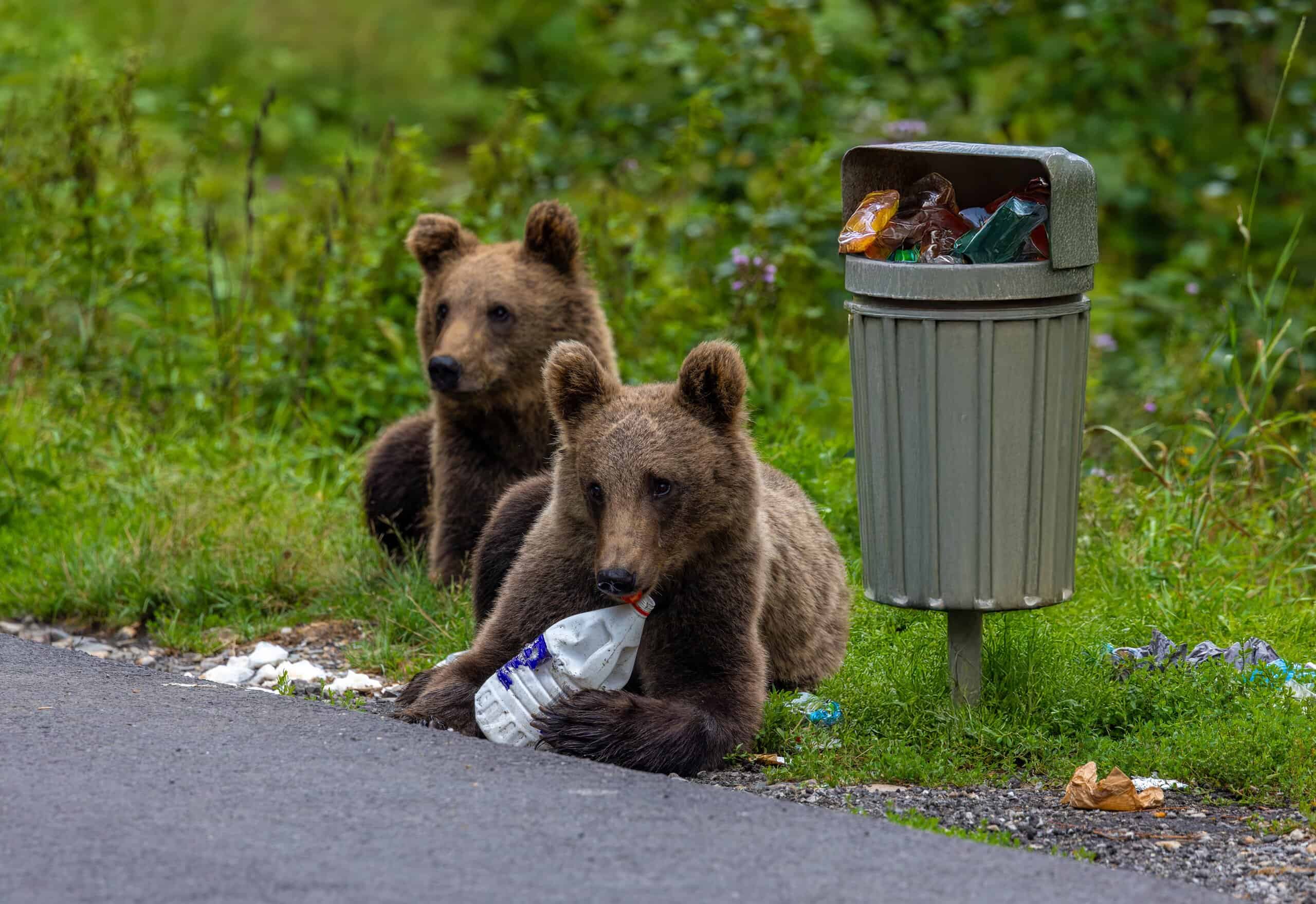
Bears will routinely visit neighborhoods that offer them unsecured food sources.
©JMP_Traveler/Shutterstock.com
Trash
“Trash continues to be the number one source of conflicts between humans and bears,” CPW stated in its aforementioned February 2026 summary. “These conflicts could all easily be reduced if the public takes some simple steps around their homes and properties to prevent bears from accessing them.”
This is the main reason bears routinely show up in the same locations; CPW’s 2025 data shows that trash was involved in more than 67% of all reported bear incidents. Bears quickly learn which neighborhoods put their unsecured bins out the night before pickup and plan accordingly, digging through them before the trash is collected.
Bird Feeders
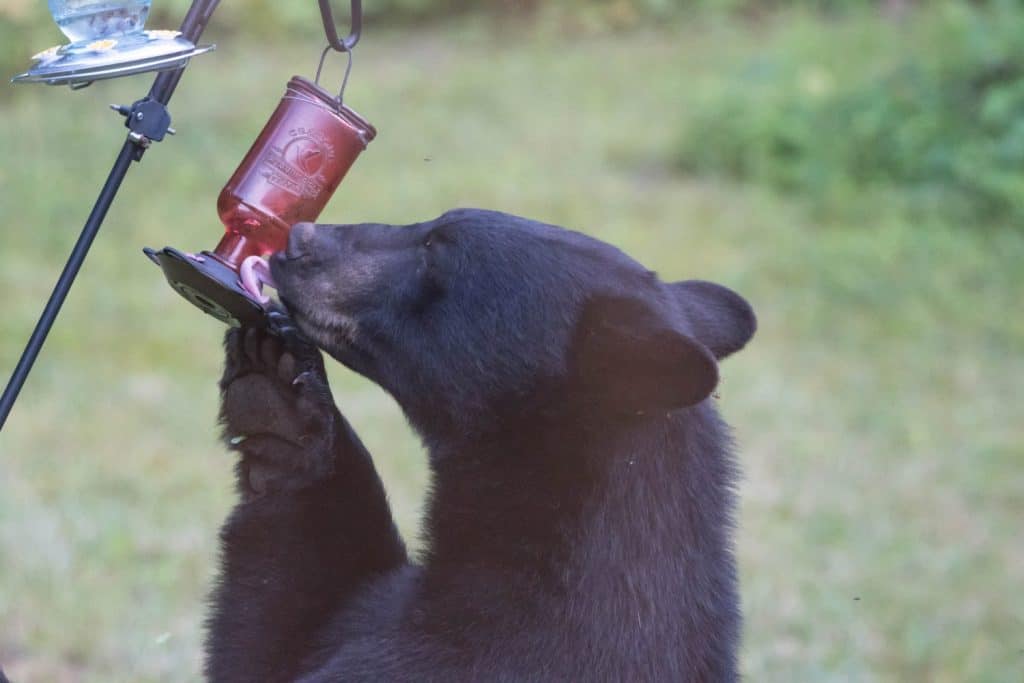
Bears will feed on bird feeders, including the nectar found in hummingbird feeders.
©Charles Flachs/Shutterstock.com
To a bear, bird feeders of all kinds represent an extraordinarily high-calorie food source with next to no effort required to access them. “Birdseed and grains have lots of calories, so they’re very attractive to bears,” Colorado’s wildlife agency stated. Hummingbird feeders in particular are an attractant most homeowners don’t consider, but the sugar or nectar within is easily smelled by bears.
Pet Food
Any pet food bowls left outside after feeding time or bags of kibble stored in an unlocked garage are all attractants for bears. Pet food should always be stored in a location where bears cannot see or smell it, as this is another easy food source for them.
Barbecue Grills
If you’ve recently been barbecuing, grease and food particles may be left behind, and bears can detect your cookout from a significant distance. Covering grills and leaving them on the deck, especially if they’re uncleaned, will not stop a curious bear.
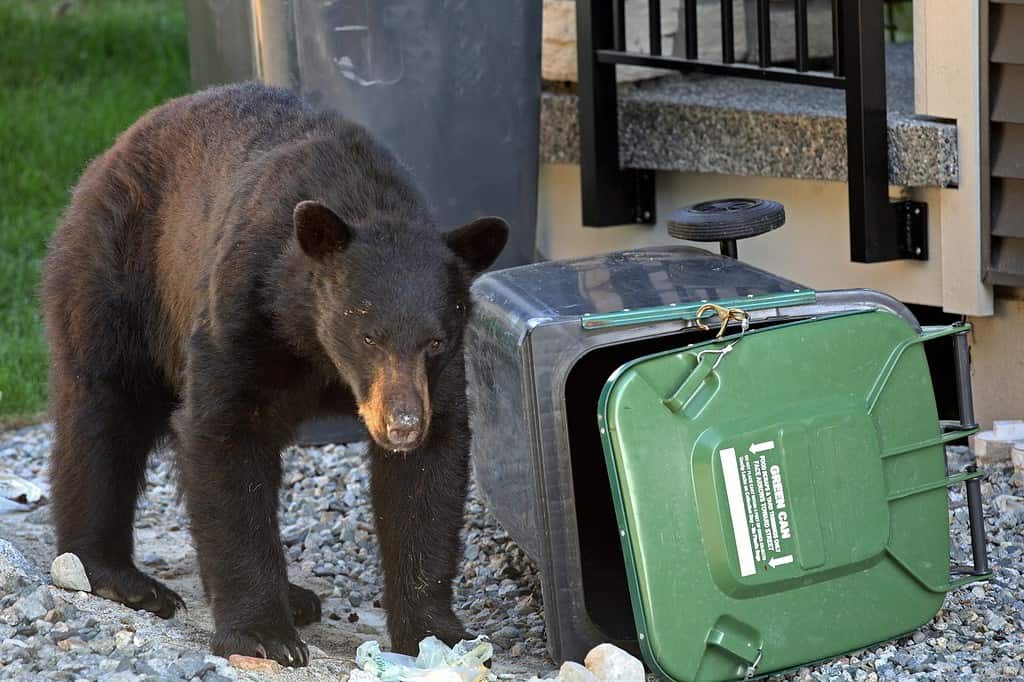
Pet food and grills are also potential attractants for hungry bears.
©Tom Middleton/Shutterstock.com
Livestock Feed and Small Animals
A surprising number of bear interactions involve more than just unsecured trash cans: nearly 18% of Colorado’s 2025 conflicts involved livestock and other farm animals, including chickens and beehives. Any poorly secured chicken coops, livestock feed storage, or unprotected beehives are reliable attractants, particularly in rural and semi-rural communities.
What Is Hyperphagia, and How Does It Make Things Worse?
The majority of bear conflicts follow a predictable biological pattern tied to hyperphagia, which is a period of near-continuous eating that bears enter in late summer and fall to build fat reserves before their time spent in hibernation.
The Bridger-Teton National Forest’s research summary found that, during hyperphagia, bears spent up to 20–22 hours a day foraging and consumed as many as 20,000 calories during these sessions. That’s why human food sources appeal so much to bears during this time: the high caloric possibilities attract them more than their typical foraging opportunities.
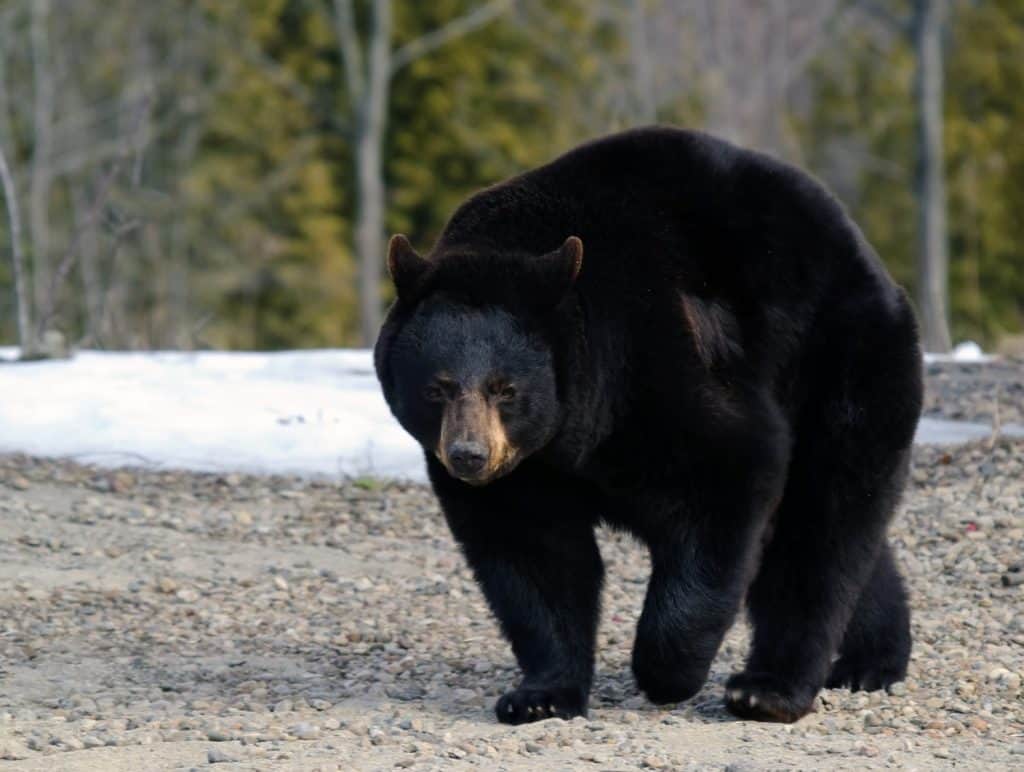
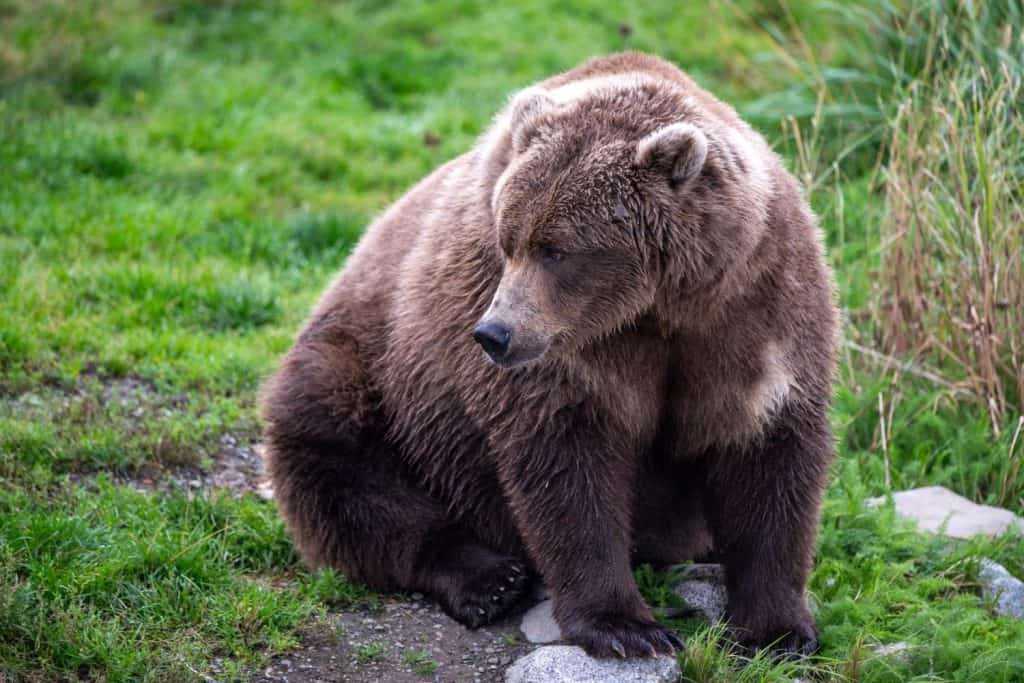
Before hibernation, bears experience a period of intense hunger as they attempt to consume as many calories as possible.
©nialat/Shutterstock.com
However, human behavior is not the only variable that makes bears more desperate during their feeding period before hibernation. Natural food conditions—such as drought, late frosts, inconsistent precipitation, and poor acorn or berry production—also influence how aggressively bears seek alternative food sources.
“In 2025, Colorado experienced varying levels of human-bear conflicts, with some areas seeing increases while others saw declines,” CPW reported. “Natural food conditions were inconsistent across the state… Some regions, particularly those with poor acorn and berry production, reported increased bear activity in residential areas.”
What Happens to Food-Conditioned Bears?
When bears become food-conditioned, many problems arise, most of which affect the bears themselves rather than people. One concern CPW actively worked to counter was the public’s reluctance to report bear activity, driven by a fear that calling would result in the bear being euthanized.
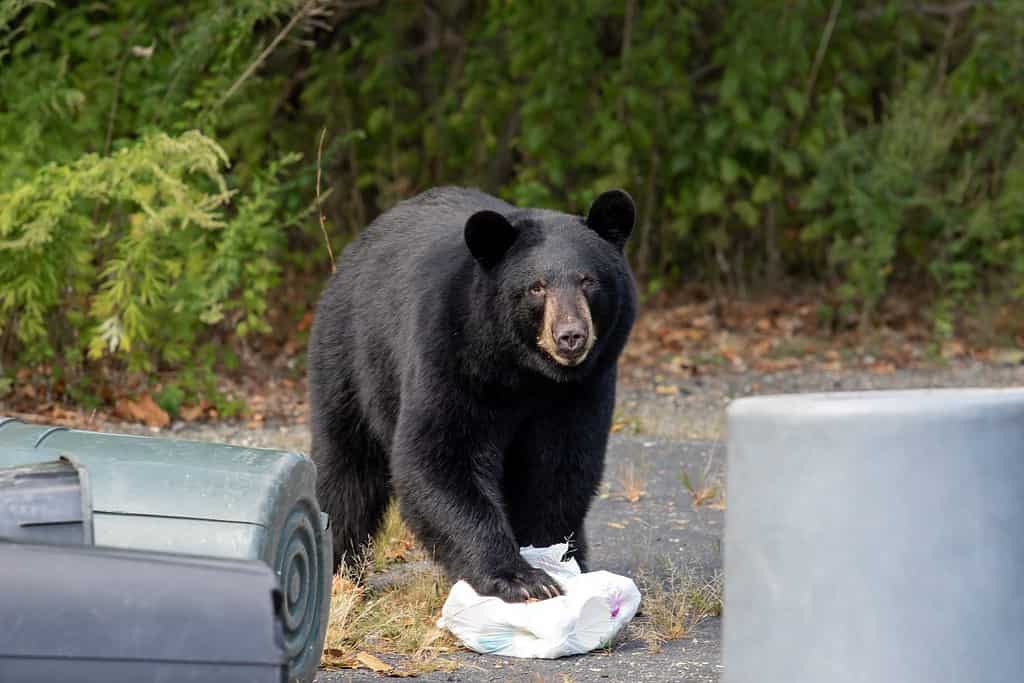
Food-conditioned bears aren’t always euthanized, but failing to report them will only encourage their potentially dangerous behavior.
©EleanorAbramson/Shutterstock.com
CPW reported that of the 5,299 reports received in 2025, only 78 bears were euthanized, which is less than 2% of all reports. Fifty-two were relocated, and the majority of cases were resolved through early intervention thanks to wildlife officers educating communities and visiting homes to help secure attractants.
“When CPW is made aware, especially when conflicts first begin, wildlife officers can educate the community, make site visits to homes to help them secure attractants and can haze bears in an attempt to reinforce their natural fear of humans,” the agency explained.
This is why reporting bear sightings is necessary and not something to fear. But what else can you do if bears are venturing into your neighborhood for food, especially during the summer when they’re eager to feed?
What You Can Do to Avoid Attracting Bears to Your Home
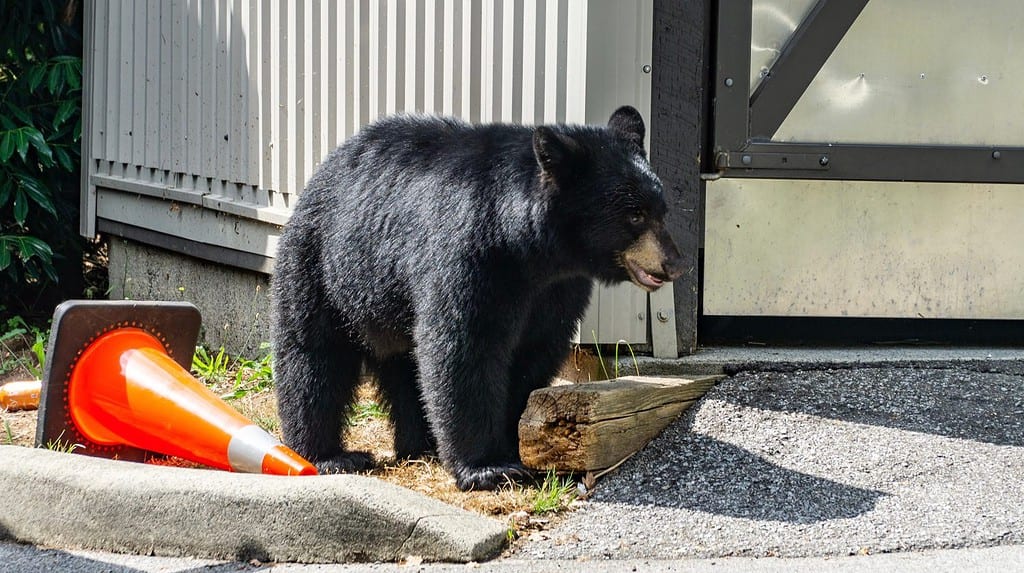
There are many things you can do to help the bears in your local area this summer, and all of them involve removing food attractants.
©Pawel Serafin/Shutterstock.com
CPW offered six at-home basics that apply to any household in or near bear country. Those suggestions include:
- Never feed or approach bears. Intentional feeding (and unintentional feeding through unsecured attractants) teaches bears to associate homes with food. A food-conditioned bear is a bear whose life is at risk, so don’t purposefully do it. Even unintentional feeding should be avoided.
- Secure food, garbage, and even recycling. Store any garbage bins indoors or in bear-resistant containers. Don’t put trash out the night before pickup; opt for the morning of instead. Finally, clean cans regularly to remove lingering smells.
- Remove bird feeders when bears are active. Monitoring local bear activity reports can help you determine when the right time might be to remove your feeder.
- Never leave pet food outdoors. Feed pets inside, always. If outdoor feeding is necessary, use single servings and remove bowls immediately so that bears don’t sniff them out.
- Clean and store grills. After every barbecue you have, always clean and store your grills in a locked garage or shed instead of leaving them outside.
- Alert your neighbors. Bear conditioning is a neighborhood-level problem, so be sure to communicate with your neighbors if you notice them around.
If you see a bear causing problems in an urban or suburban area, contact your nearest CPW office (or the wildlife office in your home state). If a bear enters your home or yard, CPW advises making loud noises to safely encourage it to leave, as you should never corner a bear or position yourself between a bear and its exit.

Black bears should be wild animals, so preventing food conditioning is a must.
©BeyondMyLens/iStock via Getty Images
“Human-bear conflicts are most often traced back to human behavior,” CPW stated. “Living BearWise is the most effective way to prevent human-caused conflicts with bears.”
A bear that remains wild is more likely to survive, which is why it’s up to us to prevent them from becoming food-conditioned. If you live in bear country, keep your property clean and free of attractants, both for your sake and the sake of the bears in your area. Have a safe and wonderful summer, alongside bears!