Quick Take
- Your first instinct during a mountain lion encounter is almost guaranteed to make things worse. See the worst mistake →
- There's a specific reason why young mountain lions are far more likely to follow you down a trail than older ones. Why young lions follow hikers →
- The cyclists survived because they did something most people would never think to do in those terrifying seconds. See what saved them →
- A hidden sign on the trail can tell you a mountain lion is almost certainly nearby, though most hikers walk right past it without noticing. Spot the hidden trail signs →
There are moments in nature that feel sort of cinematic and magical, like a deer crossing your path or a hawk gliding overhead. But there are also moments that can feel straight out of a horror film. That’s probably what it felt like for two cyclists on a Southern California trail not long ago, when they found themselves face-to-face with a mountain lion that didn’t just appear and then immediately dart away into the brush. Instead, it followed them for several minutes (that likely felt like an eternity!). And that isn’t the first time this sort of mountain lion encounter has happened in recent years.
The riders did what many of us hope we’d do in that situation. They stayed calm and backed away slowly. They kept their bikes between themselves and the animal. And somehow, they made it out unharmed. It’s the kind of story that stops you mid-scroll, but it also raises a very real question: What should you do if this ever happens to you?
To find that answer, we spoke with Peter Tira, Information Officer at the California Department of Fish and Wildlife, who walked us through what’s actually going on in these encounters and how to handle one if you ever find yourself in that very situation.

A rare sight in the wild, mountain lions are typically elusive and avoid human interaction. This scenario was an exception.
©YouTube/ABC7 – Original
When Nature Gets a Little Too Close
Let’s start with the obvious: seeing a mountain lion at all is rare.
“It is unusual, but it does happen,” Tira says. “Mountain lions, for the most part, live solitary, elusive lives and do their utmost to avoid people and any interaction with human beings.”
That’s exactly why the Orange County, California, encounter felt so unsettling. The animal didn’t just pass through and head off again. It lingered, followed, and watched. According to Tira, behavior like that often comes down to age and inexperience. A younger lion is more likely to take chances.
“Mountain lion cubs will spend about two years with their mother, sometimes more,” he says. “After that, they are on their own, like a teenager that gets kicked out of the house, and that’s where we see a lot of conflict and trouble occur as young lions are now figuring out the world on their own for the first time, what’s safe to eat, where is it safe to travel, etc.”
But what might look like curiosity to a lion cub is no less daunting to someone who crosses its path! When you’re staring down a 150-pound predator, there’s no time to debate an animal’s age or mindset.

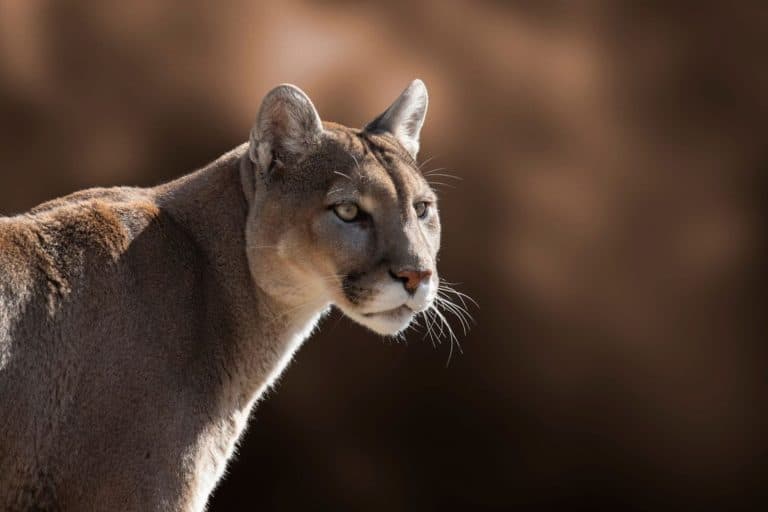
Quick thinking and composure can help you safely navigate an unexpected moment on the trail.
©The Len/Shutterstock.com
Here’s the One Thing You Should Never Do
If, in a crazy turn of events, you were to stumble across a mountain lion, your instinct might be to run. Unfortunately, that’s the worst possible move, as it can trigger an attack response.
“That’s how their prey behaves, particularly deer, and we want to communicate immediately and clearly that we are not a prey species,” Tira explains. “And there is no way, of course, to outrun a mountain lion that chooses to attack.”
Running flips a switch in the animal’s brain. You’re no longer a confusing, upright creature. You’re prey. So instead of bolting, our goal is to rewrite the script entirely.
What You Should Do If You Encounter a Mountain Lion
Here’s where things get practical. If you ever find yourself sharing space with a mountain lion, Tira’s guidance is clear, direct, and (quite frankly) a little counterintuitive.
“Never approach a mountain lion. Give it space and room to escape,” he says. “You should never run away from a lion, as that could trigger an attack response. Stay calm. Don’t turn your back. Make yourself look bigger. You can slowly back away as these cyclists did, make noise, talk loudly, shout, and make it clear you are not their prey. Lastly, if attacked, fight back with all your might and with anything you have at your disposal to defend yourself.”
That advice might not sound graceful, but it could save your life.
There are Californians who live very active, outdoor lifestyles and have never seen or encountered a mountain lion in the wild over their entire lives.
Peter Tira, Information Officer at the California Department of Fish and Wildlife
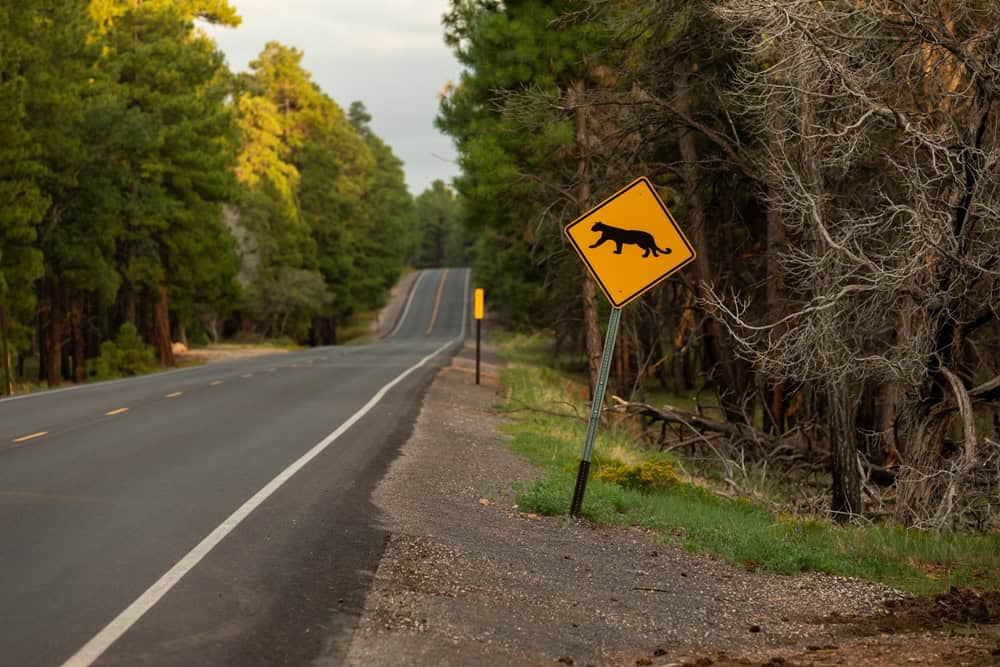
Staying alert on the trail is one of the simplest ways to reduce the risk of a wildlife encounter.
©christianthiel.net/Shutterstock.com
Most dangerous encounters don’t begin with a single bad decision in the moment. They often stem from small, everyday habits.
“People need to be aware of their surroundings in the outdoors,” Tira says. “You need to stay alert. It’s not a good idea to lose yourself in your headphones, or your music, or even conversation, for example.”
It’s easy to treat a trail like a treadmill with better scenery, but in mountain lion territory, you’re entering an ecosystem where humans are not at the top of the food chain.
Tira also emphasizes a few important precautions. “Folks should never hike, bike, or run alone in mountain lion country,” he advises. “They also should avoid those activities at dawn, dusk, or at night when mountain lions are most active. Lions are especially attracted to children, given their small stature, which more closely resembles the size of prey species. So children should be kept close and small children should be picked up in the event of an encounter.”
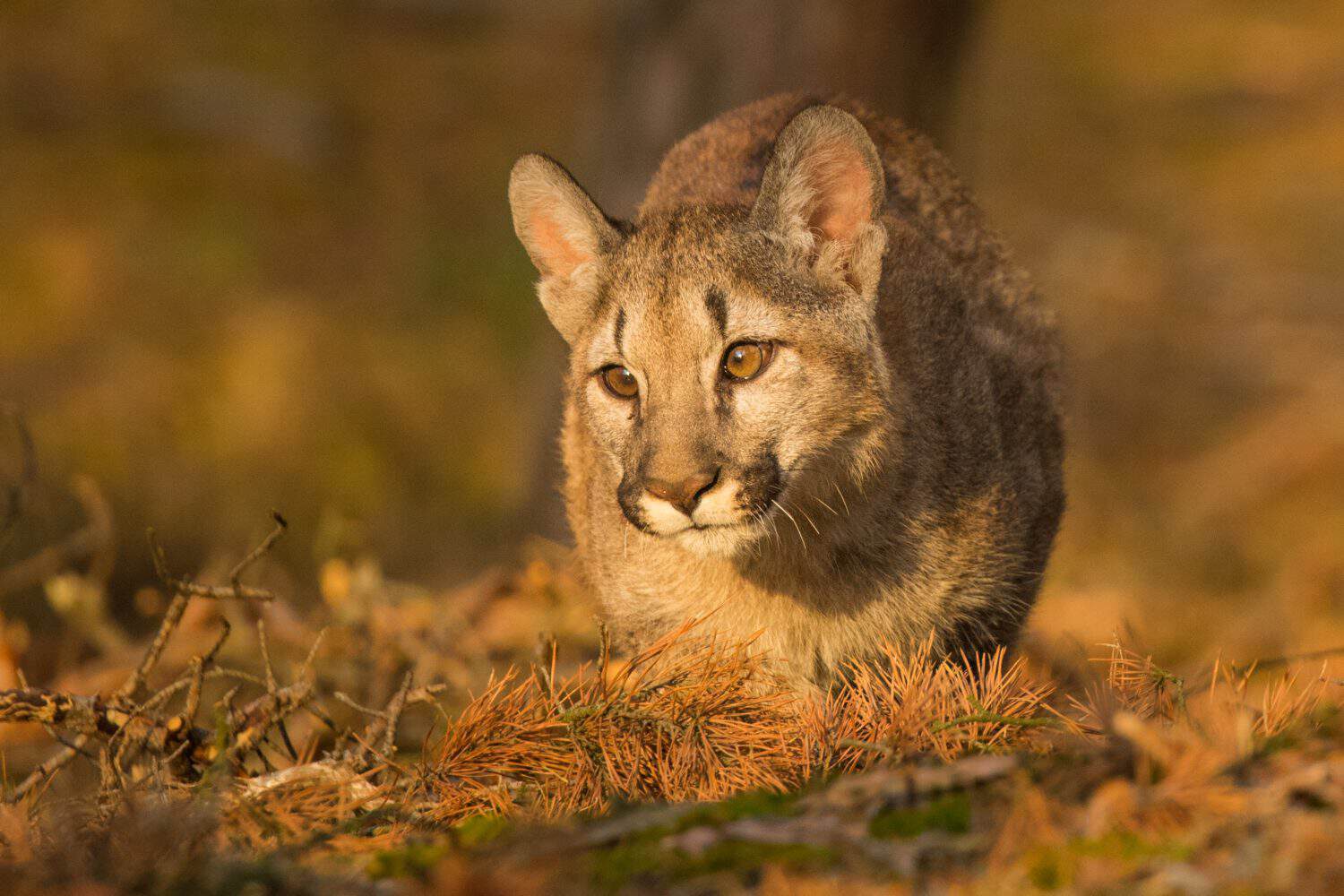
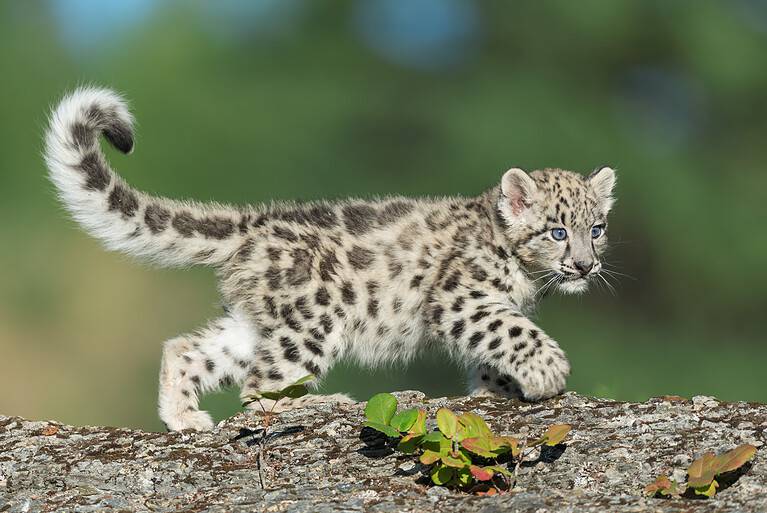
Young mountain lions often behave unpredictably as they learn to navigate life on their own.
©Vlada Cech/Shutterstock.com
Are Encounters a Legitimate Concern for Us?
The reassuring answer to that question is: encounters are still incredibly rare. “There are Californians who live very active, outdoor lifestyles and have never seen or encountered a mountain lion in the wild over their entire lives,” Tira says.
So this certainly isn’t something that should keep you from enjoying the outdoors. With that said, it is something worth taking into consideration and respecting. “Pay attention to signage, warnings, or reports of mountain lion activity, and adjust your activities accordingly,” Tira says.
If you stumble upon something that feels out of place or dangerous, don’t take unnecessary chances—leave the area quickly and calmly. “Mountain lions will often stash or cache their kills, returning to feed later and bringing other kills to the same location,” he explains. “If you encounter a mountain lion cache with deer parts and remains, for example, there is a strong likelihood there is a mountain lion in the area.”
That’s your cue to leave, calmly but quickly.
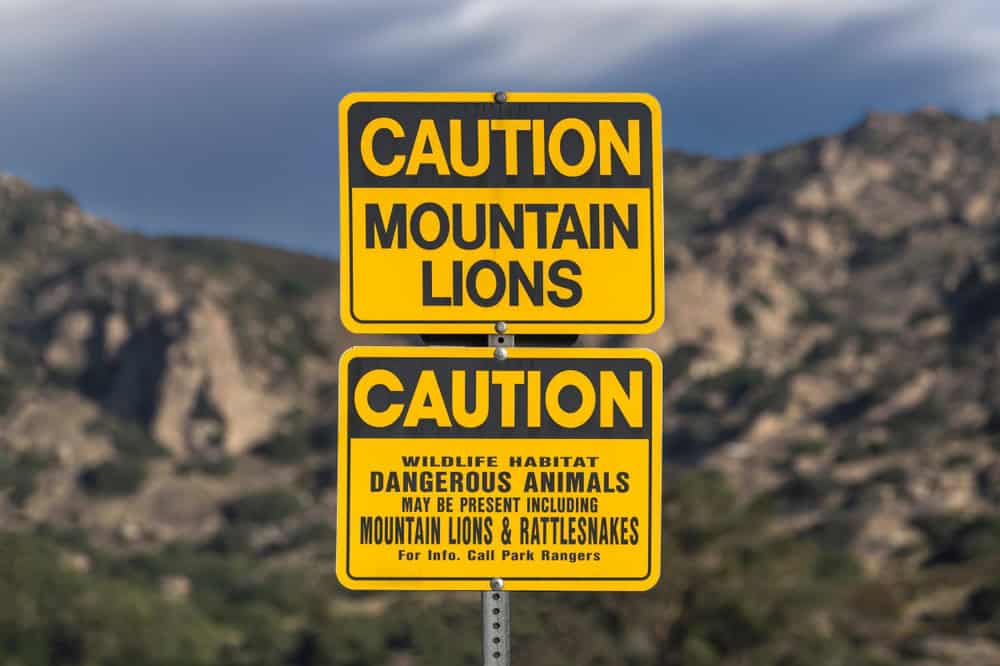
Awareness matters, especially in areas where large predators are known to roam. Be present!
©trekandshoot/Shutterstock.com
What the Cyclists Did Right (and Why It Matters)
What’s memorable about the Orange County cyclists isn’t just that they encountered a mountain lion, but that they handled the situation (almost) exactly right.
They didn’t run or turn their backs. They created distance, stayed visible, and held their ground. Eventually, the lion decided they weren’t worth the effort. While luck played a role, the riders’ smart actions were crucial—and that’s the major takeaway.
The quiet truth behind most wildlife encounters is that these animals aren’t out there looking for humans to prey on. Most of the time, they’re trying to avoid us entirely. When our paths do cross, the outcome often depends on the decisions we make in just a few seconds.
Think of it this way: in that moment, you’re not trying to win. You’re trying to communicate that you are NOT prey, NOT an easy target, and NOT worth the trouble. If you can communicate that message clearly, you’ll likely be able to continue your walk or bike ride—plus, you’ll have one heck of a story to tell later!