
Quick Take
- That cub rushing toward its mother looks like pure affection, though the real reason behind the behavior is far more primal than it appears. See what the video shows →
- Most people assume a bear cub alone for even a moment means trouble, but wildlife officials say that instinct can make things dramatically worse. Why assumptions backfire →
- Black bear cubs depend on their mothers far longer than most wildlife fans realize, and what happens during that window shapes whether the bear survives at all. How long cubs depend on mom →
- Well-meaning people have already changed the fate of bear cubs in Western North Carolina, and the mistake didn't involve anything obviously dangerous. See the real-life incidents →
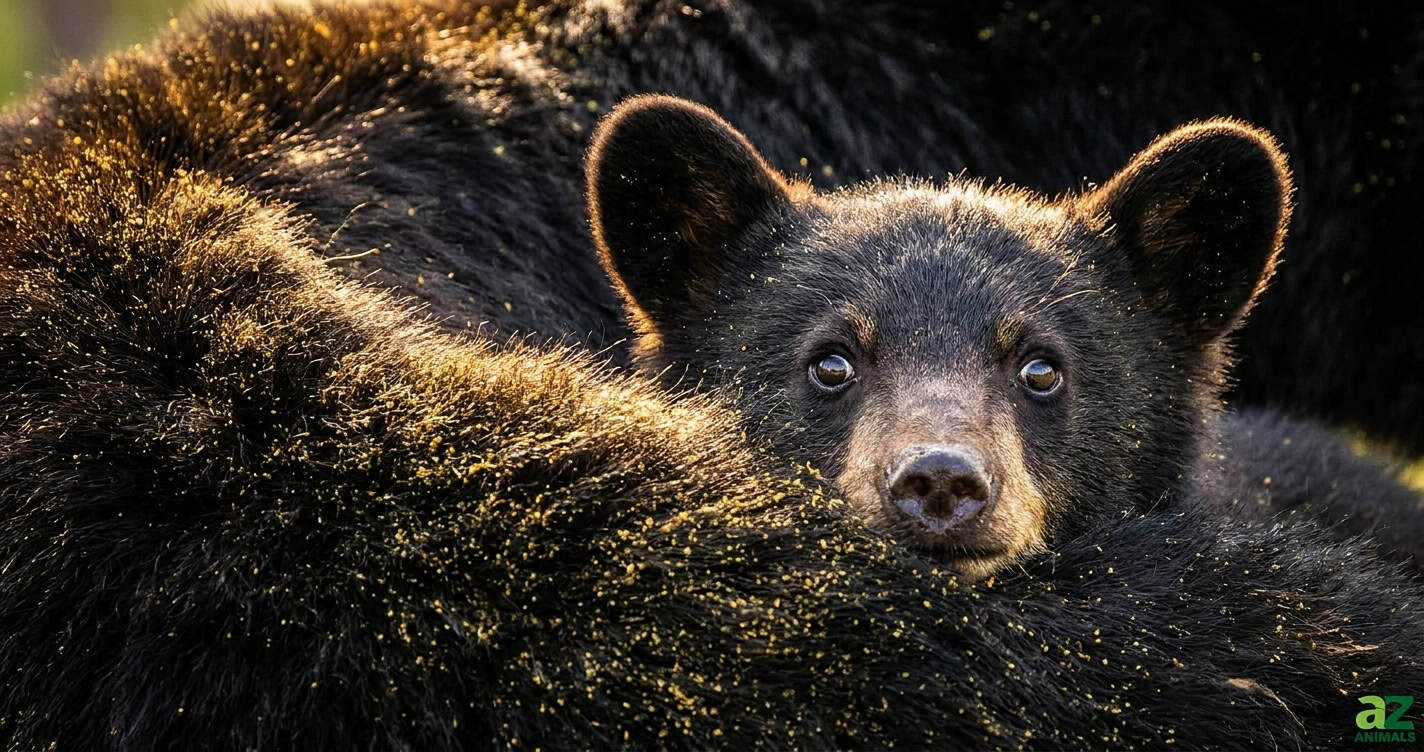
At first glance, the Instagram reel looks like pure sweetness as a baby bear runs toward its mother in Western North Carolina to give what appears to be a hug. But this isn’t just a sweet family moment. It is a glimpse into one of the most important survival relationships in the animal world: the bond between a mother bear and her cubs.
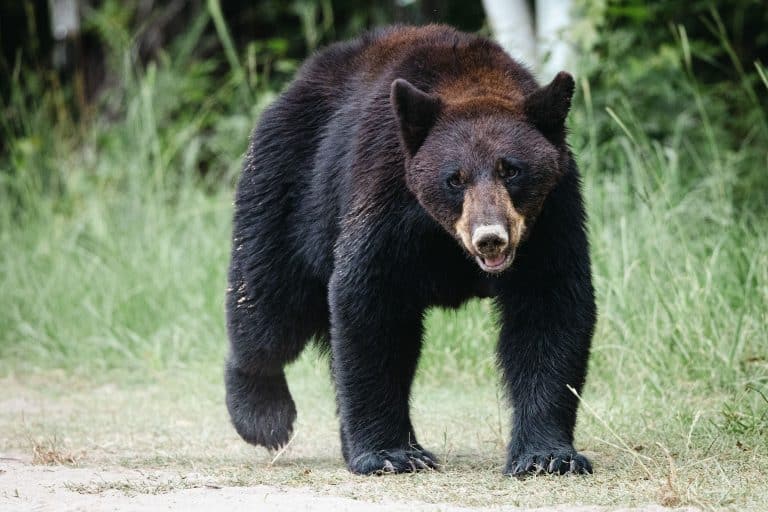
For black bears, that bond is both functional and essential at once. Cubs are born helpless, learn by following, and depend on their mother not only for food, but for safety, discipline, and the practical education they need to become wild bears.
And that is exactly why videos like this are worth watching carefully — and from a distance.
What the Video Appears to Show
The reel, posted by Pine & Cardinal, shows a baby bear running to its mother in Western North Carolina for what appeared to be a “hug.” Because Instagram reels can lack full context, we should be careful not to assume what the animal was “feeling.” A cub pressing into or rushing toward its mother may look emotionally familiar to us, but we cannot know whether it was seeking comfort, trying to nurse, responding to stress, catching up, or simply rejoining her after a brief separation.
What we can say is that this behavior fits a larger pattern of young black bears staying physically and socially close to their mothers because that closeness is how they survive.
The National Park Service notes that black bear cubs are born during the winter denning period and remain in the den with their mothers while they nurse and grow before emerging in spring. Adult black bears are mostly solitary, but mothers and cubs are the major exception to that rule.
A Black Bear Mother Is the Cub’s Entire World
Black bear cubs are not miniature adults ready to forage and navigate the landscape on their own. They need food and protection as they learn to navigate the world, picking up on cues from their mother. Their mothers teach them where to find food, how to climb, what to avoid, how to move through their home range, and how to respond to danger by following their mother day after day. California’s Department of Fish and Wildlife describes cubs as following their mother “everywhere she goes,” learning what foods are safe, what places are risky, and how to behave in the world around them.
That is why a cub running toward its mother is not just a cute visual. It is a survival reflex. For a young bear, “back to mom” often means back to the safest place available.
In Bear Country, Spring Is a Sensitive Season
Western North Carolina is black bear country, and spring is an especially active period. Mothers emerge from dens with young cubs and begin moving through the landscape in search of food. The National Park Service has recently warned that this is a sensitive time because mother bears with cubs are searching for limited early-season food, and getting too close can stress the animals and create unsafe encounters.
If you happen upon a cub that appears to be alone for a moment, remember that the mother is often nearby, and she may be watching closely.
The North Carolina Wildlife Resources Commission gives the same core advice about cubs: do not assume a cub is orphaned just because the mother is not visible. The agency says it is best to give the mother time and space to reconnect with her cub. Also, it is illegal in North Carolina to keep a black bear cub without a captivity permit.
The Dangerous Mistake People Make With Bear Cubs
North Carolina has already seen high-profile incidents involving people handling black bear cubs. In one Asheville-area case, people pulled cubs from a tree for selfies, prompting a wildlife investigation and the rehabilitation of one cub. Officials emphasized that interfering with cubs can separate them from their mothers and create danger for both bears and people.
This is the line every wildlife viewer needs to understand: admiring a cub from a distance is harmless; interfering with a cub can change its life.
Even well-meaning people can cause harm. A cub that is handled, chased, crowded, or separated may lose access to its mother. And when people repeatedly approach bears, bears can become more comfortable around humans, which can lead to a dangerous outcome that often ends badly for the animal.
How Long Do Black Bear Cubs Stay With Their Mothers?
Black bear family life lasts longer than many people expect. Cubs are typically born in winter and emerge in spring. New Jersey’s Division of Fish and Wildlife notes that cubs remain with their mother for up to 18 months, learning basic survival skills such as how to find food and avoid danger.
That extended childhood is one reason mother bears are so important. A cub is not simply waiting to grow bigger. It is actively learning survival skills like where to forage and how to find shelter.
Eventually, that family unit breaks apart. But until then, the mother is teacher, protector, food source, guide, and boundary-setter.
What This Moment Teaches Us About Wildlife
A cub running to its mother reminds us that wild animals have complex family lives without needing to be turned into people. The moment can be tender and biologically meaningful at the same time. It can make us smile while also reminding us to keep our distance.
But also let it sharpen your instincts as an observer. If you see a bear cub in real life, do not move closer. Do not try to help unless wildlife officials instruct you to. Do not block its path, crowd the mother, or linger for the perfect photo. Give the family space to do what bear families have always done: reconnect and move on.
Because for that cub, the safest place in the world is not in a viral video, it is beside its mother.