
Quick Take
- Bed bugs can survive cold temperatures through a dormant state, making freezing an ineffective method of removal.
- There is zero correlation between cleanliness and bed bug infestations.
- Advice based on bed bug myths can make the problem worse rather than addressing it at its root cause.
- Bed bugs are more likely to target humans because they’re drawn to the carbon dioxide that we exhale.
Bed bugs don’t discriminate when it comes to the homes they infest. Discovering them is enough to strike fear into the hearts of the biggest bug lovers, and they’re one of the most feared among homeowners after termites. Getting rid of them is no easy feat, a challenge that’s also fueled by old wives’ tales that often make the problem worse.
And if their blood-sucking behavior wasn’t painful enough, we’ve got even worse news. Many of the home remedies circulating online won’t rid your mattress of an infestation. The only efficient way to exterminate bed bugs is to consult a professional. We spoke to Orkin entomologist Ian Williams to debunk the myths that muck up too many bed bug issues.
What Is the Biggest Bed Bug Myth?
“One of the most common and damaging myths about bed bugs is that they are solely attracted to filth and clutter,” Williams informs us. “In reality, bed bugs are drawn to warmth, blood, and the carbon dioxide we exhale. Even the cleanest, most well-maintained home or business can experience an infestation.” Bed bugs require warm-blooded hosts to survive. It’s a common misconception that they feed on anything else, including crumbs or other pests. And in reality, they seek out any warm-blooded animal they can to survive. After consuming blood, they grow large enough to shed their exoskeletons, which are sometimes one of the first clues of an infestation.
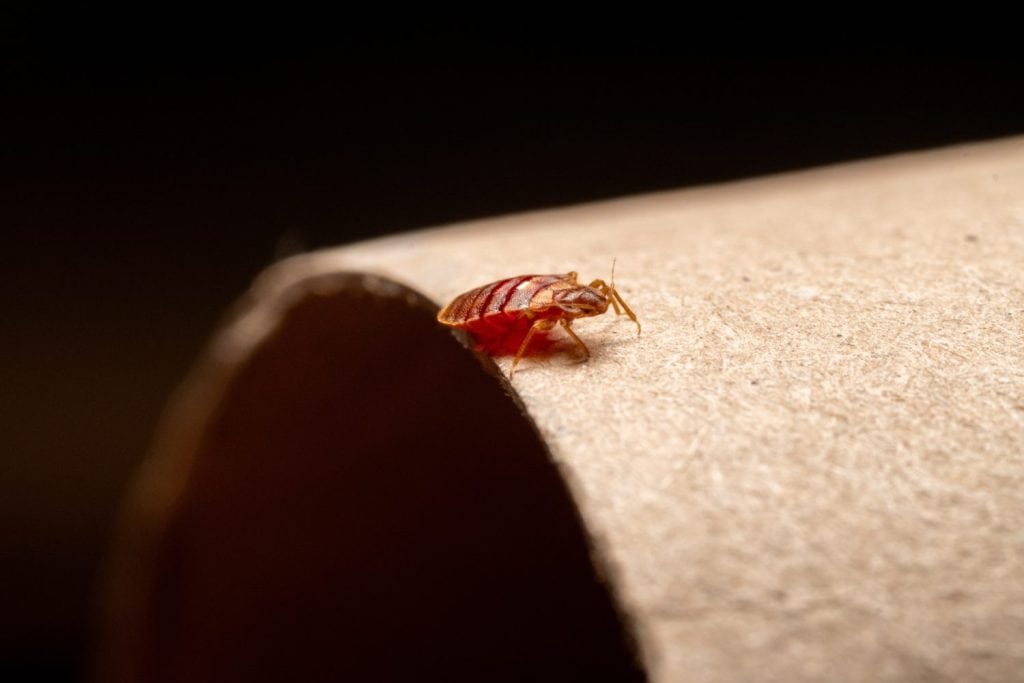
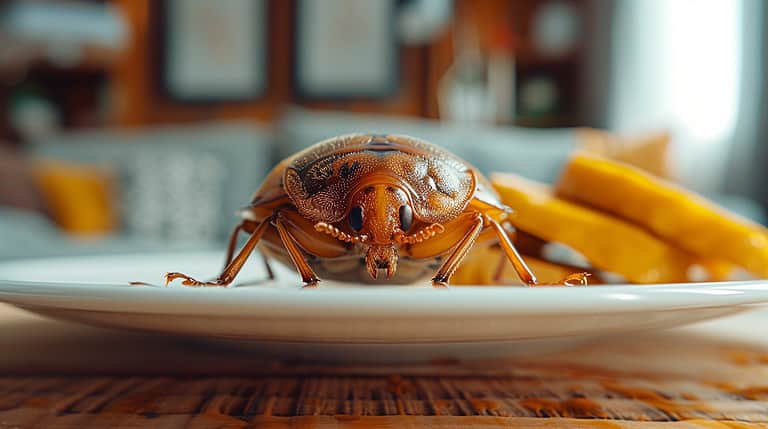
Bed bugs can infest any home without warning, and are attracted to humans rather than unsanitary conditions.
©Antidote Nuisibles/Shutterstock.com
As they mature, bed bugs need a consistent supply of blood for reproduction. This is the phase when many people regularly find bites upon waking. Since bed bugs prefer humans over pets and other hosts, it’s common to jump to the conclusion that a dirty house is to blame. However, this is factually incorrect. As it turns out, the biggest myth is that bed bugs prefer clutter and chaos. Williams says that’s not necessarily true. “While clutter can provide additional hiding spots, making them harder to eliminate, bed bugs are not a reflection of cleanliness. Anyone can encounter these pests under the right circumstances.” Unfortunately, a bed bug infestation ultimately comes down to chance rather than chores.
Do Home DIYs Actually Work?
Bed bugs are a nightmare, both to live with and to exterminate. Many homeowners are so desperate to eradicate the problem that they’ll try anything. Bed bugs are like heat-seeking missiles, targeting a human host. Because they seek out warmth, which leads them to humans, there’s a belief that even cold temperatures can kill them. Unfortunately, this may only cause them to enter diapause. This dormant state allows them to survive the cold temporarily, rendering it ineffective. To kill these bugs with cold would require extreme measures, such as putting all bedding and furniture into a giant freezer for an extended period.
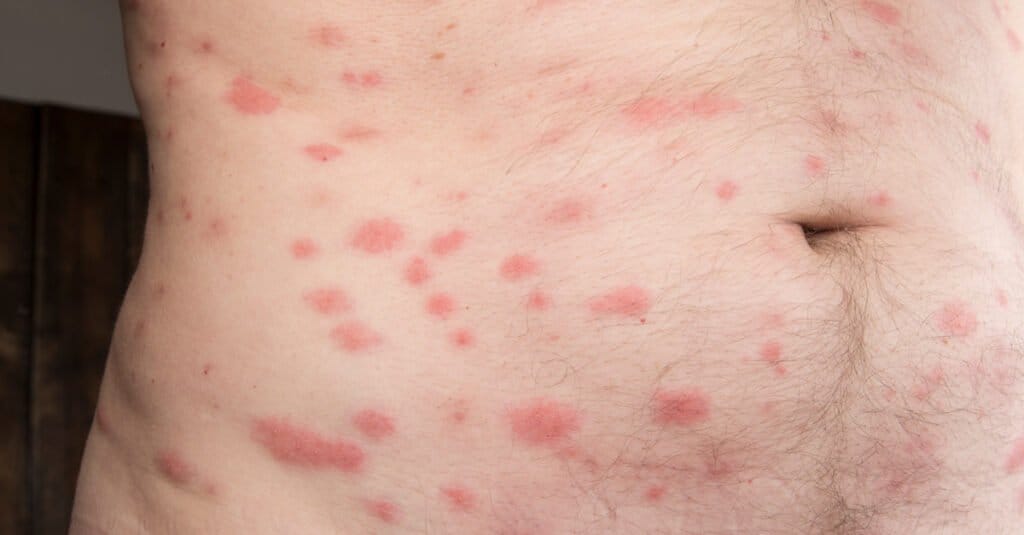
Bed bug bites are often one of the first signs of an infestation.
©OttoPles/Shutterstock.com
With a freezer that dials down to 0 degrees Fahrenheit, and a 4-day wait time not realistic, others seek simpler DIYs. One myth that’s rooted in truth is that light deters bed bugs. While they do prefer darkness, keeping the lights on won’t prevent activity. It may slow them down, but it won’t rid a home of an infestation. So, onto the next: Starving them of a meal.
One of the most common and damaging myths about bed bugs is that they are solely attracted to filth and clutter. Even the cleanest, most well-maintained home or business can experience an infestation.
Ian Williams, Orkin entomologist
Another Outdated Fact
The myth that bed bugs starve without a constant blood supply is only partially true. They would need to be deprived for months, and sometimes, up to a full year, before their bodies are desecrated. Removing a human host also doesn’t solve the problem, as they will resort to feeding on anything warm-blooded. Just because they prefer humans doesn’t mean their diets are restrictive.
But what about oil deterrents, sprays, and running everything through the washing machine? Unfortunately, these are yet more myths for treating bed bugs at home. “Home remedies such as essential oils, DIY sprays, or simply washing bedding are usually not sufficient to eliminate a full infestation,” explains Williams. “While laundering can help reduce the number of bed bugs in fabrics, it often does not address hidden populations throughout the home. Effective treatment requires a thorough, targeted approach designed to eliminate bed bugs at their source.”
Listening to Myths Can Make the Problem Worse
By the time you try to DIY an infestation treatment, bed bugs are already multiplying. One female can lay 1 to 5 eggs per day, and up to 500 in her lifetime. According to Orkin, these eggs can hatch between days 3 and 10. In warm temperatures and under the right conditions, this can double over 16 days. When an infestation of this size is discovered, it often contains multiple generations of bed bugs, from nymphs to adults.
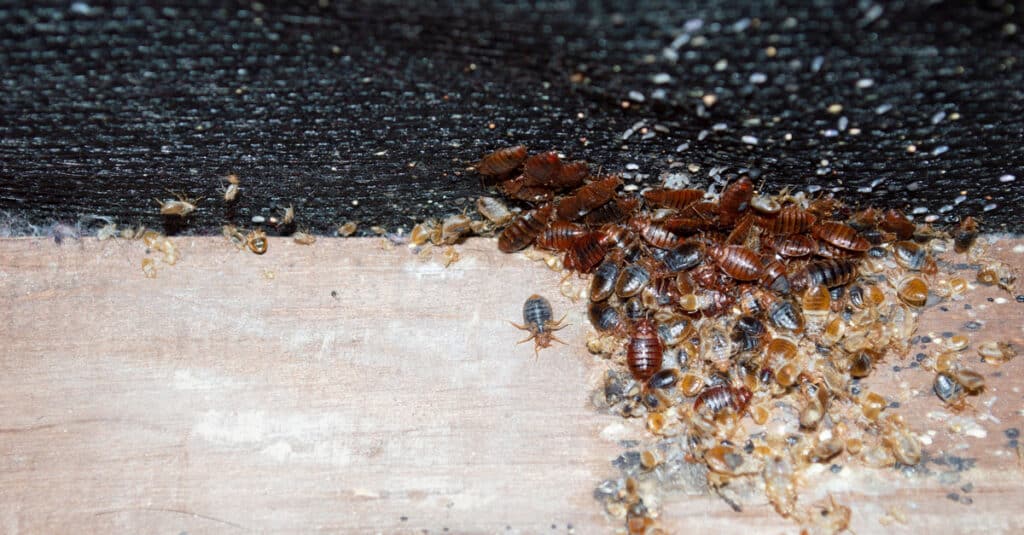
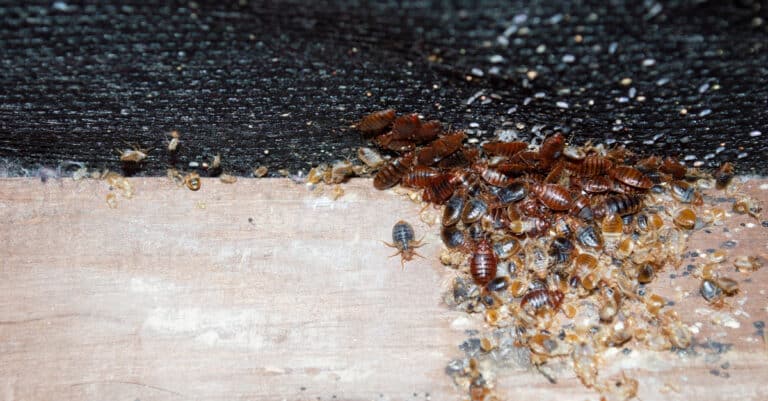
When identifying bed bugs in your mattress, look for blood stains and excrement, which often appear as black, ink-like marks.
©simon berenyi/Shutterstock.com
As this problem is multiplied, the presence of human hosts only aids bed bugs in their quest for survival. Therefore, myths can do more harm than good. “Misinformation often leads to delayed or improper treatment. Because many people mistakenly believe bed bugs are only found in dirty homes, feelings of embarrassment can prevent them from seeking help early, allowing the infestation to grow,” Williams tells us.
He adds that even tossing bed-bug-infested items can worsen the problem, along with using pesticide sprays. “People may also throw away mattresses or move infested furniture into other rooms, unintentionally spreading bed bugs throughout the home. Overusing store-bought sprays or applying products incorrectly can cause bed bugs to scatter deeper into walls and hidden areas, making them even more difficult to control.”
Is There Anything Homeowners Can Do Themselves?
It’s normal to feel helpless when faced with a pest that refuses to leave. In this case, professional help is the best course of action. “Bed bugs are difficult to eliminate without professional assistance. They can hide in extremely small spaces and survive for months without feeding. Effective control requires a detailed inspection and a customized treatment plan that targets bed bugs at every stage of their lifecycle. Professional treatment helps ensure that all harborages are identified and addressed,” Williams informs us.
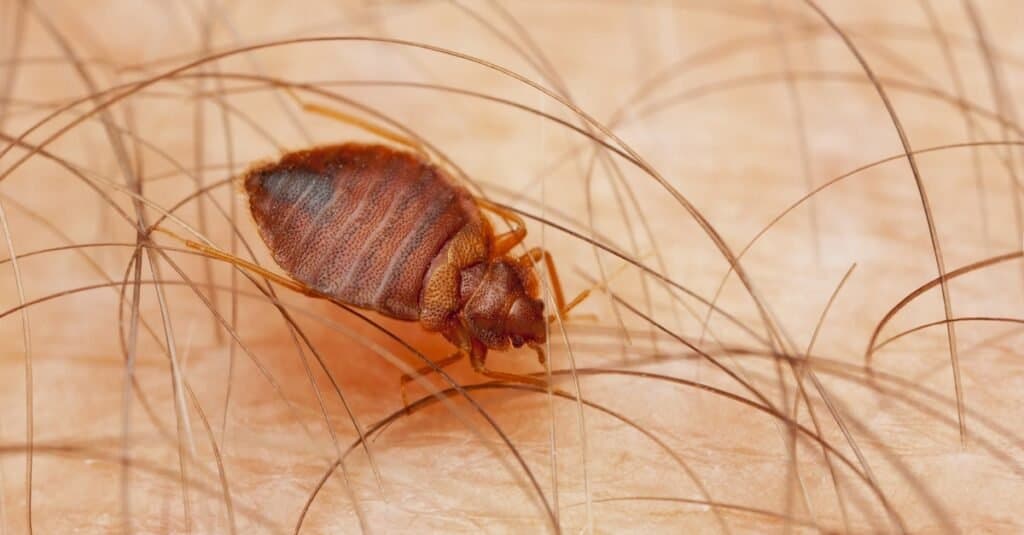
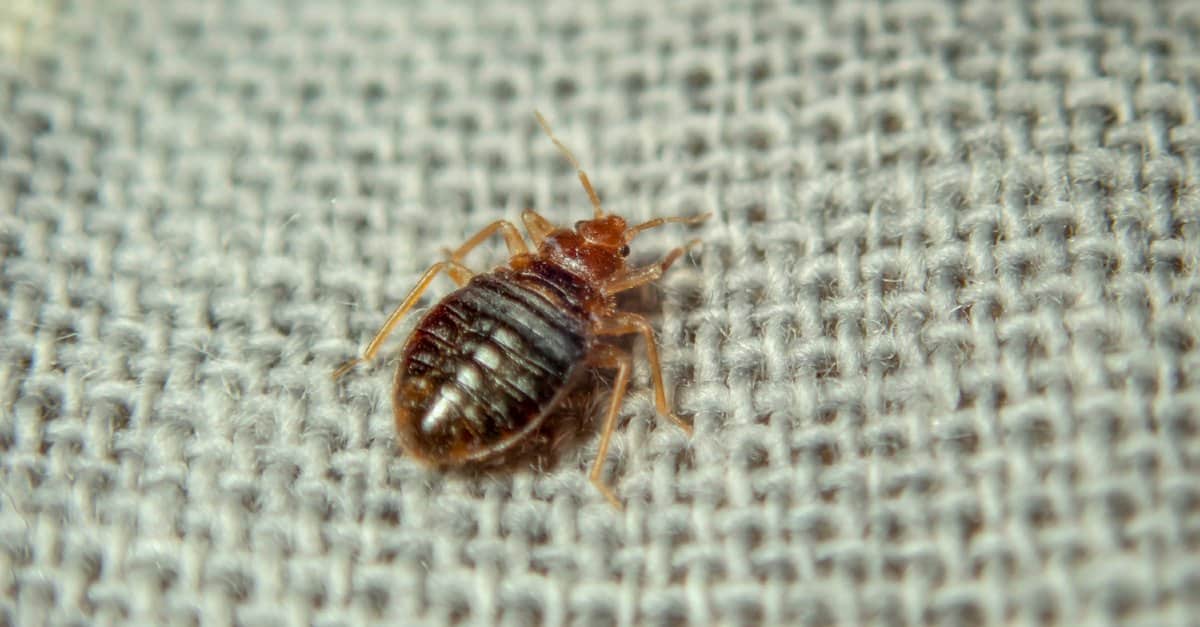
The Common Bed Bug, Cimex lectularius, is the type of bed bug you are most likely to encounter.
©Pavel Krasensky/Shutterstock.com
It’s also crucial to involve a professional because these pests can move from place to place. “Bed bugs are attracted to people, specifically body heat and the carbon dioxide we exhale, rather than clutter or unsanitary conditions. They feed on blood and typically bite at night while people are sleeping,” Williams reiterates. “Introductions of bed bugs often occur when bed bugs hitchhike from one location to another on luggage, clothing, backpacks, or used furniture. Infestations, or when an introduction of the pest is allowed to grow, can happen in homes, hotels, apartments, and other places where people live or gather.” With that being said, there is one thing homeowners can do: Be proactive.
Utilizing the S.L.E.E.P. Method
To prevent bringing bed bugs home, Williams recommends people remember Orkin’s S.L.E.E.P. acronym:
- Search the room for signs of infestation, looking for bed bugs, which are small, flat, oval-shaped insects that are brown and about the size of an apple seed. Other signs of bed bugs include ink-like stains on fabrics, shed exoskeletons around furniture, and a sweet, musty smell.
- Lift sheets, curtains, and cushions to check for bed bugs or signs of bed bugs.
- Elevate your luggage onto racks and keep it away from the bed or other furniture.
- Examine your luggage carefully both when repacking and upon returning home.
- Place all dryer-safe clothing from your luggage in the dryer for 30 to 45 minutes at the highest heat setting upon returning home.