
Quick Take
- Firefly populations are declining worldwide, in large part due to habitat loss.
- Threats like climate change, pesticide use, and light pollution are contributing to this pressing issue.
- The firefly decline indicates broad ecological stress.
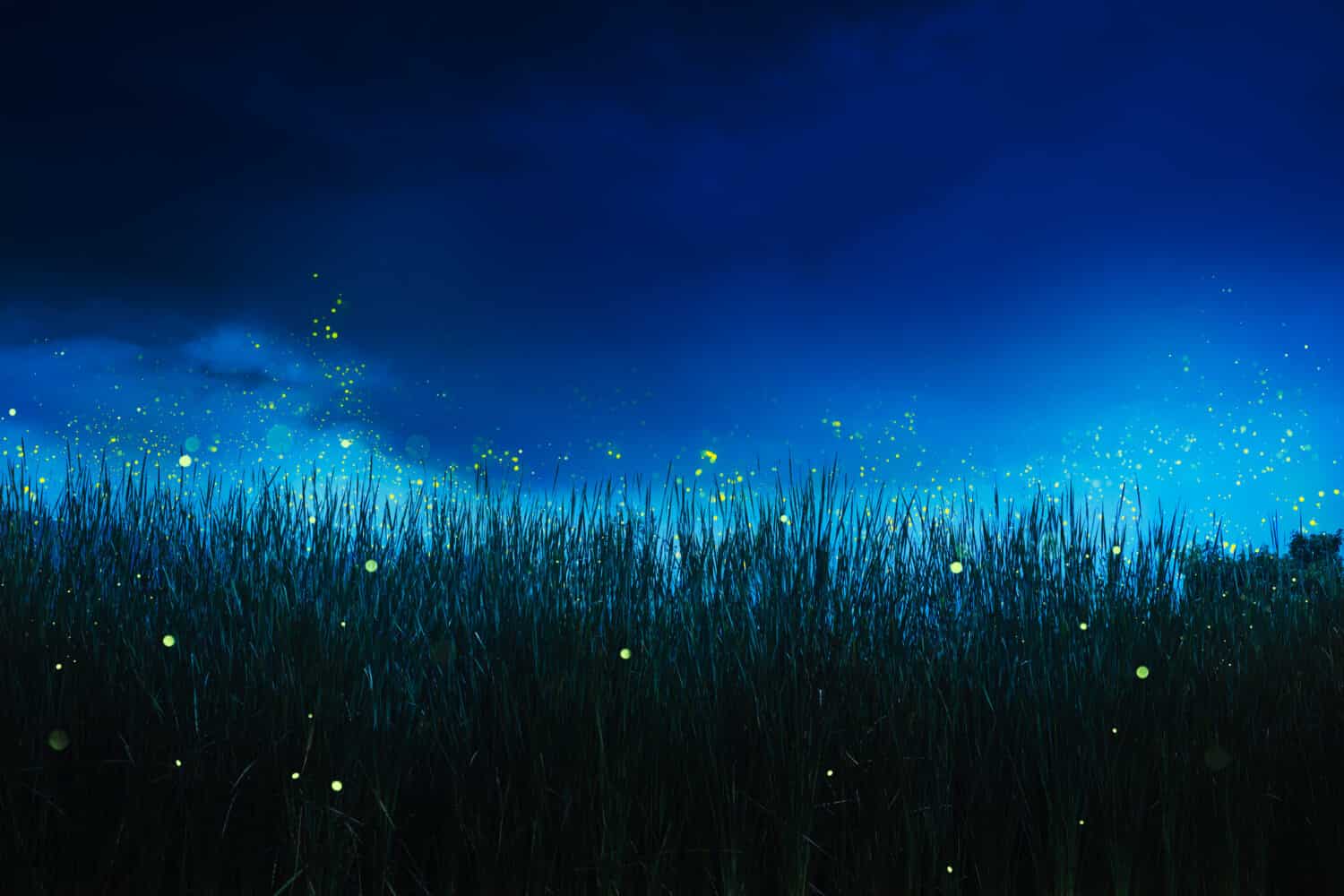
Many of our most precious childhood memories feature the magnificent firefly. Known for their charming bioluminescence, lightning bugs can make the most mundane settings appear magical.
Unfortunately, fireflies—once a familiar sight on warm summer nights—are becoming increasingly rare in many parts of the world. Scientists point to a combination of habitat loss, light pollution, pesticide use, and climate change as the primary drivers behind these declines.
While this might not seem like a pressing loss, fireflies contribute to a healthy ecosystem. Their decline perpetuates reliance on pesticide use, leads to a loss of food sources, and indicates broad ecosystem stress.
In this article, we speak with experts to explore the evidence behind each threat and explain why the loss matters ecologically.
What Is Driving the Firefly Decline?
According to Stewart Muir, Associate Certified Entomologist (ACE) at JP McHale Pest Management, “A 2024 study revealed concerning population drops across North America, with the possibility of approximately 14% of North American firefly species threatened with extinction.”
“The main reason for the decline of fireflies is habitat loss from urban development,” he explains. “Light pollution becomes a factor as it interferes with the light patterns fireflies use to attract mates, and of course, the use of pesticides on people’s property.”

Fireflies often provide a wondrous view and a memorable childhood experience.
©Suzanne Tucker/Shutterstock.com
“Observational data from across the world [were] the first indication that firefly populations were declining, and sparked research investigating firefly population numbers,” adds Dr. Beth Choate, an entomologist and the Deputy Director at Washington College’s Center for Environment & Society. “Currently, the International Union for Conservation of Nature (IUCN) is working to gain a better understanding of firefly species decline.”
With the help of both entomologists, we explore the four driving forces behind the firefly decline:
1. Habitat Loss
One of the most significant threats to the firefly population is habitat loss. From land development to agriculture disruptions to coastal changes, these losses are detrimental to various species.
“To understand the decline of fireflies in the landscape, you must understand a bit about their biology,” says Choate. “Fireflies are beetles and undergo complete metamorphosis. This means that they start their life in the egg stage, hatch into larvae that are worm-like and live in the soil, pupate, and then become adults, where they live among a variety of vegetation. When you are outside in the late spring and early summer, the insects that you see lighting up the landscape are the adult form of fireflies.”
According to Choate, there are over 2,000 known species of fireflies. Each species has its own preferred habitat. When threatened, altered, or destroyed, these vulnerable habitats can lead to loss of firefly populations.
“There are species with larvae that develop in moist soils, such as in lawns or grasslands, and there are species that develop in aquatic or semi-aquatic environments,” she explains. “The development of coastal areas into tourist destinations impacts those species that rely on coastal habitats. Inland, the transition of land from unmanaged spaces to high rises, neighborhoods, and farm fields can have a negative impact on populations.”
The IUCN Red List of Threatened Species has identified the Bethany Beach firefly as the most critically endangered firefly species in the U.S. Choate credits this to the species’ “highly specialized habitat preference and coastal habitat development.”
2. Pesticide Use
Adult fireflies often require specific plant species for their survival, Choate says. When farmers turn to pesticide use, it threatens the firefly population through both direct contact and through its primary food sources.
“The transition of land to farms or subdivisions likely means an increase in pesticide [use],” she explains. “Pesticides can reduce populations when fireflies come in direct contact with pesticides, consume prey that have been sprayed, or pesticides run into waterways or soil where the larvae are living.”

The use of pesticides greatly contributes to the decline in firefly populations.
©oticki/Shutterstock.com
If you use pesticides at home, you might even unknowingly be contributing to the decline in fireflies, which are natural pest control sources themselves.
“Many pesticides sprayed to control pests on farms or lawns kill a plethora of insects, including fireflies,” she continues. “For example, it is common for homeowners to spray the soil around their homes to prevent pest insects from entering or damaging their homes. These soil applications will negatively impact the larvae that may be living in your flower beds or any adults in the vegetation.”
3. Light Pollution
Fireflies don’t glow just for aesthetics. These beetles use their flashing patterns to attract mates and warn predators.
“Not only is the flashing pattern unique, but so is the location where they flash,” Choate explains. “Some species can be found at the top of trees, while others flash their signal from small bushes well below the tree canopy.”
However, light pollution can drown out these signals and disrupt their communication.
“Scientific studies have demonstrated reduced firefly populations in areas with increased artificial light,” says Choate. “It is likely that this light impacts the ability of the fireflies to reproduce.”
4. Climate Change
Overall, climate change can impact fireflies’ habitats, life cycles, and general activity. As temperatures prematurely rise, fireflies fall out of their natural rhythm. This influences their breeding cycles and can lower the quality of their preferred habitats.
“Because insects are cold-blooded, they rely on temperature to prompt [the] development and timing of reproduction,” says Choate. “Warming temperatures or erratic temperature changes will impact development. Scientists have observed range expansions in other insects due to warming temperatures, with insects moving north of previously known distributions.”
Additionally, lightning bugs are sensitive insects. These vulnerable creatures can even fall victim to short-term weather conditions, such as droughts or floods.
Impacts of Firefly Loss
As Choate warns, the loss of fireflies will negatively impact ecosystems. In fact, we likely won’t understand the full extent of the issue until it’s too late.
“Firefly larvae are predators, feeding on snails, slugs, and earthworms,” Muir explains. “Without these voracious predators in our gardens and agricultural system, we are causing increasing damage to many food sources, and a possible need to increase pesticides to control what the fireflies may not be able to.”
Fireflies aren’t just predators, however.
“In a fully functioning ecosystem, no species is a ‘pest’ because everything is food for something else,” Choate adds. “Firefly larvae play an important role in their ecosystems; they feed on certain species and act as food for other species. The decline in these populations will throw many ecosystems out of balance.”
Fewer natural pest control sources (like fireflies and their predators) create a higher reliance on pesticides, which is what contributes to the issue in the first place. Essentially, the firefly decline is fueling a vicious cycle.
A 2024 study revealed concerning population drops across North America, with the possibility of approximately 14% of North American firefly species threatened with extinction.
Stewart Muir, Associate Certified Entomologist (ACE) at JP McHale Pest Management

As the firefly population declines, so do their gorgeous summer displays.
©PeopleImages.com – Yuri A/Shutterstock.com
While aesthetics is a superficial issue, the decline in fireflies also means humans will experience fewer firefly displays. Growing up, you likely remember summer nights spent catching and releasing these gorgeous, blowing beetles. Unfortunately, each year, we seem to see fewer and fewer of them—at least in certain regions. With the dwindling firefly population comes the heartbreaking loss of natural wonder.
“While there are locations that attract tourists to observe fireflies and rely on that income, for many of us, fireflies are a reminder of childhood,” says Choate. “They signal the start of summer. They remind me of hot sticky nights running through the neighborhood chasing the lights as they moved through the landscape. For many kids, such as myself, fireflies were my first real positive encounter with the insect world.”