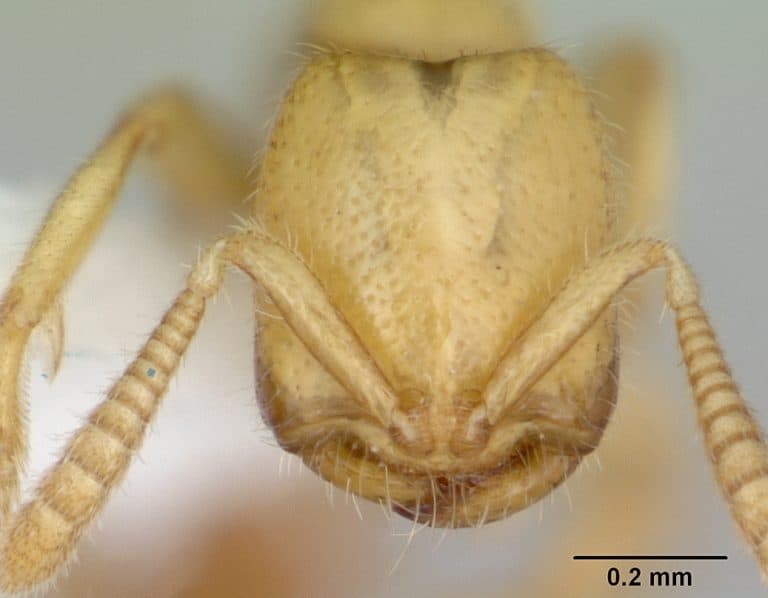

Quick Take
- What looks like a small dirt mound in your yard hints at something far more unsettling lurking just beneath the surface. See what's underground →
- Getting away from a fire ant mound does not necessarily mean you are safe. Their attack system is more coordinated than most people realize. Understand their attack strategy →
- The popular DIY methods for killing fire ant mounds can actually backfire, and pest experts say they know exactly why. See why DIY methods fail →
Warmer temperatures mean summer is well on its way, but it also means something else: The bugs are out. Anything that crawls, climbs, or flies is bound to show up in your yard. People spend thousands each year on pest-proofing their homes, especially to guard against insects that sting or bite. While most people are worried about wasps and other flying pests, the biggest threat is one you may not even notice.
Fire ants have a long history of sneaking up on their unsuspecting victims. You might step on an ant mound or accidentally disturb a nest, all without realizing until that sharp pain hits. With fire ant season upon us, we speak with an expert to learn about colonies, bites, prevention, and treatment.
Where Do Fire Ants Live?
As their name implies, fire ants prefer regions with warm climates. They’re found throughout the central and Southeast U.S. Ralph Masferrer, Director of Technical and Training at Aruza Pest Control, shares that these conditions are favorable because fire ants are ectothermic. They rely on ambient temperature to regulate their body temperature. In colder climates, fire ants struggle to stay warm and eventually die because of their extremely slow metabolism.

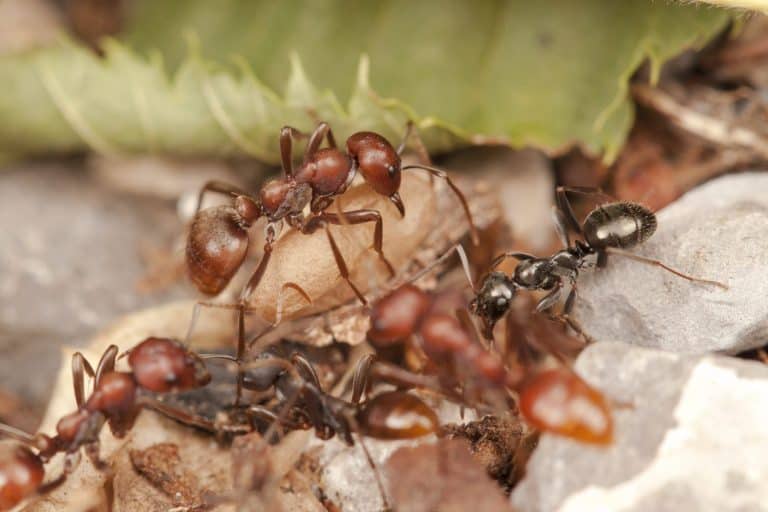
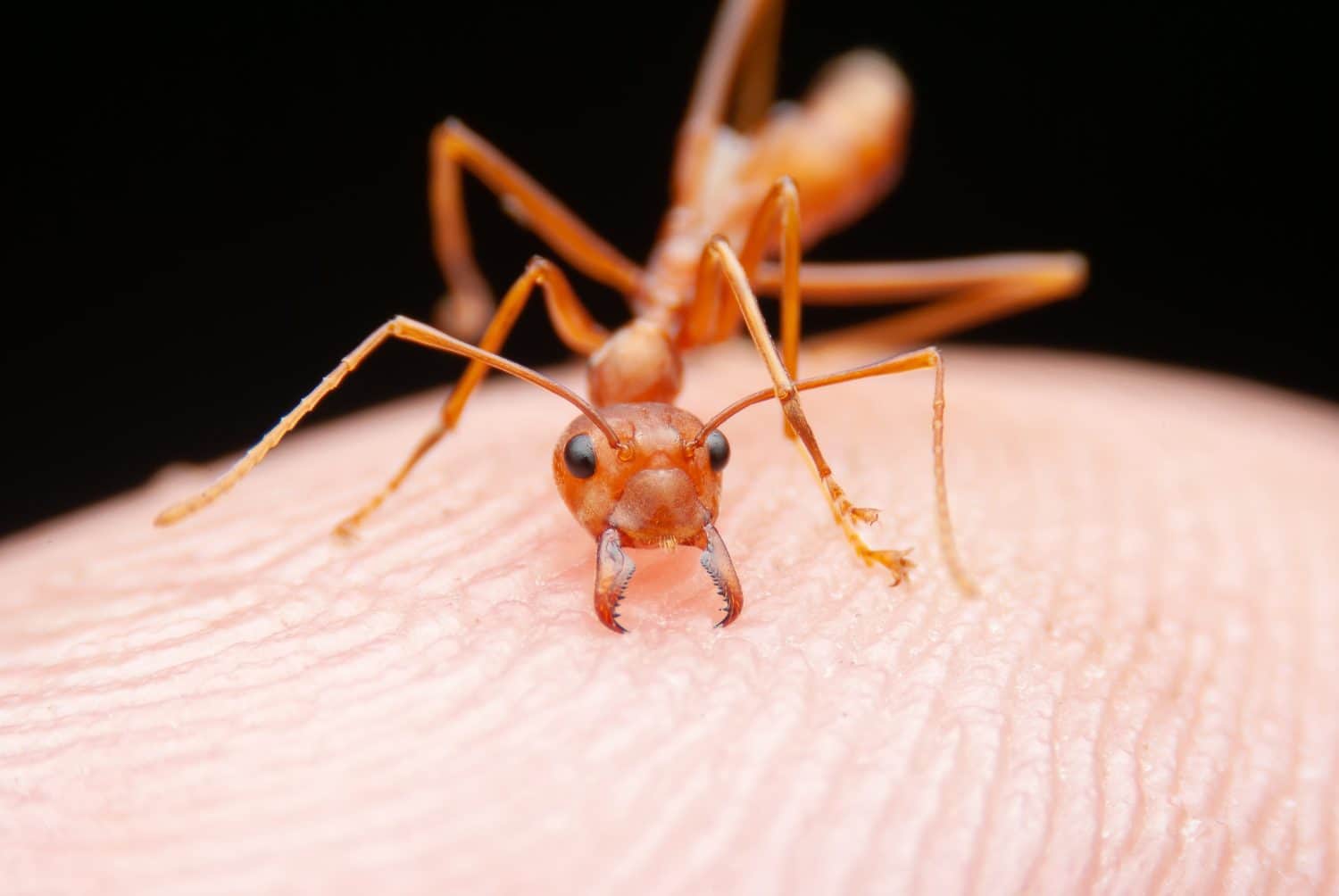
Fire ants use their mandibles to grip the skin and then sting with a stinger that protrudes from their abdomens.
©Dafi Yasin Addafi/Shutterstock.com
This makes the climate in the Southeastern U.S. the ideal habitat for the species. Populations often explode and thrive during hot summers, with anywhere from 100,000 to 500,000 worker ants in one colony. The more consistent the temperatures, the more active the fire ants are, and by extension, the more aggressive they can be when disturbed. “Fire ants are most active between Spring and early Fall. During these times of the year, the temperature is favorable and ideal for their existence,” says Masferrer.
Fire Ants Often Hide in Plain Sight
When it comes to their homes, fire ants can be easy to spot if you know what to look for, according to Masferrer. “Besides actually seeing the ants crawling, you will notice what looks like dirt up against the baseboards. That is what pest control experts call a ‘boneyard,’ a term used for piles created by Big Headed ants,” Masferrer says. He explains that these ‘boneyards’ contain insect fragments mixed with dirt. This is essentially a discard pile created by the ants to rid the colonies of waste. It typically includes the desiccated bodies of worker ants that have died and have been carried away by undertaker ants. This is a highly intelligent process called necrophoresis, in which the dead are removed from the living colony.
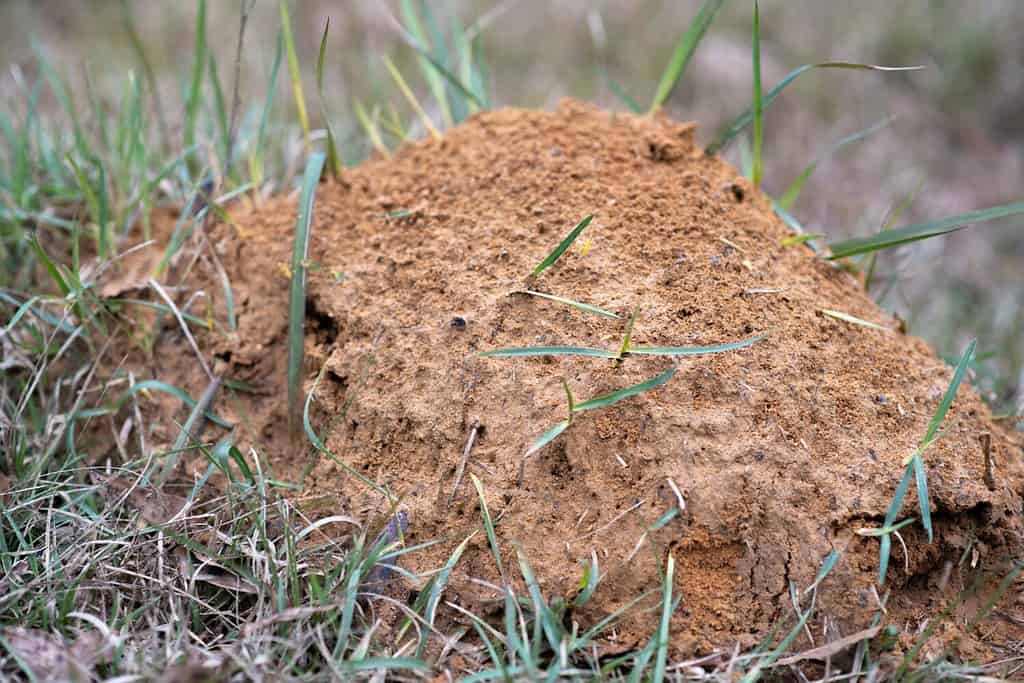
Mounds may look like dirt piles, leading many unsuspecting victims to step on them unknowingly.
©EngineerPhotos/Shutterstock.com
Masferrer also explains that normal-looking ant mounds around home exteriors are also worth investigating from a safe distance. “This is a sign of fire ants. It is best to be cautious and not stand or disrupt it to avoid being bitten or stung,” he cautions.
If you find a fire ant mound, it’s also important to remember that these are often deeper than you think. One mound can have tunnels that run 10 feet deep and extend up to 30 feet in length. What you see on the surface is only the opening of the colony, typically with a complex tunnel system just below. This is also why many people underestimate the firepower of these insects.
What Makes Fire Ants So Aggressive?
Many insect species, including fire ants, are motivated by protective instincts. According to Masferrer, worker ants will do anything to protect their queen, which heightens their aggression levels. “Any form of disruption that occurs to the nest is viewed as a direct threat to the queen,” he says. “As a result, the workers are instructed to attack and defend the colony.” When this happens, thousands of ants mobilize to attack the perceived threat. But surprisingly, you can still be stung even from a distance.

Bites and stings cause red welts, often turning into blisters before they heal.
©Arlee.P/Shutterstock.com
Fire ants may forage up to 30 feet from their mounds. They communicate through pheromones, which signal to the entire colony that they’re under attack. Even if you manage to evade the mound, the surrounding fire ants may swarm. This often leads ants to climb any vertical surface they can find, including arms and legs. As they do, they release more pheromones, signaling they’ve located a threat. Ants are also extremely sensitive to vibrations and movement, which makes running or jumping a moot point once they’ve found you. These coordinated attacks are similar to those of wasps, which also release pheromones after stinging their target.
Fire Ant Safety and Sting Treatment
Fire ants can sting multiple times, meaning that removing them is the main priority. The best practice is to brush them off, which can be difficult due to the microscopic claws at the ends of their legs. After doing this, the goal is to get as far from the nest as possible. When fire ants sting, the pheromone can spread up to 50-100 feet. Therefore, the further away you can get, the better.
The first symptom of a fire ant sting is pain. It’s often described as a burning or “fire” sensation on your skin. This can last up to ten minutes, depending on how much venom was injected during the bite. While these ants certainly live up to their name, their stings can come with severe side effects. Within 48 hours, the stings become red, pus-filled bumps or blisters. While the venom wears off within this timeframe, it can take 8 to 10 days to fully recover from fire ant stings. In severe cases, chest pain, swelling of the face or throat, dizziness, or nausea may also accompany the initial pain. It’s rare, but anaphylaxis may occur in those who are allergic to the stings.
The best approach is to use bait to eradicate the queen and the colony, which can be done by a trained pest control specialist.
Ralph Masferrer, Director of Technical and Training at Aruza Pest Control
How to Get Rid of a Fire Ant Mound
The internet is full of seemingly clever ways to eliminate pests, including fire ants. A do-it-yourself YouTube video may seem helpful, but Masferrer says many of these only touch the surface of the problem. In some cases, these methods could even make an infestation worse.
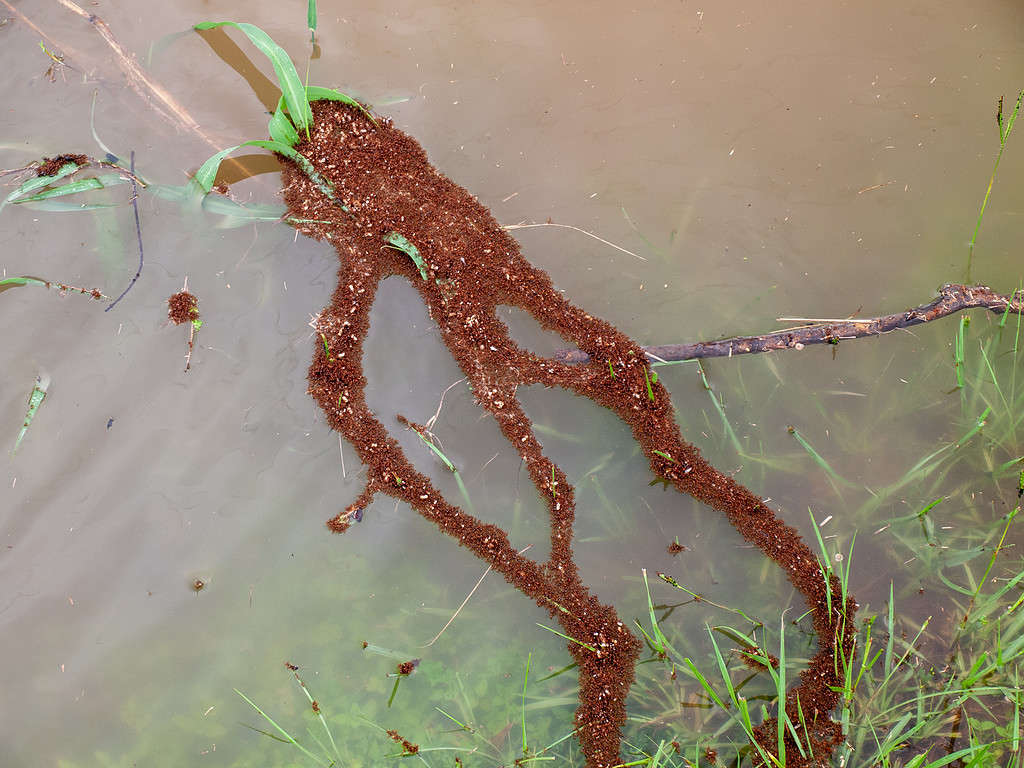
Water is a temporary fix to wash away fire ants, but not a solution.
©Tim Bingham/iStock via Getty Images
“There are DIY solutions homeowners can do to get rid of fire ants, but hiring a pest control specialist that uses integrated pest management is highly recommended. For fire ants, you have two DIY approaches. One: Apply boiling water, about two gallons, directly on the mound. It is only good for quick surface control, not full elimination,” he tells us.
He then shares a second option, but it also carries risks. “[Or] two: Mix dish soap and water and apply directly to the mound. Again, this is just a quick surface control, and not full elimination. The reason being that these two approaches can cause the nest to spread. The best approach is to use bait to eradicate the queen and the colony, which can be done by a trained pest control specialist,” he says.