
Quick Take
- Bed bugs nearly vanished from the planet once, so why are they back and harder to kill than ever? See how they survived →
- Bed bugs don't just find you by sight. Their method of tracking a sleeping victim is far more unsettling. See how they find you →
- Checking out of a hotel clean isn't as simple as it sounds. Most travelers skip the one step that matters most. Get the hotel tips →
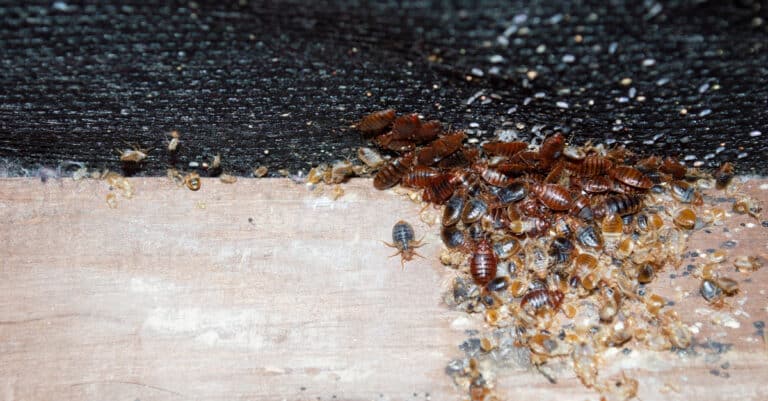
When people talk about tenacious, seemingly unkillable pests, the mind immediately goes to cockroaches. After all, their reputation precedes them: hard to spot in the cold light of day and next to impossible to get rid of. As spring becomes summer, however, there is another type of pest people should be worried about: the dreaded bedbug. Much like cockroaches, they hide in the shadows and can infest a building with comparable ease. Worse, they bite.
You see, the contemporary bed bug problem is a byproduct of globalization. These millimeter-long pests have been known about since as early as 400 BC. However, they didn’t become a widespread problem until humanity itself spread far and wide. Now, thanks to a sea of hotels, flights, and cruise ships across the globe, bed bugs are more commonplace than ever. Increased summer travel heightens the risk of bed bug infestations and bites. Plus, like something out of a horror movie, the modern bed bug has developed a resistance to pesticides. Let’s learn more about this dreaded pest and why they come out in full force in the summer.
Bed Bug Background
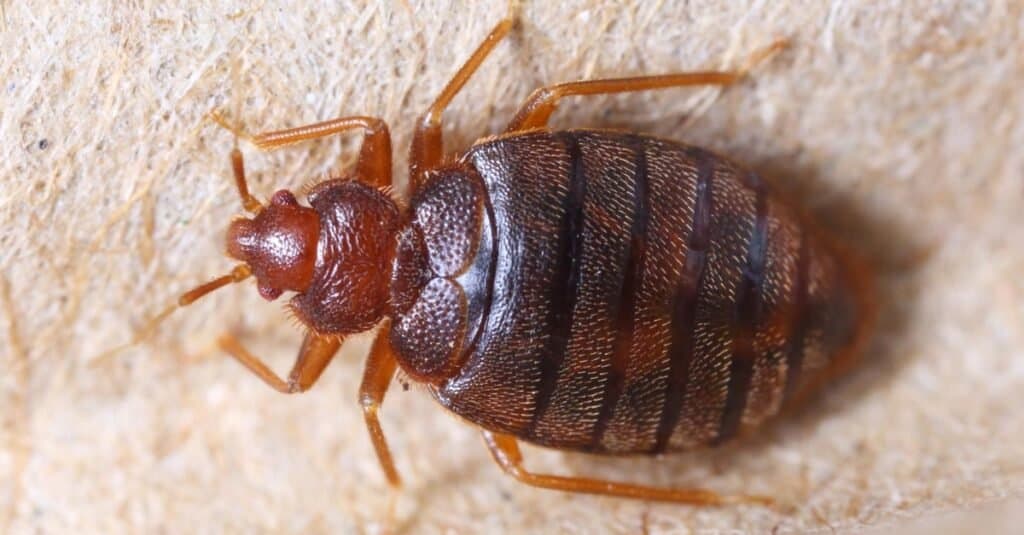
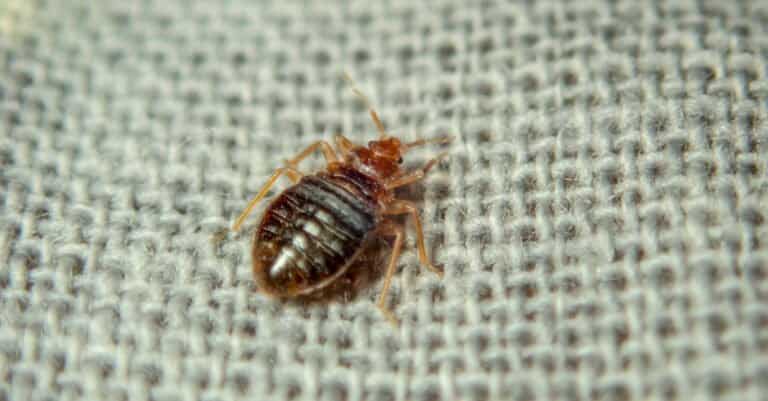
Bed bugs are usually attracted to living hosts due to warmth and carbon dioxide.
©7th Son Studio/Shutterstock.com
They are creepy, they are crawly, and they love to bite sleeping, unsuspecting victims. Meet bed bugs, insects from the genus Cimex. Parasitic insects and obligatory bloodsuckers, bed bugs bite through skin, inject anticoagulating saliva, and feast, preferably on the face, arms, or neck of a sleeping victim. They are small, ranging between one and seven millimeters depending on how much they’ve fed. Though the Cimex genus contains a dozen species, Cimex lectularius (the common bed bug) and Cimex hemipterus (found in the tropics) are the main culprits for infestations and bites.
These parasites are attracted to living hosts by both the carbon dioxide they give off and the warmth they exude. Without any human hosts to latch onto, bed bugs will bite other animals like dogs, rats, mice, and chickens. That said, they seem to prefer the taste of human blood. In fact, evidence suggests that bed bugs orient towards human odors even when the air is filled with other host odor cues. While they only feed every five to seven days, bed bugs can easily make a one-night stay in a motel off the highway into a lingering nightmare.
Bed bug bites are painless due to the painkiller components of their saliva, but they leave a mark. Usually, these marks look like small, red bumps. Symptoms can take anywhere from a few minutes to a few days to appear, though itchiness is usually present regardless of when they appear. Some people are affected by bed bug bites more than others and experience lethargy and even fevers. While they don’t usually spread disease, bed bugs can trigger severe allergic reactions.
Terrifying Tolerance
Bed bugs were no match for the widespread use of pesticides like DDT back in the 1950s and onward. The only problem was that some bed bugs contained a mutation that allowed them to survive DDT spraying. These genes were passed on to future generations of bed bugs, until a wide swath of the parasite population was resistant. Pest control workers started using pyrethroid pesticides like deltamethrin. However, bed bugs also developed resistance to these chemicals, even in populations that had never been exposed to them before.
The problem only got worse from there. According to a report from the National Pesticide Information Center, scientists found in 2010 that nearly 90 percent of bed bugs found across the United States contained a mutation that helped them survive pesticides, be they DDT or pyrethroids. As such, pest control companies have turned to alternative treatment methods, including fogging, other chemicals, and steam treatments.
Summer Scaries

Always check hotel mattresses for signs of bed bug activity.
©Andrey_Popov/Shutterstock.com
Considering the contemporary bed bug landscape, you might be surprised to learn that bed bugs were nearly eradicated by the late 20th century through widespread pesticide use on suspected infestations. The 21st century’s increasingly connected world, however, brought these parasites back with a vengeance. Their numbers increased, as did the reported infestations. According to the NPMA’s 2011 Bed Bugs in America Survey, one out of five Americans has had an infestation in their home or knows someone who has encountered them.
While people often associate bed bug infestations with hotels, these pests can thrive almost anywhere, including single-family homes, buses, retail stores, and hospitals. That said, over half of all pest control treatments for bed bug infestations happen at hotels. Bed bugs are found in all 50 states.
In anticipation of the summer spread, the National Pest Management Association designated this week as Bed Bug Awareness Week. As Dr. Jim Fredericks, senior vice president of public affairs at NPMA, said in a statement, “Every summer, there’s a pattern of consumers checking into their accommodations, skipping the inspection and checking out with more than they bargained for.”
Experts recommend pulling back linens at hotels and examining mattresses for dark stains, eggshells, or the bugs themselves. If any sign of them is present, it is best to notify the hotel management and request a new room. To be extra safe, vacuum suitcases outside of your home before bringing them back inside after a trip. When it comes to bed bugs, you can never be too careful.