
Quick Take
- Avian influenza (bird flu) causes significant illness and mortality in both wild birds and domestic poultry.
- Bird movement patterns play an important role in the spatial spread of bird flu.
- New research has shown that waterfowl movement is linked to the spread of the disease.
- The research showed that waterfowl in diverse landscapes did not travel as far as birds in open landscapes.
- This suggests that if birds moved less, long-distance disease spread could be reduced.
Avian influenza (bird flu) is a highly contagious disease of wild and captive birds. Controlling its spread remains a major challenge. A new study, however, has revealed some fascinating details about the movement patterns of waterfowl outside of migration periods. Here we explain how that helps the fight against bird flu and what wildlife managers and bird watchers should be looking out for this spring.
The Role of Bird Movements in the Spread of Bird Flu
Bird movement patterns play an important role in the spatial spread of bird flu, but the relationship is complex. Before we can hope to manage the disease, we need to understand that relationship better. We know that the movements of waterfowl are a key driver in the spread of the disease. Waterfowl are birds such as ducks, geese, and swans. Scientists hoped that by understanding the movement patterns of these birds, they could predict where the currently circulating bird flu virus, strain H5N1, may spread next.
Why Study Waterfowl?
Previous studies have linked the presence of many waterfowl to outbreaks of the bird flu strain H5N1 in domestic poultry. This is worrying because H5N1 causes a longer-lasting disease with higher mortality rates in both wild birds and poultry.
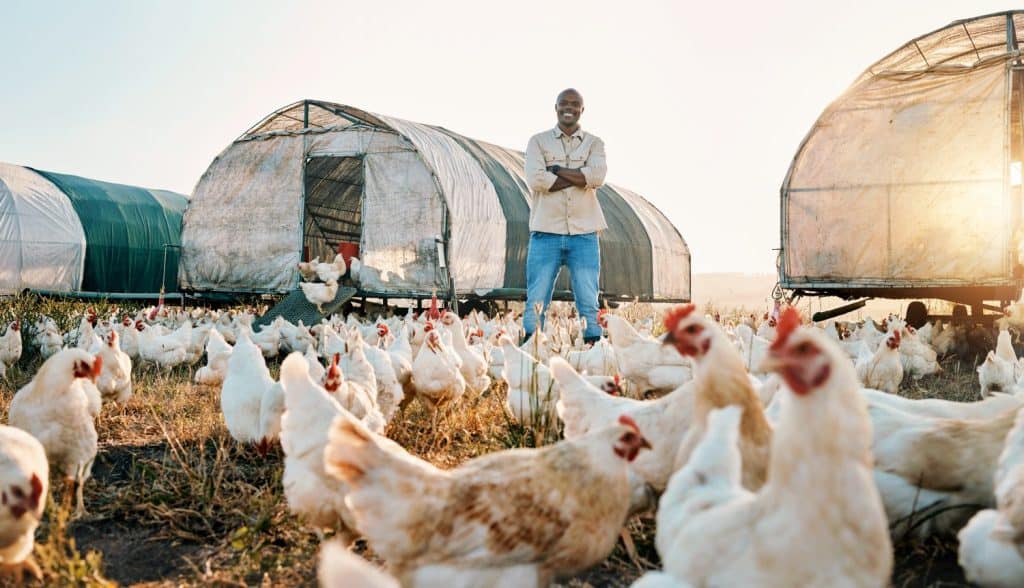
Waterfowl and domestic poultry can transmit bird flu.
©PeopleImages.com – Yuri A/Shutterstock.com
Importantly, waterfowl live in wetland and cropland habitats. However, degradation of wetland habitats means that they are increasingly dependent on croplands, which brings them closer to both humans and livestock. Other studies have shown that they move more when resources are limited and in response to extreme weather events.
What Stops Waterfowl From Moving Around?
A new study has collected data on the movements of 26 waterfowl species (more than 4,600 individual birds) in the Northern Hemisphere over 20 years. The aim was to identify the large-scale environmental drivers of their non-migratory movement. These movements can be thought of as ‘commutes’ between the areas where the birds rest and the places where they feed.
The study showed that birds located in vast expanses of grasslands or farmlands traveled six times farther to feed, shelter, or rest compared to birds in more diverse landscapes. Waterfowl in more varied landscapes, including urban green spaces, didn’t travel further than a mile to meet these needs. Birds that lived close to humans traveled about one-third of the distance of birds residing in sparser areas. This may be because all their needs were met in a single location, or because man-made structures like roads restricted their movement.
Furthermore, the waterfowl’s daily movements were twice as long during the winter months compared to the breeding season. At this time of year, they had to fly farther to find food or a place to shelter and rest. During the breeding season, birds stayed close to their nests, which increased the risk of a hotspot of disease developing.
What Does This Mean for the Spread of Bird Flu?
This study also showed that greater waterfowl movement distances were associated with a greater spread distance of bird flu. This suggests that if birds moved less, long-distance disease spread could be reduced. However, reduced movement can increase the risk of local outbreaks, and in areas near humans, this raises the risk of diseases spreading from animals to people (zoonotic transmission). This creates a more significant public health issue.
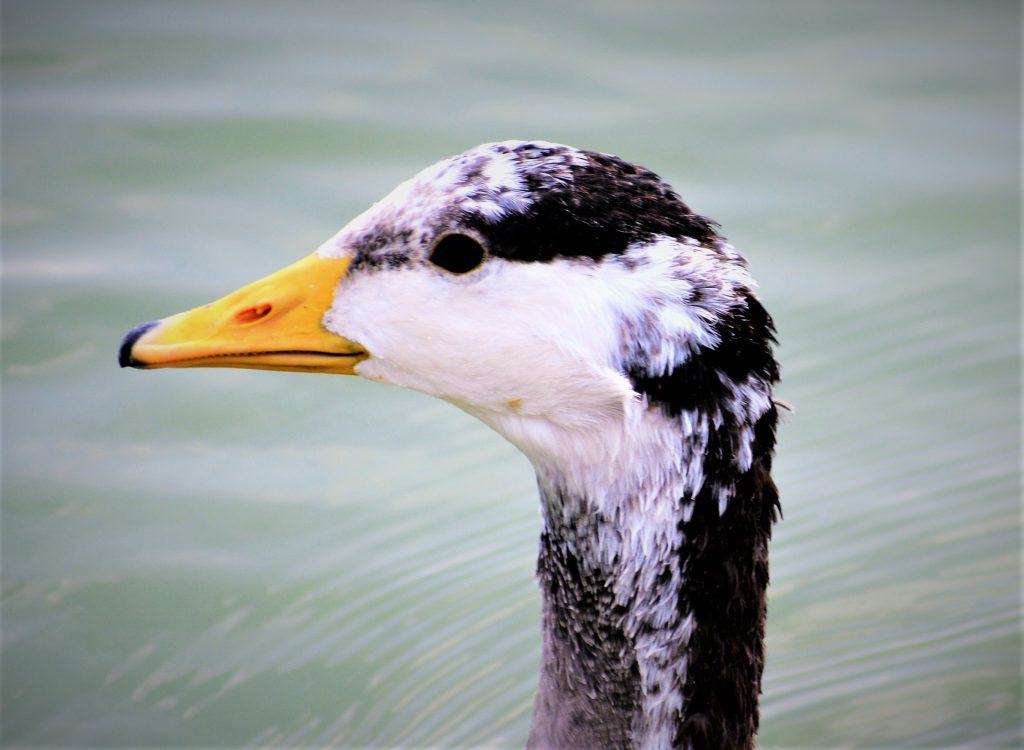
Waterfowl can spread bird flu over longer distances when they travel further to find food.
©akslocum/Shutterstock.com
Ultimately, the findings suggest that environmental conditions might contribute to the spread of bird flu via their effects on waterfowl movements.
Looking Out for Bird Flu
The USDA Animal and Plant Inspection Service has outlined what signs may indicate that a bird is infected with highly pathogenic avian influenza (HPAI). Do not approach or handle a wild bird that is suspected of having bird flu. The main signs are:
- Sudden death without any prior symptoms of illness
- Lack of energy and appetite
- A drop in egg production or soft-shelled, misshapen eggs
- Swelling of the eyelids, comb, wattles, and shanks
- Purple discoloration of the wattles, comb, and legs
- Gasping for air (difficulty breathing)
- Nasal discharge, coughing, sneezing
- Twisting of the head and neck (torticollis)
- Stumbling or falling down
- Diarrhea
As of April 2026, HPAI continues to be confirmed in both domestic and wild birds in numerous locations throughout the United States. The H5N1 strain has caused extensive morbidity and mortality. Early detection and rapid diagnosis are key to controlling the spread.
The advice from the US Fish & Wildlife Service (2026) is that deaths of wild birds should be reported to your state wildlife management agency immediately, so that die-offs can be investigated and tested for avian influenza. If you suspect a domestic or captive animal has avian influenza, contact a veterinarian or state animal health official right away.