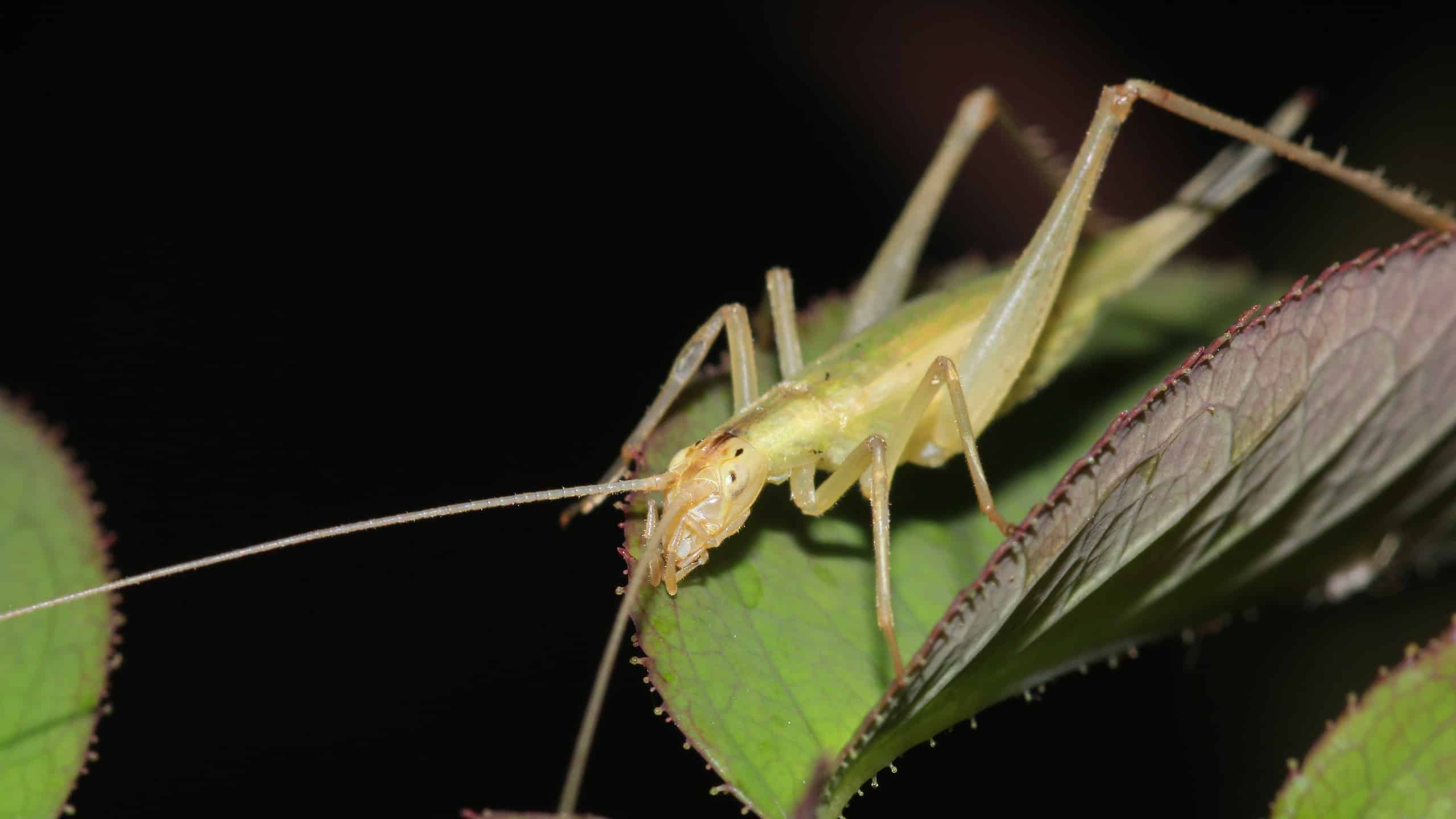

Quick Take
- Dolbear’s Law shows you can estimate outdoor temperature by counting the chirps of a snowy tree cricket and applying a simple formula.
- The relationship works because cricket muscle activity speeds up or slows down with air temperature, changing their chirp rate.
- The method is most accurate between 55°F and 100°F and typically predicts temperature within a few degrees under good conditions.
In the late 1800s, more than a hundred years before smartphones and weather apps, a physicist discovered you could step outside on a summer night, listen carefully, and estimate the temperature with surprising accuracy. All you needed was a cricket.
In 1897, Amos Dolbear published a short paper showing that the chirps of a particular cricket rise and fall with the air temperature in a predictable way. Today, that relationship is known as Dolbear’s Law. If you count the chirps of the snowy tree cricket, you can estimate the temperature within just a few degrees. Seriously. It sounds like folklore, but it’s grounded in solid biology and physics. Let’s take a closer listen.
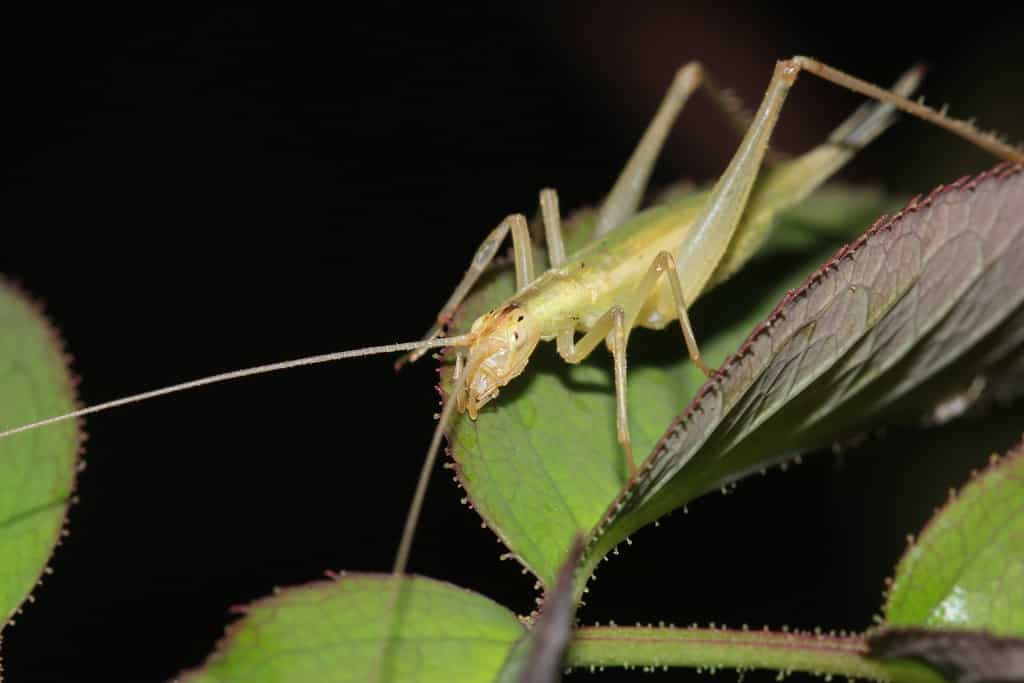
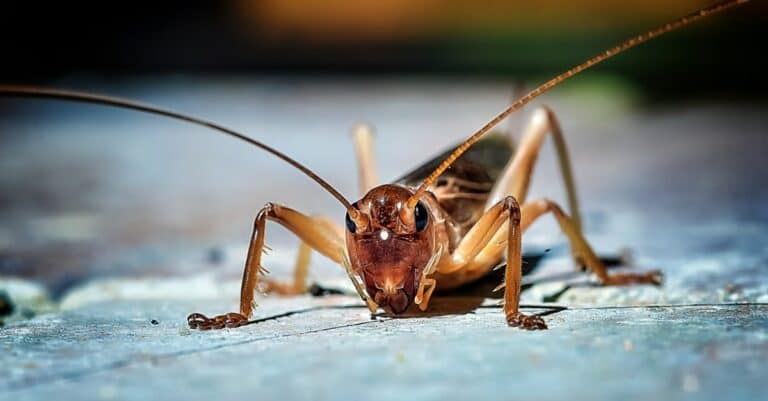
The snowy tree cricket’s evenly spaced chirps make it one of the most reliable insect “thermometers” in North American backyards.
©RECEP_OZTURK/Shutterstock.com
Who Was Amos Dolbear, and What Did He Discover?
In 1897, Amos Dolbear published a paper titled “The Cricket as a Thermometer” in the journal American Naturalist. In it, he described a simple relationship between the number of chirps a cricket makes and the surrounding air temperature. Dolbear noticed that crickets chirp more on warm nights and less on cool ones. However, being an inquisitive sort of fellow, he didn’t stop there; he measured it.
Working with tree crickets, Dolbear counted how many chirps occurred over a set period of time at different temperatures. From those observations, he developed a formula. In its most commonly cited form for the snowy tree cricket, the formula is to count the number of chirps in 14 seconds and add 40. The result gives you the approximate air temperature in degrees Fahrenheit.
For example, if you count 30 chirps in 14 seconds, add 40. That suggests it’s about 70 degrees Fahrenheit outside. It isn’t magic. It’s math. And it actually works, mostly. Dolbear’s original formula was slightly different and based on different counting intervals, but later researchers refined it specifically for the snowy tree cricket, which produces especially regular, evenly spaced chirps. The refined 14-second rule is the one most people use today.

A late-19th-century physicist showed that counting cricket chirps for 14 seconds and adding 40 can estimate air temperature with surprising precision.
©Popular Science Monthly Volume 76, Public domain, via Wikimedia Commons – Original / License
Meet the Snowy Tree Cricket
Not all crickets are equally reliable thermometers. The star of this story is the snowy tree cricket. These pale green to almost white crickets are common across much of the eastern and central United States. They’re slender, delicate-looking insects that live in shrubs and trees rather than hopping around on the ground like field crickets.
The snowy tree cricket’s song is distinct. Instead of the long, continuous trill you might associate with crickets, it produces clear, evenly spaced chirps. On a warm evening, those chirps can sound almost mechanical, like a steady ticking.
That consistency is key. Because the chirps are so regular, they’re easier to count accurately. Other species may speed up and slow down unpredictably or produce more complex songs that are harder to measure. It’s also important to note that only male crickets chirp. They’re calling to attract females. So, when you’re using Dolbear’s Law, you’re essentially timing an insect love song.
How to Use Dolbear’s Law in Your Own Backyard
The backyard version of Dolbear’s Law is simple enough for a kid with a stopwatch.
- Find a snowy tree cricket. Late summer evenings are your best bet.
- Wait for a steady, regular chirping pattern.
- Count the number of chirps in 14 seconds.
- Add 40 to that number.
The result is the approximate temperature in degrees Fahrenheit.
If you’d rather count for a full minute, there’s another common variation: count the number of chirps in 60 seconds, subtract 40, and then divide by 4. This also estimates the temperature in degrees Fahrenheit, but it’s more complicated and mainly useful if you have a one-minute timer.
These rules work best between about 55 and 100 degrees Fahrenheit. Outside that range, the relationship becomes less precise, and the crickets themselves may not chirp at all. And yes, this relationship has been tested repeatedly by researchers. Studies have confirmed that for the snowy tree cricket, chirp rate and temperature show a strong, nearly linear correlation over typical summer temperatures.
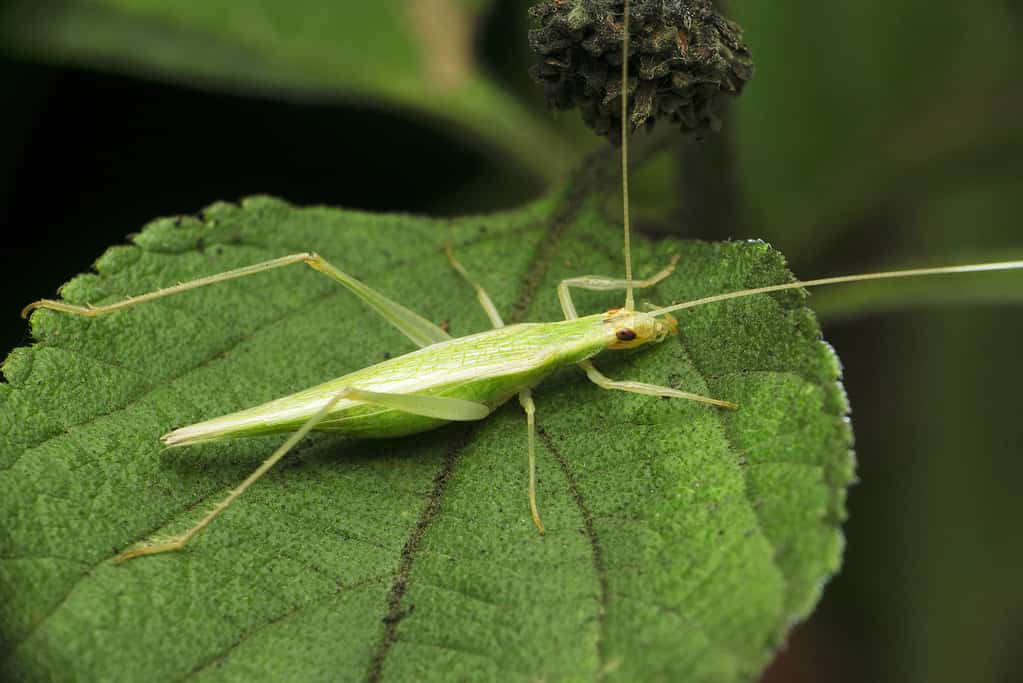
Its simple, consistent song and strong temperature correlation make this species far more accurate than most other chirping insects.
©iStock.com/ePhotocorp
So why does this work at all?
Crickets are cold-blooded, or more accurately, ectothermic. That means their body temperature depends on the temperature of their surroundings. Unlike mammals, they don’t regulate their internal temperature with metabolic heat.
As the air warms up, the chemical reactions inside a cricket’s body speed up. Muscle contractions happen faster. Nerve signals travel more quickly. Everything involved in producing a chirp operates at a higher rate.
When it’s cooler, those same processes slow down. A cricket chirps by rubbing its wings together in a process called stridulation. One wing has a ridged structure, often compared to a file. The other has a scraper. When the cricket raises and rubs its wings, the scraper runs across the ridges, producing sound vibrations. Each closing stroke of the wings creates a chirp.
Because muscle movement drives that wing motion, and muscle speed depends on temperature, the chirp rate naturally tracks the surrounding air temperature. Biochemistry meets acoustics.
Why the Snowy Tree Cricket Is So Reliable
But other insects stridulate, right? So why doesn’t Dolbear’s Law work equally well for every cricket species? Different species have different song patterns. Some produce long trills that blur together. Others vary their chirp rate for reasons unrelated to temperature, such as competing males or courtship behavior. In those cases, temperature isn’t the only variable affecting the sound.
The snowy tree cricket stands out because its chirp rate changes with temperature in a consistent and predictable way, and its song is relatively simple. That makes it an ideal biological thermometer. Researchers have tested similar relationships in other cricket species, and many do show temperature-dependent chirping. However, the exact formula differs from species to species. That’s why it’s important to know which cricket you’re hearing. If you apply the 14-second rule to a different species, you might end up with a temperature that’s several degrees off.
How Accurate Is It?
Under the right conditions, Dolbear’s Law can estimate the temperature within about 1 to 2 degrees Fahrenheit. Of course, there are caveats. Wind, background noise, and overlapping songs from multiple crickets can make counting difficult. If the cricket pauses, changes rhythm, or moves farther away, your count may be off.
Humidity doesn’t appear to affect chirp rate directly in the way temperature does, but extreme conditions can influence overall cricket behavior. If it’s too cold, they won’t chirp at all. If it’s very hot, the relationship may become less linear. Still, for a quick backyard estimate on a calm summer evening, it’s remarkably dependable.
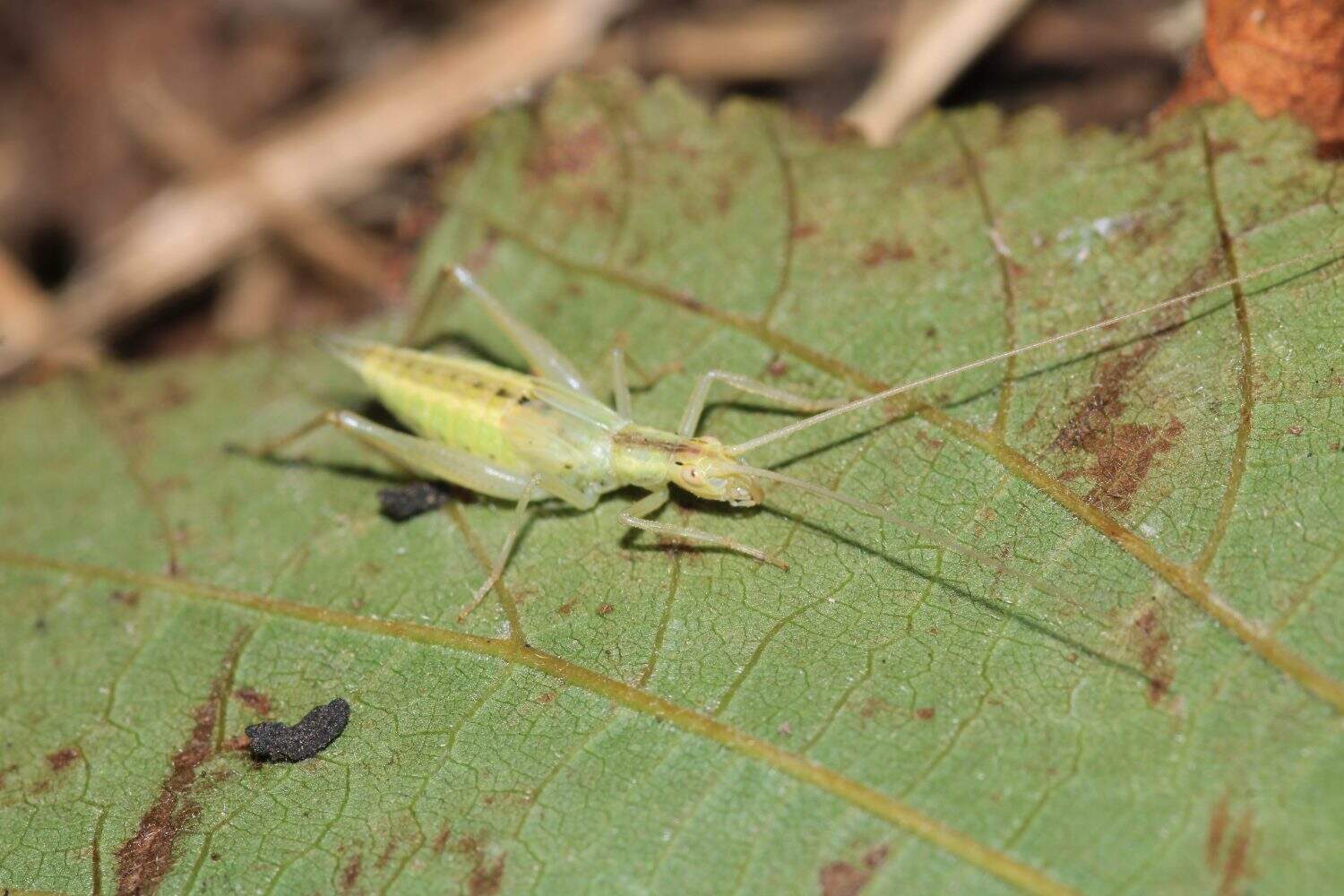
Under calm conditions, counting chirps can predict temperature within a couple of degrees, proving science can literally be heard.
©RECEP_OZTURK/Shutterstock.com
Science You Can Hear
Dolbear’s Law turns a familiar summer sound into a simple science experiment. You don’t need lab equipment or even a thermometer. You just need your ears, a steady chirp, and a way to count seconds. As the air heats up, biochemical reactions speed up, and chirps come faster. When the night cools, those reactions slow and the rhythm eases. The change is audible. The pattern is measurable. A backyard sound is actually real-time weather data.
The next time you’re sitting outside with your family on a warm August evening, when the air feels thick and the stars are just starting to appear, try it. Find a steady chirp. Count for 14 seconds. Add 40. Compare your answer to an actual thermometer—or, more likely, the weather app on your phone. You might be surprised at how close you get.