
Located on the Olympic Peninsula in the northwest corner of Washington State, Olympic National Park offers some of the most pristine natural areas, including over 70 miles of coastline to explore. The park encompasses almost a million acres and attracts visitors from all over the world, with over 3.7 million visitors in 2024 alone. People come for recreational activities such as hiking, backpacking, climbing, kayaking, scenic drives, forest and beach walks, and wildlife viewing. Because the park is so large, it is home to many different types of wildlife living in a variety of habitats. From birds to elk to slugs, we’ve rounded up a short list of animals that can be found on your next trek through Olympic National Park. Whether you hope to get your feet wet looking for starfish in tidepools or want to get another check in your birding list, Olympic National Park’s wildlife offers something for everyone.
Roosevelt Elk
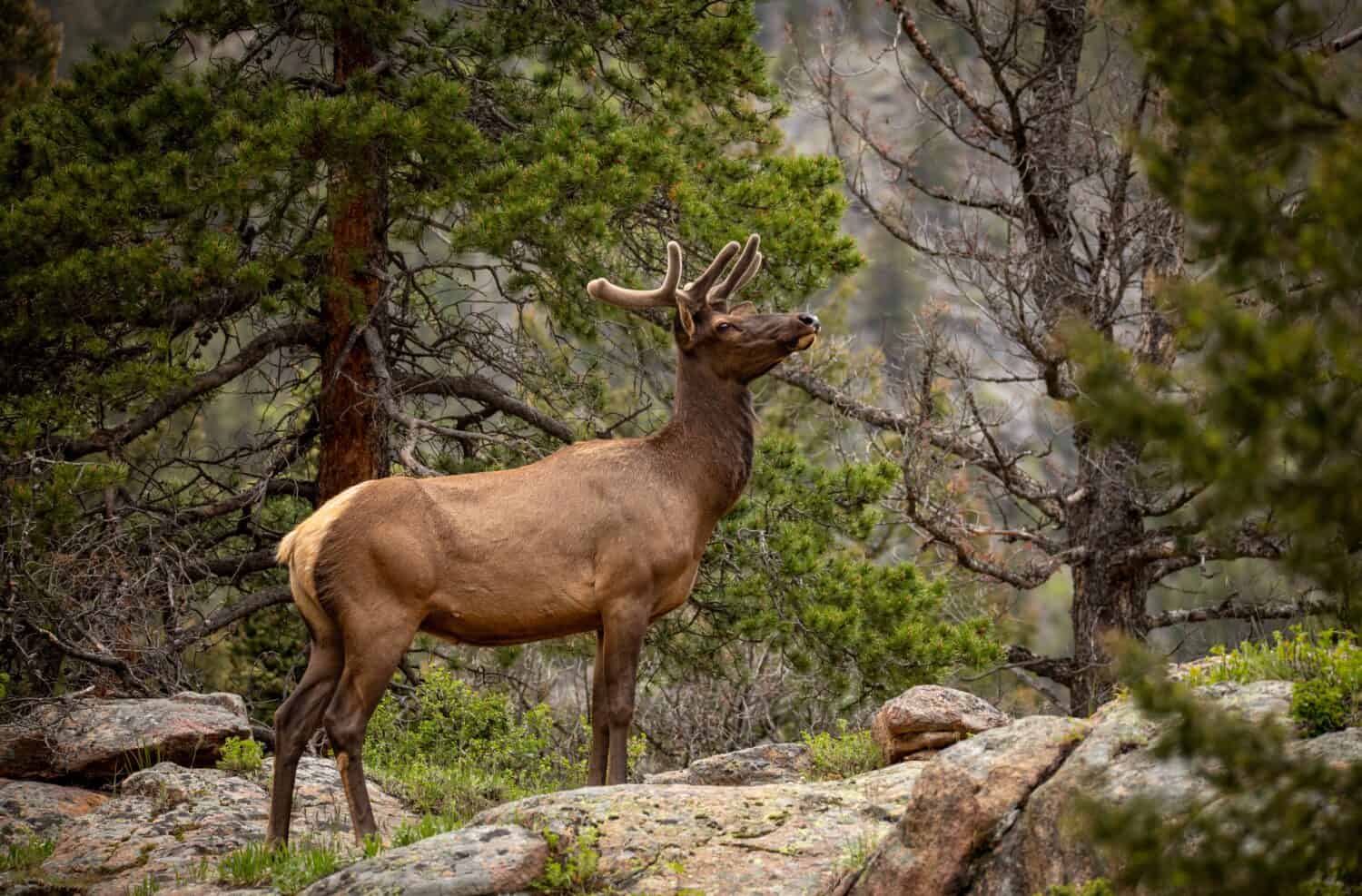
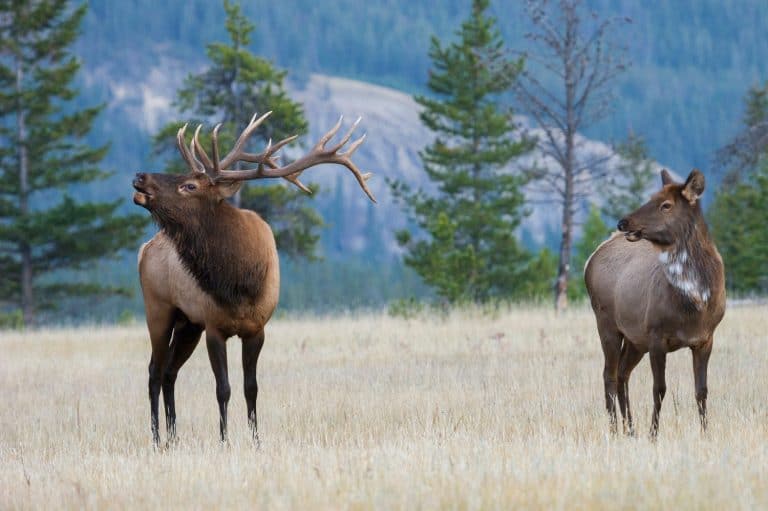
Roosevelt elk are a stunning sight to behold when visiting Olympic National Park.
©DanaForeman/Shutterstock.com
The Roosevelt elk is one of the signature large animals to see in Olympic National Park. The park contains one of the largest unmanaged herds in the Pacific Northwest. Named after U.S. President Theodore Roosevelt, who was passionate about protecting natural areas, these elk are enormous, with male elk weighing up to 1,000 pounds! Females are slightly smaller, weighing around 600 to 700 pounds. Because of their size, it’s recommended to give elk plenty of space —around 100 feet —so they don’t feel threatened. It is also illegal for visitors to feed the elk, as they are protected under Washington law. Roosevelt elk live in many of the park’s habitats, from rainforests where there’s plenty of food to higher-altitude meadows. A good spot to find these elk is at the Hoh Rainforest, where visitors can see up to 20 elk in a group, and if you visit in September, you can even hear males bugling as they compete for females.
North American Black Bear
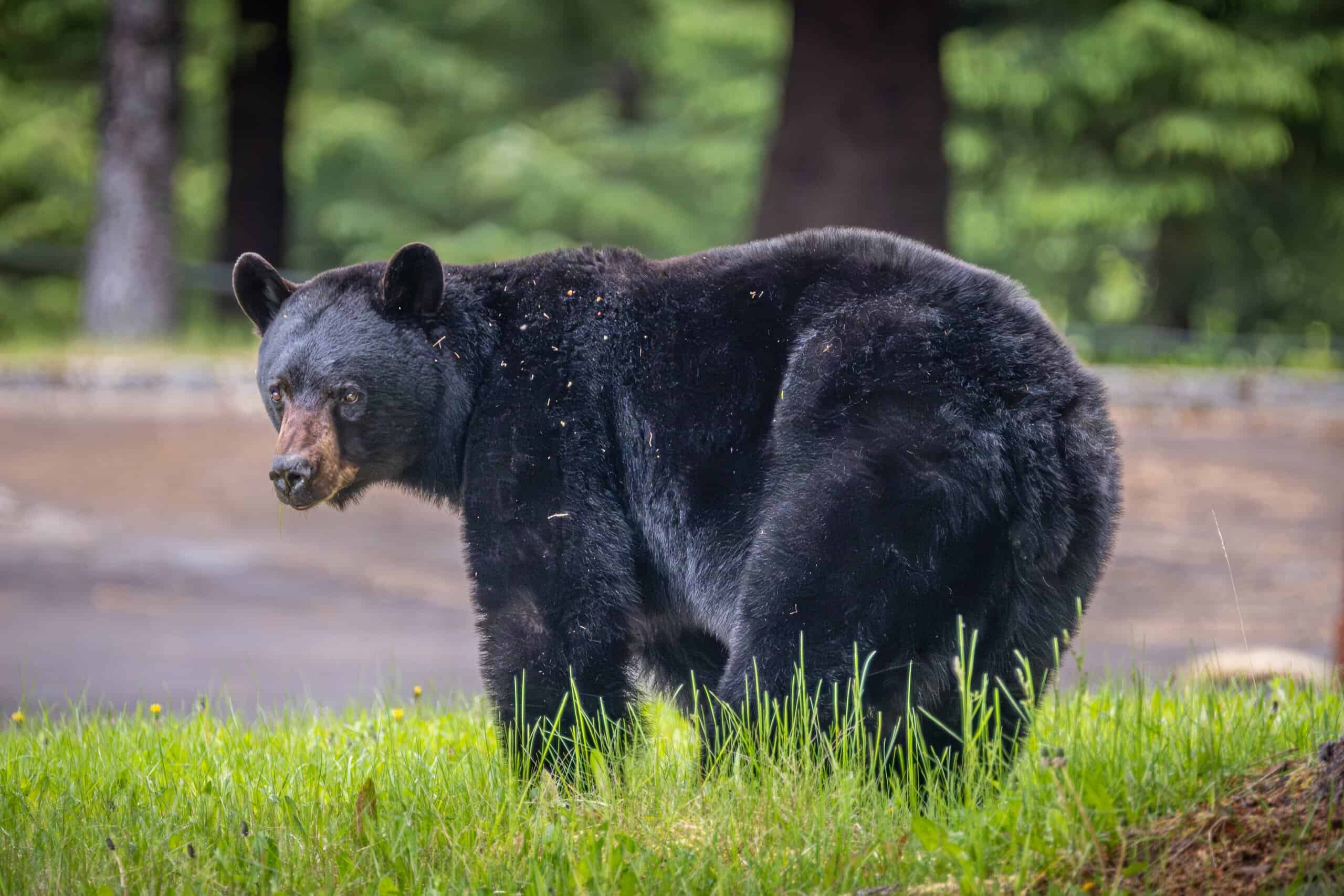
Black bears play an important role in the ecosystems of Olympic National Park.
©Freaktography/Shutterstock.com
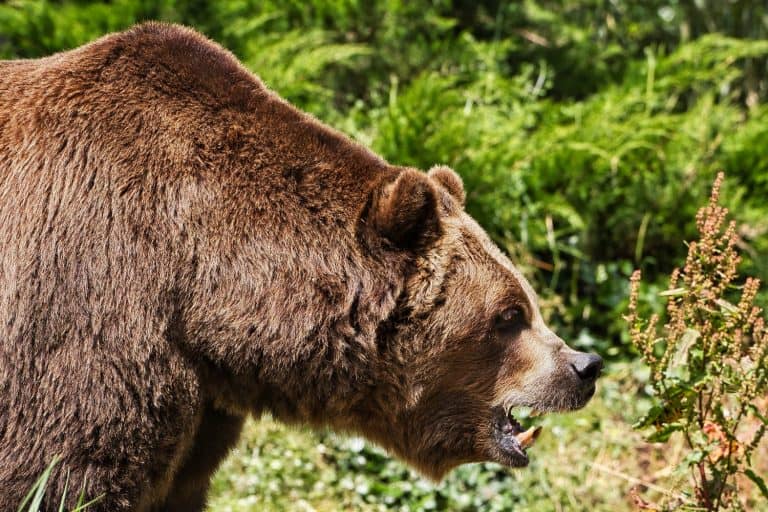
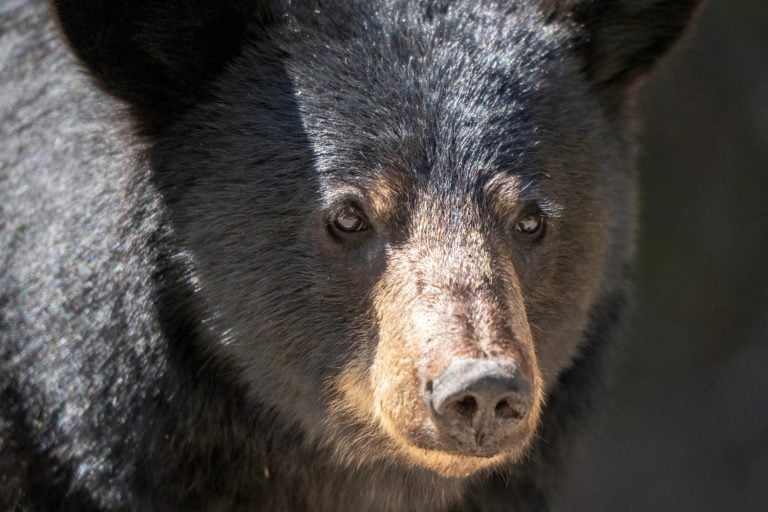
Black bears can be seen throughout Olympic National Park and are the only species of bear found in the area. While sightings are not guaranteed, if you do see a black bear, give it around 100 feet of space and keep your eyes on it at all times. Black bears can be dangerous, which is why experts recommend keeping an eye on your belongings, pets, and other group members and not letting any bears get into your food. Black bears play a key role in the ecosystems at Olympic National Park because they are omnivores, eating a wide variety of things, which helps maintain balance in the environment as their scat acts as fertilizer. Black bears can graze on tree bark, berries, and also fish for salmon in nearby rivers. They also help clean up carcasses of other animals, recycling more nutrients back into the ecosystem.
Olympic Marmot
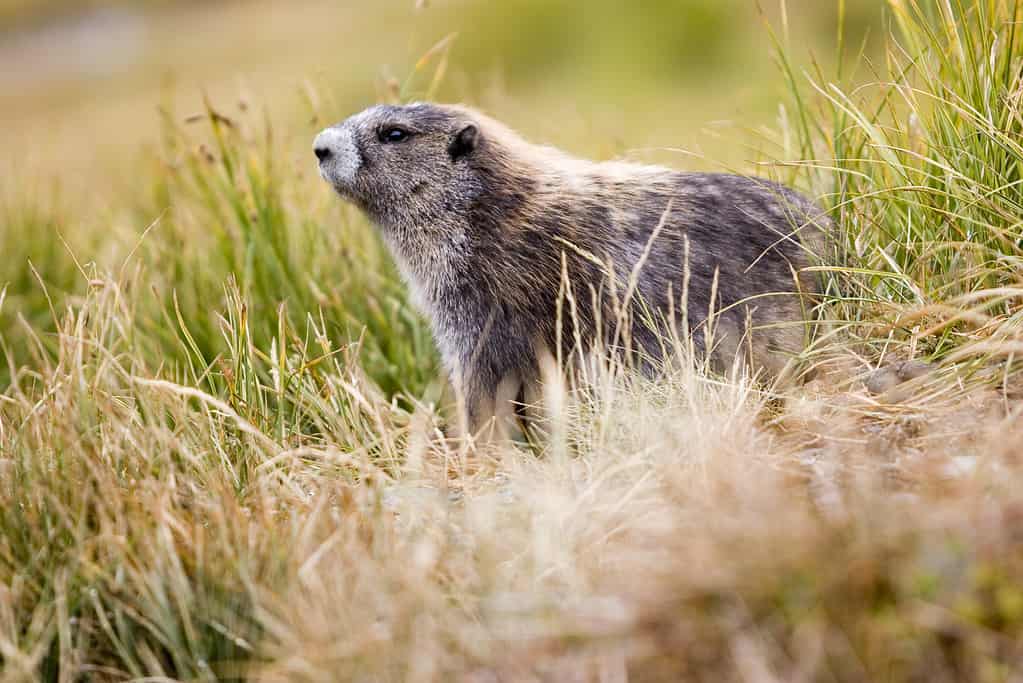
Olympic Marmot (Marmota olympus) looking into the sunrise surrounded by grasses in the Olympic National Park Forest in Washington.
©Jean Paul LaCount/iStock via Getty Images
Around the size of a housecat, Olympic marmots can be found in the higher elevation areas of Olympic National Park, above 4,000 feet. These rodents, belonging to the squirrel family, live in small family groups. While there are over 15 species of marmots around the world, the Olympic marmot is only found in the Olympic Mountains. Here, Olympic marmots can be seen feeding on local flowering plants or tree bark together and calling to each other with distinct chirps. These animals are among the more reliable wildlife you can spot if you hike above the treeline in the summer.
River Otter
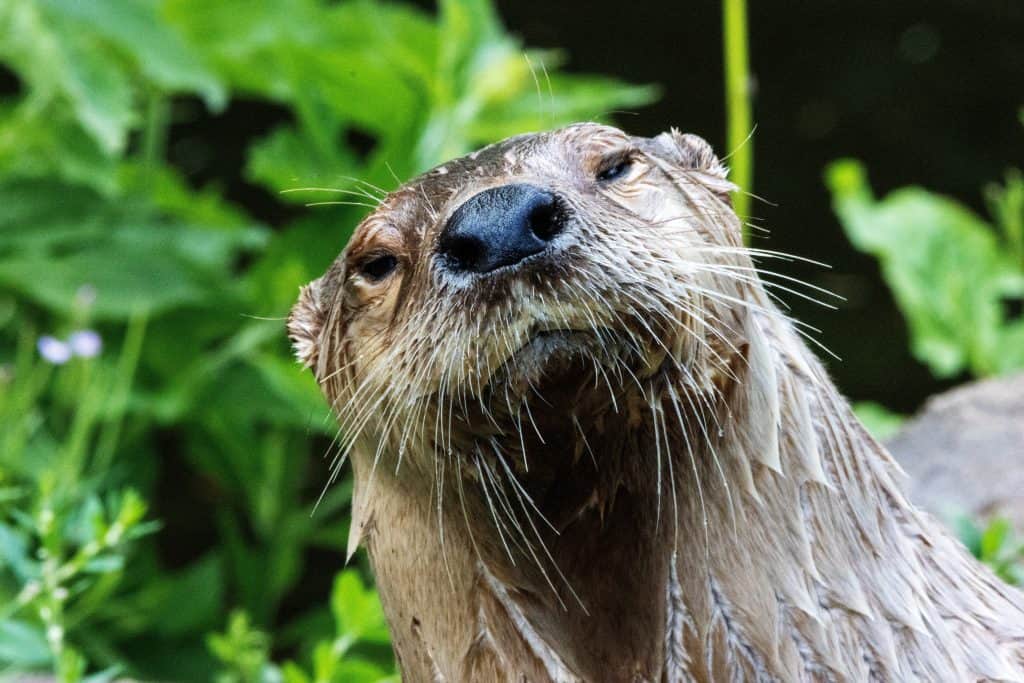
North American River Otter can be seen in the waters of Olympic National Park
©Ian Peter Morton/Shutterstock.com
Walk along the waterways of Olympic National Park and you may see a river otter. Part of the weasel family, river otters are known for their sleek bodies, webbed feet, and playful behavior. While they’re often mistaken for sea otters, they’re smaller and typically weigh up to 30 pounds. River otters primarily feed on fish and crayfish and can hold their breath for up to eight minutes. While they are common in the river systems of Olympic National Park, their shy and unpredictable nature makes them harder to spot, though they can be seen sometimes in groups.
Olympic Chipmunk
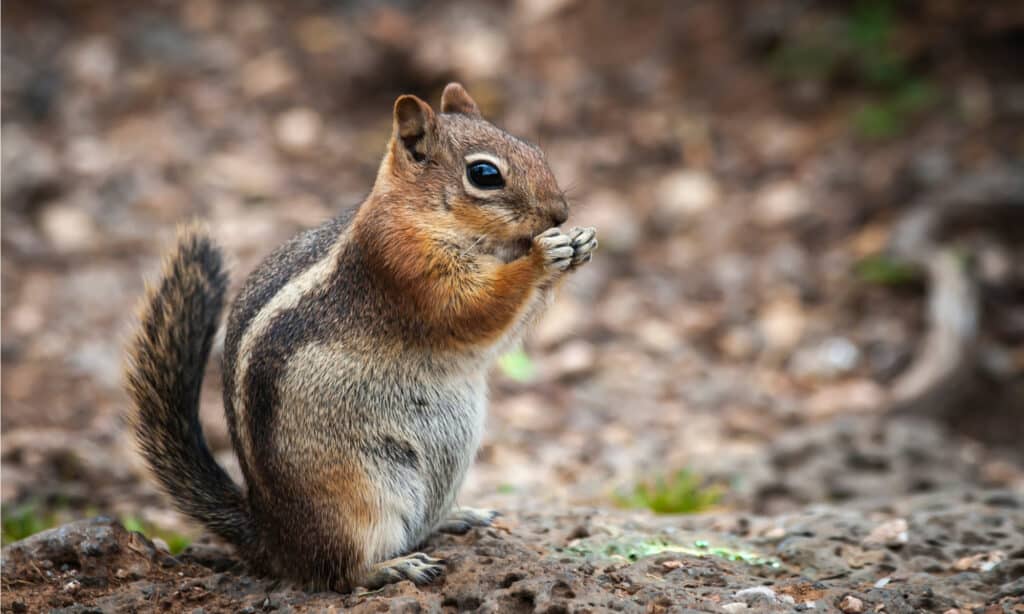
Olympic National Park is home to the endemic Olympic chipmunk
©Cindy Larson/Shutterstock.com
Like the Olympic marmot, Olympic chipmunks are endemic to Olympic National Park and found nowhere else in the world. These adorable rodents weigh less than a pound, with brown fur with alternating dark and light stripes, and a white underbelly. Olympic chipmunks can be found in higher-elevation forests like Hurricane Ridge and at clearing edges where forests open to meadows. Chipmunks are fast and shy, ducking behind logs and beneath leaves. While they can be bolder around picnic tables and grab discarded crumbs, feeding them is discouraged.
Bald Eagle
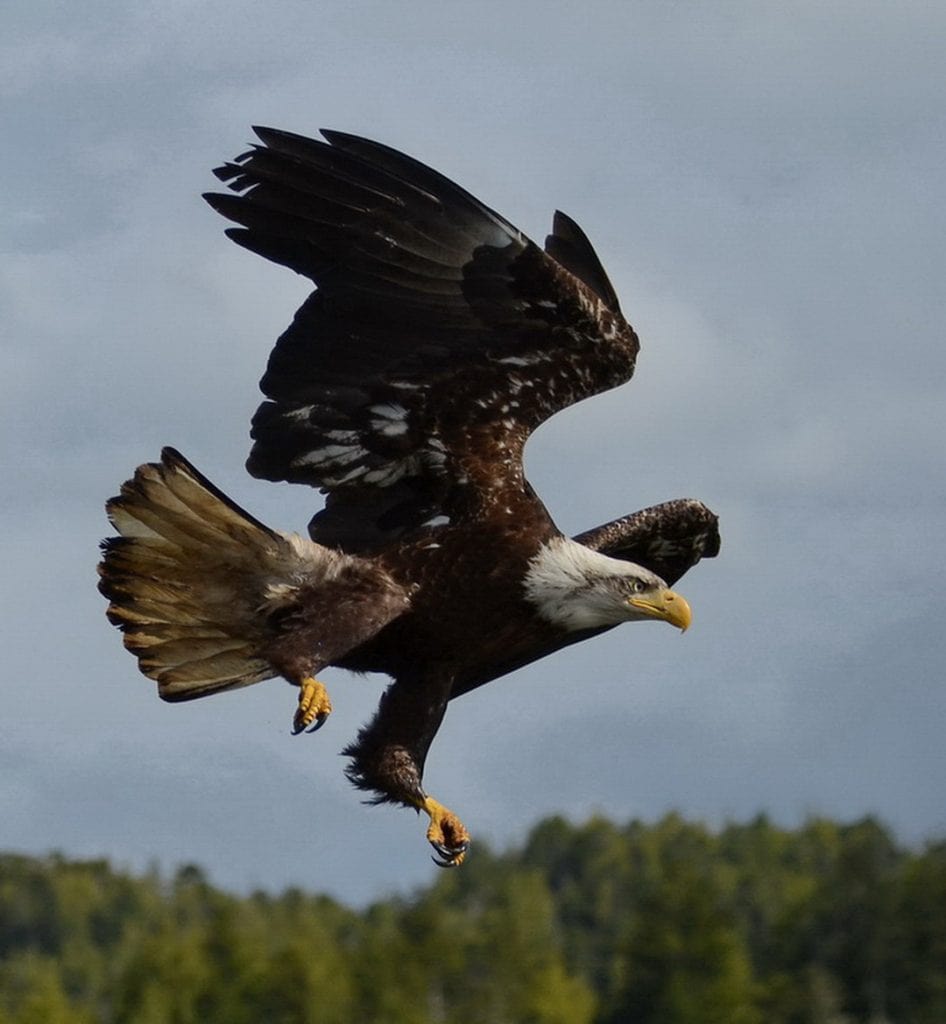
Bald Eagles are a stunning bird to see in Olympic National Park
©Tania Simpson
The bald eagle is one of the more iconic birds you might glimpse along Olympic National Park’s waterways and coastline. It feeds mainly on fish and patrols rivers, lakes, and shorelines. Spotting a bald eagle can be tricky, which is why it’s recommended to bring binoculars and look for these beautiful birds in the early morning or late afternoon. If you see a bald eagle, keep your distance: don’t disturb nesting or feeding birds. The bald eagle plays an important ecological role by scavenging dead fish, helping to recycle nutrients in the park’s waterways.
Sooty Grouse
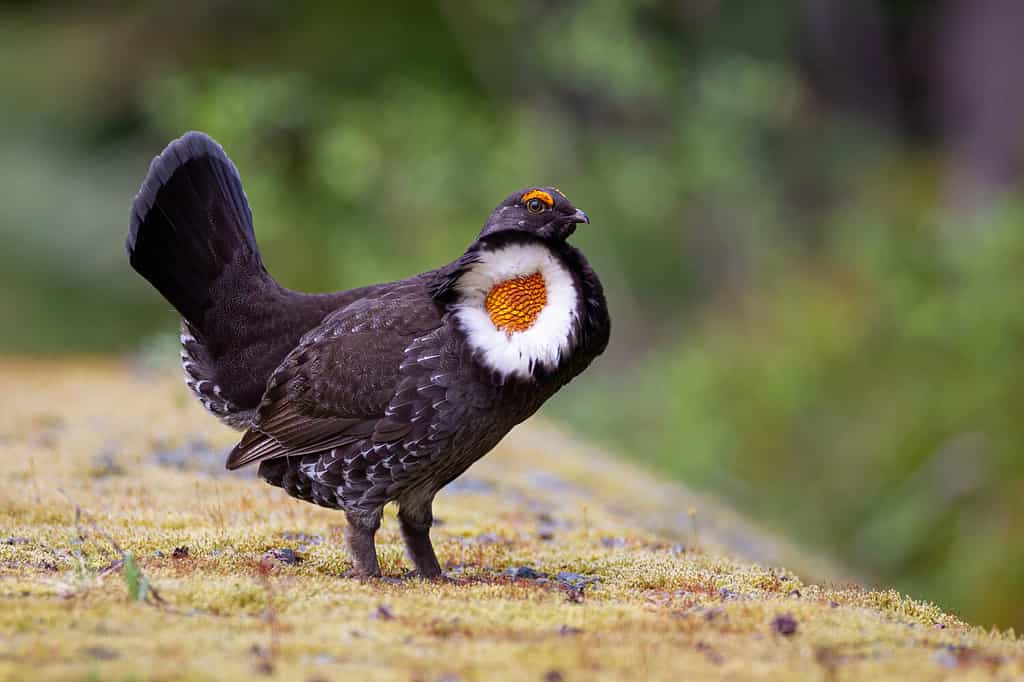
Male sooty grouse inflate their bright yellow air sacs in courtship displays, mirroring the behavior of male turkeys as they wander throughout Olympic National Park.
©Ivan_Yim/Shutterstock.com
The sooty grouse is a sturdy, forest-dwelling bird often seen in mountain meadows and along forest edges throughout Olympic National Park. Males are known for their deep hooting calls in spring, which echo across the park. These birds feed on leaves, berries, and insects, blending in perfectly with their surroundings, so patience is key if you want to spot one. Hikers may encounter them along quiet trails near Hurricane Ridge or in forest openings. These birds may hide if startled, so keeping a quiet presence when looking for these birds is key.
Pacific Wren
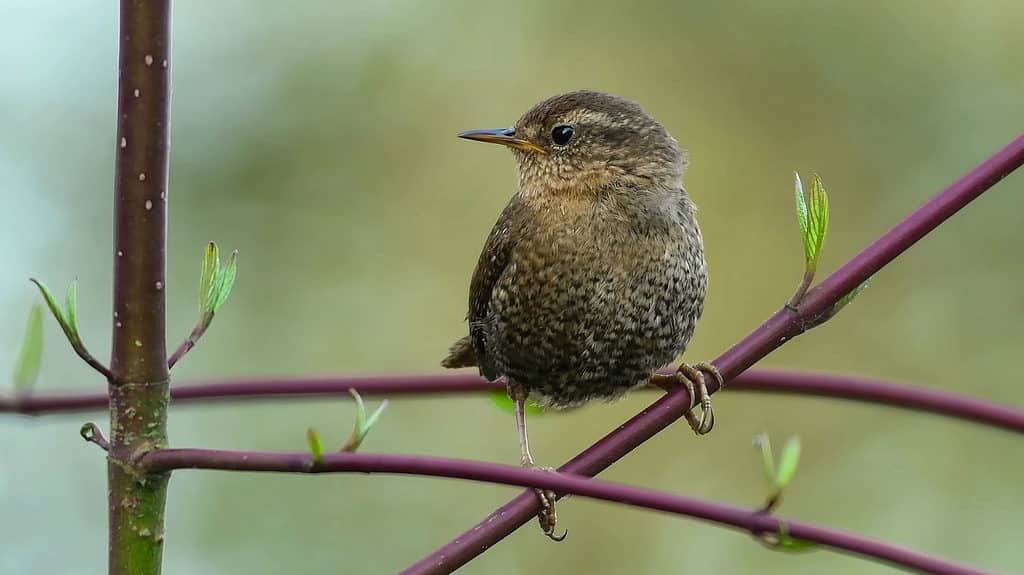
Pacific wrens can be heard throughout the trees of Olympic National Park.
©iStock.com/Banu R
The Pacific wren is a tiny but lively songbird found in the park’s damp forests. You’ll often hear its long, trilling song before you spot it flitting among mossy logs or dense underbrush. This small brown bird feeds on insects and spiders, helping to control pest populations in the forest ecosystem. While it’s easy to overlook, the Pacific wren is one of Olympic National Park’s most common residents. Early morning walks near streams or along shaded trails offer the best chance to catch a glimpse of one darting through the ferns or singing from a hidden perch.
Steller’s Jay
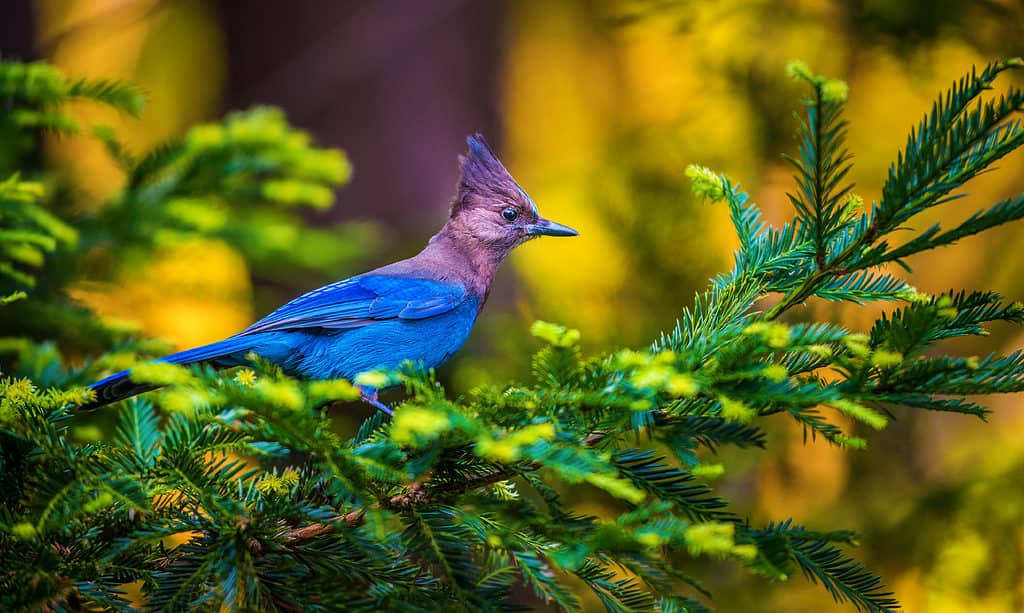
The Steller’s Jay can be found perched in the lush treeline of Olympic National Park.
©iStock.com/kwiktor
The Steller’s jay is one of the most striking and vocal birds in Olympic National Park. Recognizable by its deep blue feathers and black crest, it often appears in campsites, picnic areas, and forest edges. These curious and intelligent birds eat seeds, nuts, and insects, storing food for later in hidden caches. While their raucous calls can be startling, they are part of the jay’s lively personality. Visitors will likely hear or see them during almost any forest hike. Remember, even though they seem bold, feeding jays can disrupt their natural diet and behavior.
Northern Pygmy Owl
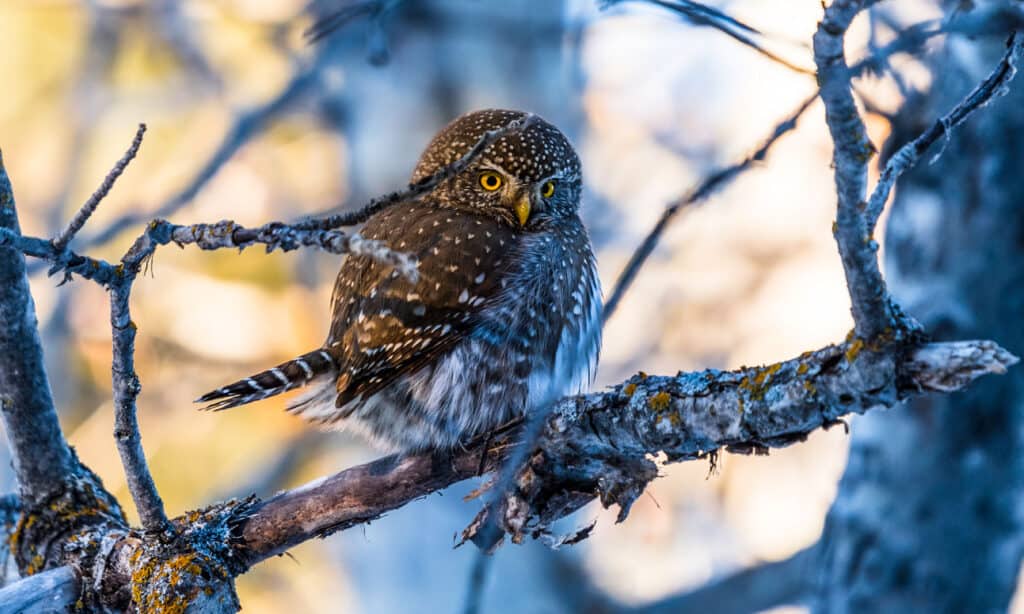
Olympic National Park is home to many owls, including the Northern Pygmy Owl.
©Jordan Feeg/Shutterstock.com
The northern pygmy owl is a small but fierce predator that lives in the dense conifer forests of Olympic National Park. Though only about six inches tall, this owl hunts birds and rodents with incredible precision. It’s most active at dawn and dusk, when it perches quietly on branches to watch for movement below. Spotting one is rare, but its repeated call often gives it away. Because of its small size and stealthy nature, the pygmy owl can be challenging to find, but patient birdwatchers may be rewarded. These owls play a key role in balancing the populations of small forest animals.
Olympic Torrent Salamander
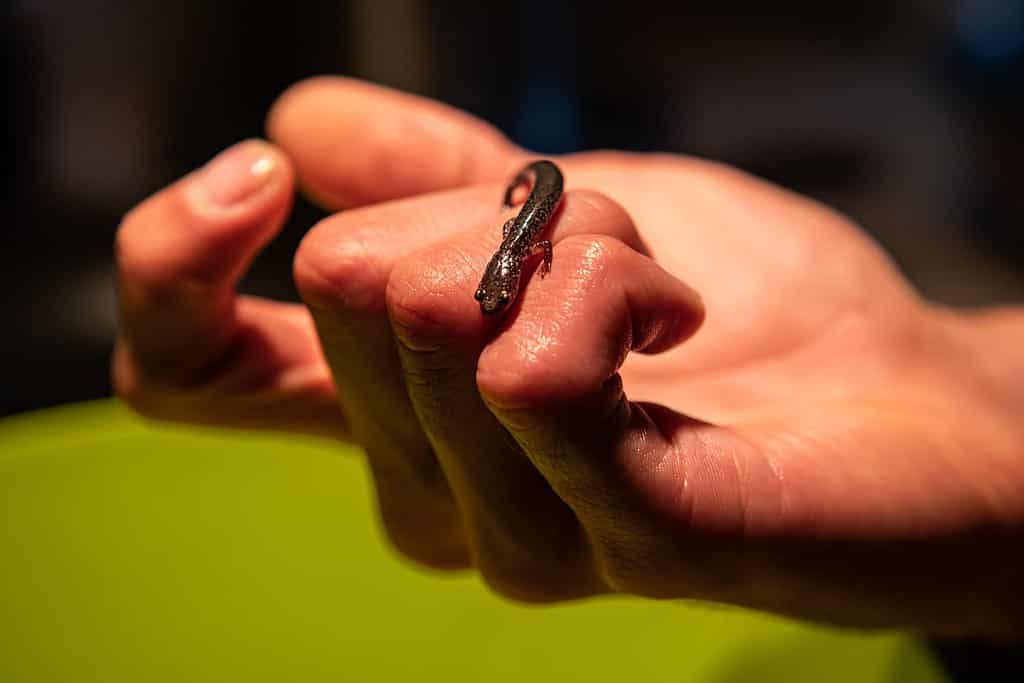
Olympic National Park hosts many salamander species.
©Valmedia/Shutterstock.com
The Olympic torrent salamander is a small, secretive amphibian found only in the Olympic Peninsula, making it an endemic species of the region. It inhabits cold, fast-flowing mountain streams. Because it’s sensitive to temperature and drying out, you’ll mostly find it tucked under rocks or moss right beside the water in Olympic National Park. Spotting one is difficult unless you carefully search stream edges. The Olympic torrent salamander feeds on insects and helps the aquatic ecosystems in the park by recycling nutrients into the waterways.
Rough-skinned Newt
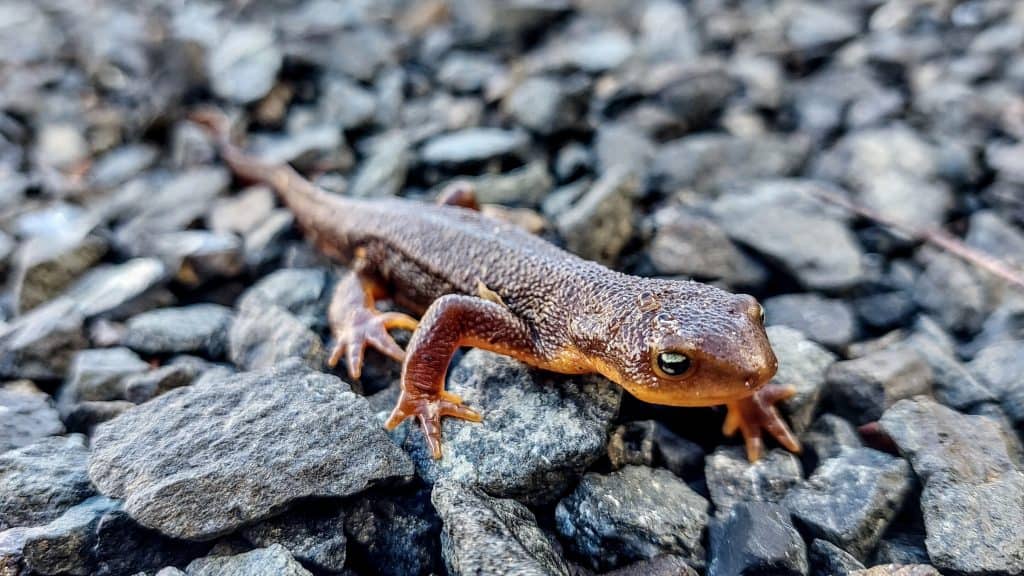
A rough-skinned newt walks along the rocks in Olympic National Park
©Janet Halstead/Shutterstock.com
The rough-skinned newt is a more widely distributed amphibian than the Olympic torrent salamander and is common in lower-elevation forests, ponds, and moist wetlands throughout Olympic National Park. You may glimpse it during wet seasons, crossing trails or near ponds, but it is secretive and often hidden under logs or debris. It has a bumpy, brownish back and a striking orange belly. Because it secretes toxins through its skin, many predators avoid eating it.
Pacific Tree Frog
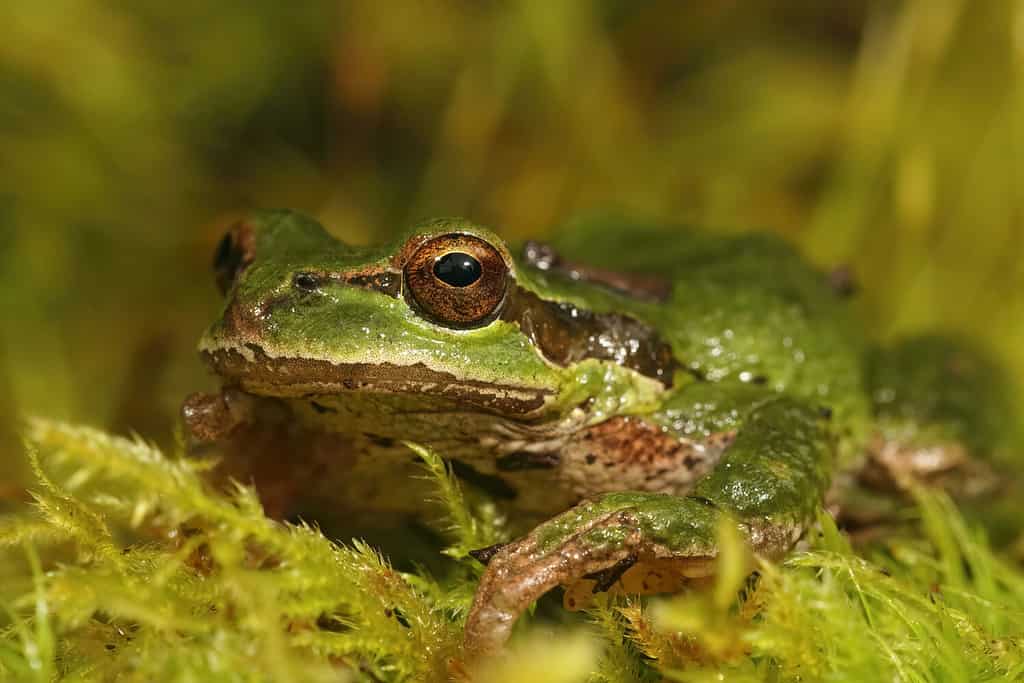
Olympic National Park hosts many frogs, including the Pacific tree frog
©Oakland Images/Shutterstock.com
Walk through Olympic National Park and you’re sure to hear the Pacific tree frog before seeing it. Its distinctive “ribbit” calls echo through ponds, wetlands, and even forest edges after dusk or during rainy periods. You might see it clinging to plants near calm water, especially during breeding seasons. It’s small, often green or brown, and sometimes changes color to match its surroundings. Its webbed feet help it climb through the many plants found in Olympic National Park. This frog contributes to insect control and is prey for the birds, snakes, and mammals that all live in the park.
Van Dyke’s Salamander
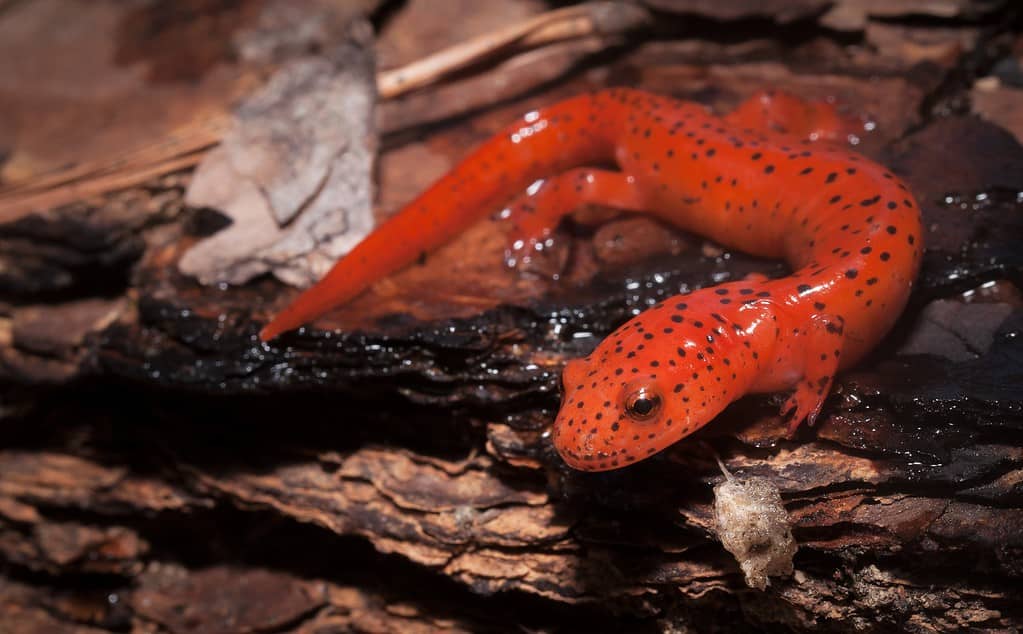
The Van Dyke’s salamander can be found in Olympic National Park.
©Mike Wilhelm/Shutterstock.com
The Van Dyke’s salamander is a small amphibian native to the Pacific Northwest and found in the moist forests of Olympic National Park. It prefers cool, damp environments, especially near shaded stream banks and under mossy logs or rocks. Its rich red or rust-colored back and slender body make it one of the park’s most striking amphibians. Because it breathes through its skin, it relies on constant humidity and is rarely seen during dry or sunny weather. Visitors exploring shaded forest trails after rain may have a chance to glimpse one if they look closely.
Northern Alligator Lizard
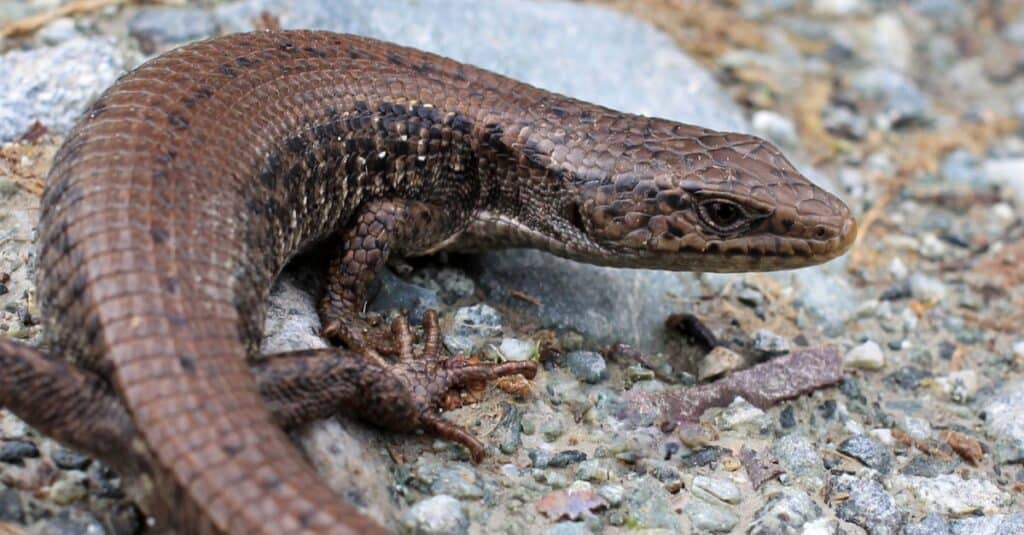
Olympic National Park is home to many reptiles, including the northern alligator lizard.
©Randy Bjorklund/Shutterstock.com
Moving away from the wetter parts of Olympic National Park, you might encounter a northern alligator lizard in drier forest areas or sunlit logs. While reptiles are relatively rare in the park’s cool, moist climate, this lizard tolerates shaded edges and rocky outcrops. It is slender, with scales and sometimes blotchy coloration, and moves slowly across logs or downed wood. Sightings are uncommon, but with patience near rock piles or decayed logs, you may glimpse one basking briefly. It feasts on small insects, spiders, and other invertebrates, helping control those populations in forest understories.