
November is Pet Diabetes Month—a time dedicated to spreading awareness about diabetes in pets. This month helps promote early detection and effective treatment.
Diabetes is one of the most underdiagnosed conditions in cats and dogs. Many owners do not notice the symptoms until the disease has progressed. Early detection can save the lives of pets affected by diabetes. Keep reading to learn about the most common warning signs of diabetes—and how early detection can make management far easier.
Signs of Diabetes in Pets

If you notice your pet drinking more water than usual, it might be time to take them to the vet.
©Scherbinator/Shutterstock.com
In many ways, diabetes presents similarly in pets as it does in humans. Some of the most common signs of diabetes in pets include excessive thirst, frequent urination, unexplained weight loss, and lethargy.
“Owners may observe an increase in thirst and urination, which may present as an increase in litter box usage and an increase in litter consumption in cats,” says Dr. Julie Hunt, Veterinarian at Embrace Pet Insurance. “Dogs may ask to go out in the yard to urinate more frequently or may start having urinary accidents in the house when they were previously well housebroken.”
Additionally, bladder infections are a common symptom of diabetes in pets.
“Pets may develop urinary tract infections due to the spillage of sugar into the urine,” says Dr. Hunt. “Diabetes often occurs in overweight cats, but once diabetes is in its more advanced stages, it frequently causes weight loss in dogs and cats despite the pet having a sufficient or even increased appetite.”
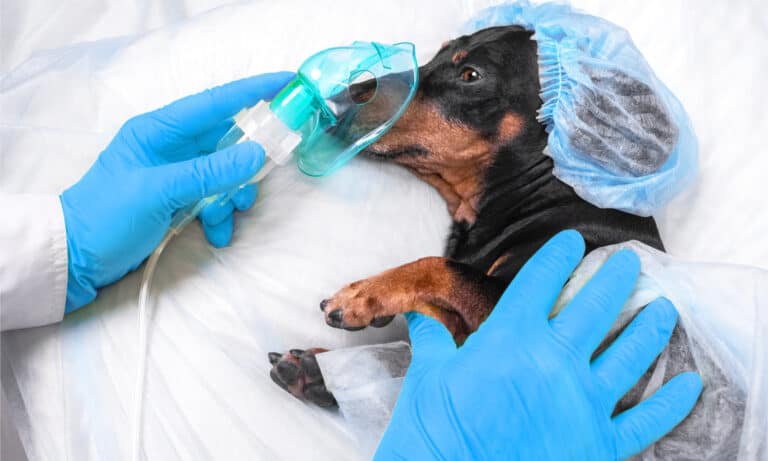
As diabetes progresses, pets typically develop more severe and urgent symptoms. In fact, undetected diabetes can often cause fatal complications.
“In more advanced stages, diabetes can lead to diabetic ketoacidosis (DKA), a life-threatening emergency,” Dr. Hunt explains. “Signs of DKA can include lethargy, weakness, anorexia or a decrease in appetite, vomiting, and a fruity smell to the breath.”
DKA is caused by a buildup of ketones in the blood due to a lack of insulin and severely high blood sugar. The acidic blood state can be deadly to pets and requires immediate medical attention.
“Detecting diabetes before it advances to DKA is critical,” says Dr. Hunt. “DKA is a veterinary emergency that requires 24-hour care and is expensive to treat. Some DKA patients do not survive due to the severity of the disease process.”
How Is Pet Diabetes Detected?
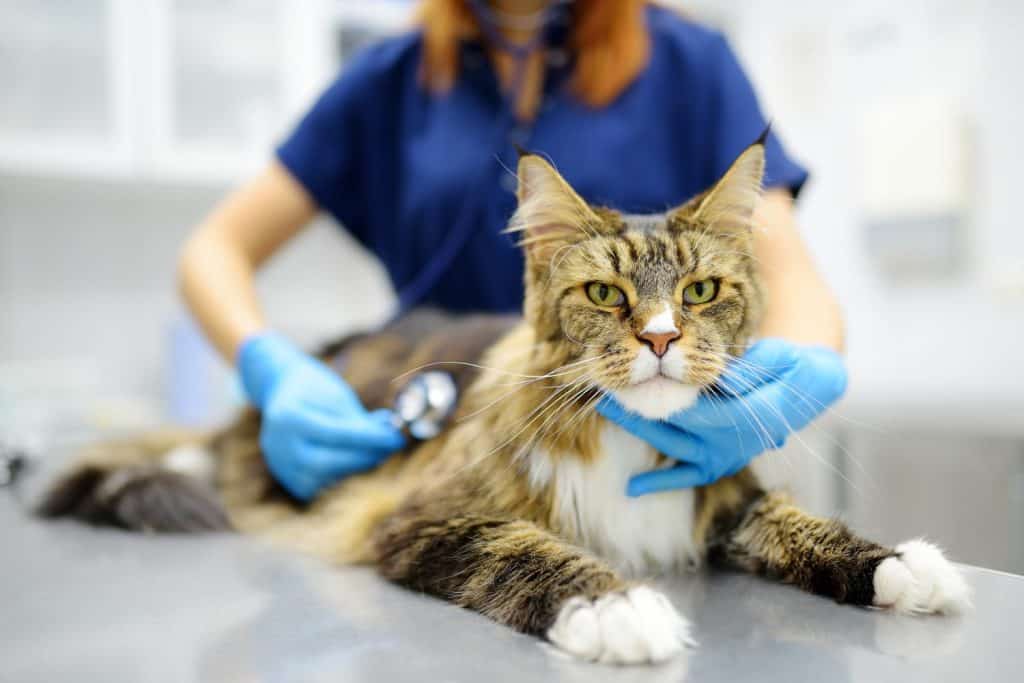
Thankfully, simple, routine bloodwork can help detect diabetes in your pet.
©Maria Sbytova/Shutterstock.com
If you pick up on any of the red flags listed above, even just the minor signs of diabetes, it’s crucial to seek help from a veterinarian. Only a professional can perform the necessary tests to diagnose diabetes and determine how advanced the condition is. Thankfully, all it takes is a simple blood test to diagnose and monitor the condition.
Keep in mind that “dogs get type 1 diabetes (insulin-dependent), while cats get type 2 diabetes (insulin-resistant),” Dr. Hunt explains.
“For cats, detecting diabetes early means that the likelihood of achieving a diabetic remission, where the pancreas recovers its own ability to produce insulin, is increased,” Dr. Hunt explains. “This means that the cat may not be insulin-dependent for the duration of its lifespan.”
This is the best-case scenario for cats. Simple lifestyle changes can reverse their diabetes and allow them to lead long, healthy lives without complications. However, if you ignore the warning signs, your feline friend might be unable to recover.
“Cats who have been diabetic for a long period of time and have started to lose weight (cachexia) are less likely to achieve diabetic remission,” Dr. Hunt says.
Dogs, however, cannot achieve remission through lifestyle changes and will need insulin therapy for the rest of their lives. Early detection allows them to get the help they need before their condition worsens. This can help prevent the development of DKA and reduce the risk of premature death.
Detecting diabetes before it advances to DKA is critical.
Dr. Julie Hunt, Veterinarian at Embrace Pet Insurance
Treatment Options for Diabetes in Pets
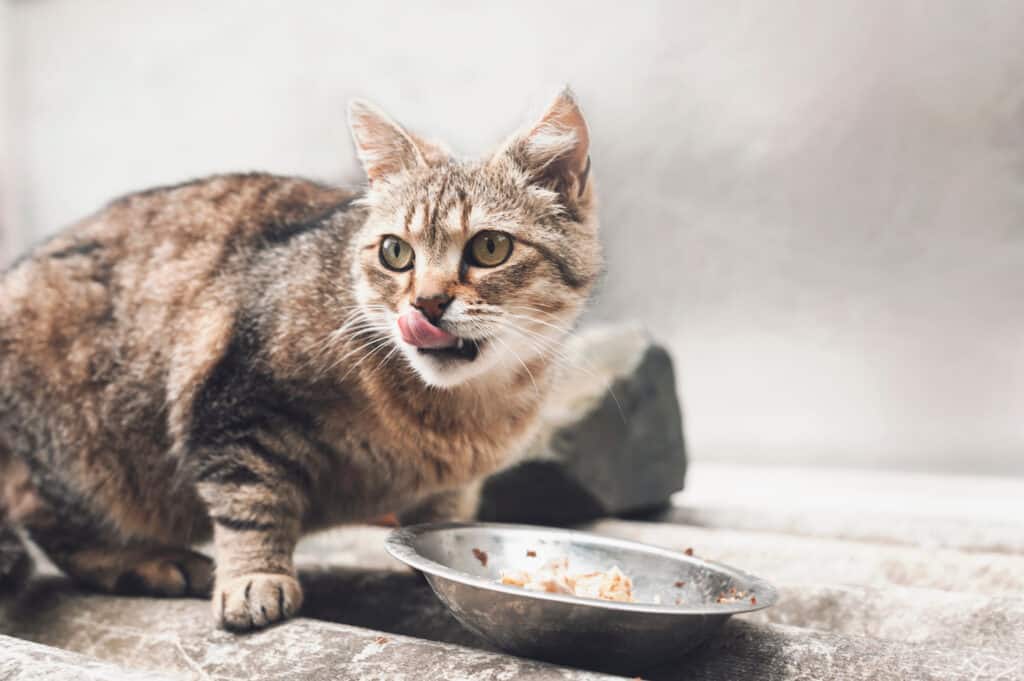
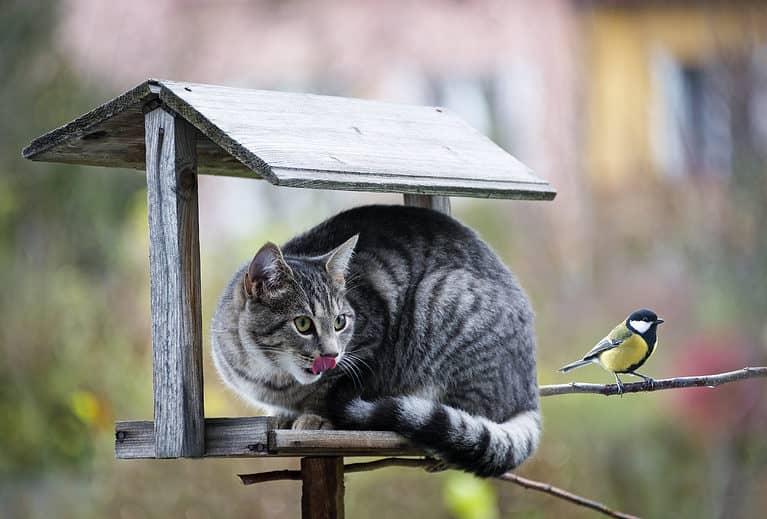
You can help reverse diabetes in your cat by feeding them a low-carb diet and supporting their weight loss.
©Lia Kos/Shutterstock.com
As mentioned above, diabetes treatment depends on the animal, as cats can sometimes recover with simple lifestyle changes.
“When cats are placed on a low-carbohydrate diet, achieve weight loss, and have glycemic control using insulin or other products, they may achieve diabetic remission,” Dr. Hunt says.
Unfortunately, this is not the case for dogs, who become insulin-dependent for life.
“Historically, diabetes has been treated with diet and insulin injections, but there have recently been some non-insulin oral medications approved for daily use in cats,” says Dr. Hunt. “These medications function by dumping glucose from the blood into the urine.”
Unfortunately, some diabetes treatments can be costly, but they are essential for your pet’s health and survival.