
Quick Take
- Red wolves were once extinct in the wild and North Carolina is still home to the species' only wild population. See the population history →
- Four litters of red wolf pups were born in North Carolina during the 2026 breeding season, marking the highest number of births since 2013. Meet the private land program →
- Captive breeding and pup fostering programmes are helping to improve the genetic diversity of the remaining wild wolves. How fostering pups works →
- New wildlife crossings aim to reduce road deaths and improve the long-term survival of red wolves and other native species. Discover the real threat →
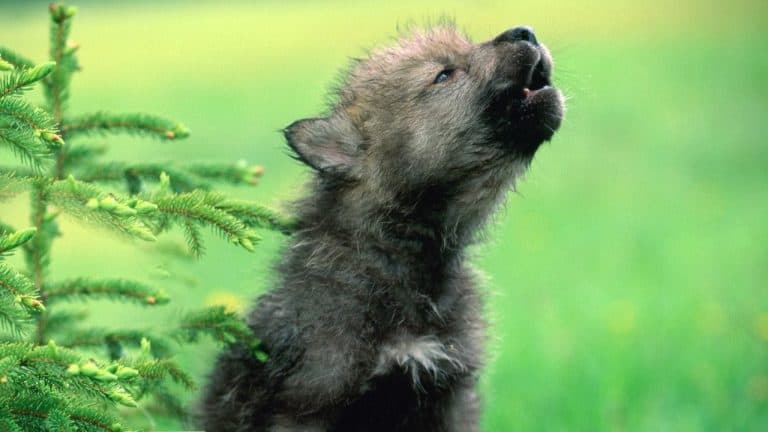
North Carolina’s small population of endangered red wolves has received a significant boost in 2026, with four litters of pups born across the state. Although this might sound like a small number, it’s a significant boost, as red wolves have been on the brink of extinction for many years. Keep reading to learn why these pups are so important and what challenges red wolves face!
Why Red Wolves Needed a Strong Breeding Year
The red wolf is the rarest species of wolf in the world and is classed as critically endangered by the IUCN. Red wolves originally lived across the southeastern region of the United States but were hunted almost to extinction by the 1970s. In 1980, they were classified as extinct in the wild. The Red Wolf Recovery Program (RWRP) was established in 1973, and red wolves survived extinction through captive breeding programs. In 1987 four breeding pairs were eventually reintroduced into North Carolina. This made them the first carnivores extinct in the wild to be reintroduced to their native home.
Following their reintroduction, red wolves initially did well, growing to a population of around 130 by 2011. However, they didn’t maintain their progress, and numbers started to decline again. There were several reasons for the decline. Conflict with local landowners was a major factor, which ultimately led to several wolves being illegally shot. Hybridization with coyotes was also detected as a problem in the early 1990s.
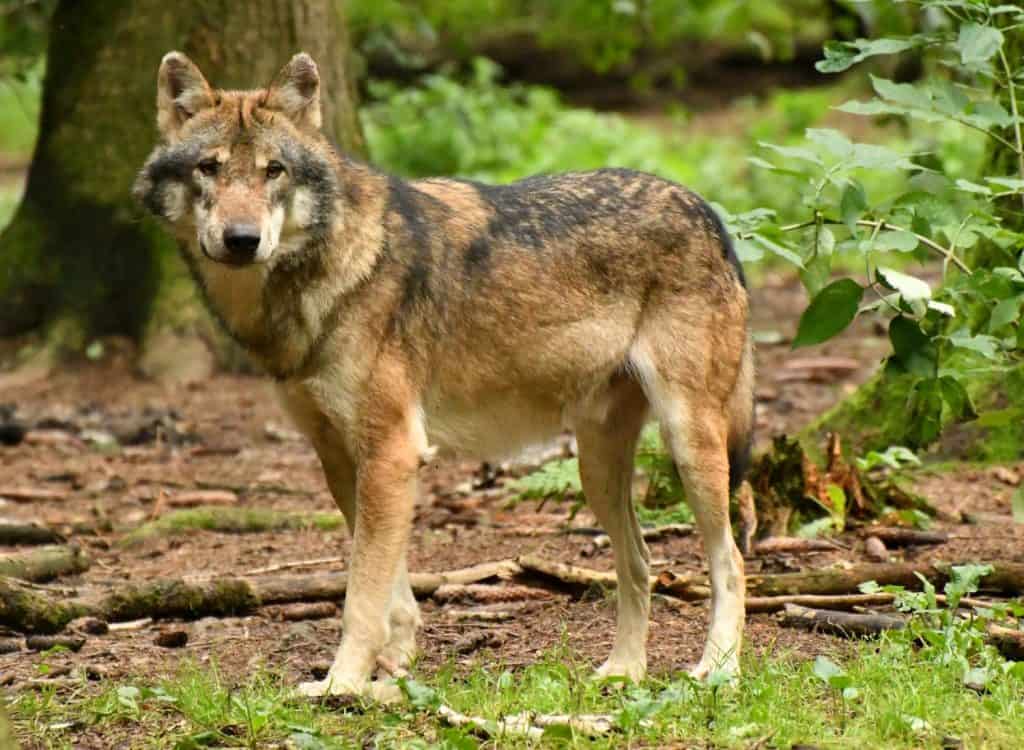
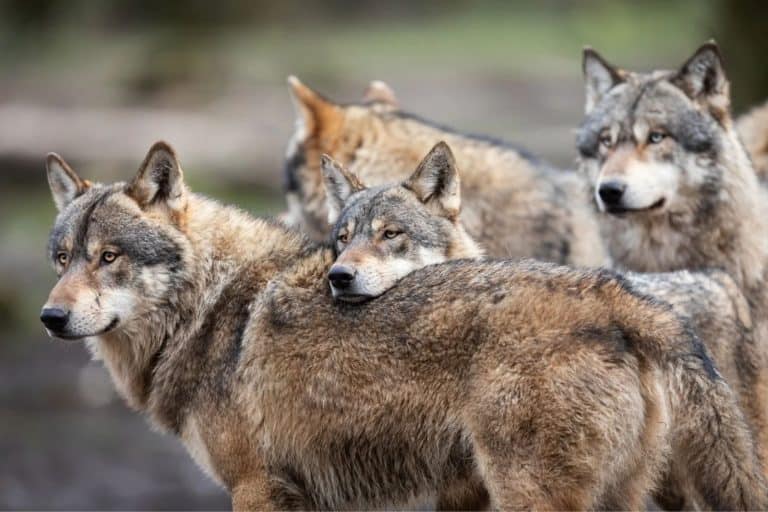
Red wolves were once extinct in the wild.
©Iftikhar Ahmad Khan/Shutterstock.com
North Carolina remains home to the only wild population of red wolves. However, there are now only around 22 to 26 adult red wolves remaining. Therefore, each breeding season is vitally important for the recovery of the population.
A Small Growing Population
The birth of four litters this year has shown that red wolves are slowly making a recovery. Three litters were born in the wild, while one was born on private land as part of the Prey for the Pack Program, which offers a financial incentive for landowners who let red wolves live on their land.
A total of 23 pups were born, with approximately 12 to 16 surviving their first few months of life. Young wolves face many challenges, so the first few months of their life are vital, and 2026 has had the highest number of births since 2013, when 34 pups were born.
In addition to the wild population, there are also 295 captive red wolves. These wolves play an important role in the recovery of the wild population. Pups from the captive population are introduced to the wild population to help improve the genetic diversity of the species. One way this is done is through fostering. When there is a captive wolf litter born at the same time as a wild litter, the RWRP places some of the captive-born pups into the wild den. The wild mother then raises them alongside her own pups.
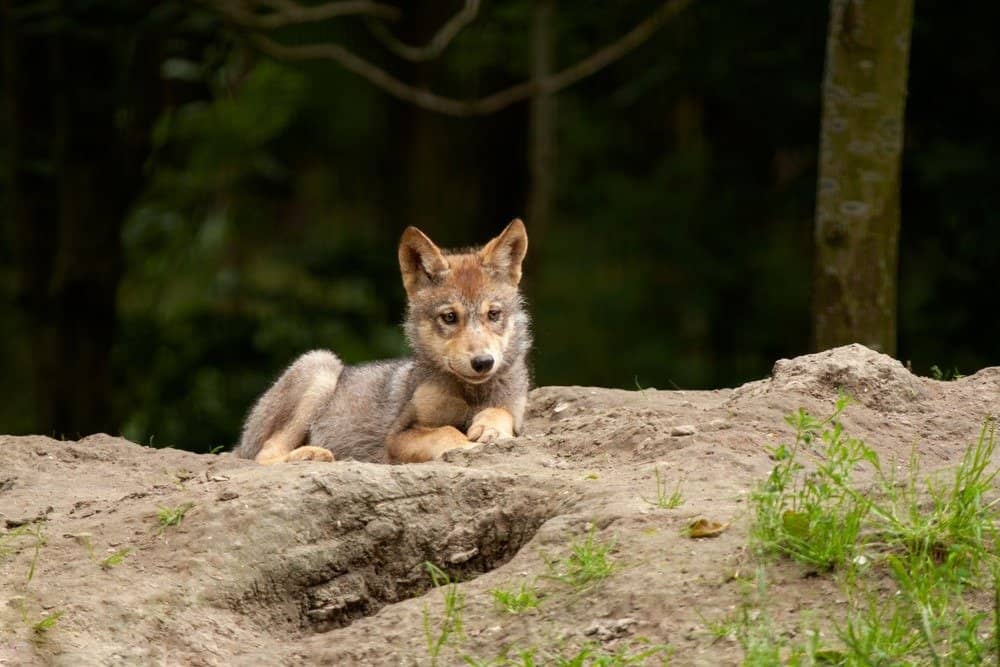
Captive red wolf pups are fostered into the wild litters to aid the growth of the population.
©schaef71/Shutterstock.com
The Challenges Still Facing Red Wolves
Despite the significant steps forward, the red wolf population is not yet safe. Although they are no longer hunted, red wolves face several different threats. One of the biggest issues is vehicle collisions, with eight wolves being killed on roads in the last six years.
Reducing these deaths has become a priority, so North Carolina has recently committed funding towards the creation of wildlife crossings beneath major roads. These wildlife crossings consist of underpasses that allow wildlife to cross roads safely. However, wildlife crossings also reconnect areas of habitat that have been divided by roads, reducing fragmentation and allowing wolves to move freely in search of mates and new territories. The crossings are also expected to benefit other native species, such as black bears and river otters.