
Quick Take
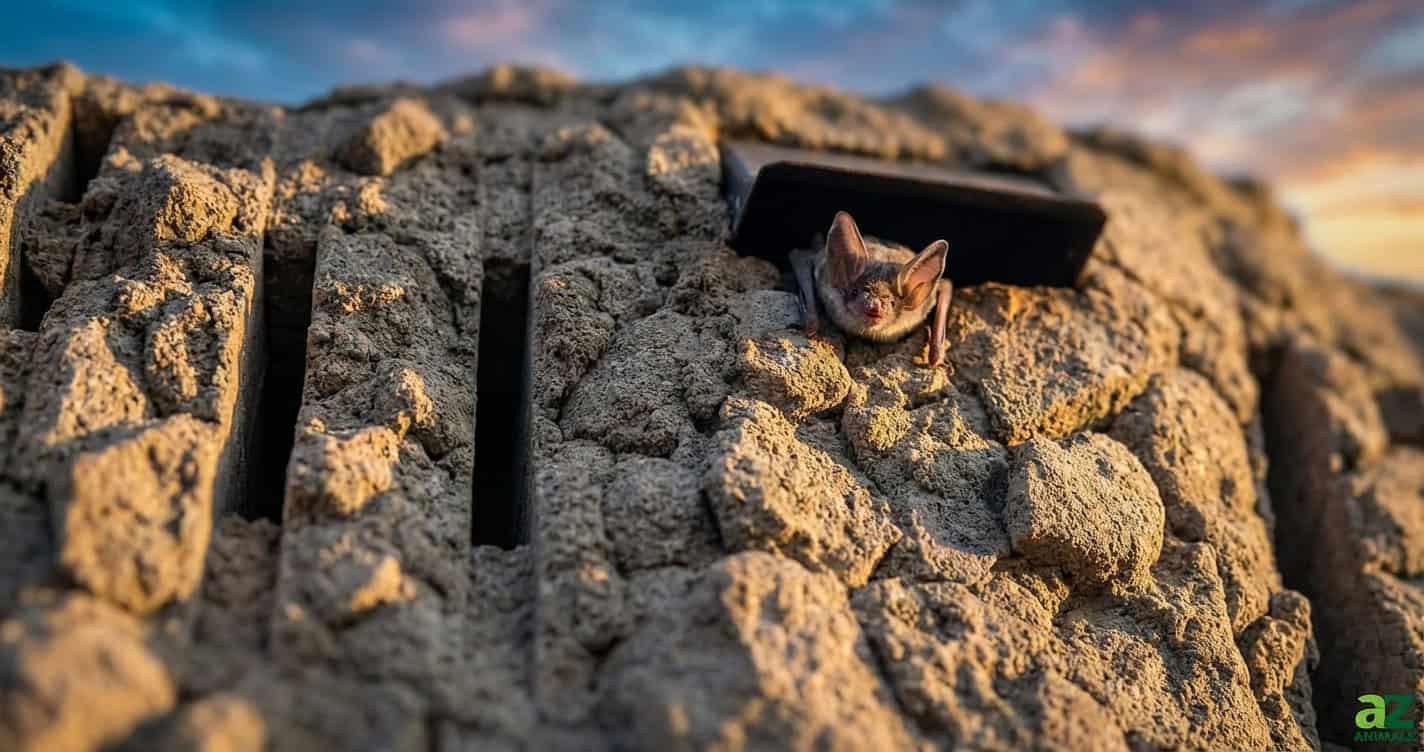
- Constructing a bat wall is a first-of-its-kind innovation aimed at conserving North Carolina gray bats.
- The 15 to 25-foot drop requirement for bats to roost allowed NCDOT engineers to be creative with bat wall plans.
- There are at least 40 bat roost sites on bridges in North Carolina.
- Gray bats returned to the roosting site and used the bat wall in the weeks after its construction.
North Carolina sets a high standard for wildlife care. Between creating wildlife crossing structures that allow safe passage above and below highways and restoring waterways for fish, the state is dedicated to helping its wildlife thrive.
Now, North Carolina has come up with a first-of-its-kind design to help conserve an endangered species. The innovative feature created by the North Carolina Department of Transportation is a concrete bat wall built to protect gray bats. And by all accounts, the plan has succeeded.
Why the Bat Wall Was Constructed
Gray bats are a federally protected species. Because of this, all construction projects have to take into account the impact they will have, not only on the bat’s environment, but also on the roosting sites.
The plans for one particular new bridge eliminated the bat roosting spots beneath the structure. This meant that for the project to move forward, there needed to be an alternative plan to protect the bats and ensure they returned to their roosting spot.
With no space available under the bridge, other locations on the bridge were considered. Eventually, this led to the creation of the bat wall. The special wall includes roosting areas for bats who have migrated back to North Carolina from Tennessee.
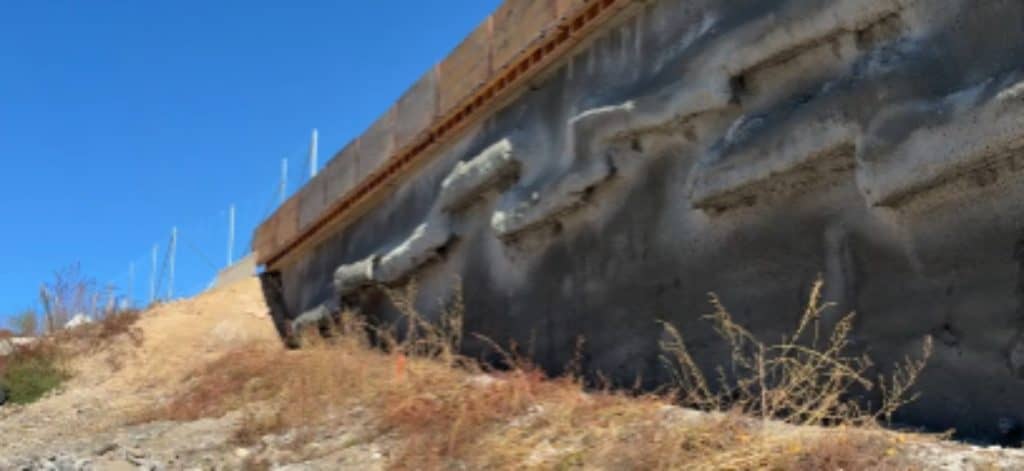
The bat wall was constructed in North Carolina on I-40.
© – Original
According to Katherine Etchison, Wildlife Diversity Biologist with the North Carolina Wildlife Resources Commission, the bat wall was constructed after experts weighed in on what the bats would likely utilize when roosting. This led to a variety of spots constructed in the wall that are appealing to bats and serve a multitude of needs.
“We tried to really get together with others in the area that work with bats and think through what bats would use,” Etchison explains to NCDOT Communications. “So, what size crevices. We’ve got little ones, all the way up to big ones. We’ve got some with drain hole-type features in there. We’ve got some with vents. Some without.”
All of this aims to please the gray bats and encourages them to come back to roost at the bridge. Experts will take note of which zones the bats seem to utilize the most, so similar features can be incorporated into future bridges. Any crevices that are not used may be eliminated in the future.
How the Idea for the Bat Wall Came to Life
When plans for the bridge along the Pigeon River Gorge were being drawn up, it was clear that inspiration would have to strike to develop a way to allow gray bats to roost, despite the lack of space under the bridge. Fortunately, thanks to some family time and a bit of Animal Planet, brilliance struck just as it was needed.
“Just so happened me and my little girl, Harper, were sitting around the kitchen table, actually watching Animal Planet,” Kenny McCourt explains to NCDOT Communications. “I was sitting with a notebook, drawing up some ideas on how to take it off the bridge, and it hit me. We’ve got a soldier pile wall that we’re going to have to enclose with shotcrete.”
McCourt, a NCDOT resident engineer, continues, noting that in the area, boulderscape has become popular because it “looks more natural.” Additionally, it is quicker to install and even “more cost-effective.”
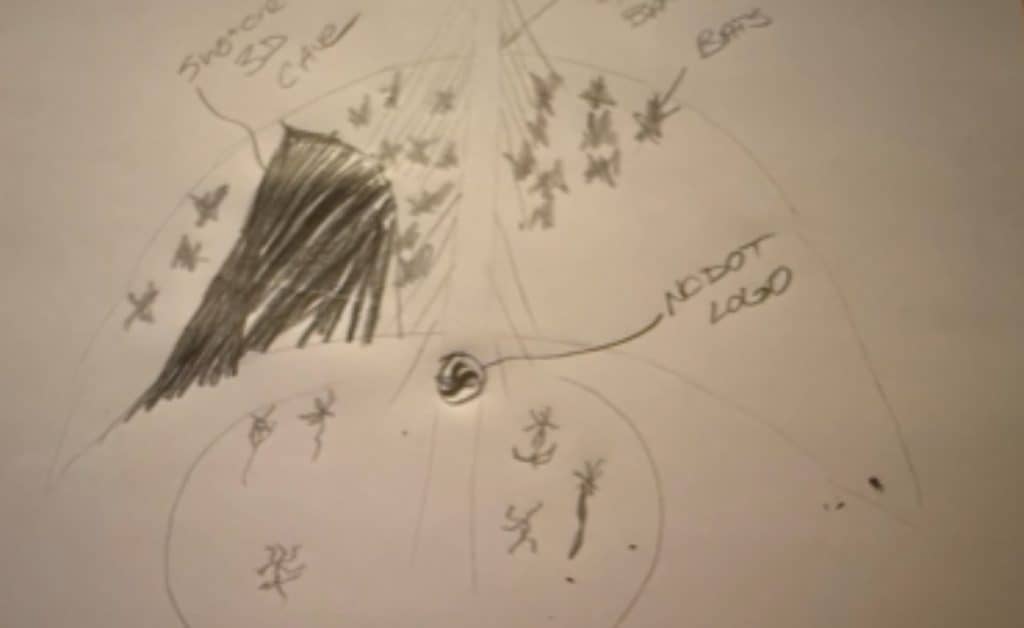
Kenny McCourt designed the idea for the bat wall while watching Animal Planet with his daughter.
© – Original
“We took a piece of paper and started drawing these bat habitats enclosed into the boulder scape wall, giving them more of a natural habitat,” McCourt says.
McCourt continues, “When me and my little girl were researching about bat habitats, the ideal drop height is anywhere from 15 to 25 feet. Just so happens that the wall’s 25 feet high. So, we got to try different heights and locations, to where in the future, we may be able to really dial in these bat habitats and give the bats somewhere they can really thrive.”
Given the “outside-the-box idea,” McCourt says “it took a lot of different groups bringing their expertise to the table.” Had it not been for all the different groups and agencies willing to work together, including NCDOT, US Fish and Wildlife Service, North Carolina Wildlife Resources Commission, Kiewit Construction, and Boulderscape, McCourt’s idea may never have come to life.
How Quickly Did Gray Bats Return to the Bridge to Roost?
When constructing a bridge, noise and disturbance could cause animals living in the environment to seek refuge elsewhere. Fortunately, this was not the case for the gray bats. According to David Uchiyama, the Western Communications Manager for the NCDOT, within a matter of weeks, gray bats returned.
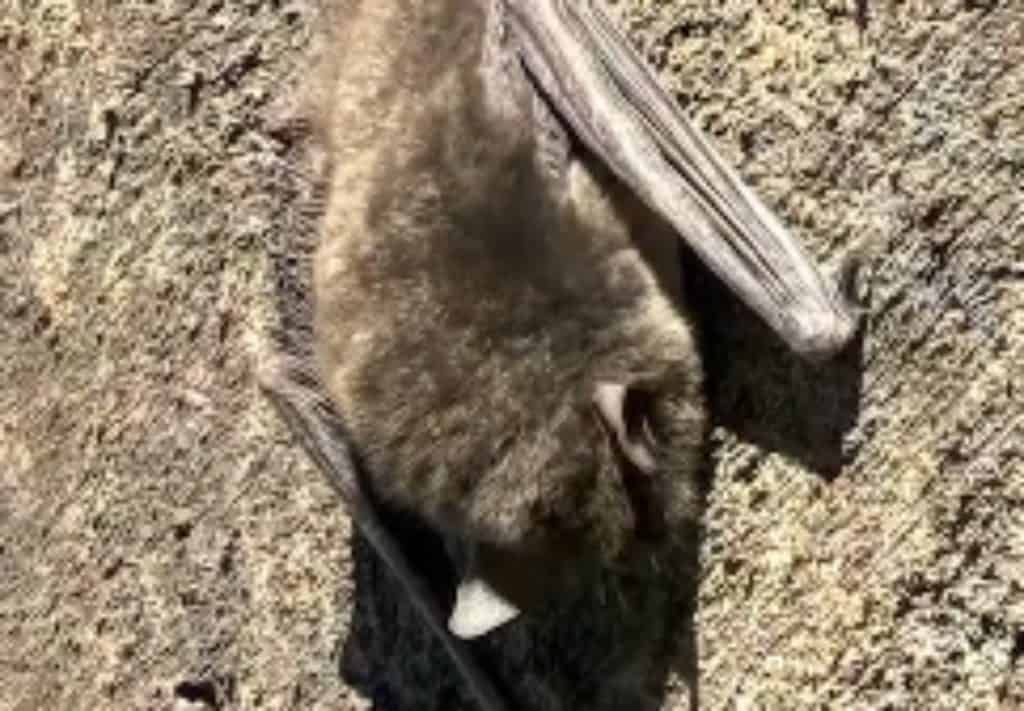
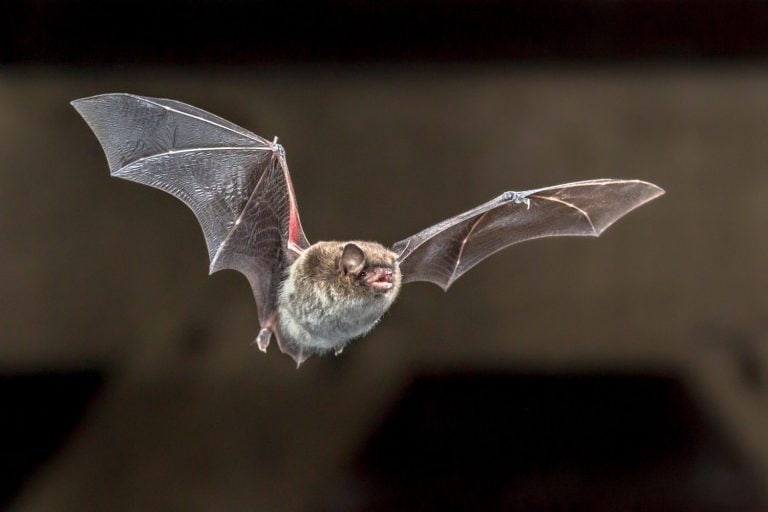
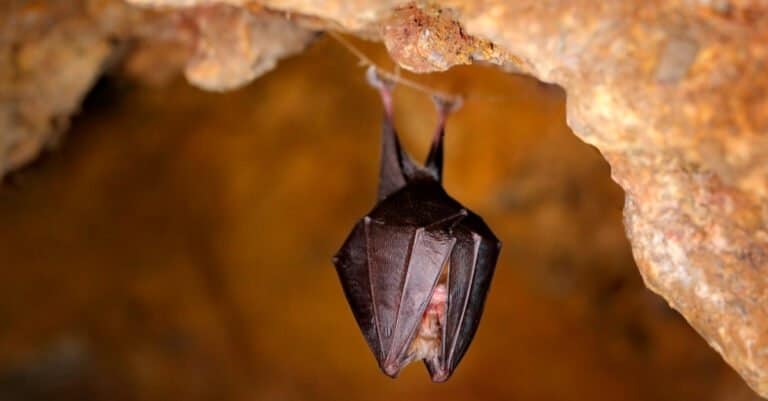
One of the gray bats to return to the bridge after the construction of the bat wall.
© – Original
“The bat wall was done in the fall,” Uchiyama explains to A-Z Animals. “I went out one to two weeks later to survey the wall. As I’m leaving, I’m walking up the hill, and sure enough, something flies right in front of me. It was a gray bat.”
Even as the bridge continues to be under construction, it is not bothering the bats, Uchiyama says. Not only is construction happening on the opposite side of the bridge from where the bats utilize the bat wall, but they have yet to migrate from Tennessee back into North Carolina. Migration occurs from March to November, so the return of the bats is likely to start soon.
We tried to really get together with others in the area that work with bats and think through what bats would use.
Katherine Etchison, Wildlife Diversity Biologist with the North Carolina Wildlife Resources Commission
Was the Reconstruction of the Bridge Related to Hurricane Helene?
When Hurricane Helene hit North Carolina in 2024, the state’s transportation system sustained extensive damage. Roughly 1,400 state roads and 800 bridges needed repairs. Therefore, many believed the bridge along the Pigeon River Gorge was undergoing repairs due to damage it sustained. This, however, was not the case.

While Hurricane Helene was devastating in North Carolina, the storm was not the cause of the state’s bridge rebuilds. The bridges were planned to be rebuilt along I-40.
©BEST-BACKGROUNDS/Shutterstock.com
According to Uchiyama, the bridge and four others near it were scheduled for repairs. There was no hurricane or flood damage to the bridge. Plans were in the works for repairs to these bridges, and at all times, the bats were part of those plans.
The only problem was that the new bridge design did not have the same amount of space as the previous one. The lack of space would deny the gray bats a space to roost, compromising their population.
Plans to Construct Other Bat Walls on Bridges Under Construction Along I-40
The bridge with the bat wall is not the only bridge under construction along I-40. There are four others that are in the process of being reconstructed. Whether they will receive accommodations for a bat wall or not, all comes down to whether gray bats have a history of roosting in the area.
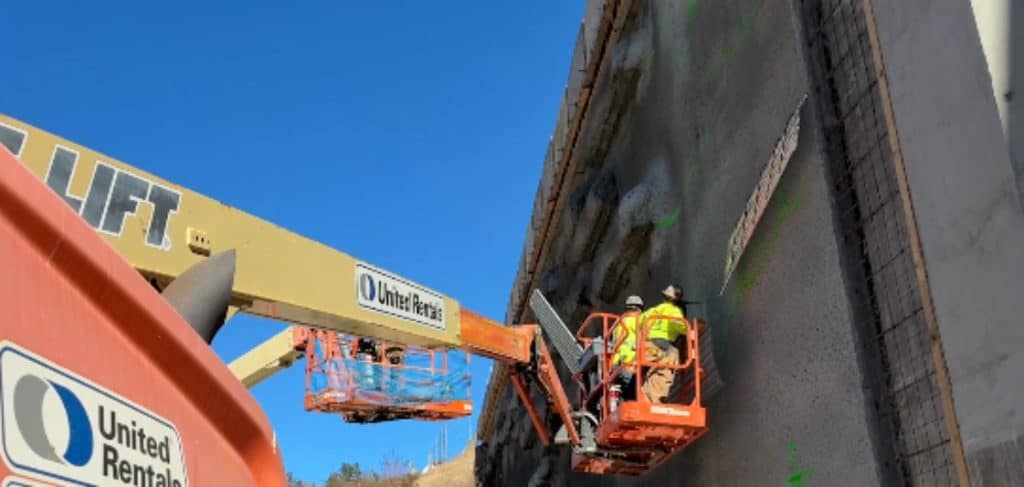
It is not yet clear if more bridges along I-40 in North Carolina will require bat walls. However, any bridges that have bat roosts will make accommodations for the bats.
© – Original
According to Uchiyama, where bats have roosted under bridges in the past, the NCDOT is “making accommodations.” With multiple bridges used by gray bats for roosting, those bridges may also have bat walls constructed on them. Any bridges that do not serve a purpose will not have the bat walls constructed.
Threats Gray Bats Face Today
The gray bat population needs all the help it can get, given that it is considered a “vulnerable species” by the IUCN. However, in North Carolina, the bats are classified as endangered due to both their declining population and factors contributing to that decline. Consequently, projects, such as the construction of a bat wall on a bridge in North Carolina, are essential to the existence of these bats.
There are several reasons why gray bats have been experiencing a population decline in North Carolina. The main reasons include:
- White-Nose Syndrome
- Habitat loss
- Human disturbance
Interestingly, until 2016, gray bats were thought to be accidental visitors to North Carolina. This theory was turned on its head when several bat roosts were discovered under bridges. Today, there are 40 separate known roosts under bridges in the state.
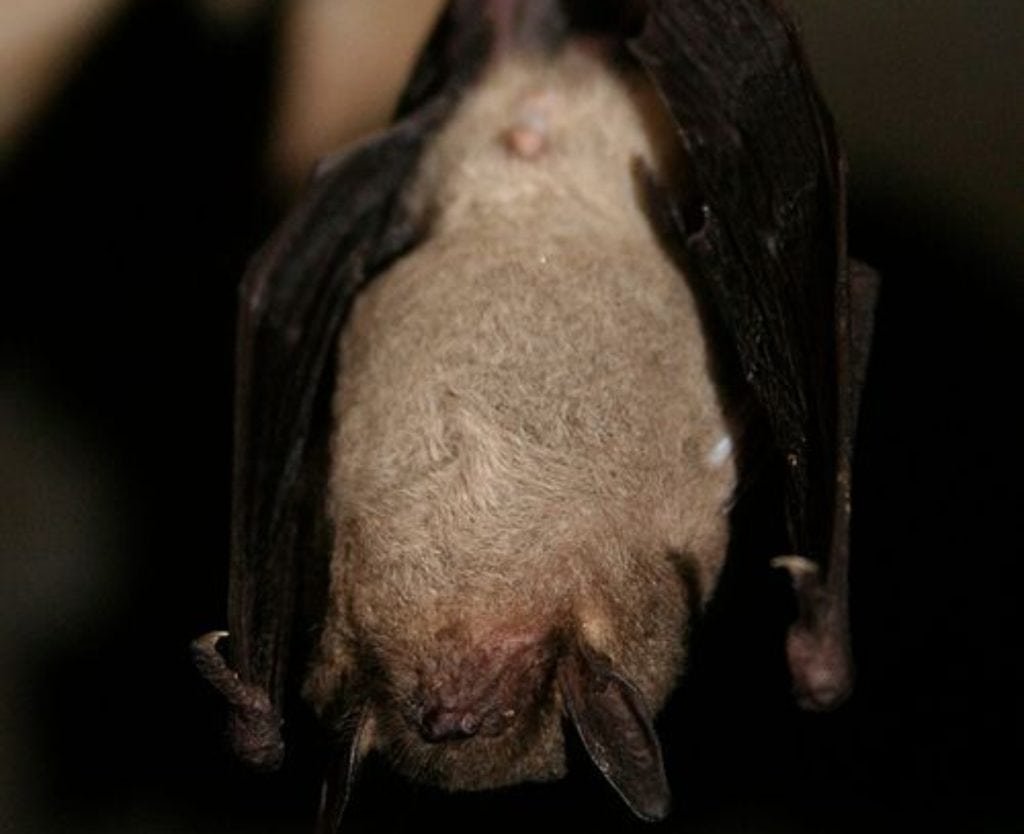
Gray bats have been in decline in North Carolina due to White-Nose Syndrome, habitat loss, and human disturbance.
© – Original
With each bridge project, according to Uchiyama, bats are “most definitely part of the plan.” This is required because they are a federally protected species. But there is a sense of pride in protecting the bats and ensuring they thrive. This is why the NCDOT has gone above and beyond for the bats living on the bat wall along I-40, creating a flower garden for the bats to feed on at night.
“We are going through with plans to install new seeds,” Uchiyama tells A-Z Animals, “that have flowers that bloom at night that will attract bugs at night.”
Not only will the gray bats be able to feast on the bugs, but they can also drink the nectar the flowers produce.
What the NCDOT and the organizations it partnered with have shown is that the conservation of animals and progress do not have to be either/or propositions. The two can work together to create a beautiful project that not only prioritizes the safety of those who travel along I-40 but also ensures that gray bats can return to their roosting sites, helping increase their population to the point where they are no longer considered an endangered species.