
Quick Take
- Florida panther kittens are born with blue eyes and dark spots
- Florida’s official state saltwater fish is the Atlantic sailfish, which is considered an elite sport fish.
- Manatees, Florida’s official marine mammal, are considered a threatened species.
Florida is the only state with extensive coastlines on both the Atlantic Ocean and the Gulf of Mexico, and it is the southernmost of the 48 contiguous U.S. states. Florida’s climate is influenced by the proximity of the ocean, resulting in a humid subtropical climate in the regions north of Lake Okeechobee. It is tropical in the areas south of the lake, including the Florida Keys. These climates are rich with flora and fauna, and while the state has three official plants (orange blossom, sabal palm, and coreopsis), Florida recognizes 10 official state animals. Continue reading to discover the animals that Florida has chosen to represent its unique wildlife.
State Bird: Northern Mockingbird
The Northern mockingbird (Mimus polyglottos) was named Florida’s state bird by an act of the 1927 Legislature (Senate Concurrent Resolution No. 3). It is also the state bird of Arkansas, Mississippi, Tennessee, and Texas.
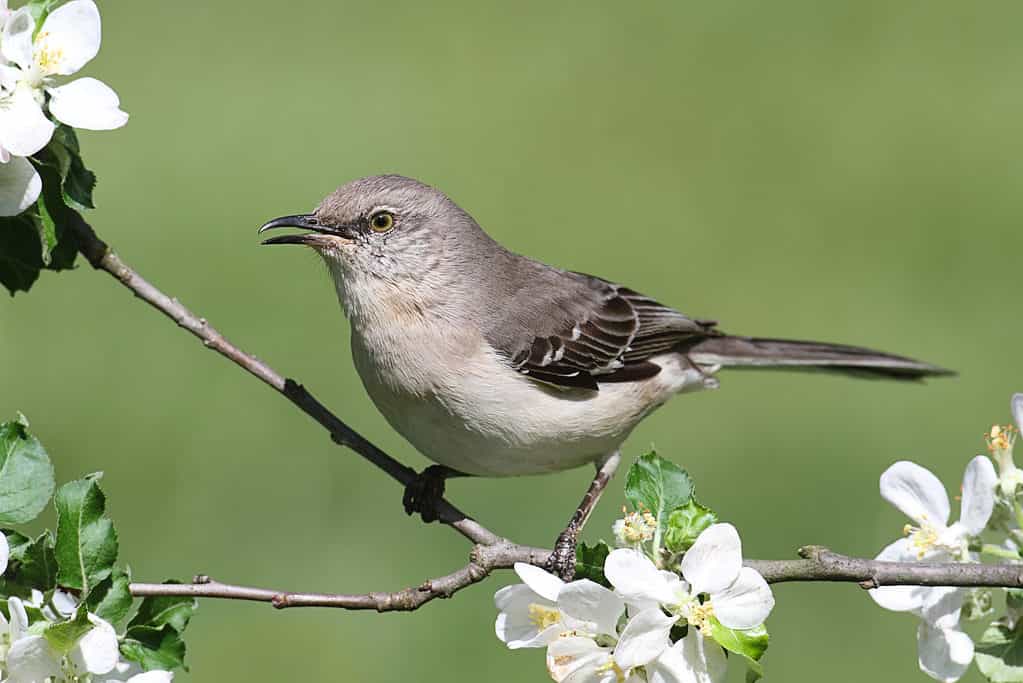
The Northern mockingbird (Mimus polyglottos) has been Florida’s state bird since 1927.
©Steve Byland/Shutterstock.com
The Northern mockingbird’s most distinctive feature is its ability to imitate the calls of other bird species and learn different songs.
Male mockingbirds are slightly larger than females, weighing no more than 2 ounces and having a 14-inch wingspan. These gray and brown birds have white spots on the undersides and tops of their wings. They generally eat seeds, ripe berries (during summer and fall), fruits, and small insects, including bees, earthworms, beetles, moths, and butterflies.
State Marine Mammal: Florida Manatee
Sometimes called a sea cow, the North American or Florida manatee (Trichechus manatus latirostris) was designated as Florida’s official state marine mammal in 1975. Manatees have a wrinkled face and head and a flat, paddle-like tail. Their two flippers have three to four claw-like nails each. These nails are remnants from their land-dwelling, four-legged ancestors. They are primarily used for navigating, touching, and sometimes gripping food, as well as maneuvering along the sea floor.
The average adult manatee weighs 800 to 1,200 pounds and measures about 10 feet long.
Florida manatees are found in coastal habitats with abundant freshwater flora, seagrass, estuaries, shallow rivers, and canals. Despite both state and federal protection, manatees are listed as a threatened species.
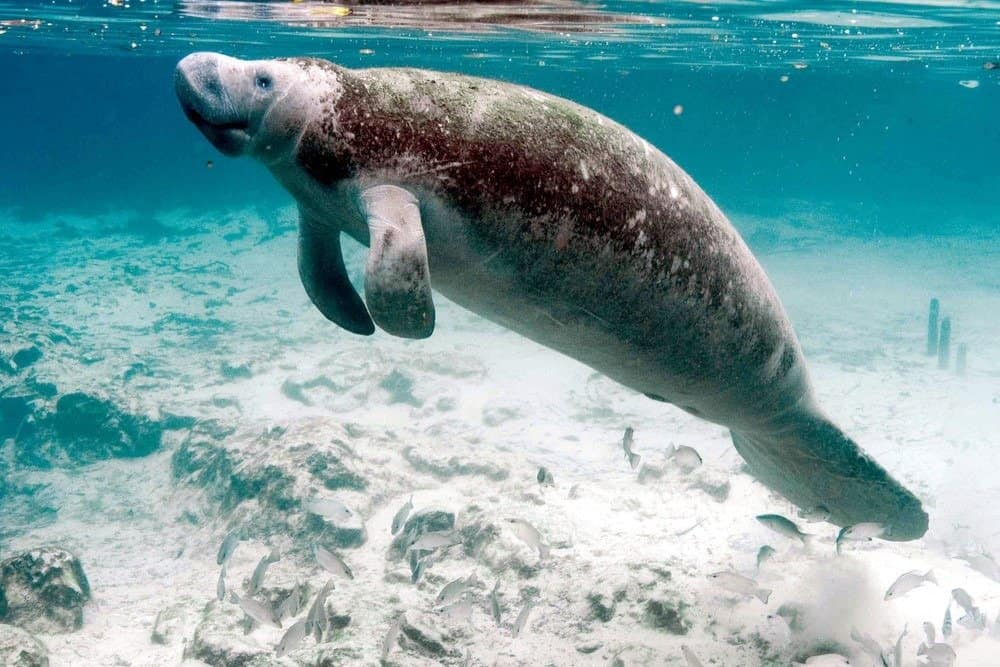
Manatees are often hit by speeding boats. A 1978 state law set speed limits for boats, particularly during the winter months when many sea cows swim to warmer waters.
©Ramos Keith, U.S. Fish and Wildlife Service / public domain – Original / License
State Saltwater Mammal: Bottlenose Dolphin
The bottlenose dolphin (Tursiops truncatus) was designated as Florida’s official saltwater mammal in 1975. These playful marine animals can be seen along both of Florida’s coasts. The top of bottlenose dolphins can vary from light gray to nearly black, while the color of their bellies ranges from light gray to white. Nearshore bottlenose dolphins are typically smaller and lighter in color than those offshore.
Bottlenose dolphins can swim more than 18 miles per hour in the wild, surfacing two or three times every minute to breathe. They make different sounds, including squeaks and whistles, to communicate.
The Marine Mammal Protection Act (MMPA) protects bottlenose dolphins in the United States, despite not being listed as endangered or vulnerable under the Endangered Species Act (ESA).
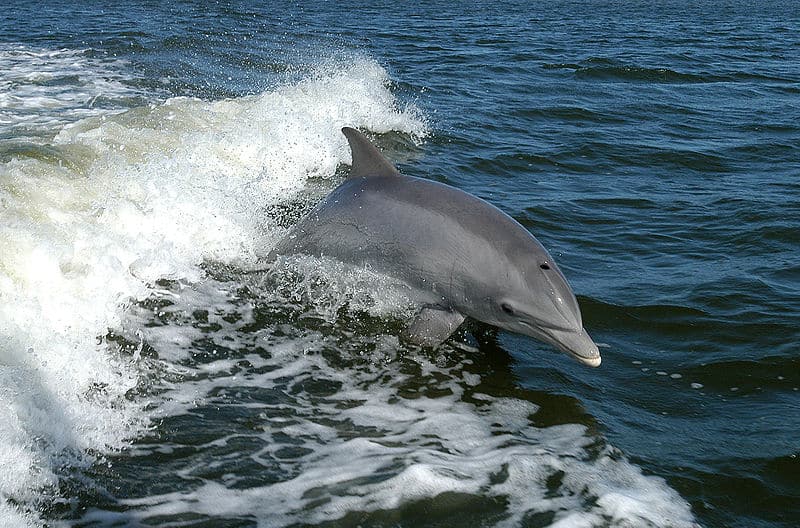
Mature bottlenose dolphins lack a sense of smell, relying instead on highly developed senses like echolocation, vision, and taste.
©Solipsist – Public Domain by NASA
State Freshwater Fish: Florida Largemouth Bass
The Florida largemouth bass (Micropterus salmoides floridanus) is one of the most coveted sportfish in the United States. The Southern subspecies in Florida waters is renowned for its massive size compared to the Northern subspecies.
The Florida largemouth bass can grow to 20 inches long and weigh more than 15 pounds. It stands out for its deep dorsal fin notch, tiny scales, and a notably large mouth.
The state legislation passed in 1975 recognized Florida largemouth bass as the official state freshwater fish.
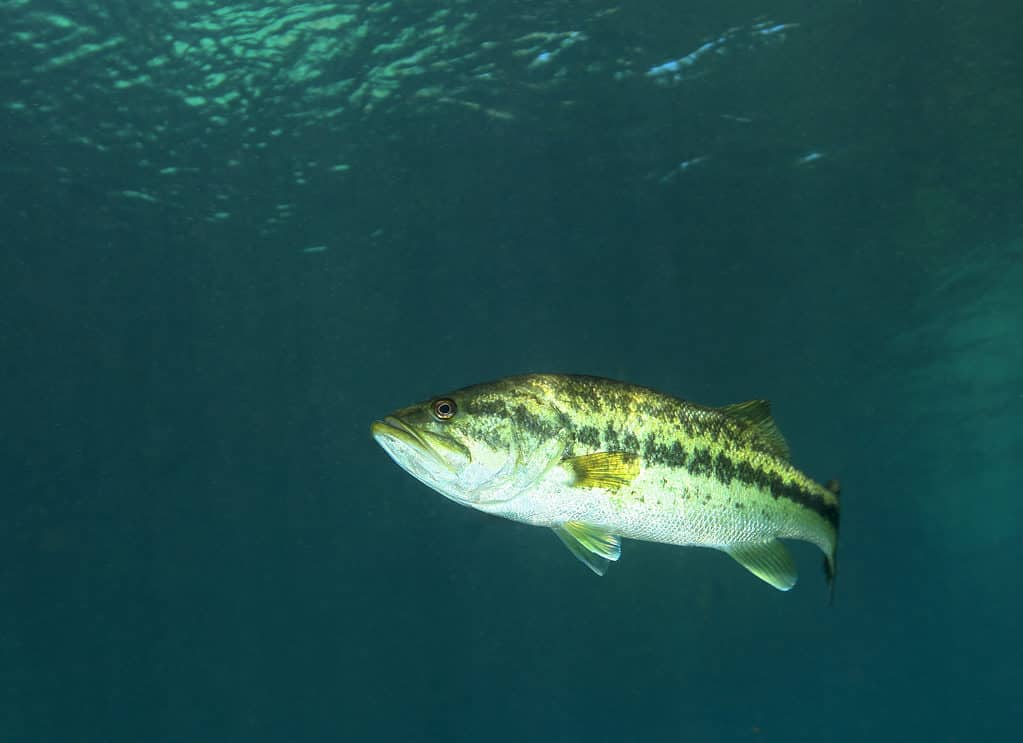
The state legislation passed in 1975 recognized Florida largemouth bass as the official state freshwater fish.
©iStock.com/mpwoodib
Florida largemouth bass are found in swamps, ponds, creeks, big lakes, rivers, and reservoirs. These fish thrive in heavily vegetated eutrophic (nutrient-rich) rivers, reservoirs, and lakes.
State Saltwater Fish: Atlantic Sailfish
The Atlantic Sailfish (Istiophorus albicans), widely regarded as the fastest fish in the ocean, became the official state saltwater fish of Florida in 1975.
Florida is known for its year-round, world-class sailfishing, particularly during winter. There’s no off-season; as the weather gets colder up north, sailfish move south.
Many anglers throughout the world regard sailfish as elite sportfish because of their sail-like dorsal fin. Once hooked, these fish put up a struggle like no other, often jumping more than 20 times.
Sailfish are so named because of their magnificent dorsal fin, which is taller than their thick bodies and spans almost the entire length of their bodies. In addition, they have white underbellies and a blue-to-gray coloration.
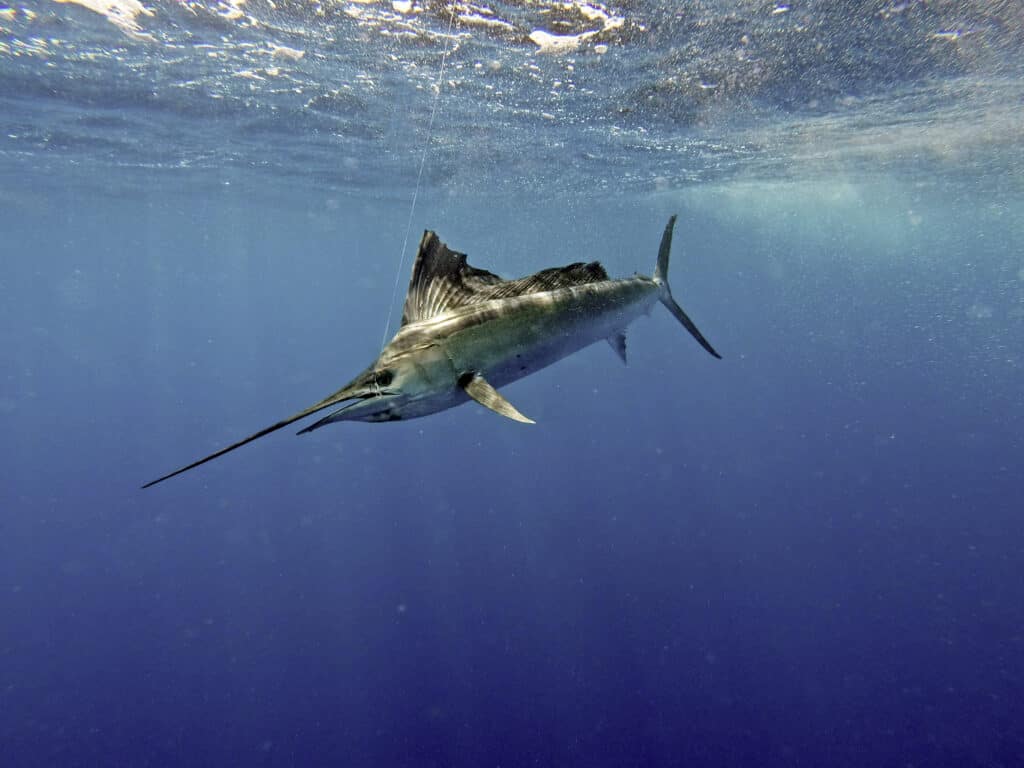
Sailfish, widely regarded as the fastest fish in the ocean, became the state saltwater fish of Florida in 1975.
©kelldallfall/Shutterstock.com
State Animal: Florida Panther
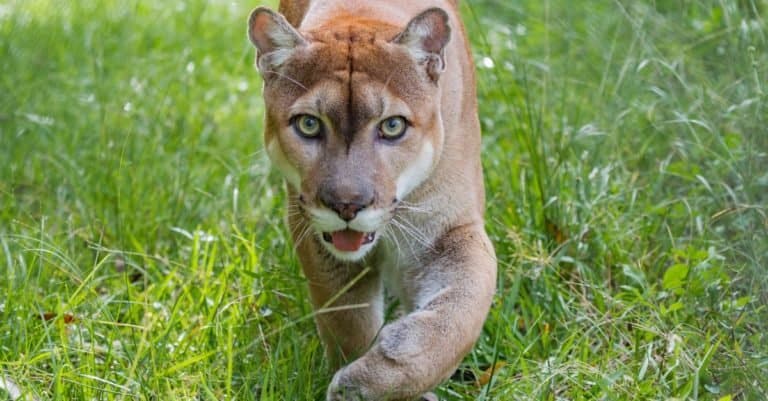
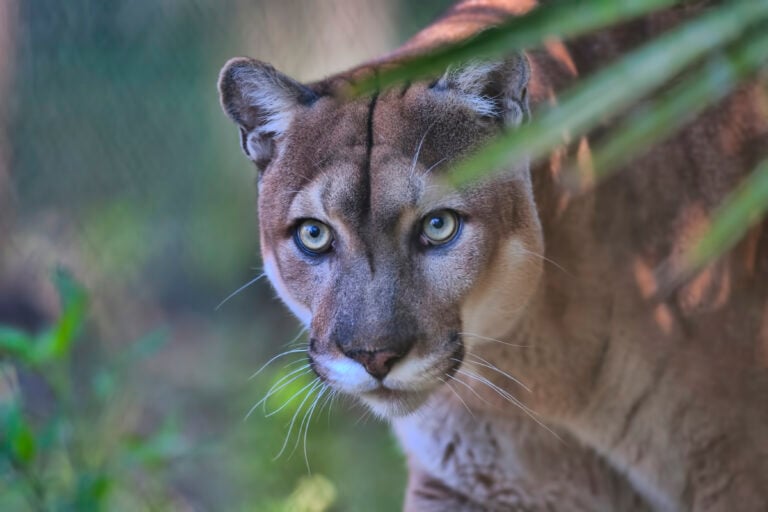
In 1982, a vote among students throughout Florida favored the adoption of the long-tailed wild cat, Florida panther (Puma concolor coryi), as the state animal. This endangered species is native to Southern Florida.
Florida panthers dwell in cypress swamps, pinelands, and tropical hardwood forests.
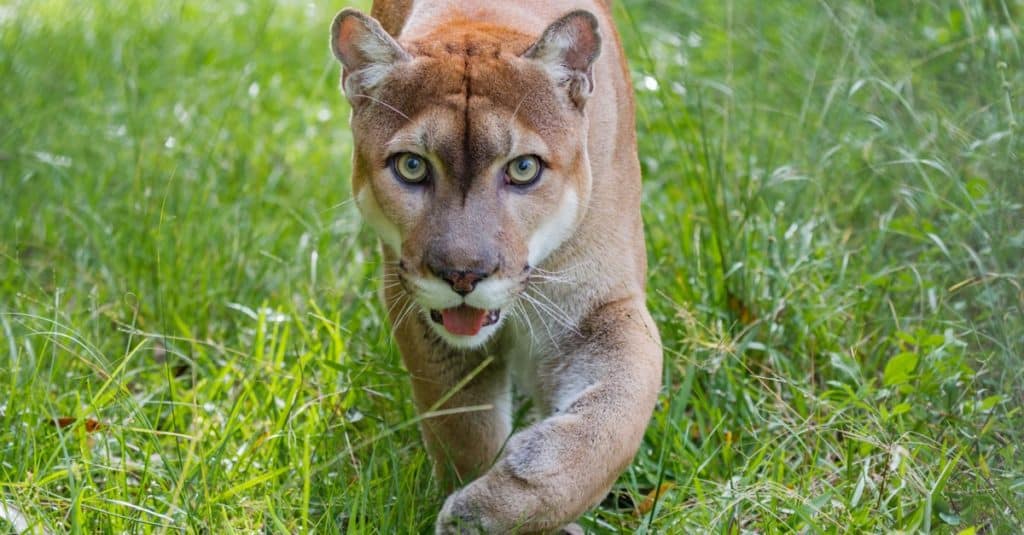
The Florida panther is native to Southern Florida.
©jo Crebbin/Shutterstock.com
Florida panther kittens are born with blue eyes and a coat covered in dark spots, which helps them blend into their surroundings. These spots and blue eye color are temporary; as the kittens grow, their fur turns to a solid, tawny beige, and their eyes shift to a yellow-brown color.
State Reptile: American Alligator
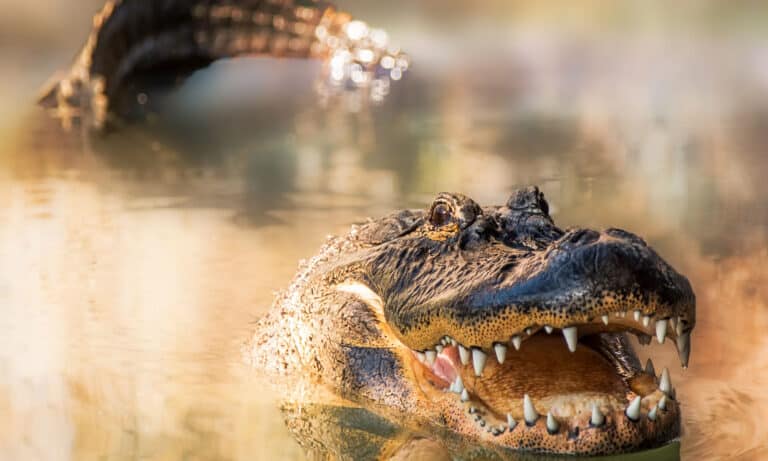
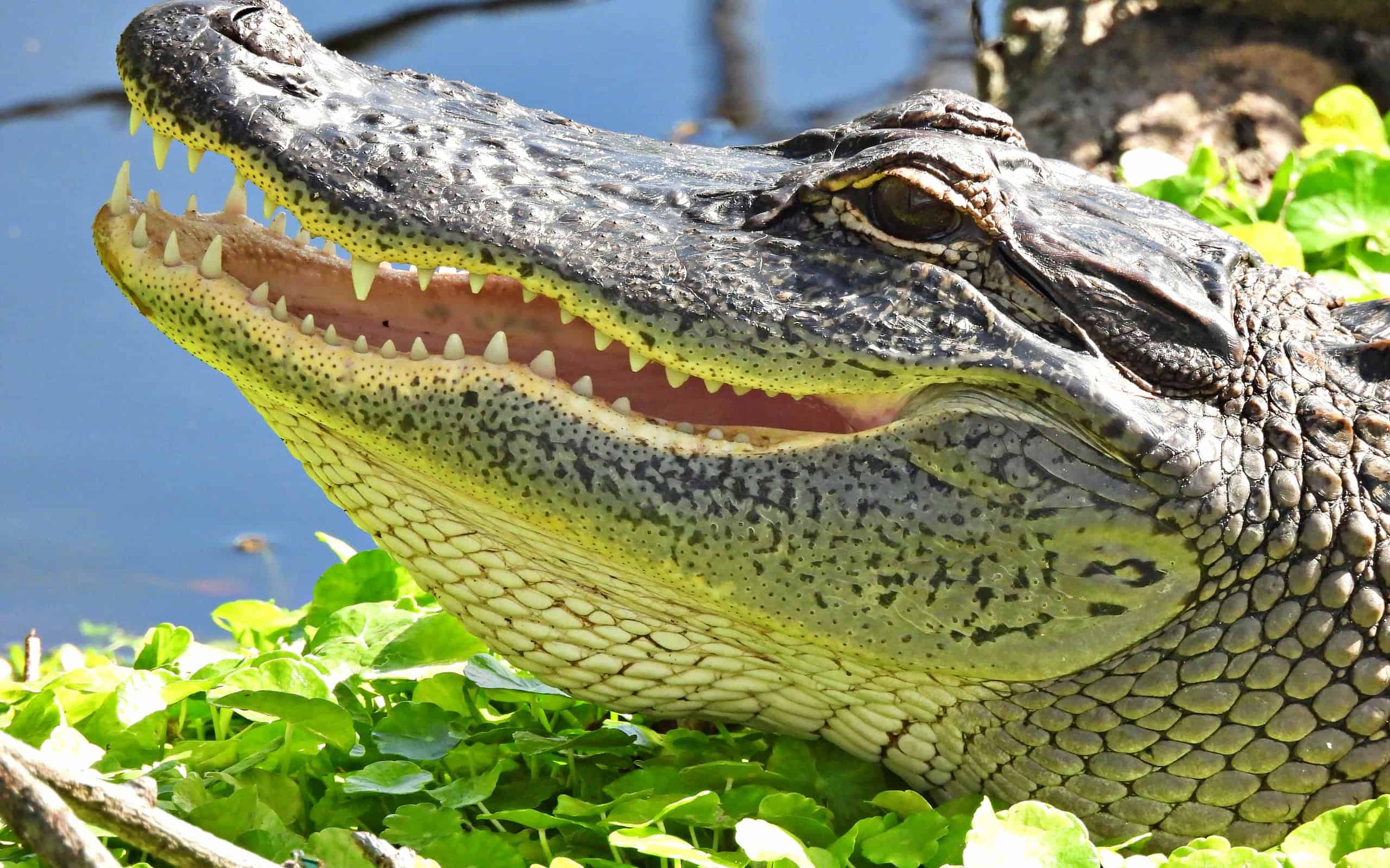
The American alligator (Alligator mississippiensis) has been a long-standing unofficial state symbol. However, it was formally declared the official state reptile by the Florida legislature in 1987.
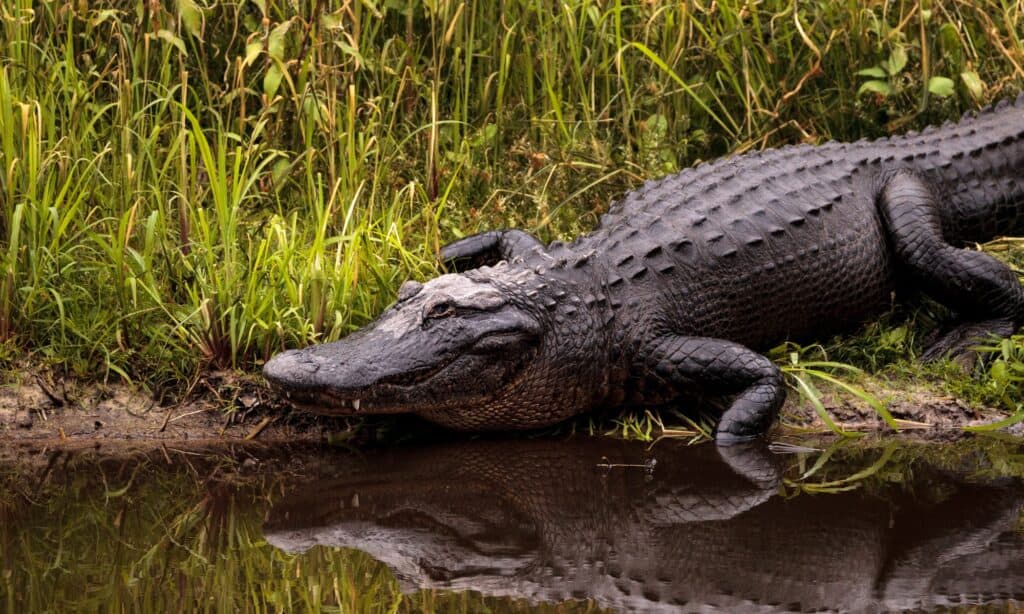
The American alligator was formally declared the official state reptile by the Florida legislature in 1987.
©iStock.com/LagunaticPhoto
Nearly all of the swamps, freshwater rivers, lakes, marshes, canals, and other wetlands in Florida are home to American alligators. The American alligator is also the state reptile of Louisiana and the state water reptile of Mississippi.
They are exceptionally adept swimmers despite being heavy and awkward out of the water. Males can weigh up to 1,000 pounds and have an average length of 10 to 15 feet. Females are slightly smaller.
Alligators are apex predators. Their primary food sources include small mammals, fish, turtles, and snakes. A hungry alligator, however, will eat almost anything, including carrion, pets, and, in rare cases, humans.
According to the International Union for Conservation of Nature (IUCN), the American alligator’s conservation status is that of Least Concern. The American alligator is a rare example of an endangered species saved from the brink of extinction and has been flourishing.
Their population had historically been ravaged by hunting, and the Endangered Species Act of 1973 named it an endangered species. With habitat preservation initiatives and state and federal laws, the number of alligators in the wild has increased. The species was declared no longer endangered in 1987.
State Butterfly: Zebra Longwing
The zebra longwing (Heliconius charitonius) is characterized by its aposematic black and white wings, prominent narrow yellow bands, and its beautiful, relaxed flight. The lower wings feature a similar pattern but in a pale color and include many tiny red spots close to the body.
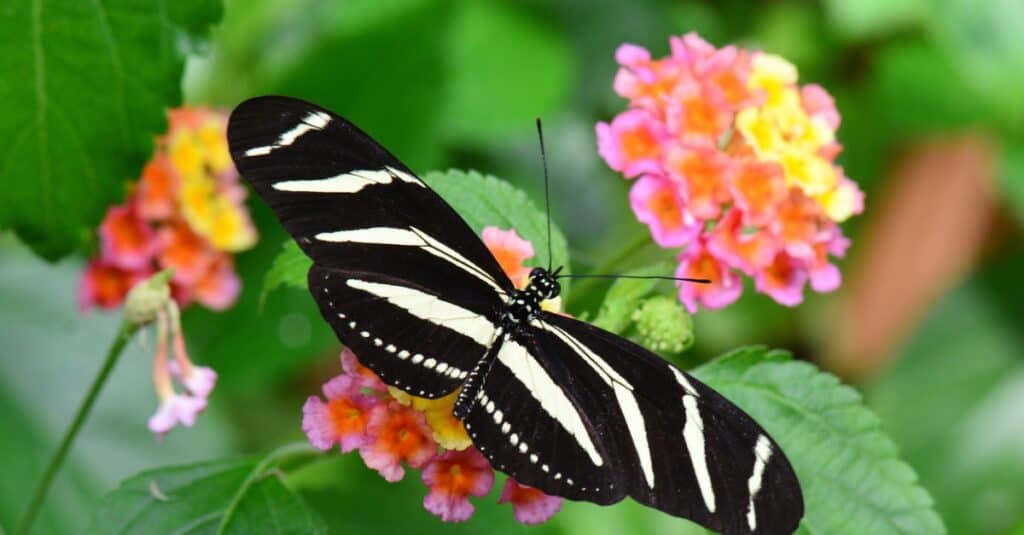
The zebra longwing butterfly (Heliconius charitonius) became Florida’s state butterfly in 1996.
©iStock.com/SHAWSHANK61
The zebra longwing is a common sight throughout Florida, but it is more prevalent in the southern part of the state, including Everglades National Park.
Their wingspan ranges from 2.83 to 3.94 inches, and their lifespan is much longer than the typical two to four weeks of most other butterflies. Their longevity is directly linked to their consumption of both pollen and nectar.
State Heritage Breeds: Florida Cracker Cattle and Florida Cracker Horse
The most recent additions to Florida’s list of official state animals are the Florida cracker cattle and the Florida cracker horse. These animals originated from Spanish livestock brought to Florida in the 16th century.
Both the cattle and the horses descended from Andalusian stock introduced by Spanish conquistadors and colonists. They are hardy animals that were able to adapt to the harsh Florida climate, thriving in the difficult, humid terrain, ultimately becoming an essential, agile partner for early Florida cattlemen.
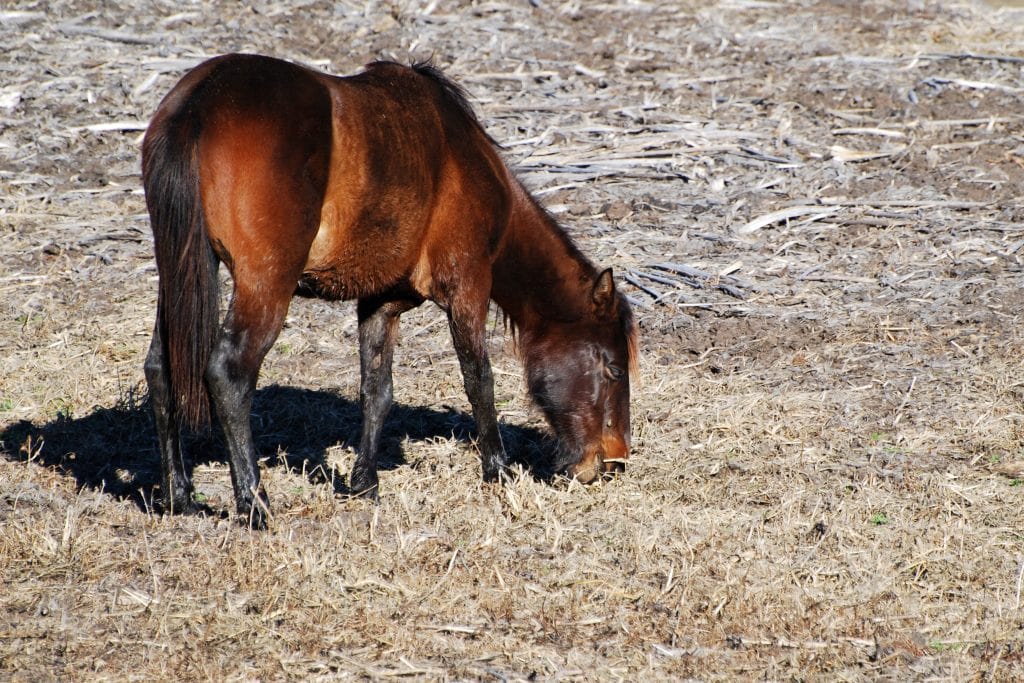
The name cracker is derived from the sound of the whips that were used to herd the cattle and ride these horses.
Florida cracker cattle and Florida cracker horses are not just historical artifacts; they are living, functioning, and highly valued heritage breeds that played a crucial role in Florida’s history and continue to work in Florida today.
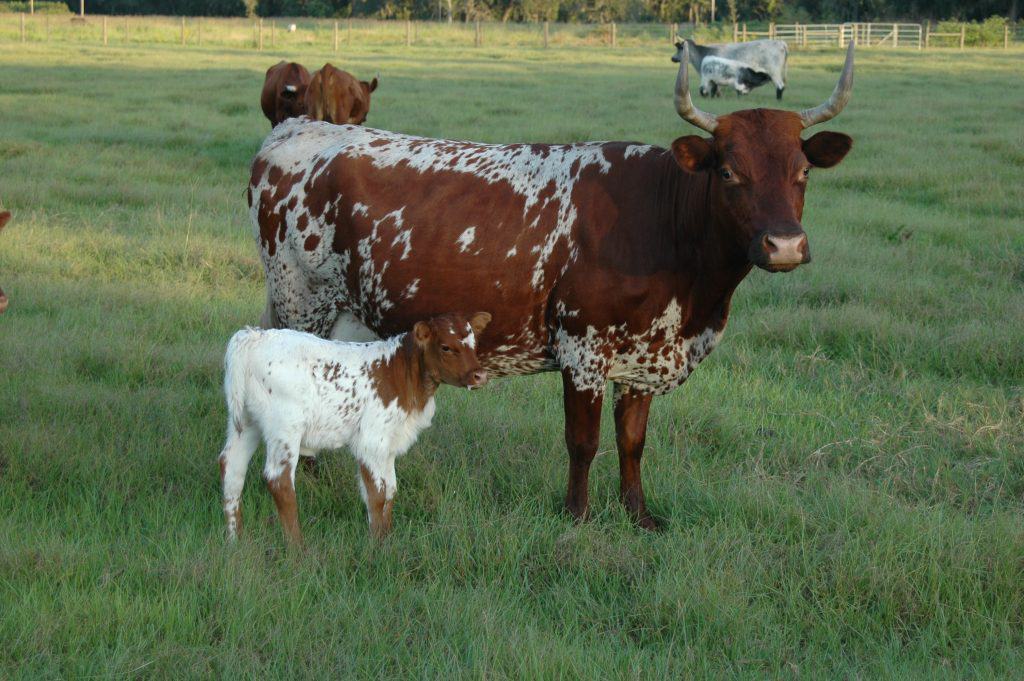
Florida Cracker cattle produce lean, flavorful, nutrient-dense beef.