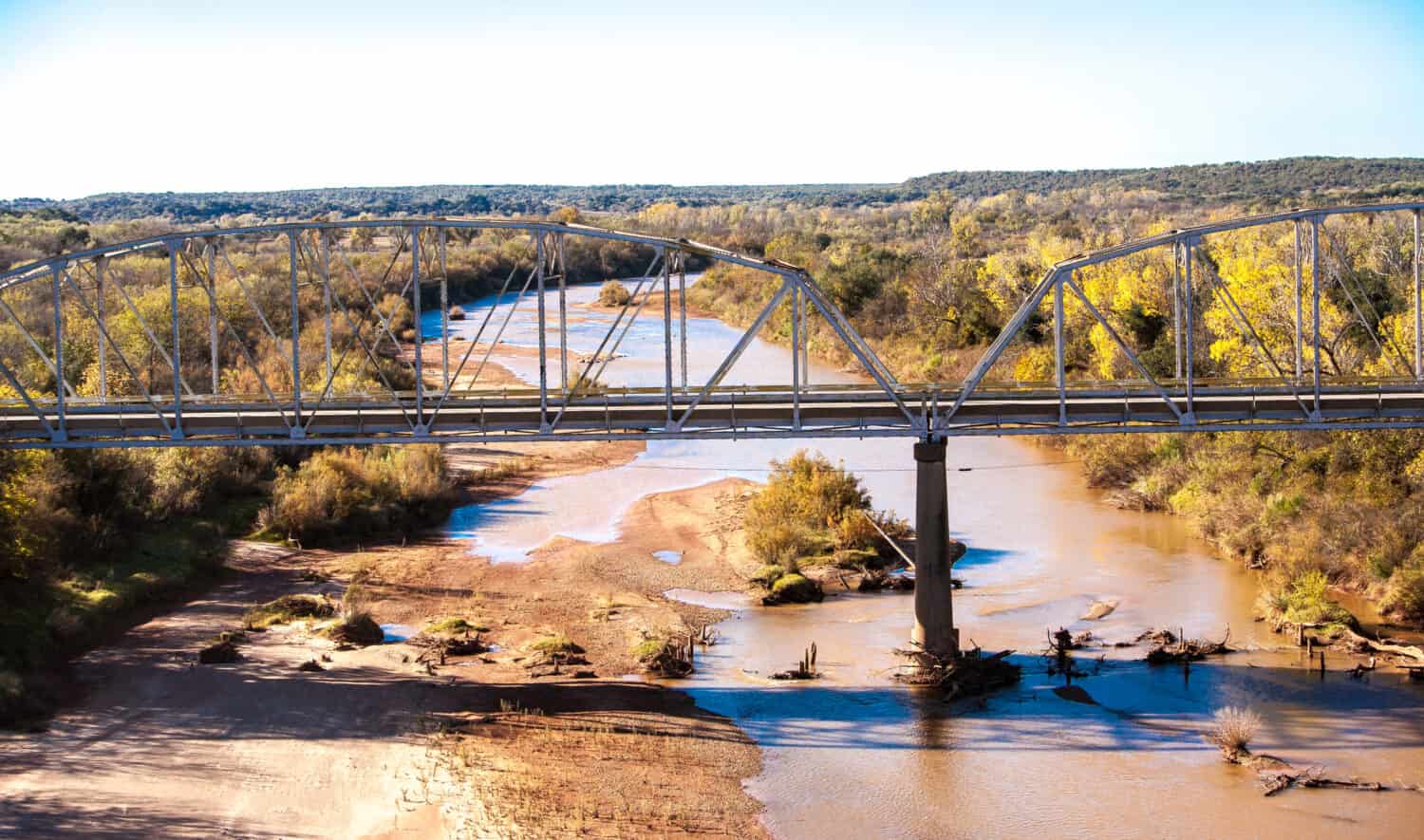

Flowing through sandstone bluffs, cottonwood bottoms, and wide floodplains, the Red River of the South winds hundreds of miles along the Texas-Oklahoma border before joining the Mississippi system. Its reddish hue comes from iron-rich clay eroded from the high plains. Along its shifting banks, cattails and willows shelter fish, amphibians, reptiles, birds, and mammals that depend on its muddy flow. Life here survives the heat, drought, and sudden floods of the Southern Plains. Check out some of the species hunters, anglers, and nature enthusiasts might see there, if they’re observant.
Channel Catfish (Ictalurus punctatus)

Channel Catfish (Ictalurus punctatus)
©Engbretson, Eric / U.S. Fish and Wildlife Service / Wikimedia Commons
With whiskered faces and smooth gray skin, channel catfish cruise the murky bends in search of insects, crustaceans, and carrion. Their nightly scavenging keeps the riverbed clean and recycles organic matter back into the system. These fish can reach over three feet long and weigh up to 40 pounds, though most caught along the Red River are smaller. Anglers prize them for their mild flavor, and they’re often fished with trotlines or baited hooks using cut bait or chicken liver.
Diamondback Water Snake (Nerodia rhombifer)
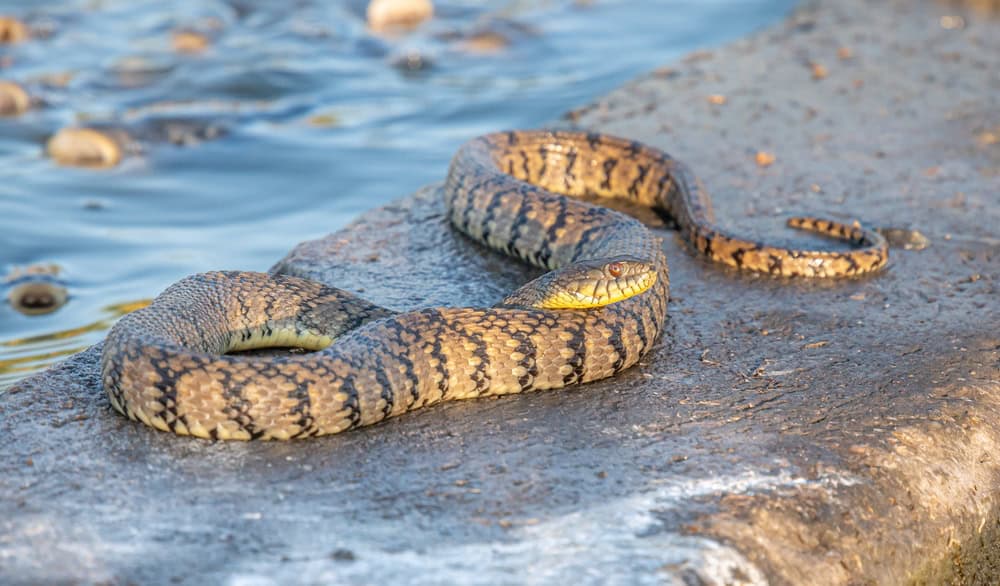
Diamondback Water Snake (Nerodia rhombifer)
©Gerald A. DeBoer/Shutterstock.com
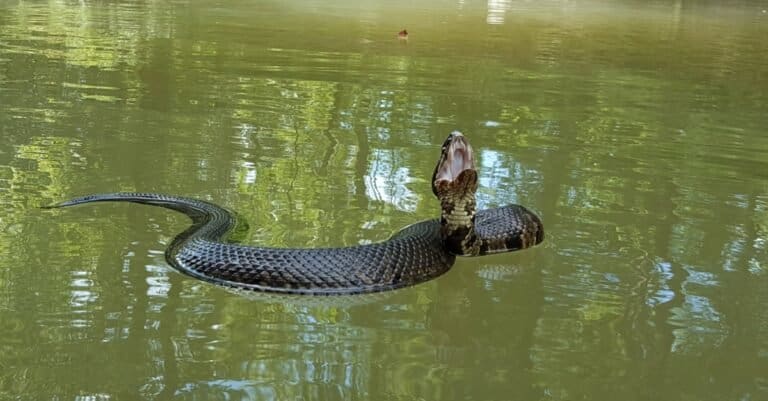
Coiled on a sun-warmed log or slicing through brown water, the diamondback water snake is one of the river’s most common reptiles. Usually two to four feet long, this non-venomous snake feeds mostly on small fish and frogs. Though sometimes mistaken for a cottonmouth, it’s harmless to people and is occasionally relocated by wildlife officials when it turns up near boat ramps.
Wood Duck (Aix sponsa)
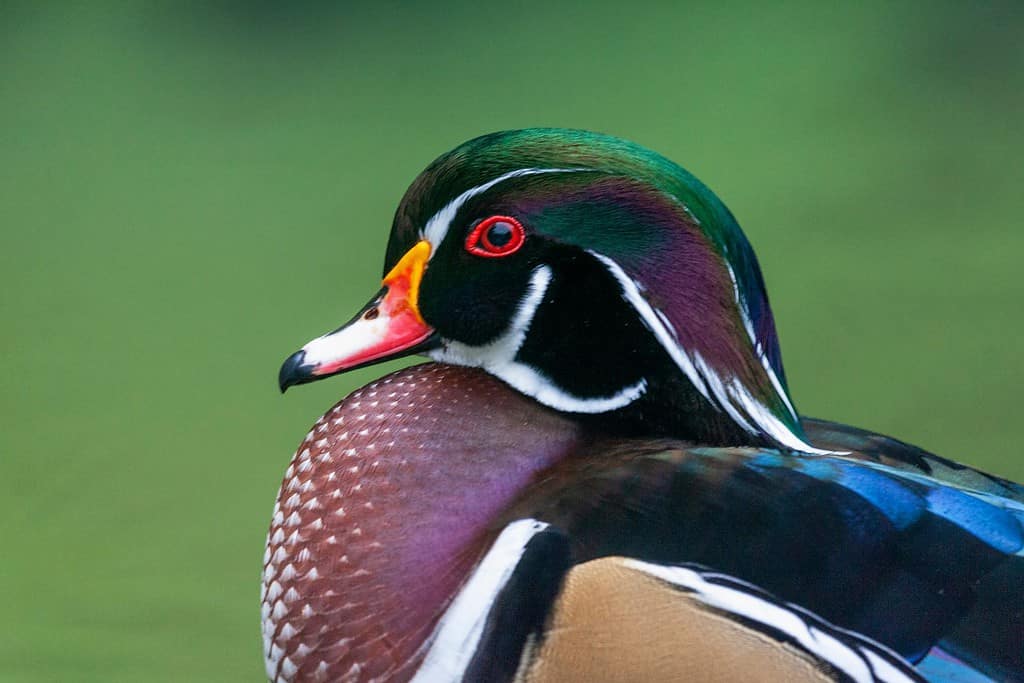
Wood Duck (Aix sponsa)
©Agami Photo Agency/Shutterstock.com
In oxbow ponds and quiet backwaters, wood ducks nest in hollow trees and paddle among willows. Their iridescent plumage and whistled calls bring flashes of color to the muddy backwaters. They thrive in parts of the river where old forests meet still water, providing shade and shelter.
North American Beaver (Castor canadensis)
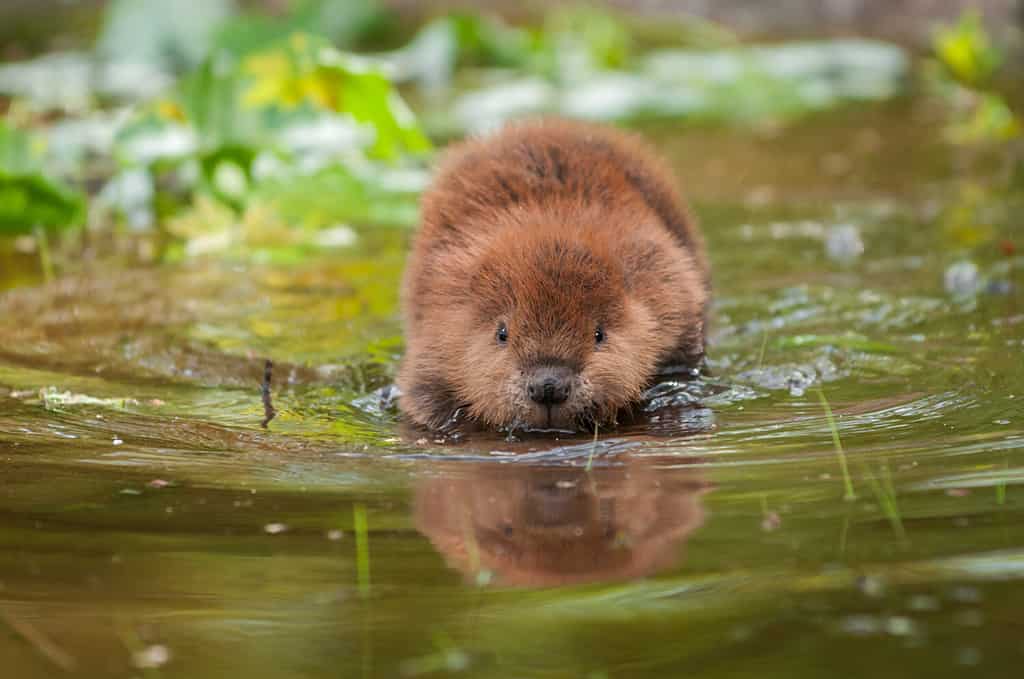
North American Beaver (Castor canadensis)
©Holly Kuchera/Shutterstock.com
In the backwaters and tributaries of the Red River, beavers reshape the land. Their dams and lodges slow the current, forming pools where fish, frogs, and birds flourish. The wetlands they create are oases for herons and ducks; over time, these areas can silt over and become meadows. These mammals continue to transform the ecosystem for many different species.
Great Blue Heron (Ardea herodias)
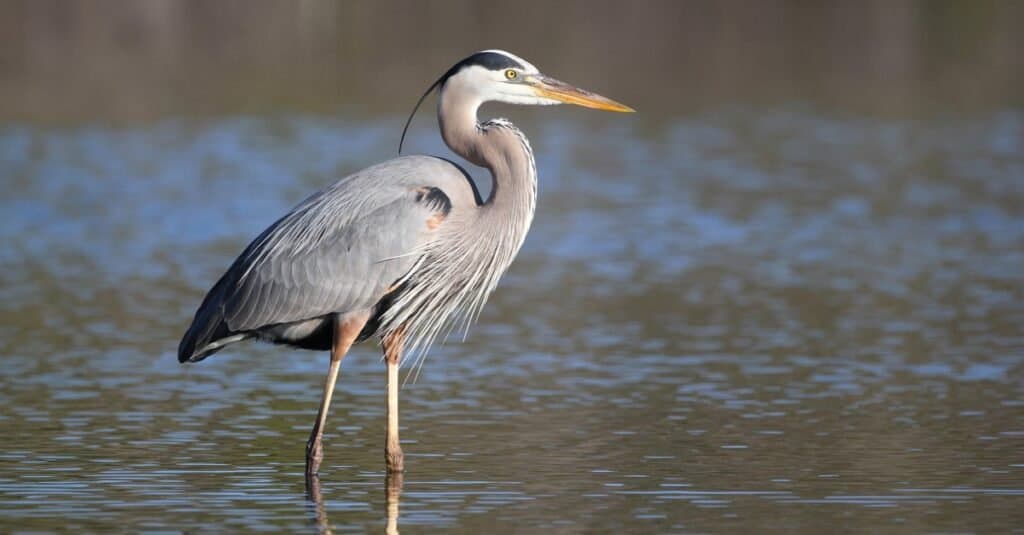
Great Blue Heron (Ardea herodias) at Fort Myers Beach, Florida.
©Brian Lasenby/Shutterstock.com
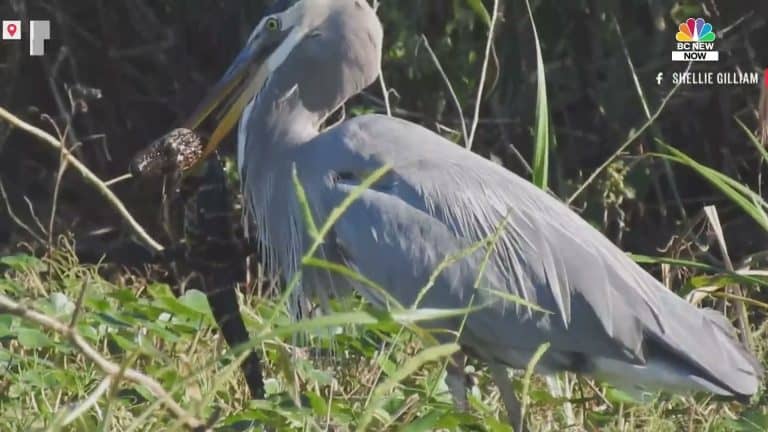
Tall, patient, and ghost-gray, the great blue heron stalks the shallows at dawn. With a lightning strike of its bill, it pulls fish from the river and takes to the air on heavy wings. These birds depend on intact, healthy river systems, so their presence acts as a living barometer of how well the whole river ecosystem is doing.
North American River Otter (Lontra canadensis)
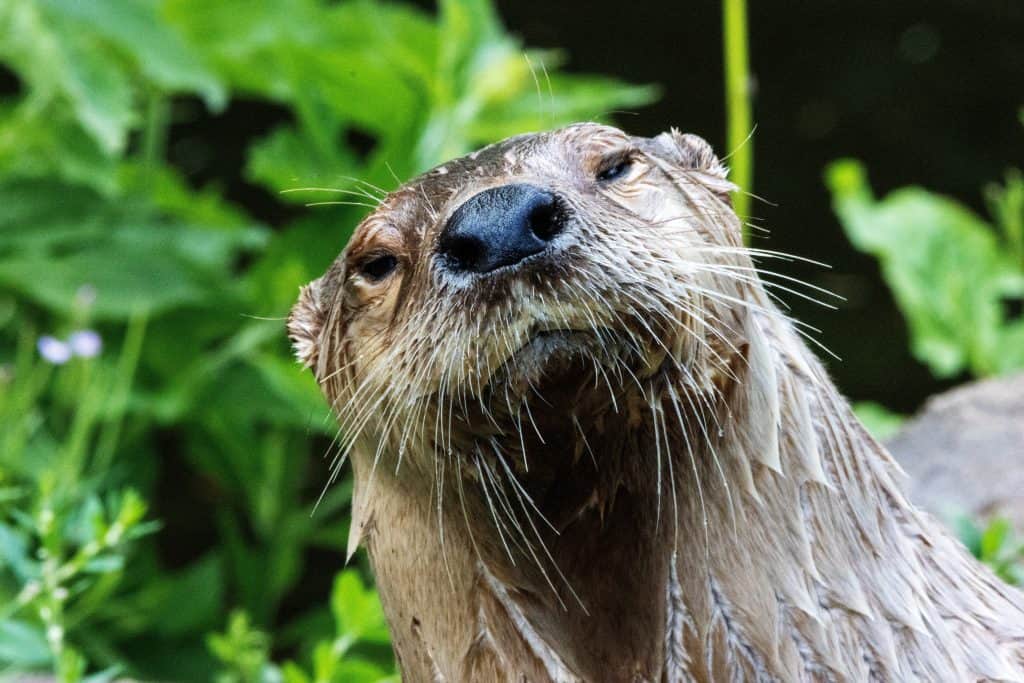
North American River Otter (Lontra canadensis)
©Ian Peter Morton/Shutterstock.com
Once rare in Oklahoma, river otters have returned to the Red River system. Agile swimmers and playful hunters, they chase fish through the shallows and slide down muddy banks. Though they can be elusive, if you get a chance to watch them in the wild, they are certain to put on a comedy show with their antics.
Common Snapping Turtle (Chelydra serpentina)
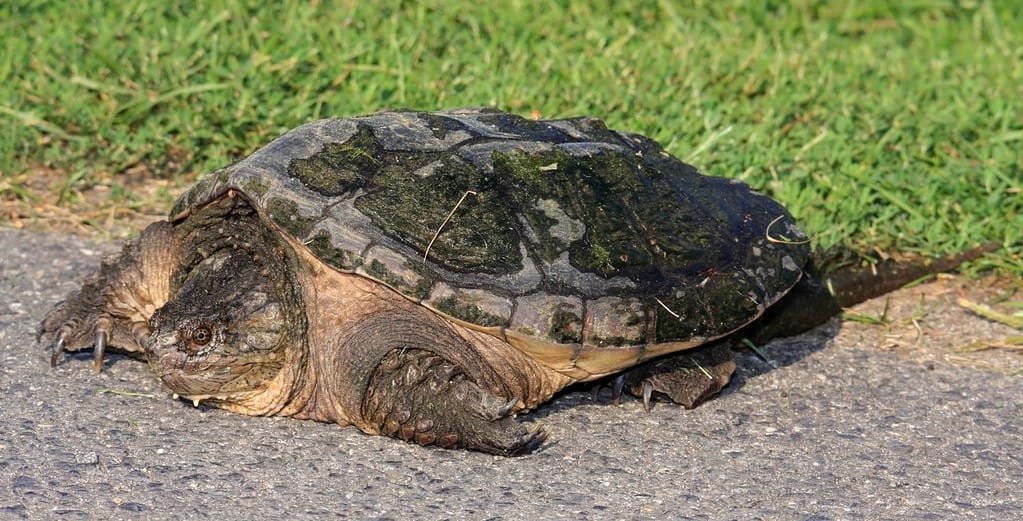
Common Snapping Turtle (Chelydra serpentina)
©Joseph M. Arseneau/Shutterstock.com
Half buried in the mud or waiting beneath the roots of a fallen tree, snapping turtles prowl the shallows for fish, frogs, and carrion. Their powerful jaws and armored shells make them nearly indestructible, except to the largest alligators. Adults commonly weigh between 10 and 35 pounds. Some local people harvest them for traditional turtle soup or fried meat, regional delicacies.
Flathead Catfish (Pylodictis olivaris)
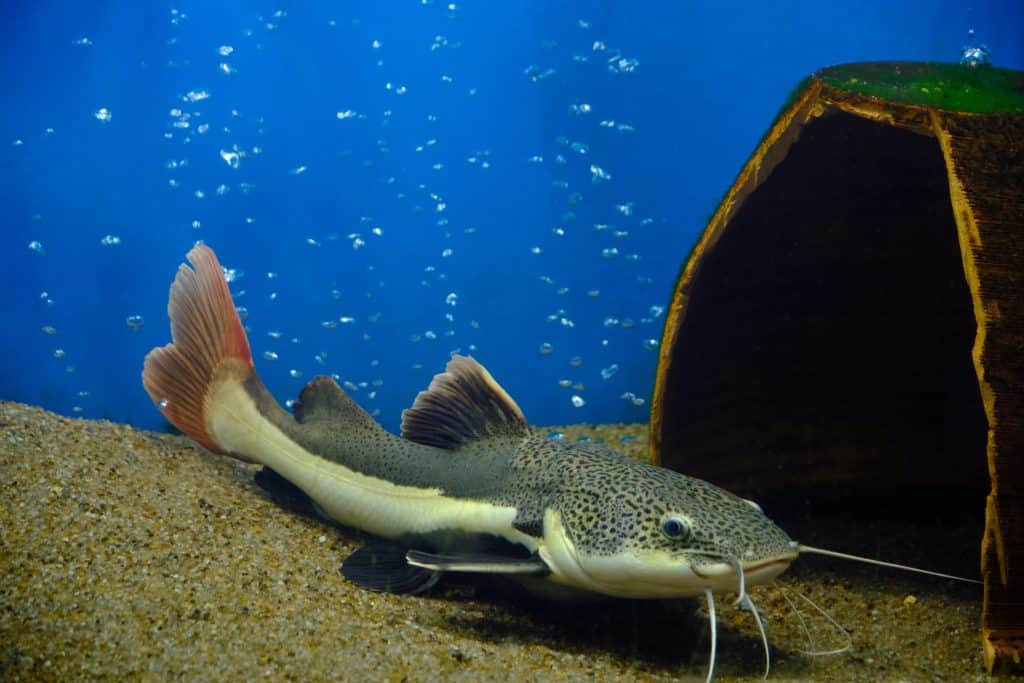
Flathead Catfish (Pylodictis olivaris)
©Dmitriy Prayzel/Shutterstock.com
Lurking under submerged logs and cutbanks, the flathead catfish is the heavyweight of the Red River. Most are in the 10-30 pound range, but it’s not unusual to catch them over 50 pounds, and real giants can top 100 pounds. Flatheads feed mostly on live fish, relying on ambush rather than pursuit. Their presence reflects the river’s productivity—flatheads need an abundance of prey and deep, slow pools to grow to their legendary size.
Belted Kingfisher (Megaceryle alcyon)
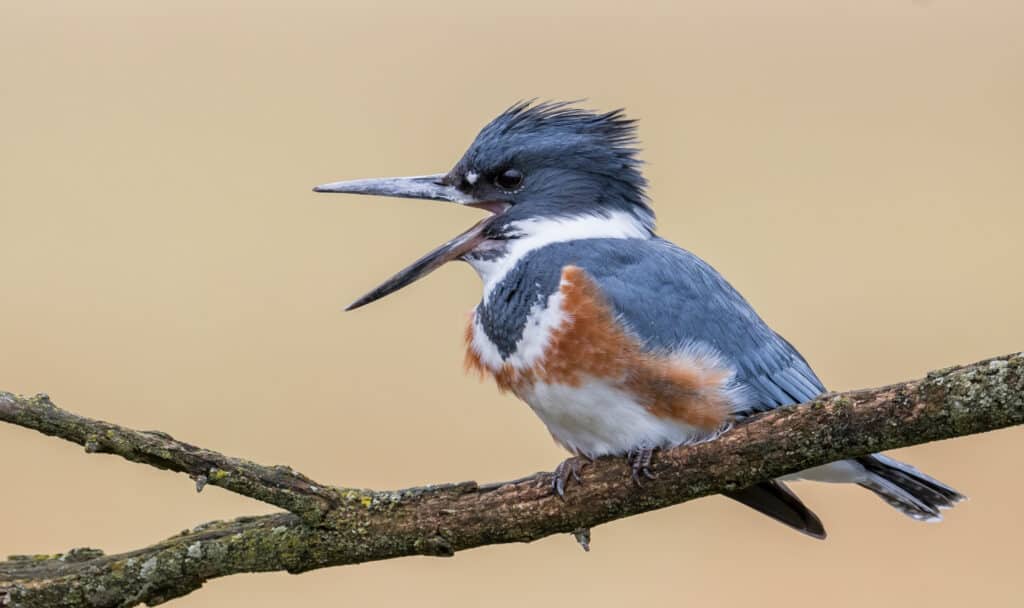
Belted Kingfisher (Megaceryle alcyon)
©Harry Collins Photography/Shutterstock.com
The belted kingfisher is a stocky blue-gray bird with a shaggy crest and a loud, rattling call that carries over the water. It perches on branches or power lines above the river, scanning for small fish before plunging headfirst in a splashy dive. They dig nesting burrows in sandy banks, where they raise their chicks safe from most predators.
Largemouth Bass (Micropterus salmoides)
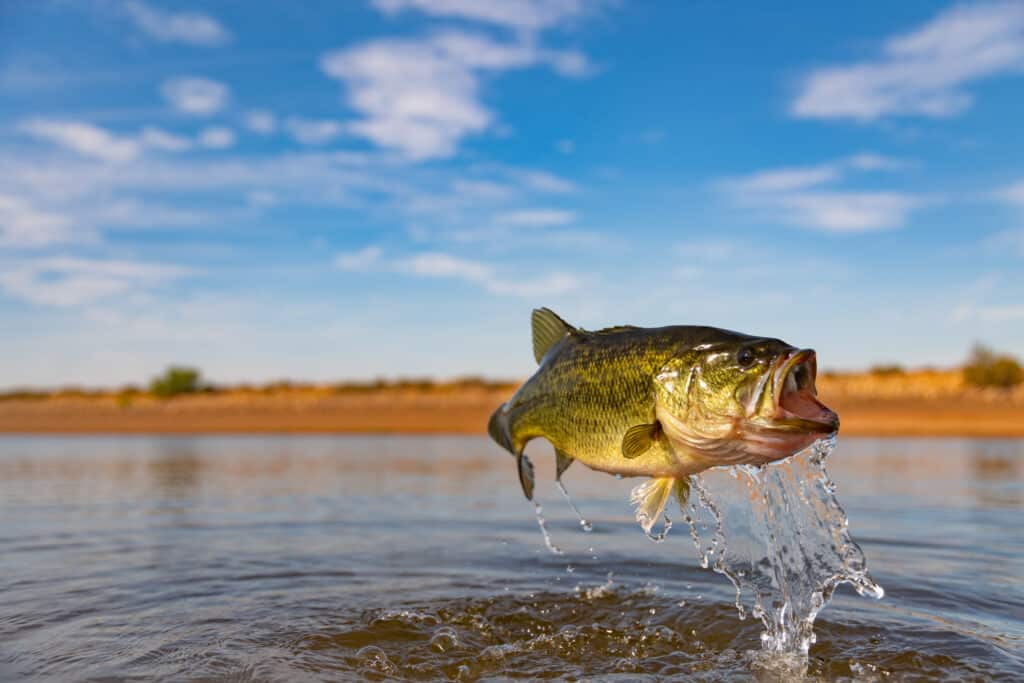
Largemouth Bass (Micropterus salmoides)
©Ryno Botha/Shutterstock.com
The Red River’s slower backwaters provide perfect cover for largemouth bass. These ambush predators thrive among snags and vegetation, feeding on smaller fish, frogs, and crayfish. Their adaptability and resilience make them a favorite of anglers.
American Alligator (Alligator mississippiensis)
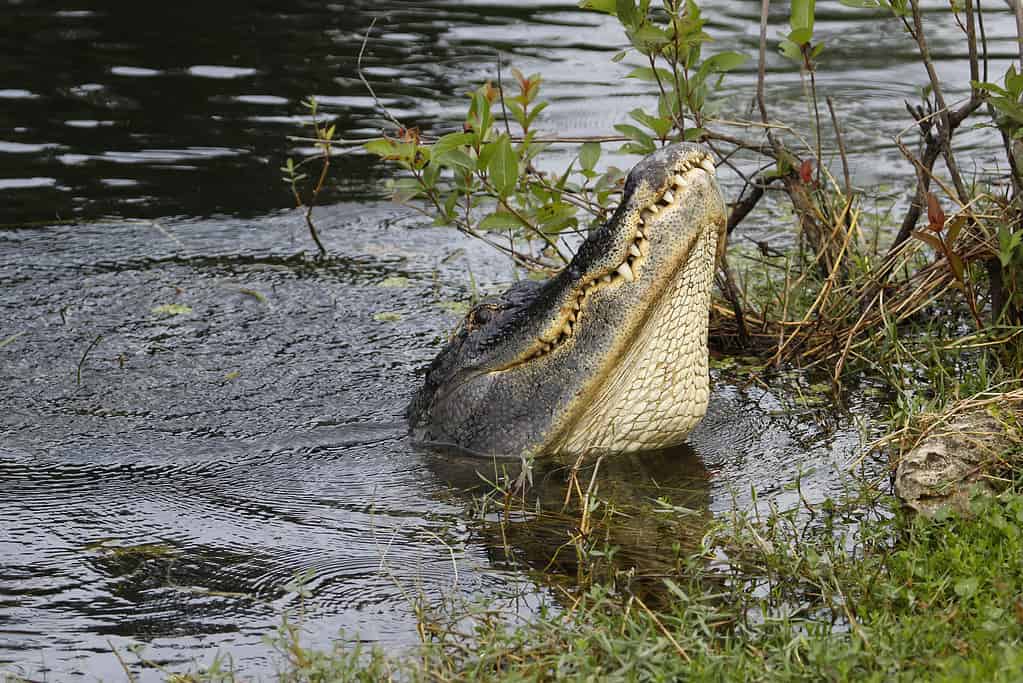
American Alligator (Alligator mississippiensis)
©Donyanedomam/iStock via Getty Images
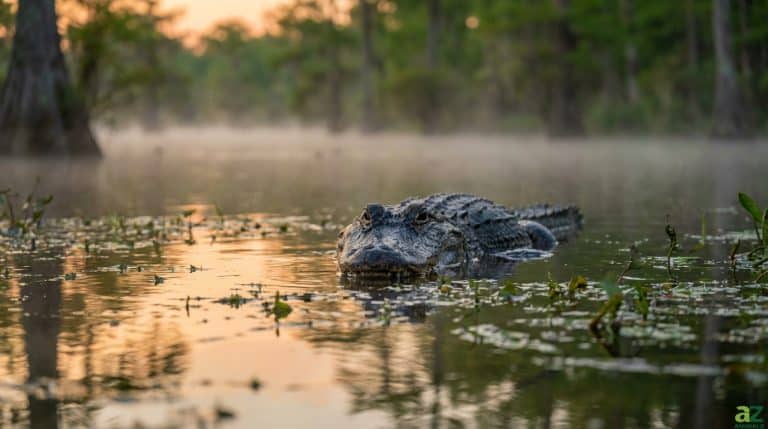
In the quieter oxbows and river shallows of the lower Red River valley, the American alligator glides silently just below the surface. Once rare in northern Texas, alligators are returning thanks to wetland protections. As top predators, they help maintain healthy populations of fish and turtles.
American Mink (Neogale vison)
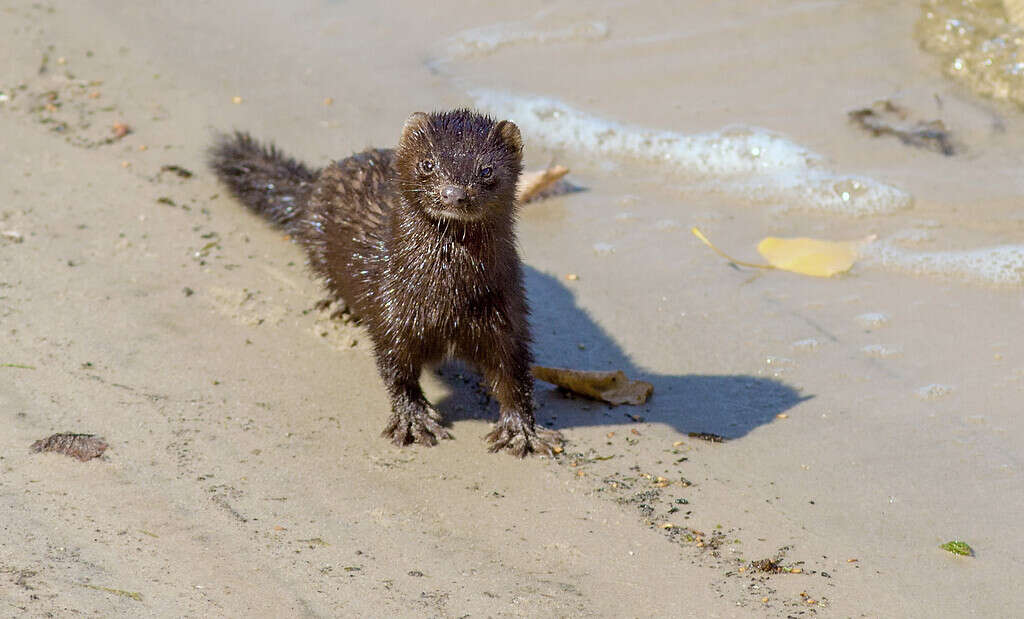
American Mink (Neogale vison)
©Wirestock/iStock via Getty Images
Elusive and graceful, the mink bridges the gap between water and land along the Red River’s shaded shores. This sleek carnivore patrols riverbanks at dawn and dusk, slipping through reeds and under roots with astonishing agility. Reaching about two feet from nose to tail and weighing two to three pounds, the mink hunts crayfish, frogs, and small mammals. It was once trapped extensively for its glossy brown fur but is now more often seen darting along the riverbanks unbothered.
White-tailed Deer (Odocoileus virginianus)
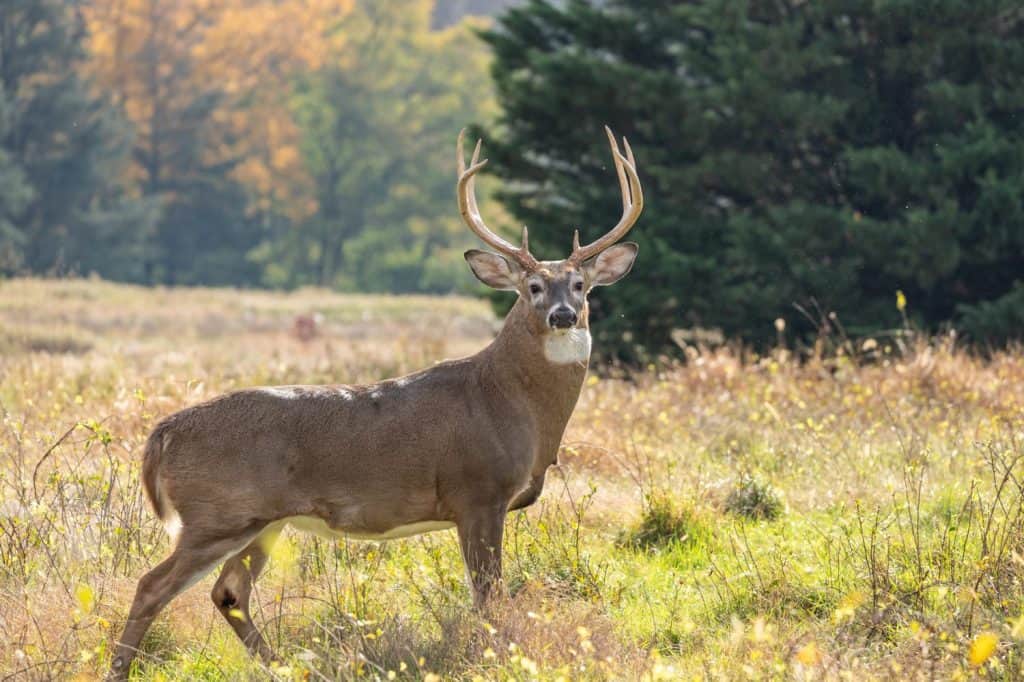
White-tailed Deer (Odocoileus virginianus)
©Amy Lutz/Shutterstock.com
Common along the Red River’s wooded bluffs and floodplain thickets, white-tailed deer browse on willows, acorns, and new shoots that sprout after floods. They’re often seen at dawn near the water, drinking or moving between the forest edge and open prairie. They’re an important game species in both Texas and Oklahoma, with seasonal hunting limits to manage the population.
Crayfish (Family Cambaridae)
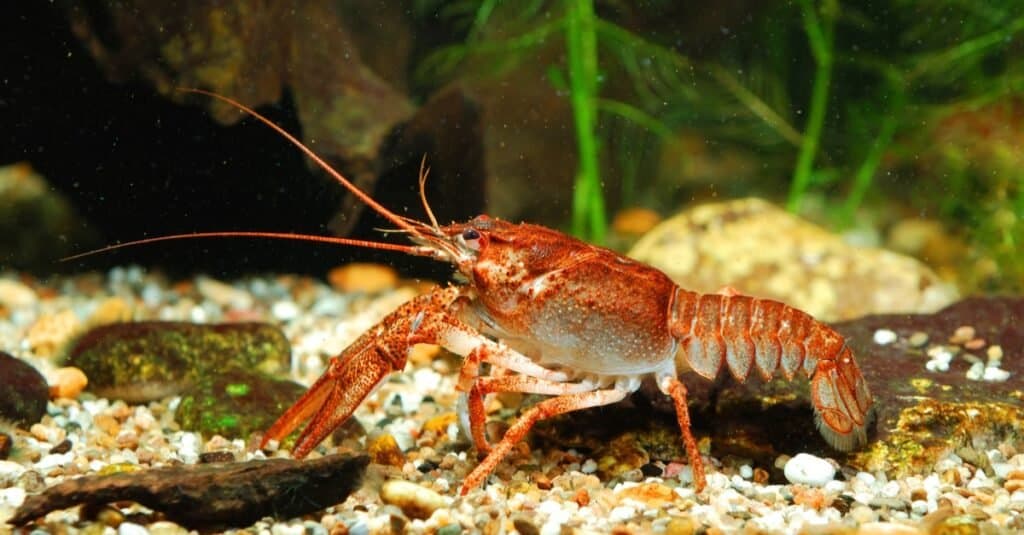
Crayfish (Family Cambaridae)
©Alex Stemmers/Shutterstock.com
Several species of crayfish thrive in the Red River’s muddy shallows. These nocturnal crustaceans burrow into clay banks and serve as key prey for catfish, herons, and snakes. Most river crayfish reach only two to four inches long, eating algae, decaying plants, and tiny invertebrates. They’re a favorite food for catfish and humans alike—boiled, spiced, and eaten whole at riverside gatherings.
Great Egret (Ardea alba)
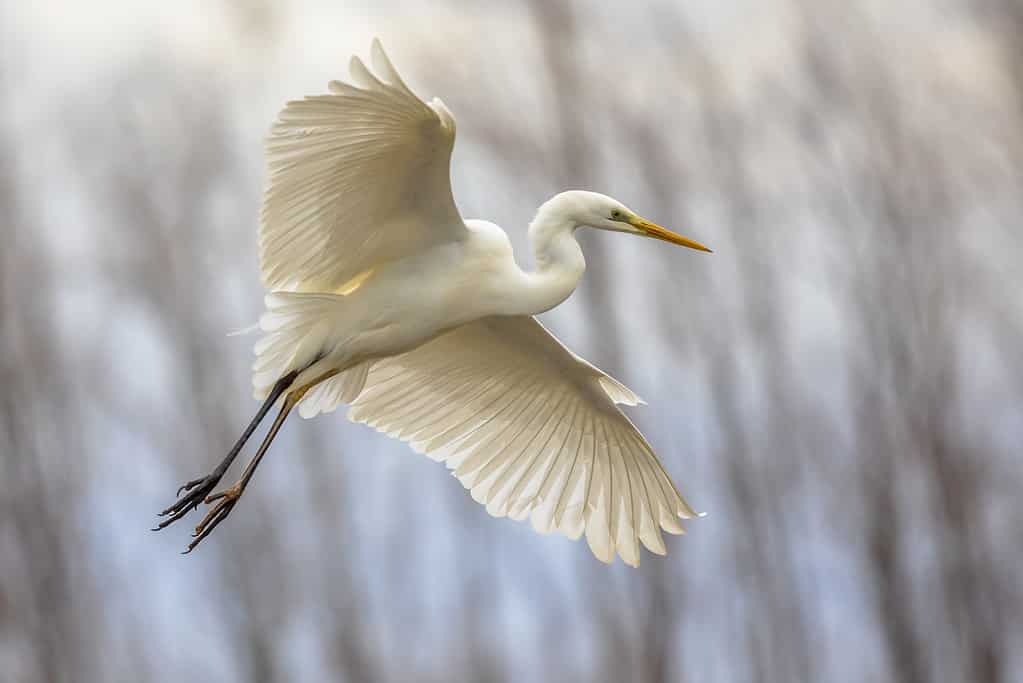
Great Egret (Ardea alba)
©iStock.com/CreativeNature_nl
Standing nearly four feet tall with a six-foot wingspan, this elegant bird feeds on fish, frogs, and crayfish. It shares rookeries with herons in cottonwood trees and migrates along the river corridor each spring and fall. It isn’t hunted today but was once targeted for its breeding plumes in the early 1900s before protections saved the species.
American Bullfrog (Lithobates catesbeianus)
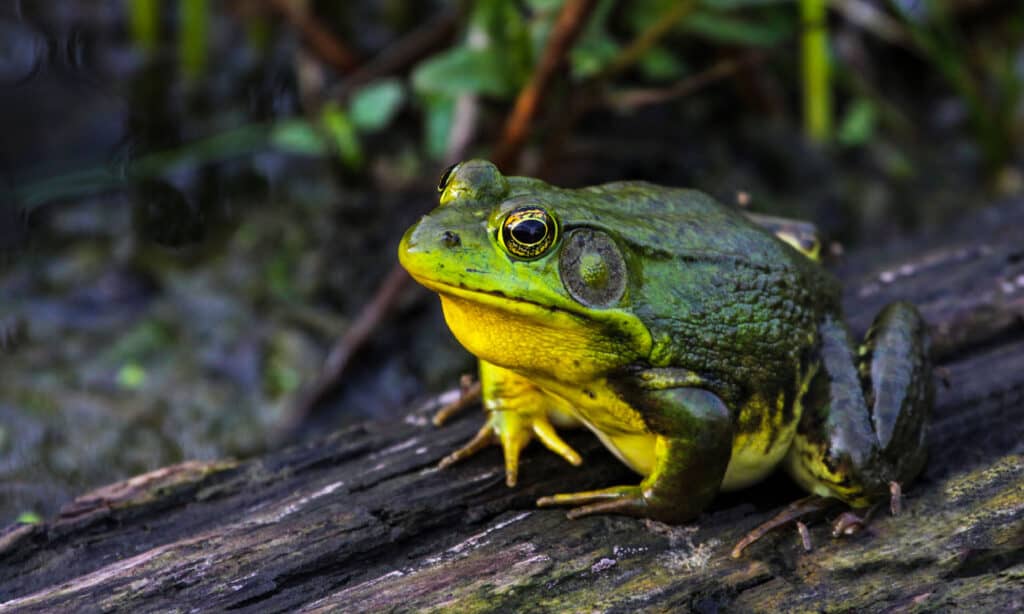
American Bullfrog (Lithobates catesbeianus)
©iStock.com/187715314
Growing up to eight inches and more than a pound, bullfrogs eat insects, small fish, and other amphibians. In turn, they are prey for herons, egrets, raccoons, snakes, large fish, and other species. In some southern communities, frog-gigging remains a summertime tradition, and the legs are considered a delicacy
Giant Water Bug (Belostoma flumineum)
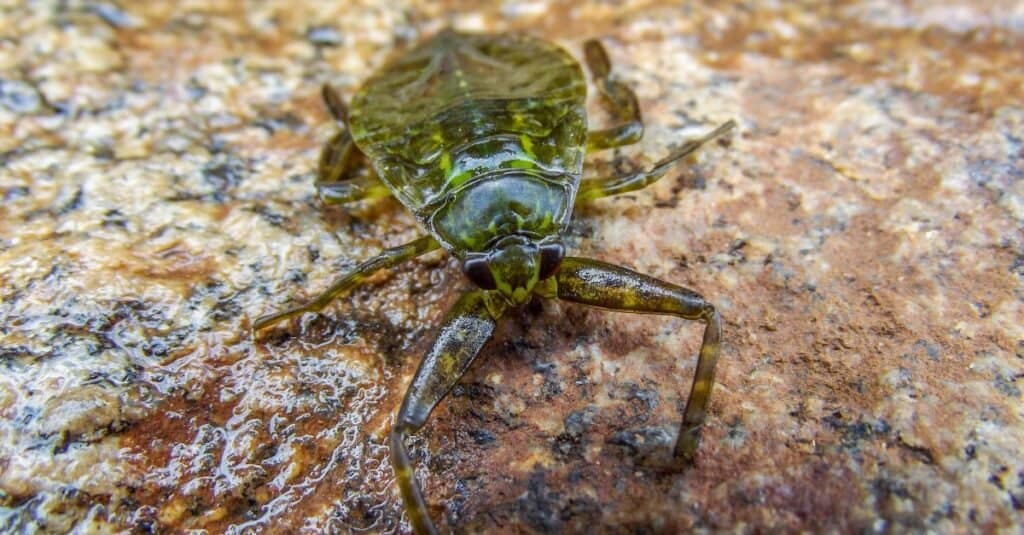
Giant Water Bug (Belostoma flumineum)
©iStock.com/Eric Kukulowicz
At about two inches long, this insect preys on tadpoles, minnows, and anything it can stab with its sharp proboscis. Fishermen sometimes use them as live bait, though they can deliver a painful bite if handled carelessly. Locals sometimes call this bug the “toe-biter.” It’s a fierce predator that helps regulate insect and amphibian populations.
A Living Artery
The Red River between Texas and Oklahoma is a living artery of the Southern Plains—a meeting place for predators and prey, flood and drought, clay and current. Its waters carry catfish and turtles, its skies flash with herons and kingfishers, and its banks hide otter and mink tracks. Every turn of this restless river holds proof of life’s amazing ability to adapt, survive, and flourish in the heart of the borderlands.