
Quick Take
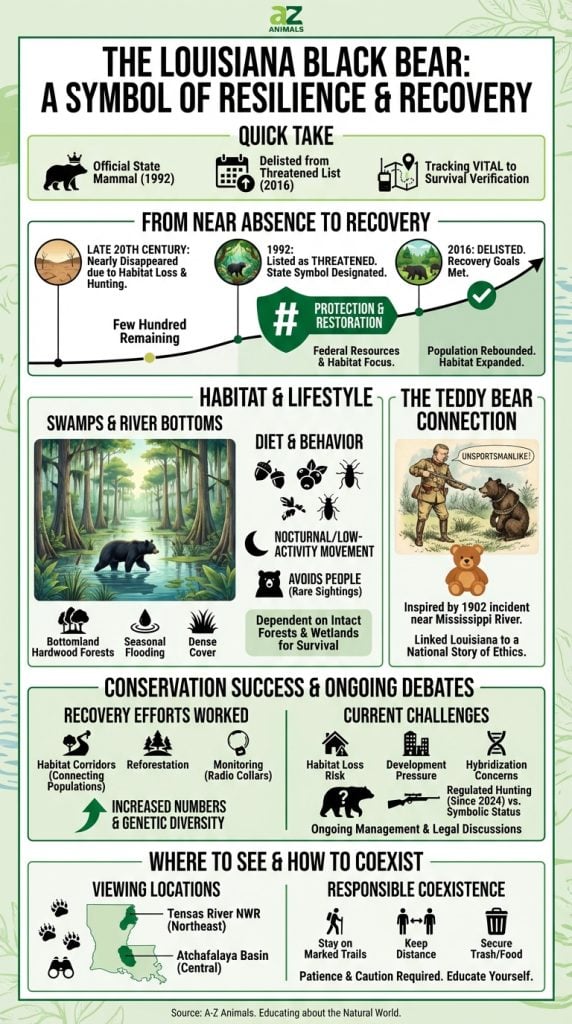
- The Louisiana black bear, a subspecies of the American black bear, once almost disappeared from the state entirely.
- The black bear was named the official state mammal in 1992.
- In 2016, the U.S. Fish and Wildlife Service removed the Louisiana black bear from the federal threatened species list.
- Implementing radio collars was necessary to verify survival rates within the Tensas River Basin.
Louisiana prides itself on an abundance of wildlife, from alligators moving through bayous to herons lifting from marsh grass, but one animal carries a special layer of meaning for the state. The Louisiana black bear was named the official state mammal in 1992. Despite infrequent sightings of this elusive animal, the black bear was fitting because its story mirrors the state’s struggle with land loss and recovery. The bear reminds us of the bottomland hardwood forests that once stretched across much of Louisiana and the long fight to keep pieces of that landscape intact.
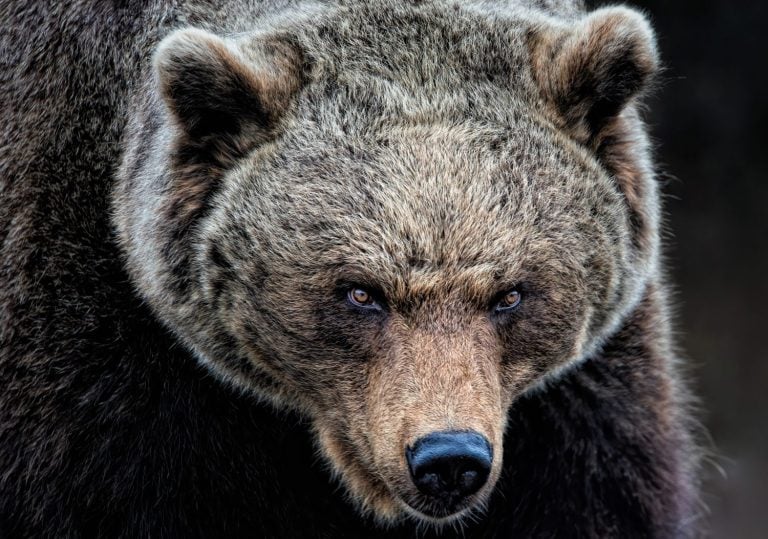
From the brink of extinction to the inspiration for the Teddy Bear, Louisiana’s state mammal has staged a legendary comeback—but a new battle over its future is just beginning.
©
By the late twentieth century, the bear had nearly disappeared from the state. Habitat clearing, hunting, and isolation had pushed it into a few scattered strongholds. When lawmakers chose it as a symbol, they did so during a moment when the bear’s future still looked uncertain. The decision linked Louisiana’s identity to the fate of a large animal that depended on forests, wetlands, and careful management. In that way, the state mammal became a reminder that cultural pride and environmental responsibility can be tied to the same creature.
From Familiar Presence to Near Absence
For centuries, the Louisiana black bear was a regular presence in the state’s river bottoms and swamps. Indigenous communities and early European settlers encountered bears along the Mississippi River, the Atchafalaya Basin, and other floodplain forests. The animals fed on acorns, berries, insects, and carrion, and they sometimes damaged crops, which made them respected, feared, and hunted. Bears were not rare or unusual during this period, and their tracks and signs were part of everyday life in rural Louisiana.
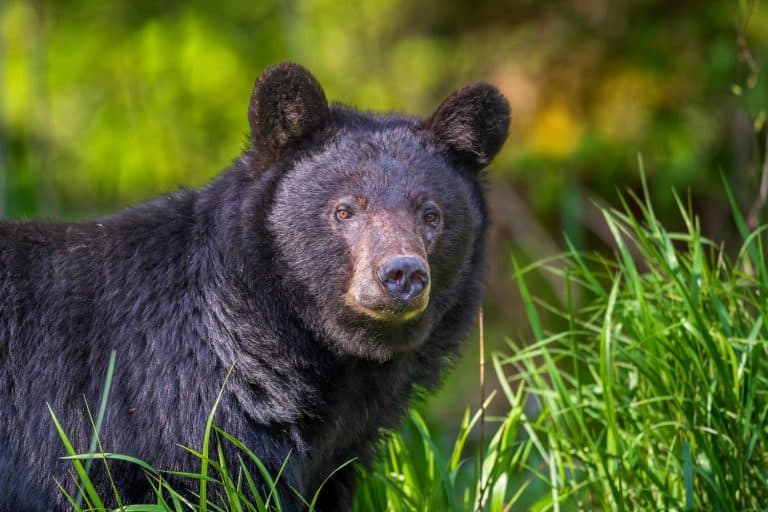
Foraging black bears were once a common sight in Louisiana’s bottomland forests and river corridors.
©Greens and Blues/Shutterstock.com
That familiarity faded as the nineteenth and early twentieth centuries reshaped the landscape. Large tracts of bottomland forest were cleared for cotton fields, sugarcane, timber, and flood control projects. Levees changed natural flooding patterns, and roads cut through remaining habitat. Unregulated hunting added pressure to shrinking bear populations. By the mid-twentieth century, bears survived only in a few isolated areas, mainly in the northeast and central parts of the state. What had once been a common animal became something most residents never saw.
The Subspecies Behind the Symbol
The Louisiana black bear is recognized as a subspecies of the American black bear, adapted to the warm, wet forests of the Lower Mississippi Valley. It tends to be slightly larger than some other black bears and relies heavily on dense forest cover and seasonal flooding. These environmental needs made it especially vulnerable when bottomland hardwood forests disappeared across the South. Unlike bears in mountainous or northern regions, Louisiana’s bears could not easily retreat to remote terrain.
By the 1980s, biologists believed only a few hundred individuals remained in the wild. Most lived in the Tensas River Basin and the Atchafalaya Basin, separated by large stretches of unsuitable land. This isolation limited breeding and raised concerns about long-term survival. Scientists warned that without habitat restoration and protection, the subspecies could vanish entirely from Louisiana. Those warnings set the stage for federal involvement and, eventually, for the bear’s rise as a state symbol.
Why Louisiana Chose the Black Bear
When the Louisiana Legislature considered adopting an official state mammal in the early 1990s, the black bear stood out for reasons that went beyond wildlife popularity. Supporters argued that the bear reflected the state’s natural history more honestly than domesticated animals or species tied mainly to sport. They pointed to its dependence on forests and wetlands that were rapidly disappearing and to its deep roots in local culture and folklore.
The timing also mattered. In 1992, the U.S. Fish and Wildlife Service listed the Louisiana black bear as a threatened subspecies under the Endangered Species Act. Choosing the bear in the same year sent a clear message that the state recognized the seriousness of its decline. Lawmakers hoped the designation would raise public awareness and encourage cooperation between landowners, agencies, and conservation groups. The state mammal was meant to be a call to action, not just a decorative label.
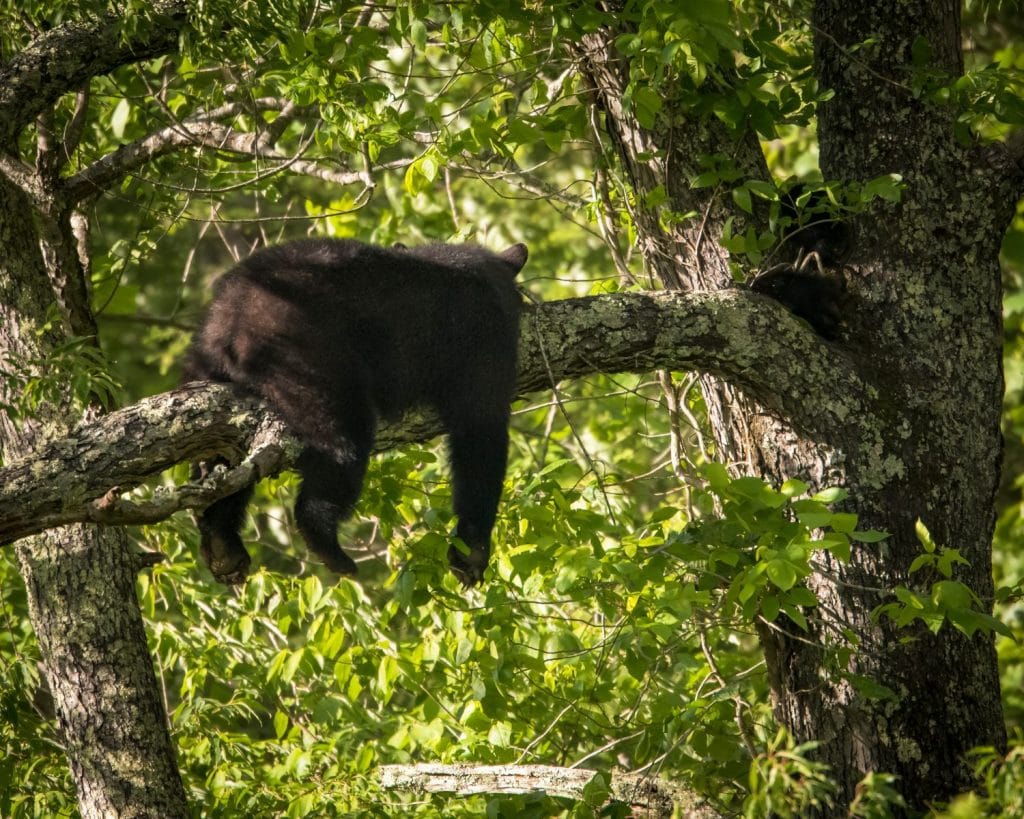
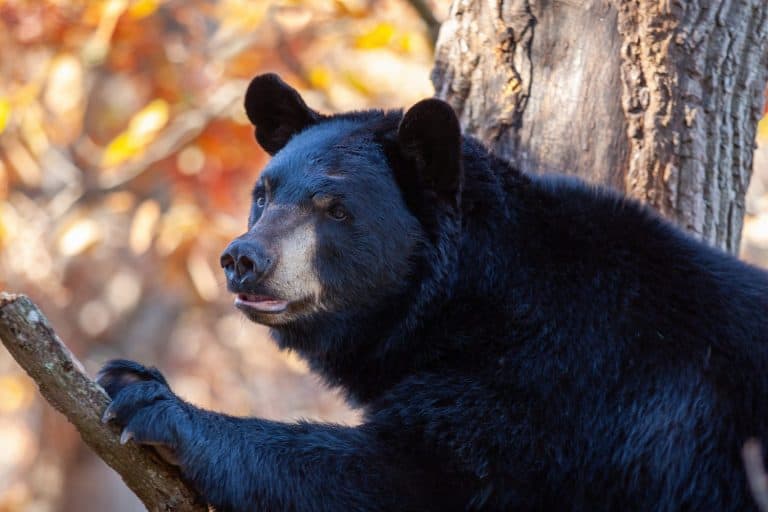
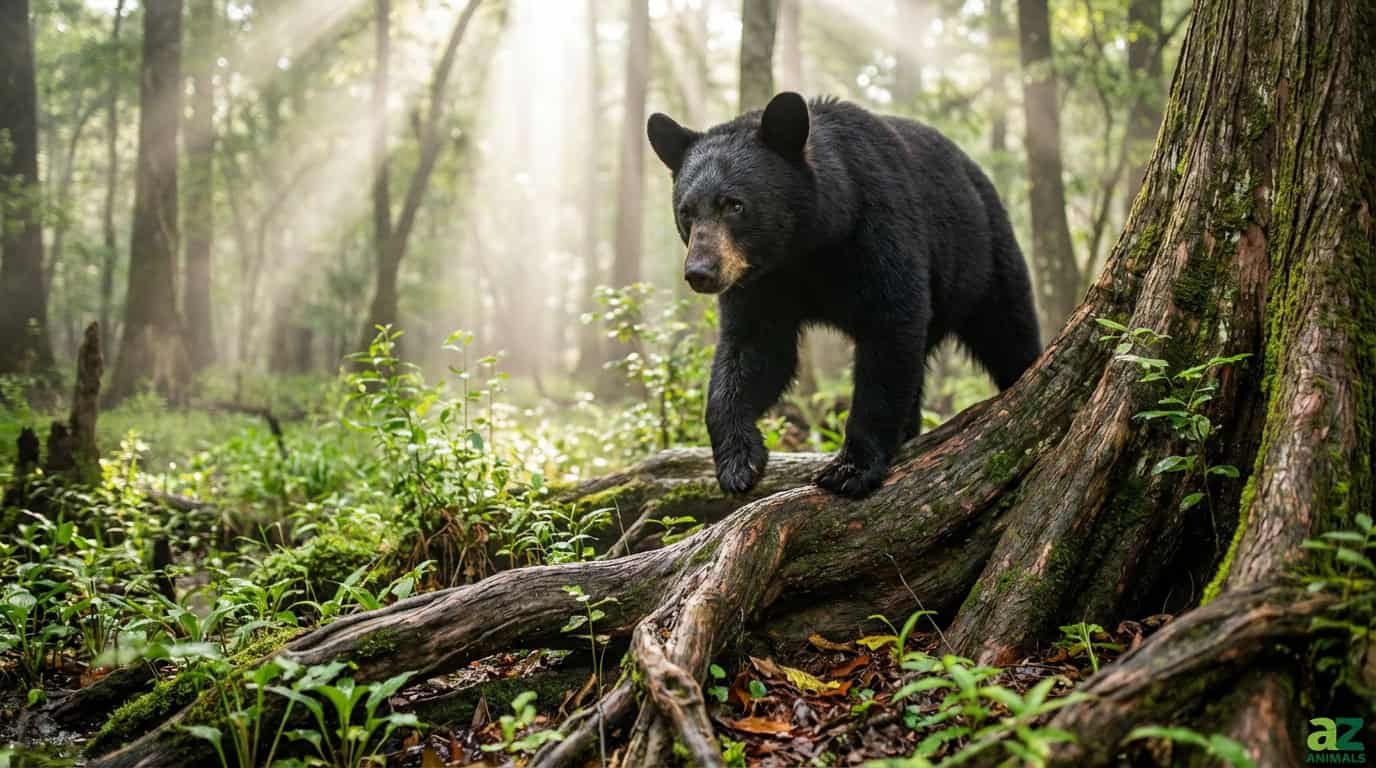
Dependent on Louisiana’s remaining forests and wetlands, black bears rely on intact habitat for rest, shelter, and survival.
©Ben McMurtray/Shutterstock.com
Daily Life in Swamps and River Bottoms
The Louisiana black bear’s life revolves around the remaining patches of suitable habitat scattered across the state. Bottomland hardwood forests provide cover, denning sites, and a steady food supply. Bears feed heavily on acorns in the fall, which helps them build fat reserves, and they rely on berries, fruits, insects, and small animals throughout the year. Seasonal flooding shapes their movements and often concentrates food in predictable areas.
Most bears avoid people whenever possible. They move quietly through thick vegetation and tend to travel at night or during low-activity hours. Still, their search for food sometimes brings them near cornfields, roadsides, or forest edges close to towns. Encounters remain rare, but when they happen, they remind residents that large wildlife still shares the landscape. These brief sightings help explain why the bear has gained a reputation as a secretive presence rather than a visible one.
The Teddy Bear Connection
The Louisiana black bear’s cultural reach extends far beyond the state through a well-known historical episode involving President Theodore Roosevelt. In 1902, Roosevelt participated in a hunting trip near the Mississippi River during a visit to the South. Guides captured a black bear and tied it to a tree so the president could shoot it. Roosevelt refused, calling the act unsportsmanlike and unfair.
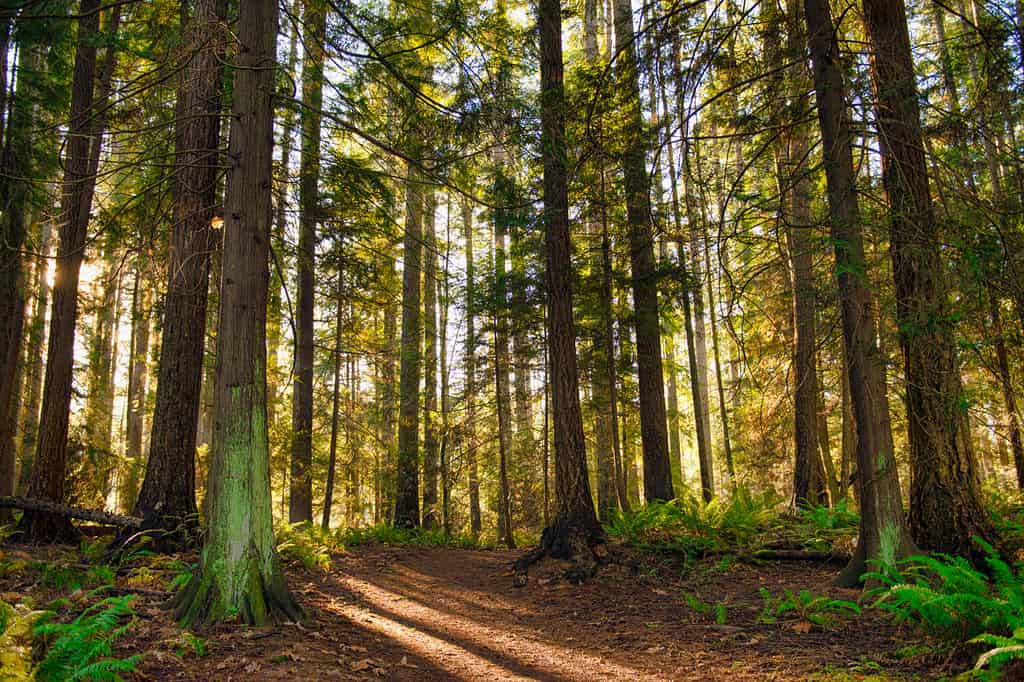
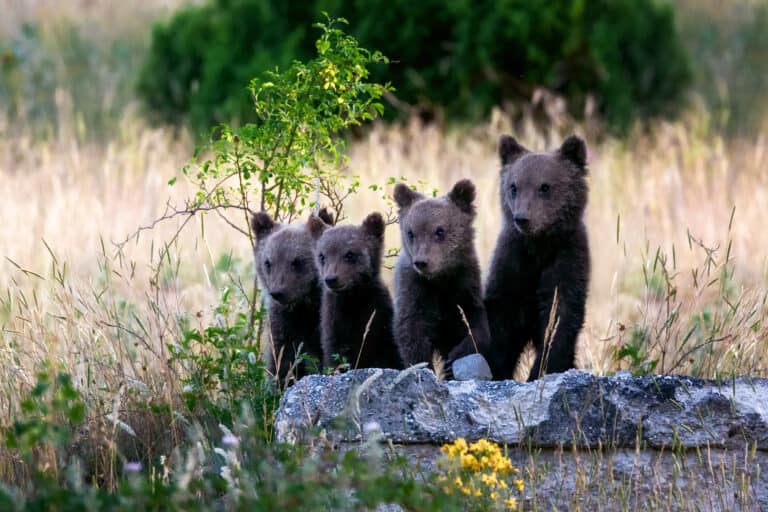
Intact forests provide the shelter and resources black bears need to survive in Louisiana.
©Roxana Gonzalez/Shutterstock.com
A political cartoon soon depicted the scene, and the image inspired a New York shop owner to create a stuffed toy labeled “Teddy’s bear.” The toy became wildly popular and helped launch the teddy bear as a lasting part of childhood culture. Although the original bear was not definitively identified as a Louisiana black bear, the incident occurred in the same region where the subspecies lived. For many Louisianans, that link adds a layer of pride and places their state mammal inside a national story about ethics and restraint.
Federal Protection and Recovery Efforts
By the late 1980s, concern over the bear’s future led to coordinated conservation action. The Endangered Species Act listing in 1992 brought federal resources and attention to the subspecies. Biologists identified core bear populations and focused on protecting and expanding their habitat. Efforts included restoring bottomland forests, securing conservation easements, and working with private landowners to improve land-use practices.
One major goal involved reconnecting isolated populations. Habitat corridors allowed bears to move between forest patches, increasing genetic diversity and reducing the risk of local extinction. Agencies also monitored bears using radio collars and tracking studies to understand movement patterns and survival rates. Over time, these efforts paid off. Bear numbers increased, reproduction improved, and occupied habitat expanded beyond earlier estimates.
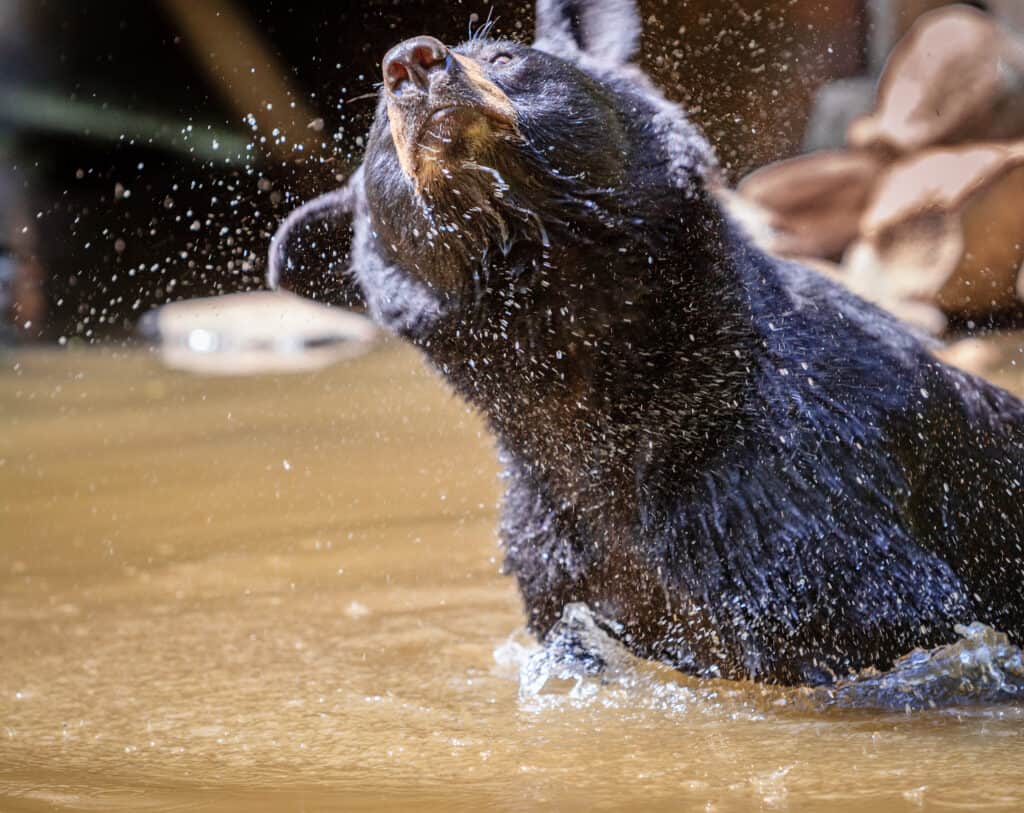
A Louisiana black bear moves through wetland habitat, a reminder that recovery depends on the protection of forests and waterways.
©jo Crebbin/Shutterstock.com
Delisting and Ongoing Disputes
In 2016, the U.S. Fish and Wildlife Service removed the Louisiana black bear from the federal threatened species list, citing recovery goals that had been met. However, ongoing legal challenges and conservation debates continue to question whether the population is secure and if protections should be reinstated. Officials described the decision as a success for cooperative conservation involving federal agencies, state wildlife managers, and private landowners. For many, the delisting marked a rare example of a large mammal rebounding after decades of decline.
Not everyone agreed with the decision. Some conservation groups argued that habitat loss, development pressure, and hybridization with other black bear populations still posed serious risks. Legal challenges questioned whether recovery standards were strong enough and whether protections were removed too soon. At the same time, the implementation of regulated hunting seasons since 2024 has sparked strong reactions. Supporters viewed hunting as a management tool, while opponents felt it conflicted with the bear’s symbolic status. These debates continue to shape public opinion about the state mammal.
What the Bear Stands for Today
Today, the bear represents more than a conservation success story. While its population has rebounded enough to allow regulated hunting, its status remains the subject of ongoing management, legal, and conservation debates. The bear stands for the idea that damaged ecosystems can be repaired through long-term planning and cooperationThe bear’s story connects the draining of wetlands, the loss of forests, and the rise of modern conservation laws to the choices made by voters, landowners, and policymakers.
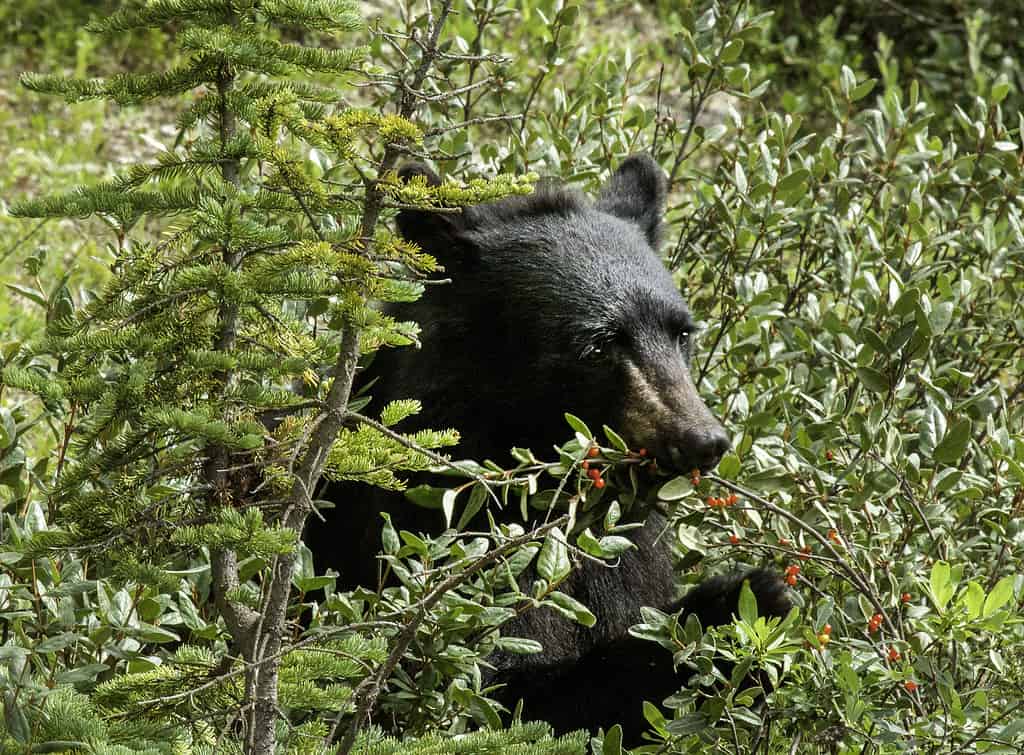
Access to natural food sources highlights the habitat protection that made the Louisiana black bear’s recovery possible.
©millermountainman/ via Getty Images
The animal also serves as a reminder of restraint. Bears survive in Louisiana because people decided, at least in some places, to limit development and protect habitat. That message carries weight in a state facing ongoing land loss, climate pressures, and economic change. As a symbol, the bear asks whether future decisions will continue to leave space for wildlife that needs large, connected landscapes to survive.
Where You Can See the Louisiana Black Bear
Seeing a Louisiana black bear in the wild remains uncommon, but certain areas offer the best chances. The Tensas River National Wildlife Refuge in northeast Louisiana is one of the most important strongholds for the subspecies. Large tracts of restored bottomland hardwood forest support a stable bear population, and wildlife officials regularly monitor activity in the area. Visitors may spot tracks, tree markings, or overturned logs that show bear presence, even if the animals themselves remain hidden.
The Atchafalaya Basin in central Louisiana also provides suitable habitat. Its vast swamps and floodplain forests allow bears to move across long distances with limited human disturbance. While direct sightings are rare, early morning or late evening visits increase the odds. Wildlife refuges and protected lands within these regions offer the safest and most responsible places to observe bear habitat without disturbing the animals.
Responsible Viewing and Coexistence
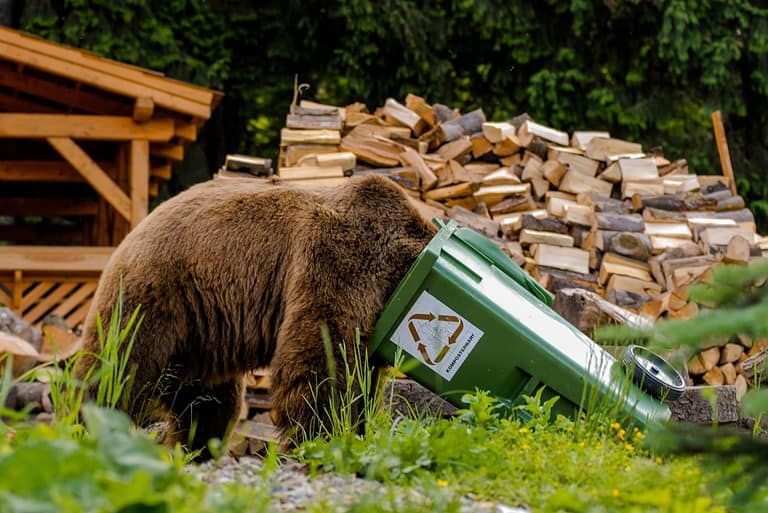
Anyone hoping to see signs of the Louisiana black bear should approach the experience with patience and caution. Bears avoid people, and most encounters happen by chance. Staying on marked trails, keeping a safe distance, and never approaching or feeding wildlife helps reduce stress on the animals and conflictual encounters. Proper food storage and trash management also play a role in preventing conflicts near rural communities and among campers.
Education remains a key part of coexistence. State wildlife agencies provide guidance on living in bear country, even in areas where sightings are uncommon. Understanding bear behavior reduces fear and helps residents respond calmly if a bear passes through. In this way, the state mammal continues to shape how people think about sharing space with large wildlife in a modern landscape.
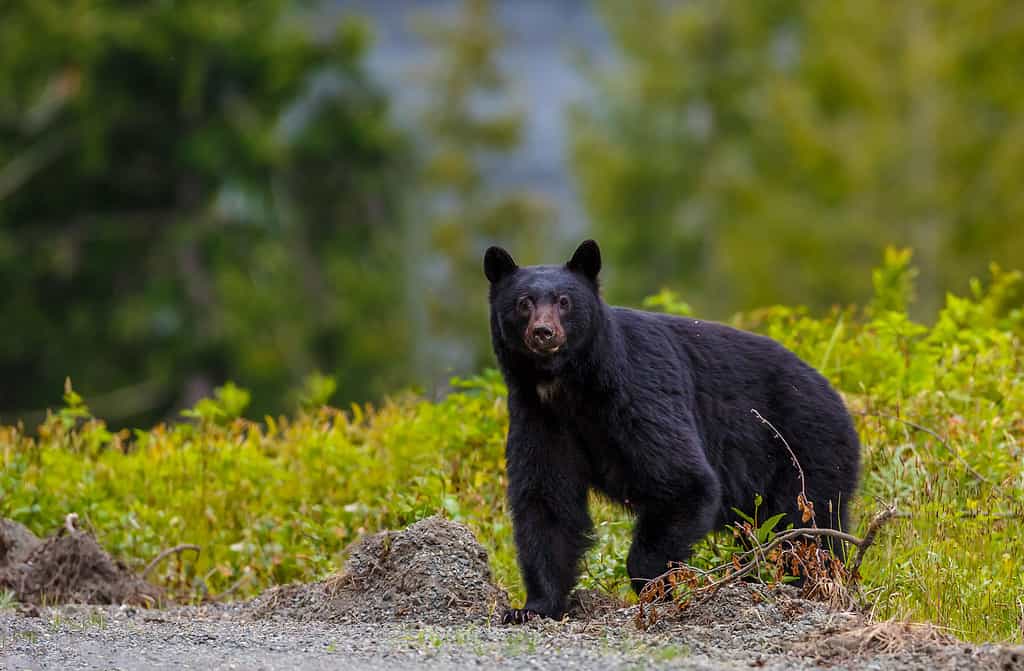
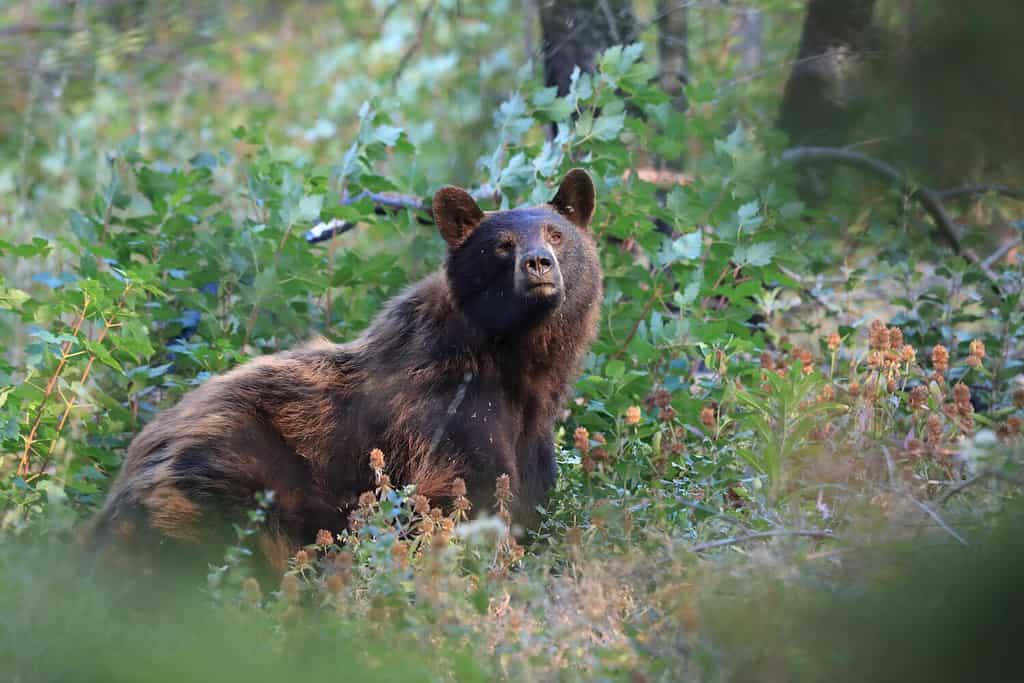
Most black bear encounters occur quietly, reinforcing the need for patience and distance in forested areas.
©Menno Schaefer/Shutterstock.com
A Living Symbol for a Changing State
Louisiana did not choose the black bear because it was easy to protect or simple to manage. The state chose an animal whose survival depends on flooded forests, careful planning, and human restraint. The bear’s presence on license plates, school materials, and official documents carries weight because it reflects real decisions and trade-offs.
As development, climate change, and land loss continue to reshape Louisiana, the black bear remains a symbol of the values Louisiana holds dear. With regulated hunting seasons now in place and ongoing conservation funding efforts, its survival continues to reflect the state’s commitment to supporting not just one animal, but entire ecosystems. In that sense, the Louisiana black bear is not only a state mammal, but a living measure of how seriously the state takes its relationship with its land.