
Quick Take
- Hawaiian ecosystems are under threat from several invasive species, including feral cats.
- Hawaii has earned the unfortunate title of “bird extinction capital of the world.”
- Eight Hawaiian bird species were declared extinct in 2023, with causes including habitat loss, disease, and predation by invasive species such as feral cats.
- The cats also spread toxoplasmosis to wildlife.
- A law in force from January 2026 bans the feeding of feral cats on county property.
A Hawaii County law that came into force this month (January 2026) bans the feeding of feral cats on county property. The law came into force on January 1 and aims to protect native species from an animal that’s viewed as a super predator: the feral cat. So, where did these cats come from, what native species are they damaging, and why is this law controversial? Read on to find out.
Feral Cats on Hawaii’s Big Island
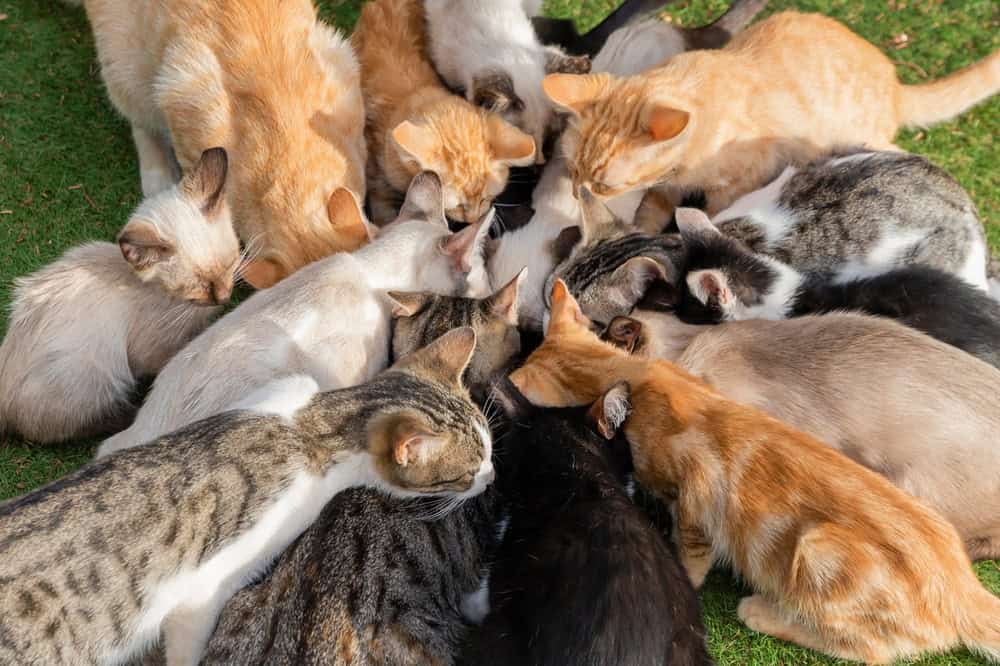
Hawaiian ecosystems are under threat from several invasive species that have been introduced to the islands. One of these is the domestic cat. They were introduced by Europeans in 1788 and have been there ever since. Cats are very good at adapting, and even though they were originally a household pet, they soon became successful feral animals. What’s more, feral cats are generally both larger and more aggressive than pet cats.
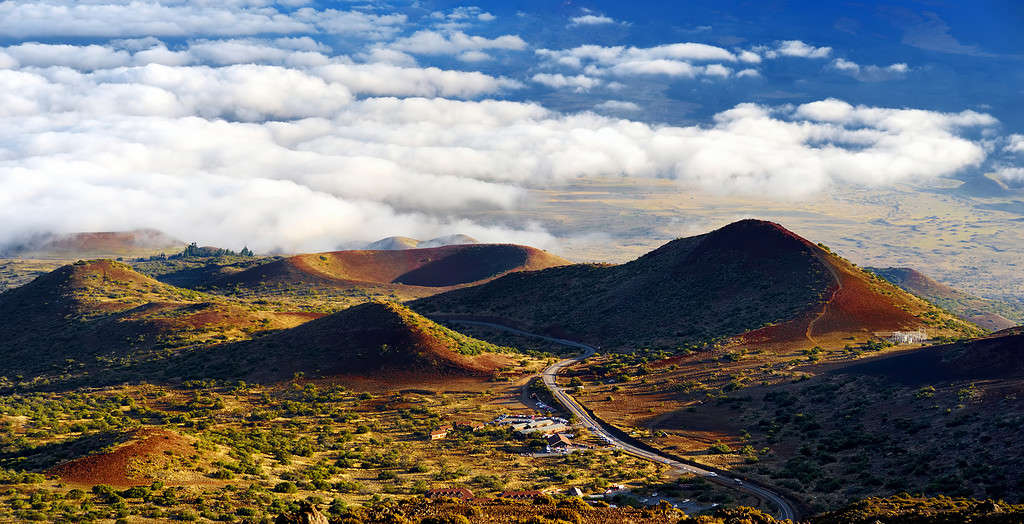
Feral cats are a huge problem in Australia.
©MNStudio/iStock via Getty Images
They have established populations on all eight of the main Hawaiian Islands. They are widespread through all habitats, and while some use human resources, others live completely independently.
What Impact Have Hawaiian Feral Cats Had?
Cats are predators and hunt by instinct. According to the Hawaiian Invasive Species Council, even well-fed cats hunt and kill wildlife. This has had a catastrophic impact on some native species. Some casualties are State-listed endangered birds. Hawaii has earned the unfortunate title of “bird extinction capital of the world.”
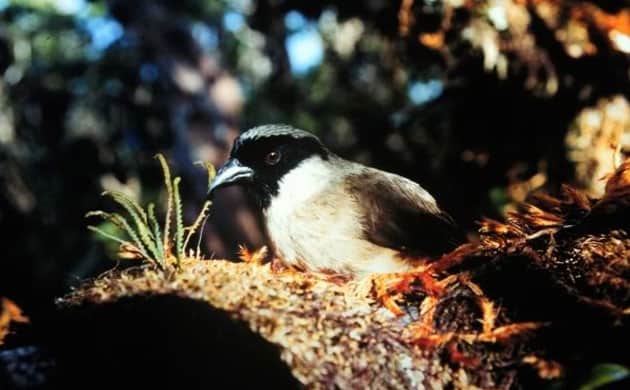
The Hawaiian Islands have the highest number of endangered birds of any U.S. state. Eight were declared extinct in 2023, which are the Kauai akialoa, Kauai nukupuu, Kauaʻi ʻōʻō, Large Kauai thrush, Maui ākepa, Maui nukupuʻu, Molokai creeper, and Po`ouli. Overall, feral cats on islands have contributed to the extinction of 33 bird species and threaten many endangered mammals and reptiles.
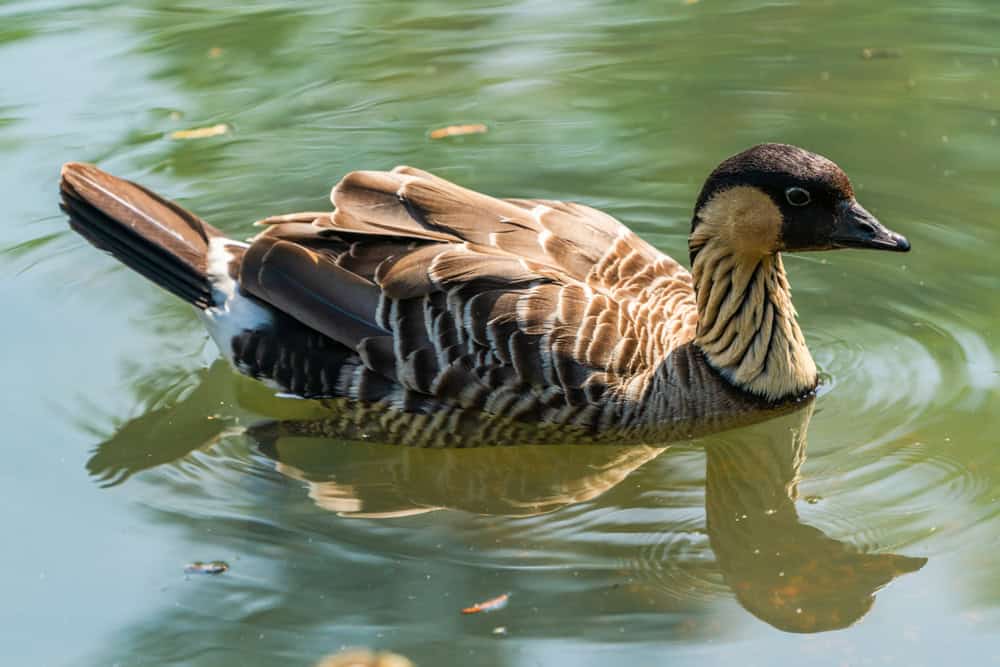
Hawaiian geese are endangered.
©BBA Photography/Shutterstock.com
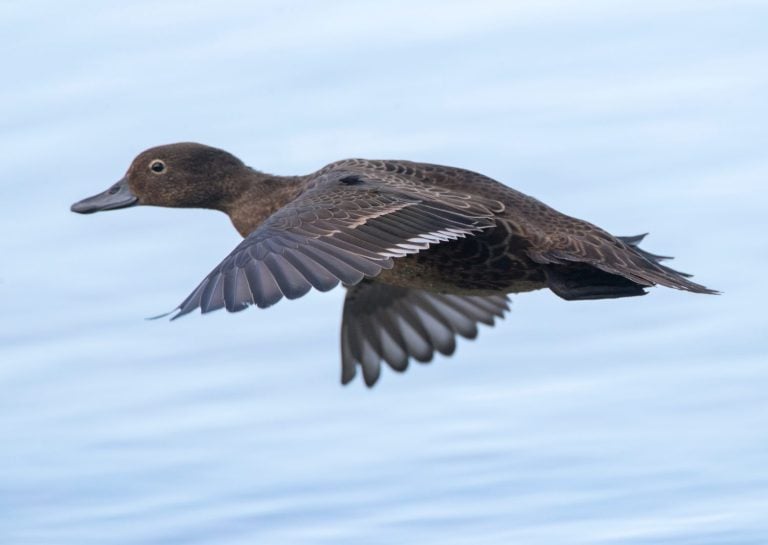
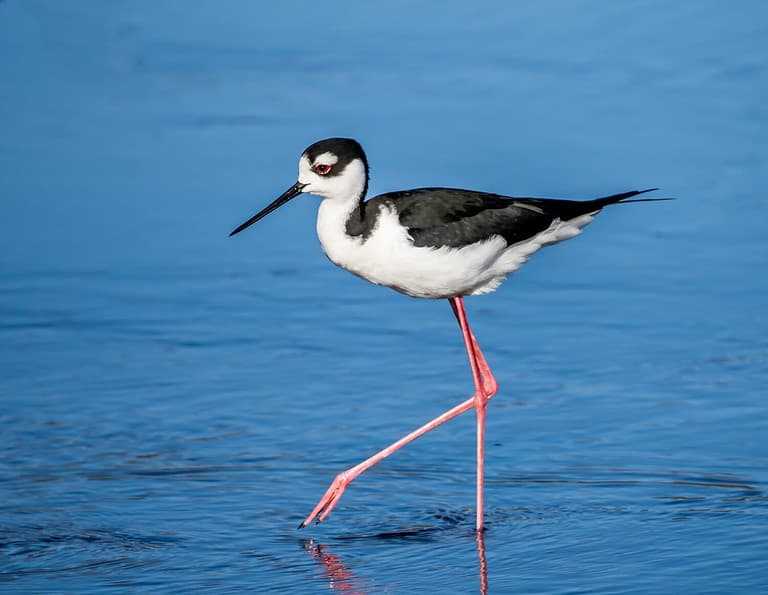
State-listed endangered birds such as Palila (Loxioides bailleui), ‘Ua‘u (Hawaiian petrel; Pterodroma sandwichensis), ‘A‘o (Newell’s shearwater; Puffinus newelli), Koloa (Hawaiian duck; Anas wyvilliana), ‘Alae ‘ula (Hawaiian moorhen; Gallinula chloropus sandvicensis), and Ae‘o (Hawaiian stilt; Himantopus mexicanus knudseni) are all targeted by feral cats. These native species evolved without mammalian predators and are therefore very vulnerable to attacks by mammals, such as feral cats.
Cats Expose Wild Birds to Disease
Feral cats have significantly contributed to the decline of the Nēnē, also called the Hawaiian goose (Branta sandvicensis), which is designated as a Near Threatened species. However, this is due to the disease rather than hunting. Cats can carry a single-celled parasite called Toxoplasma gondii, which can infect nearly all warm-blooded animals. It causes a disease called toxoplasmosis. Cats are the primary host for the microbe and are a necessary part of its life cycle, but the parasite rarely causes any symptoms in them.
A single cat can excrete hundreds of millions of oocysts (infectious eggs) in its poop, which are then spread throughout the environment. The oocysts are ingested by other animals, including the Hawaiian goose (Branta sandvicensis), ‘Alala (Hawaiian crow; Corvus hawaiiensis), and Hawaiian monk seals (Monachus schauinslandi). Cysts form in various tissues, causing a variety of health issues. For example, there are press reports of Hawaiian goose goslings dying of toxoplasmosis.
A Powerful Step to Protect Nature
Feeding feral cats also inadvertently supports populations of other invasive species, such as rats and pigs. It is hoped that cutting off this food source on County lands will help to reduce feral cat numbers.
The legislation prohibits feeding feral and stray animals—including cats, pigs, goats, and chickens—on all county-owned or managed properties. These public spaces include County parks and beaches. It also covers those areas where feral cats often congregate because people feed them there.
The hope is that by taking decisive action, the remaining bird species can recover. The fines are up to $50 for a first offense and up to $500 for subsequent offenses.
Opposition to the Law
This move has not been universally welcomed. There have been concerns about how the law will be enforced and whether it will lead to people feeding the cats in secret. Landowners can still feed the cats on private properties.
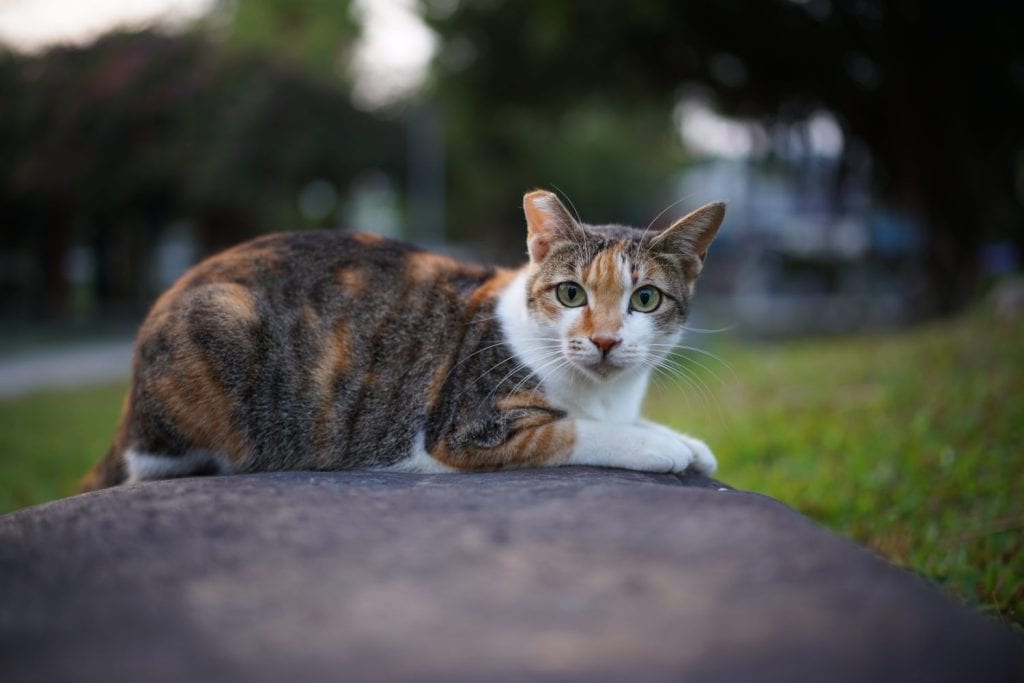
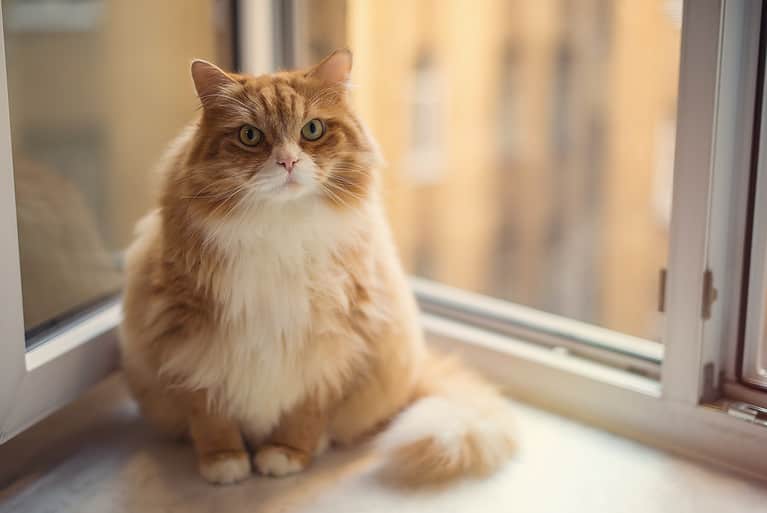
There are fears for the welfare of feral cats.
©Krishna777/Shutterstock.com
Cat lovers have concerns about the welfare of feral cat populations, which they feel are being left to starve. Cats play an important role in many people’s lives, but it’s important to draw a distinction between pet domestic cats and feral cats. Feral cats are at much greater risk of being involved in vehicle collisions, being attacked by dogs, starving, and contracting a disease. There is still a long way to go before Hawaii’s threatened sea and land birds can be considered safe from the threat posed by feral cats.