
Quick Take
- Hawaii's wetland birds may not have been driven to extinction by hunting as long believed. See the old assumption →
- New research suggests climate change and invasive species likely played a much bigger role. Explore the real causes →
- The findings of the study could change how Hawaii protects its remaining native wetland birds today. See the conservation impact →
- Traditional Hawaiian land management practices may hold a key that modern conservation has largely overlooked. Discover traditional land practices →
Hawaii is known for its beautiful volcanic islands and stunning scenery. Due to its isolated location and rich habitats, it is home to many rare or unusual animals, leading to it being called the “Endangered Species Capital of the World.” Hawaii is home to some of the most unique waterbirds, although it once experienced significant losses among them many years ago, driving many species to extinction. However, a new study has recently cast doubt on the decades-old theory about the event. Keep reading to discover what it means!
Why Scientists Thought Humans Caused the Decline
With approximately 750 miles of coastline, Hawaii is the perfect spot for waterbirds to thrive. However, approximately 30 species went extinct around 1,000 years ago, and these extinctions have long been associated with the arrival of Indigenous humans.
There are a few reasons that these losses were blamed on the arrival of people. For a start, many of these species had evolved on an isolated island where there were very few predators. When this happens, birds often fail to recognize humans as a threat. As a result, they are easy to catch and kill, with many theories suggesting that the birds were hunted as a means of food.
Another explanation is habitat loss. It was originally thought that native people damaged or removed the habitats that the birds depended on when they cleared land to create settlements. Birds that are rare or particularly reliant on one habitat are more susceptible to the effects of deforestation or habitat destruction. This can be due to the loss of their preferred nesting sites, or if eggs were removed or destroyed. Both factors reduce breeding success and make population recovery more difficult.
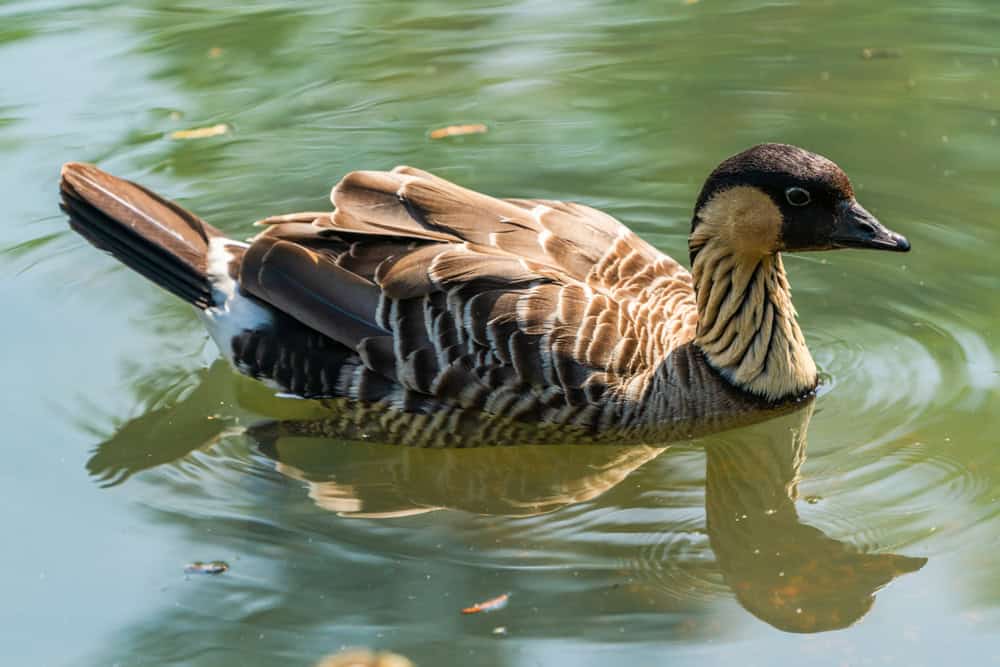
Wetland birds, such as native geese, are thought to have become extinct around the time early settlers arrived in Hawaii.
©BBA Photography/Shutterstock.com
What Likely Happened Instead
It was assumed for decades that native people were the main cause of the extinction of so many of Hawaii’s waterbirds. However, a recent study from the University of Hawaiʻi at Mānoa suggests that this wasn’t the case. The study assessed 18 extinct species and found that ten of them disappeared from the fossil record before Indigenous people arrived on the islands. Six species were last recorded during the Polynesian era, and two did not become extinct until after Europeans arrived.
The most important finding of the study is that many extinctions occurred before the first settlers arrived, meaning they cannot all be attributed to human presence. This suggests that other factors contributed to the birds’ decline.
The study doesn’t attribute the extinctions solely to the effects of overhunting and deforestation. Instead, it suggests that they were caused by a combination of things. For a start, humans often bring other species with them when they arrive on the islands. These include animals such as cats, pigs, and rats. Ground-nesting birds are particularly vulnerable to species introduction, as introduced animals can prey on nesting birds, eggs, and chicks. These animals can have detrimental effects on populations of rare species, as rare species sometimes have low reproduction rates and are therefore unable to recover quickly.
Climate change is another factor that has been suggested as a reason for the extinction, as it has changed rainfall patterns. Over time, this affected sea levels and the layout of both forest and wetland habitats in the region.
Why It Matters for Birds Living Today
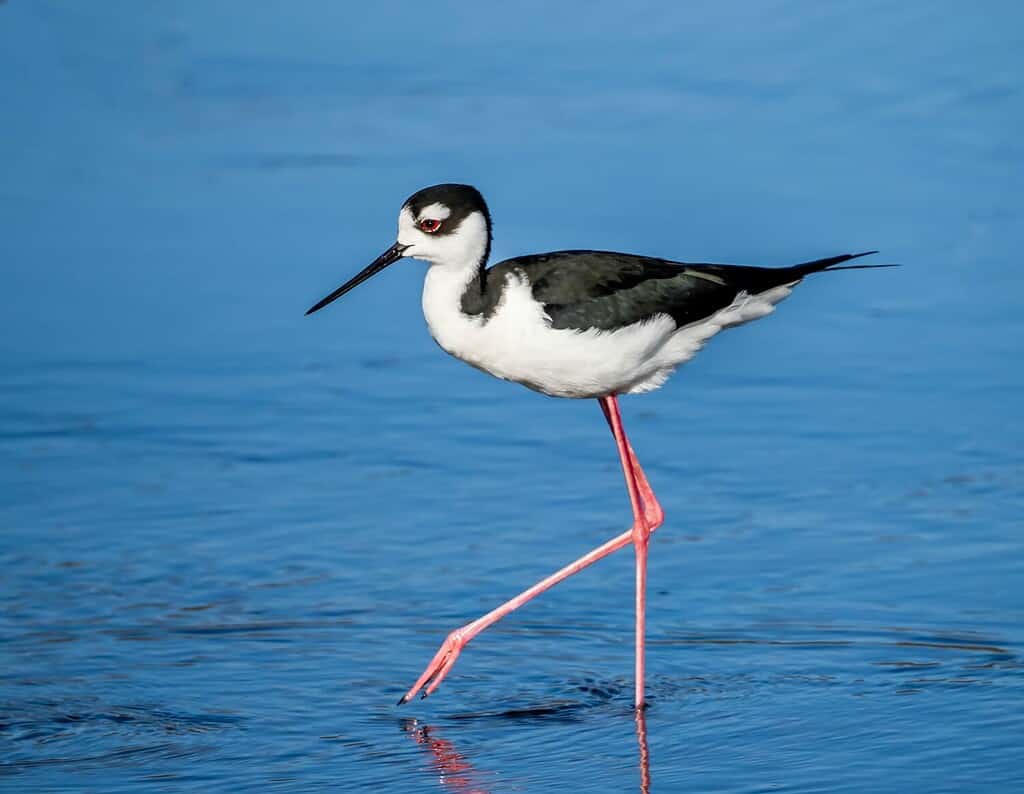
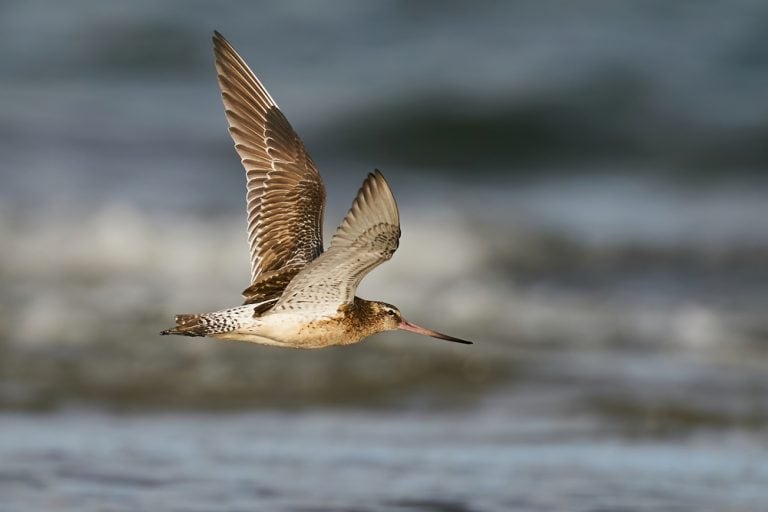
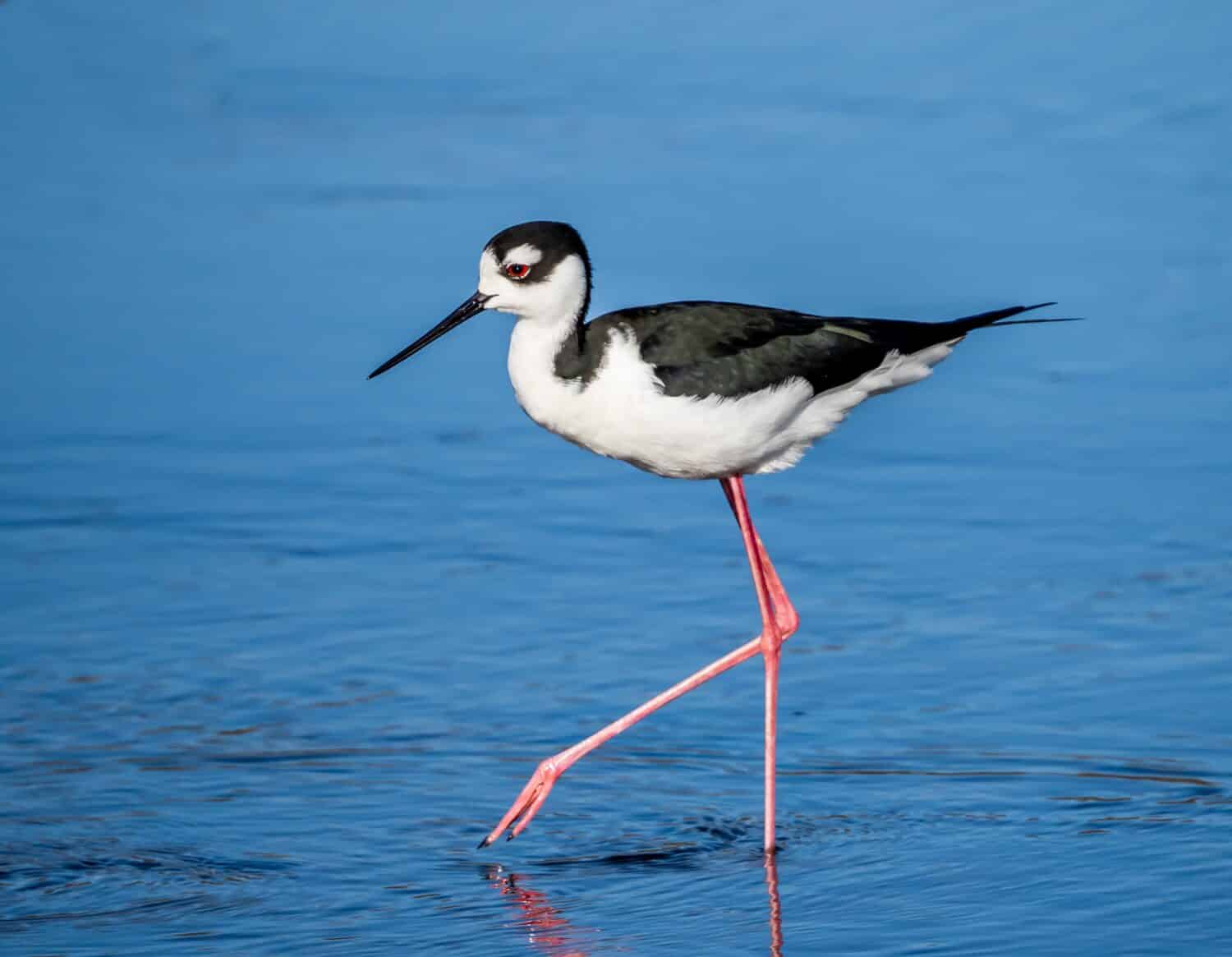
Hawaiian stilts are just one of several species that could benefit from traditional Hawaiian wetland systems.
©Jim Schwabel/Shutterstock.com
It would be easy to think that correcting this long-held belief would have little effect on birds today. However, the opposite is actually true. There are currently five waterbirds that are endemic to Hawaii – the Hawaiian stilt (Himantopus mexicanus knudseni), Hawaiian gallinule (Gallinula galeata sandvicensis), Hawaiian coot (Fulica alai), Hawaiian duck (Anas wyvilliana), and the Hawaiian goose (Branta sandvicensis). These all rely on wetlands and the surrounding habitats. They are at risk from many of the same pressures that earlier species faced – including climate change and habitat loss. This means protecting the birds also means protecting the wetlands they depend on, as their survival is heavily linked to the conditions of those areas.
The study suggests that native Hawaiian land management actually provided more support for wetland species than was first assumed. Traditional systems, such as lo’i – an irrigated system that creates shallow freshwater habitats – likely created ideal conditions for wetland birds by providing food and nesting space. Restoring or utilizing these systems could help support larger or healthier bird populations. Therefore, conservationists may be able to help bird populations recover by restoring habitats that have proven effective in the past.