
Quick Take
- Watching rattlesnakes via livestream helps replace fear with curiosity by showing calm, social, and surprisingly gentle behaviors.
- Project RattleCam offers rare insight into massive rattlesnake mega-dens, including maternal behavior and communal living.
- Changing how people see rattlesnakes may reduce unnecessary killings and support smarter, more humane conservation practices.
Many of us love animals, but there are some—like the rattlesnake—that we find difficult to sympathize with. I don’t wish these creatures any harm, but when I compare a rattlesnake to, say, an adorable baby otter, I have very different emotional reactions.
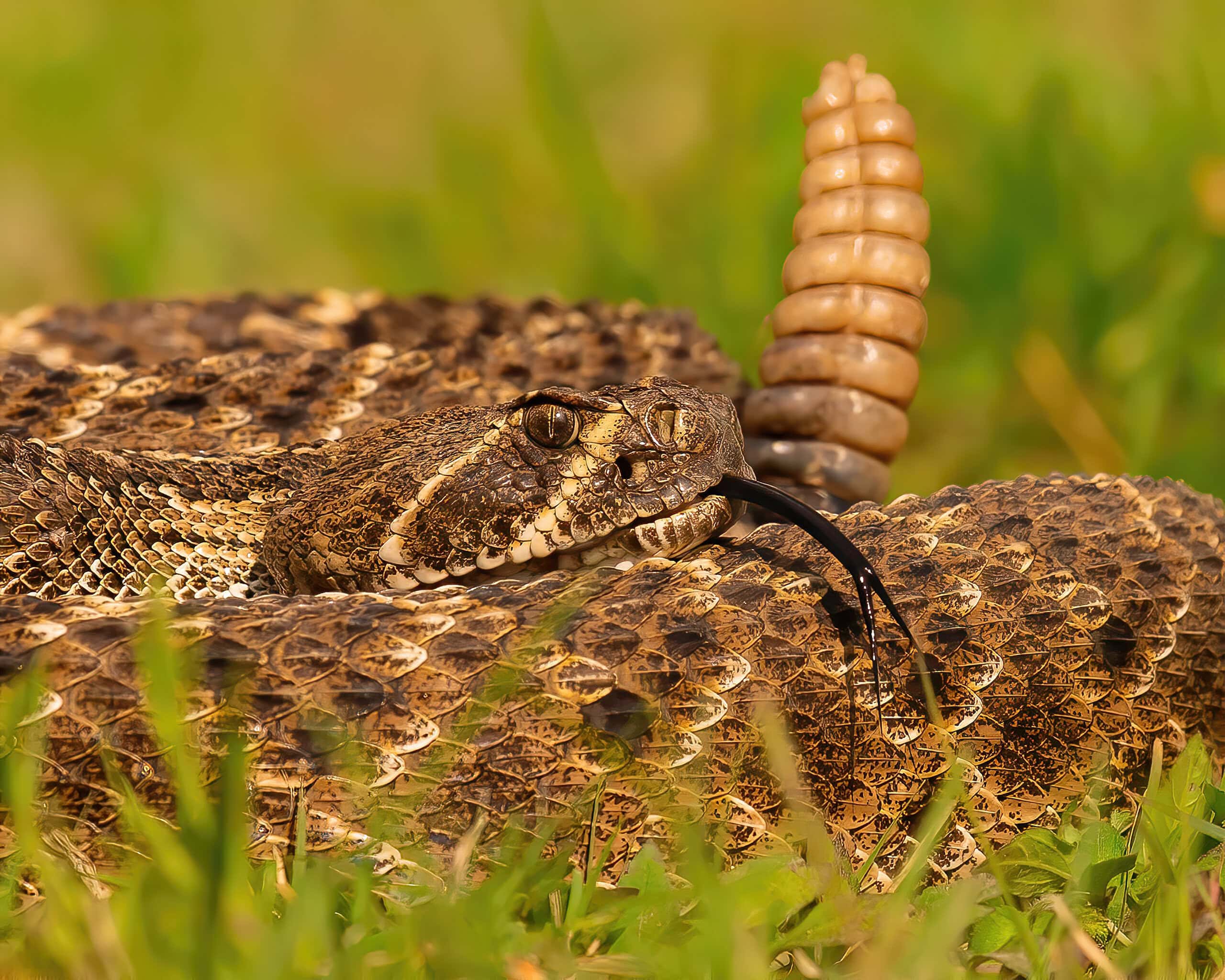
But perhaps we’ve been too harsh on rattlesnakes. For most people, these thick-bodied, rattling reptiles symbolize danger and are something to avoid at all costs. But a growing body of research suggests that fear doesn’t have to be the only response rattlesnakes can inspire. In fact, a 2025 study from California Polytechnic State University, better known as Cal Poly, found that public perception of rattlesnakes often shifts from fear to empathy when people watch them living their everyday lives through livestream cameras.
The research centers on Project RattleCam, a long-running effort that lets anyone with an internet connection observe rattlesnakes in their natural habitats. By quietly streaming footage from remote dens, including massive communal sites that host thousands of snakes, the project is revealing a side of rattlesnakes most people have never seen. Instead of constant aggression, viewers are seeing patience, social behavior, and even what appears to be parental care. These moments are changing how people think about rattlesnakes and, in turn, influencing conversations about conservation.
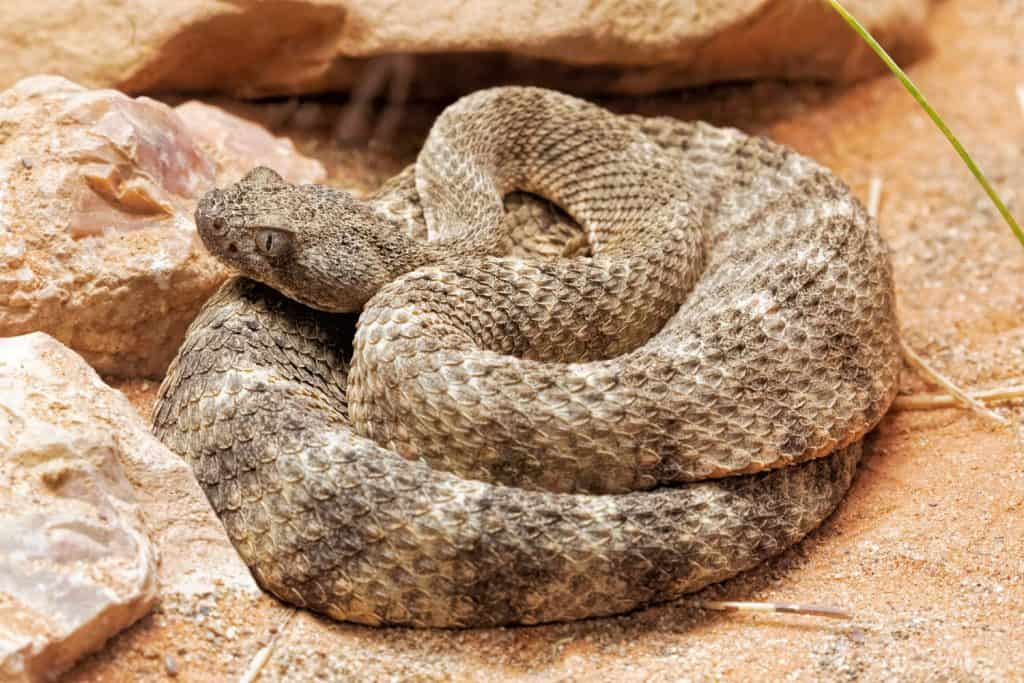
Livestream cameras let viewers observe wild rattlesnakes without disturbing them, revealing calm, everyday behaviors rarely seen by humans.
©DnDavis/Shutterstock.com
What Is Project RattleCam?
Project RattleCam is pretty much what it sounds like: a set of livestream cameras placed at rattlesnake dens to observe the animals without disturbing them. The project is led by Cal Poly professor Emily Taylor, a biological sciences researcher who specializes in rattlesnake behavior and human-wildlife interactions. Because of this dual focus, her goal wasn’t just to collect data for scientists, but also to invite the public into the process.
The first RattleCam went live in 2021 at a rattlesnake den along California’s Central Coast. That early stream showed snakes basking, shedding their skin, and coming and going from rocky crevices. It wasn’t flashy, but that was kind of the point. Viewers weren’t seeing rattlesnakes in defensive mode—as wary humans have a tendency to think of them—they were seeing them behave like wild animals just going about their everyday business.
In 2024, the project expanded in a big way with the launch of a second livestream in Colorado (to protect the animals, the exact location isn’t made public). This camera was installed at what researchers call a mega-den, a massive communal site used by prairie rattlesnakes. During peak seasons, more than 2,000 snakes may use this den.
Both livestreams are available online for free during active months, usually from spring through fall. The feeds are paired with live chats where viewers can talk with one another and, at times, with scientists who help explain what’s happening on screen.
The Study That Put RattleCam on the Map
In 2025, Cal Poly researchers published a peer-reviewed study examining how people responded to watching rattlesnakes via livestream. The results were striking. Even most animal lovers would probably admit they’ve got a bit of a bias against rattlesnakes; they’re not exactly cuddly. But many viewers reported that their feelings toward rattlesnakes changed over time. Fear gave way to curiosity, and curiosity often turned into empathy.
The study analyzed viewer comments and feedback, noting repeated themes. People were surprised by how calm the snakes appeared. Others expressed shock at seeing rattlesnakes interact socially rather than acting as solitary predators. Some even described feeling protective of the snakes they’d been watching for weeks or months—almost like a surrogate pet.
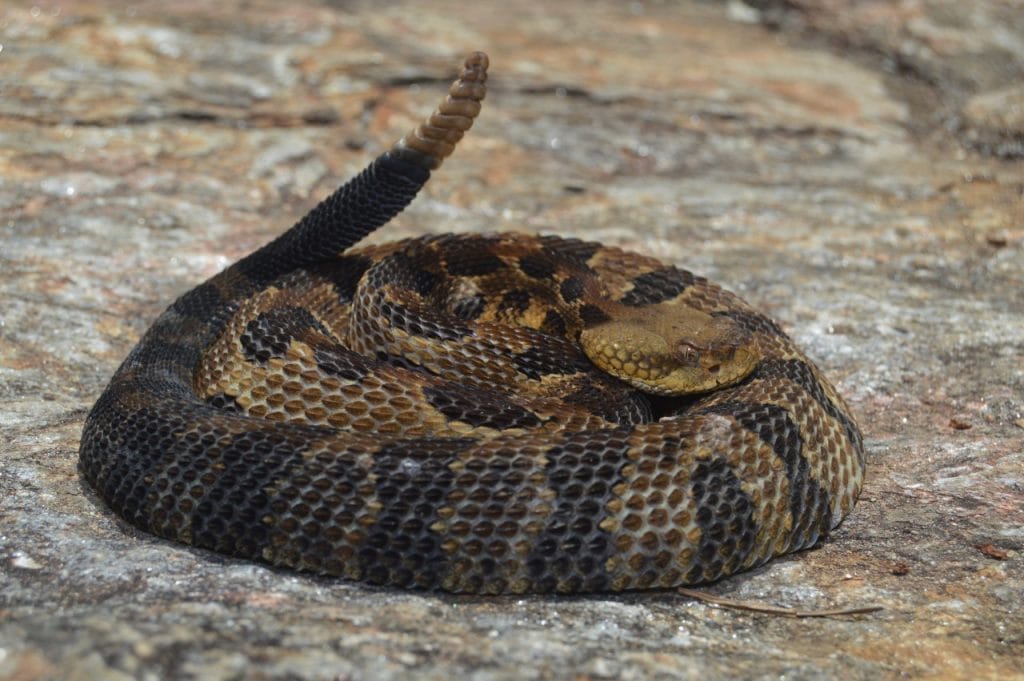
A 2025 Cal Poly study found that watching rattlesnakes on livestream often shifts viewer reactions from fear to empathy.
©Thomas Reed
One reason livestreams are so effective is that they’re unscripted. Unlike documentaries that focus on dramatic encounters, RattleCam shows long stretches of quiet behavior. Since the snakes are unaware of the cameras, they don’t alter their actions—they simply behave naturally. They coil together to regulate body temperature, wait patiently for rain, drink by flattening their bodies to collect water, and rest. Over time, these moments add up to tell a very different story from the one most people imagine.
Inside a Rattlesnake Mega-Den
The Colorado mega-den has become one of the most compelling parts of Project RattleCam. Prairie rattlesnakes use communal dens to survive cold winters, returning to the same rocky shelters year after year. In spring, they emerge, and during summer, pregnant females remain at or near the den to give birth.
Unlike many reptiles, rattlesnakes don’t lay eggs. They give birth to live young after a gestation period that lasts several months. A typical litter can include anywhere from about eight to more than a dozen baby snakes. Through the livestream, viewers have watched newborn rattlesnakes emerge and remain near adults during their earliest days.
One of the most surprising observations for viewers is what researchers describe as maternal and social behavior. Adult females sometimes stay close to newborns, even if those young aren’t their own. Scientists believe this helps protect babies from predators and may help them regulate body temperature. It’s hard to hold a grudge against an animal after observing something like that.
The mega-den also provides scientists with a rare opportunity to observe large-scale social dynamics. With so many snakes in one place, researchers can study how they share space, respond to weather, and interact with potential threats—all without interference.
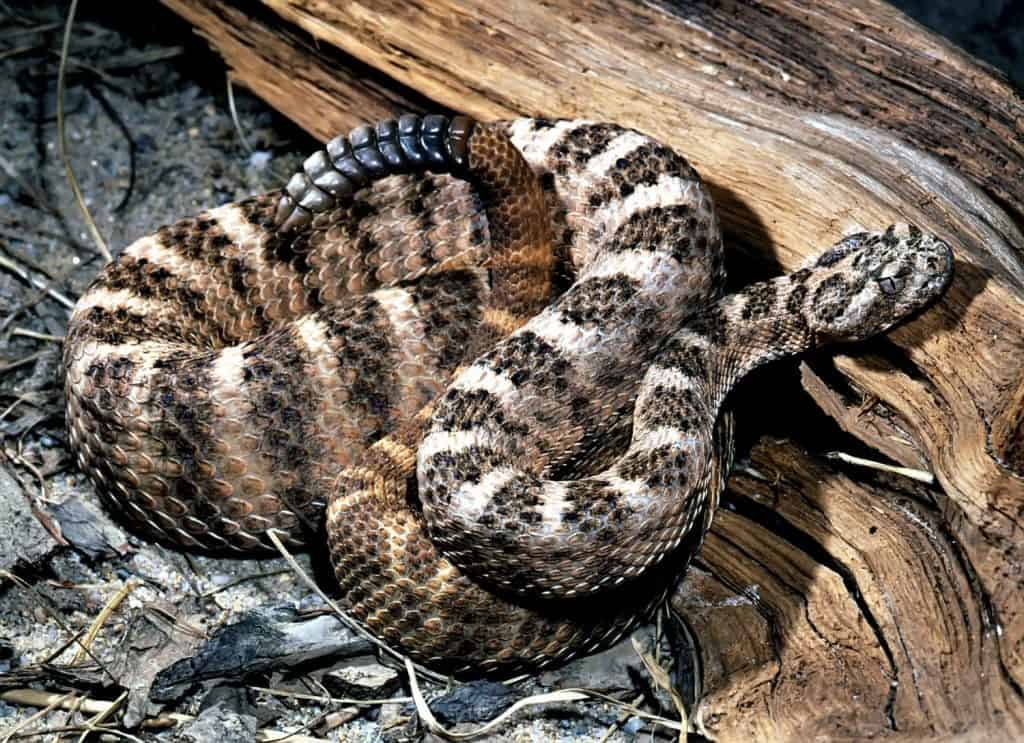
Seeing rattlesnakes bask, rest, and drink rainwater helps viewers understand how non-aggressive they usually are.
©Vladislav T. Jirousek/Shutterstock.com
Changing Minds Through Everyday Behavior
What makes Project RattleCam so powerful isn’t any single dramatic moment. It’s the accumulation of ordinary ones. When people watch rattlesnakes day after day, they begin to notice patterns. The snakes aren’t aggressive unless threatened. They actually spend much of their time avoiding conflict altogether.
That realization has ripple effects. As viewers soften their views on rattlesnakes, they often start asking practical questions about coexistence. What should you do if you encounter a rattlesnake on a trail? How can people protect themselves without harming the animal? These questions open the door to education and safer behavior for both humans and snakes.
Professor Taylor has noted that much of what people think they know about rattlesnakes comes from movies, viral videos, or extreme encounters. RattleCam offers a counterbalance by showing what rattlesnakes are like 99 percent of the time.
A Tool for Conservation and Education
Beyond changing individual attitudes, Project RattleCam is influencing broader conservation efforts. Rattlesnakes play a critical role in ecosystems by controlling rodent populations, which in turn helps limit the spread of disease and protects crops. When snakes are removed or killed, those systems can fall out of balance.
The empathy generated by livestreams supports efforts to reduce practices like rattlesnake roundups, events that encourage the mass killing of snakes. By humanizing—or perhaps more accurately, animalizing—rather than demonizing rattlesnakes, the project inspires people to care about their survival.

Viewers often help researchers by spotting behaviors and identifying individual snakes during live broadcasts.
©aaron007/iStock via Getty Images
Another unexpected benefit of Project RattleCam is the way it invites public participation. Viewers often become skilled observers, pointing out individual snakes based on markings or noting changes in behavior. In some cases, these observations help researchers identify patterns they might not have noticed otherwise.
This kind of community science makes people feel invested. They’re not just watching wildlife; they’re contributing to our understanding of it. That sense of ownership can be a powerful motivator for conservation-minded behavior.
Looking Ahead
Project RattleCam isn’t finished growing. The research team plans to expand with additional livestreams, including one focused on eastern timber rattlesnakes in Pennsylvania. Each new location adds to the picture of how diverse and adaptable rattlesnakes really are.
The hope is that, over time, projects like this will make fear-based reactions to rattlesnakes less common. Not everyone needs to love snakes. But understanding them and respecting their role in the natural world is a meaningful step forward.
By quietly letting rattlesnakes tell their own story through a camera lens, Project RattleCam is proving that sometimes the best way to change minds is simply to let people watch and learn. But, all that said, I’d still definitely rather encounter a rattlesnake via livestream than bump into one on a hiking trail.