
Since the 1880s, New Smyrna Beach has reported more than 300 shark attacks. The New York Post reports that between 2010 and 2024, there have been 12 surf fatalities. However, not all were related to shark attacks. These staggering numbers have earned the beach the title of “Shark Bite Capital of the World.” And on July 6th, surfer Matthew Bender of Winter Park, Florida, was bitten on this same beach. Bender needed immediate surgery to suture a 10-inch wound, and the size and shark type are still unknown.
“It Felt Like Electricity”
Only two days after the 4th of July, Bender was surfing off the notorious coast of New Smyrna Beach. In an interview with Fox News, he described the attack as “sudden,” with little time to process what was happening. According to the interview, Bender stated that the bite felt like an electric bolt, and he may have felt the shark twist its head before letting go of his hand. The bite was deep enough to leave a 10-inch wound, which required immediate medical attention. When Bender returned to the beach, other surfers rushed to his aid, one of whom used a surf leash as a tourniquet above his elbow to stem the bleeding. Miraculously, Bender says he could still move his fingers after the attack, despite his arm being “mangled.”
Surgeons worked to reattach muscles and tendons following the attack, and Bender can still wiggle his fingers. Doctors expect a full recovery within the next few months, according to Fox News. Even after the harrowing experience, Bender looks forward to getting back into the water. “I think the Lord kept it from being serious. He works in mysterious ways,” Bender said. “I got to take a little break, but I’ll be back out there. I’m a New Smyrna surfer at heart, and it’s not going to end now just because of this,” he says in the Fox News interview.
Why Did This Shark Attack?
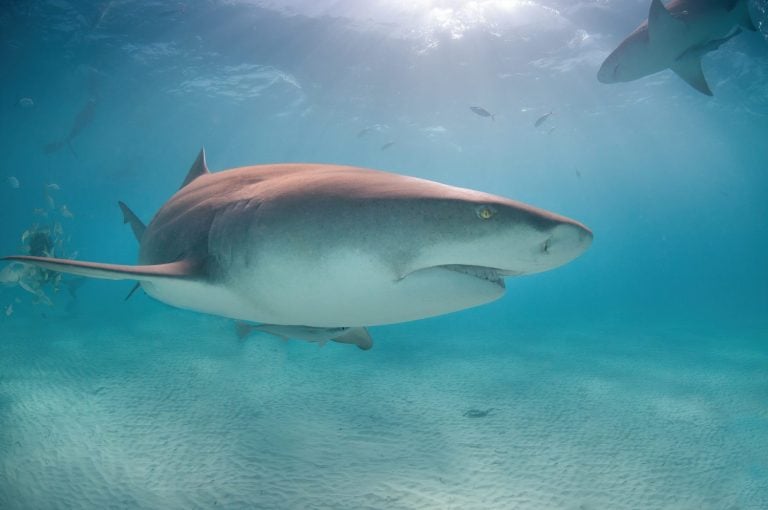
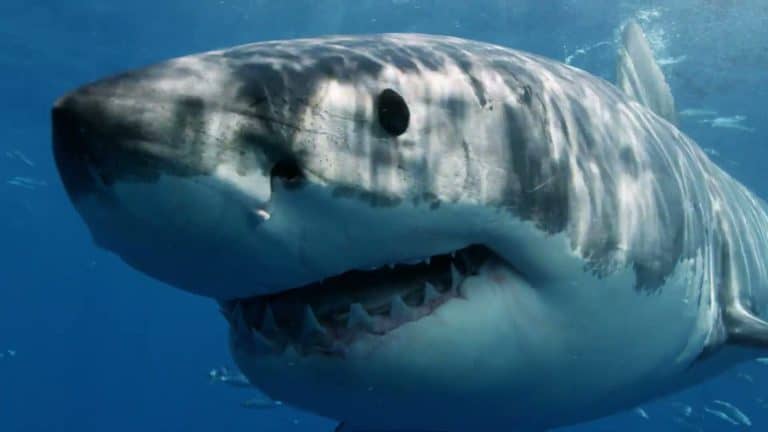
The moniker “Shark Bite Capital of the World” may give the wrong impression about sharks at New Smyrna Beach. Sharks often show little interest in humans, and many bites are the result of curiosity, according to the Georgia Aquarium. Sharks sometimes use their mouths to investigate, which results in a bite that is quickly released. When Bender was bitten, he says that as soon as he looked down, the shark had released his arm. Therefore, the bite may have been due to curiosity or mistaken identity rather than a malicious attack.

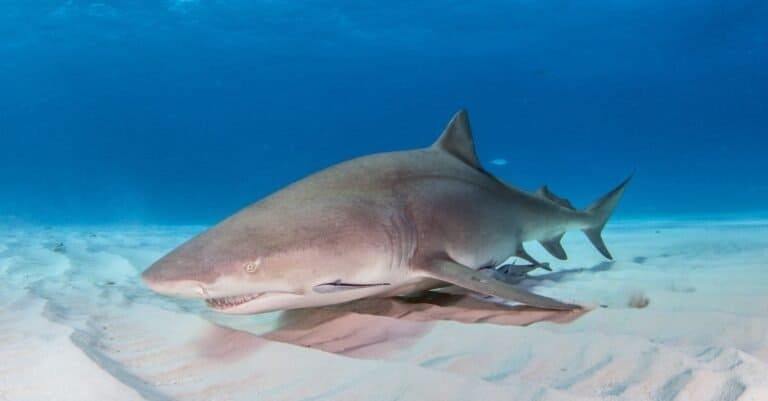
Sometimes, sharks cannot differentiate between a surfer and their usual food sources.
©Subphoto.com/Shutterstock.com
It’s not uncommon for sharks to mistake surfboards for animals like seals or otters. In New Smyrna Beach, the water is warm and rich in nutrients at this time of year. Sharks are drawn to this, and subsequently, so are surfers and swimmers. The increase in shark and human interactions is likely due to more people in the water, along with warmer waters. As sharks migrate to popular feeding spots, they’re unable to discern between a surfer and their primary source of food.
How Can You Safeguard Against Shark Attacks?
Sharks are more likely to attack at dawn and dusk, and the Georgia Aquarium recommends avoiding the water during these hours. Even so, shark attacks are still incredibly rare, with an estimated 60-65 unprovoked attacks occurring annually worldwide. In 2024, only 47 were confirmed worldwide, a significantly lower number. If a shark does attack, it’s more likely to hunt near steep drop-offs or in shallow water where fish are often found. Instinct tells them to follow their food, which means they may swim inshore to follow a school of fish. If you notice this, be aware of your surroundings and cautious when wading in deep water.

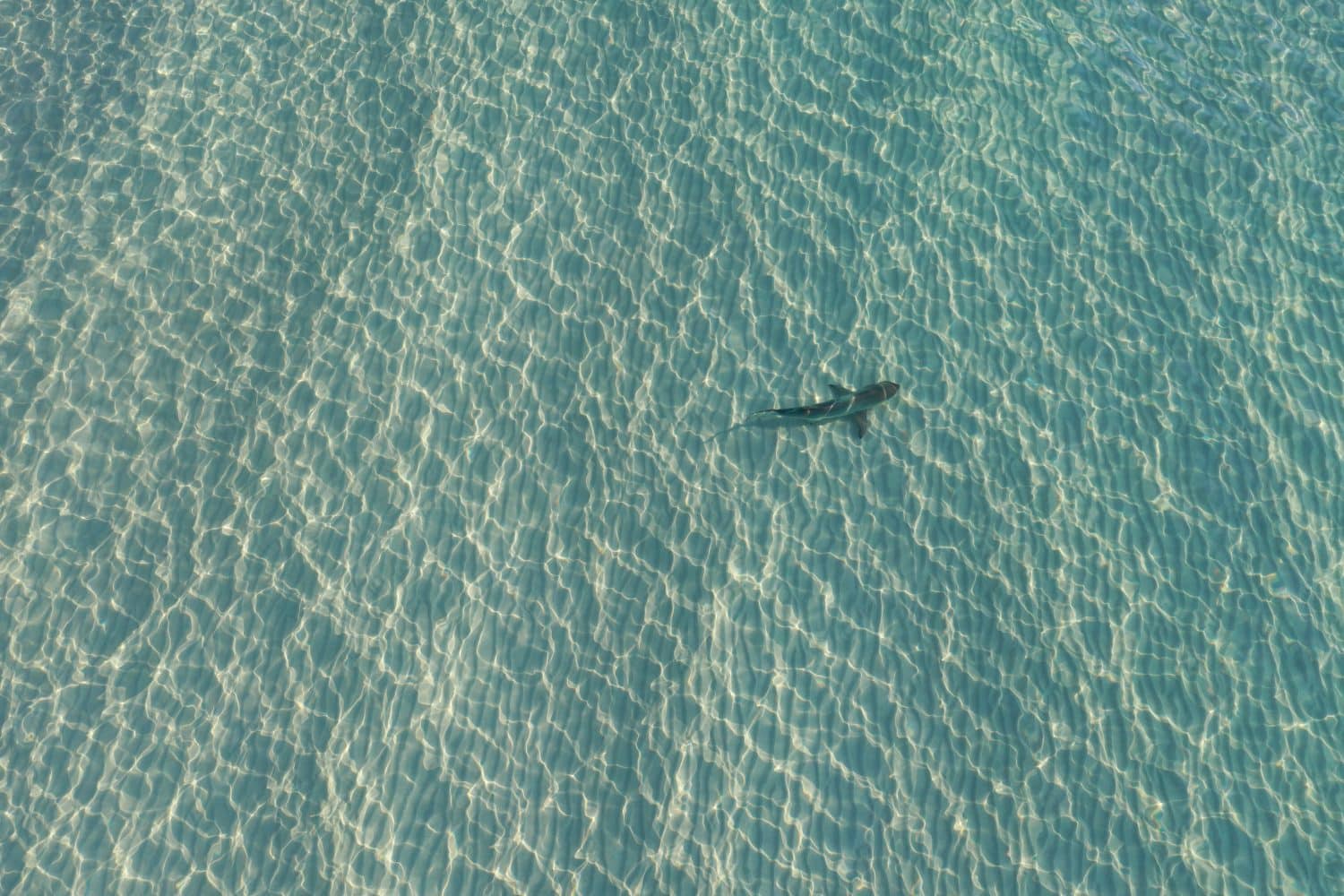
Be wary around any water you can’t see the bottom of.
©DronePirate/Shutterstock.com
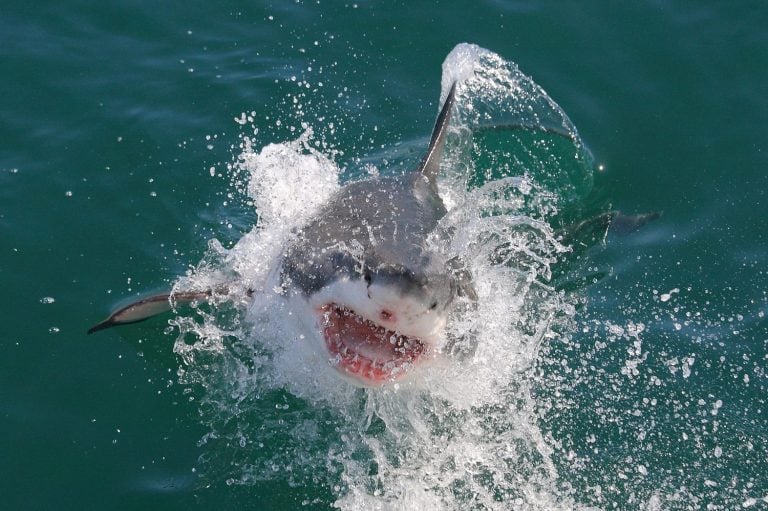
In the event the water is too murky to see the bottom, be cautious. If you can’t navigate cloudy water, then chances are a shark can’t discern you from a large fish, either. The risk of a shark attack could be exacerbated by excessive splashing, which mimics a school of fish or a fish in distress. More often than not, the combination of these factors is how sharks mistake a human for prey. A shark’s predatory instincts don’t distinguish between a human and a large fish, and it will bite what it thinks could be a meal.