
Quick Take
- Great whites regularly share the water with swimmers at Cape Cod, and most people have no idea it's happening.
- There's a specific window each summer when your odds of a sighting spike, and that window lines up with the busiest weeks on the Cape.
- Despite millions of annual beachgoers and a surging shark population, the numbers behind actual attack risk will likely surprise you.
In recent years, the waters off Cape Cod have become one of the most famous areas for great white sharks in the world. While these apex predators were rarely seen before, they are now regular seasonal visitors. For beachgoers, the key questions are simple: where are sharks most commonly found, and how much risk do they pose? Let’s look into some answers.
Why Great White Sharks Are Back
The return of great white sharks to the area is largely tied to the rebound of gray seal populations. Seal numbers boosted after the introduction of federal protections in the 1970s. Today, hundreds of individual sharks visit the area each year, and their presence is the sign of a restored marine ecosystem where predators and prey have returned to their natural roles.
Where Sightings Are Most Common
Shark activity has been mostly concentrated along the eastern shoreline known as the Outer Cape. Towns like Chatham, Orleans, Wellfleet, and Truro are among the most consistent tourist hotspots.
These areas provide an ideal environment for sharks to hunt. Sandbars and drop-offs create channels where seals gather, and sharks patrol the zones just offshore. Areas within Cape Cod National Seashore are especially active due to their combination of rich habitat and abundant prey.
Sightings are now common enough that multiple sharks may be seen along the same stretch of coastline in a single day. For beachgoers, spotting these predators can be both fear-inducing and thrilling.
How Close They Come to Shore
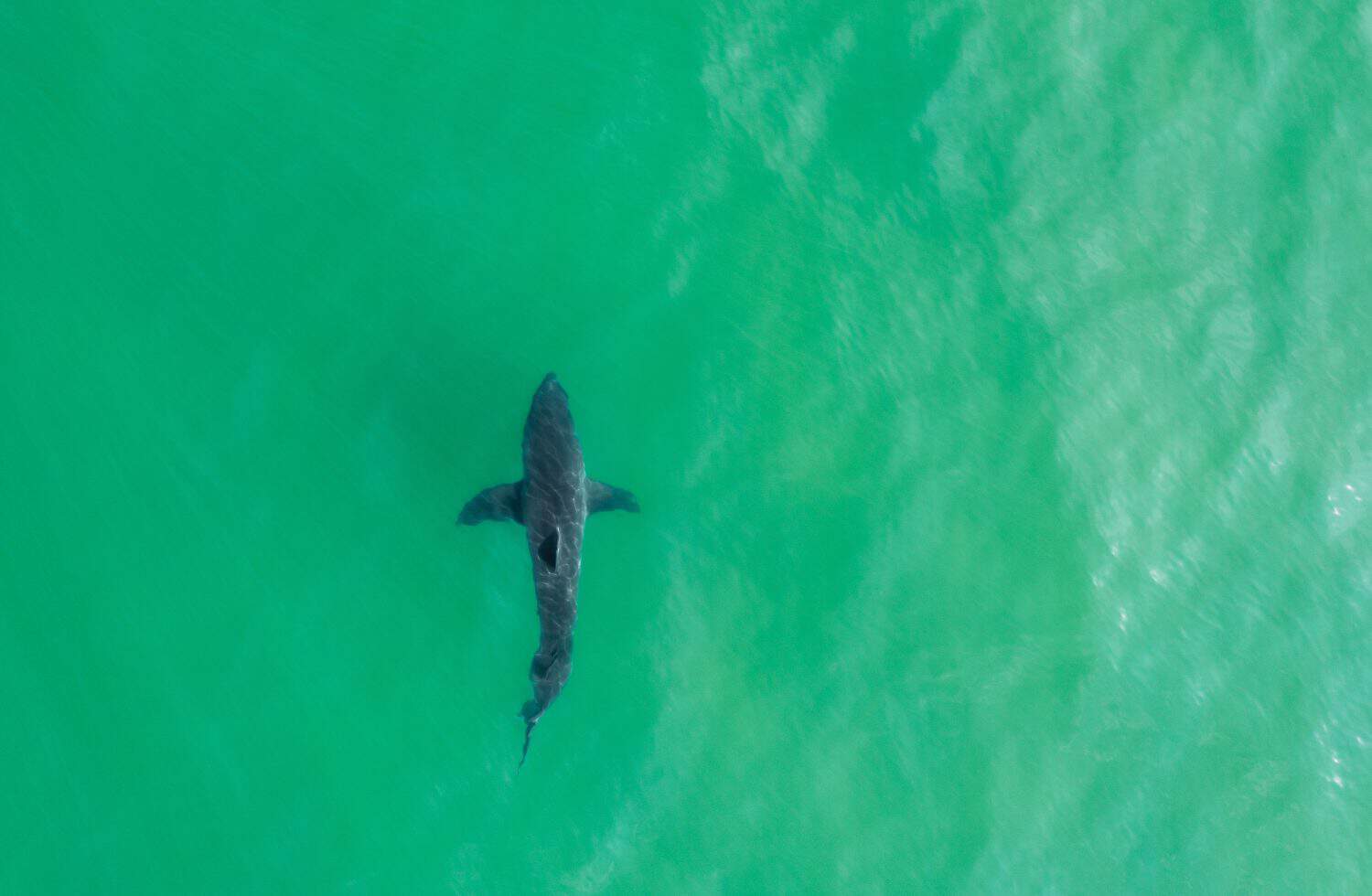
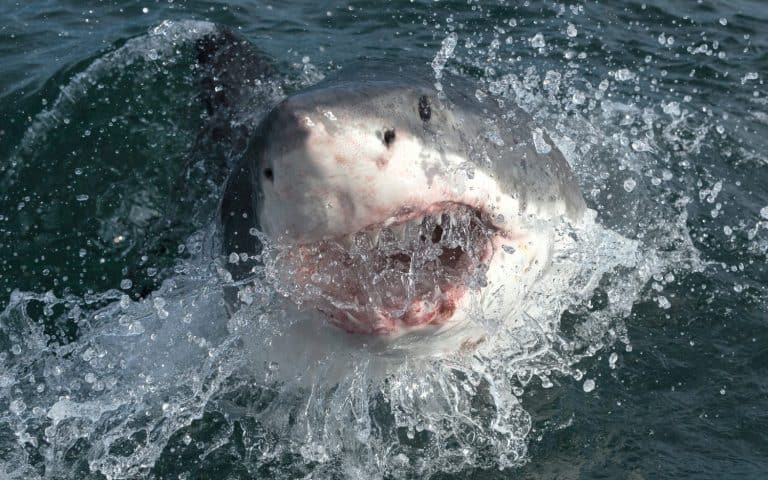
Great white sharks, like this one caught via an aerial shot, are often seen near the shore, but they rarely attack.
©Mark F Lotterhand/Shutterstock.com
One of the most surprising realities is how close great white sharks come to land. They are frequently found in shallow water, sometimes within a few yards of where people are swimming. Sharks are highly stealthy and often pass unnoticed, blending into the ocean environment. This proximity doesn’t necessarily mean danger; in many cases, sharks and humans are in the same area without ever interacting.
When Sharks Are Most Active
Great white sharks are seasonal visitors. They typically arrive in early summer and stay through the fall. Activity peaks in late summer, especially August and September, when water temperatures are warmer and seal populations are most active.
Shark Bites and Human Risk
Scientists typically agree that sharks do not intentionally target humans. When bites occur, they are typically cases of mistaken identity. You’ve likely heard that surfers or swimmers resemble seals from below as they move their arms and legs.
Despite the growing shark population, bites are extremely rare. Just a handful of non-fatal incidents have been recorded in recent years, even with millions of people visiting Cape Cod beaches annually. In fact, death by jellyfish is more common than shark attacks.
Have There Been Fatal Attacks?
There has been one confirmed fatal shark attack in modern Cape Cod history. In 2018, a man was killed while bodyboarding off Wellfleet. It was the first such incident in Massachusetts in more than 80 years.
While tragic, it remains an isolated event. Serious encounters are still extremely uncommon, and most beachgoers will never see a shark in the wild.
Living Alongside Sharks
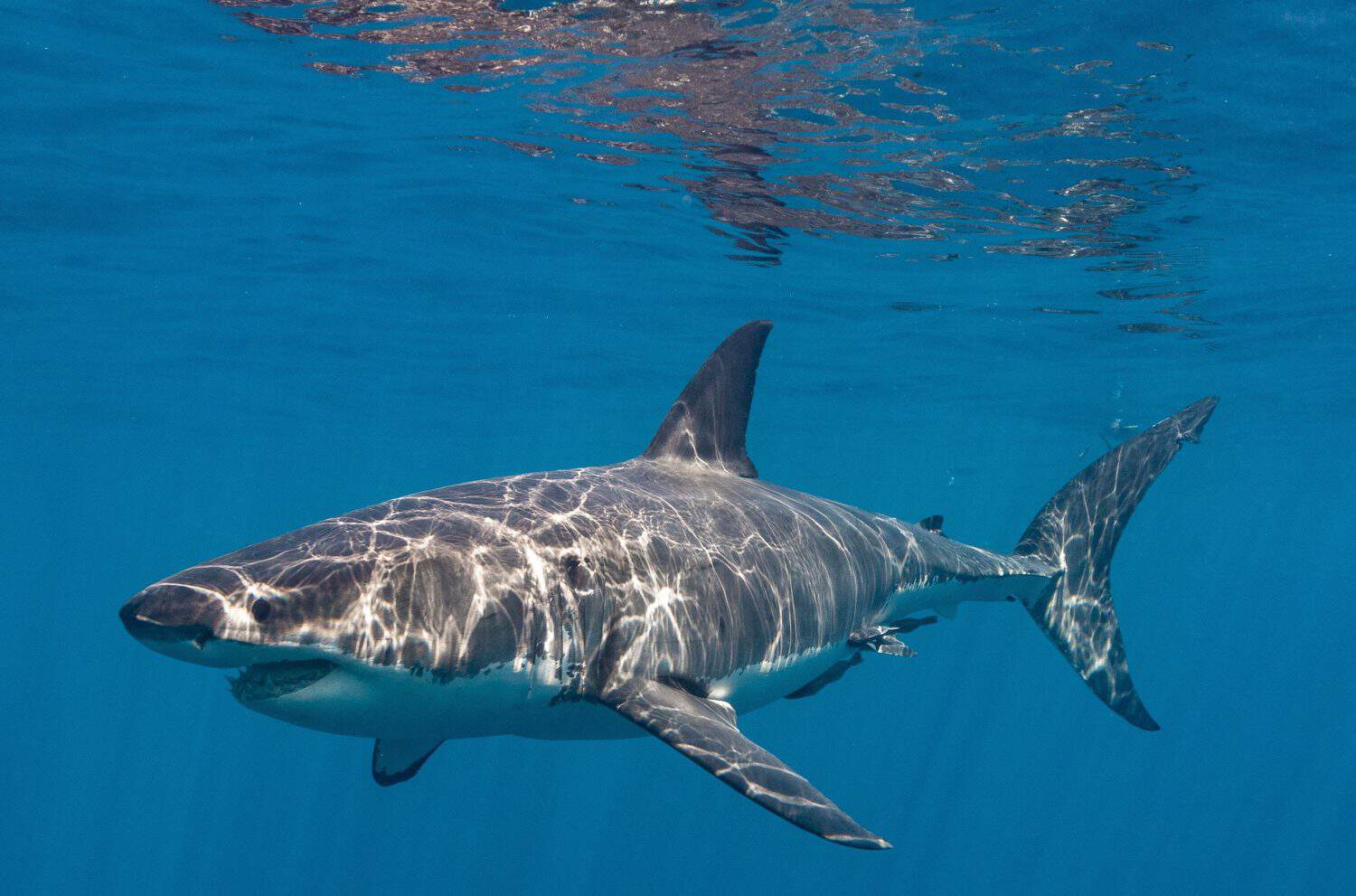
Sharks are often below the surface, but that doesn’t mean they’re a threat.
©Wirestock Creators/Shutterstock.com
As shark activity has increased, local communities have adapted by implementing safety measures like warning flags, lifeguard monitoring, and tracking technology. These tools help reduce risk while allowing people to continue enjoying the ocean.
The good news is that scientists believe the return of great white sharks is a sign of a healthy ecosystem. Their presence reflects decades of successful conservation efforts.
Final Thoughts
Cape Cod’s tourists must realize that great white sharks are now a regular part of the environment. These big fish are often closer to shore than many people realize, and sightings are increasingly common during the summer months. With some awareness about where and when sharks are most likely to appear, visitors can celebrate the return of these mighty creatures while also enjoying the beach safely.