
Quick Take
- Shark migration patterns this summer eerily mirror where humans choose to swim, and the timing could not be worse. Track the migration patterns →
- A drone photographer saved a surfer from a circling shark this summer, though not by doing what you'd expect. See the drone incident →
- One of the largest great white sharks ever recorded just surfaced near a US coastline, and this particular shark even has a name. Meet Contender and others →
The warm summer sun brings flocks of people to the beach, eager to soak up the rays and play in the water. It also brings sharks. Even apex predators of the ocean can’t pass up the opportunity to enjoy the warmer weather. This summer has seen several notable sightings of sharks along the coasts of the United States. With innovations in technology and the widespread use of affordable drones, spotting sharks along the coasts has become easier than ever.
For the most part, sharks showing up along the country’s beaches is a pretty mild, peaceful affair. They tend to keep to themselves. More rarely, however, sharks in shallow waters become involved in notable incidents. This holds especially true along the Atlantic coast of North America, where several recent incidents have resulted in people being bitten by sharks, including one case involving a child. Let’s get into the different instances of sharks being spotted along the US coast during summer 2026 and what kind of sharks were spotted.
Heating Up
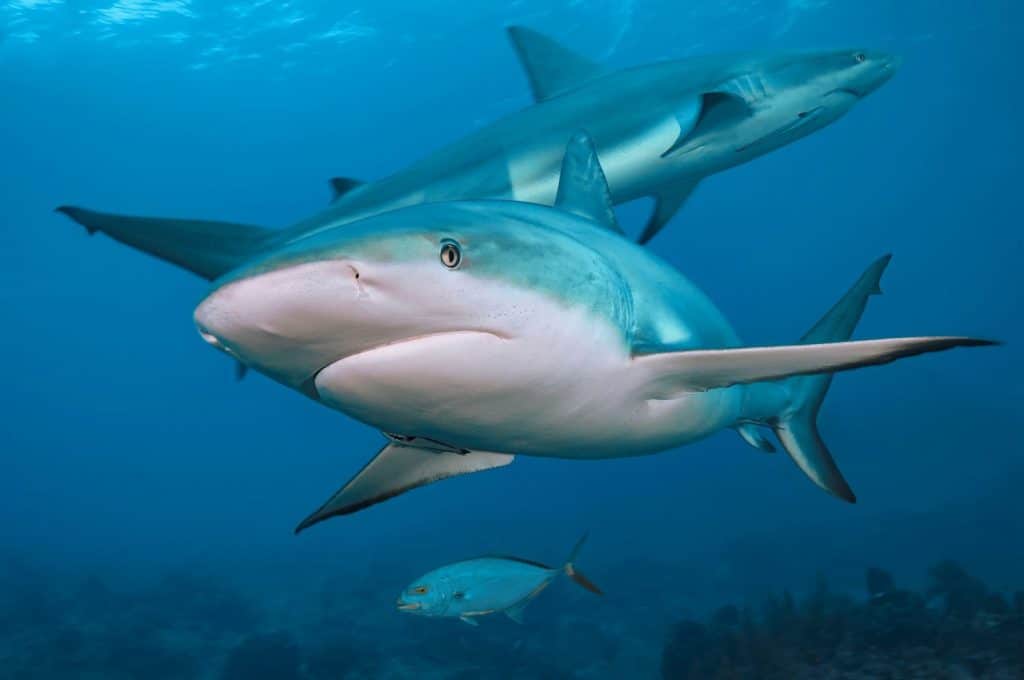
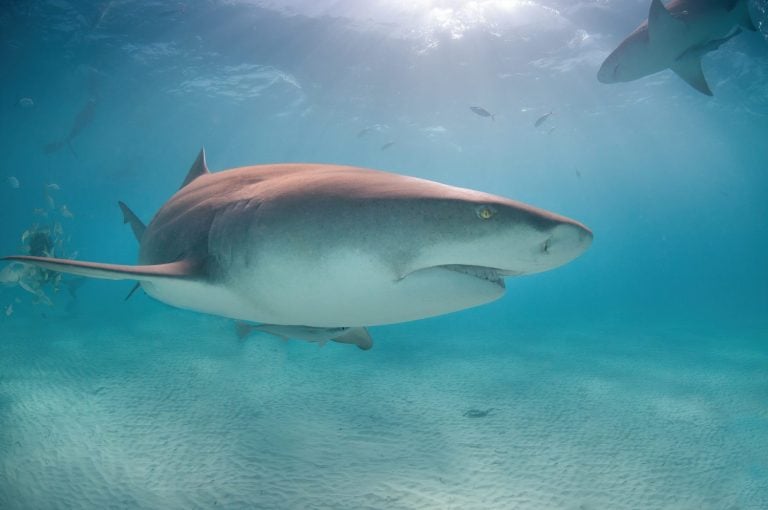
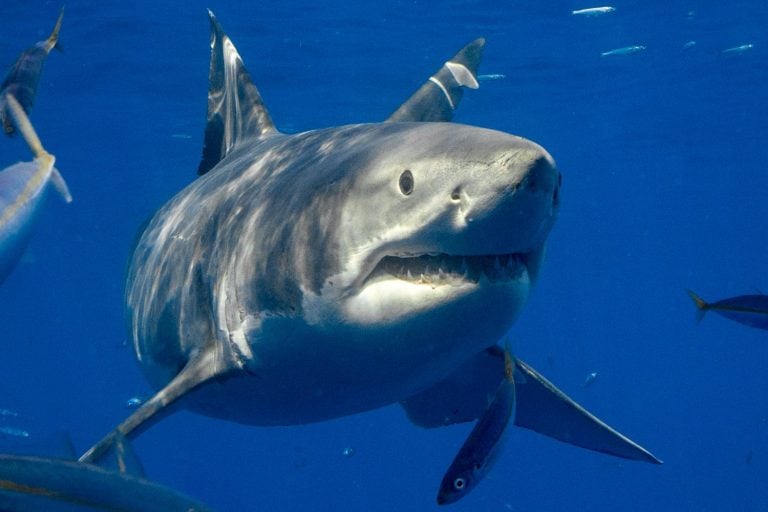
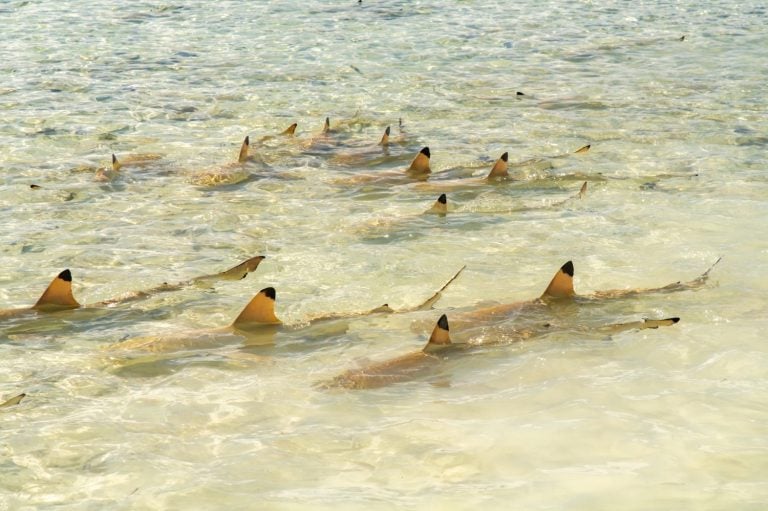
Thanks to affordable technology, shark spotting is easier than ever for the average person.
©Paul Flandinette/Shutterstock.com
Technological innovation has made spotting sharks easier than ever, especially for the average citizen. Take the Shark Trust, for example, a charity organization spearheading the Great Shark Snapshot for the fifth year in a row. This citizen science project encourages everyone from divers to charter boat riders to log every shark and ray sighting. Last year alone produced recordings of more than 1000 sharks and rays.
During the summer months, especially between July and September, sharks move northward in the oceans and closer to warmer shores. This is also because such temperatures bring forth an abundance of prey animals, particularly off the coast of New England and along the Mid-Atlantic and Gulf coasts. Since shark migration patterns move with the temperature and almost mirror human beach behaviors, this year’s Great Shark Snapshot is likely to produce even more sightings.
Eager shark fans don’t have to wait until then, however, as there have been several notable sightings in waters around the country already this summer. Let’s dive into them.
Pacific Coast
You may think of the Pacific Coast as being rife with sharks, but they haven’t made many inroads into the area this summer. At least, not yet. One incident, however, showed how close calls can occur in the water without people even realizing it.
On June 10th, drone photographer Nick Bertocchini captured footage of a shark repeatedly circling a surfer sitting on his board in the water near Seascape Beach in Aptos, California. The shark circled repeatedly, seemingly closing in on a potential victim. Bertocchini tried to alert the surfer to the threat by revving the drone’s motor. Eventually, the surfer noticed the shark circling him and paddled back to shore without injury. The footage, however, quickly went viral.
Atlantic Coast Spottings
With various organizations dedicated to tracking shark migrations and the advent of technologies to make that happen, shark patterns are more illuminated than ever. A quick look at the interactive OCEARCH shark map shows just how many sharks have been spotted along the Atlantic coast this summer.
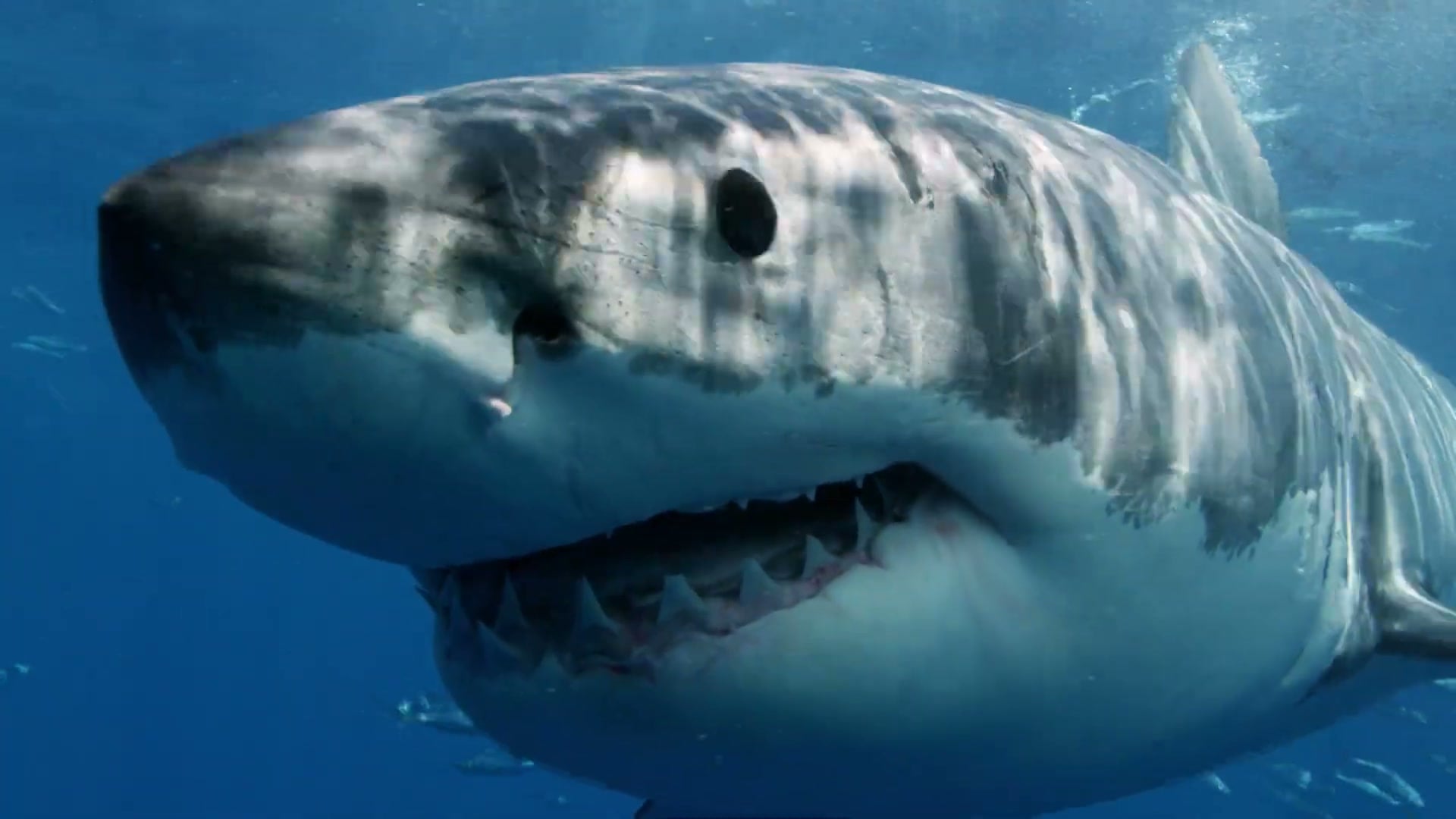
Perhaps the most notable shark patrolling the North Atlantic waters these days is Contender. He is the largest male great white shark ever tagged by OCEARCH in the Northwest Atlantic, clocking in at a whopping 13 feet and nine inches long. He briefly surfaced just a few days ago off the coast near the Florida/Georgia border.
Other large sharks recently spotted off the Atlantic coast include Goodall, a female 13-foot great white, and Ernst, a female 12-foot great white shark. Goodall surfaced off the Georges Bank, and Ernst recently surfaced off the coast of Maine.
Atlantic Coast Incidents
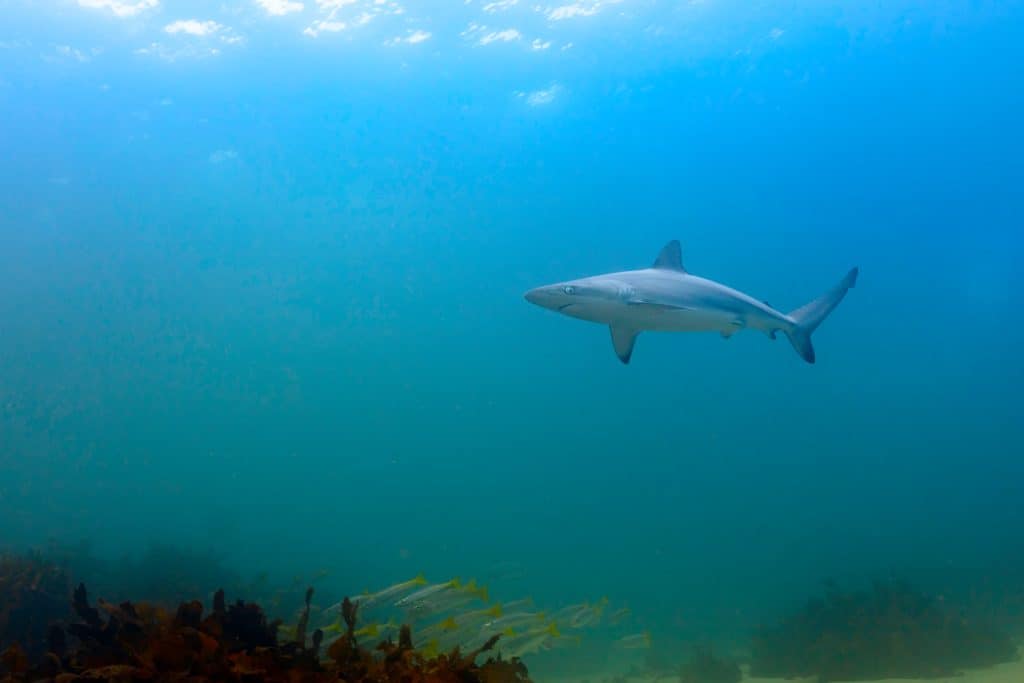
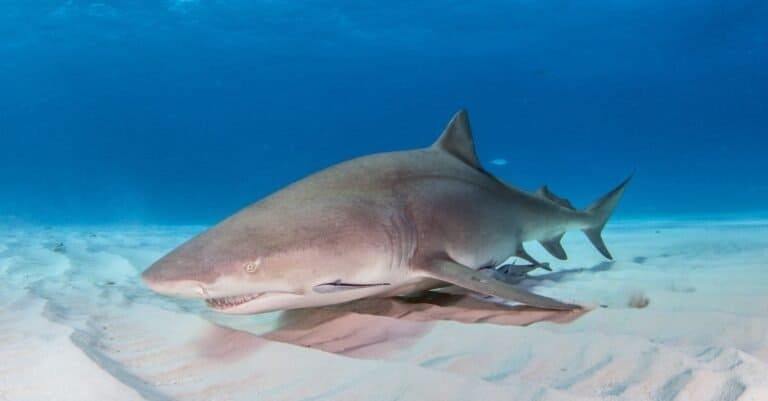
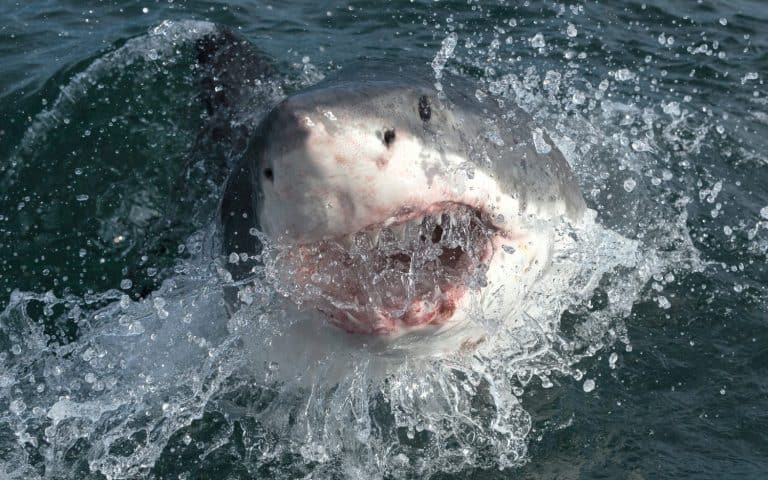
Two incidents resulting in shark bites occurred in Florida in the past month.
©Craig Lambert Photography/Shutterstock.com
The most alarming incidents of the summer involving sharks and humans have happened along the United States’ Atlantic Coast. As the previous section illustrates, researchers routinely spot sharks along the Atlantic coast as it’s part of their migration pattern. That, however, can put them incredibly close to humans, which sometimes leads to violent incidents.
On June 3rd of this year, a shark bit a child on the leg in Watercolor, Florida. According to at least one news source, the attack happened around 11 a.m. in knee-deep water. South Walton Fire District lifeguards and firefighters evaluated the child who had a superficial wound on the leg. Ultimately, the child did not require transportation to the hospital. To be safe, the South Walton Fire District temporarily closed about five miles of beach in the area. They later spotted some sharks and marine life through the use of jet skis and drone coverage, though they did not identify any additional threats.
Less than a week later, on June 8th, a shark bit a Navy base employee at the Naval Support Activity marina in Panama City, Florida. While swimming on a lunch break, the male victim received critical injuries to both arms from a shark bite. Fortunately, the man survived and received treatment, including emergency surgery.