
Quick Take
- There's a specific geographic feature near New Smyrna Beach that turns an ordinary stretch of coastline into a near-perfect trap for accidental human-shark encounters. See the geography →
- Most shark 'attacks' here aren't attacks at all, and that distinction reveals something surprising about what sharks are actually doing when they bite a surfer. Explore the accidental bites →
- Juvenile sharks are responsible for the bulk of bites at New Smyrna Beach, and the reason why is not what most people would guess. Learn about juvenile sharks →
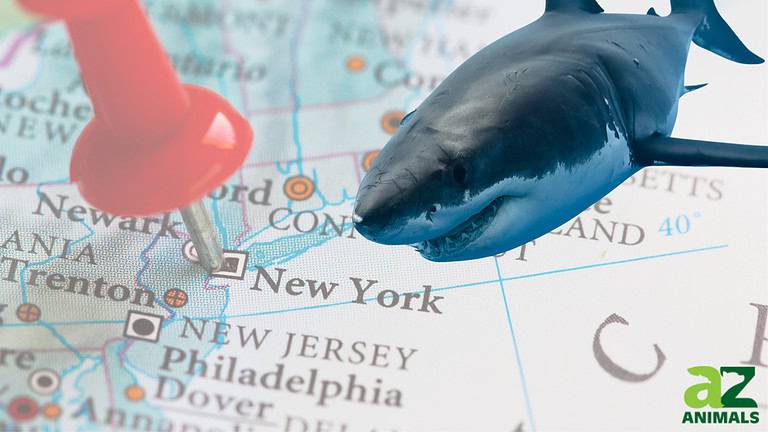
Florida’s New Smyrna Beach has a reputation for its sharks, with more than 300 recorded attacks since the 1880s. Year after year, Volusia County takes first place with the most shark bites of any other location in the world. It holds the Guinness World Record title for the most recorded shark attacks, earning it the nickname “Shark Bite Capital of the World.”
Unfortunately, these statistics only add to the fear, even though there’s a logical, scientifically proven reason for so much shark activity. While we’re busy fearing sharks, we don’t often stop to question why they keep coming back, and the answer points to a perfect storm.
Volusia County’s Shark Attack History
Florida has a rich marine ecosystem, and sharks are a natural part of that. With a 1,350-mile-long coastline, it’s rare that you could visit a beach and not be within the vicinity of a shark, even without realizing it. More than 50 shark species call Florida’s tropical waters home, and up to 20 of these are commonly encountered by swimmers, surfers, divers, and fishermen. Each one has its own needs, and fortunately for the sharks, Volusia County fulfills many of them. Unfortunately, New Smyrna Beach is also one of Florida’s most popular summer beach destinations.
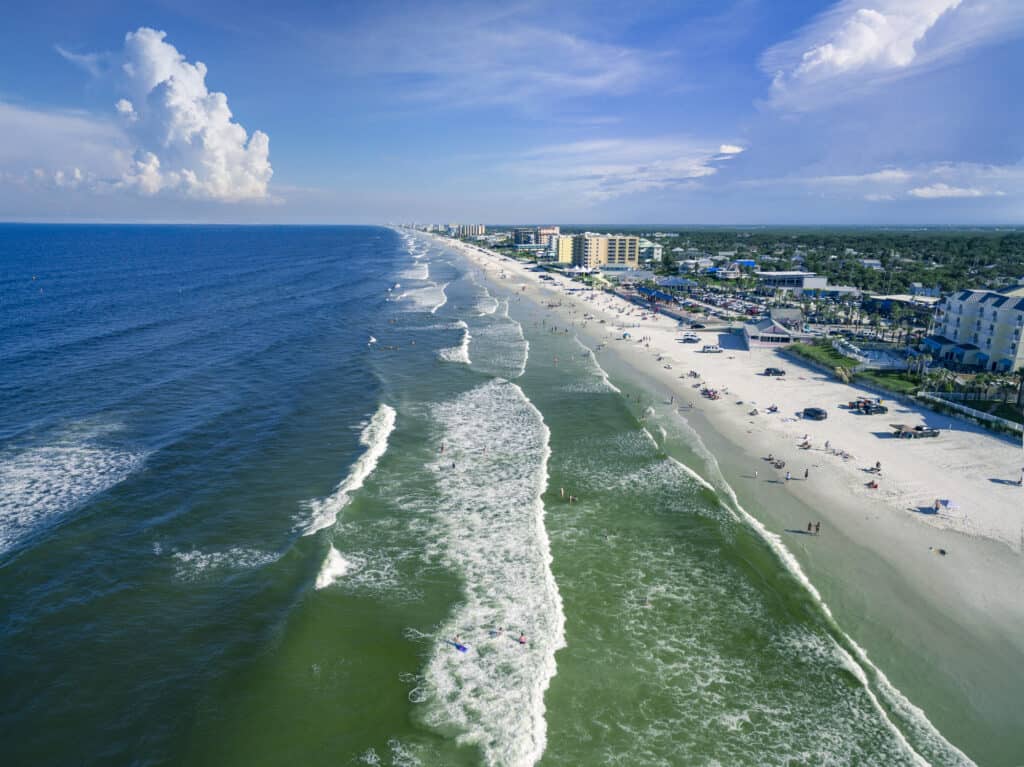
Despite its beauty, New Smyrna Beach holds the title of being home to the most shark bites in the world.
©iStock.com/Javier_Art_Photography
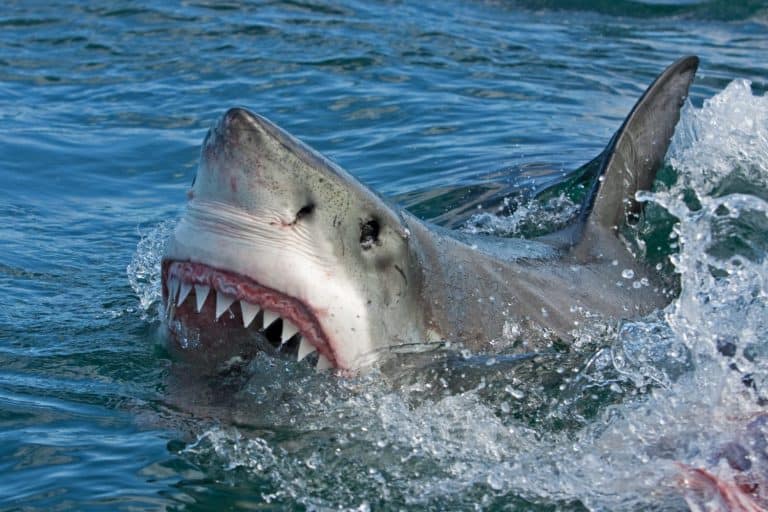
The majority of shark “attacks” are actually bites. Typically referred to as “hit and runs,” sharks quickly realize their mistake in biting humans and back off. New Smyrna Beach sees anywhere from five to ten of these bites per year, which adds up quickly.
They happen most often during Florida’s warmer months, which are April through October. Most of these bites are also from juvenile sharks, and there’s a reason for that. However, it’s crucial to recognize that there have never been any fatal shark attacks at New Smyrna Beach or within Volusia County. Additionally, the majority of bites happen on limbs, primarily legs. All of this paints a clear picture that humans are not what sharks are hunting in Volusia County waters. But humans do share the water with what sharks are really after.
The Ideal Hunting Ground for an Apex Predator
New Smyrna Beach continues to be recognized as being home to the most shark bites in the world in 2026. In reality, it will likely remain that way due to its natural conditions. Its geological position offers the perfect shelter, feeding, and nesting ground for many sharks, including some that have bitten humans. Ponce Inlet provides much-needed protection for nursing sharks and their prey. As a result, sharks follow schools of fish through the inlet and chase them along the beach.
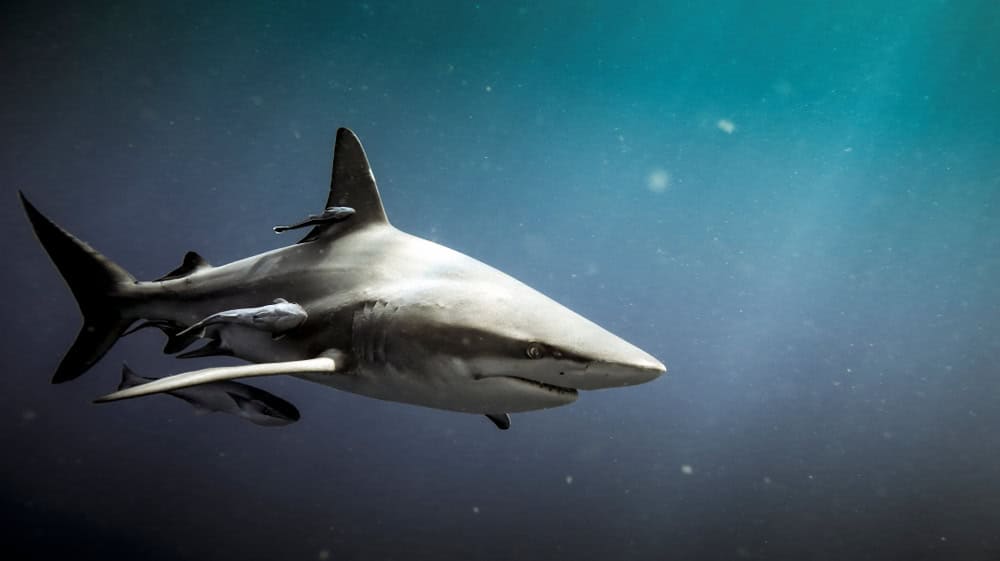
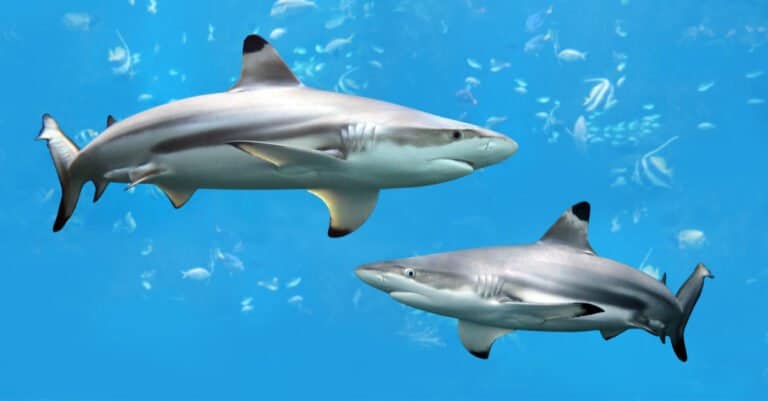
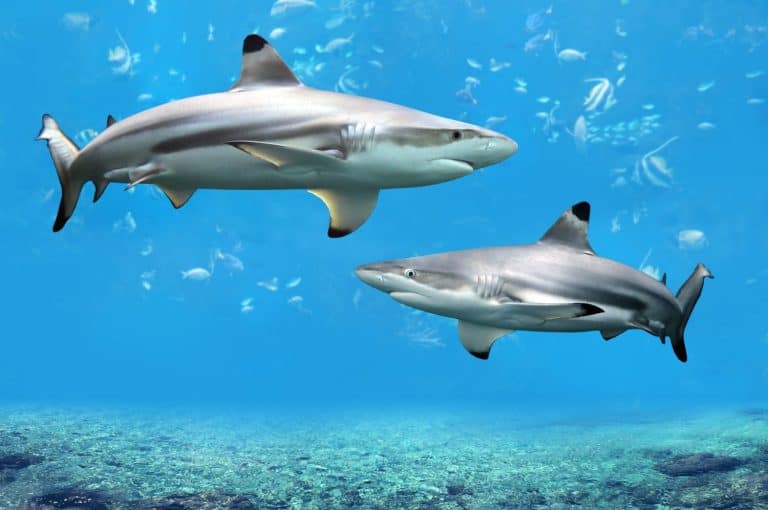
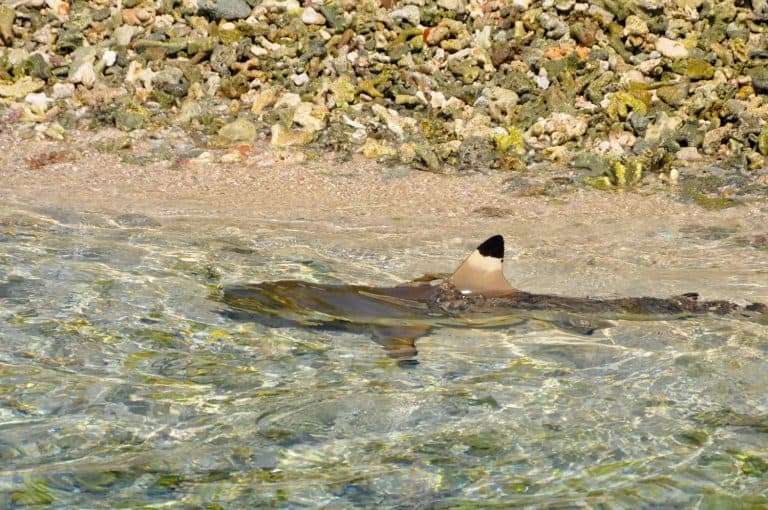
Blacktip sharks are common in Florida’s waters, and the Ponce Inlet provides ideal hunting grounds for juveniles.
©Longjourneys/Shutterstock.com
This often leads some as far as the Indian River Inlet, which is much farther inland than sharks are typically found. Murky waters, combined with schools of fish that swim just below the surface, become the perfect storm. Any humans in the water are unable to see sharks coming, and sharks suddenly can’t discern between a fish or a human foot. Outside of the typical beach, it’s easy to let your guard down without realizing that these highly efficient swimmers and hunters exist not just in the ocean.
While the Indian River Lagoon functions as the ideal estuary for many shark prey, the Ponce Inlet at its opening is an extremely popular surfing spot. This causes another issue between humans and sharks, adding to the confusion about whether human limbs are food.
Human-Shark Encounters Are Unavoidable
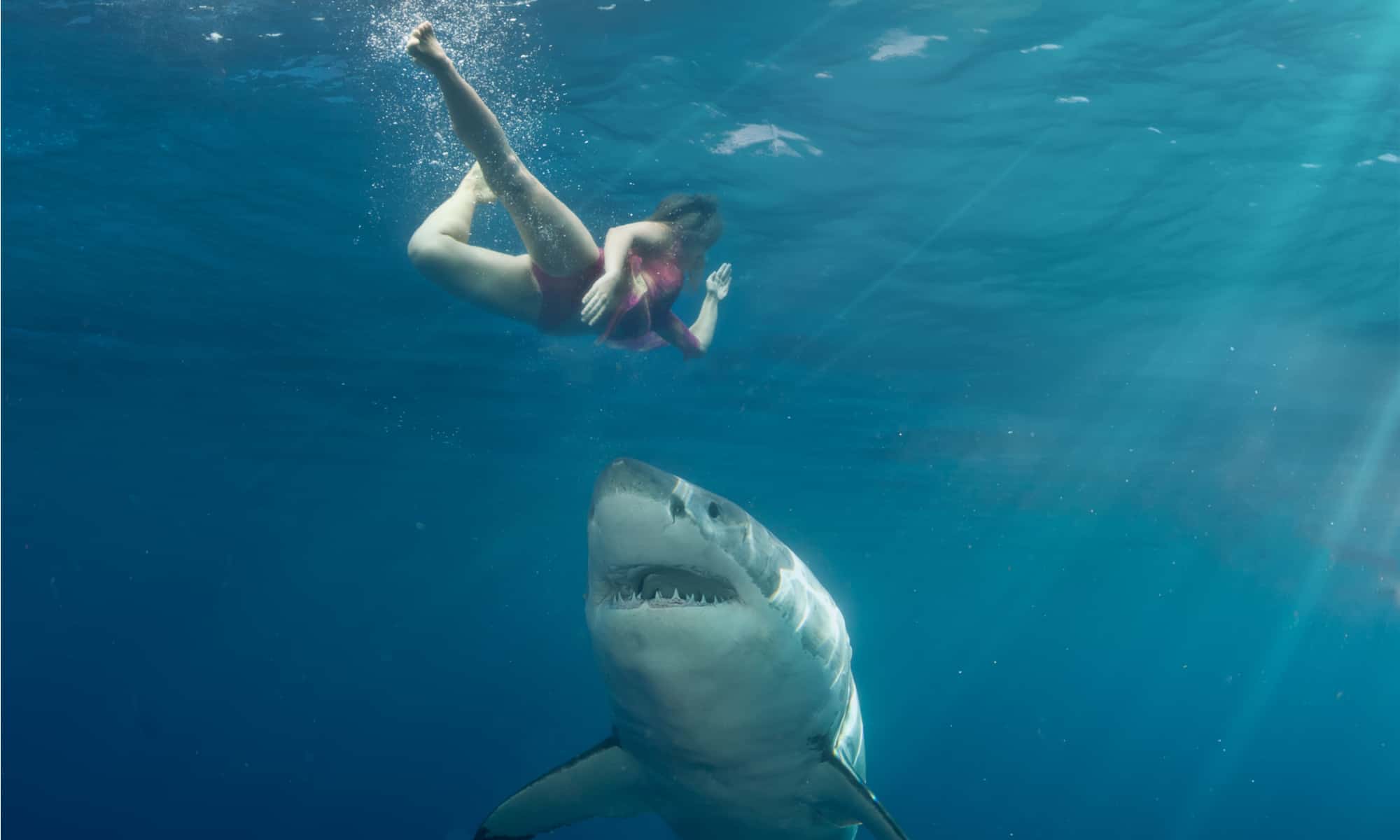
Significant crowds of surfers visit New Smyrna Beach annually. Given this number, fewer than ten shark bites don’t seem that significant. However, the reason there are any at all has plenty to do with increased human activity. The more people are in the water, the more likely someone is to be mistaken for a meal. However, the evidence of sharks being mostly uninterested is right in front of us — their one-bite-and-done nature proves they bite by mistake, not by intention.

Surfers commonly have run-ins with sharks due to the nature of the sport and its location.
©Wirestock/ via Getty Images
In July 2025, a Florida surf instructor was bitten while surfing at New Smyrna Beach. Sam Hollis suffered a bite to his foot, which pulled him off his surfboard. A swift kick to the shark caused it to release its grip, allowing Hollis to swim safely to shore. His injuries were non-life-threatening, and he was planning to be back in the water almost immediately.
Hollis’s incident proves that, while human-shark interactions are not unavoidable, they are accidental. He represents one of thousands of Florida surfers who respect the water and recognize that humans are in shark territory. The majority of shark “attacks” are survivable, with wounds that leave no lasting damage. Severe bites have been documented, but they typically result from unusual circumstances.