
Quick Take
- All three victims shared one activity before being attacked, an activity that may have triggered the sharks in ways most ocean-goers never realize. See how spearfishing attracts sharks →
- Seasonal shark surges happen every year off Australia's coast, but they don't normally produce this many deaths, which suggests something else is likely at play. Explore seasonal shark surges →
- The shark species most dangerous to divers in these waters may not be attacking them on purpose, and that distinction is what makes it even more deadly. See which species are deadliest →
- One sound spearfishers make underwater can condition nearby sharks to close in before any blood even enters the water. Learn about speargun conditioning →
For the third time in less than one month, a fatal shark attack occurred off the Australian coast. Shark attacks on the coast of Australia are not unheard of, with an average of 27 shark incidents each year, according to the Taronga Conservation Society Australia. However, the fatality rate is much lower at just 2.7 deaths each year.
So, three shark attack fatalities in such a short timespan seem to be well above average.
What Happened In the Latest Attack?
The most recent attack happened off Michaelmas Island in Western Australia, a nature reserve and popular diving spot about 250 miles southeast of Perth. A 35-year-old man, who has not yet been publicly identified, was returning to his boat after a family spearfishing expedition. The June 6th attack occurred around 11:25 a.m. local time.
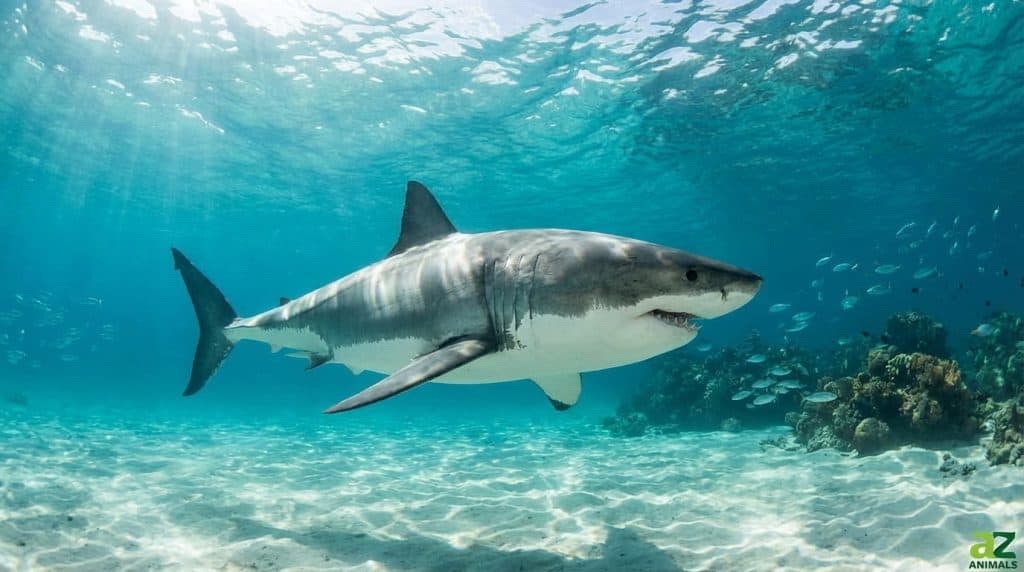
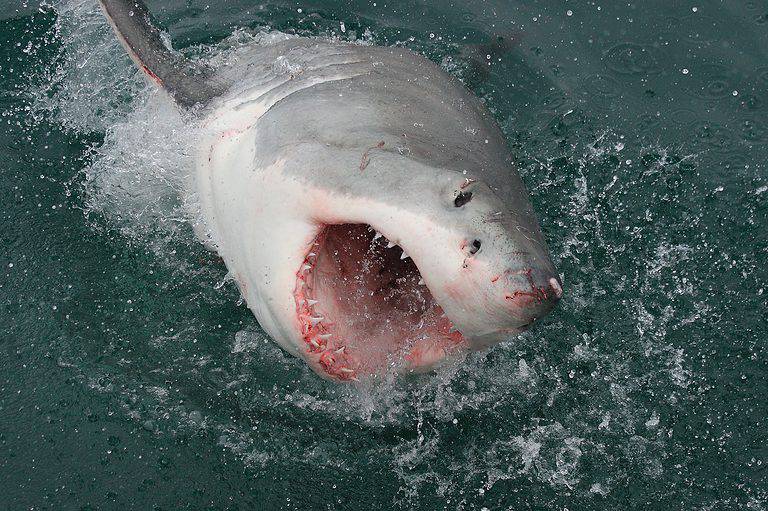
Great white sharks are one species of shark involved in fatal attacks on humans.
©A-Z Animals
Witnesses on the boat said they saw the shark approach but could not identify the species. The man was taken by boat to shore, where paramedics were unable to revive him. Shortly after the attack, officials observed a shark of an unknown species, approximately 4.5 metres (14.8 feet) long, in the area of the attack. The Western Australia Department of Primary Industries and Regional Development later issued a warning to comply with beach closures and exercise extreme caution in the water.
Details on Other Shark Attacks In the Area
The attack has put ocean users, surfers, and divers on high alert. Just three weeks earlier, on May 16th, in the same region, 38-year-old spearfisher Steven Mattaboni was bitten in the legs and fatally injured while swimming back to his boat near Rottnest Island, off Perth. Friends swimming with him witnessed the attack and believe it was caused by a great white shark, estimated to be about 13 feet long. Mattaboni is survived by his wife and two young daughters.
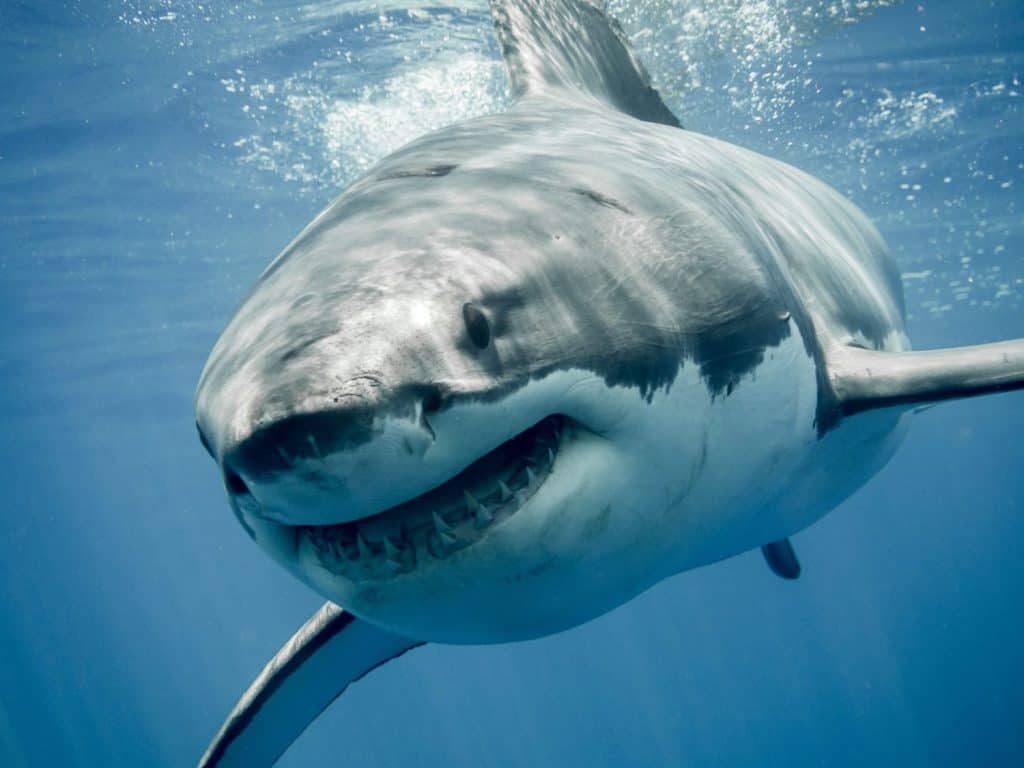
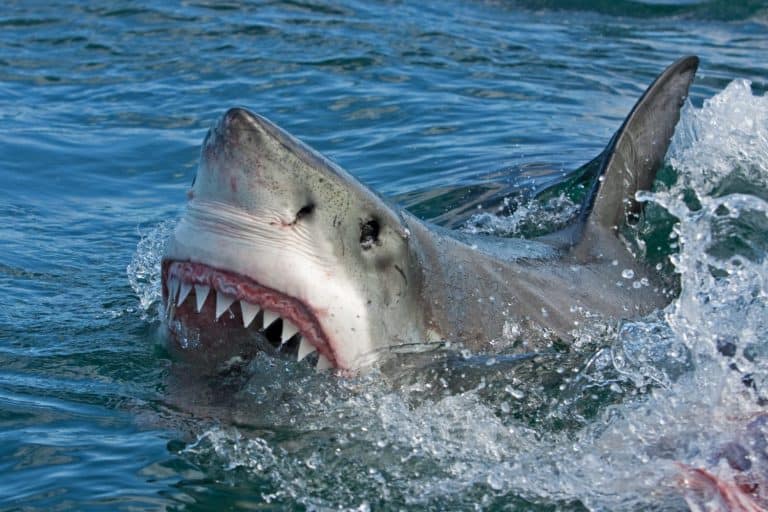
Witnesses to one of the three recent fatal attacks believe a great white shark was involved.
©Ramon Carretero/Shutterstock.com
Just a few days later, on May 24th, an unidentified 39-year-old man spearfishing with friends at Kennedy Shoal on the Great Barrier Reef was also killed in a shark attack. Another person who was in the water at the time retrieved the man’s body and brought it back to the boat. The victim, who sustained a critical head injury, was declared deceased upon arrival at shore. Witnesses to the attack were unable to identify the type of shark that attacked the man.
Are Increased Shark Numbers Behind the Attacks?
Commercial fisherman Gregory Sharp spoke to Australian news shortly after the June 6th attack. He said there has been an uptick in shark activity in the area in recent weeks. “We do see an increase in larger sharks this time of the year, particularly chasing the sardine and the salmon along the coast, which is quite normal,” he said in a news story about the incident.
He also noted in the same interview that large shark activity increases in areas where there is a large seal population, such as King George Sound. Michaelmas Island, where the latest attack took place, sits within King George Sound.

New Zealand fur seals are often found in King George Sound off Australia’s southeast coast.
©iStock.com/Cheryl Ramalho
But a higher volume of sharks in the area likely isn’t the only cause. Otherwise, annual shark attack statistics would reflect that seasonal increase.
Is Spearfishing a Cause?
All three reported incidents involved victims who were spearfishing before each attack.
Sharks are highly attuned to low-frequency vibrations in the water, the kind that a speared fish makes as it thrashes violently on the line. Sharks can detect these vibrations from up to about 100 meters (330 feet) away using their lateral line system. When a shark senses the vibrations, it signals injured prey that makes an easy target.
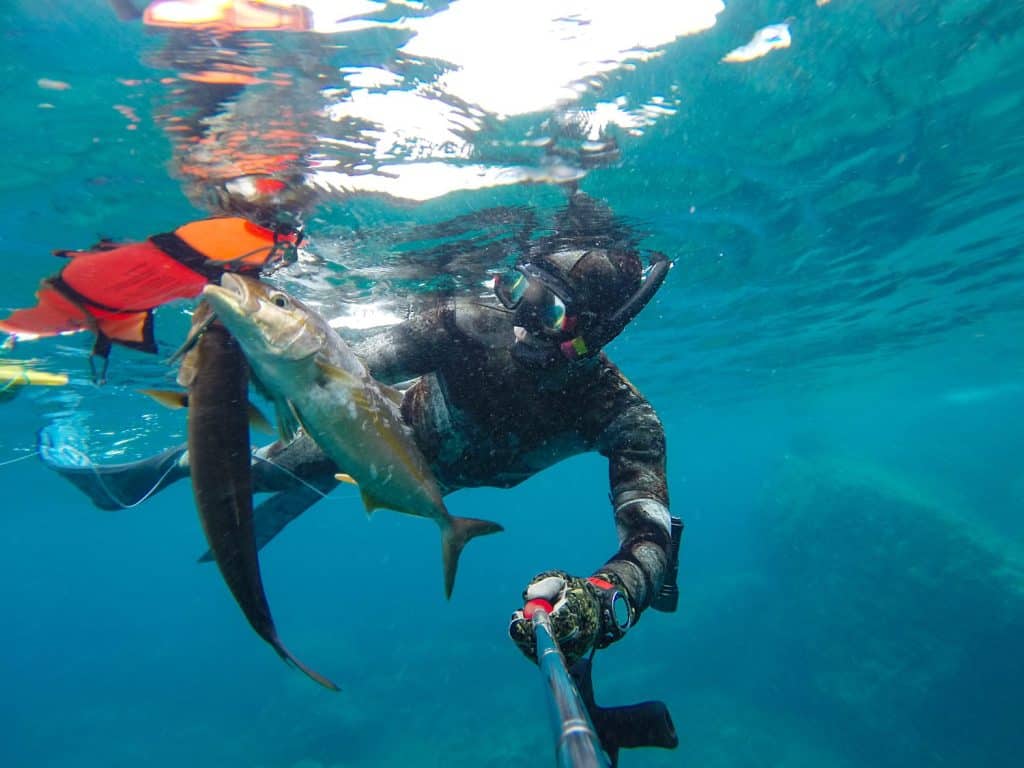
Spearfishing activity is associated with all three fatal shark attacks in Australia.
©YanLev Alexey Sizov/Shutterstock.com
Additionally, when a fish is speared, blood and body fluids are released into the water. Sharks can detect even the tiniest amount of blood, as little as one part per million. As the ocean current carries the scent trail through the water, sharks are alerted to the possibility of an easy target.
Sound could also be a trigger. When a speargun is fired, it emits a distinctive metallic sound. For sharks accustomed to hunting in popular spearfishing areas, the sound can alert them that injured prey will likely be found near the sound.
When spearfishers are successful, they often tether their catch to themselves. Those bleeding fish act like a trail map that leads an interested shark directly to the diver. Additionally, when divers remain in an area for an extended period of time, it allows sharks ample opportunity to pinpoint the scents and sounds as they move in to take a closer look.
Which Shark Species Are Most Reactive to Spearfishing?
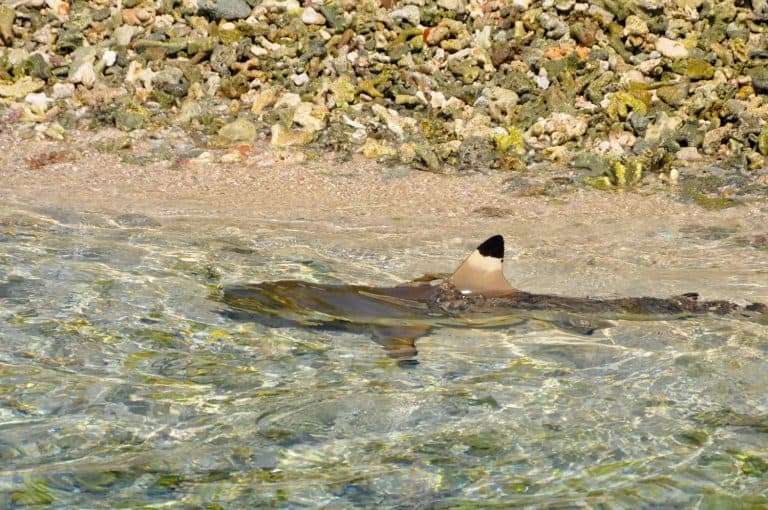
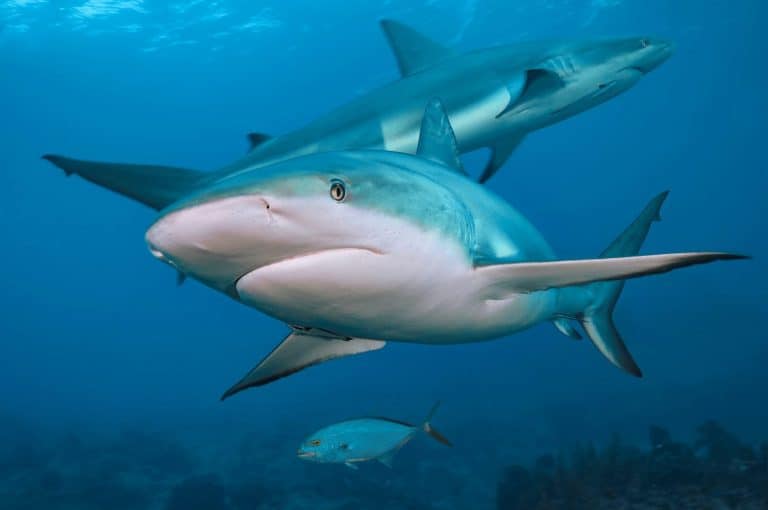
Reef sharks are some of the quickest to arrive at the spearfishing scene. They have very sensitive hearing and can quickly identify the sound of thrashing, wounded fish. The good news is that generally they pose little risk to humans. However, when a large number of reef sharks congregate in an area, they can become aggressive and competitive.
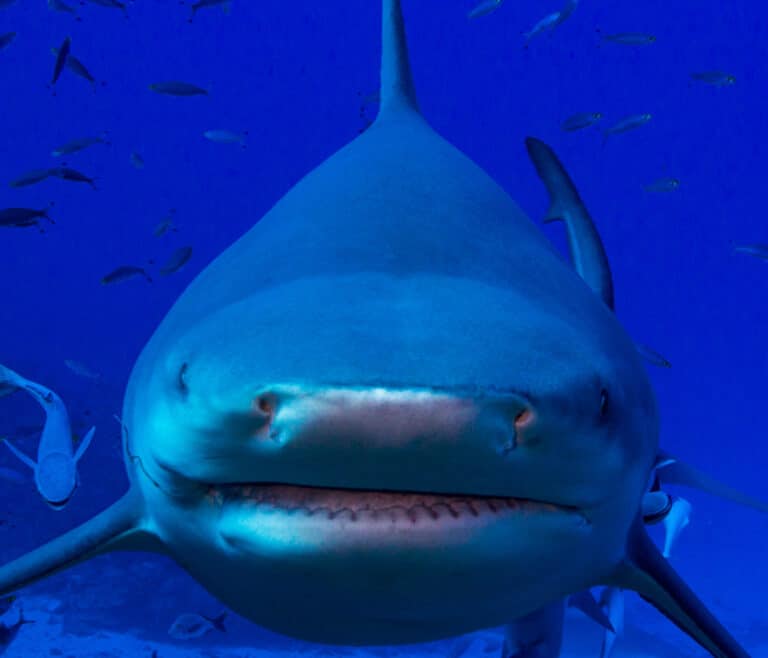
Bull sharks are another species that is known to pursue spearfishing activity. They are aggressive by nature, and witnesses have seen bull sharks steal fish off the spear tip. Also, unlike their less aggressive reef shark counterparts, bull sharks will also stick around, circling spearfishers and eventually charging to get at the caught fish.
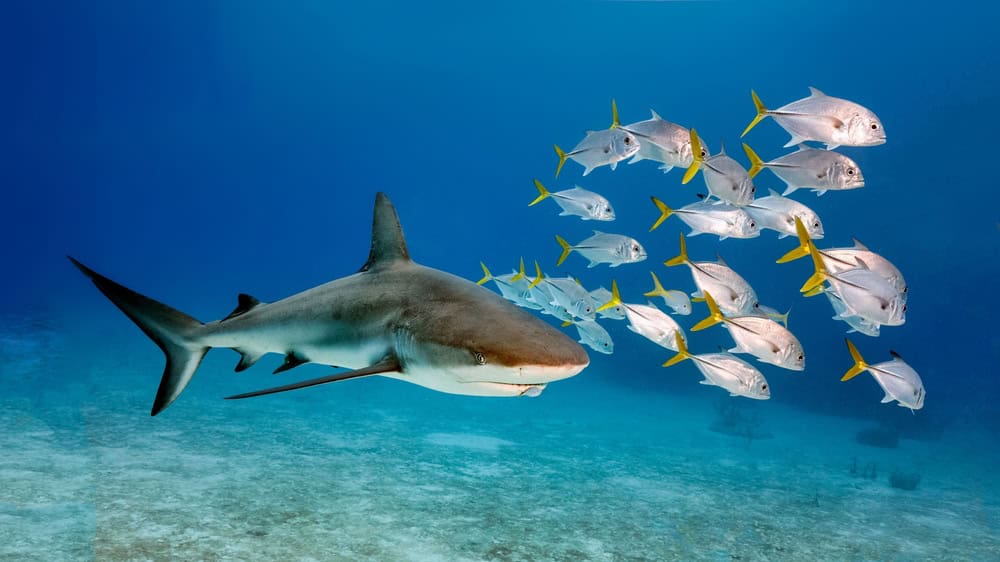
Bull sharks are aggressive by nature.
©Wirestock Creators/Shutterstock.com
But in Australian waters, one shark is more commonly seen: the great white shark. While these recent attacks are not factually attributed to a great white, the inference is strong. Even if great whites do not intend to prey on spearfishers, a single “test bite” from these large apex predators can be fatal.