
Quick Take
- One creature on this list looks grotesque and monstrous, but only after it's dead. Alive, in its natural habitat, it looks completely normal. Blobfish's deceptive appearance →
- Early European explorers heard locals describe a giant reptilian predator, but they dismissed the accounts as myth. That skepticism lasted only until they arrived on the island themselves. How dragon legends proved real →
- Several legendary sea monsters were real animals that sailors genuinely encountered and had no framework to explain. Sea monsters that were real →
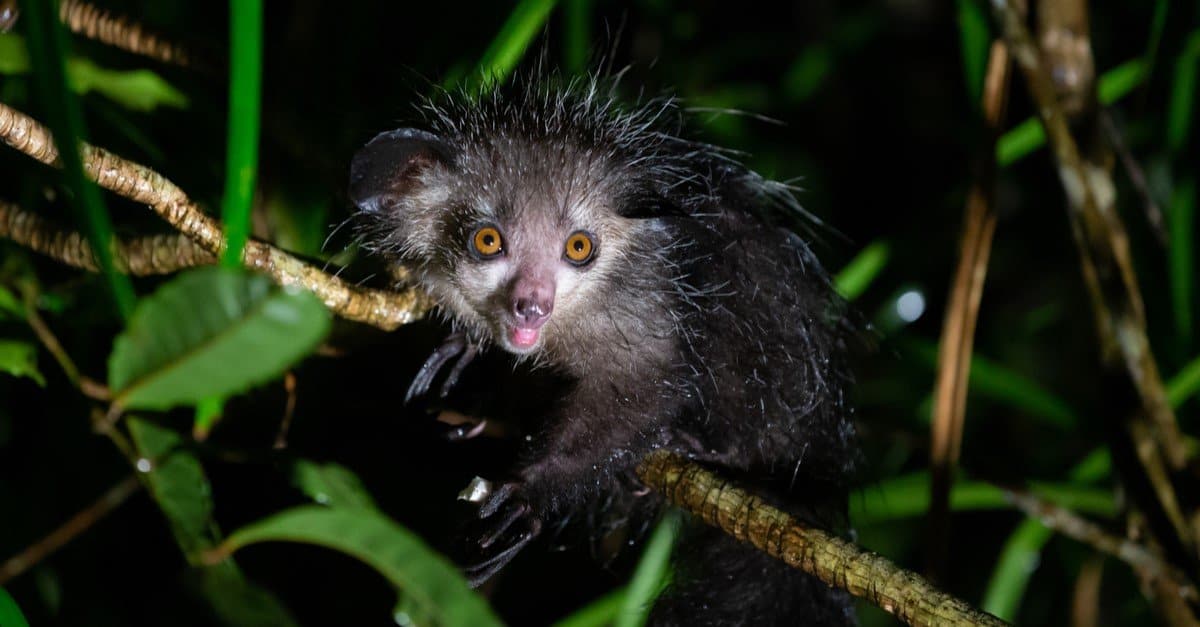
- One animal on this list is considered an omen of death in local folklore, a reputation that becomes surprisingly hard to dismiss after just one look at it. The aye-aye death omen →
Centuries before modern science could more accurately explain the natural world, brief animal sightings often inspired terrifying legends of mysterious beasts, scaled dragons, and sea serpents. These so-called monsters were found in various locations and featured a host of horrifying characteristics, from elongated tentacles to reptilian scales. Despite being well-studied in present-day, some of these creatures still seem more at home in a horror movie than a nature documentary. Luckily, scientific understanding means these animals no longer fuel our nightmares. But they continue to fascinate in plenty of ways.
Giant Squid
©A-Z-Animals.com/N/A
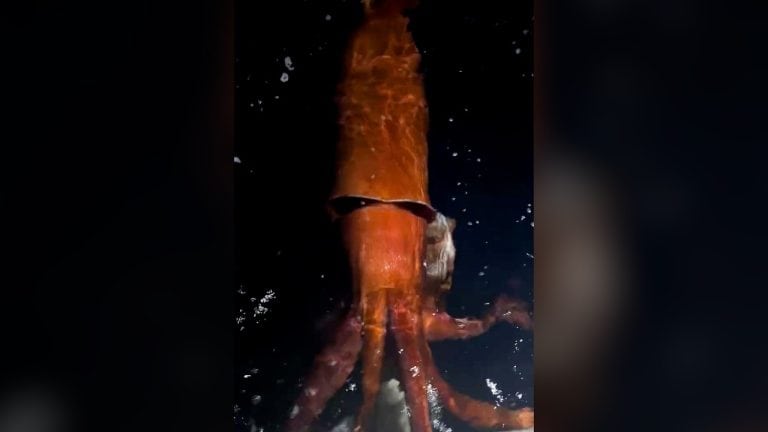
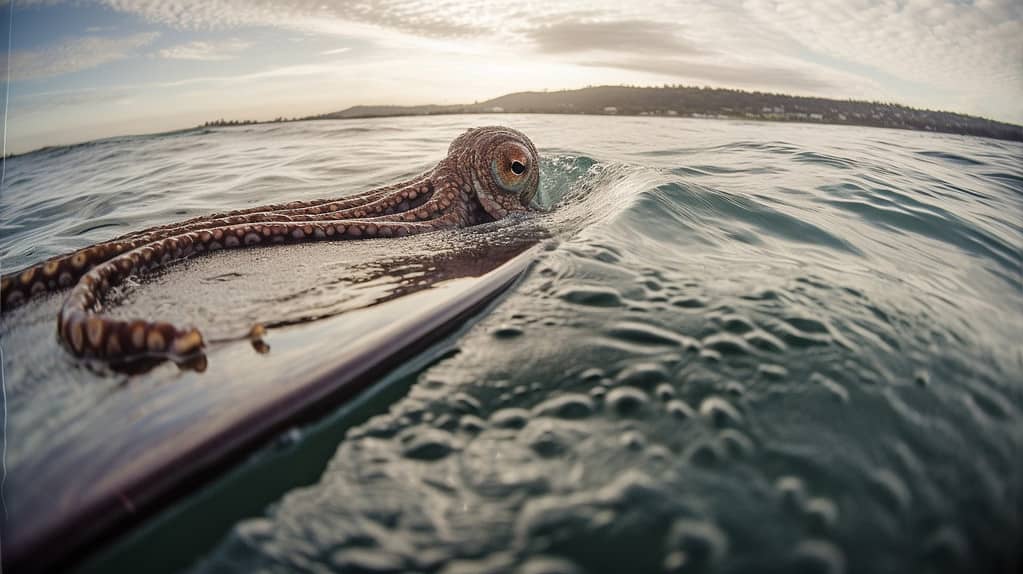
For hundreds of years, sailors told horror stories about enormous tentacled monsters hidden beneath the ocean’s surface. Many historians believe these legends were inspired by sightings of the giant squid. These elusive deep-sea animals don’t just have massive eyes and multiple powerful arms; they can also grow up to 40 feet long. Because they spend most of their lives in the deep sea, giant squids remained unknown and mysterious for generations. When they did suddenly emerge from the depths, we can only imagine what unsuspecting sailors believed they had encountered. Even today, seeing one in the wild is incredibly rare.
Oarfish
©Dotted Yeti/Shutterstock.com
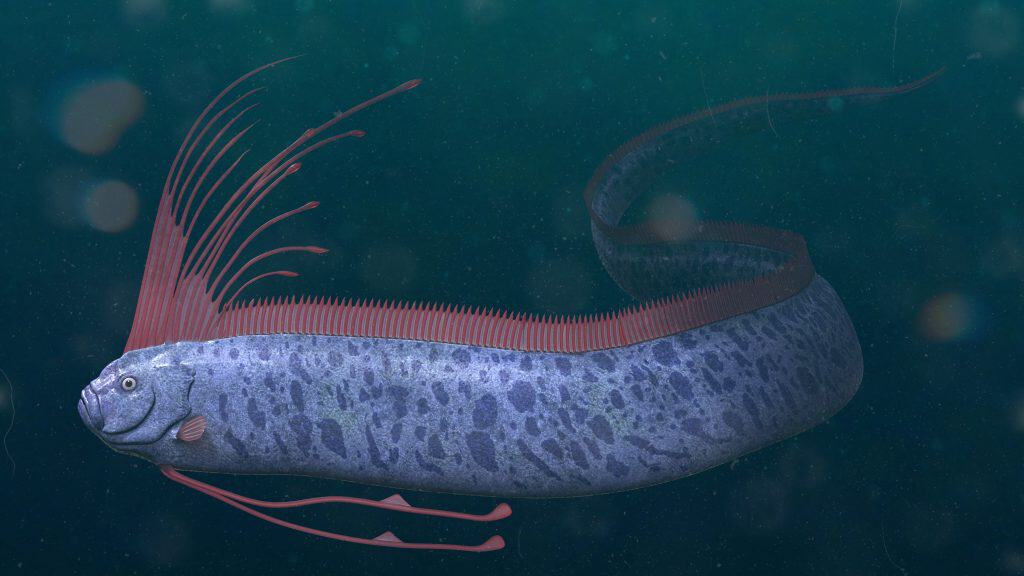
If you’ve never seen a photo of a particularly large specimen of a full-grown oarfish, you might not believe they exist. The oarfish looks exactly like what you might picture if I said the words, “massive sea serpent.” These deep-sea fish can grow more than 30 feet long and have ribbon-like bodies. Sick oarfish occasionally wash up on shore in certain areas of the world, shocking even modern-day beachgoers. Before marine biology, sightings of these snakelike creatures led to legends of giant sea monsters. Seeing one swim through the water was likely very unsettling.
Goblin Shark
©Peter Halasz / CC BY-SA 3.0 / Wikimedia Commons – Original / License
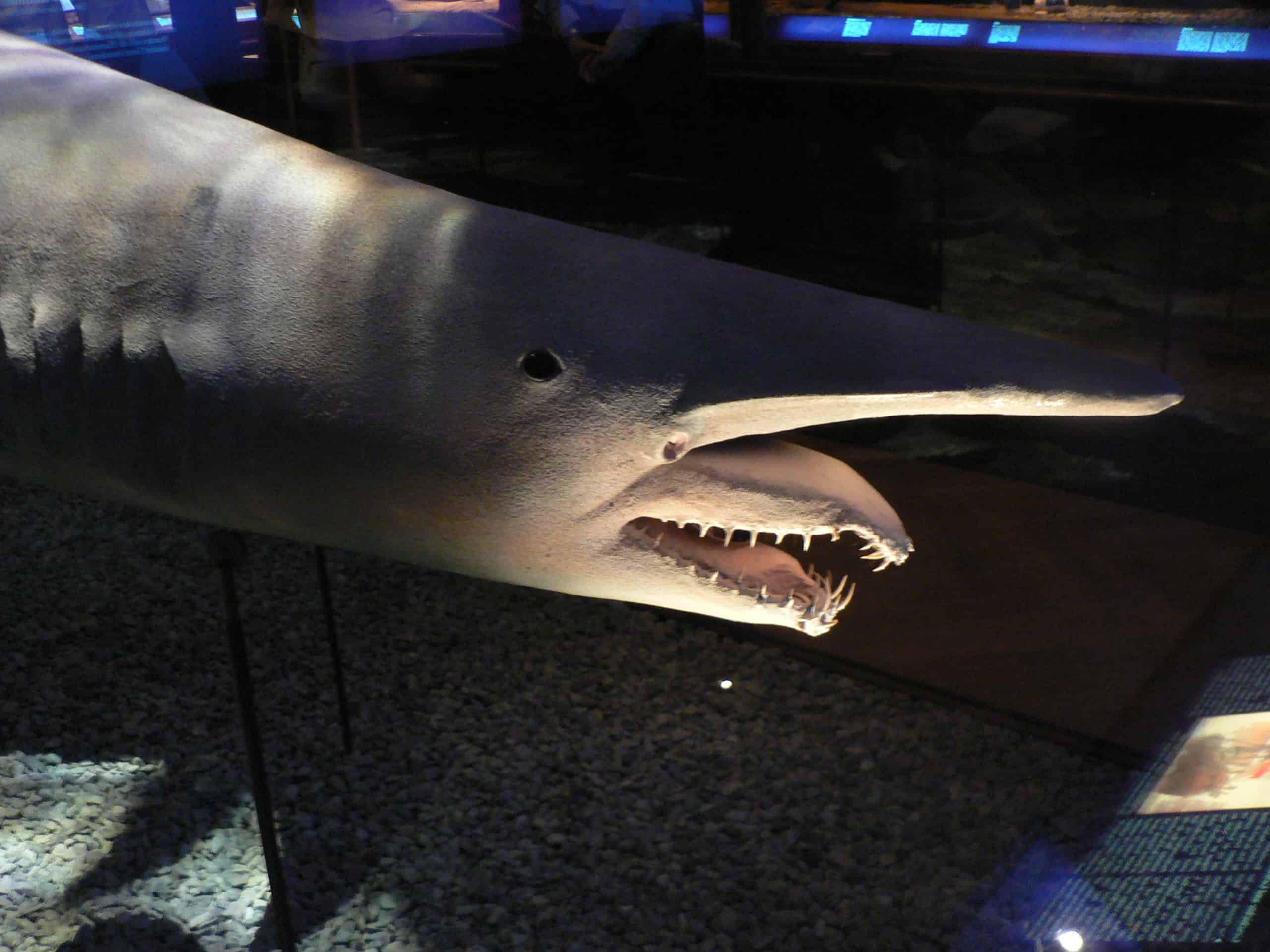
One look at the face of a goblin shark and it’s certainly not difficult to understand how these fish could have haunted sailors in the past. Nicknamed the “hobgoblin shark” in Spain and the “imp shark” in France, the goblin shark is likely the strangest-looking shark ever discovered. Its long top snout and exposed teeth make it resemble a monster more than a real animal. Its behavior is also quite monster-like; when hunting, it can suddenly launch its jaws outward to grab prey in a quick motion. Goblin sharks live deep underwater and rarely encounter humans, which likely heightened any accidental sighting. Even today, photographs of them leave people wondering whether the images are real.
Aye-Aye
©Eugen Haag/Shutterstock.com
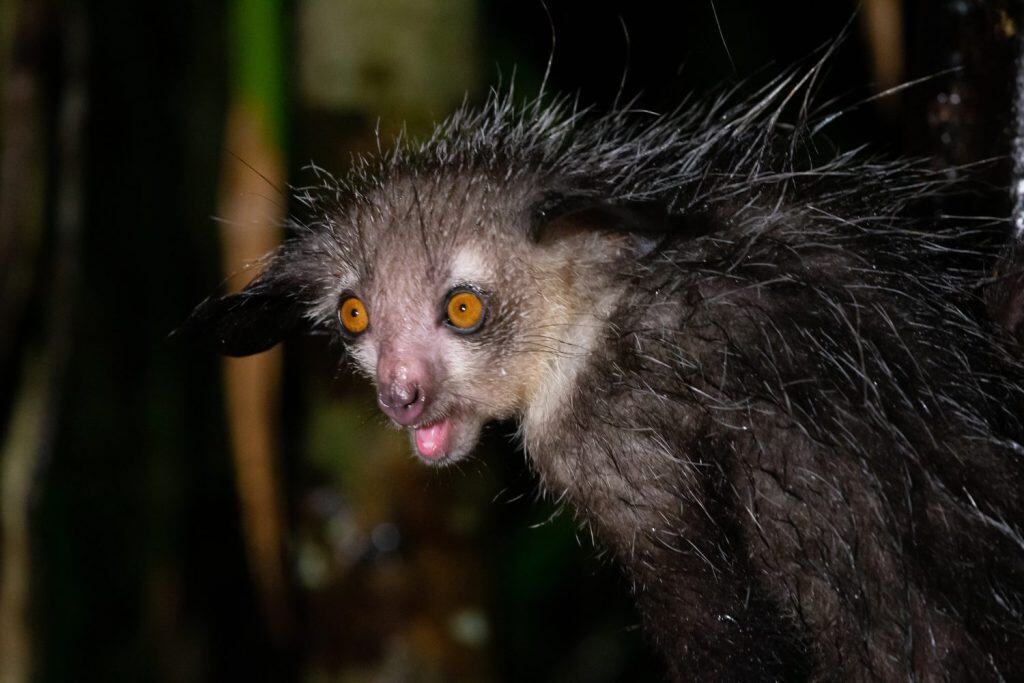
The aye-aye is a bizarre nocturnal primate found only on Madagascar. We can only imagine the shock of early explorers traipsing through dense island jungle and stumbling upon these creatures. With their short stature, enormous eyes, oversized ears, and scruffy fur, they likely looked more like goblins than animals. They have frightened people for centuries. In some folklore, aye-ayes were seen as omens of bad luck or even death. If they weren’t creepy enough, the animals use their long witchy middle fingers to pull insects from tree bark.
Anglerfish
©Neil Bromhall/Shutterstock.com
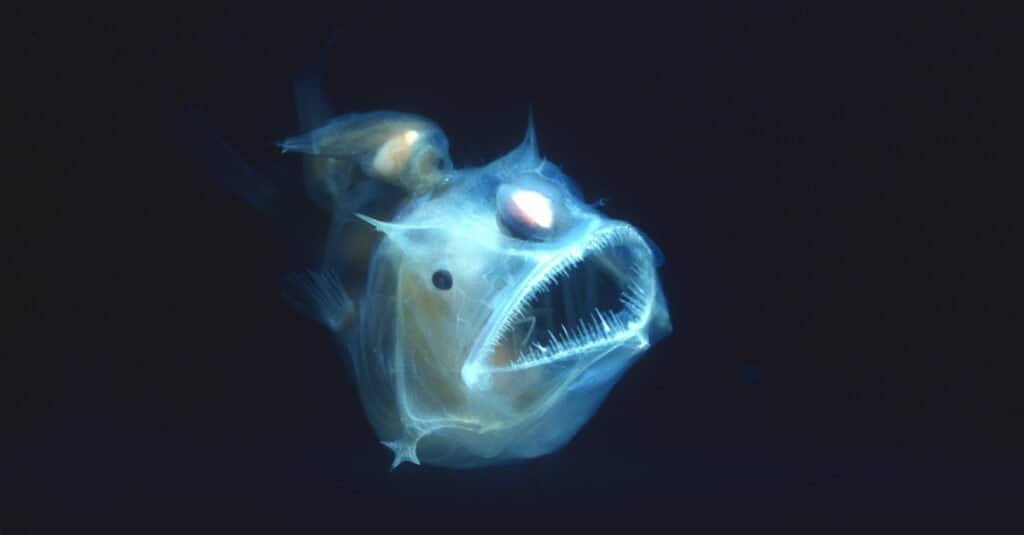
Nothing screams monster quite like the anglerfish. These deep-sea predators look like something pulled directly from a nightmare, with their huge gaping mouths filled with sharp teeth. Female anglerfish can extend their jaw wide enough to consume creatures up to twice their size. To top it all off, they have a glowing appendage that dangles eerily in front of their heads to lure their victims closer. Because they live thousands of feet below the ocean surface, people did not often come into contact with them. But if one of these fish washed up on a beach, it was sure to spook the daylights out of passersby. Recent footage of anglerfish has only strengthened their reputation as real-life marine oddities.
Komodo Dragon
©GUDKOV ANDREY/Shutterstock.com
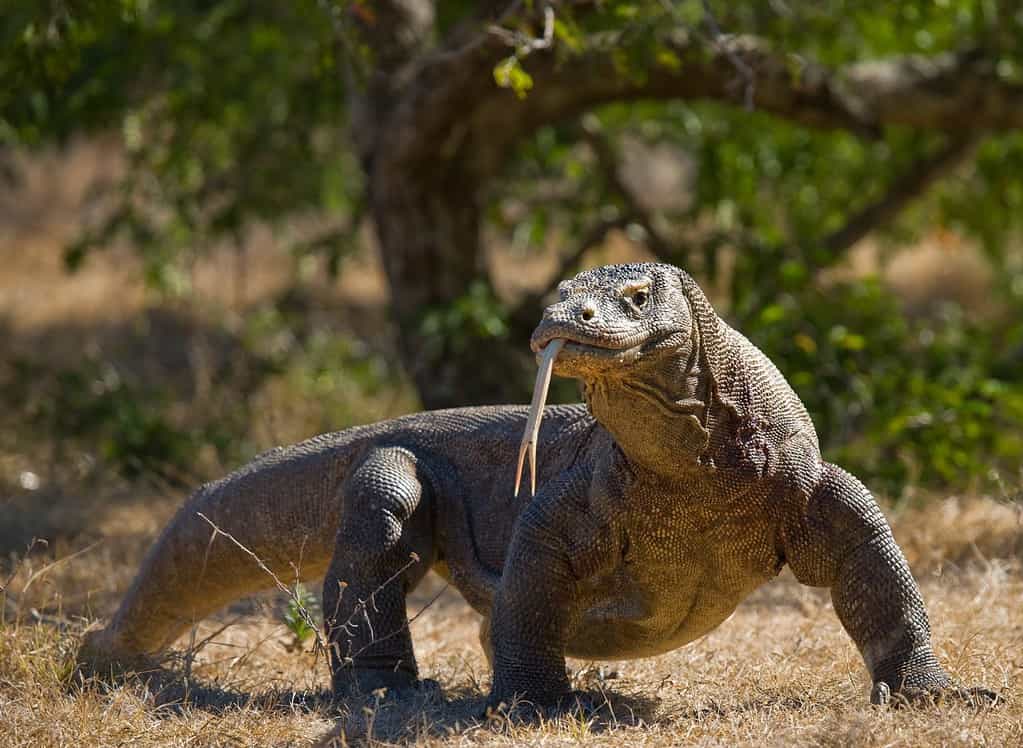
The Komodo dragon is the largest lizard on Earth. With its long neck and forked tongue, it genuinely looks dragon-like in person. Since these massive lizards only inhabit a handful of Indonesian islands, Early European explorers hearing stories about giant reptilian predators likely assumed locals were exaggerating. After all, most of Europe’s lizards can generally fit in your hand. Imagine their reaction when they made it to the island themselves and came face to face with adult Komodo dragons, which can exceed 10 feet in length. Their venomous bite and powerful claws make them extra intimidating. Since they can take down deer, wild pigs, and even water buffalo, these gigantic lizards are fully capable of attacking a person.
Colossal Squid
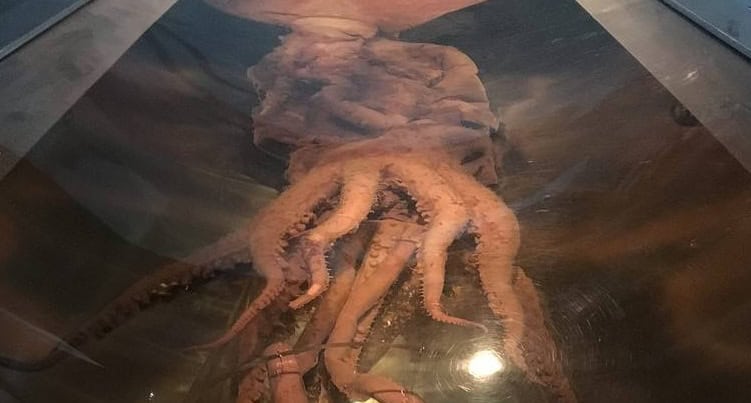
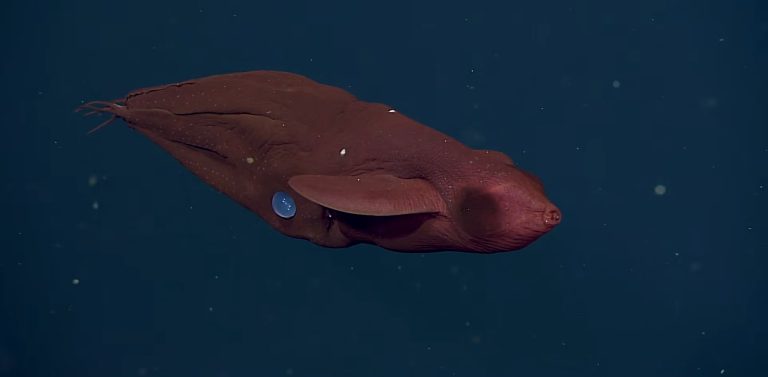
While the giant squid is known for its incredible length, their Arctic cousin, the colossal squid, is significantly heavier and bulkier. Some specimens recovered by scientists have weighed over 1,000 pounds. It also possesses rotating hooks on its tentacles that look especially menacing. Scientists know surprisingly little about colossal squids because they live in deep waters within remote polar regions. As such, they are rarely encountered alive.
Gharial

©Vaclav Matous/Shutterstock.com
The gharial resembles a cartoon crocodile whose snout has been squeezed too tightly. It is one of the strangest crocodilians on Earth thanks to this extremely long and narrow snout. Its mouth is lined with dozens of sharp teeth that give it an almost skeletal appearance. While most crocodilians look muscular and formidable, gharials appear oddly fragile, like you could snap their snout right in half. Still, this bizarrely shaped reptile emerging from muddy water would probably alarm almost anyone.
Frilled Shark
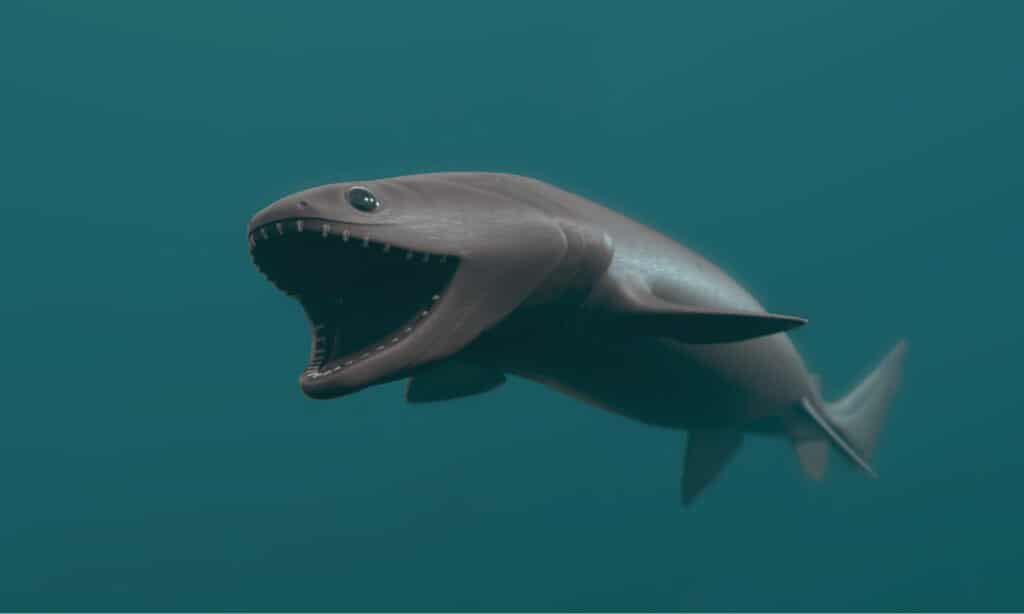
©iStock.com/3dsam79
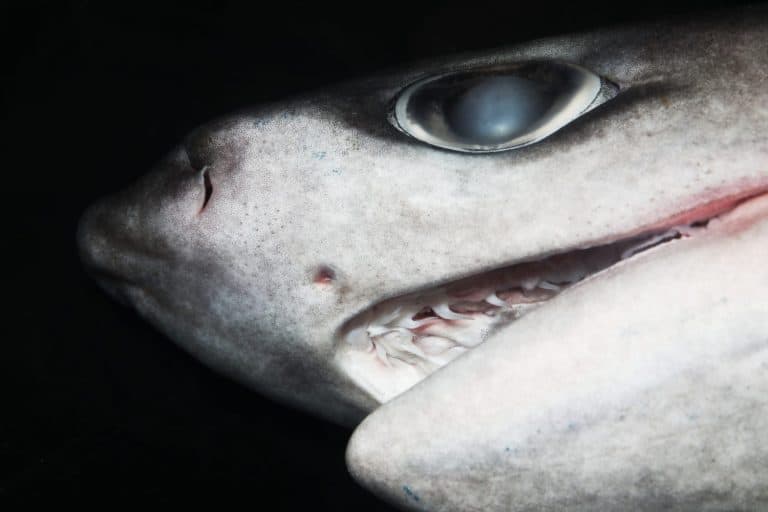
The frilled shark looks less like a modern shark and more like a prehistoric marine creature that went extinct ages ago. In fact, researchers refer to it as a living fossil for this very reason. However, this species is still swimming through our oceans with its long eel-like body. Visible rows of needle-like teeth give it an unsettling appearance. Like other mysterious creatures on this list, frilled sharks inhabit deep ocean waters and are only rarely seen by humans. Encountering one unexpectedly would probably convince many people they had come face to face with a monster.
Blobfish
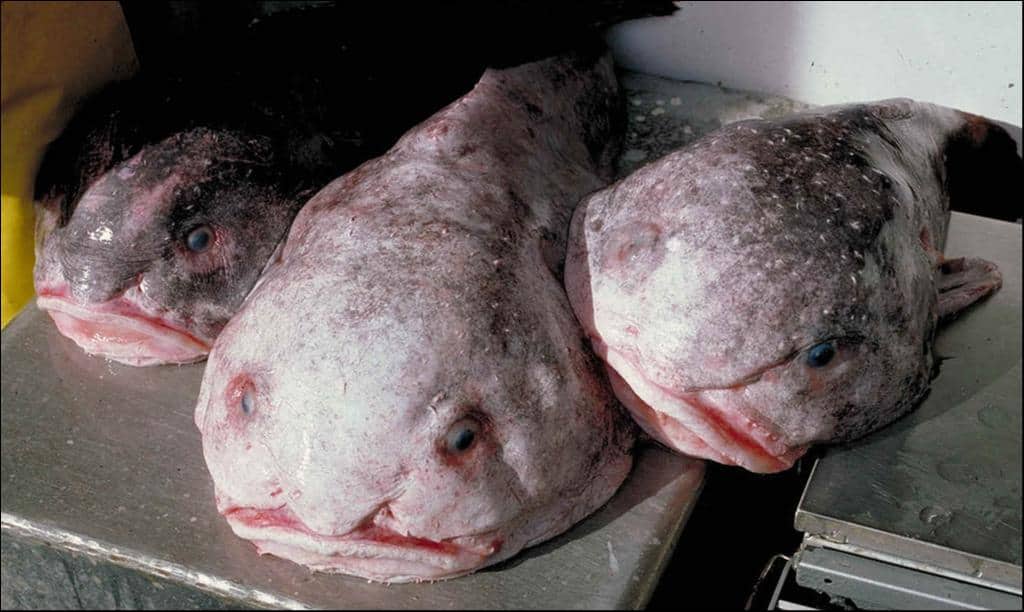
©lacking author information / public domain – Original / License
The blobfish is best known for its downturned mouth, wide droopy nose, and permanently discontent expression. However, blobfish have only been photographed after they have been brought to the surface, where pressure changes alter their bodies. In their natural deep-sea environment, they actually appear much more normal. However, it is likely humans only ever saw dead blobfish floating on the surface, deformed face and all. We can’t think of a more disturbing looking fish.