
Quick Take
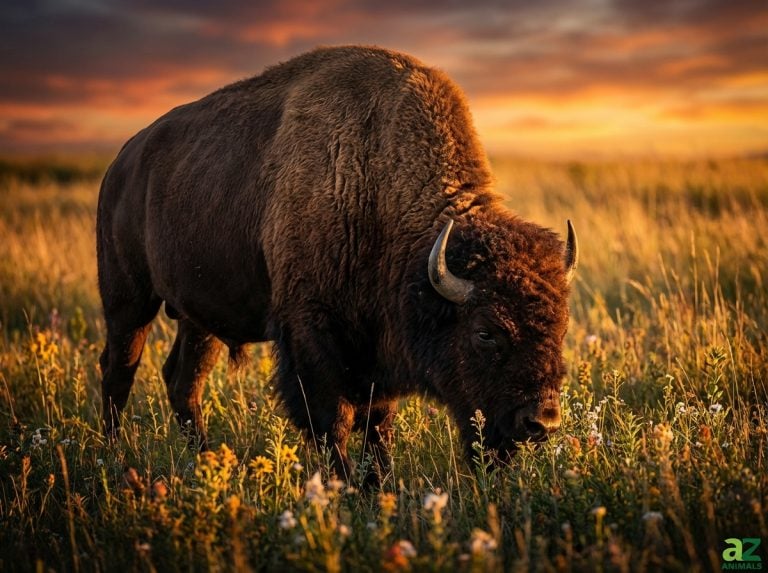
- The plains bison was chosen as North Dakota’s state animal because it reflects the prairie landscape, Indigenous history, and a powerful story of loss and recovery.
- Once nearly wiped out, bison now symbolize resilience, conservation, and renewal across the state.
- Today, living herds connect North Dakota’s past, ecology, and cultural identity in a single enduring emblem.
Several years ago, I had the chance to drive around the Dakotas and was struck by the haunting beauty and the sheer immensity of the landscape but also its utter emptiness. Our family drove long stretches of highway without a house, fence, wild animal, or even a bird in sight. Maybe it was the time of year or the time of day, I don’t know. It felt like an ecosystem waiting for something that was no longer present. Looking at the history of North Dakota, that feeling was warranted. What was missing was the plains bison, which once roamed this landscape in the millions.
As I learned more about the bison’s story, I discovered that the species is recovering well despite coming close to extinction. The state selected the plains bison as its official animal because it embodies core values leaders wanted to highlight: expansive grasslands, resilience, deep Indigenous roots, and a recovery story that transformed a nearly lost species into a living symbol. Today, bison on public lands and private ranches remind visitors that this animal still represents endurance, survival, and respect for the prairie landscape.
A Symbol of the Prairie Past
When North Dakota lawmakers considered official state symbols, the bison stood out as the animal most closely tied to the region’s history. Before large-scale commercial hunting in the nineteenth century, vast herds of plains bison moved across what is now North Dakota, shaping grasslands and sustaining Indigenous nations such as the Mandan, Hidatsa, Arikara, and Lakota. These herds influenced plant growth, soil health, and seasonal movement patterns across the plains.
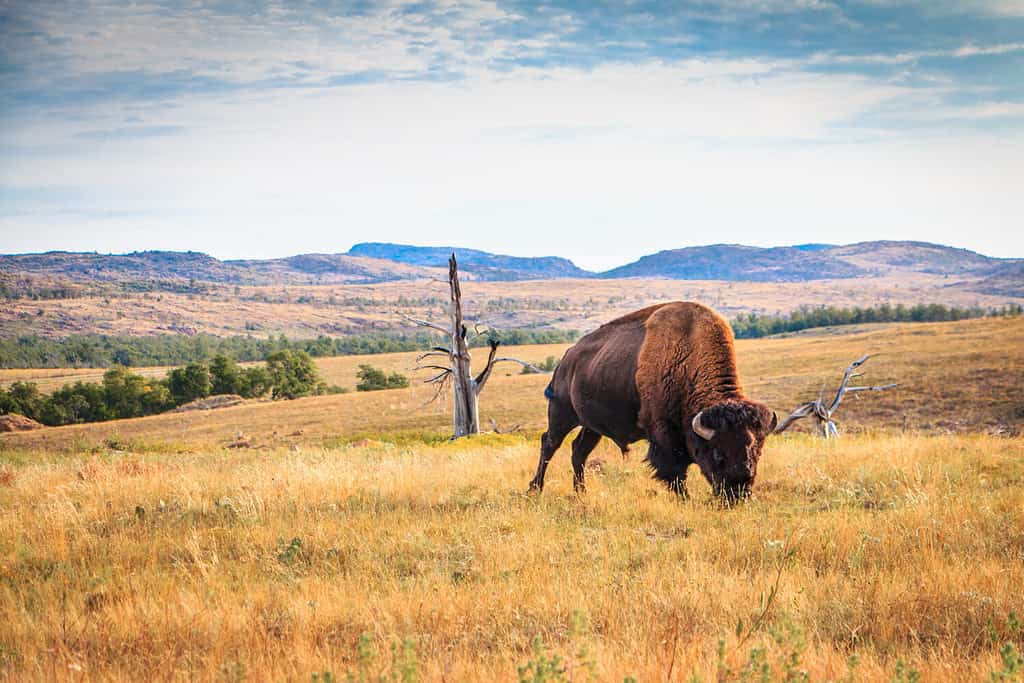
Bison once shaped the landscape and now remain a symbol of resilience and renewal on North Dakota’s prairies.
©angie oxley/Shutterstock.com
As Euro-American settlement expanded westward, unregulated hide hunting, railroad access, and disease devastated bison populations. Within a few decades, wild herds collapsed to only a small number of survivors. That sharp decline, followed by gradual recovery, turned the bison into a symbol of loss and renewal across the Northern Plains. For a state that continues to value its prairie roots, the bison became an obvious emblem of its past and persistence.
The Plains Bison (Bison bison bison)
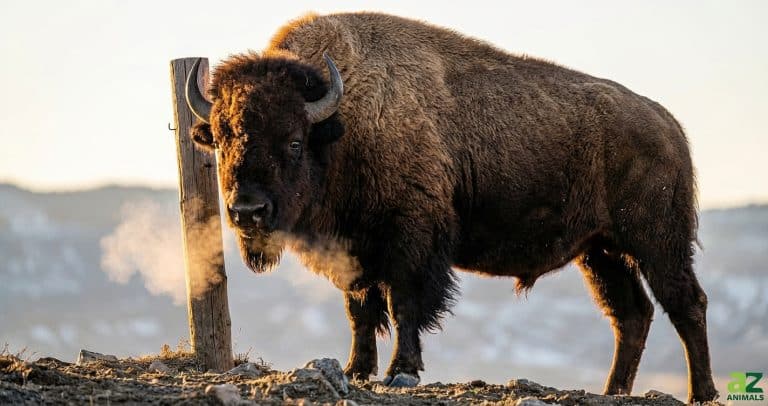
The plains bison is a powerful grazer built for life on open grasslands. Adult bulls can weigh more than 2,000 pounds and stand over six feet tall at the shoulder. A massive head, short curved horns, and a pronounced shoulder hump give the animal its unmistakable profile. Thick fur on the head and forequarters provides protection from winter cold, while leaner hindquarters support long-distance movement in search of forage.
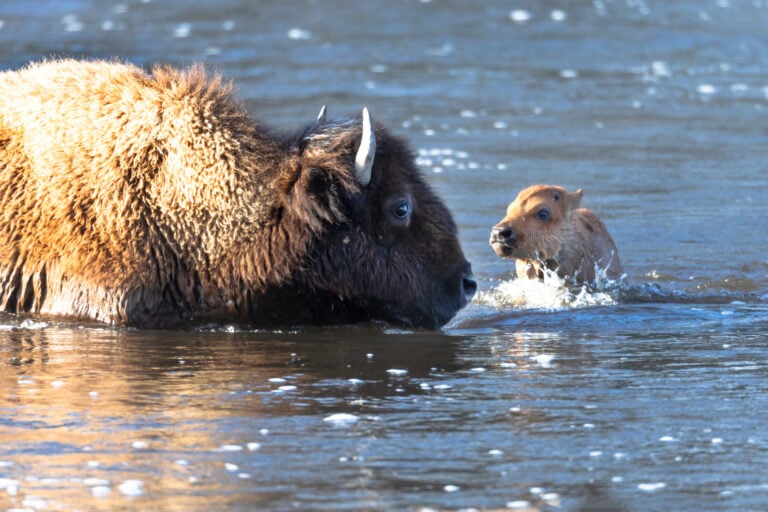
In the spring, calves are born with a lighter reddish coat that darkens as they mature. Bison move in herds, grazing steadily and pausing to wallow or rest. Watching a group feed, run, or cross uneven ground reveals the strength and calm presence that helped secure the bison’s place as North Dakota’s state animal.
Buffalo or Bison? Names and Meanings
Many residents still refer to these animals as buffalo, even though the correct common name is American bison. The plains subspecies is scientifically classified as Bison bison bison. Early European explorers used the word buffalo generically for large, shaggy cattle-like animals, and the term became part of place names, songs, and ranching culture across the Great Plains.
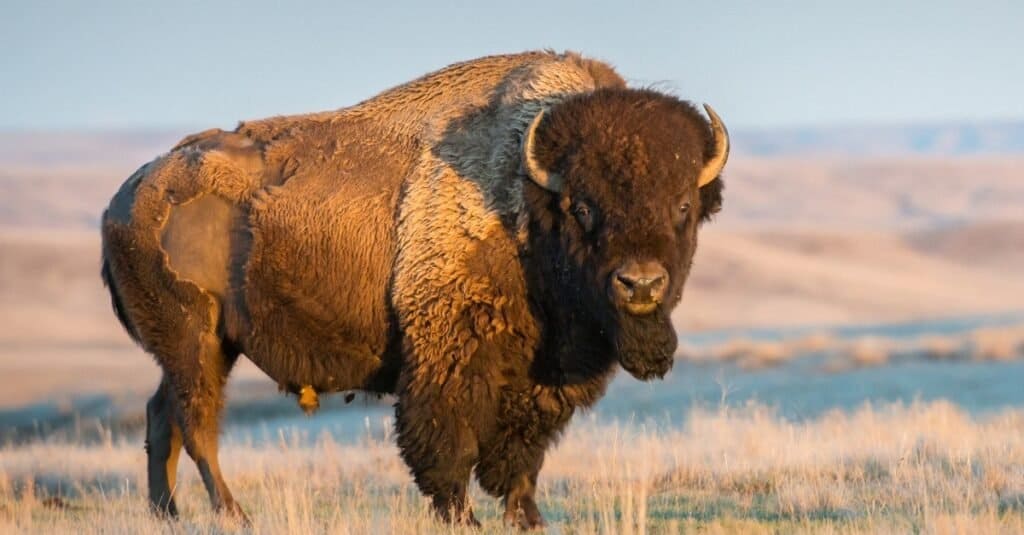
Often called buffalo, the American bison is North Dakota’s state animal and a key species in modern wildlife conservation.
©iStock.com/Jillian Cooper
True buffalo, such as African buffalo and Asian water buffalo, live on other continents and differ in appearance. They lack the tall shoulder hump of a bison and have longer, sweeping horns. In everyday speech, both names remain common in North Dakota, but scientific classification connects the state animal to modern wildlife research and conservation efforts worldwide.
Indigenous Nations and Bison
Long before statehood, Indigenous peoples across the Northern Plains built entire ways of life around the bison. The animal provided meat, hides, bones, and sinew that were used for food, clothing, shelter, and tools. Bison also held spiritual importance, appearing in stories, ceremonies, and teachings that emphasized respect, gratitude, and balance.
The destruction of bison herds in the nineteenth century severely disrupted tribal societies. This removed a central food source and undermined economic independence and cultural continuity. In recent decades, many tribal nations have led efforts to restore bison to reservation lands. These projects support cultural renewal, food sovereignty, and youth education initiatives. By choosing the plains bison as a state animal, North Dakota acknowledges these long-standing connections and ongoing restoration work.
Frontier History and Theodore Roosevelt
The bison is also tied to one of North Dakota’s most influential historical figures, Theodore Roosevelt. During the 1880s, Roosevelt ranched in the Badlands near present-day Medora. While there, he witnessed firsthand how overhunting and land misuse were damaging wildlife populations, including bison.
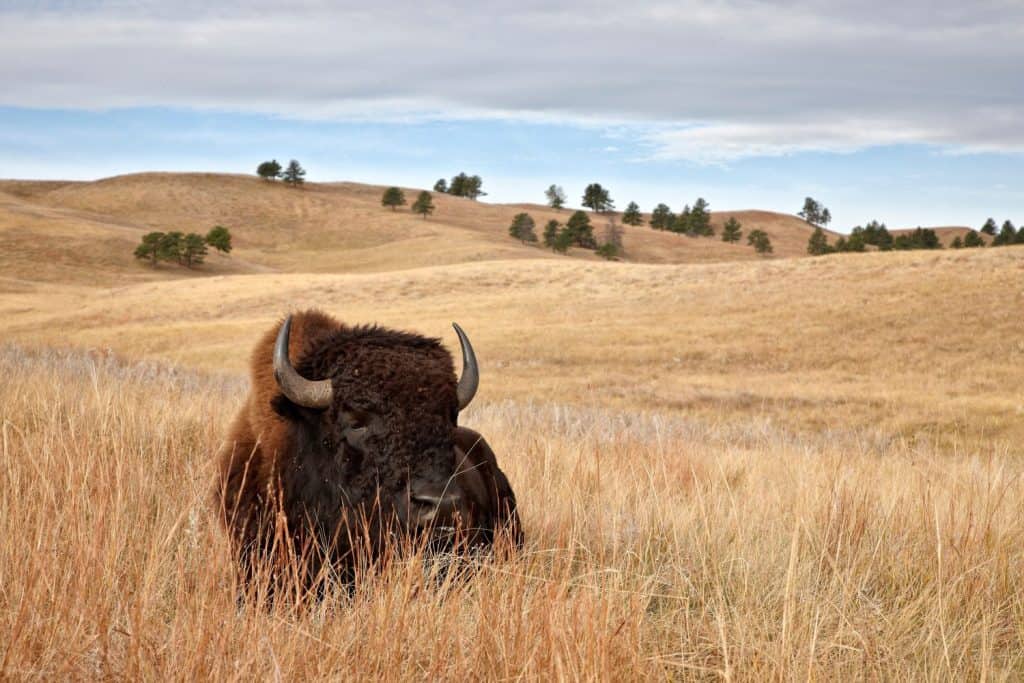
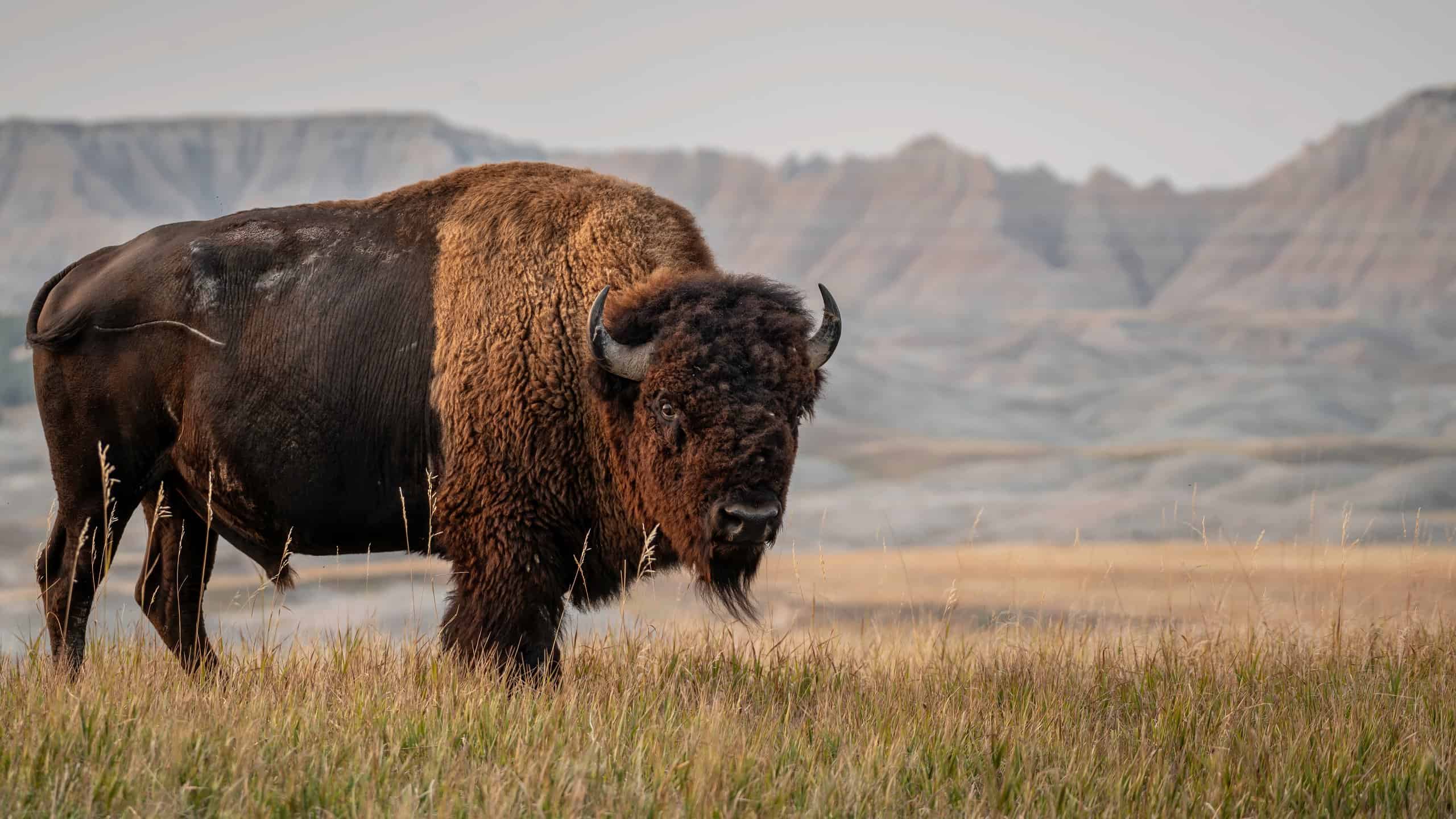
Bison in North Dakota’s Badlands symbolize the state’s natural heritage and the conservation vision inspired by Theodore Roosevelt.
©Robert Harding Video/Shutterstock.com
These experiences shaped Roosevelt’s conservation philosophy and later influenced national policies. As president, he supported the creation of wildlife refuges, national parks, and early efforts to protect remaining bison herds. Today, Theodore Roosevelt National Park preserves large areas of prairie and badlands where free-ranging bison still roam. The state’s decision to honor the bison aligns with this conservation legacy rooted in its own landscape.
How States Use Animals to Express Identity
Across the country, states select official animals to represent shared history, values, and landscapes. These symbols are often native species with deep cultural meaning or strong ties to local economies and ecosystems. The selection process frequently involves educators, civic organizations, or student-led efforts, turning the choice into a public lesson in history, biology, and government.
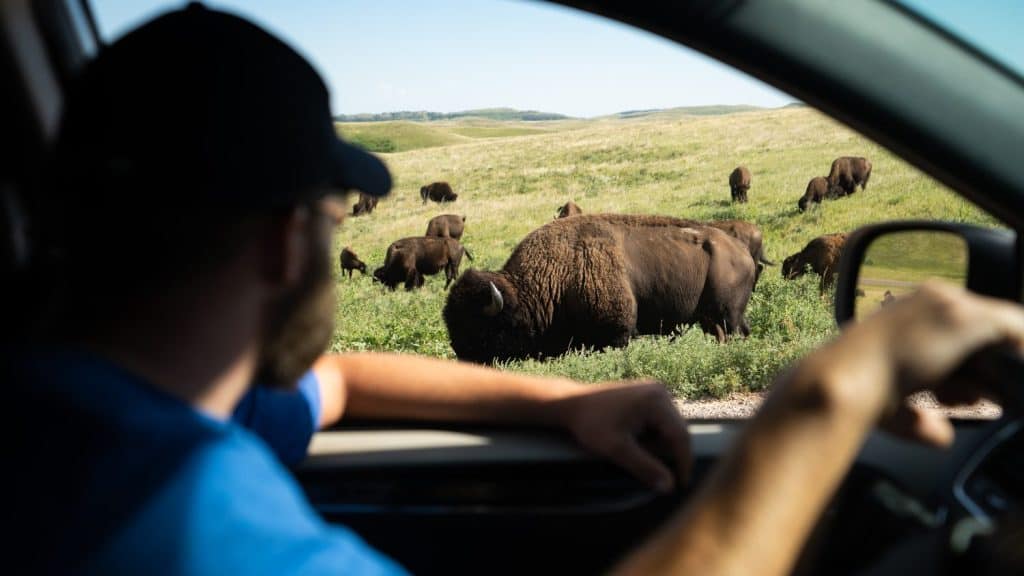
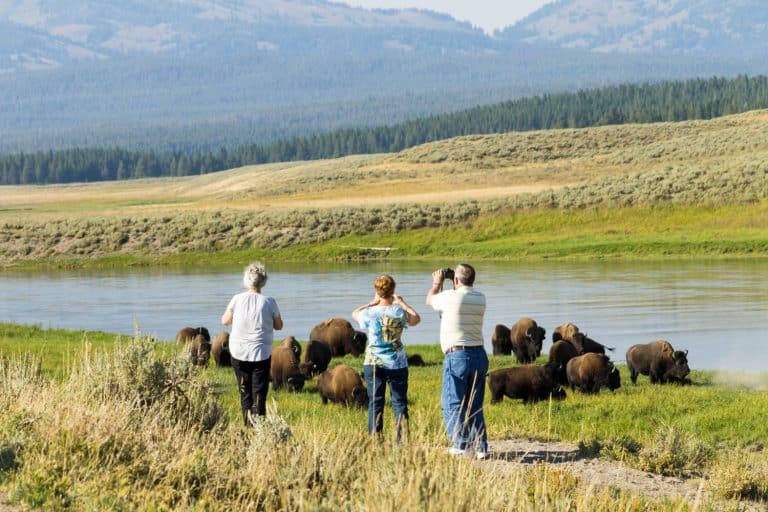
Looking from a safe distance, residents and tourists engage with the plains bison, a living emblem of the state.
©Tiffany Noel Videography/Shutterstock.com
Once adopted, a state animal becomes a visual and educational shorthand. It appears in classrooms, tourism materials, and public discussions, helping residents connect wildlife to the history of their home. In North Dakota’s case, the plains bison reflects the state’s prairie environment, agricultural traditions, and long relationship between people and land.
Official recognition can also influence conservation outcomes. State symbols tend to raise awareness and encourage research, funding, and protective policies. For the animal, this attention can support habitat preservation and science-based management. For the state, it reinforces pride in natural resources and promotes stewardship, linking cultural identity with responsibility for the landscape.
Lawmakers Make It Official
Making the bison an official state symbol required legislative action. When North Dakota lawmakers moved to recognize the species officially, they drew on strong public support and long-standing use of the animal in education, tourism, and cultural imagery. Legislators described the animal as a defining feature of the prairie and a reminder of the state’s frontier history and ranching traditions.
The decision also reflected a broader conservation context. In 2016, the American bison was named the national mammal of the United States. By placing the bison in state law, North Dakota reinforced its connection to this larger story while asserting its own identity through an animal deeply tied to local land and history.
From Near Extinction to Recovery
The decline of the bison remains one of the most dramatic wildlife collapses in North American history. By the late nineteenth century, tens of millions of animals had been reduced to fewer than a thousand. Market hunting, habitat loss, and disease nearly eliminated the species from the wild. Recovery began through the efforts of ranchers, conservationists, and tribal leaders who protected small herds and began selective breeding. Over time, numbers increased.
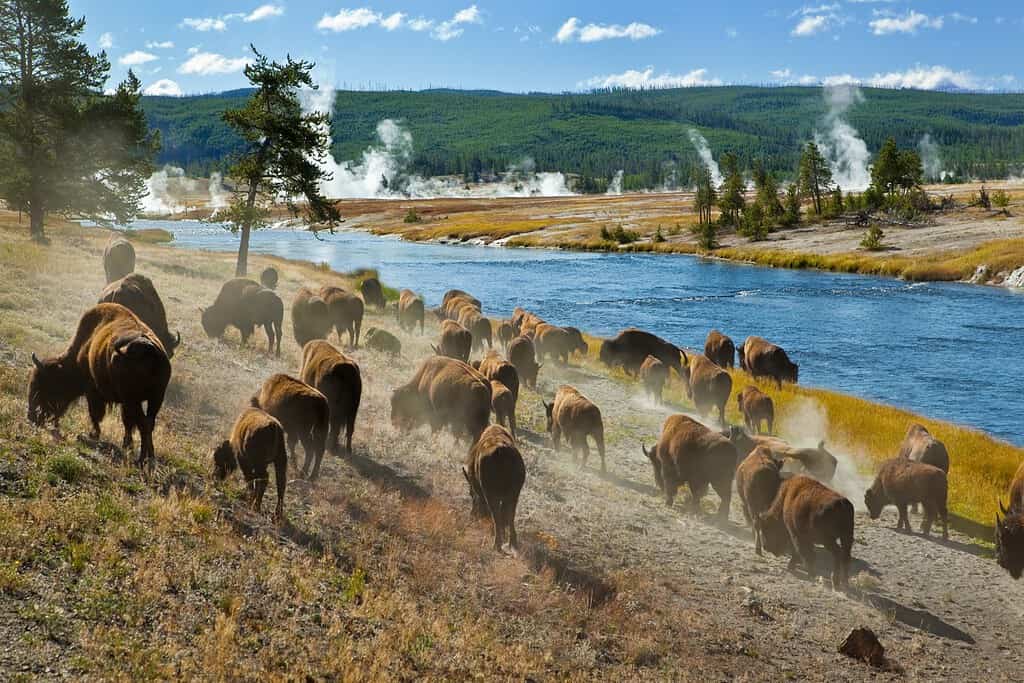
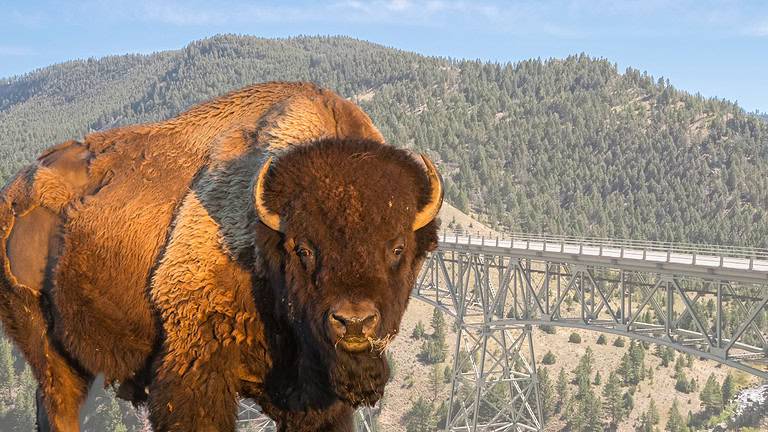
Conservation and stewardship have helped the bison make a strong recovery in Yellowstone and other parts of the American West.
©YegoroV/Shutterstock.com
Today, the United States supports hundreds of thousands of bison, most of them managed on private ranches, tribal lands, and public preserves. They are raised for meat, serve as symbols of tribal culture, and help restore the ecosystems they once shaped. Federal agencies manage several conservation herds, including those in national parks and wildlife refuges.
Bison Herds in North Dakota Today
Modern herds in North Dakota provide a window into the state’s prairie ecosystems while requiring careful management. Theodore Roosevelt National Park maintains free-ranging herds that graze among badlands, river bottoms, and open grasslands. Visitors frequently encounter bison near roads, overlooks, and hiking areas.
More herds exist at sites such as Cross Ranch Nature Preserve and on private ranches across the state. These animals play a role in grassland management and support tourism. Managing the species today involves fencing, veterinary care, and coordinated grazing plans, reflecting the balance between conservation goals and modern land use.
Ecology: How Bison Shape the Prairie
Bison influence prairie ecosystems in ways few other animals can. Their grazing creates varied plant heights, which supports a wider range of insects, birds, and small mammals. Wallows formed by rolling behavior create shallow depressions that collect water and support specialized plants.
As they move, they spread seeds through their fur and manure, helping native plants establish and regenerate. These natural processes align with North Dakota’s interest in soil health, rangeland sustainability, and wildlife diversity. The plains bison functions not only as a symbol but as an active participant in maintaining prairie landscapes.
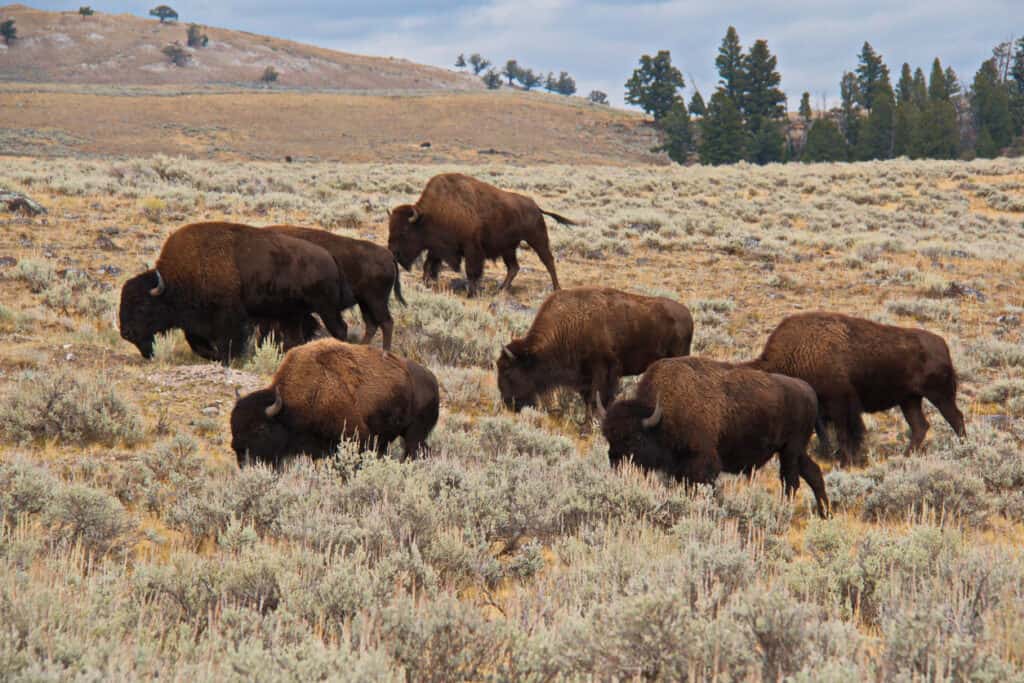
Grazing bison help sustain the prairie while symbolizing North Dakota’s natural heritage and conservation efforts.
©iStock.com/Karel Stipek
Ranching, Tourism, and Modern Culture
The bison appears throughout North Dakota’s modern culture—on license plates, school mascots, business branding, and tourism materials. Bison meat is sold as a lean, grass-fed product, and many ranchers raise herds that serve commercial and conservation purposes.
Tourism linked to bison viewing supports local economies, especially near parks and preserves. For many residents, the animal represents endurance through harsh winters and economic changes. These layers of meaning help explain why the bison’s status as a state symbol continues to resonate rather than fading into mere tradition.
Is the Bison Still a Good Symbol of North Dakota?
State symbols remain relevant only if they reflect shared values. The plains bison continues to mirror North Dakota’s story of resilience, land stewardship, and adaptation. Ongoing restoration projects, especially those led by tribal nations, demonstrate cooperation and long-term planning.
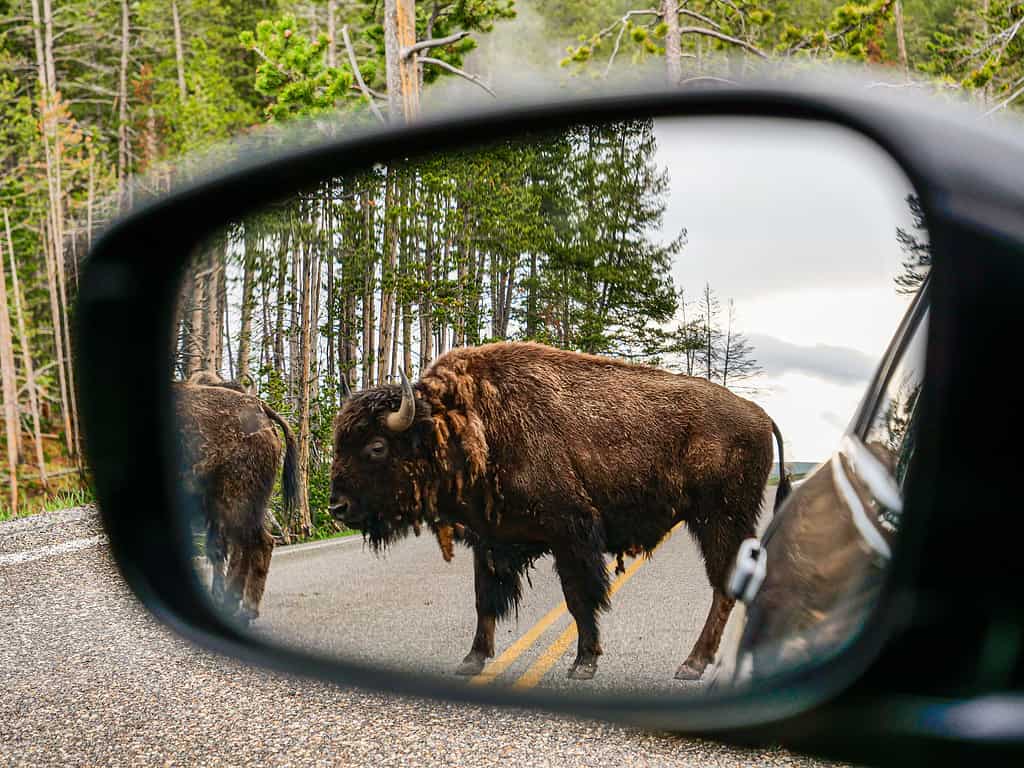
A plains bison observed from a car is a thrilling, but dangerous, sight.
©iStock.com/Joseph Tointon
In classrooms, the bison offers a practical way to connect ecology, history, and culture. Students learn how one species can influence landscapes, economies, and social systems, making the state animal more than a historical emblem.
Prairie Power in the Future
Looking ahead, the plains bison is likely to remain central to North Dakota’s identity. Climate change, energy development, and evolving grazing practices may shape how bison are managed, but their symbolic role remains strong. As long as people can watch a herd move across open land and sense the weight of history, the decision to honor the plains bison as North Dakota’s state animal will remain grounded and meaningful.