
Imagine trying to pump blood up a two-meter neck without blacking out every time you look up or bend down. For giraffes, that is normal life. Their cardiovascular system runs at high pressure yet remains stable—a case study in biological engineering that fascinates doctors, engineers, and wildlife biologists alike. Understanding how a giraffe keeps its brain supplied with oxygen explains a lot about posture, blood flow, and pressure control in large animals, and it hints at ideas that could help people with hypertension.
The Vertical Challenge
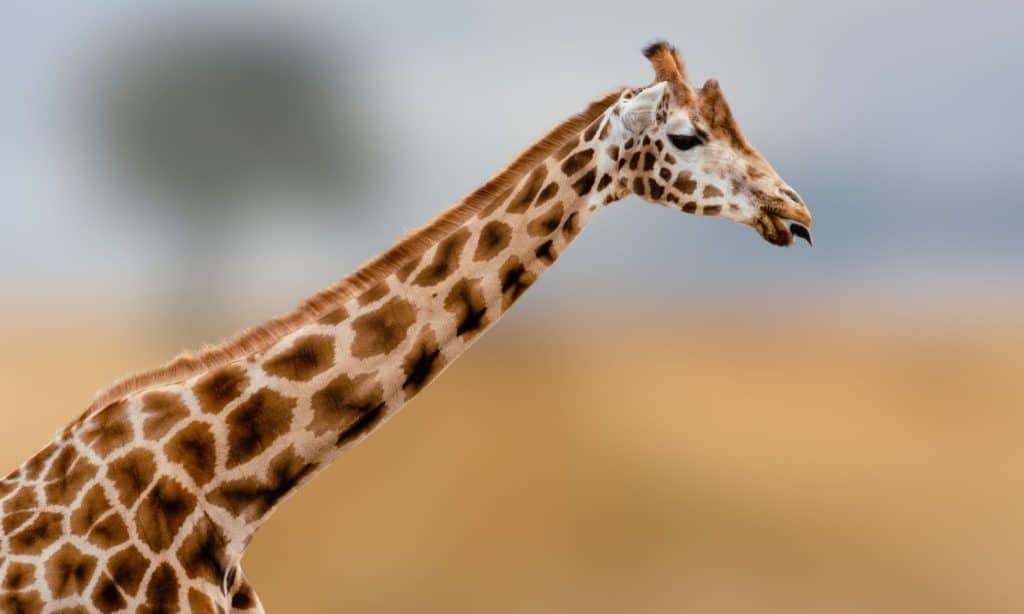
Giraffes must maintain high blood pressure compared to humans to help them lift and lower their heads without creating irregular blood flows to the brain.
©SANDARU-KGL/Shutterstock.com
A giraffe’s head can sit about two meters above the heart. To keep blood moving uphill to the brain, arterial pressure must be higher than in most mammals of similar size. Measurements show systolic values around 200 to 300 mmHg, while a typical human sits near 120 mmHg. That pressure rises when the animal stands tall and falls when it lowers its head, yet the brain does not swell or starve. The entire circulatory system, from heart to tiny vessels, is built to control surges and dips that come with height.
A Heart Built for Height

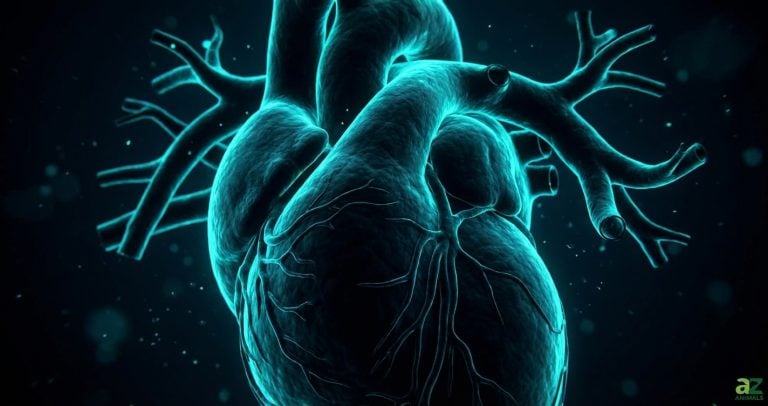
A powerful heart is one of the secrets to giraffes’ ability to pump blood such a long distance.
©Nowaczyk/Shutterstock.com
The left ventricle has thick muscular walls that generate the force required to push blood up the neck. The heart is heavy for the body size and produces a strong pulse pressure. Heart rate is steady rather than rapid, and stroke volume is robust, so overall cardiac output suits the giraffe’s mass and oxygen needs. The valves between chambers close tightly, which limits backflow and saves energy. Together, these traits create a pump that handles head-high delivery without wasting pressure.
The Brain’s Pressure Gateways
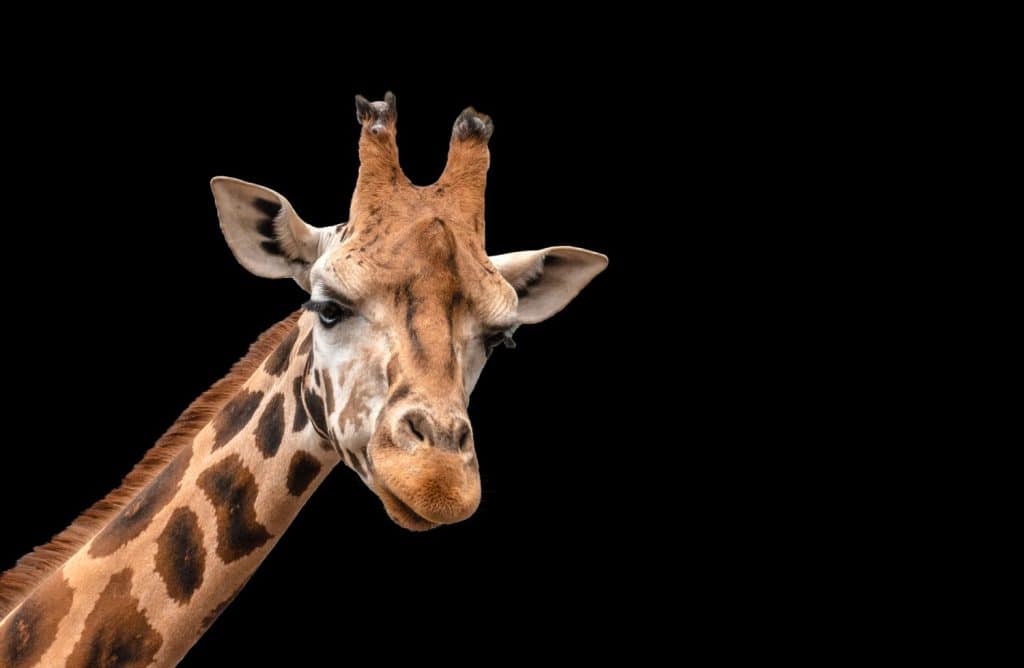
A tangle of vessels at the base of the brain helps regulate blood flow.
©Nancy Pauwels/Shutterstock.com
At the base of the brain, giraffes have arterial networks that branch and rejoin near the cavernous sinus. This tangle of vessels helps smooth incoming pressure. It is not a magical switch that instantly equalizes pressure, nor is it the only safeguard. It does, however, lengthen the path, add resistance, and share flow among channels. Those traits soften spikes when the head drops and keep the flow more stable when the head rises again.
Veins, Valves, and “Red-Out” Prevention

Valves in the jugular veins open and close in sequence to prevent dangerous surges and collapses in blood pressure.
©Nick Dale Photo/Shutterstock.com
The jugular veins carry blood back down the neck. They contain one-way valves that block reverse flow toward the head when posture changes. During drinking, pressure in the jugulars rises, and segments collapse or close as valves respond. When the animal lifts its head, the veins reopen in sequence so blood does not rush out too fast and cause lightheadedness. Muscles along the neck add gentle compression, acting like a pump during movement. The result is a steady return of blood to the heart, even as gravity constantly shifts the load in the giraffe’s body.
Legs Built to Resist Pooling
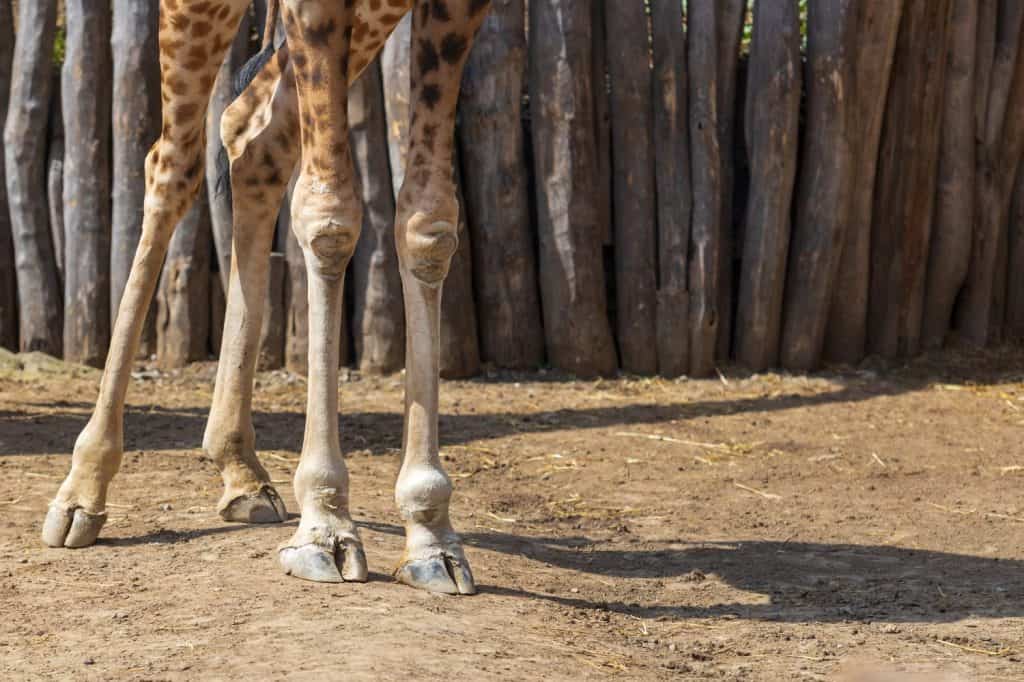
The tight skin and fascia of a giraffe’s legs act like compression socks to prevent fluid from pooling up there.
©Roman Bjuty/Shutterstock.com
Gravity wants to pull fluid into the lower legs. Giraffes counter that in several ways. Arteries in the limbs have thick walls with strong smooth muscle, which helps limit excess flow into capillaries. Veins in the legs contain valves that stop columns of blood from stacking up. The skin and underlying fascia fit tightly, much like compression socks. That firm outer layer increases tissue pressure, which resists swelling and improves the push of blood back to the body’s core. Hoofed locomotion also matters, since the step-by-step squeezing of muscles and tendons massages the veins during walking.
Microvessels That Hold the Line

Movement of the lower legs helps prevent fluid from leaking from capillaries to nearby tissues.
©Volodymyr Burdiak/Shutterstock.com
When blood gets down to the tiniest vessels (capillaries), most of the pressure has already been used up in the small arteries before them. That drop in pressure means capillaries don’t leak much fluid into nearby tissues. Little “gate” muscles (precapillary sphincters) can tighten when you change position—like standing up—to shield these fragile networks from sudden surges.
In the lower legs, the push-and-pull that moves fluid across capillary walls stays fairly even, so fluid doesn’t pool and cause swelling. The walls of these tiny vessels have springy proteins (elastin) wrapped with strong collagen and are braced by surrounding connective tissue, so they don’t stretch out like a balloon. Together, this micro-plumbing, along with assistance from the calf-muscle pump and normal lymph drainage, keeps the giraffe’s skin, joints, and nerves protected during long periods of standing.
Kidneys That Live with High Pressure

Giraffe kidneys are adapted to the long-term high pressure of the animal’s circulatory system.
©Framalicious/Shutterstock.com
Long-term high arterial pressure could damage organs in many mammals, but giraffe kidneys handle the load. Filtration surfaces and tubules appear adapted to the animal’s baseline pressure. Hormonal systems that regulate salt and water, like the renin-angiotensin pathway, operate within a high-pressure set point. Studies of giraffe genetics point to changes in several cardiovascular and growth-related genes tied to vessel structure and signaling. These differences likely shield tissues from pressure-related injury while also supporting the long neck and tall skeleton.
How Do Giraffes Maintain Blood Flow While Drinking?

Drinking would be life-threatening for a giraffe without its body’s adaptations that keep its blood flowing.
©Peter van Dam/Shutterstock.com
Lowering the head to drink challenges the system. The giraffe widens its stance and spreads its front legs, which lowers the head without dropping it straight down. Carotid arteries narrow gradually toward the skull, and the neck’s muscle tone increases, both of which add resistance. Jugular valves close in stages, and venous segments fill until the animal finishes. When the head rises, the heart and arteries reassert the uphill pressure. Because every component responds simultaneously, the brain maintains steady blood flow, avoiding both surges and crashes.
Movement Without Mayhem

When giraffes run, their heads bob as a counterweight to the motion of their body.
©Mees Kuiper/Shutterstock.com
Running with a long, heavy neck could create pressure waves. Giraffes avoid trouble through gait mechanics and vascular timing. The classic pacing walk and the powerful gallop move the neck as a counterweight. That rhythm keeps the head stable relative to the chest and reduces pressure swings. Meanwhile, the short reaction time of smooth muscle in arteries and arterioles prevents excessive dilation during exertion. The system directs energy where it matters most—in the heart and main blood vessels—while the peripheral vessels remain tightly regulated.
What Can Doctors and Engineers Learn from Giraffes?

Studying giraffes might help researchers develop better compression socks for athletes and people with certain medical conditions.
©Real Sports Photos/Shutterstock.com
Giraffe biology already informs developments in medicine and gear design. Compression stockings mirror the tight skin and fascia of the legs. New approaches to anti-gravity suits pay attention to staged valve action and external pressure on veins. Researchers study how gene changes protect organs at high pressure, looking for hints that could guide drug targets. The bigger lesson is method, not mimicry. Stable systems often rely on several moderate safeguards, not a single device, and posture control matters as much as raw pump power.
Standing Tall

Giraffes have resilient arteries.
©Heinz-Peter Schwerin/Shutterstock.com
Nature’s tallest mammal shows that high pressure can be safe when many small safeguards share the load. A powerful heart, resilient arteries, one-way valves, tight skin, and pressure-tuned kidneys keep blood flowing to the brain whether the head is down to drink or up to run. The lesson for design is simple: layer multiple protections, tailor them to actual posture and movement, and coordinate their timing so that no single part bears the entire burden. And that’s not just good biology, but maybe even a good life lesson.