Medieval kings dined like royalty, enjoying lavish feasts of endless variety. It’s only fitting that a snake with one of the most varied diets is called the kingsnake. Kingsnakes are the rulers of their realm, devouring almost anything they come across, including other venomous snakes.
But how do they stomach what many others are scared of? To find out more, we spoke with Dr. Emily Taylor, a professor of biology, founder of Central Coast Snake Services, and co-founder of Project Rattlecam, about this remarkable predator.
The moment a kingsnake hatches from its egg, it is fully independent.
©Karel Bartik/Shutterstock.com
The geographical range of a kingsnake highlights its ability to adapt. From the dense forests of North America to open grasslands, deserts, and even urban areas, these snakes prefer to inhabit a variety of environments. “They’re terrestrial snakes,” Dr. Taylor explains, “primarily land dwellers, but highly adaptable regarding where they live.” Their adaptability extends beyond surviving in different climates; kingsnakes also take advantage of whatever food sources are available.
Kingsnakes eat just about everything they can consume, including other venomous snakes. This varied menu is precisely why they are so successful in a wide range of habitats.
Dressed for the Hunt
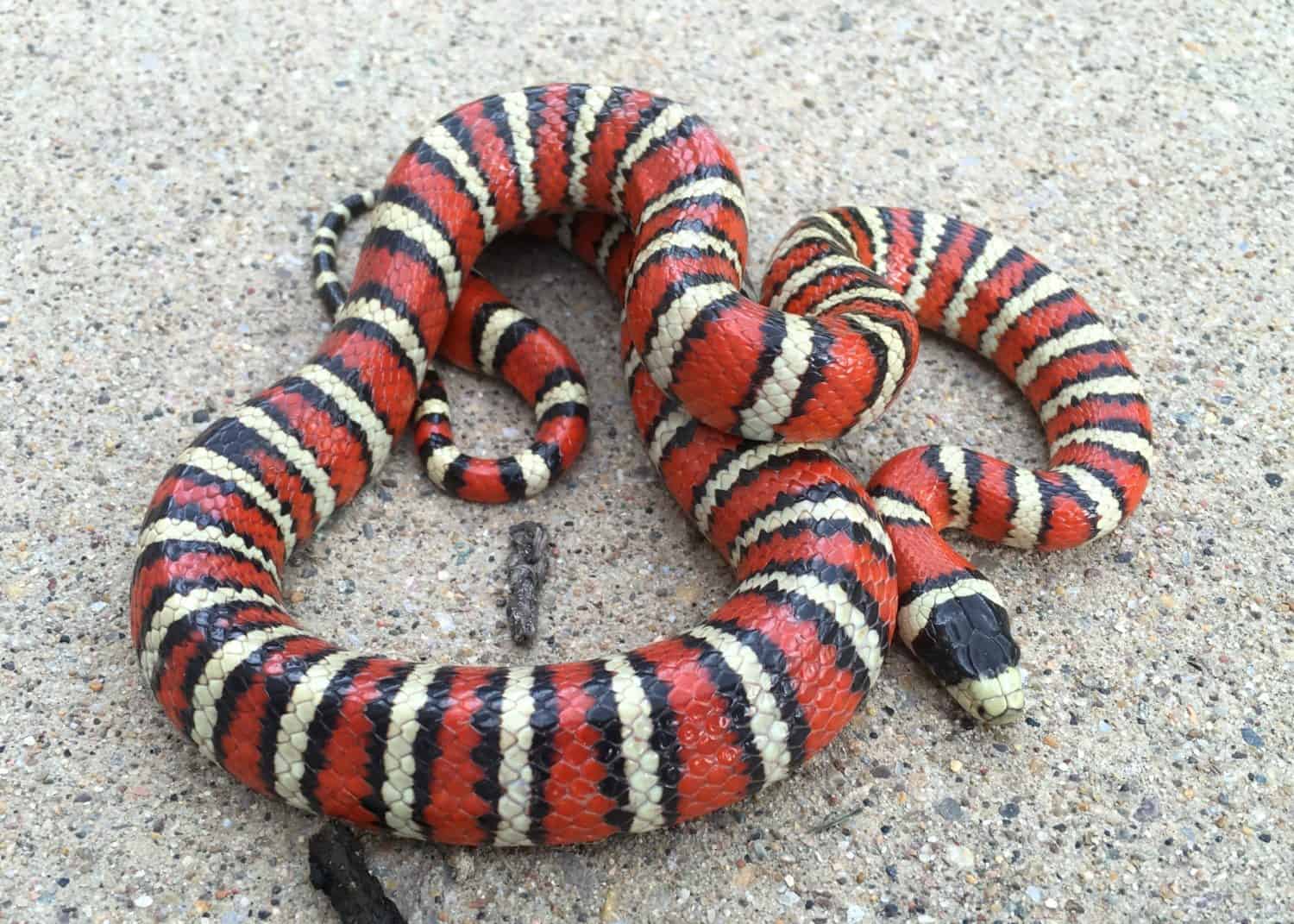
Kingsnakes do not have venom and instead use constriction to subdue their prey.
©Matt Jeppson/Shutterstock.com
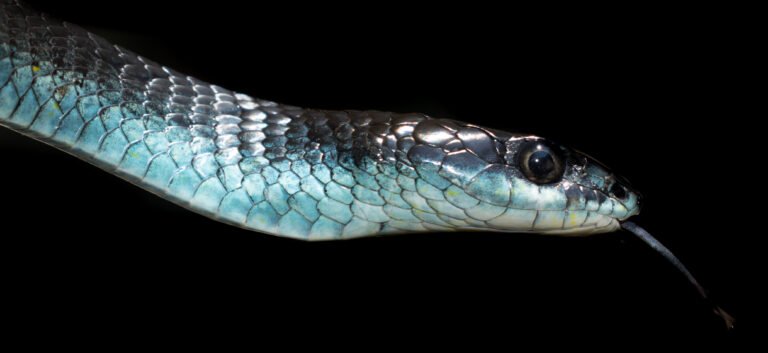
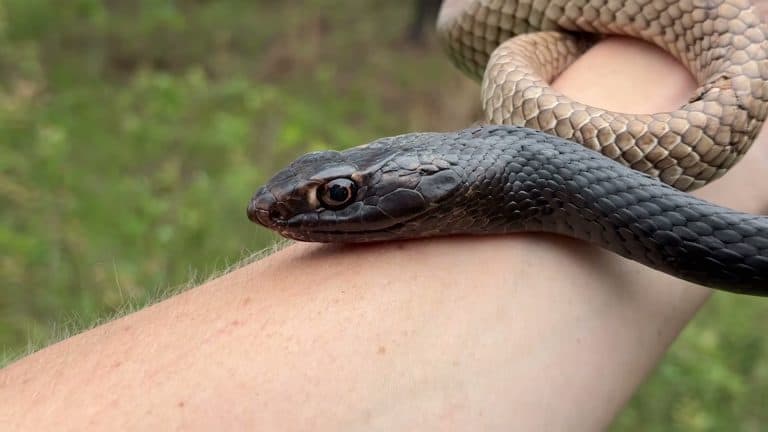
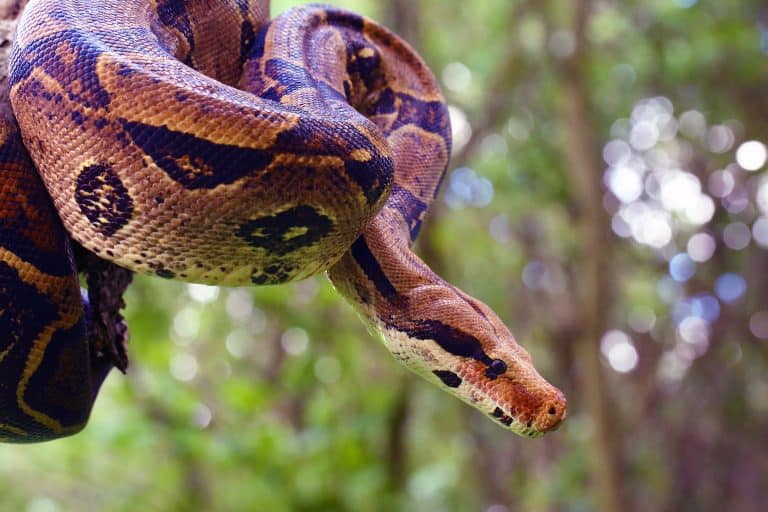
Similar to their diet, kingsnakes’ appearances can vary. Their colors can range from a soft cream to deep brown, black, and even red. The most appealing and defining part of these snakes is their bold banded or chain-link patterns. Some kingsnakes even sport a checkered belly like the eastern black kingsnake or a spotted pattern like the speckled kingsnake. These markings help disguise the snakes in their regions. Another special mention is the scarlet kingsnake, which takes camouflage to the next level. They use Batesian mimicry to appear similar to another venomous snake to avoid predators.
Predator Without Venom
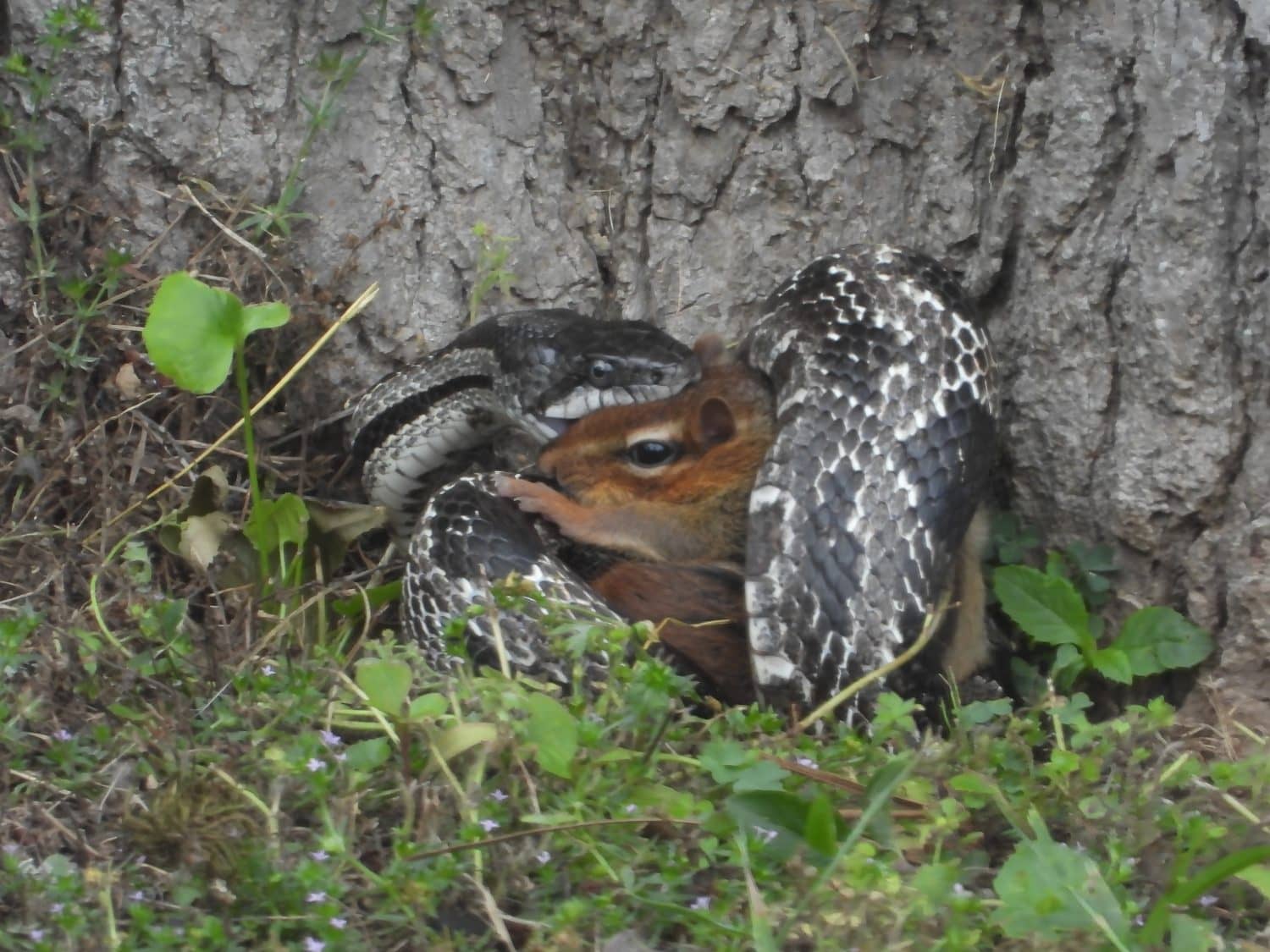
Kingsnakes typically are not dangerous to humans.
©Opal's Images/Shutterstock.com
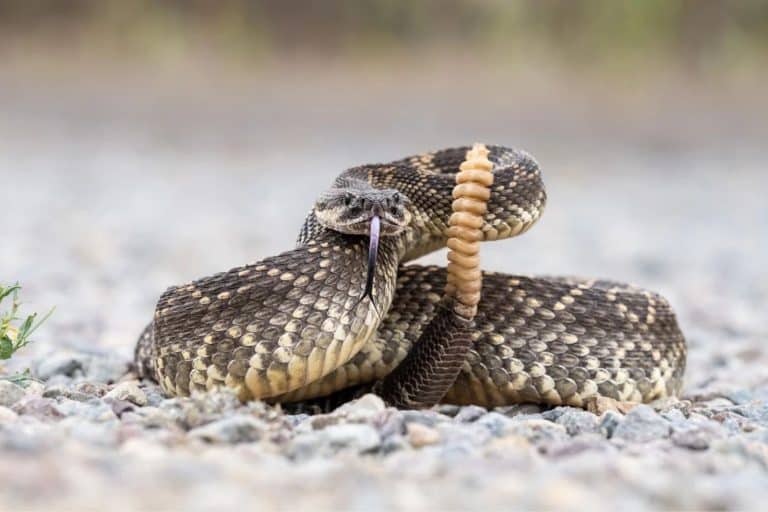
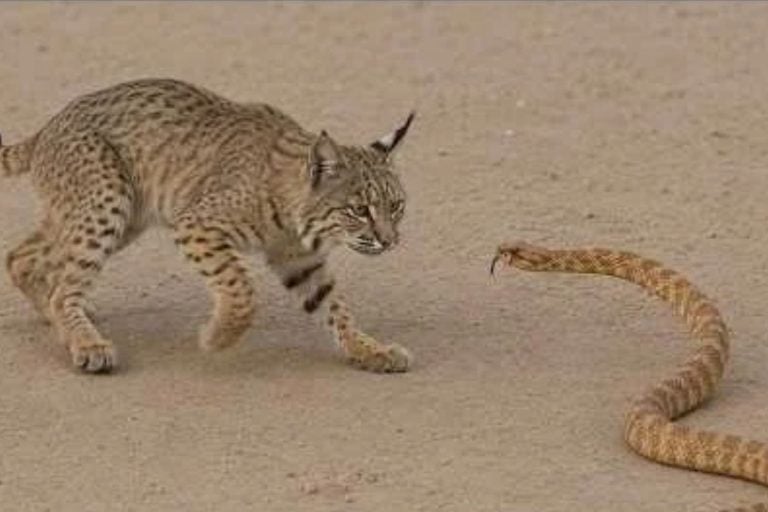
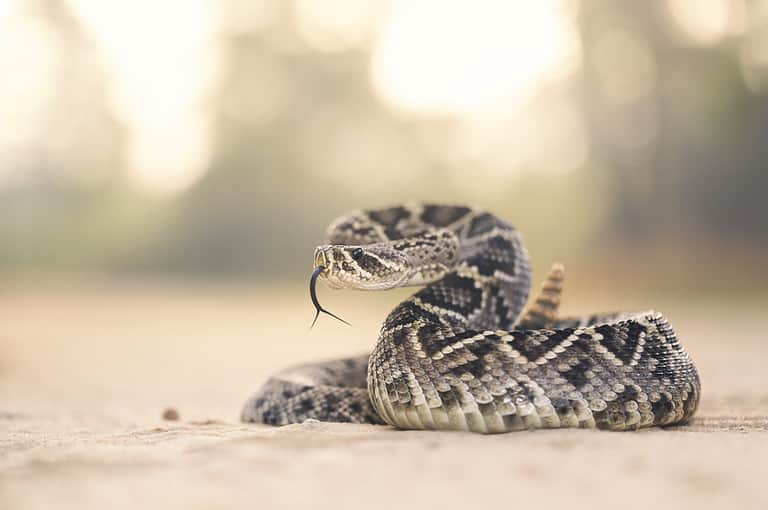
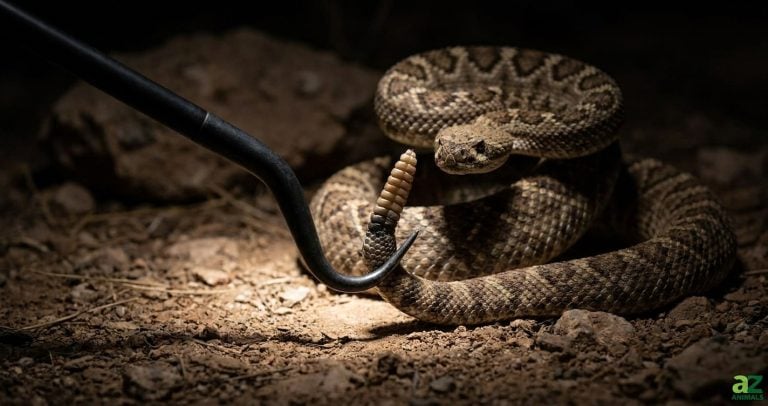
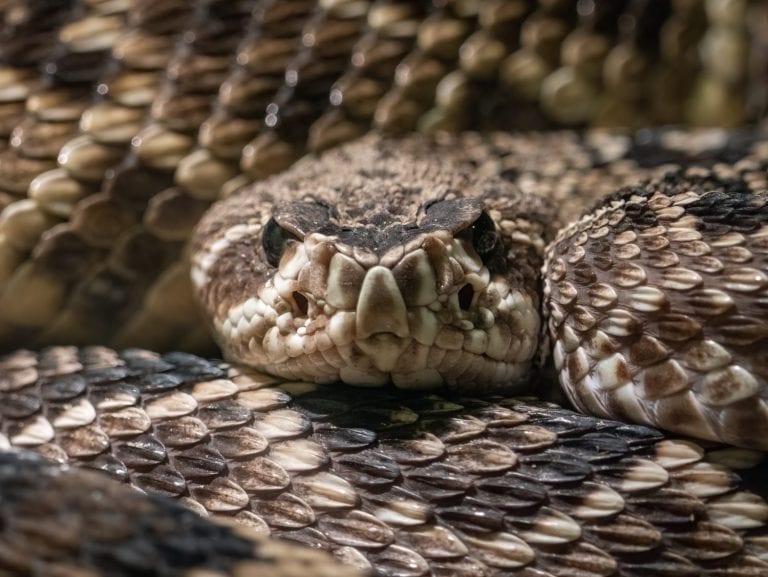
One of the most notable facts about kingsnakes is their ability to take down venomous snakes, rattlesnakes included. But how do they consume venomous snakes and live to tell the tale? They have a unique advantage: resistance to the venom of their rivals.
“Sometimes, when a kingsnake is attacking a rattlesnake, it might get bitten,” Dr. Taylor says. “They have proteins in their blood that can neutralize the venom until it’s cleared from the body.” To put it clearly, while most predators would be limp after one strike, kingsnakes can keep fighting. Even with this advantage, they still seem to take precautions to avoid unnecessary risk. “When they eat rattlesnakes,” she adds, “they often grab them by the head, almost like they still want to avoid being bitten, even though they can survive it. The venom might still be painful.”
From the moment they hatch, they’re completely on their own.
Dr. Emily Taylor, a professor of biology, founder of Central Coast Snake Services, and co-founder of Project Rattlecam
Since they do not have venom, you might be wondering how an average-sized kingsnake can take down other snakes of its size, and sometimes even larger. The answer? Constriction. This is the action of using the snake’s muscular body to tightly coil around its prey, or in other words, to constrict. Though it is often stated that this action causes the prey to stop breathing, recent findings suggest it is more accurate to say that constriction stops the circulation of blood in the prey. This method does not crush bones; instead, it quickly and abruptly cuts off all vital functions.
Constriction Coils
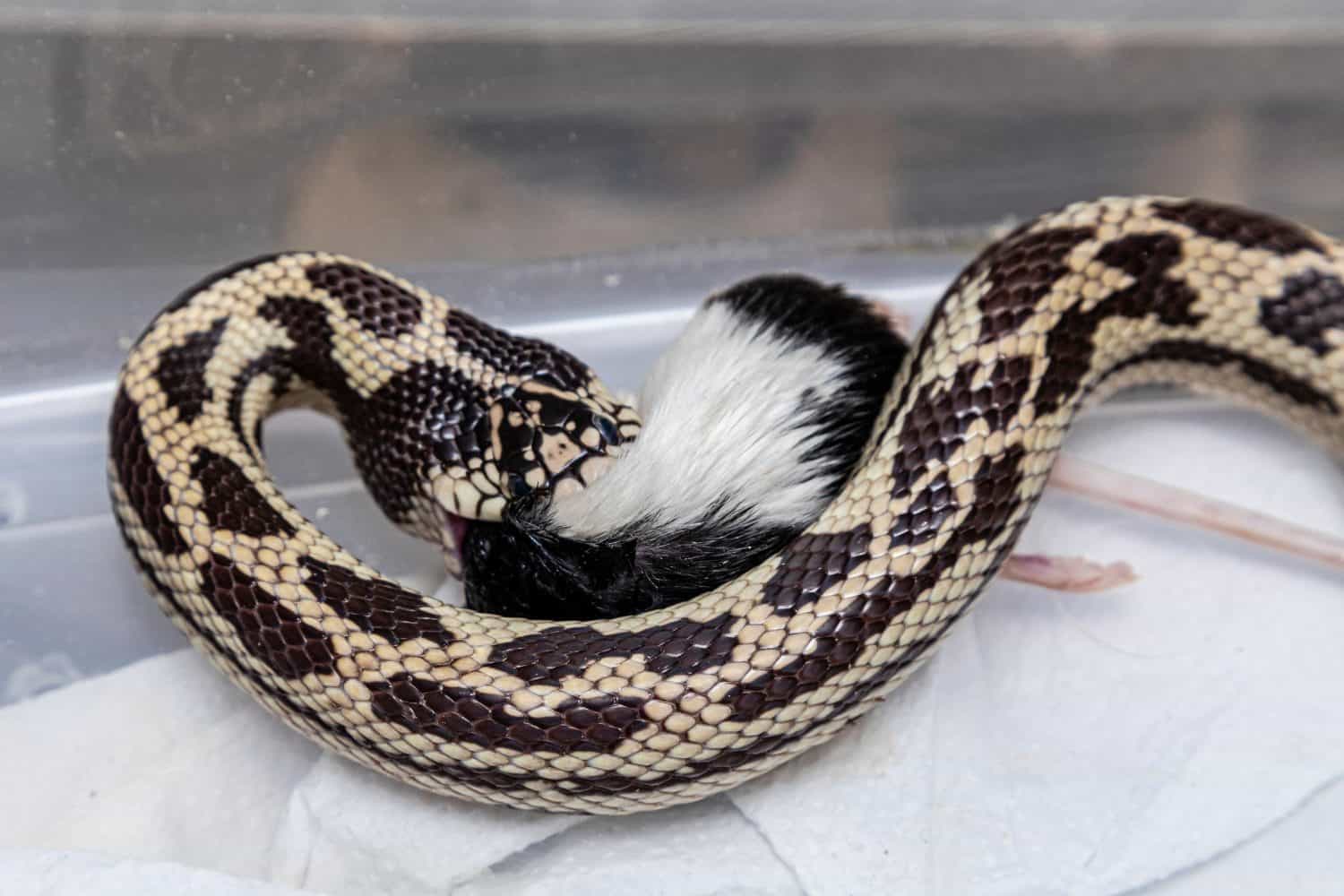
Kingsnakes are considered one of the strongest constrictors in the world.
©Murilo Mazzo/Shutterstock.com
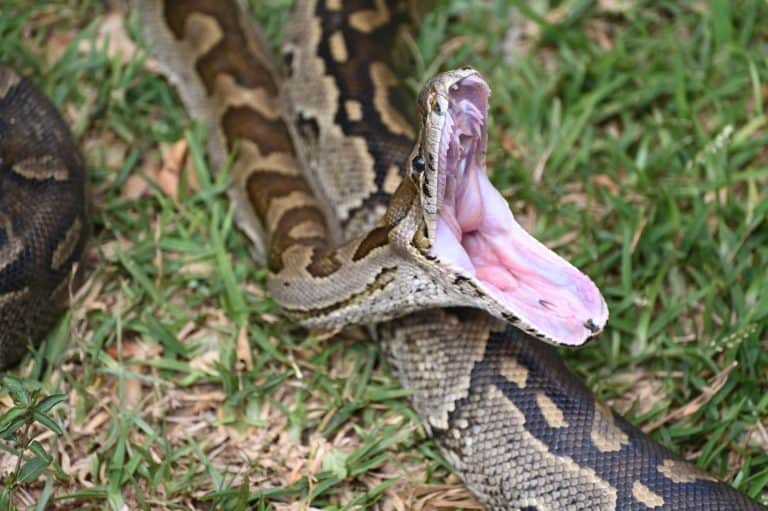
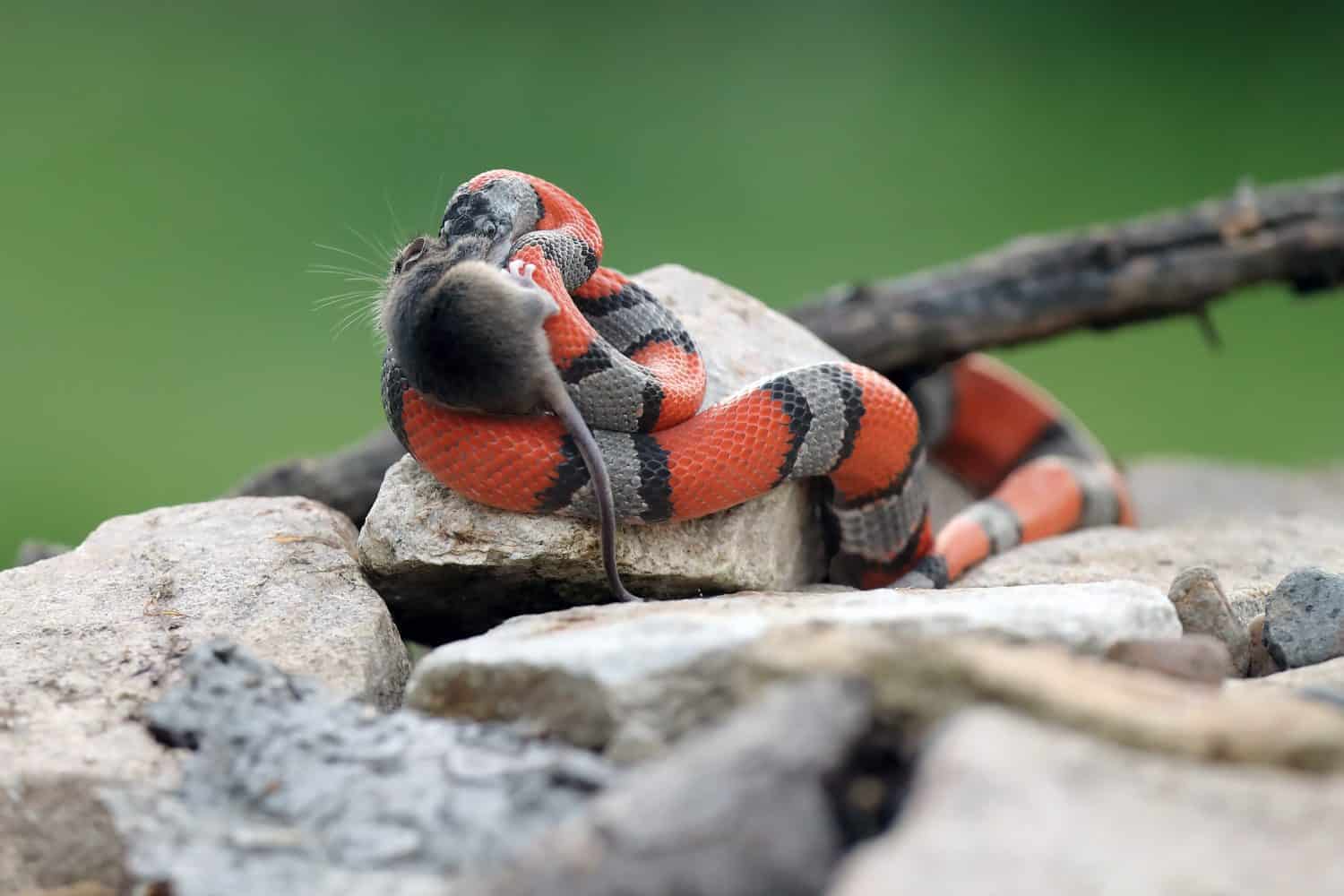
Let’s break down how constriction works: After detecting prey using their sense of smell via the Jacobson’s organ and their heat-sensing abilities, they lunge forward and grasp their prey in their mouths. To quickly control their prey, kingsnakes rapidly coil around it after grasping it to prevent escape. As the prey continues to breathe in its grasp, the kingsnake tightens its coils until the blood flow is cut off. This quick but effective method can render their prey unconscious in a matter of minutes.
“Most research shows that the prey usually dies because its heart cannot pump enough blood out,” Dr. Taylor explains. This method is the same whether they are hunting a mouse or even a copperhead. Aside from their wide range of diets, what makes these snakes so interesting is the amount of force behind their coiling. In fact, with that much strength (exerting approximately 180 mmHg of pressure), it’s no surprise these snakes can eat snakes that are up to 20 percent larger than their size!
What’s on the Royal Menu?
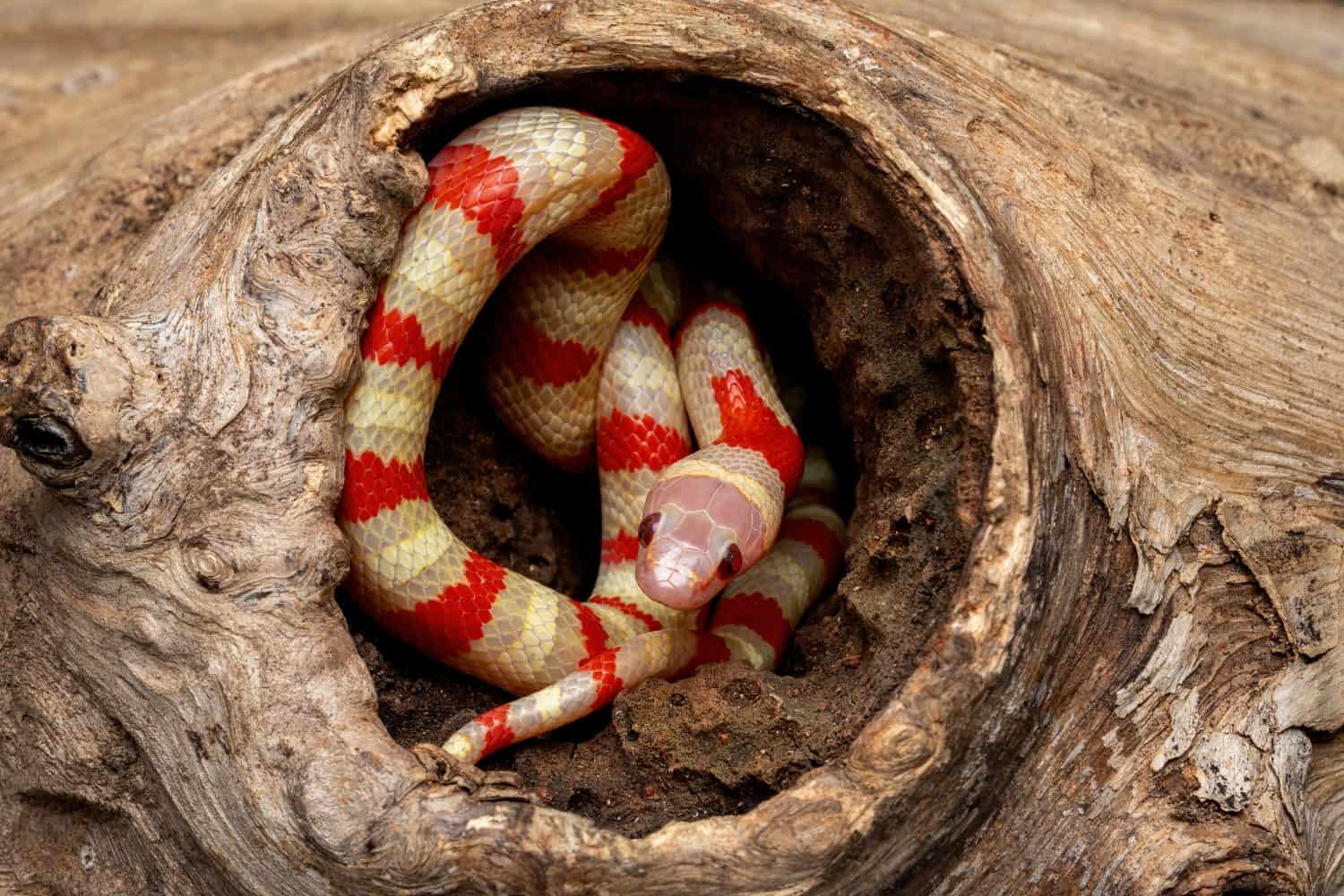
In many places, kingsnakes are mostly diurnal, but they can be nocturnal or crepuscular.
©Lauren Suryanata/Shutterstock.com
A kingsnake’s diet consists of pretty much anything it can overpower. Dr. Taylor describes them as “unusually varied eaters among North American snakes.” That includes:
- Rodents – mice, rats, and other small mammals
- Birds and eggs
- Reptiles – lizards and other snakes (venomous or not)
- Amphibians – frogs and toads
Since hatchlings are fully independent from the moment they leave the egg, they can start hunting at a very young age. They typically begin by hunting small prey like lizards and insects, then scale up to larger meals as they grow. “From the moment they hatch, they’re completely on their own,” Dr. Taylor says. And as one can imagine, with no parental guidance, survival depends on instincts alone.
Switching the Narrative
Although kingsnakes are more respected than their venomous relatives, snakes in general still suffer from deep-rooted myths. “There’s a culturally passed-down fear of snakes almost everywhere,” Dr. Taylor says. Part of her job is to replace that fear with understanding. For her, kingsnakes embody the beginning of her journey into the world of snakes and the kind of truth-telling she hopes to spread: snakes are not mindless threats; they are intelligent, adaptive, and fascinating creatures with crucial roles in the natural world.
These quiet rulers of their territories survive encounters that could kill most predators. Whether their diet features a rattlesnake in the grasslands or a rodent in the barn, the kingsnake’s vast and varied diet is a beautiful crown jewel in its evolutionary success. “They are remarkable predators,” Dr. Taylor reflects. “You can’t help but admire them”.