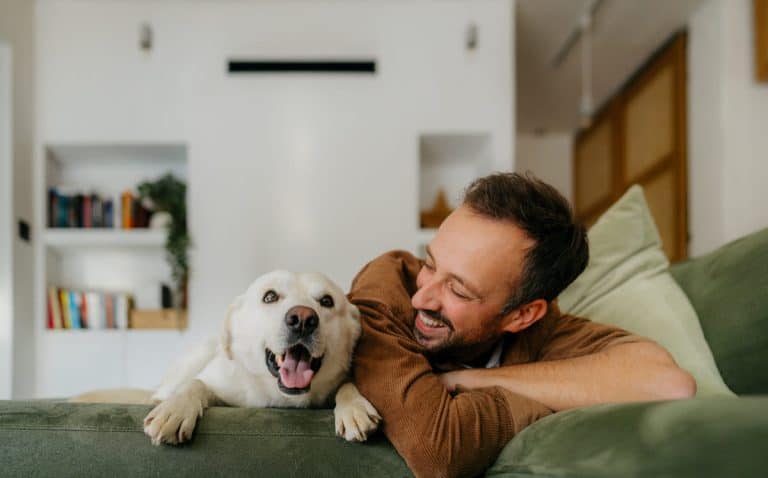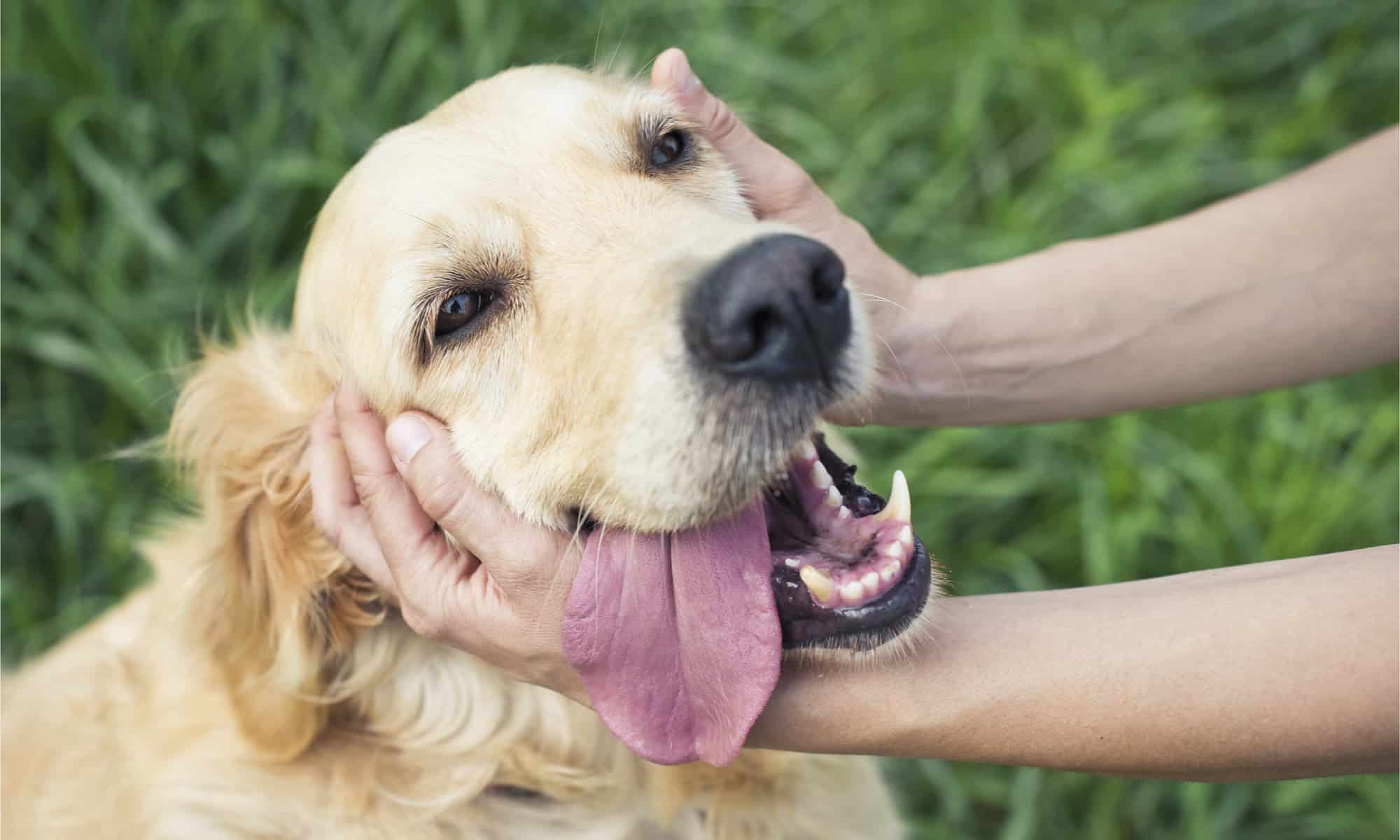

A fluffy pup strolls through the park, kids squeal with excitement — and before anyone can react, a stranger reaches out to pat the dog’s head. While the gesture may seem harmless, it can be overwhelming or even frightening for many dogs. The truth is simple: Not every dog enjoys being touched, and unfamiliar hands can cause real stress.
Animal-behavior experts agree that learning how to approach and interact with dogs — especially those you don’t know — is essential for everyone’s safety and comfort.

©PeopleImages/Shutterstock.com
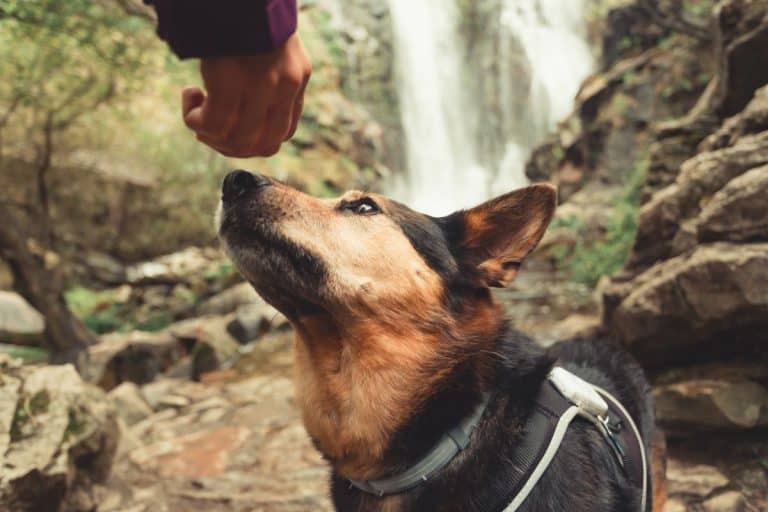
Leave Unfamiliar Dogs Alone (No Matter How Cute They Are)
As tempting as it is to give an adorable dog a quick scratch, experts strongly advise against it. There’s simply no way for a stranger to know how a dog will interpret the contact.
A friendly reach from a human may feel threatening to a dog. In the worst cases, the startled dog may snap in self-defense. Even if a dog walks up to you or sniffs your legs, that doesn’t mean it’s inviting physical contact. The safest and most respectful choice is to stay still, admire the dog from a distance, and move on.
When Strangers Try to Pet Your Dog
Most dog owners have experienced this: someone bends over toward your dog and starts petting without a word. If this happens, state firmly, “My dog doesn’t like to be pet.”
If the person continues, let the person know your dog may bite. Even if that’s not true, if you don’t want your dog to be pet, it’s fine to tell a fib. It may feel silly, but it protects your dog’s comfort — and your peace of mind.
Only Pet a Dog After Reading Its Signals
When you’re visiting friends or family and their dog has time to warm up to you, gentle petting may be appropriate — but only if the dog initiates or clearly welcomes the contact.
A dog that wants affection might lean gently into your hand or leg. Their body language will indicate that they welcome the interaction. If the cues aren’t there, don’t force interaction.
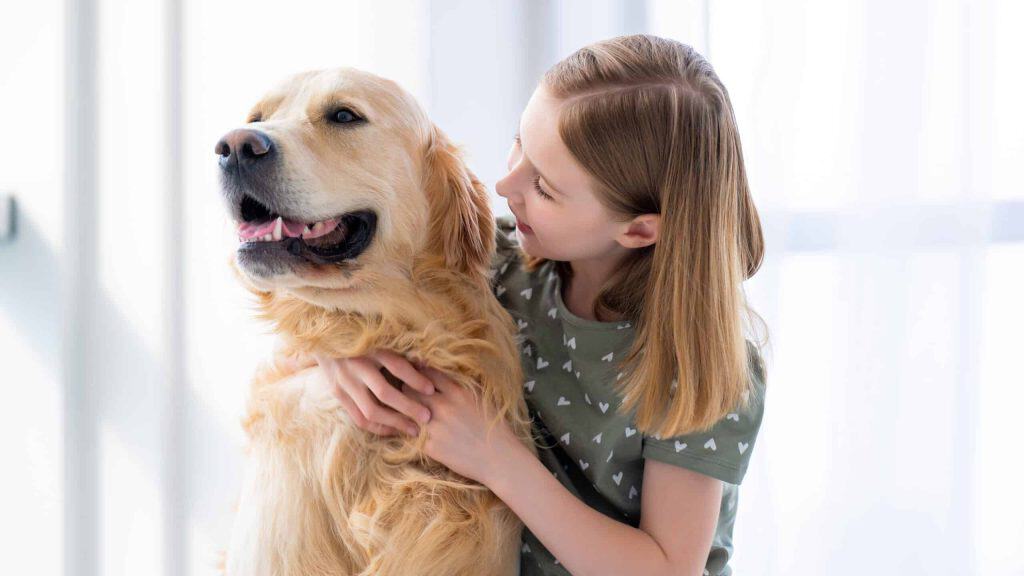
If you have children in the home, make sure they know the rules for petting dogs to ensure their safety as well.
©In Green/Shutterstock.com
Common Petting Mistakes (and Why They’re a Problem)
Even well-meaning gestures can make dogs uneasy. Experts recommend avoiding:
- Leaning over a dog — this feels threatening
- Fast or direct movements toward the dog’s face — a violation of personal space
- Staring into the dog’s eyes — dogs see this as a challenge
- Petting the head, face, or belly first — start with the back or shoulders instead
- Tight hugs or slapping the dog’s side — dogs can feel trapped or even experience pain
- Touching a dog while it’s eating — many dogs instinctively guard their food
How Dogs Communicate What They Enjoy
Every dog is different. Many roll onto their backs to show trust, inviting belly rubs. Others press their heads or bodies against you to ask for closeness. But if a dog stiffens, turns away, squints, or freezes in place, that’s your cue to stop. These can be warning signs that are often mistaken for calm behavior. Ignoring these subtle signals increases the risk of fear-based aggression.
Cuddles Are Wonderful — As Long As They’re Wanted
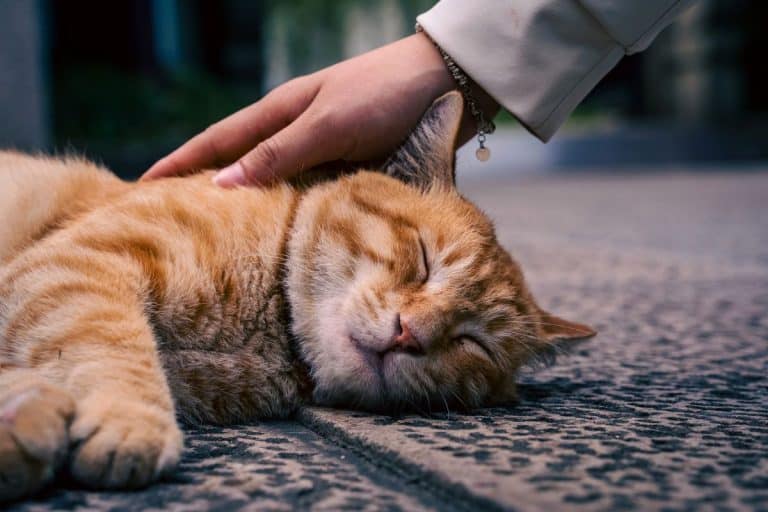
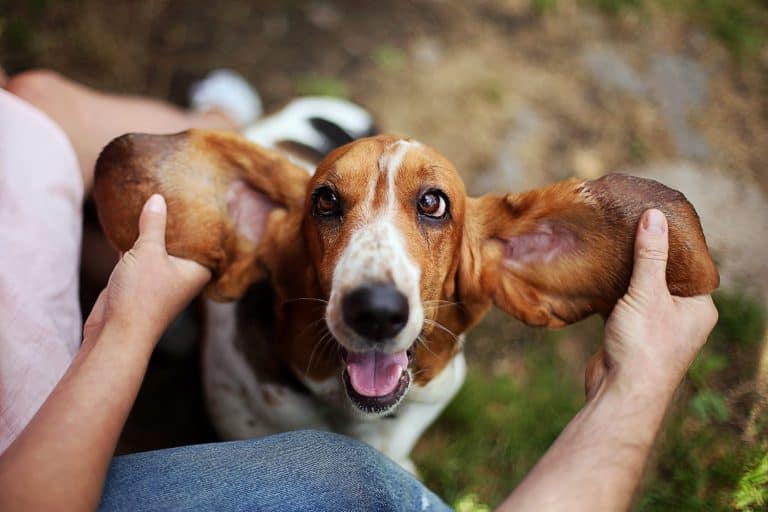
Dogs can absolutely enjoy cuddling, hugging, or even gentle kisses — as long as they choose the interaction and stay relaxed. And many dogs enjoy gentle ear scratches so much that they’ll happily lick your hand afterward. These moments usually happen at home, when a dog feels safe, rather than during playtime or in unfamiliar environments.
Always avoid waking a sleeping dog with touch or petting a dog during misbehavior, as both can create negative associations.
Understanding a dog’s body language and personal boundaries is one of the best ways to build trust — and to make sure every interaction is positive, comfortable, and stress-free for both of you.