
Quick Take
- Hawaii's largest native insect was thought to be extinct statewide, a belief that held until someone spotted something strange on a sidewalk. The sidewalk discovery →
- Experts had surveyed this valley for years and missed multiple rare species, but one piece of technology changed everything. How drones changed the search →
- Protecting a rediscovered species isn't as simple as finding it. There's a strict order of steps that determines whether it survives. Conservation steps explained →
Hawaii has long been at odds between its natural splendor and encroaching outside forces, be they human developments or invasive species. Although the 21st century has brought significant outside influence to these islands, there is still hope in the form of rare species. Recently, a collaborative effort between scientists, conservationists, and the U.S. Fish and Wildlife Service resulted in the rediscovery of several native species on the island of Lāna‘i. Most notably, the team discovered the Blackburn’s sphinx moth, one of Hawaii’s largest native insects and one previously thought to be extinct statewide.
Not only did locals discover one of the rarest moths in the region, but researchers also identified several new plant species thanks to technological innovations. These discoveries mark a turning point for the island of Lāna‘i. They also underscore the importance of community-backed conservation and how even small discoveries of native plants can reshape people’s appreciation of local biodiversity.
A Series of Fortunate Events
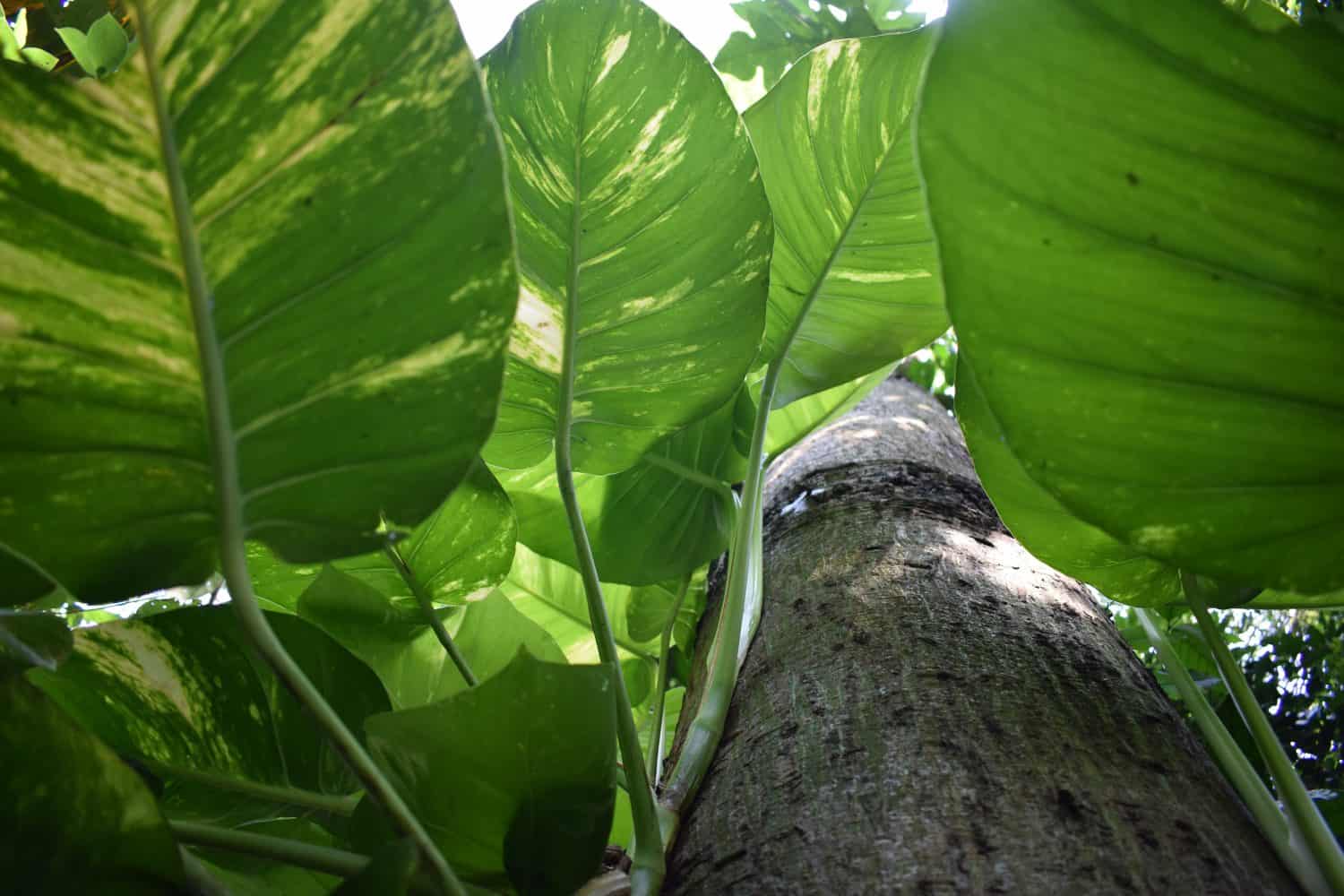
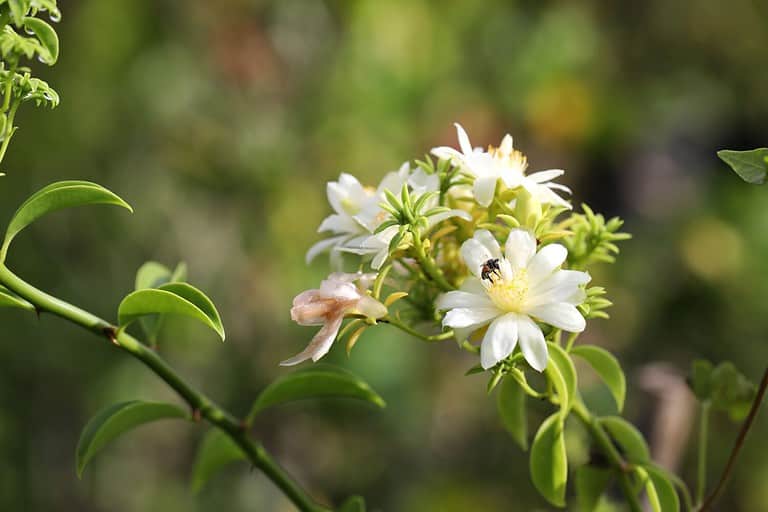
Several native plant species were rediscovered, including Schiedea menziesii, one of Hawaii’s rarest plants.
©Earlylivin/Shutterstock.com
Last October, Pūlama Lāna’i’s conservation team teamed up with Lāna‘i community members and conservation organizations to go looking for rare plants. While doing routine surveys of areas like Maunalei Valley and its surrounding gulches, the team discovered several rare species not seen on the island for decades. Thanks to the Maui Nui Plant Extinction Prevention Program’s use of drone technology, the collaboration netted some incredible finds.
Researchers documented several rare native plants, including Embelia pacifica, Peperomia tetraphylla, and Cyperus phleiodes. Researchers also found specimens of Schiedea menziesii, one of Hawaii’s rarest native plants. In the past, this plant was only found in West Maui and in a single Lāna‘i valley. Subsequent surveys, however, netted dozens of specimens, which means Schiedea menziesii has thrived inconspicuously for years.
Regarding the rediscoveries, Rachel Sprague, director of conservation at Pūlama Lāna‘i, told Aloha Daily, “The difference with that trip was that they [Maui Nui PEPP] surveyed Maunalei Valley and some of the surrounding canyons — and that was the first time I can recall the plant experts doing so with a drone. I think that contributed to why there were multiple species that were found … because no one had looked there.”
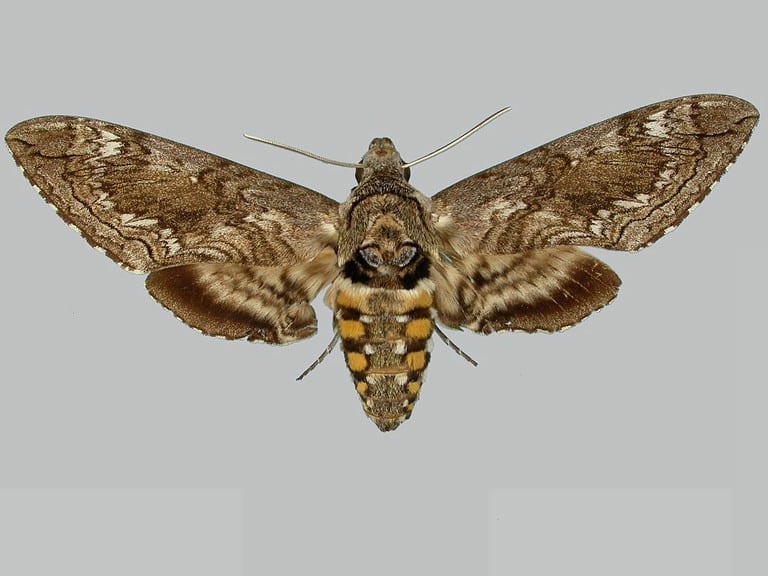
Blackburn’s Sphinx Moth
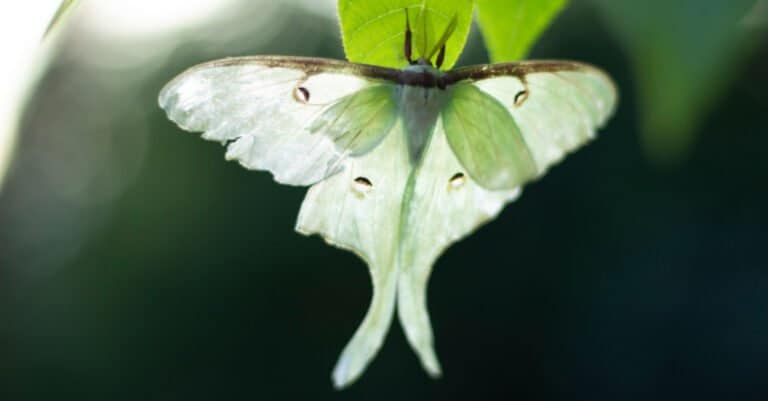
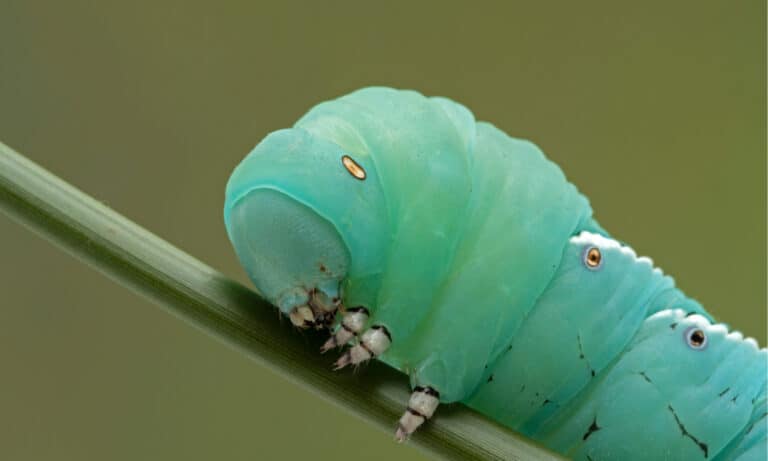
Remarkably, the most standout rediscovery of the season happened due to a chance observation on a Lāna‘i sidewalk. According to both Aloha Daily and Rachel Sprague, a local discovered a specimen on a sidewalk in town. However, even experts could not definitively identify whether the caterpillar was a Blackburn’s sphinx moth. Later, the state entomologist and a University of Hawai‘i professor confirmed the identity of the moth. This marked the second documented sighting of the species on the island of Lāna‘i since 2009.
Upon confirmation, Sprague and her team coordinated with the U.S. Fish and Wildlife Service to protect the moth. This led to efforts to support the moth’s development into adulthood, with plans to release it into a more suitable habitat.
Future Protection
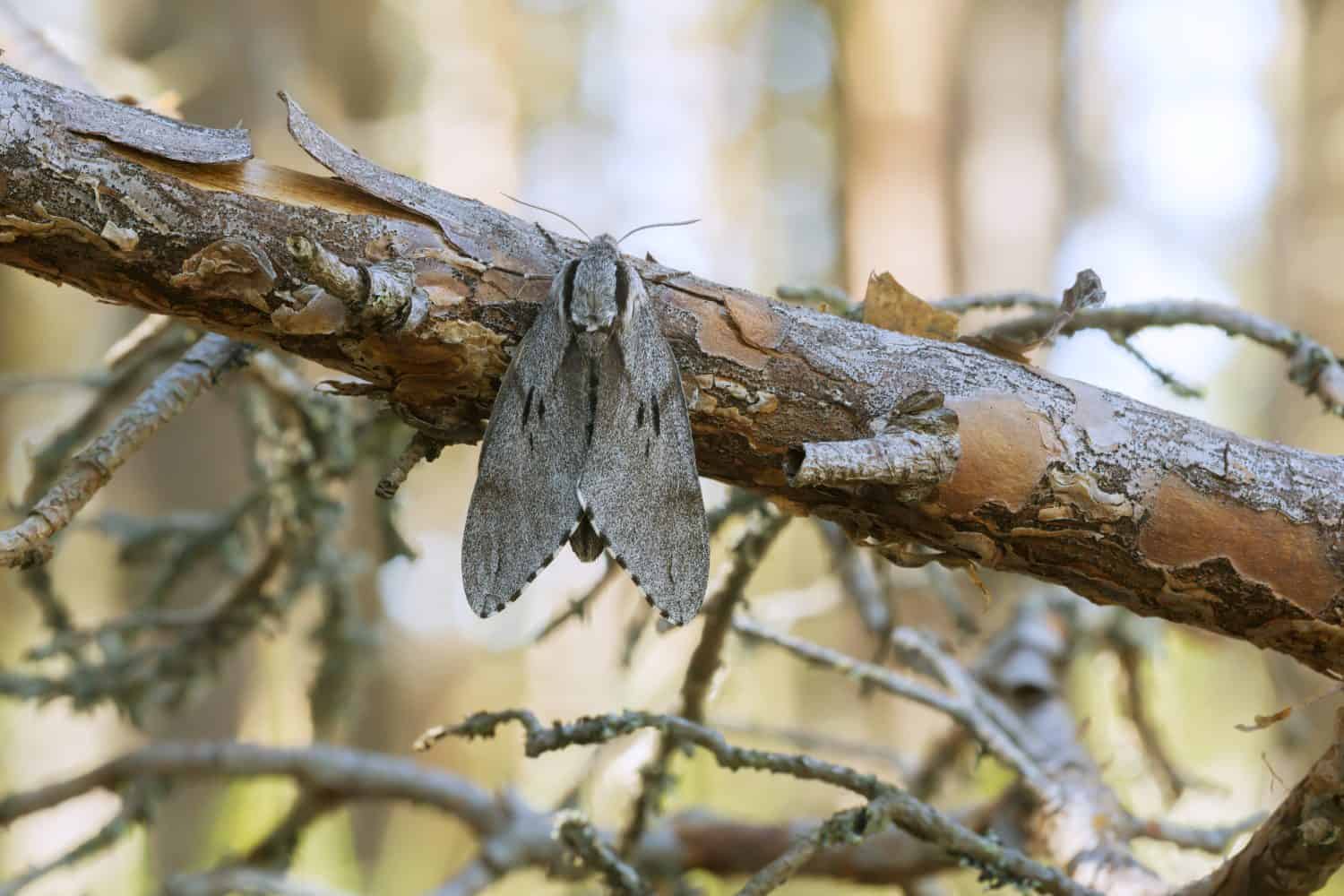
Several programs in place aim to protect rare native species like the Blackburn’s sphinx moth.
©Henrik Larsson/Shutterstock.com
Like the specimen of Blackburn’s sphinx moth, the rare plants will also receive protection. Because the rare plant program requires permits, there is a specific process that must be followed. Once researchers document a rare species, they coordinate with the state on the best ways to track its fruit or seeds over the long term. From there, plans are drafted regarding propagation and protection from threats.
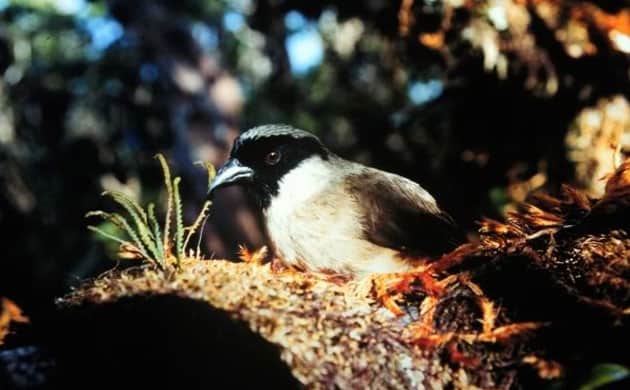
As reported by Aloha State Daily, Rachel Sprague currently oversees other projects protecting rare native species. One involves a plan to build a predator exclusion fence for the Hawaiian petrel, a seabird endemic to Hawai’i.
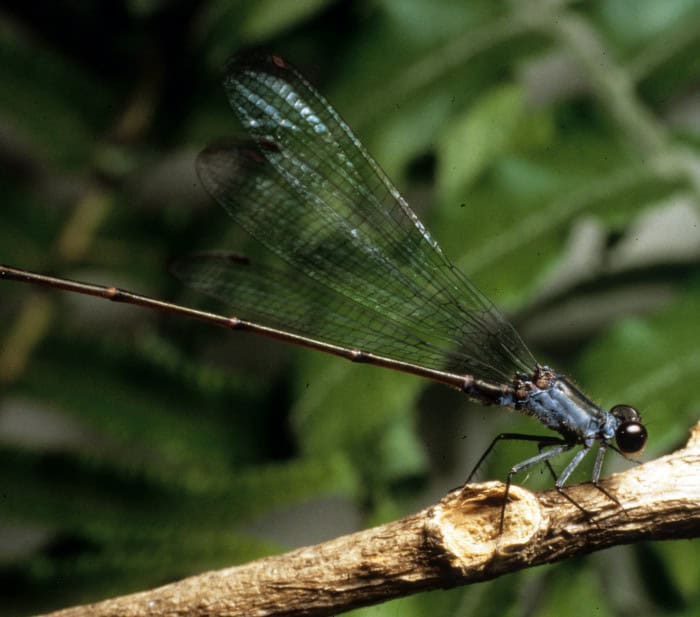
Another project will establish a conservation area for Orangeblack Hawaiian Damselflies. As Sprague told the publication, “For me, it’s always exciting when we think about how much conservation work has been done here and across the state.”