
Quick Take
- One of these species vanished from an entire island for over a century, and the habitat where it finally turned up was the last place experts would have expected. See the surprise habitat →
- Blackburn's sphinx moth survived by breaking a rule scientists thought defined its survival, and that adaptation changes everything about how conservationists will protect it. Discover the host plant shift →
- Hawaii's most endangered insects may be quietly thriving in habitats written off as useless, a possibility that conservationists almost missed precisely because of that assumption. See what was almost missed →
- One of these species was declared locally extinct, but it reappeared somewhere no one was looking. Track the moth's return →
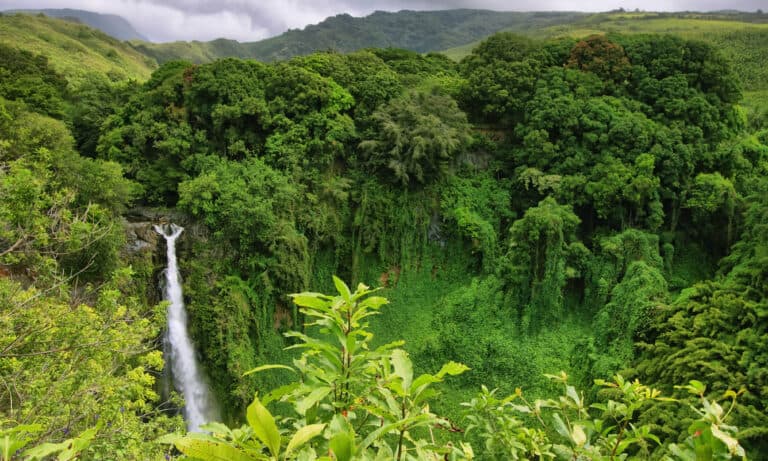
The Hawaiian islands are known as the most isolated group of inhabited islands on the planet. The insects and animals that reached Hawaii millions of years ago evolved completely away from the rest of the world. What resulted from this is an incredibly unique environment. In fact, 90% of Hawaii’s land species are endemic and found nowhere else.
Unfortunately, Hawaii’s diverse wildlife is under threat from climate change, invasive species, and human development. But it’s not all bad news. A recent discovery offers new hope for these fragile ecosystems: new populations of two endangered species were found on islands where they were previously thought to be extinct. Staffers from Hawaii’s Division of Forestry and Wildlife (DOFAW) recently announced sightings of Blackburn’s sphinx moth (Manduca blackburni) and pinapinao, or Hawaiian damselfly (Megalagrion nesiotes).
“Hawaii’s native insect populations are largely declining because of predation, competition with non-native species and habitat loss,” DOFAW entomologist Janis Matsunaga said in a news release. “Populations of these insects often quietly blink out, island-by-island, until they become extinct. Rediscovery of these species is unexpected and encouraging.”
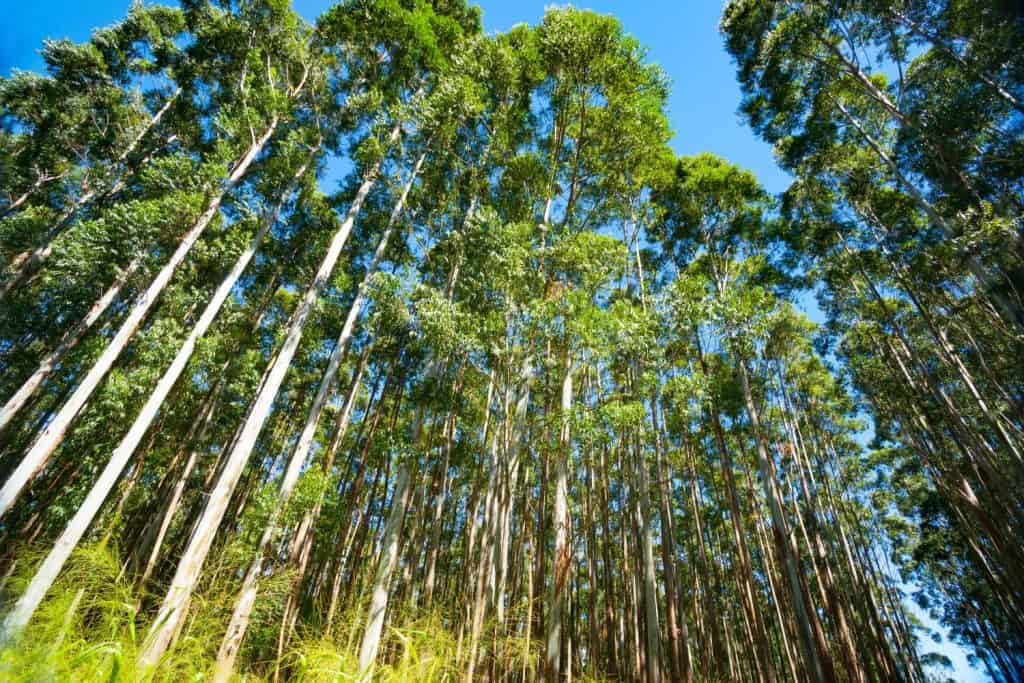
A new population of the endangered Hawaiian damselfly was recently found in a eucalyptus plantation in the Waiākea Forest Reserve.
©Photos BrianScantlebury/Shutterstock.com
The Pinapinao Reappears After 102 Years
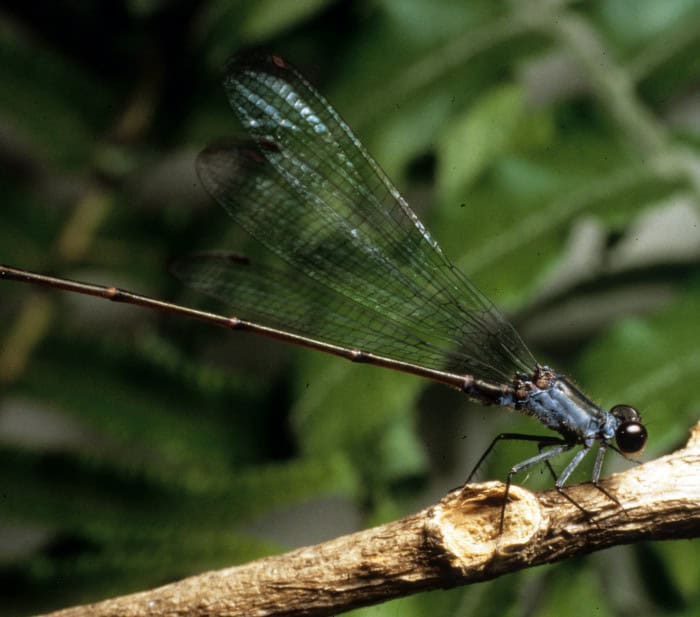
The endangered pinapinao, also known as the Hawaiian damselfly (Megalagrion nesiotes), had not been seen on the Big Island since 1923. That changed in October 2025, when DOFAW employee Brandon Wang captured and photographed a damselfly in a eucalyptus plantation in the Waiākea Forest Reserve.
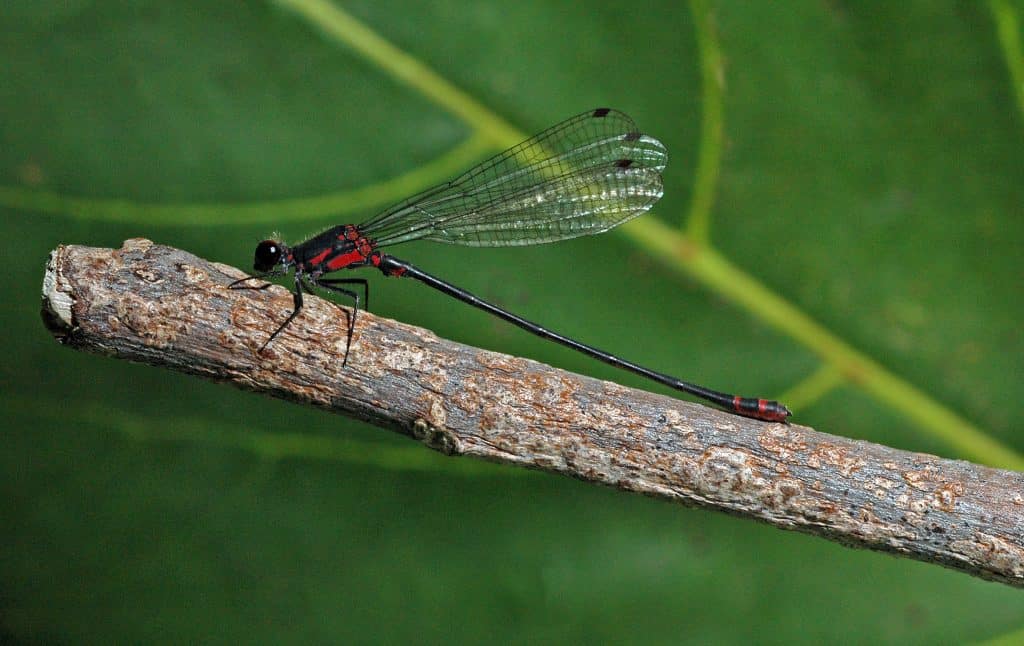
The Pacific Hawaiian damselfly (Megalagrion pacificum) is another endangered Hawaiian damselfly that is closely related to Megalagrion nesiotes.
©Polhemus, Dan/USFWS/Public Domain – Original
M. nesiotes is one of the 23 species of damselflies in Hawaii that are found nowhere else on Earth. Although M. nesiotes was known to live in other locations in the state, experts thought the species had vanished from Hawaii Island.
Surprisingly, the species was found beneath a canopy of eucalyptus trees. Experts had previously assumed that eucalyptus plantations were a poor habitat for the damselfly. “Since there are native plants in the understory, these damselflies have been able to persist,” Wang explained in the statement.
A Rare Moth Makes Another Surprise Appearance
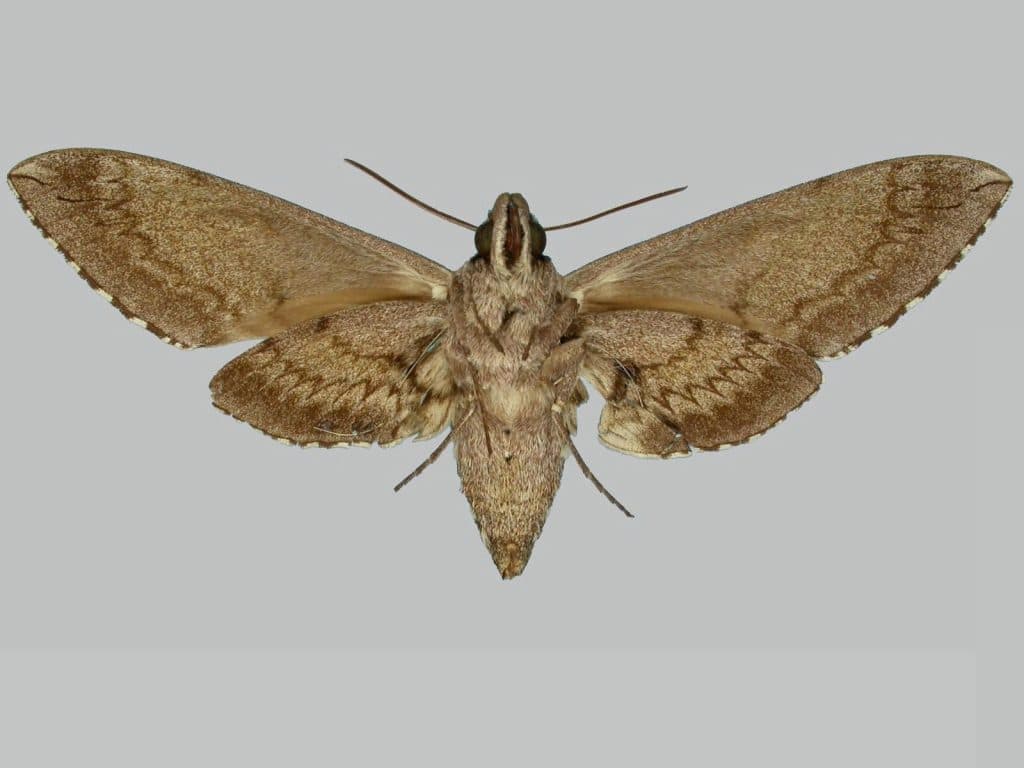
Blackburn’s sphinx moth is Hawaii’s largest insect with a wingspan of 5 inches.
©The Trustees of the Natural History Museum, London, CC BY 3.0, via Wikimedia Commons – Original / License
The large Blackburn’s sphinx moth (Manduca blackburni) was once a common sight throughout the state. However, the moth’s larvae live and feed on native longleaf ʻaiea trees, which are declining across the area.
A New Population Offers Fresh Hope
The moth was thought extinct in the 1970s, but was rediscovered in East Maui in 1984. Previously, Blackburn’s sphinx moth was common in dry forests, but over 90% of Hawaii’s dry forests have been destroyed by grazing animals, wildfires, and land development.
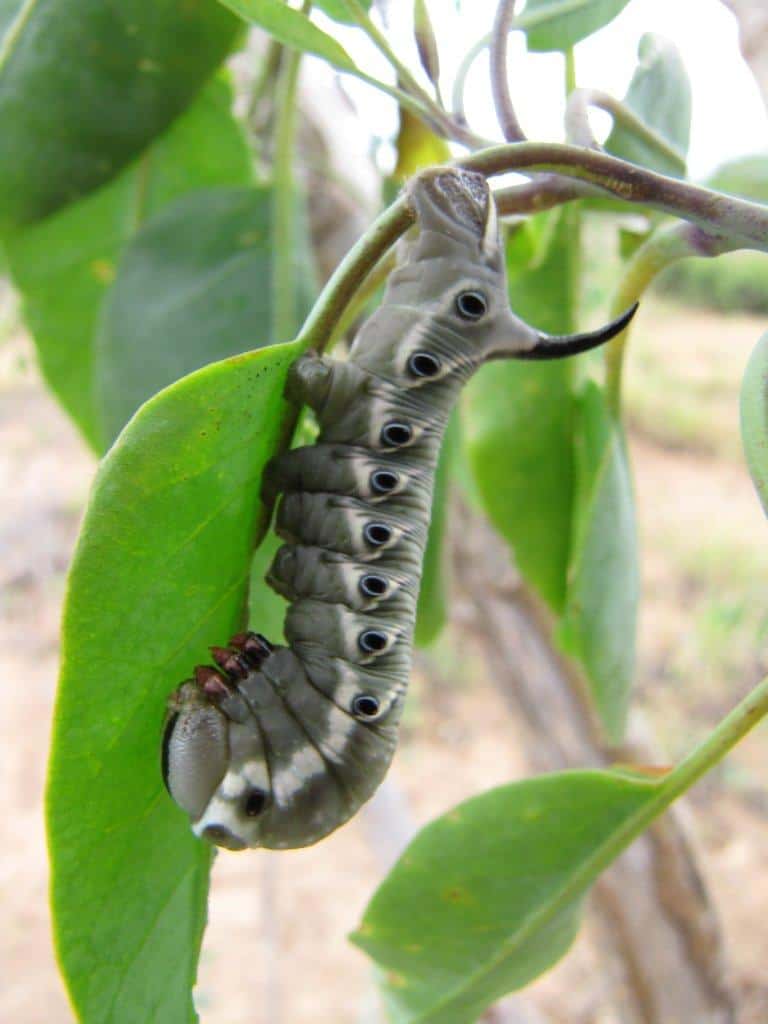
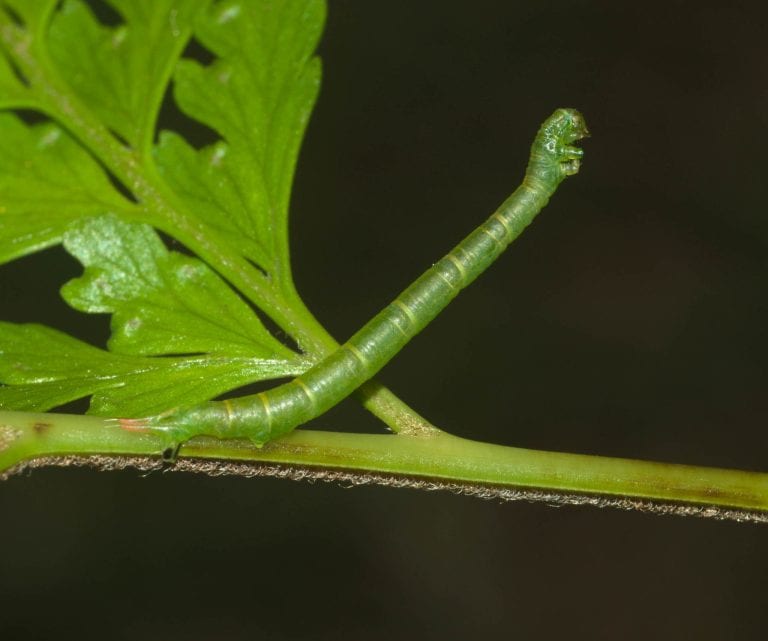
New discoveries of populations of Blackburn’s sphinx moth caterpillars offer hope to conservationists.
© Forest Starr and Kim Starr/ Flickr / CC BY 2.0 – Original / License
Experts discovered that the moth had adapted to feed on the invasive and commonly found tree tobacco plant. In addition to the 1984 sighting, other populations were found in Kahoʻolawe and Hawaii Island.
The moth was thought to be locally extinct in other areas until DOFAW staff in the Hawaii Invertebrate Program came across 10 Blackburn’s moth caterpillars in Lāna‘i City. This is the third sighting of the caterpillars since 2009. The sightings confirm that this rare species is successfully mating and reproducing in the wild. Furthermore, it means the moth has successfully adapted to using a different host plant during its caterpillar stage.
Hawaii’s Native Insects Are Disappearing
Because the Hawaiian archipelago is so isolated from the rest of the world, its unique species are particularly vulnerable to introduced animals and plants. The plants and animals here have evolved to thrive in a very specific ecosystem.
When invasive species arrive, they often outcompete the endemic species for resources or prey on them. Native species have no natural defenses to protect themselves from intruders.
In addition, native species face the common threats of climate change and habitat destruction. For example, only 40% of Hawaii’s plant life is native today. When native plants disappear, the animals and insects that rely on them must either adapt to feeding on new plants or face extinction.
What These Rediscoveries Mean for Hawaii’s Future
Despite the severe threats native insects face in Hawaii, these unexpected sightings show that endangered and rare species can survive in overlooked habitats. The discovery of new populations of Blackburn’s sphinx moth and pinapinao provides biologists with information on how to protect and conserve endangered species.
The public can help conservationists protect Hawaii’s vulnerable ecosystems by reporting rare and endangered insect sightings to the Hawaii DOFAW office. “We encourage everyone to learn about native invertebrates and to report sightings of rare species to aid in conservation management,” Wang said in the statement.