
Quick Take
- Hawaii brought in a predator to save its crops, and it worked. The problem was that it hunted nothing it was supposed to.
- A species once reduced to a number you can count on two hands is somehow back in the wild, and the reason it survived defies how conservation usually works. See the survival story →
- Releasing the snails was the easy part. The forest itself had to be rebuilt first, and that process took longer than most people live in a single home. See the exclosure built →
- The original mistake can't be undone, but conservationists found a workaround so specific it's almost absurd. It might be the only model that works for species like this. See the captive recovery →
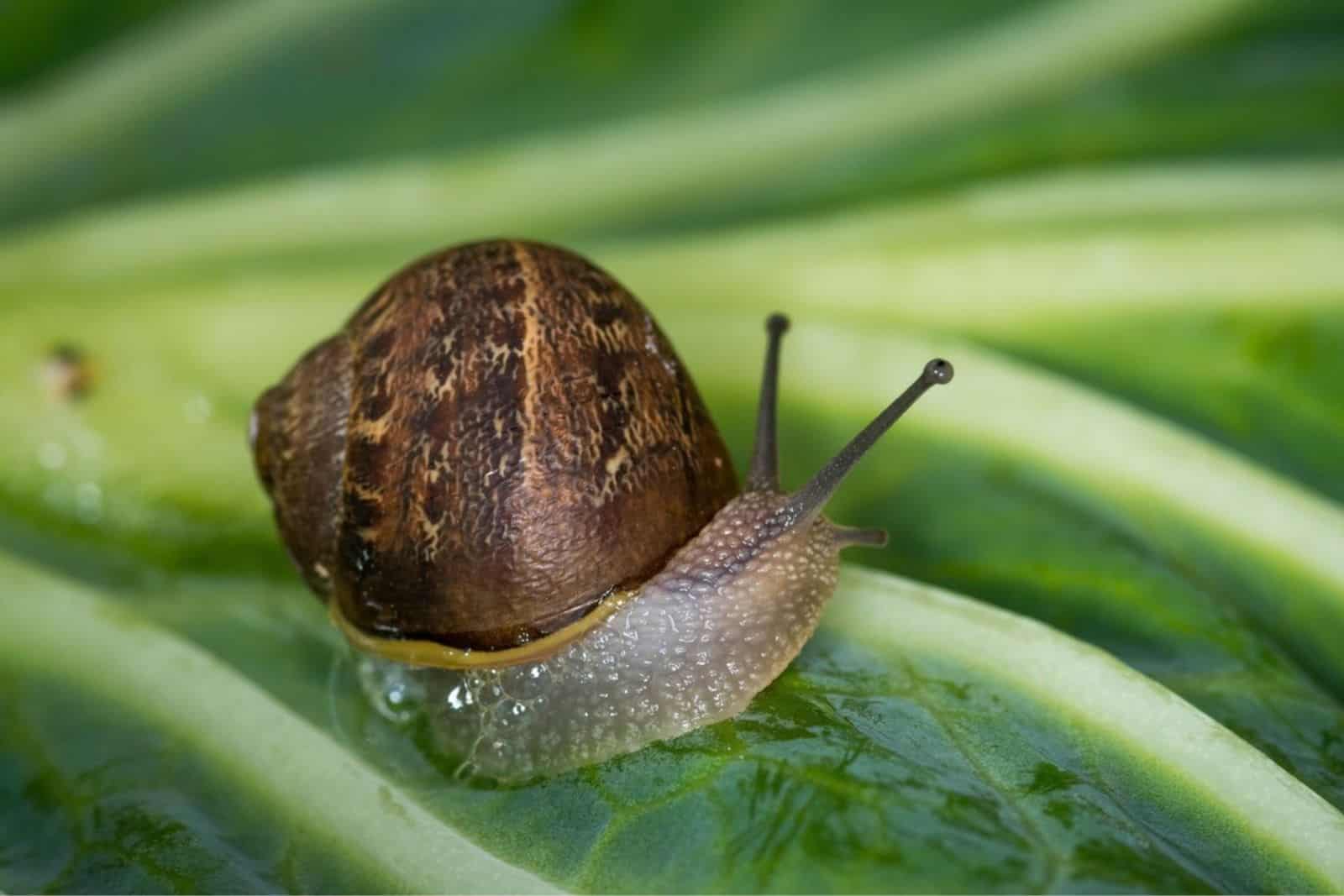
In 1955, Hawaii introduced the rosy wolfsnail to fight an invasive giant African snail that was devouring crops across the islands. The predator did its job a little too well. It largely ignored the giant African snails it was brought in to control and instead turned on Hawaii’s native tree snails, species found nowhere else on Earth, hunting them to the edge of extinction over the following decades.
Down To 11 Snails
Few native species felt that pressure as sharply as Achatinella fuscobasis. By 1991, researcher Michael Hadfield of the University of Hawaii had collected what was left of the species from its last known population on Oahu: just 11 individual snails. Hadfield later described how fast entire populations could vanish, saying colonies would “suddenly crash,” leaving behind nothing but empty shells, according to the U.S. Fish and Wildlife Service. That 1991 collection became the entire founding population of a captive breeding effort, since nothing remained in the wild to rebuild from.
The snails went to what eventually became the Snail Extinction Prevention Lab in Pearl City, where climate-controlled enclosures replicate the humidity and temperature of native Hawaiian forest. Growth was slow by design. Tree snails breed far more gradually than their invasive cousins, and decades passed before the captive population grew large enough to consider sending any snails back outside.
More Than 1,000 Snails, And Still Growing
That patience paid off. The lab’s population has grown past 1,000 individuals, enough that the Bishop Museum and the Honolulu Zoo have each begun building their own snail-rearing facilities to share the load, according to Maui Now. Hawaii is home to dozens of native tree snail species in the Achatinella genus alone, and conservationists say the lab’s approach, holding a species entirely in captivity for decades until numbers recover, has become one of the only tools left for species that lost their wild populations entirely. With numbers finally high enough to risk a release, conservationists turned to the next problem: Oahu’s forests still have rosy wolfsnails in them, along with rats and Jackson’s chameleons that also prey on native snails.
A Fortress Built For Snails
The solution was a predator-proof exclosure built inside the Honolulu Watershed Forest Reserve in the Koolau Mountains, a quarter-acre of forest ringed by five-foot polyethylene walls, copper wire mesh and an overhead hood barrier designed specifically to keep crawling predators from climbing in. Preparing that one plot took roughly five years and about 600 hours of predator removal, weeding and native plant replanting before it was ready.
Snails raised at the Pearl City lab have since been released inside the exclosure, nearly 70 years after the rosy wolfsnail was first let loose on the islands. Another group of captive-bred snails is scheduled for release there the following February. It is not a fix for the mistake itself. The rosy wolfsnail is still out there in Hawaii’s forests, and probably always will be. But inside this one guarded patch of mountain, Achatinella fuscobasis finally has a wild place to live again.