Quick Take
- Modern wildlife research demonstrates that animals adapt, innovate, and play critical roles in ecosystems.
- Conservation actions, from habitat protection to corridors and species management, are proven to work when sustained.
- Technology and long-term studies, including AI, genetic tools, and satellite tracking, are transforming how scientists understand and protect wildlife.
The past ten years have been a remarkable period for animal and wildlife research. Advances in genetics, satellite tracking, artificial intelligence, and long-term ecological monitoring have allowed scientists to ask questions that were impossible to answer just a generation ago. At the same time, accelerating climate change, habitat loss, and human expansion have made these questions more urgent than ever.
What follows is a look at ten of the most influential and ground-breaking studies in animal and wildlife science published or conducted over the past decade. These studies span continents and species, from tigers and elephants to birds, snails, and chimpanzees. Together, they reveal not only how animals live and adapt, but also how human choices can shape the future of life on Earth.
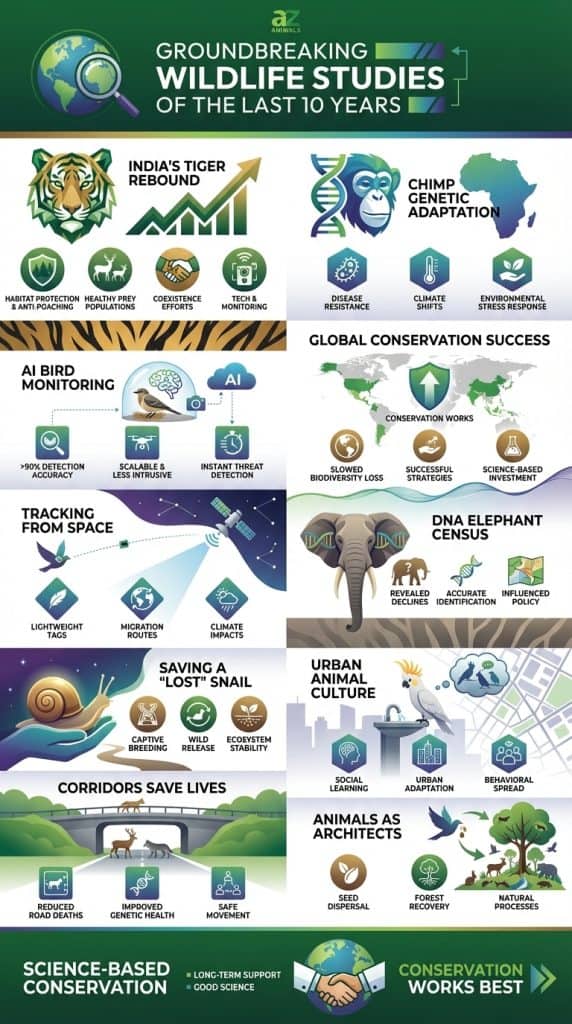
This infographic summarizes ten groundbreaking wildlife studies from the last decade, showcasing key successes in conservation, technological advancements, and ecological understanding.
©A-Z Animals
India’s Wild Tiger Population More Than Doubles
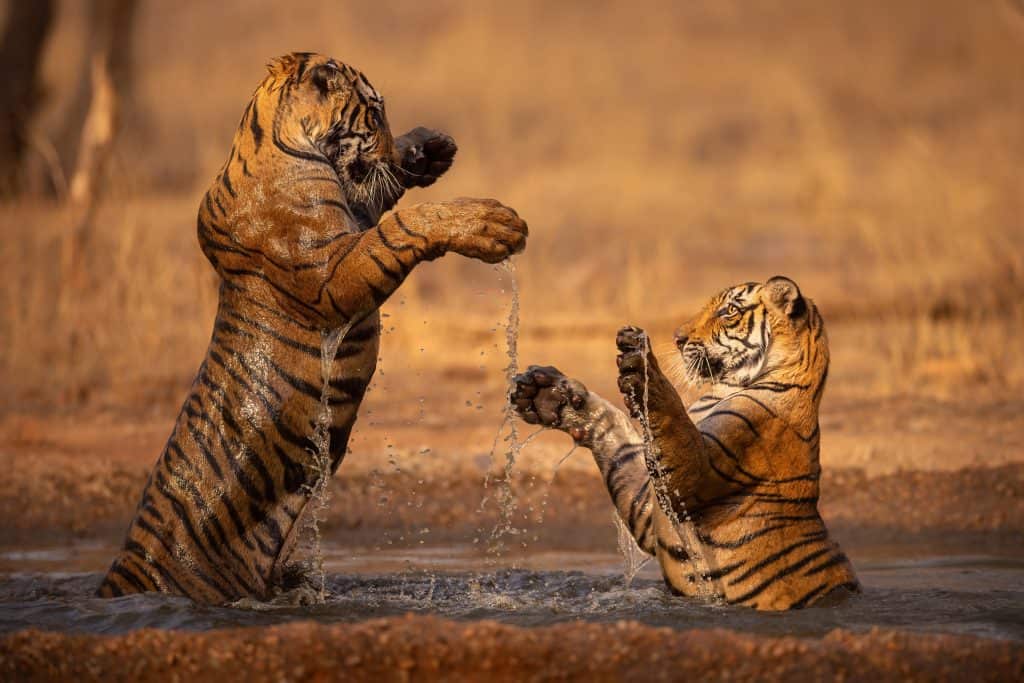
Decades of protection and coexistence efforts helped India’s wild tiger population rebound across diverse landscapes.
©PhotocechCZ/Shutterstock.com
In 2025, researchers led by Yadvendradev Jhala and colleagues published a major analysis in Science examining tiger population trends across India from 2010 through 2022. Using camera traps, field surveys, and statistical modeling, the team documented an increase from roughly 1,700 wild tigers to more than 3,600 individuals.
The study did not simply count tigers. It investigated why the recovery happened. The researchers found that success was strongly tied to consistent protection of habitat, aggressive anti-poaching enforcement, healthy prey populations, and efforts to reduce conflict between tigers and nearby human communities. Importantly, areas with higher human population density were not automatically worse for tigers if coexistence strategies were in place.
The impact of this research is global. Tigers are an umbrella species, meaning their protection safeguards entire ecosystems. The findings also provide one of the clearest examples that large predators can recover when conservation is long-term, well-funded, and locally supported.
Chimpanzees Show Genetic Adaptation to Local Environments
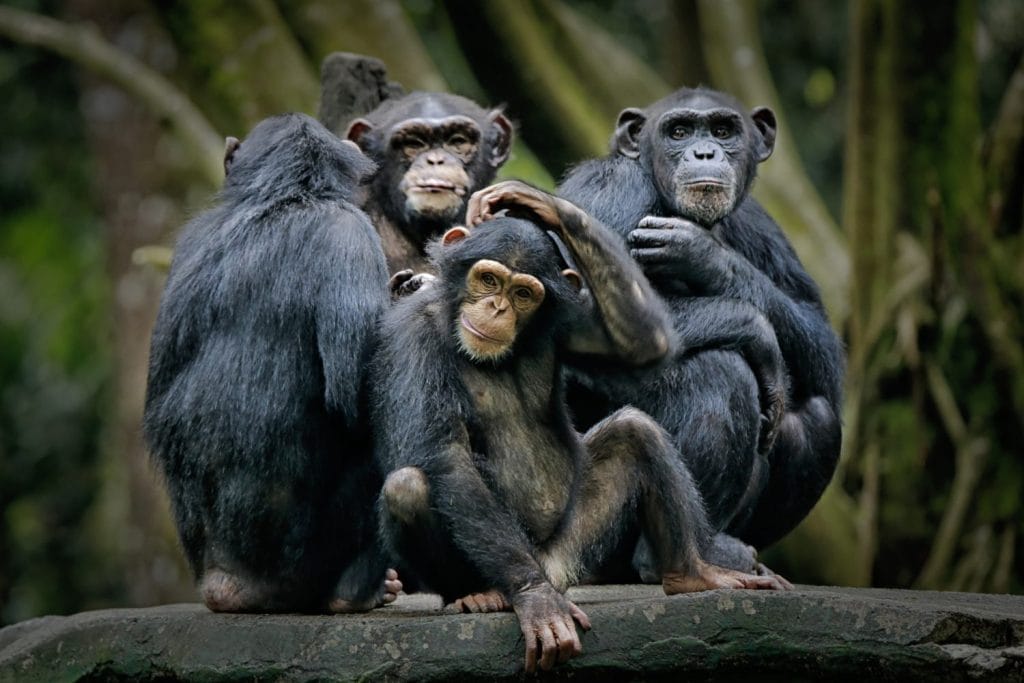
Chimpanzees evolved region-specific genes, including disease resistance, shaped by local environments across Africa.
©Ari Wid/Shutterstock.com
A 2025 study led by scientists at University College London analyzed genetic samples from nearly 400 wild chimpanzees across Africa. The research revealed that chimpanzees have developed region-specific genetic adaptations tied to their environments, including resistance to diseases such as malaria. By comparing chimpanzee DNA across forests, savannas, and mixed habitats, the researchers found clear evolutionary signatures showing how populations responded to local challenges over thousands of years of natural selection.
This study reshaped how scientists think about conservation. Protecting chimpanzees is not just about preserving numbers; it’s about preserving genetic diversity that allows populations to survive disease, climate shifts, and environmental stress. Some of the same genes involved in chimpanzee malaria resistance are also important in human immune responses, so the research also deepened our understanding of shared evolutionary pressures between humans and our closest living relatives.
Artificial Intelligence Transforms Bird Monitoring
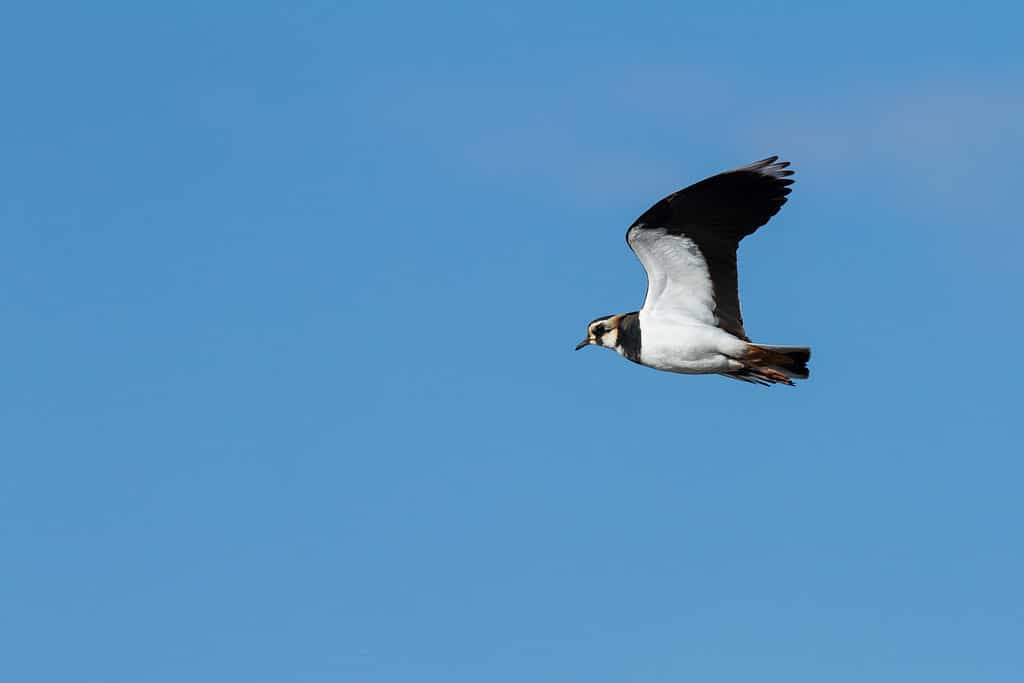
AI-powered cameras now track vulnerable ground-nesting birds, spotting threats and chicks in real time.
©Light and Vision/Shutterstock.com
In 2024, researchers developed an AI-based system to monitor ground-nesting birds, including curlews, which are experiencing steep population declines. The system used motion-activated cameras combined with an artificial intelligence model capable of identifying birds, predators, eggs, and chicks in real time.
In the past, monitoring these birds required hours of manual video review, which limited how much data could be collected. The new system not only dramatically reduced the time needed to assess nest success or failure, but also achieved detection accuracy above 90 percent.
The broader impact lies in scalability. AI-based monitoring allows conservationists to study more nests across larger areas without disturbing wildlife. This approach is now being adapted for other vulnerable species and demonstrates how technology can support—but not replace—field-based conservation work.
A Global Meta-Analysis Shows Conservation Really Works
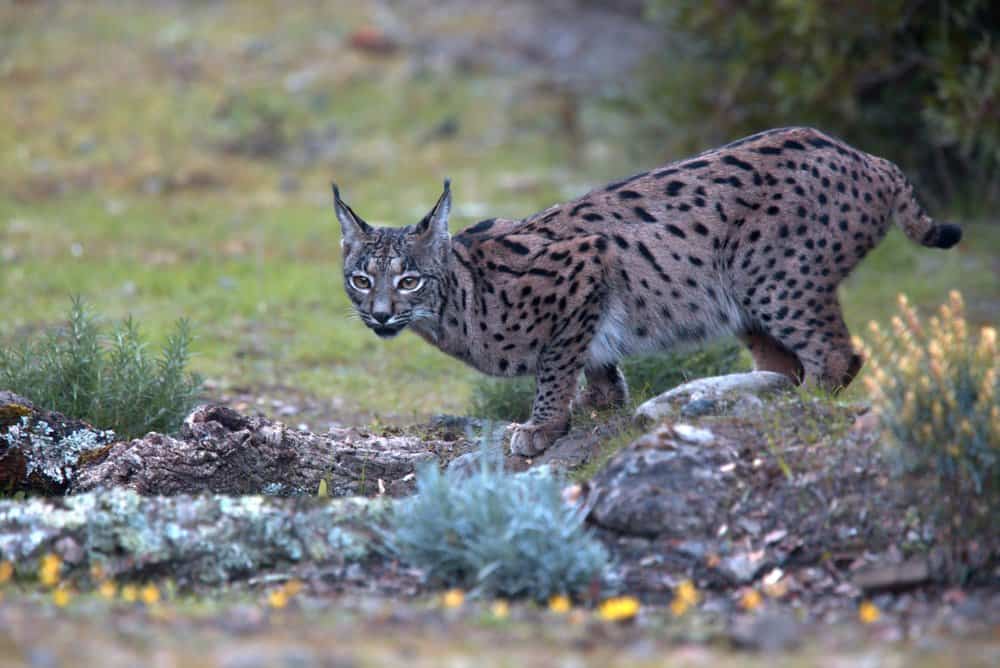
Hundreds of studies worldwide show conservation actions consistently slow or reverse biodiversity loss.
©tony mills/Shutterstock.com
One of the most influential wildlife studies of the decade was published in Science in 2024. An international team analyzed more than 665 conservation initiatives across terrestrial and marine ecosystems worldwide. The question was simple but profound: Does conservation actually work?
The answer was yes. In roughly two-thirds of the cases studied, conservation actions either improved biodiversity or slowed its decline compared to areas with no intervention. Successful strategies included habitat protection, invasive species control, and targeted species management.
This research had major policy implications. It provided strong evidence that conservation investments pay off when they are science-based and sustained. For governments and organizations deciding where to allocate limited resources, the study offered data-driven reassurance that action matters.
Tracking Small Animals from Space
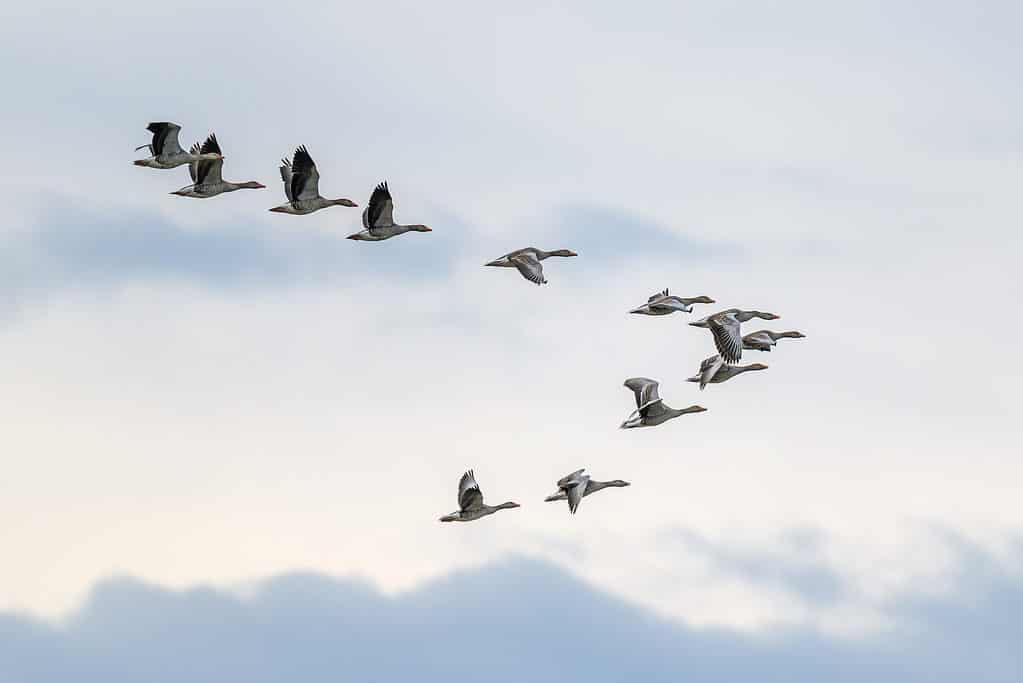
Miniature tracking tags and satellites reveal previously hidden migration routes of birds, bats, and insects.
©Volodymyr Burdiak/Shutterstock.com
The ICARUS Initiative, led by Martin Wikelski of the Max Planck Institute of Animal Behavior, reached a major milestone in the early 2020s by successfully tracking small animals from space. Lightweight GPS tags, some weighing less than a penny, were attached to birds, bats, and insects and linked to a receiver on the International Space Station.
This technology allowed scientists to follow migration routes across continents, revealing stopover sites and movement patterns that had never been observed before. Researchers learned, for example, how migratory birds adjust their routes in response to weather, land use, and food availability.
The impact of this research extends beyond curiosity. Knowing where animals travel helps identify critical habitats that need protection and allows scientists to predict how climate change may disrupt ancient migration pathways.
DNA-Based Elephant Census Reveals Hidden Declines
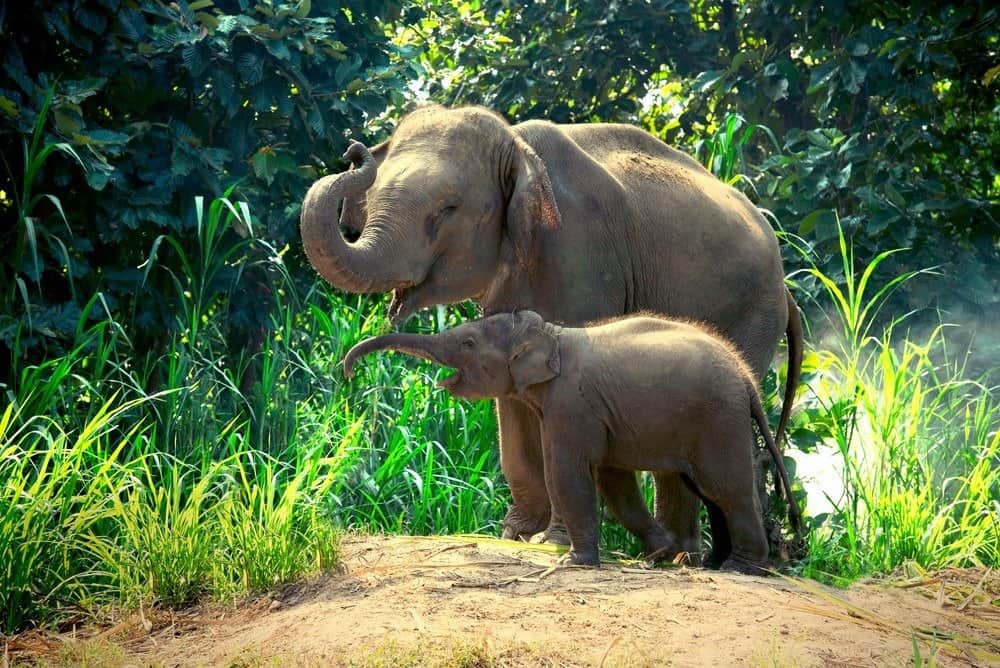
DNA from elephant dung revealed sharper population declines than traditional surveys ever detected.
©Nuttaya Maneekhot/Shutterstock.com
In the mid-2020s, scientists with the Wildlife Institute of India conducted the country’s first large-scale DNA-based census of Asian elephants. Instead of relying solely on visual counts, researchers collected dung samples across elephant ranges and used genetic analysis to identify individual animals.
The results were sobering. The study revealed a population decline of roughly 25 percent over less than a decade in some surveyed regions, largely driven by habitat fragmentation and human-elephant conflict.
Beyond the alarming results, the study also demonstrated the power of genetic tools for wildlife management. DNA-based censuses are more accurate than traditional surveys and help identify migration corridors that elephants depend on. This research has already influenced land-use planning and conservation policy.
Bringing a “Lost” Snail Back from the Brink

Snails and other invertebrates play vital roles in soil health, nutrient cycling, and ecosystem stability.
©Michal Skotnica/Shutterstock.com
Not all ground-breaking wildlife research focuses on large or charismatic animals. One of the most remarkable conservation stories of the past decade involves the Campbell’s keeled glass snail, a species once thought extinct.
After a small surviving population was rediscovered, scientists began a captive breeding program in the early 2020s. By 2025, hundreds of snails had been carefully reintroduced to protected habitat on Norfolk Island. Despite setbacks, including disease outbreaks, the project showed early signs of success, including evidence of reproduction in the wild.
This study highlighted the importance of invertebrates by showing that species often considered insignificant play essential roles in maintaining soil structure, nutrient cycling, and overall ecosystem stability. It also demonstrated that extinction can be staved off if action is taken quickly and thoughtfully.
Urban Cockatoos and the Science of Animal Culture
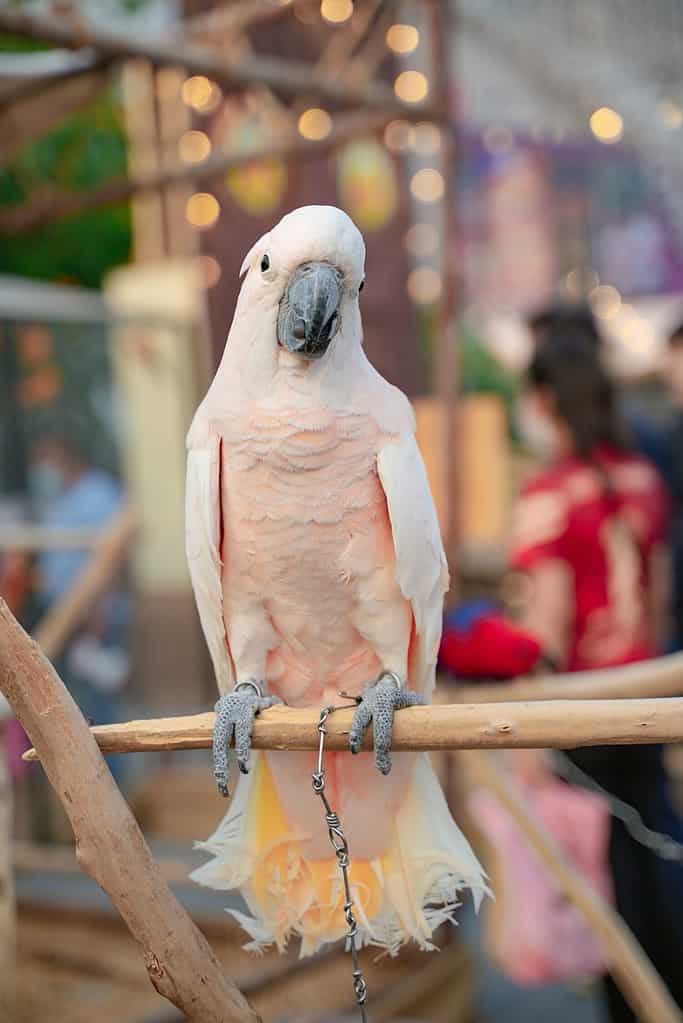
Urban cockatoos learned to use drinking fountains, spreading the behavior through social learning.
©pong aboy/Shutterstock.com
A 2025 study published in Biology Letters documented a surprising behavior among sulfur-crested cockatoos in Australia: operating public drinking fountains. Researchers observed birds manipulating handles, learning the behavior from one another, and even waiting their turn.
The study provided strong evidence of cultural transmission, meaning behaviors learned socially rather than genetically. This finding challenges the idea that culture is uniquely human and shows how intelligent animals adapt to urban environments.
Understanding animal behavior in cities has practical implications. It helps planners design spaces that reduce conflict while supporting wildlife resilience in increasingly urbanized landscapes.
Wildlife Corridors Proven to Save Lives
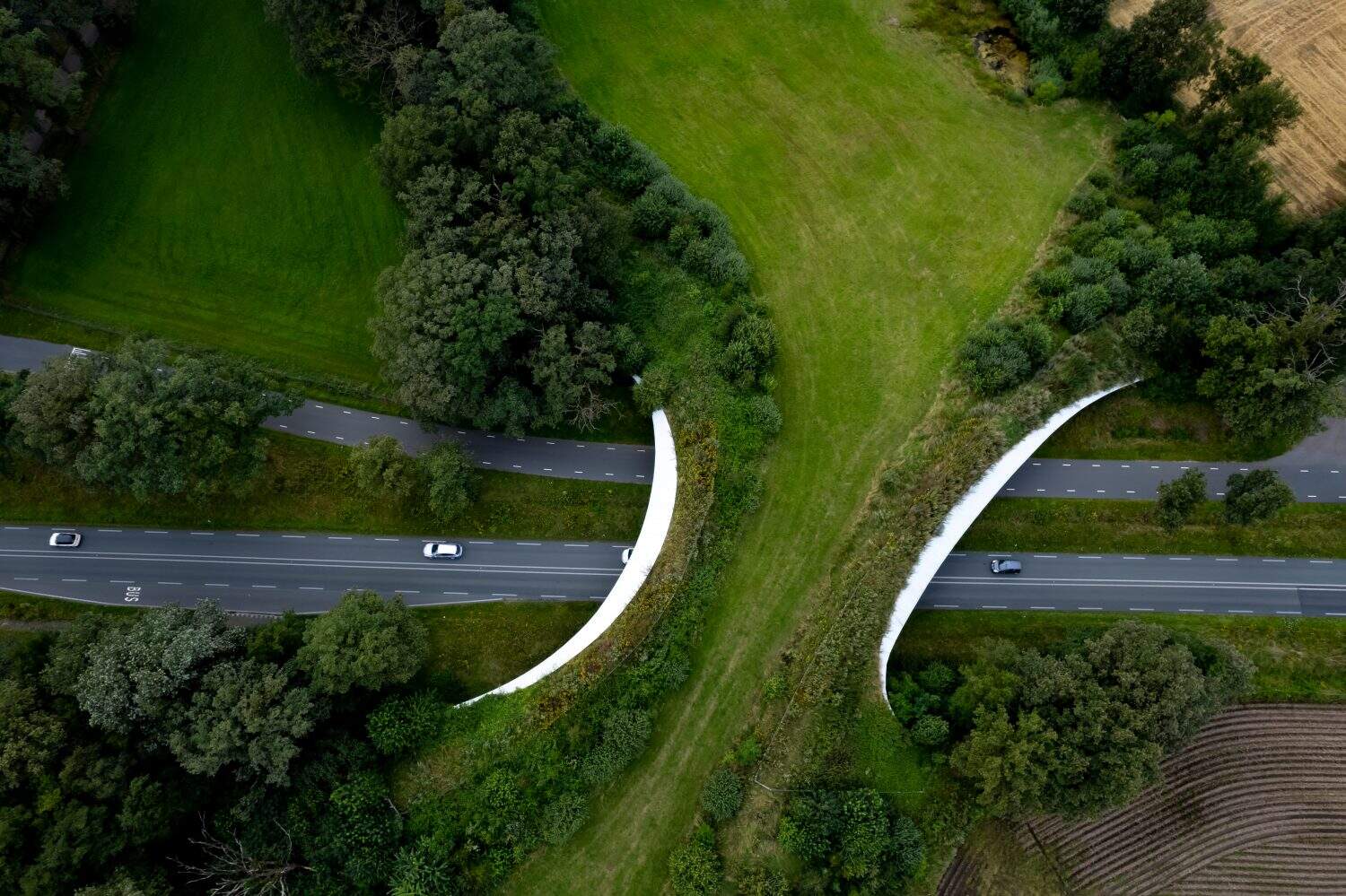
Connected habitats reduce road deaths and inbreeding by allowing animals to move safely between ecosystems.
©Maarten Zeehandelaar/Shutterstock.com
A wildlife corridor is a stretch of land that allows animals to move safely between larger natural areas that would otherwise be cut off from one another by roads, cities, farms, or other human development. These corridors can be wide tracts of protected land, narrow strips of forest, or even carefully planned underpasses beneath highways.
Over the past decade, scientists studying the Florida Wildlife Corridor set out to determine whether these connections actually improve animal survival. Using GPS tracking, genetic sampling, and mortality records to compare connected and isolated populations, the studies found that animals living in areas with connected habitat were more likely to survive and less likely to be killed by cars. They also moved more freely between feeding and breeding areas, which reduced inbreeding and increased genetic diversity. In contrast, animals trapped in isolated patches of land were more likely to die young and showed signs of genetic stress.
By clearly linking habitat connectivity to survival, movement, and genetic health, this research showed that wildlife corridors are not abstract conservation concepts. They are practical tools that help animals navigate human-dominated landscapes and stay alive.
Animals as Architects of Forest Recovery
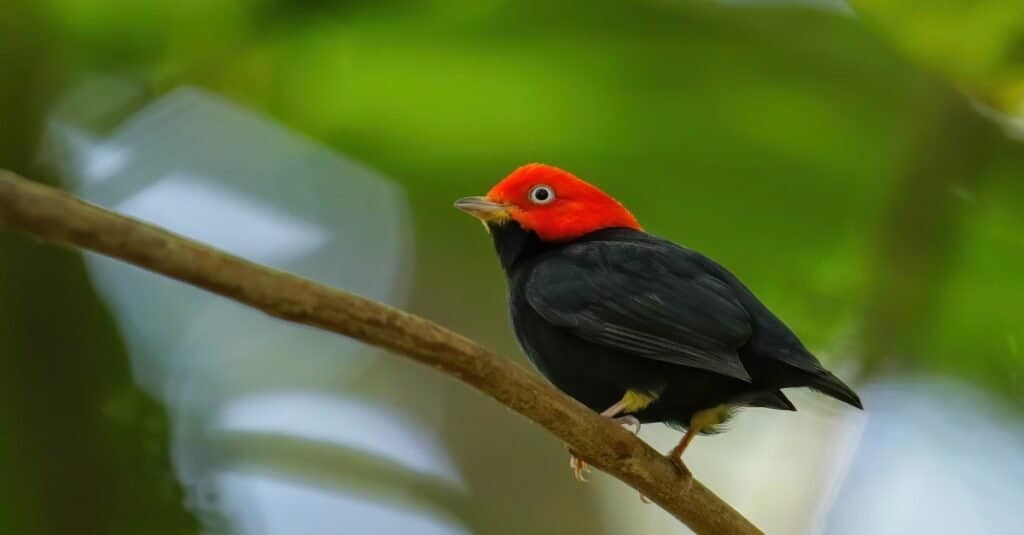
Birds and mammals accelerate forest recovery by carrying seeds into deforested areas.
©Don Mammoser/Shutterstock.com
A 2022 long-term study in Panama revealed how animals play a crucial role in forest regeneration after deforestation. By tracking seed dispersal over decades, researchers showed that birds, mammals, and other animals accelerated recovery by transporting seeds from mature forests into cleared areas.
Forests where animals were present regained tree diversity and structure far more quickly than areas without them. In some cases, the recovering forests began to resemble old-growth systems within a human lifetime.
This research shifted how scientists and land managers think about restoration. Protecting animals is not just about saving species; it’s also about preserving natural processes that allow ecosystems to heal themselves.
Ten More Influential Wildlife Studies Worth Noting
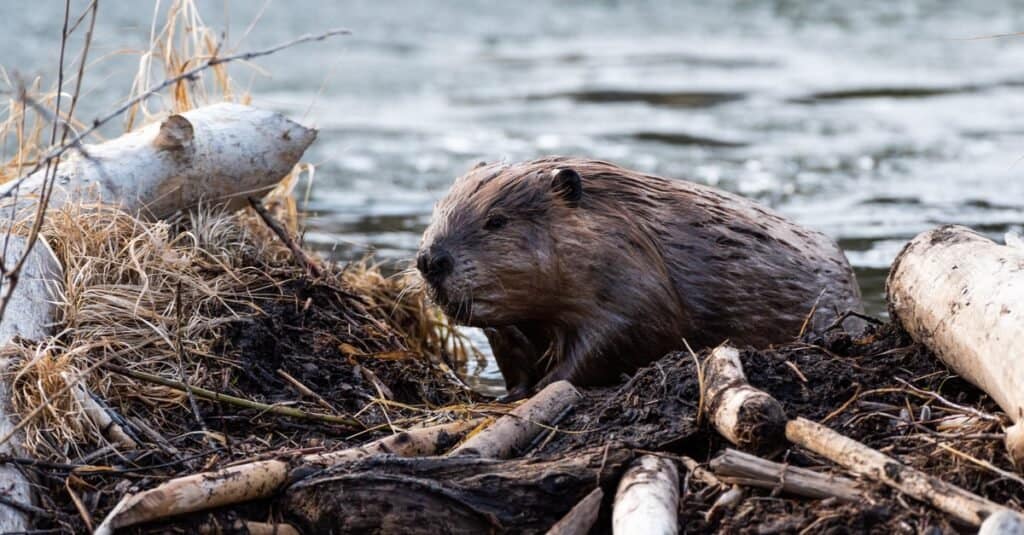
Animals play powerful roles in shaping ecosystems, from flood control to food webs and forest recovery.
©Dan-Pepper/Shutterstock.com
Whale Songs Are Culturally Transmitted
Researchers studied humpback whale populations across the South Pacific and found that new song patterns spread eastward between populations, much like cultural trends. The study showed that whale songs are learned socially rather than genetically, reinforcing the idea that culture is not uniquely human.
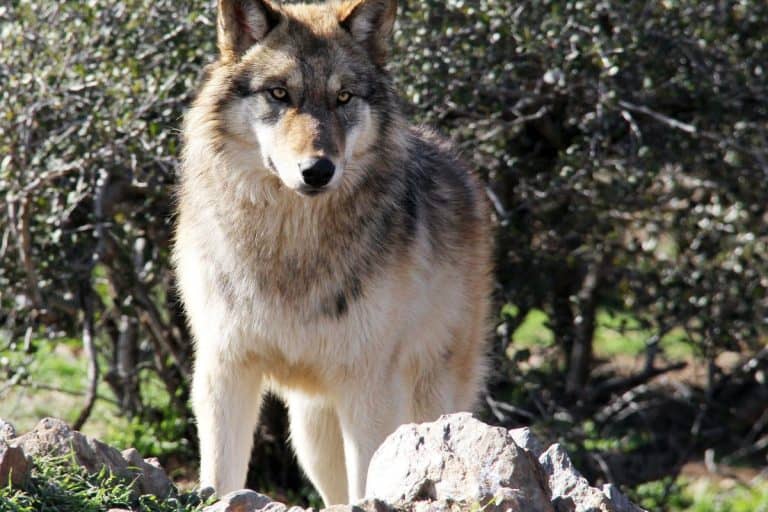
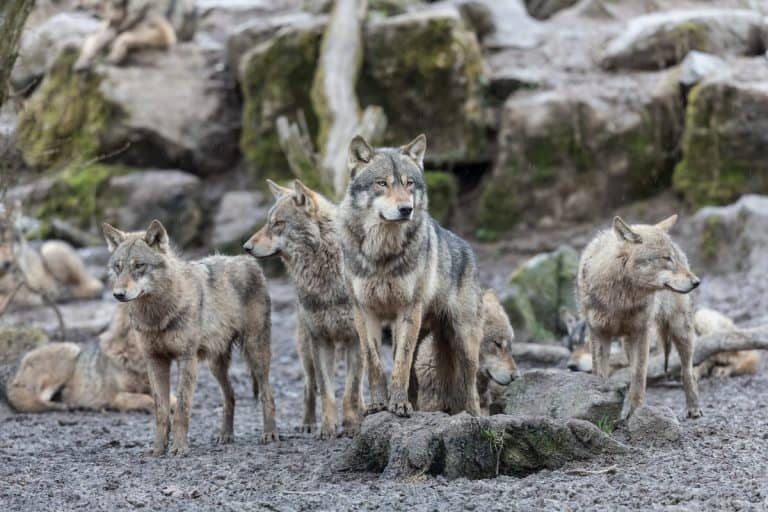
Wolves Alter River Systems in Yellowstone
Multiple studies examined the long-term effects of wolf reintroduction in Yellowstone National Park, finding evidence that wolves indirectly influenced riverbank vegetation and erosion patterns by changing elk behavior, allowing vegetation to recover.
Octopuses Use Tools in the Wild
Marine biologists observed veined octopuses collecting and carrying coconut shells across the seafloor for later use as shelter, demonstrating advanced problem-solving and planning in an invertebrate species.
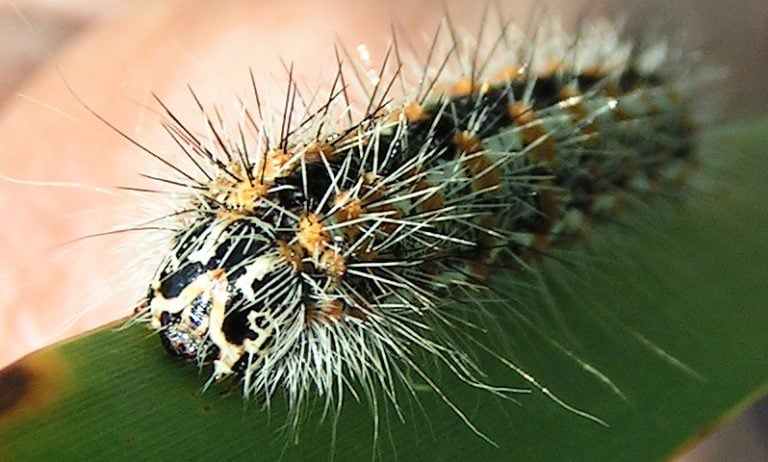
Global Insect Decline Quantified
A large-scale analysis reviewed decades of insect population data and found sharp declines in many regions. The study linked losses to habitat destruction, pesticides, and climate change, raising global concern about ecosystem collapse and food web stability.
Elephants Use Names for Each Other
Researchers studied African elephant vocalizations and found that elephants use specific calls that function like individual names, revealing a form of symbolic communication rare outside of humans and suggesting advanced social cognition.
Urban Foxes Show Behavioral Flexibility
Ecologists studying red foxes in cities found that urban foxes solve novel problems more effectively than rural foxes, showing that animals living near humans often develop greater behavioral flexibility, helping explain why some species thrive in cities.
Fish Feel Pain and Experience Emotions
Studies demonstrated that fish show behavioral and physiological responses consistent with pain perception, influencing animal welfare research and policy debates.
Rewilding with Beavers Reduces Flooding
Research in the United Kingdom showed that reintroduced beavers significantly reduced downstream flooding by slowing water flow and reshaping wetlands.
Bats Suppress Agricultural Pests
Multiple studies quantified how insect-eating bats reduce crop pests, saving farmers billions of dollars annually.
Climate Change Alters Bird Migration Timing
Long-term monitoring studies across North America and Europe showed that many bird species now migrate earlier in spring than they did decades ago, a shift linked directly to warming temperatures.
The Role of Science in Conservation
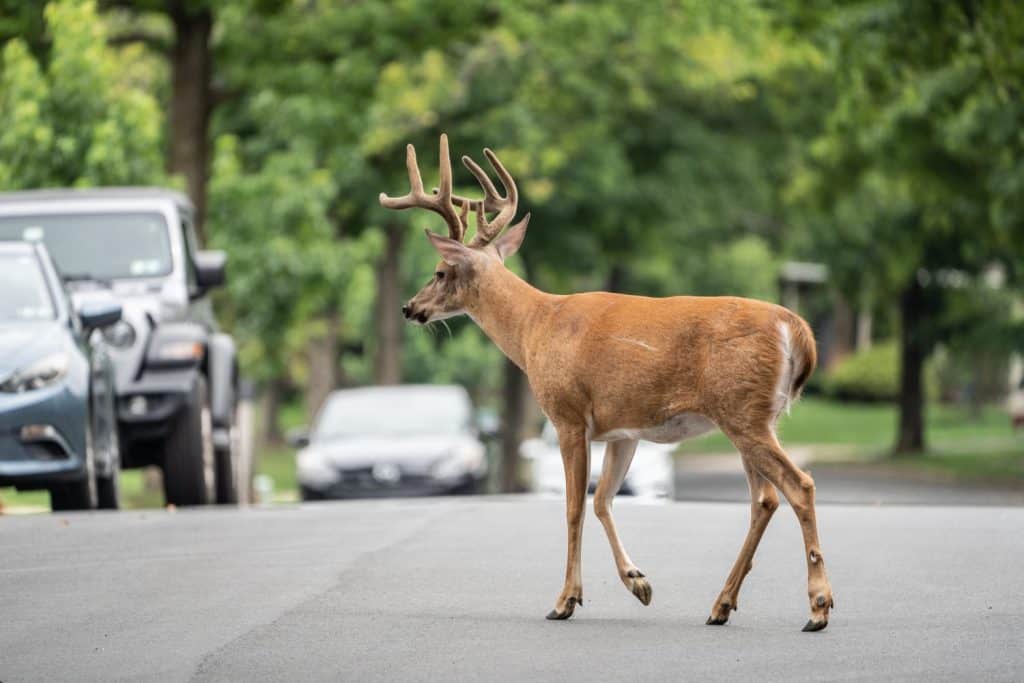
From cities to wilderness, animals continually adapt, learn, and influence the environments they inhabit.
©Amy Lutz/Shutterstock.com
Taken together, these studies paint a hopeful but realistic picture of wildlife science today. They show that animals are adaptable, intelligent, and deeply interconnected with their environments. They also show that human actions, both harmful and helpful, shape wildlife outcomes in measurable ways. But if there’s one thing the past decade of research makes clear, it’s this: conservation works best when it is informed by good science, supported over the long term, and grounded in respect for both nature and people. As technology improves and data accumulates, the next ten years should prove even more transformative for our understanding of the living world.