













Quick Take
- The Bombay cat's name has nothing to do with India, and the real story behind it is more deliberate than you'd expect. See the origin story →
- This breed's biggest personality trait sounds adorable, but that changes the moment you leave the house. Meet the Velcro cat →
- There's a health condition so serious that buying a Bombay kitten without checking for it first is a gamble you don't want to take. Check the health risks →
- Bombay cats can do something most people don't expect from a cat, and owners often find this ability useful for solving a common problem. Explore Bombay traits →
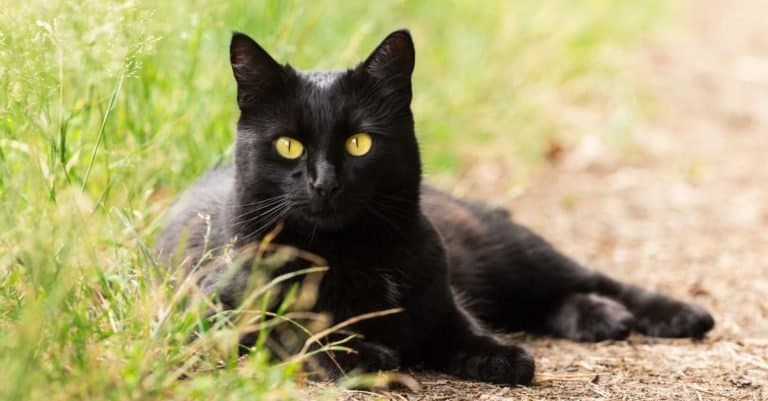
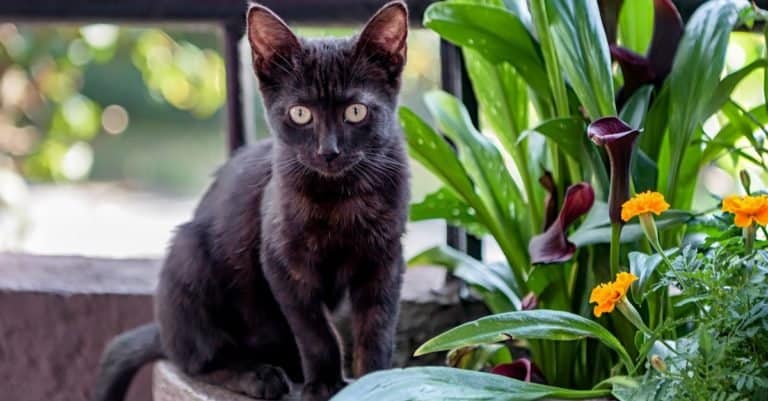
The Bombay cat may look like the miniature version of a wild black panther, but don’t let its appearance scare you. Bombay cats are among the most energetic, playful, sociable, and affectionate domestic cats you’ll find. Descended from the sable-colored Burmese and the black American shorthair, these cats make wonderful pets.

Breed History
Despite the name, this crossbreed did not originate from the Indian city of Bombay (now known as Mumbai). Instead, it was developed in the United States from a cross between a sable Burmese and a black American Shorthair. The American Burmese itself was only developed a few decades earlier from a Siamese-like cat.
A breeder by the name of Nikki Horner from Louisville, Kentucky, was responsible for creating the Bombay, beginning development of the breed in the late 1950s and continuing to refine it over the following years. She intended to create a hybrid breed that resembled a small black panther, which is found across the tropical forests of Africa and Asia. Decades after Nikki Horner succeeded, the Bombay (also referred to as Black Mamba) gained full recognition from the Cat Fanciers’ Association in the 1970s.
Traits: What to Know before You Buy
- The Bombay is a highly sociable breed. It craves constant attention from its owner.
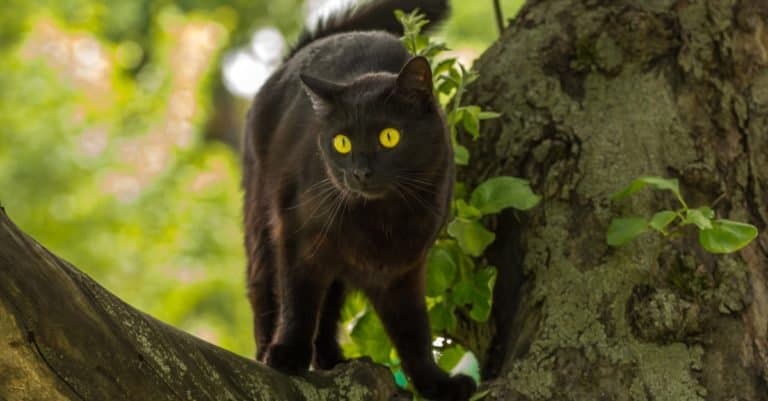
- The Bombay loves playing games or fetching balls. Sometimes they will even accept being walked around on a leash. This should give it plenty of exercise and fresh air.
- The Bombay loves to hide under warm blankets or in sunlit corners. Be careful when getting into bed.
- Despite being a light shedder, the Bombay is not completely hypoallergenic. With that said, individual reactions will always vary, even with supposedly hypoallergenic cats. There’s no way to know how you will react until you’ve already had experience with a particular cat breed.
- The short and shiny coat of hair should be groomed about once a week with a rubber curry brush. Owners will also need to provide frequent ear checks, nail trimmings, and teeth brushing with an acceptable, vet-approved toothpaste.
Personality
The Bombay, like the closely related Burmese from which it originated, is one of the more affectionate and people-oriented breeds of cat you can find. These calm and laid-back cats are very friendly with children, strangers, and even other animals. They have been nicknamed the Velcro cats for their tendency to follow people around the home and insinuate their way into your activities, even when you want to be left alone. They may show the most affection and bond most closely with one specific person.
Owners should be aware, however, that the Bombay cannot be left alone for long periods of time. A Bombay left alone too long may suffer from separation anxiety and begin engaging in destructive behavior around the home. If you plan to leave them alone for hours at a time, then you should provide them with plenty of toys, a scratching post, and other activities. It’s also a good idea to have someone check in on them from time to time. This is one reason they do well with families.
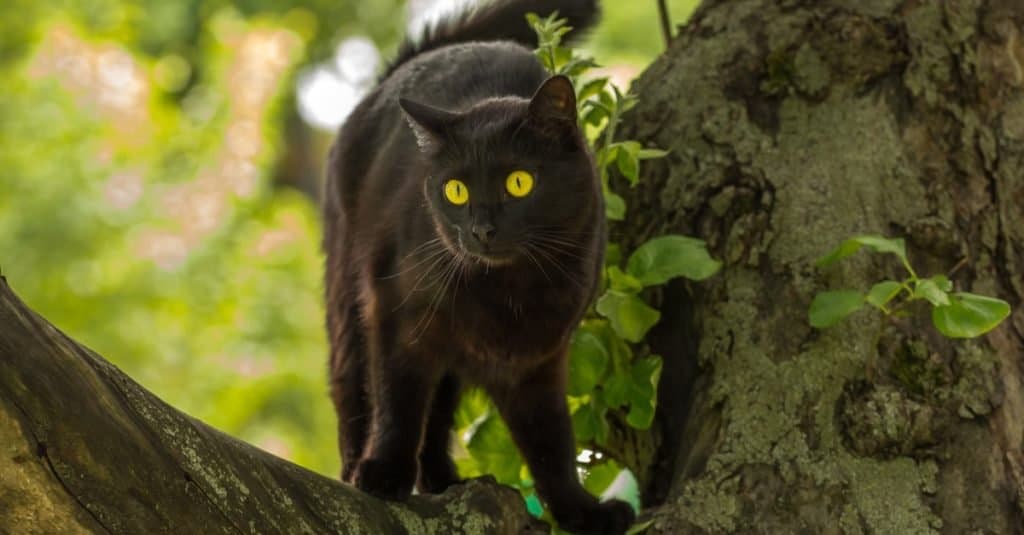
The beautiful black Bombay is one of the friendliest and most affectionate breeds you can find.
©Viktor Sergeevich/Shutterstock.com
Size and Weight
The Bombay is a medium-sized cat, measuring between 13 and 20 inches long, with a muscular frame and a long tail. It usually weighs somewhere in the range of 8 to 15 pounds, but males are generally larger than females.
Price
The price of a new Bombay kitten will probably be somewhere in the range of $400 to $2,000. For a cat with an exceptional pedigree, you may end up spending well over a thousand dollars. If you’re just interested in adopting an older cat, however, then you probably won’t pay more than a few hundred dollars.
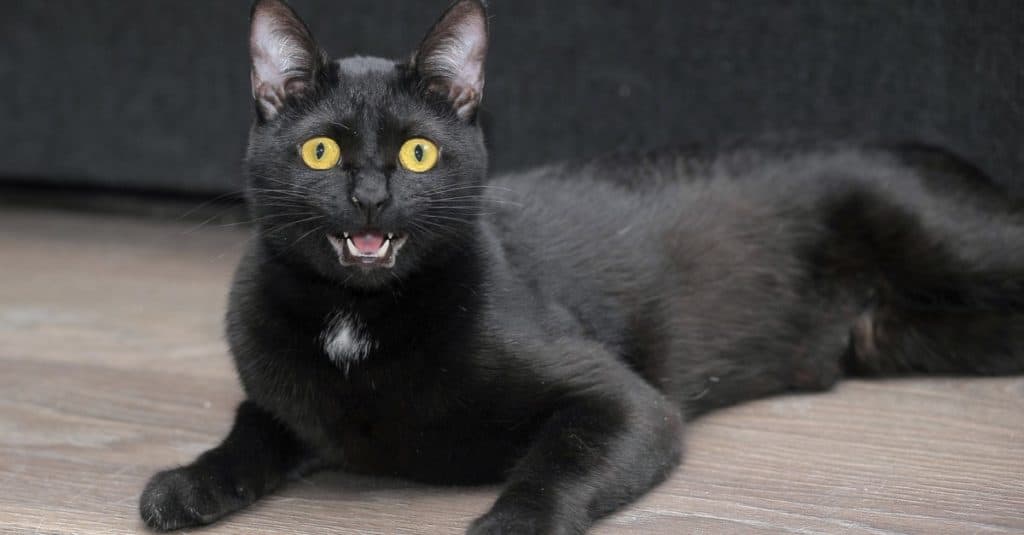
A well-bred Bombay cat can cost anywhere from 0 to ,000, or more for competition cats.
©Anna Krivitskaya/Shutterstock.com
Kittens
Bombay kittens are very energetic and playful pets. They are an enormous source of joy but also responsibility. Beginning within the first one to three months of age, kittens will benefit from early socialization and training to become well-behaved adults. Introduce your cat to new people slowly and patiently, using a calm voice and deliberate movements, so that it can set the pace of interactions itself. These cats are also fairly responsive to a few basic commands and may even accept leash training.
Bombay kittens will reach sexual maturity quickly, perhaps as early as five months old. If you plan to spay or neuter them, this should be done by the six to nine-month mark. Spaying or neutering, which has numerous benefits for the cat’s health (including a reduced risk of developing certain cancers) and behavior, is usually the preferred option unless you plan to deliberately breed your cats.
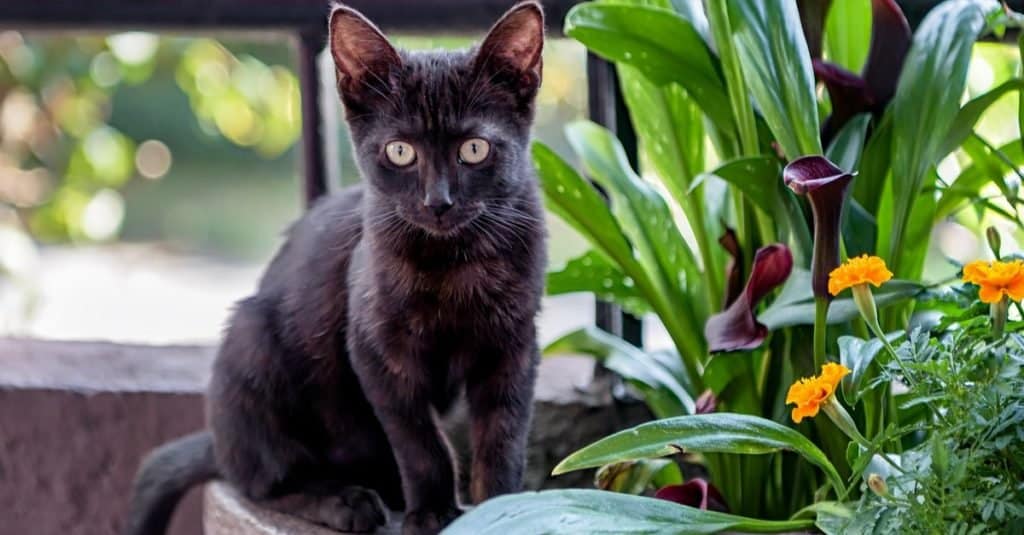
Bombay kittens reach sexual maturity as early as 5 months old.
©Lux Blue/Shutterstock.com
Lifespan
The Bombay has a typical lifespan of 12 to 18 years. It’s very uncommon, though not impossible, that the cat may exceed 18 years of age. While generally healthy, they can suffer from gingivitis, sinus problems, cranial deformities, and a potentially fatal heart condition called hypertrophic cardiomyopathy, in which the muscular walls of the heart thicken, decreasing the heart’s efficiency. Cardiomyopathy is so serious that you should never buy a kitten if its parents have not been tested for this condition. While no breeder can entirely prevent all health problems from ever developing, they can ensure that your cat has a better chance at living a long and healthy life. Regular health checkups at the vet are also a necessity to maintain good health.
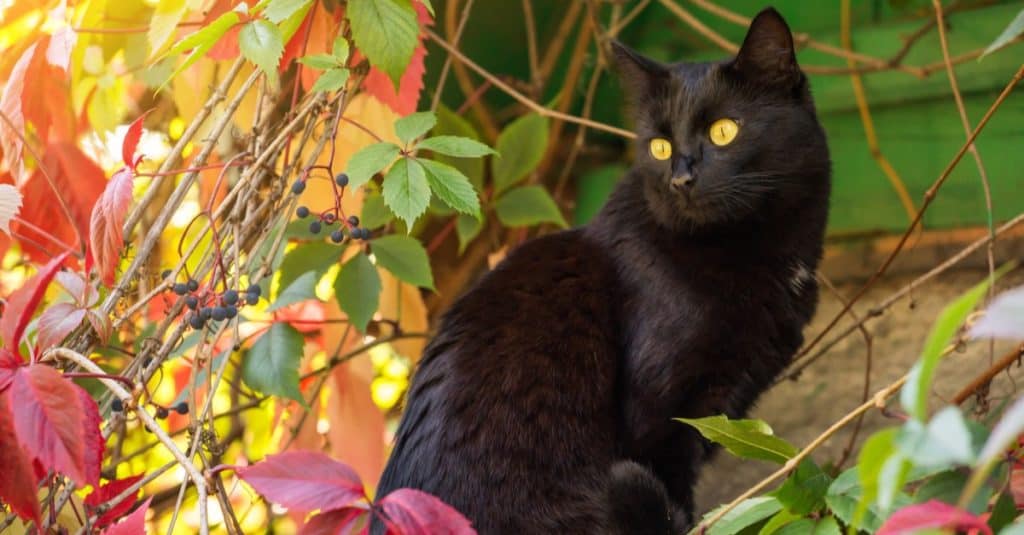
The average lifespan of a Bombay cat is anywhere from 12 to 18 years, with some living for 20 years or more.
©Viktor Sergeevich/Shutterstock.com
Breed vs. Mixed
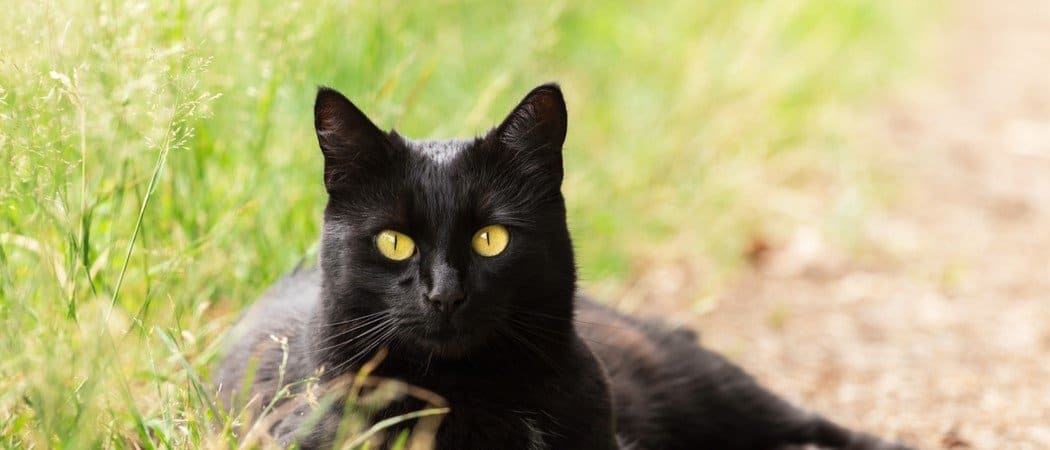
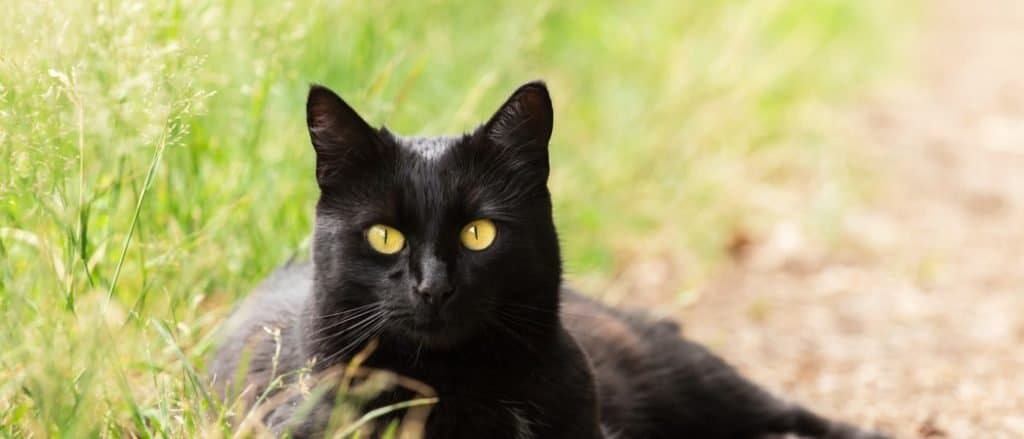
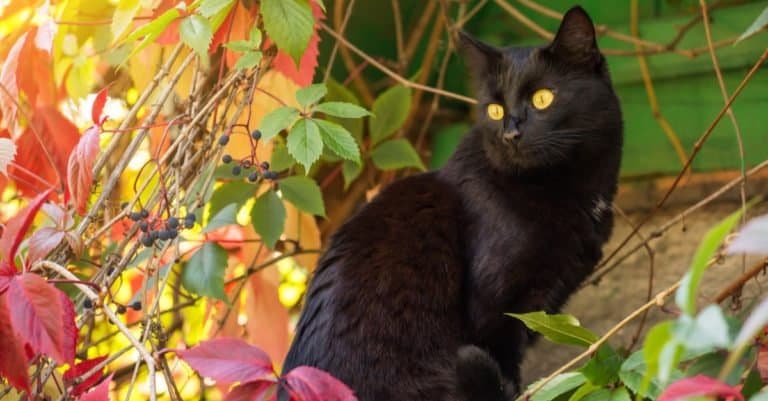
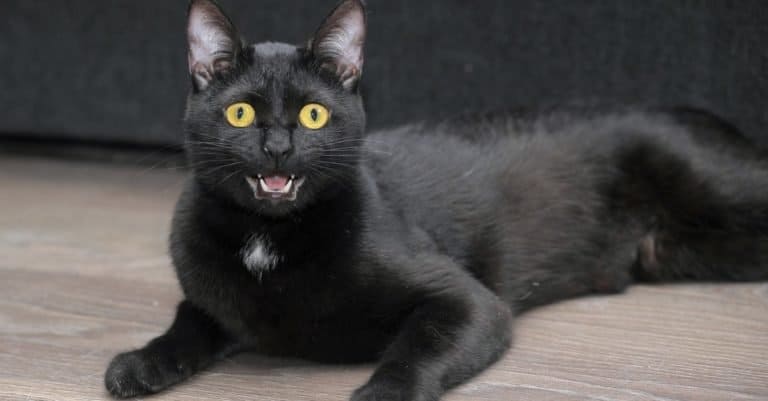
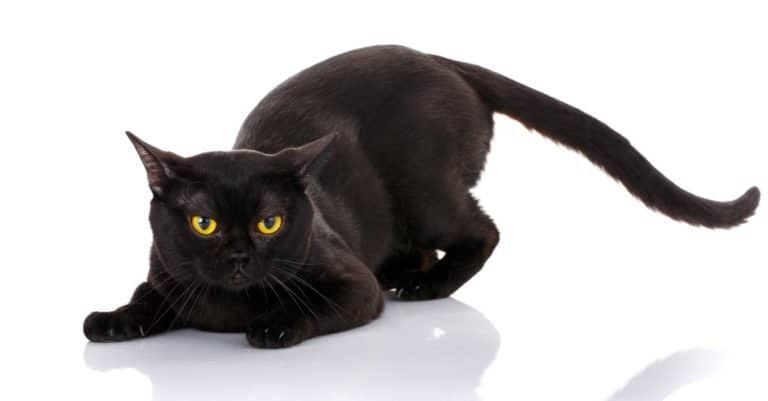
A typical Bombay will have a short glossy black coat, a rounded head, medium-sized ears, a long body and legs, and gold or copper eyes. Besides the black coat, it looks quite similar to the Burmese. This is no surprise, given that the Bombay was originally developed from the Burmese breed in the 1950s and 1960s. The Bombay can be mixed with any other breed of cat to produce some truly interesting results. However, by far the most common cross is with the sable Burmese. This is occasionally done to maintain the Bombay’s physical characteristics, which might otherwise deviate from the breed standard. It is not usually crossed again with the black American Shorthair, its other parent breed, due to a difference in body type.
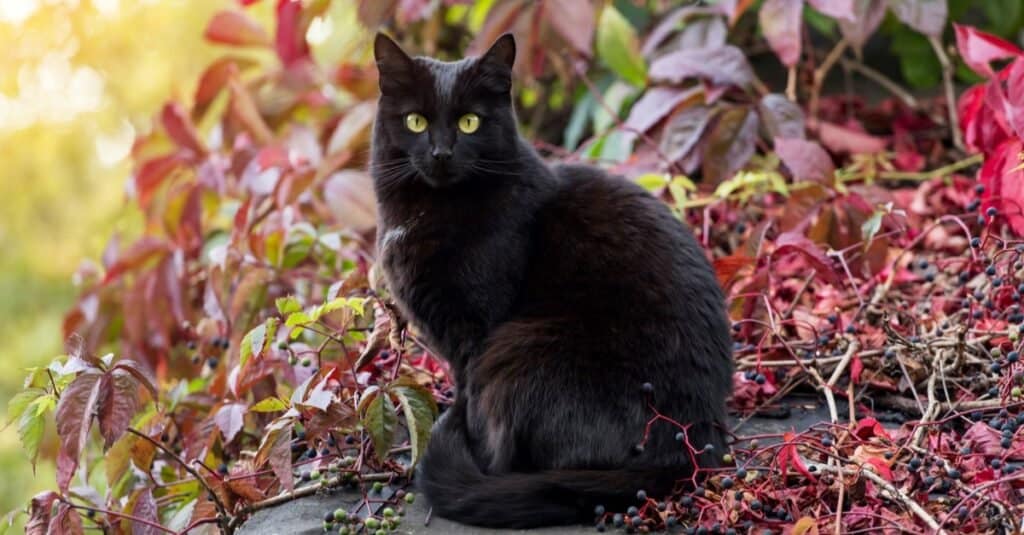
The Bombay cat shares many physical attributes with the Burmese cat, which is not surprising, as it was developed from the Burmese.
©Viktor Sergeevich/Shutterstock.com
Types of Bombay Cats and Colors
There are generally two types of Bombay cats: American and British. Functionally, there are few differences between them, except that the British variety may include more crosses with domestic black shorthair cats. The Cat Fanciers’ Association recognizes only a single color: black. This color covers almost everything besides the eyes and ears, including the entire coat, the soles, the nose, and the mouth. The black color goes all the way down to the roots with no other colors mixed in.
Bombay Pictures
View all of our Bombay pictures in the gallery.

Viktor Sergeevich/Shutterstock.com
Sources
- Cat Fanciers Association / Accessed July 9, 2021
- Cat Time / Accessed July 9, 2021
- Vet Street / Accessed July 9, 2021