
Quick Take
- Dental disease is common in dogs and cats, with over 80% of dogs and 70% of cats showing signs by age three.
- Regular brushing and dog-safe toothpaste help prevent tartar, gingivitis, and periodontal disease.
- Small and flat-faced dogs and certain cat breeds are more prone to dental disease.
More than 80% of dogs and 70% of cats show signs of dental disease by age three. Many cases of periodontal disease go unnoticed until it’s too late, and pets are known to mask signs of discomfort. As someone with a 13-year-old boxer mix who has periodontitis, I’ve seen firsthand how this can start in the mouth and slowly affect other parts of a dog’s body.
While it’s common in aging pets like mine, prevention and maintenance are the first steps to keeping it from reaching an advanced stage. Dental disease can wreak havoc if left untreated and can cause a chain reaction, including bad breath, rotting teeth, and organ problems. Here’s the full breakdown of what to look out for when cleaning your pet’s teeth, and how to keep oral disease out of the picture for as long as possible.
What Does Proper Dental Hygiene Look Like?
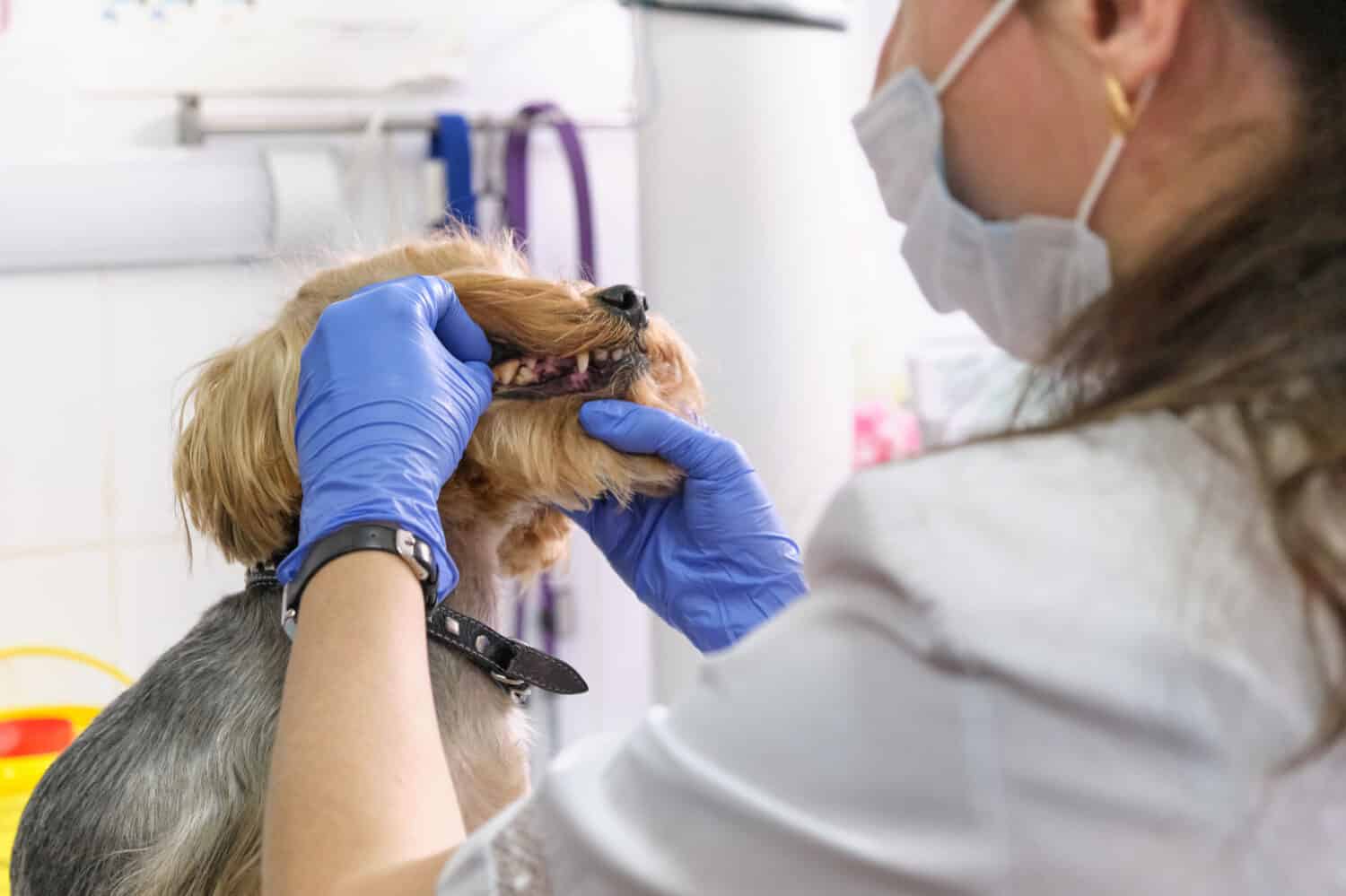
In dogs, proper dental hygiene is surprisingly similar to that of humans. Vets recommend brushing your dog’s teeth several times a week, if not daily, to help prevent tartar and gum disease. Many pet supply stores sell toothbrushes that are specially tailored to a dog’s mouth, but a soft-bristled toothbrush works just as well. For some, a finger toothbrush might be easier to use than a full-sized toothbrush. It’s also crucial that dog owners use dog-safe toothpaste. This comes in many flavors, from peanut butter to chicken, which means your dog might even look forward to having their teeth cleaned.

Some breeds are more susceptible to dental issues based on genetics and physical features.
©Milosz Aniol/Shutterstock.com
Dental chews and toys can help reduce plaque and tartar as a supportive measure. However, they should be used in addition to regular brushing for optimal dental health. This is a good way to stay on top of teeth cleaning for both dogs and cats. Dog chew toys, such as those made of rubber or silicone with special grooves or notches, help knock out tartar fast. Cat toys, such as catnip sticks, textured toys, or bristled toys, act as natural toothbrushes. If cat owners are comfortable brushing their cat’s teeth, all they need is some gauze (and quick hands) to make a difference.
Types of Dental Disease and Their Symptoms
Dental disease in canines and felines doesn’t only apply to one thing. It can mean that any part of the mouth is affected, from the gums to the teeth. Dogs and cats also contract different diseases, which is why it’s essential to know the symptoms of both.
Tartar and Plaque
Just like humans, dogs and cats are also susceptible to tartar and plaque buildup. Brushing is the only way to keep this at bay, although textured toys can also help for cats. If left untreated, tartar and plaque can show up on your pet’s teeth as discoloration or a filmy substance. Unchecked, this becomes a breeding ground for gingivitis, which can spiral out of control and become harder to treat. Prevention is the first step in counteracting dental disease, and it starts with good daily hygiene.
Gingivitis
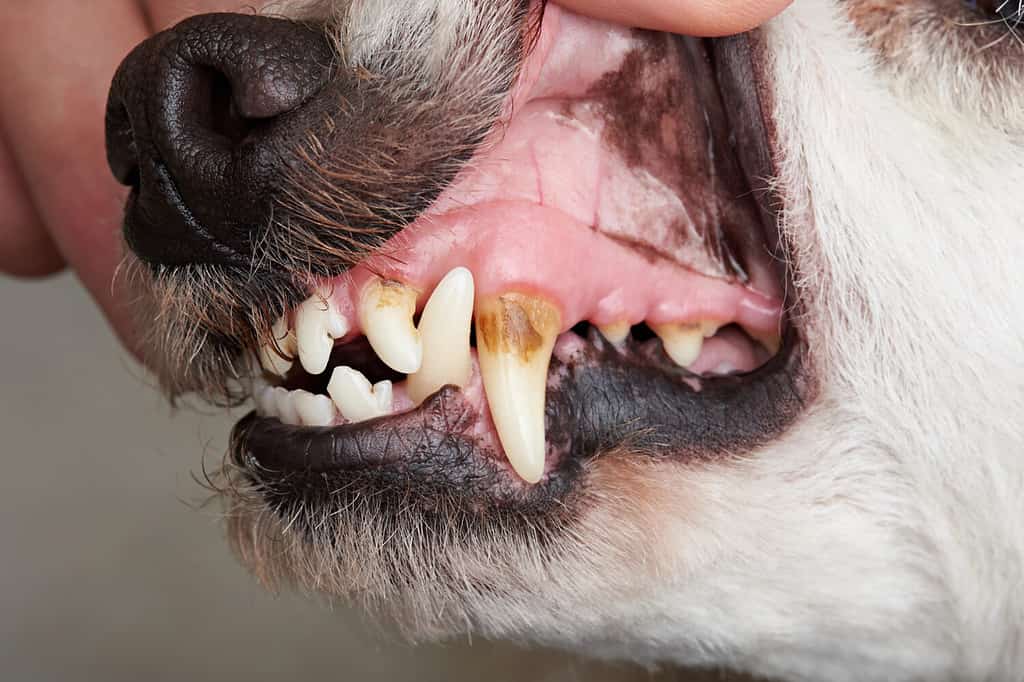
Dogs and cats are both susceptible to gingivitis, which is inflammation of the gums. This is also the first stage of periodontal disease, which can be reversed if caught early enough. It’s one of the most common dental ailments in pets and can be addressed with more frequent brushing and other proper dental hygiene practices, such as dental chew toys and additives.
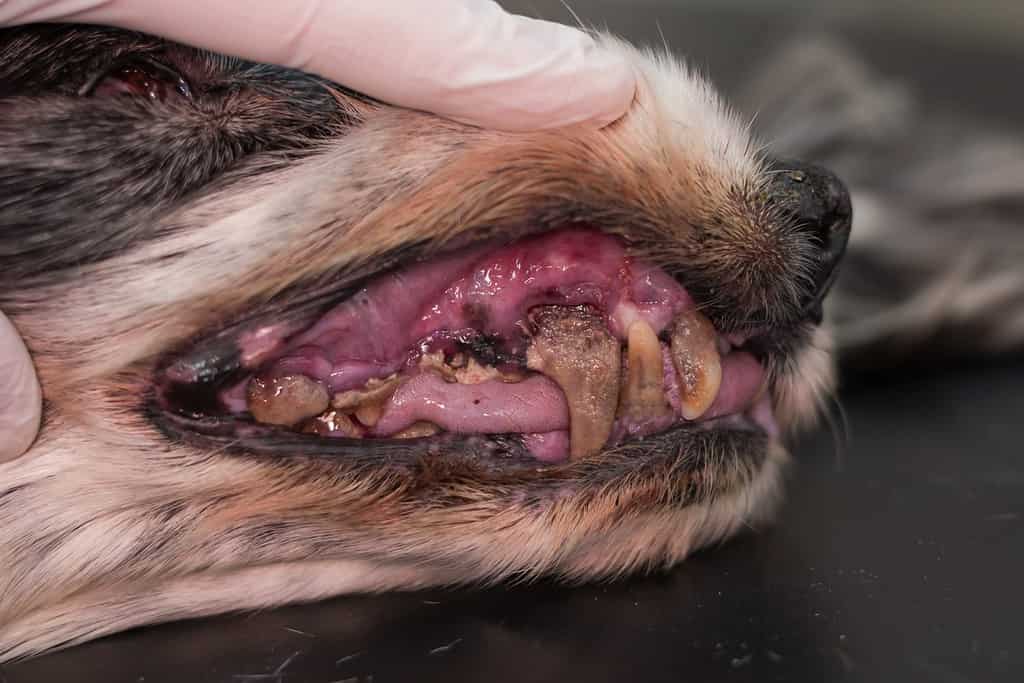
Gingivitis in older pets can look like yellow or brown discoloration as the tooth slowly rots away.
©Todorean-Gabriel/Shutterstock.com
Advanced gingivitis requires a professional teeth cleaning, which a vet must do. To do this, a pet is typically put under general anesthesia while tartar is removed. If left untreated, the plaque buildup that causes gingivitis will eventually extend below the gumline. Once this happens, the body becomes more susceptible to other diseases and bacterial absorption.
Periodontal Disease
For much of my pup’s life, she was kept free of dental disease. This was thanks to a combination of good chew toys and routine teeth brushing. Unfortunately, age plays a significant role in our pets’ dental health, and some breeds are more prone to dental issues than others. Now, at 13, she has periodontal disease, which may have contributed to elevated liver enzyme levels. This means that bacteria from periodontal disease caused inflammation or damage to her liver, which required additional medication.
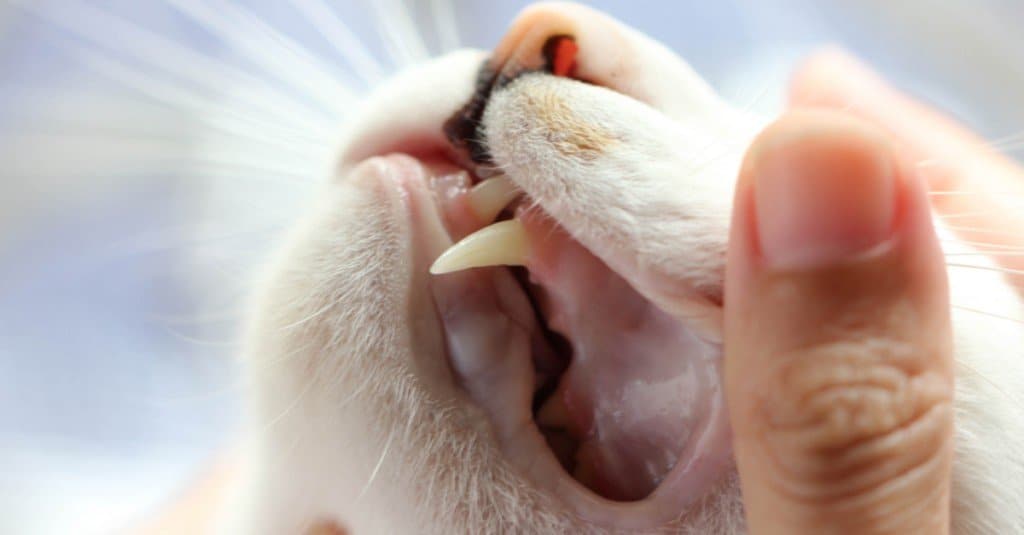
Some cats are more prone to tooth resorption, for which no known cause has been identified.
©happymay/Shutterstock.com
While this is common in older pets, it can be prevented early. Periodontal disease also happens in stages, and the early signs to look for include:
- Bleeding, redness, and/or inflammation in the gums
- Bad breath (halitosis)
- Trouble eating or refusal to eat
- Eating only on one side of the mouth
- Tooth decay (brown or discolored teeth)
- Tooth loss
Tooth Resorption
Unfortunately, the cause of tooth resorption is currently unknown. It’s a disease that affects cats and is the most common cause of tooth loss in felines, and periodontal disease is a significant contributor. Tooth resorption occurs when decay begins in the center of the tooth and eventually spreads outward. It’s difficult to diagnose because the decay is often unseen until it reaches the exterior of a cat’s tooth. By the time this happens, the tooth is already a lost cause or on its way out.
The best practice in this situation is to manage the cat’s pain level. Since the process is unpleasant and the tooth cannot be saved, veterinarians often focus on pain management. It’s also challenging to remove a cat’s tooth without an extensive procedure, but according to Cornell, it may be possible to remove part of it.
Breeds That are More Susceptible to Dental Issues
Some breeds, such as mine, are more prone to dental health issues than others. Small and toy breeds are often at risk for tooth overcrowding due to their small mouths. Some breeds, such as toy poodles, also have fragile teeth, which makes them prone to chips and fractures. The width of a dog’s jaw is also a factor, and small breeds may encounter problems with pockets and crevices that are often missed during cleanings.
If caught early, gingivitis can be reversed, and periodontitis can be treated.
©PixieMe/Shutterstock.com
Flat-faced breeds, such as boxers, bulldogs, and pugs, face additional issues. Their short snouts and undershot jaws can cause overcrowding and alignment problems. Spaniel breeds are prone to dental disease overall and are more susceptible to bacteria that cause gingivitis and periodontitis.
In cats, Maine coons, Siamese, Abyssinian, Burmese, and Persian cats are more vulnerable to dental diseases. Their genetic predisposition leads to more severe dental issues than in other breeds. Short jaws, flat faces, small mouths (overcrowding), and sensitive teeth and gums all lead to gingivitis and periodontitis, especially as they age. Burmese, Cornish Rex, and Ragdoll breeds are also predisposed to tooth resorption.
When Should You Call the Vet About Your Pet’s Dental Health?
Sadly, many pet owners don’t realize their pet’s dental health is declining until it’s already too late. This can lead to many domino effects, such as:
- Jaw fractures, tooth fractures, and tooth loss
- Kidney, liver, heart, or lung disease from bacteria that are passed into the bloodstream
- Malnutrition and weight loss occur if a pet is not eating
- Abscesses and abnormal holes from the mouth to the sinuses from inflammation and bacteria
- Poor immune health occurs when the body fights off additional bacteria
- Increased risk for arthritis and general irritability
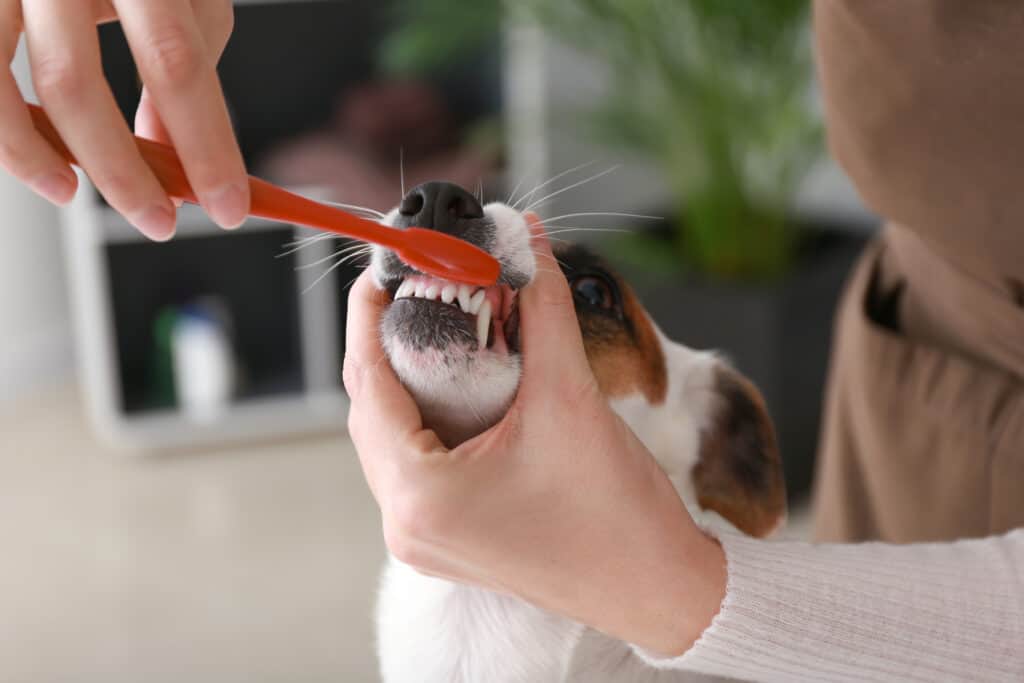
Brushing your dog’s teeth is a good way to reduce trips to the vet.
©Aquarius Studio/Shutterstock.com
While all of these are extreme cases resulting from advanced periodontitis, pet owners should be aware of the consequences of poor dental hygiene. At my dog’s advanced age, she is too old to undergo a professional teeth cleaning. Therefore, the best management practice is to continue brushing her teeth and providing dental chews to slow down the disease progression. However, at the sign of any of these, it’s time to call the vet. It may be as simple as a more rigorous teeth-cleaning regimen, and every proactive measure helps to maintain the health of your cat or dog.