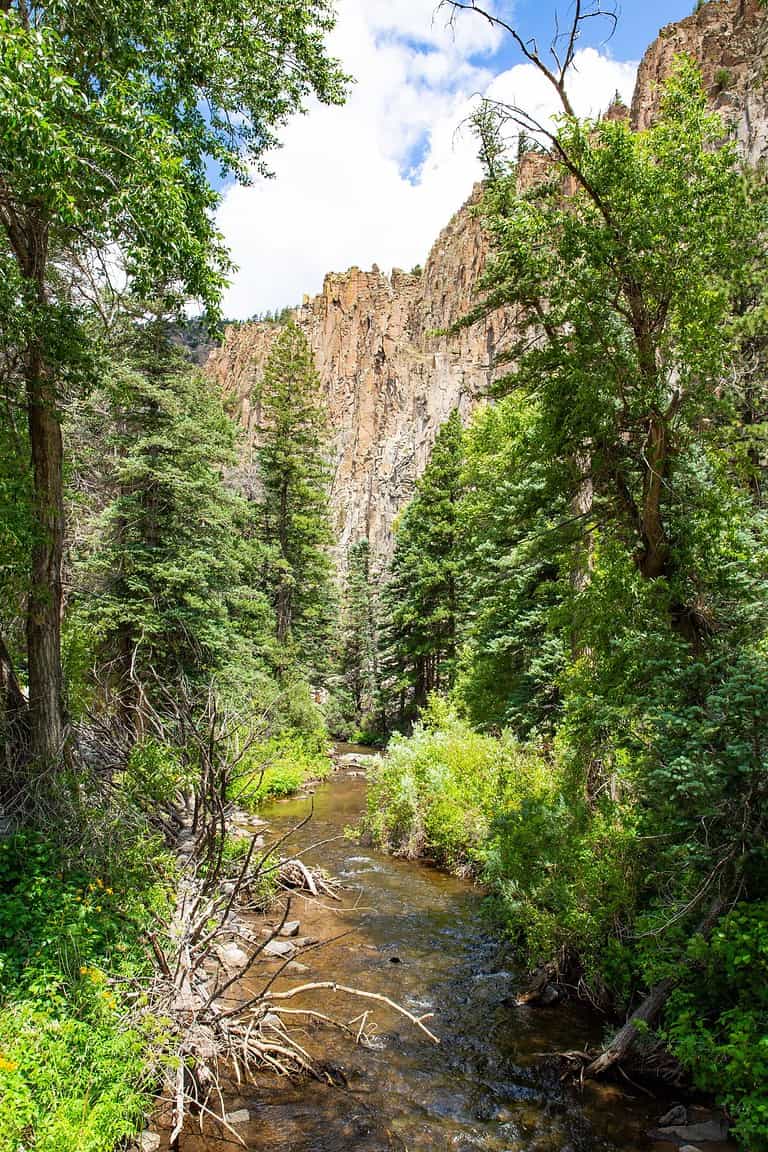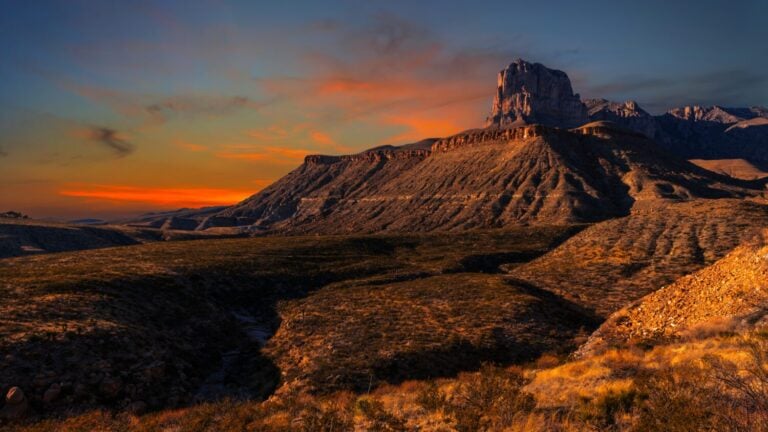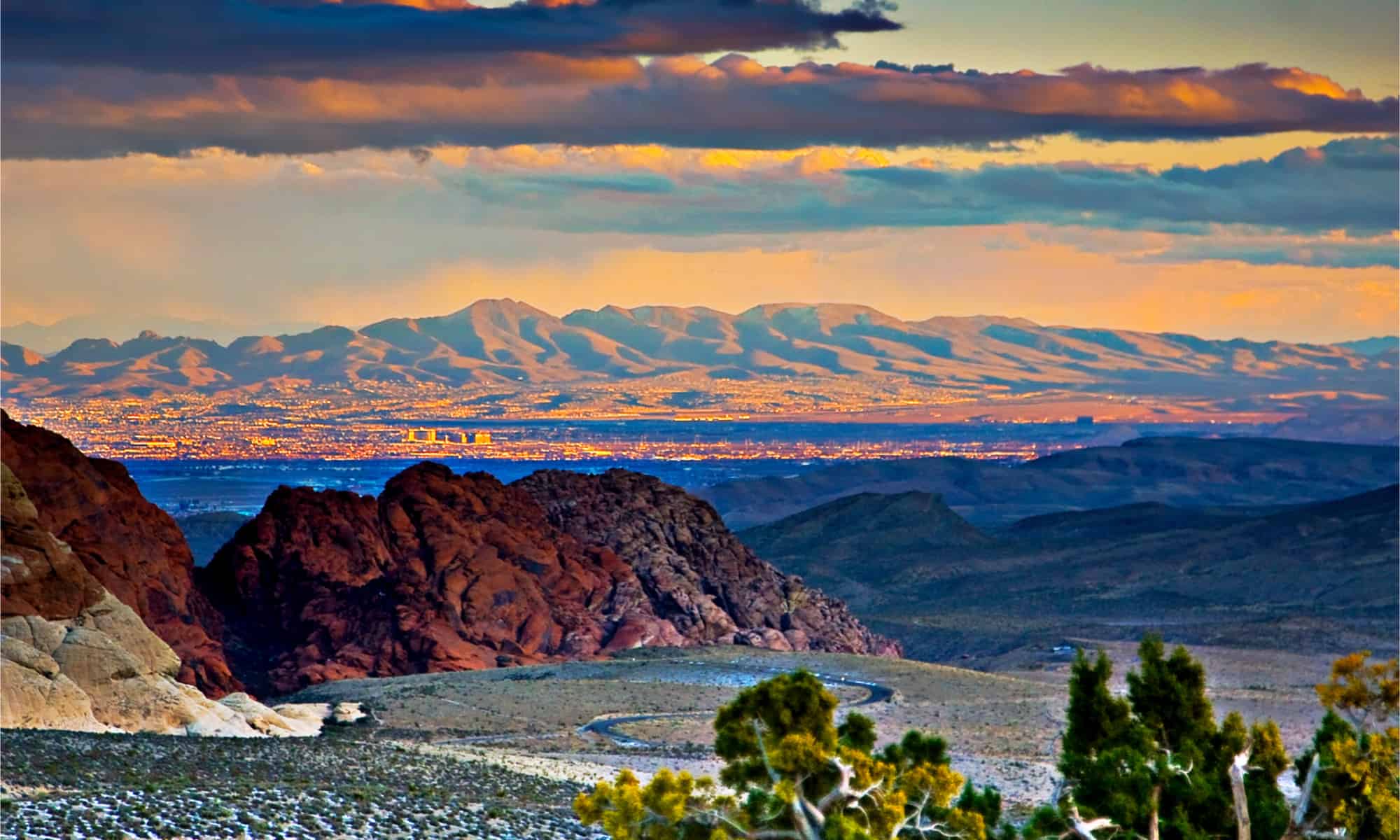

A lesser-known park but still one that will leave you breathless, Red Rock Canyon State Park sits along Highway 14 near Cantil, California, where the southern Sierra meets the northern Mojave Desert. Visitors love this park for its easy geology viewing, short hiking opportunities, dark skies, and spring wildflower viewing. But what about wildlife within the park? What animals might you encounter should you choose to visit?
This park draws roughly 90,000 visitors a year, with many more animals hiding along its rocky fringes. Wildlife watching is best at dawn and dusk, all season long. These are the animals you might encounter or witness as a visitor to Red Rock Canyon State Park.
Coyote

©karlumbriaco/iStock via Getty Images
Coyotes are common in this park, traveling the main washes that cross Hagen Canyon and the flats around Ricardo Campground. Early hikers often hear these predators near the campground amphitheater and see pairs trotting the nature trail loop. Across a typical year, about two to four family groups, roughly 20 to 40 animals total, use the park and adjacent lands, giving you ample opportunity to spot them.
Desert Kit Fox
©iStock.com/Sherri Cassel
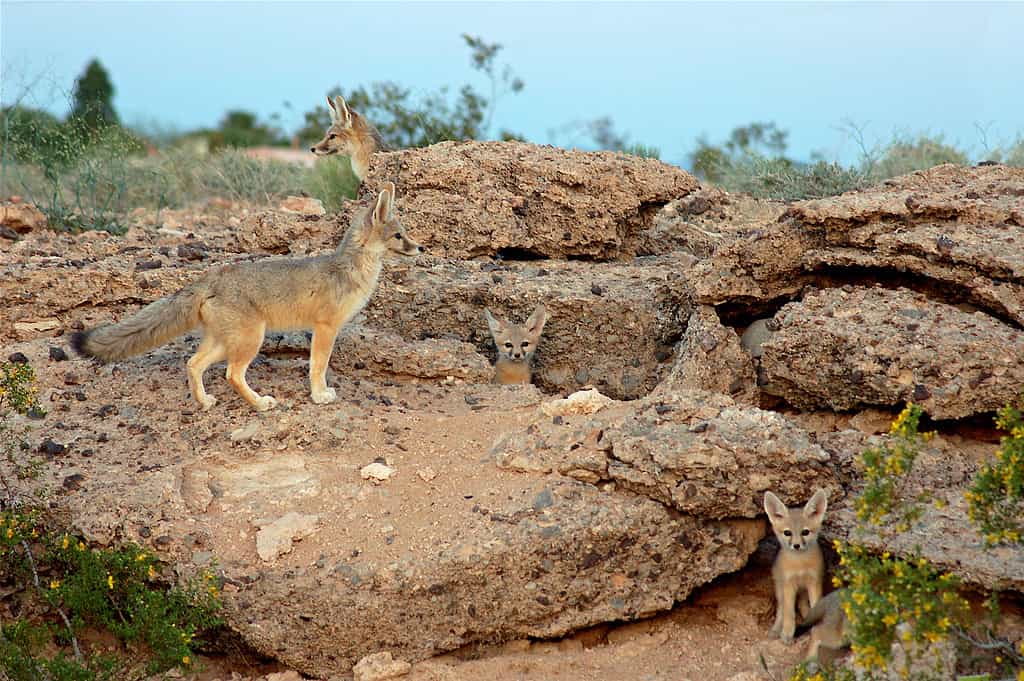
This fox is a special one, but it’s particularly difficult to spot. Look for kit fox tracks in the sand south of Ricardo and on the open basins east of Red Cliffs. Motion-triggered photos from staff and campers suggest a small number move through these edges during most of the year, with likely a few dozen in the broader area and a handful using the core park’s habitat at any given time.
Bobcat
©iStock.com/brentawp
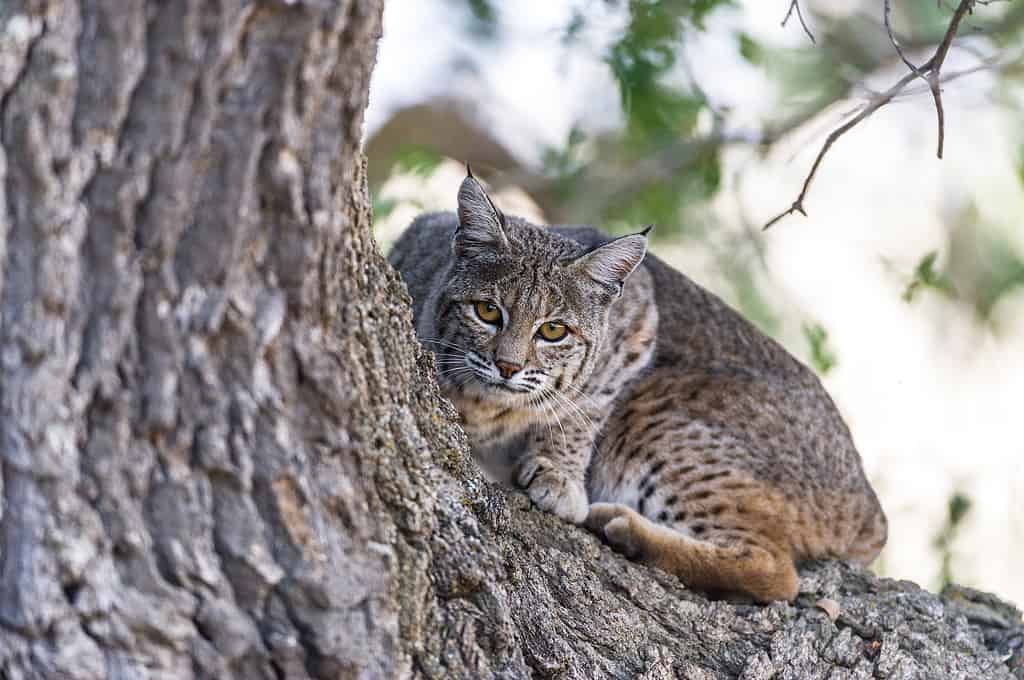
Bobcats hide amongst brush below the cliffs of this park, cutting across the lower end of Hagen Canyon at first light. After winter rains, fresh prints show up at puddles near trailhead parking lots and pull-offs. A reasonable local tally is 10 to 20 animals in and around the park, with brief, low-light sightings the norm. They’re elusive, so don’t expect to see one on your trip.
American Badger
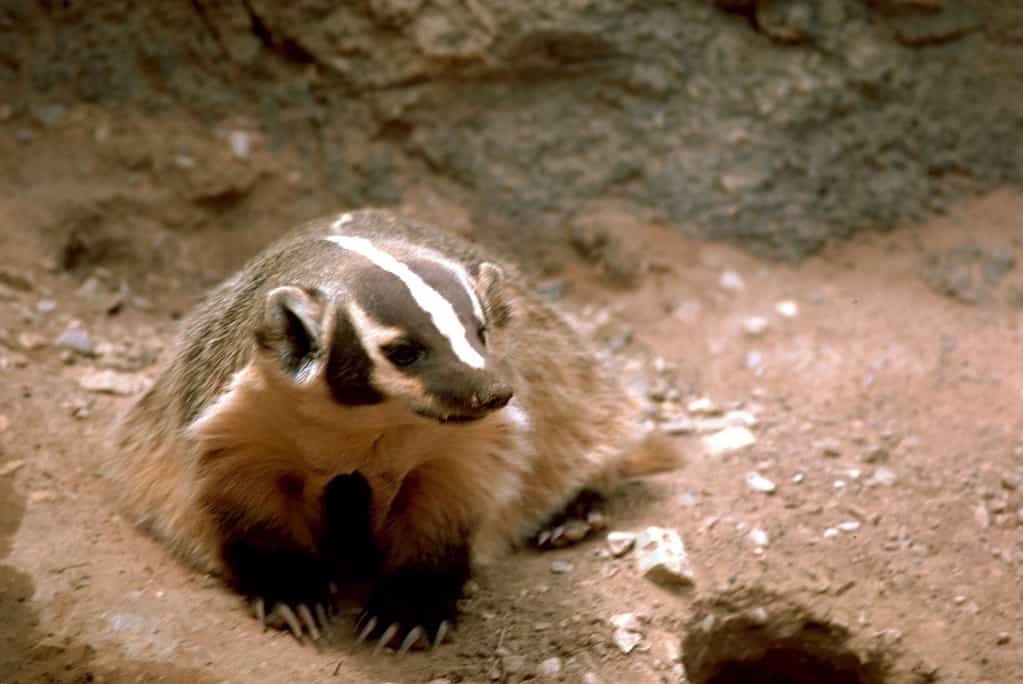
©Gary M. Stolz, U.S. Fish and Wildlife Service, Public domain, via Wikimedia Commons – Original / License
Fresh dig spots show up on the open flats south of Red Cliffs and along the outer loops of the campground road, and they are almost entirely linked to badger activity. Badger park occupancy runs around 5 to 15 badgers, though people notice burrow mounds more often than the animals themselves.
Black-Tailed Jackrabbit
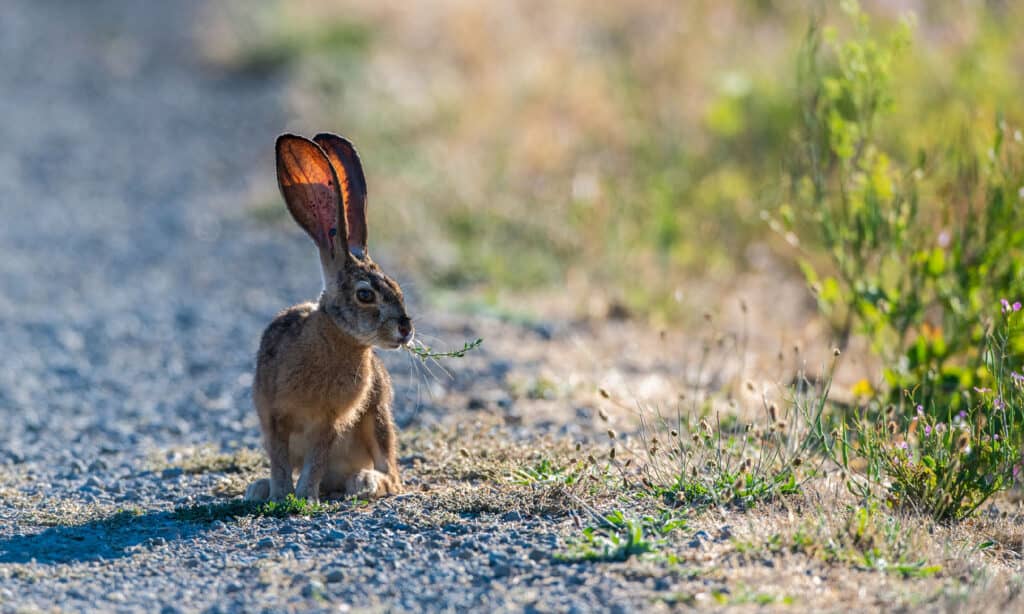
©iStock.com/zhuclear
Evening drives past the Red Cliffs pullouts and the entrance road to Ricardo will have you seeing jackrabbits regularly. Numbers swing depending on the season, but several hundred (often 600 to 1,200 in good years) use the shrublands and road margins. This is one of the easiest mammals to spot, should you choose to visit the park.
Desert Cottontail
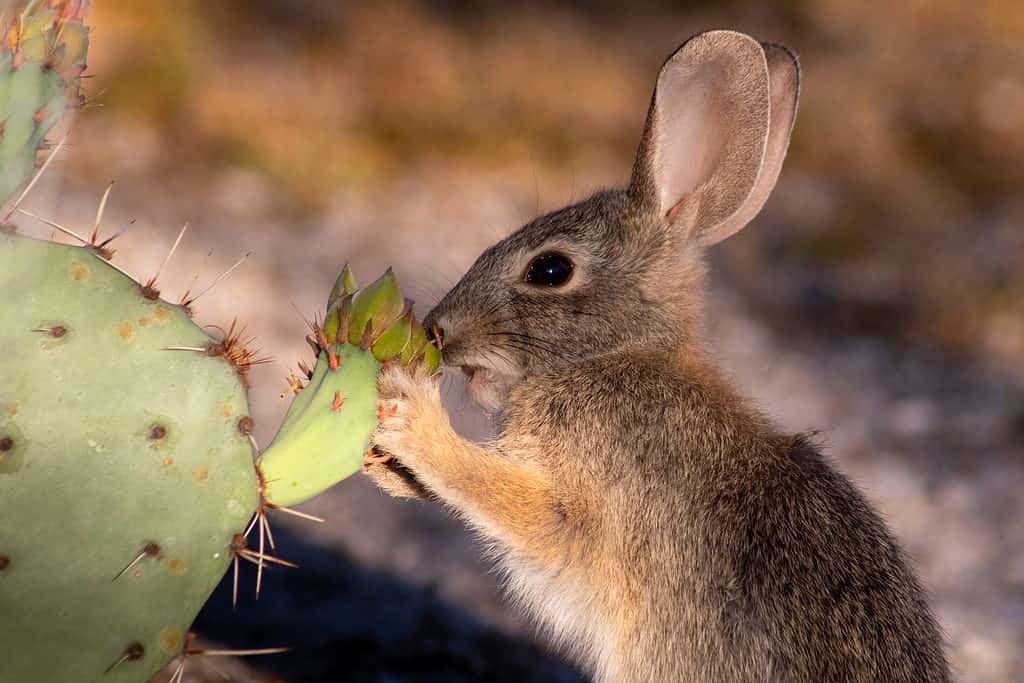
©Charles T. Peden/Shutterstock.com
Cottontails feed in the mesquite areas around Ricardo and along the short path into Hagen Canyon. Park counts commonly fall between 400 and 800, with many seen near campsites at dusk. They’re adorable and will enchant the kiddos and adults alike.
Antelope Squirrel
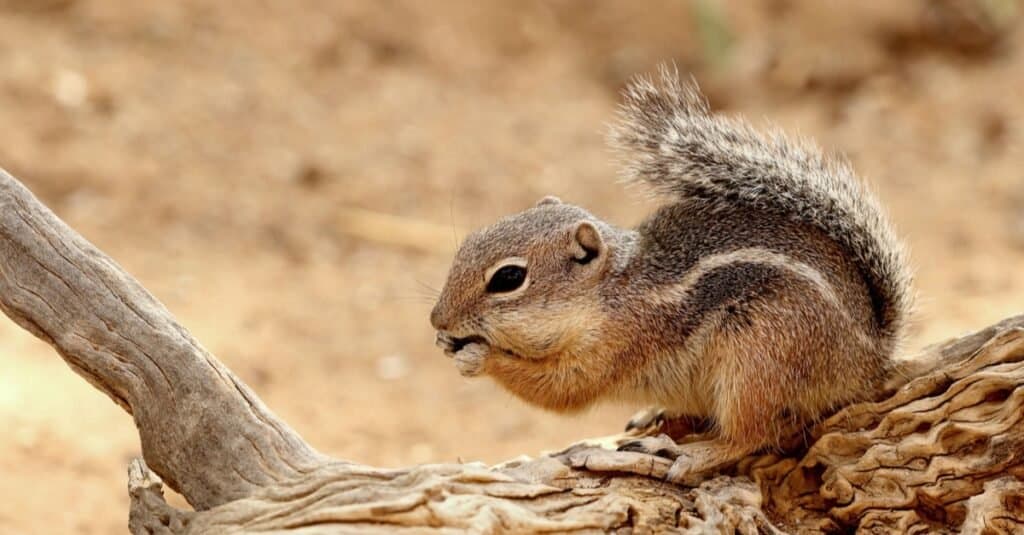
©J Curtis/Shutterstock.com
You’ll see these quick ground squirrels at picnic tables near Red Cliffs and on boulder edges along the nature trail. Several localized groups sum to roughly 1,000 to 2,500 animals across the park’s shrublands. Keep in mind that feeding wild animals isn’t recommended, no matter how much these cuties beg for some of your trail mix.
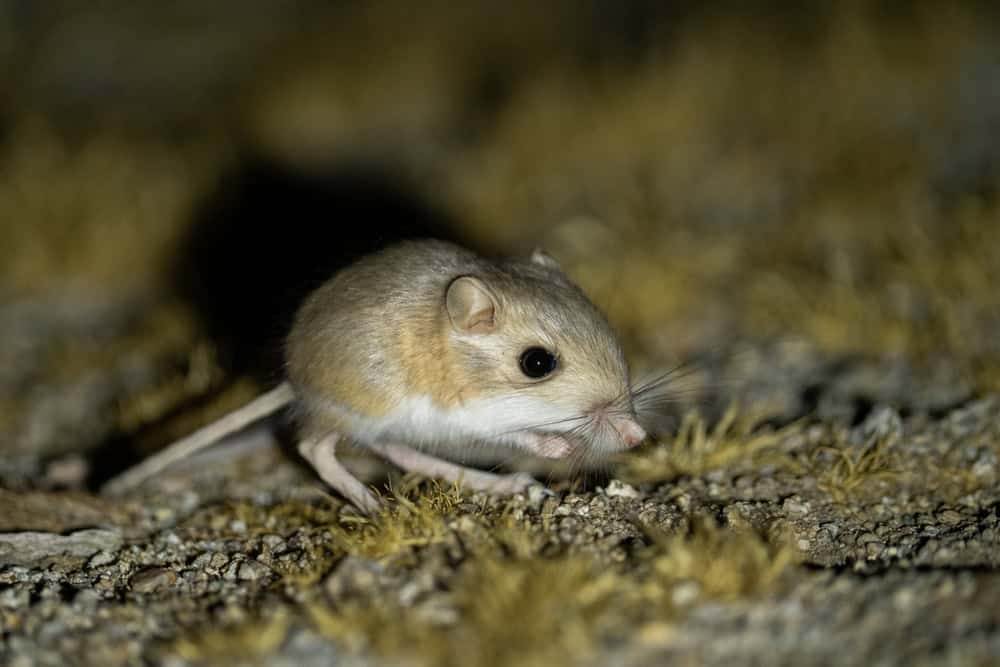
Merriam’s Kangaroo Rat
©Griffin Gillespie/Shutterstock.com
These tiny rats are well worth seeing, but your chances are slim. Check sandy patches near the Ricardo entrance road after dark; paired hind-foot tracks and seed husks are common. Following strong bloom years, populations of kangaroo rats rise into the many thousands across the park’s flats, though the animals themselves are seldom seen.
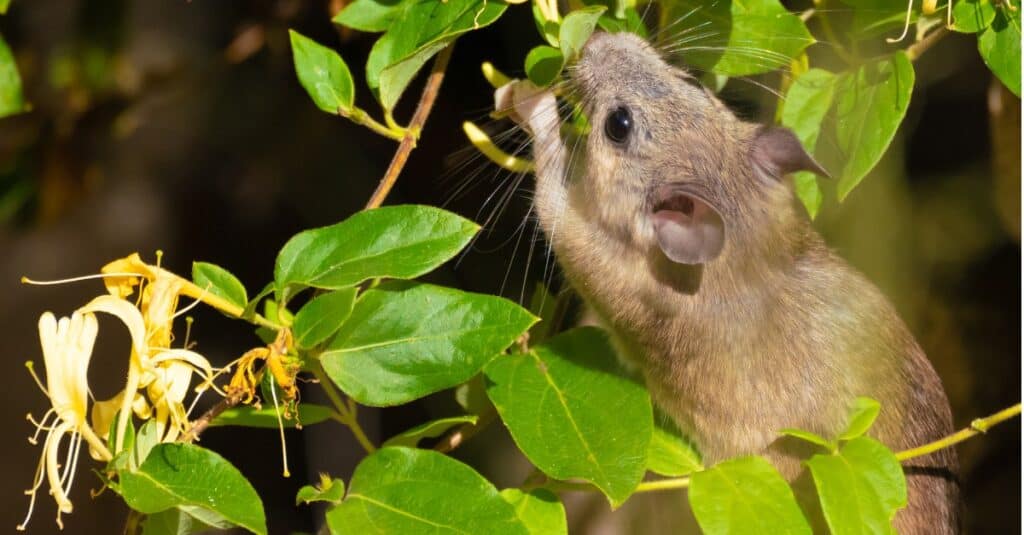
Desert Woodrat
©iStock.com/Moment of Perception Photography
Big stick nests are the first sign of the desert woodrat, and they’re easy to find at the base of Red Cliffs or in rock alcoves along the Hagen Canyon loop. There are roughly 500 to 1,000 woodrats within the park, though estimates are difficult to figure out for this quick-breeding species.
Mule Deer

©Christopher M Hall/Shutterstock.com
Small groups of mule deer drift down from north of the park after wet winters and may browse in upper Hagen Canyon. Seasonal use by the wider herd is roughly a few dozen animals, with only sporadic sightings inside the main badlands. However, they’re a peaceful sight amongst the rocks if you’re lucky enough to see them.
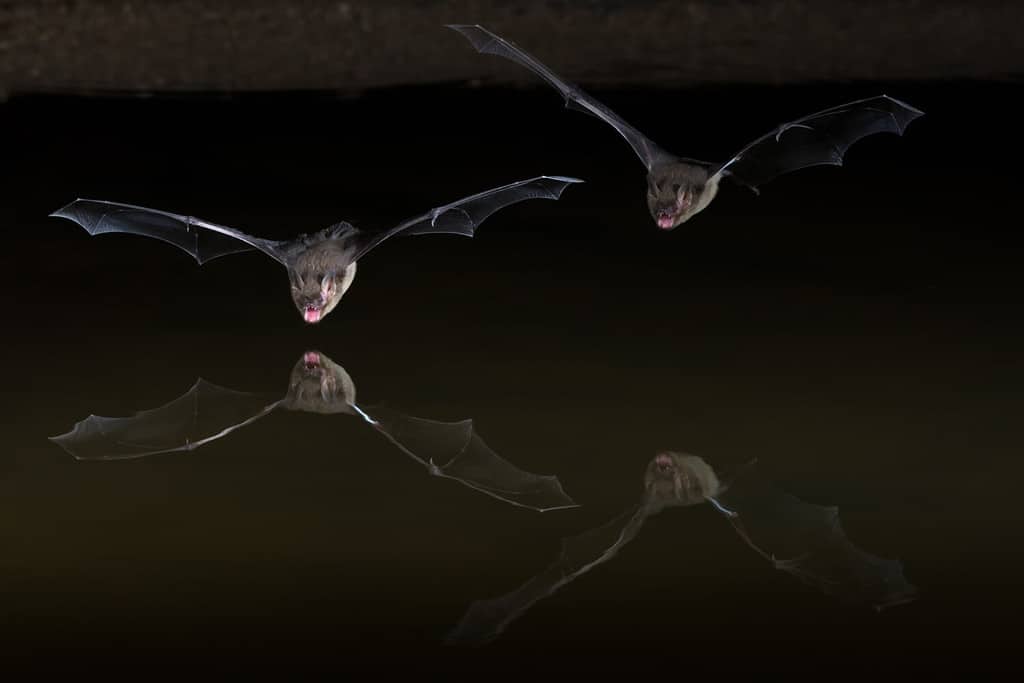
Bats (Pallid, Canyon, And Myotis)
©Dee Carpenter Originals/Shutterstock.com
Stand near the Ricardo water spigots or the campground road at dusk and watch for multiple species of bats cutting across the sky. On warm nights in late spring and summer, activity from a few hundred bats can be seen as they forage for bugs over the campground and canyon mouths.
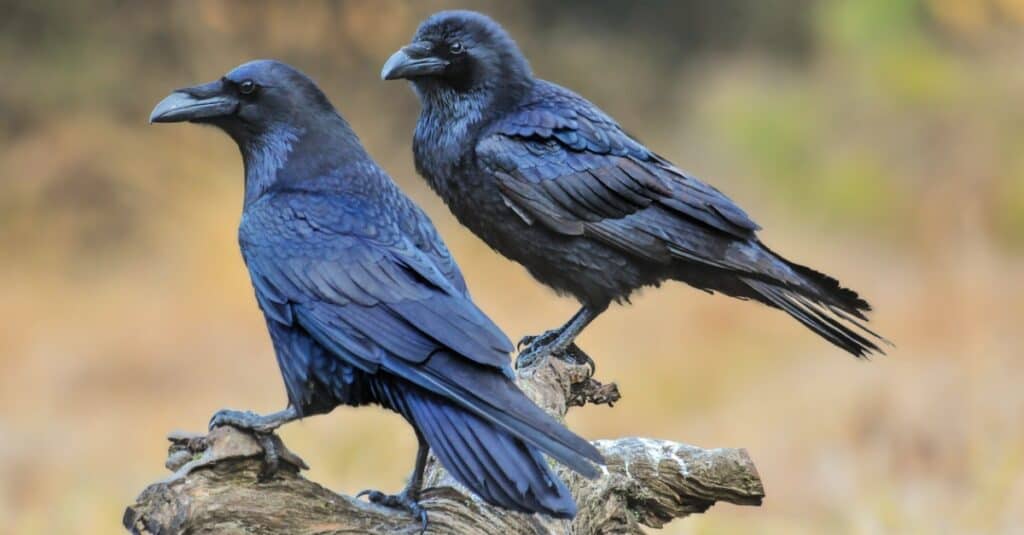
Common Raven
©Krasula/Shutterstock.com
Ravens are commonly sighted over Red Cliffs, perch on Highway 14 signs, and patrol the campground dumpsters, which is why it’s best to ensure they’re closed up. Daily sightings typically involve 50 to 100 birds moving through the main corridor. Listen for their kronking sounds as you hike, too.
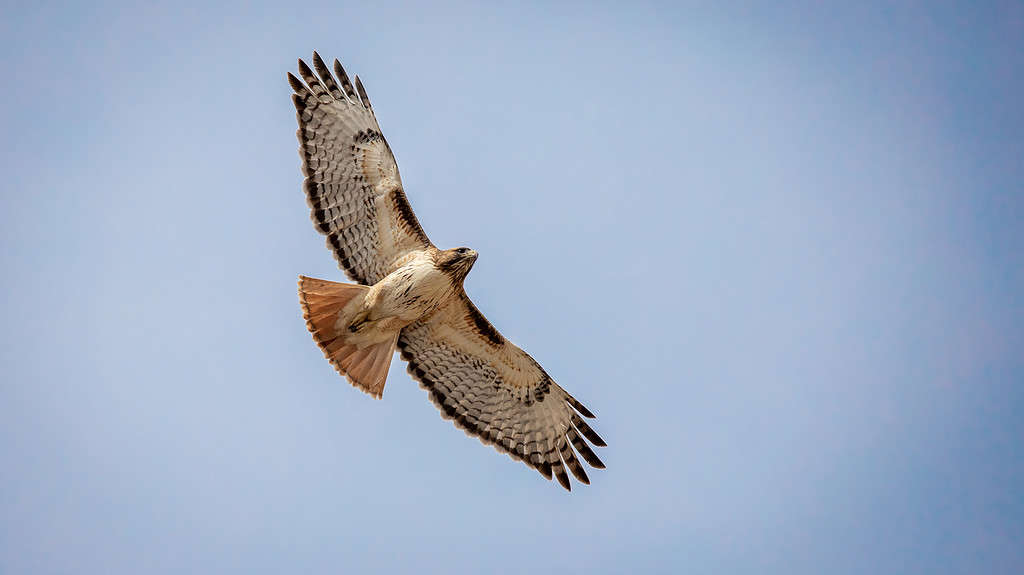
Red-Tailed Hawk
©Joseph Webber/iStock via Getty Images
Look up from the Hagen Canyon parking lot late morning, and you might spot some red-tailed hawks soaring along the cliff edges and hunting the highway median. Across the immediate area, expect half a dozen to a dozen territorial adults, plus migrants in spring and fall.
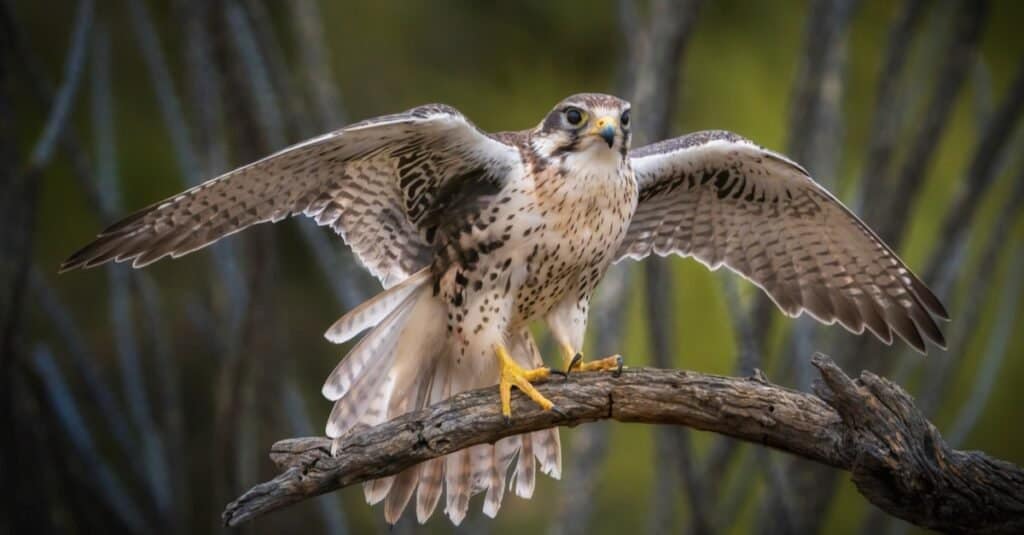
Prairie Falcon
©JayPierstorff/Shutterstock.com
From the Red Cliffs viewpoint, watch for a fast, low-flying falcon over open slopes. Four to eight prairie falcons use the badlands and adjacent basins throughout the year. Sightings are periodic but regular, so you may get lucky depending on the time of year you visit.
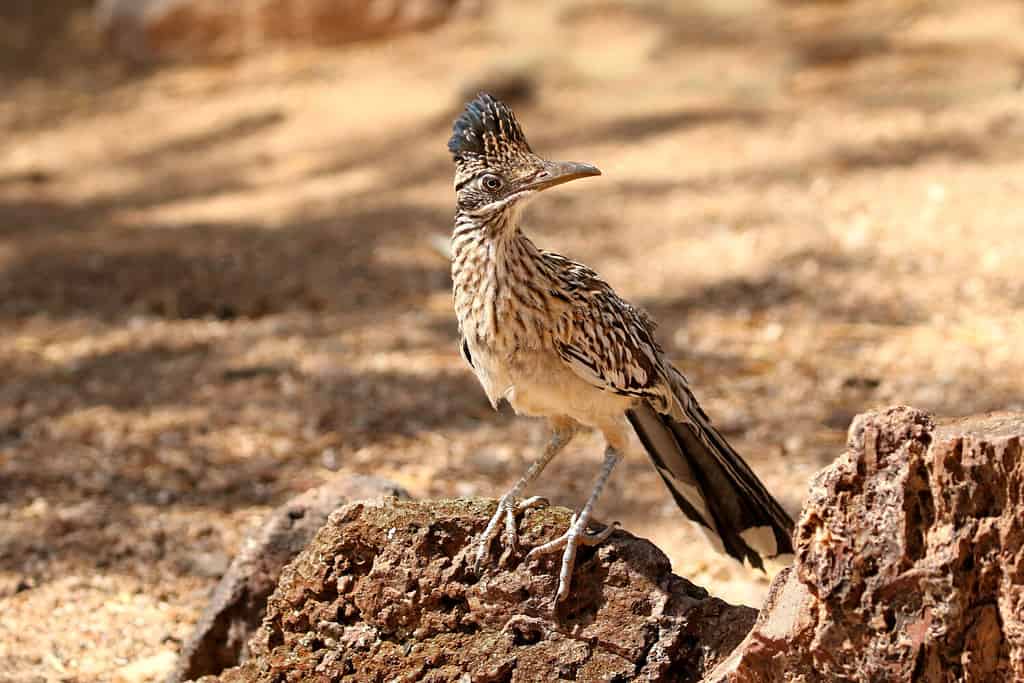
Greater Roadrunner
©J Curtis/Shutterstock.com
The best places to spot a greater roadrunner include the first half-mile of the Hagen Canyon Nature Trail and the open flats just south of the Ricardo entrance. Thirty to sixty roadrunners appear to use the park’s shrublands, with early morning offering the best chance to spot them running.
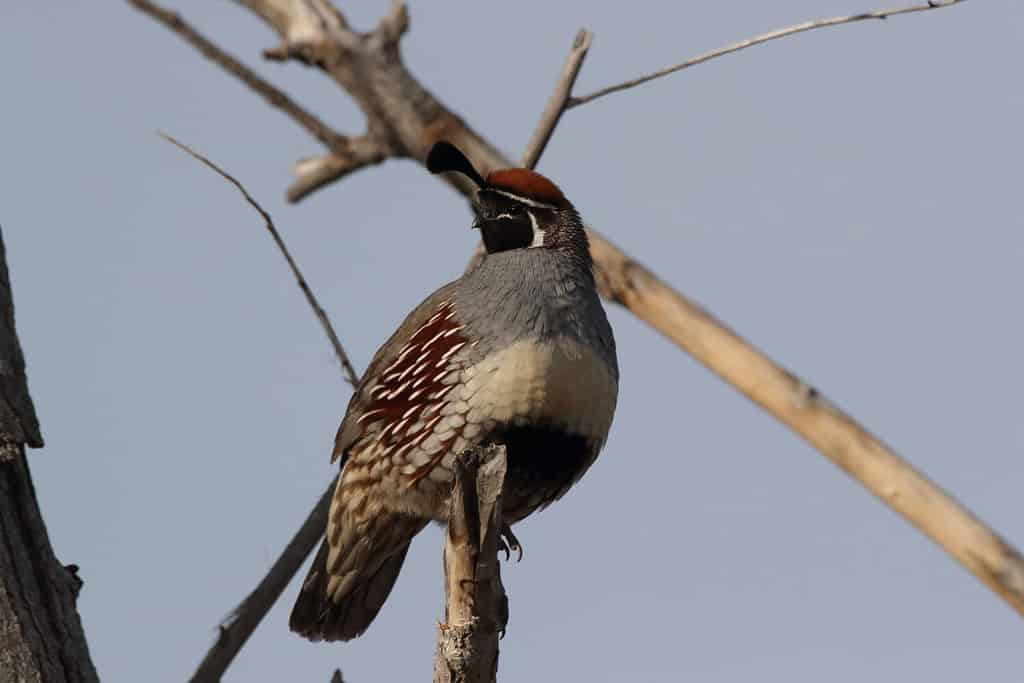
Gambel’s Quail
©Greens and Blues/Shutterstock.com
Listen for coveys of quails calling in the woods north of the campground and in the wash that runs along the nature trail. Depending on rainfall, roughly 150 to 300 birds occupy the park’s brushy basins, though they’re heard more than seen. This is a shy bird, especially when they’re running with their young!
Burrowing Owl
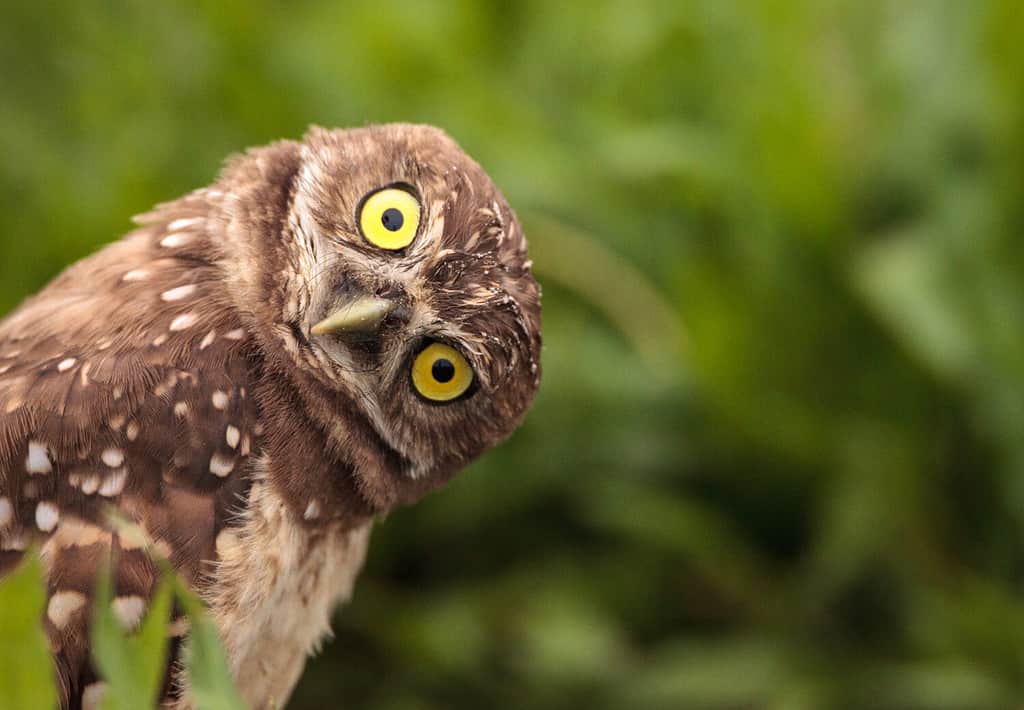
©SunflowerMomma/Shutterstock.com
Open flats south and east of Ricardo with active ground-squirrel burrows are the places to check for burrowing owls, and always near sunset. In better years, roughly 10 to 20 owls use territories in and around the park, with a few visible at burrow mouths.
Sidewinder (Mojave Desert Sidewinder)
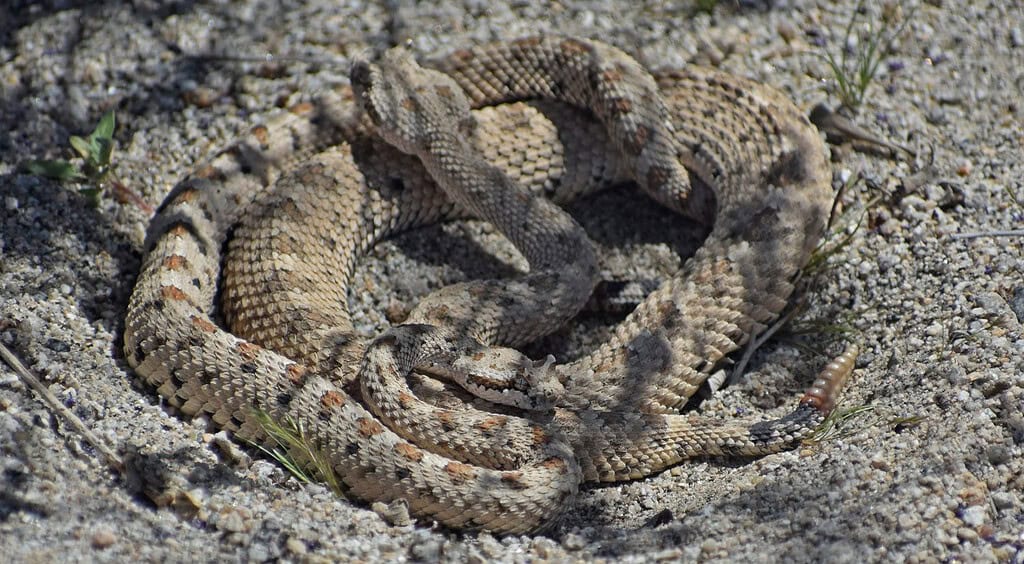
©Diane N. Ennis/Shutterstock.com
While you may not want to encounter a sidewinder, they’re fairly common in this park. Look for zagging tracks on the sandy sections of the Hagen Canyon loop and on wind-sheltered flats just off the campground road. Fifty to one hundred sidewinders likely live here, and activity always peaks on warm nights.
Mojave Rattlesnake
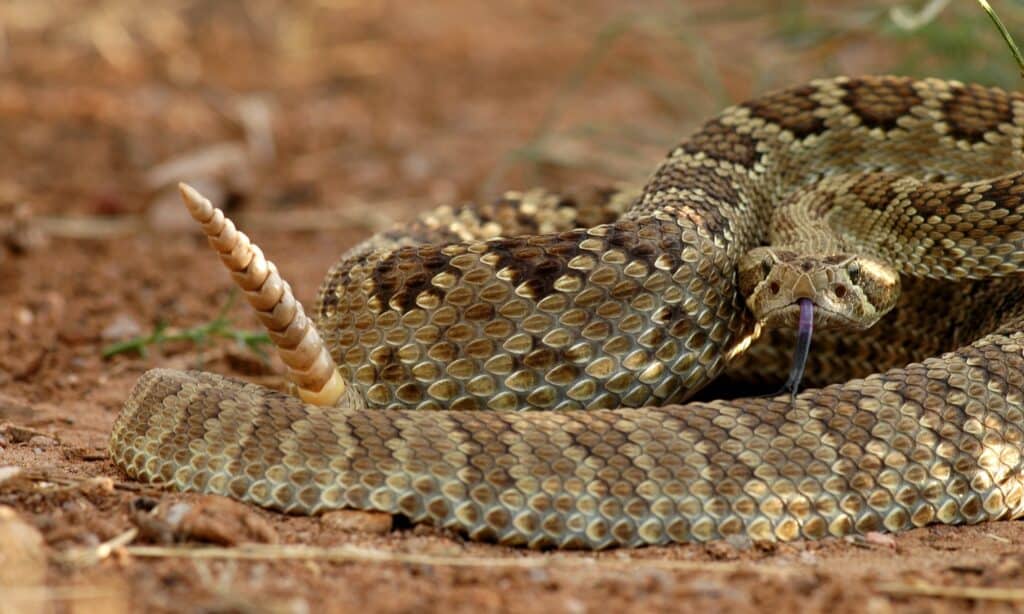
©iStock.com/Shoemcfly
Just like the sidewinder, you may not want to see this particular snake. However, encounters tend to happen on the open desert north and south of Red Cliffs and along the outer margins of the nature trail. The park typically holds a few dozen of these snakes, so be sure to give any rattling noise space if you hear something like that.
Gopher Snake
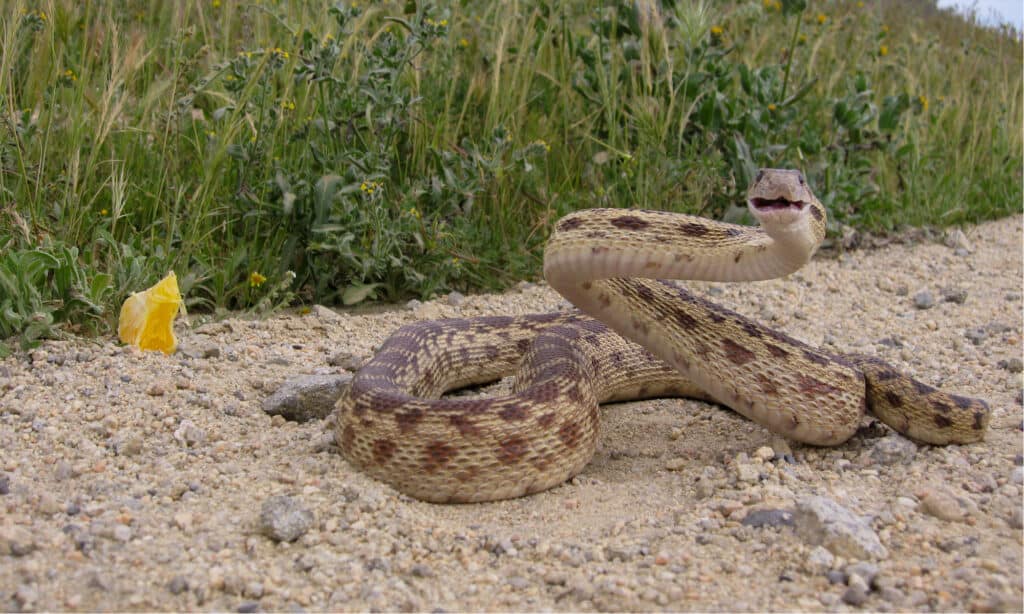
©rawaccess/Shutterstock.com
Common along the Hagen Canyon loop, in roadside grasses at the Red Cliffs pullouts, and near the campground entrance sign, gopher snakes are one of the nicer snakes in this desert landscape. Expect around 150 to 300 across park habitats, with spring mornings producing the most sightings.
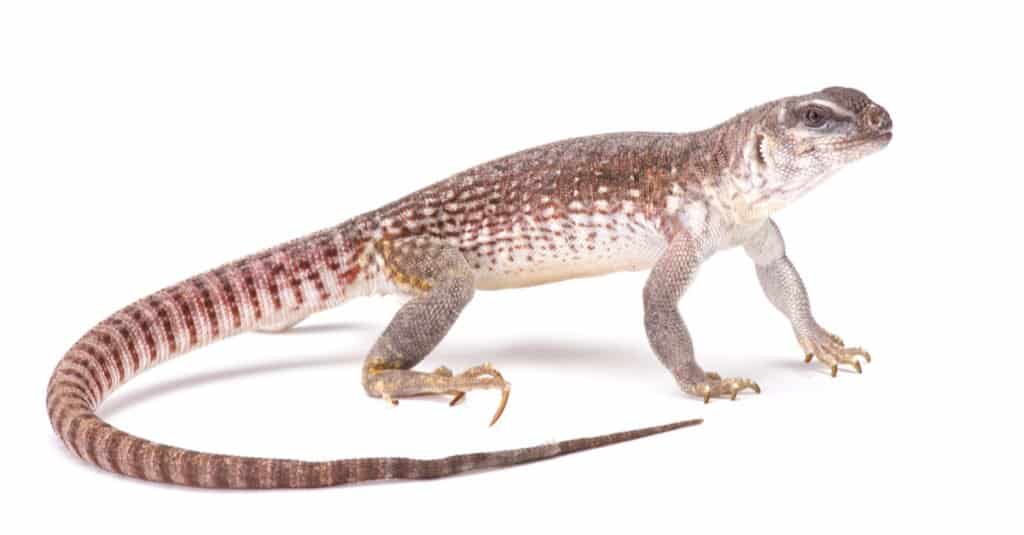
Desert Iguana
©reptiles4all/Shutterstock.com
The best place to spot a desert iguana in Red Rock Canyon State Park is along the flats south of Red Cliffs and the sandy regions just beyond the campground. Populations commonly sit between 200 and 400, and midday in summer is when they’re most likely to be out.
Desert Spiny Lizard

©Wirestock Creators/Shutterstock.com
Look for these lizards basking on boulders above the Hagen Canyon loop and on the low ridges north of Ricardo. Counts typically run around 100 to 200 in suitable rocky pockets, and they’re a fun addition to any hike.
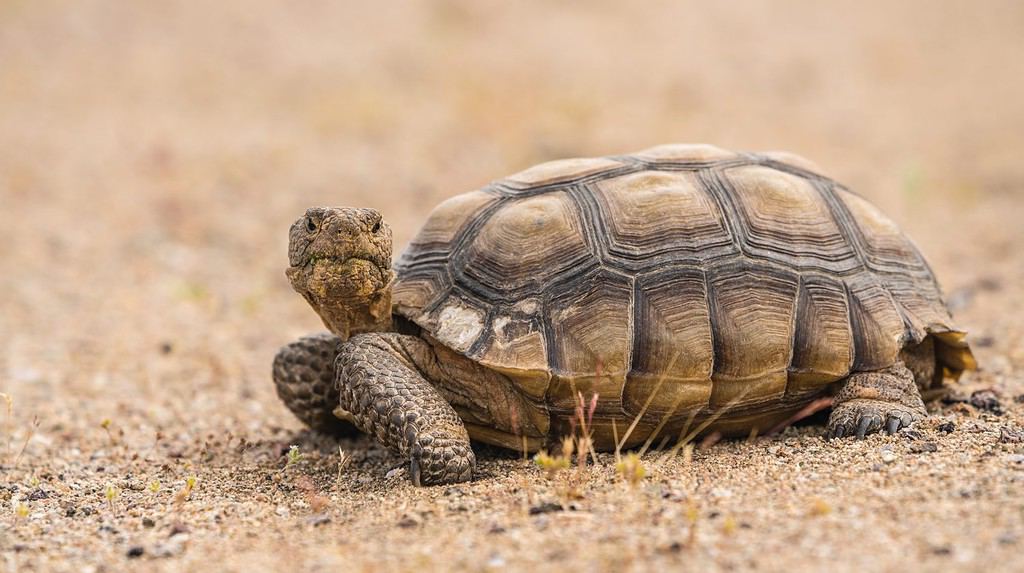
Desert Tortoise
©clayton harrison/Shutterstock.com
Suitable habitats for the desert tortoise occur on gentle slopes west and north of the campground and along broader flats away from heavy foot traffic. Across the larger area, perhaps 20 to 40 tortoises persist, with only a few using parklands in a given season. Spotting one is uncommon, though, as they’re currently a threatened species; observe from a distance and never move or handle them.
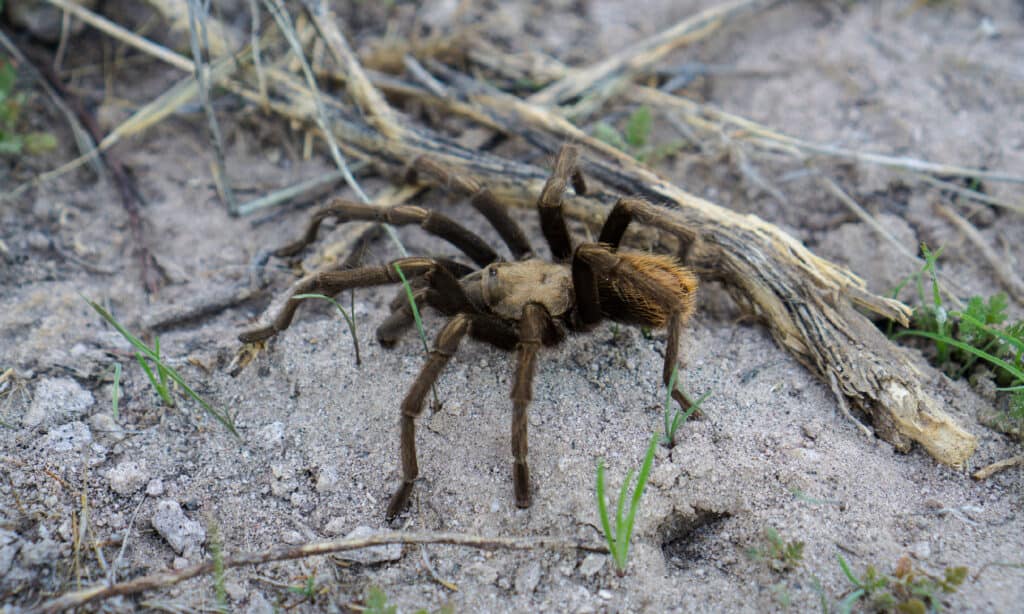
Desert Tarantula
©iStock.com/Stephen Couch
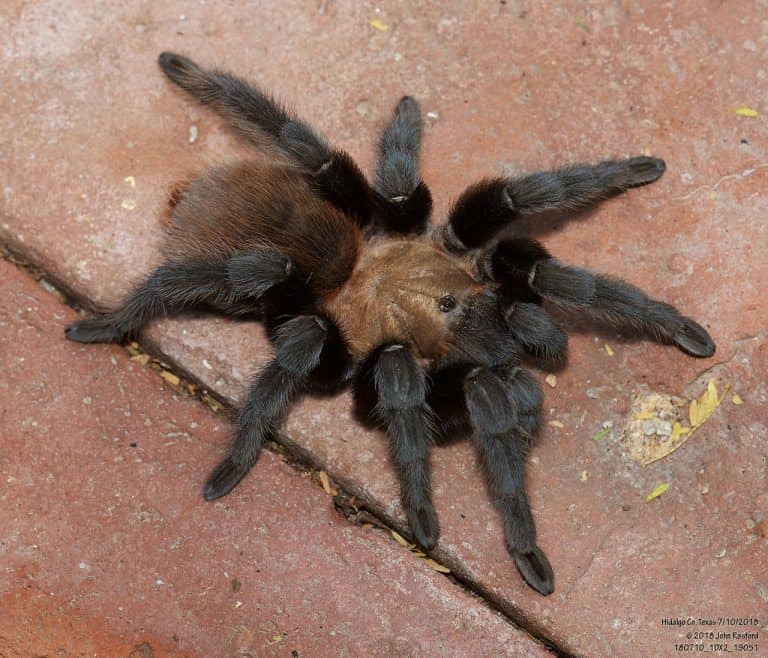
Late summer and fall evenings, especially along the campground road and the first quarter mile of the nature trail, are good times to see these large arachnids. There are hundreds across the park, though activity spikes during the mating period. Keep this in mind if you’re afraid of spiders!
Desert Hairy Scorpion
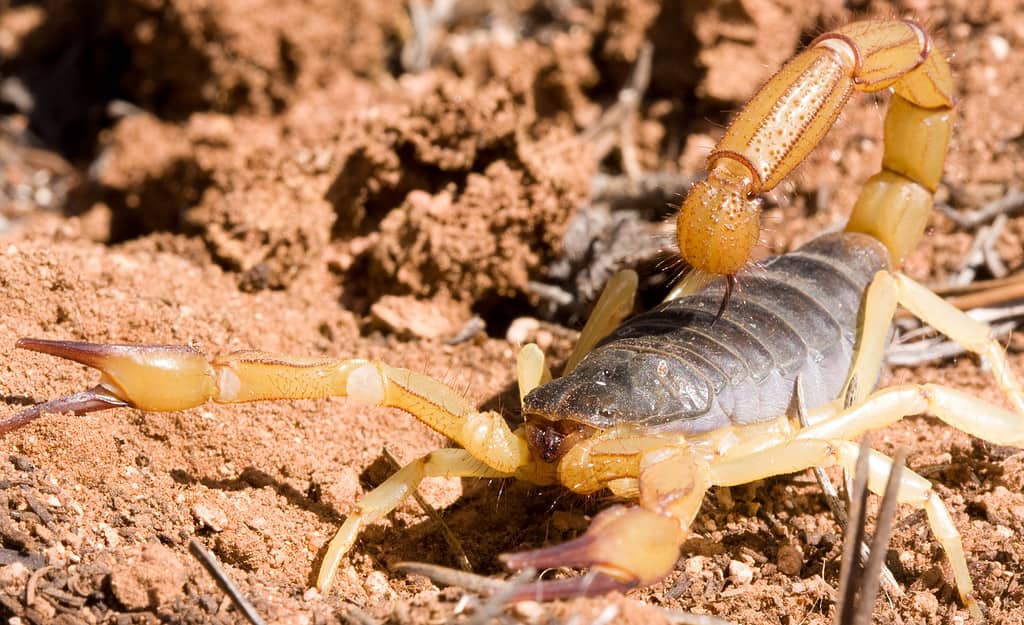
©Dave Rock/Shutterstock.com
Warm nights on the flats east of Red Cliffs and along sandy pullouts south of Ricardo are some of the spots you’ll most likely see a desert hairy scorpion. Hundreds occur park-wide, though most are noticed only after dark. However, check your sleeping bag and clothing, should you opt to camp within this park; scorpions are sneaky and may slip in without you realizing.